
Reviewed · KYOTO TEA CEREMONIES
Private Kyoto Sushi Cooking Class & Tea Ceremony with Emika
Cooking in a Kyoto home feels personal. In Emika’s Nishikyo Ward space, you make a meal from seasonal ingredients (sushi or obanzai), eat together, then close with a tea ceremony that turns the whole experience into something you remember.
I especially like the warm, un-rushed feel—Emika guides you step by step, and you get lots of chances to ask questions. Another highlight for me is that the food isn’t built on generic “class” ingredients; it’s built on what Emika grows herself, so you’re tasting real Kyoto produce. One thing to consider: there’s no hotel pickup, and the walk to her neighborhood can be about 10–15 minutes from the nearby station.
In This Review
- Key Things That Make This Kyoto Class Worth Your Time
- A Kyoto Kitchen Session in Emika’s Home
- Finding the Meeting Point in Nishikyo Ward (No Hotel Pickup)
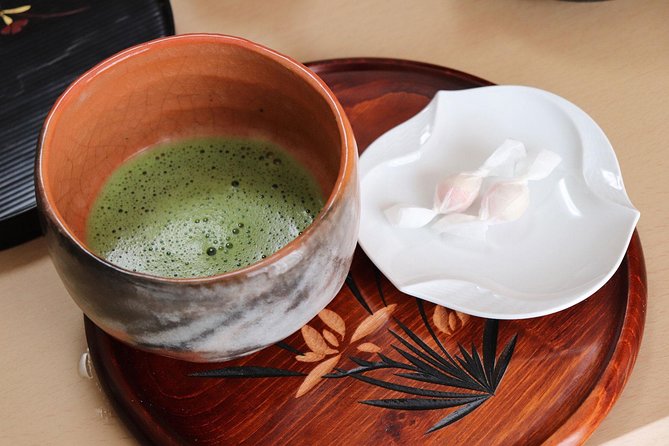
- Matcha First: How the Tea Sets the Tone
- Sushi Skills and Kyoto Techniques for About One Hour
- Obanzai Sides That Taste Like the Season
- Alcohol Pairing or Matcha, Then the Meal You Made
- Tea Ceremony Finish: A Calm Kyoto Wrap-Up
- Market Tour Option: Supermarket Shopping Like Locals
- Price and Logistics: What $109 Really Buys
- Who This Kyoto Class Fits Best
- Should You Book This Kyoto Sushi Cooking Class With Tea Ceremony?
- FAQ
- Can I choose whether I cook sushi or obanzai?
- How long is the experience?
- Does the class include drinks?
- Is there a market tour option?
- Is pickup from my hotel included?
- What dishes are included?
- What if I have allergies or dietary restrictions?
- Is this a private tour?
- Is there a refund if I cancel?
Key Things That Make This Kyoto Class Worth Your Time
- Matcha at the start: a freshly made cup before the cooking really begins
- Garden-to-table ingredients: Emika grows organic vegetables you’ll use in your dishes
- Choose your menu: you can book a sushi option or a more Kyoto-focused obanzai menu
- Food plus ceremony: the meal ends with a traditional tea ceremony, not just a quick dessert moment
- Optional market tour: if you want to shop like locals, the supermarket stop comes after the cooking and meal
- Private setting: only your group, so it feels like learning with a friend—not watching a show
A Kyoto Kitchen Session in Emika’s Home
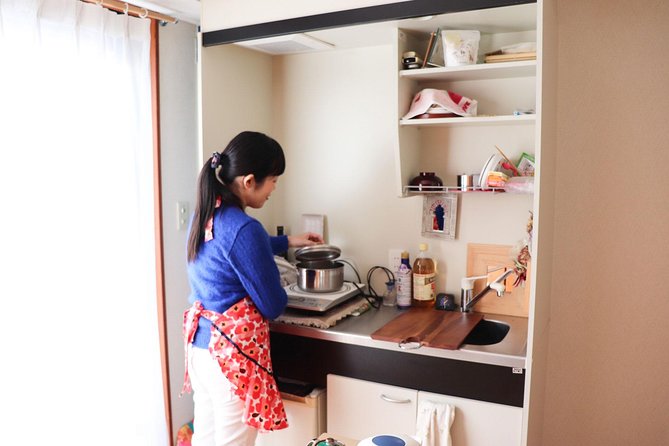
If you’ve ever wished your Kyoto food experience felt less like a performance and more like a real day in someone’s life, this class hits that goal. You’re welcomed into Emika’s home kitchen, where the focus stays on two things: making food with care and chatting like you’re part of the household for a while.
What you cook isn’t just “Japanese food.” It’s Kyoto obanzai, the style of home cooking that leans on what’s in season and what fits the rhythm of the year. You’ll also get an option that centers on sushi—so even if you’re not a “vegetables and tofu” traveler, you can still build a menu that sounds exciting on day one.
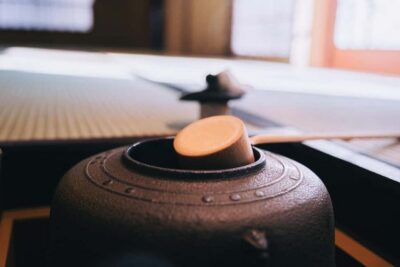
Sit for another bowl of matcha in a Kyoto tea house


Finding the Meeting Point in Nishikyo Ward (No Hotel Pickup)
The meeting point is at 31-30 Katsurainariyamachō, Nishikyo Ward, Kyoto. There’s no hotel pickup or drop-off here, so plan to get yourself there on public transportation and a short walk.
In plain terms: this is easy if you’re comfortable using Google Maps, but it’s not the “step out of the car and you’re there” style. Reviews mention Emika’s home being about a 10–15 minute walk from the Katsura area station, and the streets can be winding—nothing scary, just the kind of walk that goes faster if you’ve got navigation ready.
Matcha First: How the Tea Sets the Tone
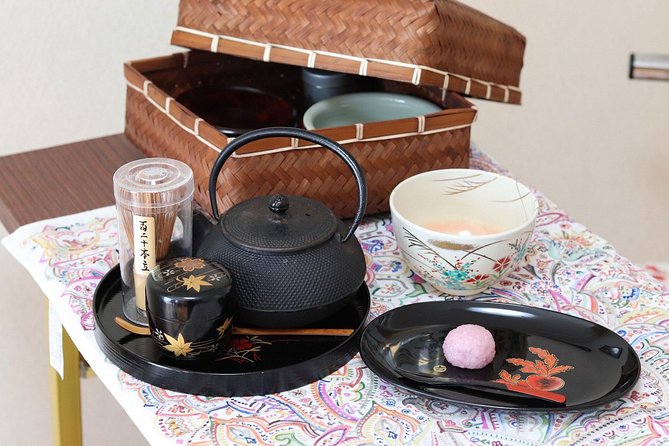
Your experience starts (or ends, depending on the schedule option you book) with a freshly made cup of matcha, prepared by Emika or her father. That matters more than it sounds. Matcha isn’t just a drink in this setting—it’s a signal that you’re switching into Kyoto pace: calm, attentive, and present.
After the matcha, you transition into cooking. You’ll see how ingredients are handled and why certain steps matter for taste and texture—especially with sushi rice and the savory Kyoto sides.
Sushi Skills and Kyoto Techniques for About One Hour
The cooking portion typically lasts around one hour, which is a nice pace for two reasons. First, it’s not so long that you feel drained before you eat. Second, it’s enough time to actually learn something you could repeat at home.
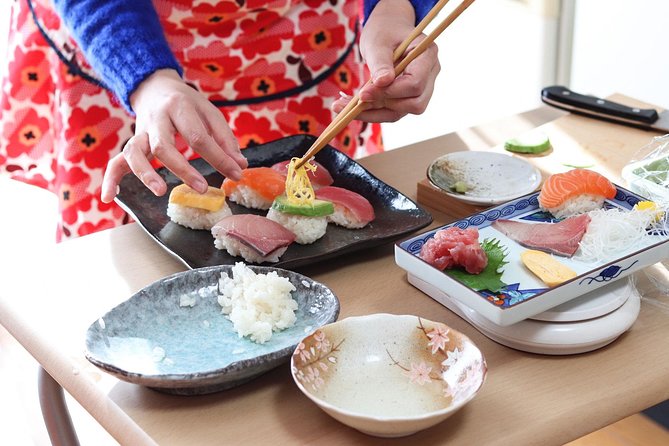
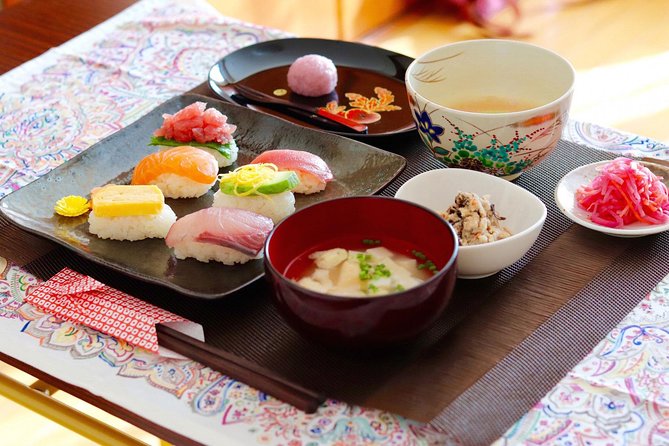
When you book the sushi option, you’ll learn to make sushi of your choice. You’ll also typically work through core pieces like sushi rice, plus classic basics that go with it such as miso soup. For sushi, the technique focus is on doing things by feel—rolling, topping, and assembling in a way that looks good and tastes right.
Two practical notes that make this class work well for beginners:
- Emika teaches in a way that supports different skill levels, so you’re not stuck feeling behind.
- You’re not cooking alone. The pace is guided, and you get the kind of “do this, then that” feedback that helps you avoid common sushi-mess mistakes (like rice that’s too wet or toppings that slide).
Obanzai Sides That Taste Like the Season
Even if you choose sushi, the meal is shaped around Kyoto obanzai-style dishes. The class includes a sushi build and also two Kyoto vegetable-focused dishes, which is great if you want to understand why Kyoto food feels different from other parts of Japan.
The kinds of dishes you can expect are rooted in Kyoto’s seasonal approach—things like marinated mushrooms, slow-cooked vegetables, miso soup, and tofu dishes. And yes, you’ll taste the difference between “fresh ingredients” and ingredients that were grown and harvested with intention.
One reason this part gets so much praise is the ingredient story. Emika grows organic vegetables for the class, so you’re learning with produce that actually tastes like itself. That gives you a clearer idea of what to buy back home when you’re trying to recreate the flavor.
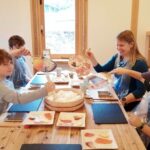
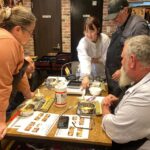
Roll up your sleeves for another Kyoto cooking class

Alcohol Pairing or Matcha, Then the Meal You Made
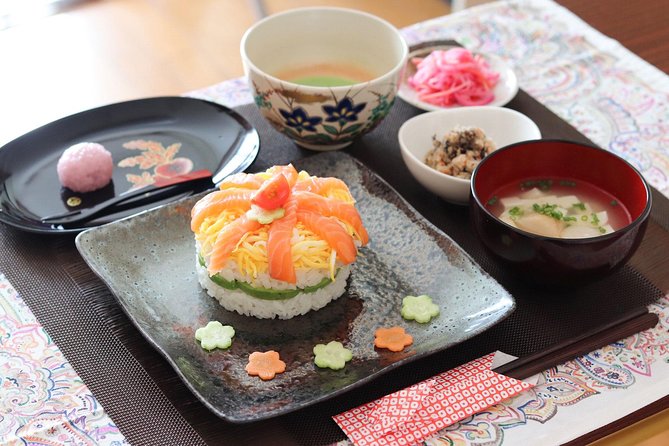
You’ll get local drinks as part of the experience—typically one to two glasses of alcohol. Some participants have recommended nigori sake, and the general idea is simple: pair something local with what you’re making, so the meal feels like a Kyoto evening, not a cooking workbook.
If alcohol isn’t your thing, matcha is already in the mix, and the experience stays focused on taste and conversation either way. After cooking, you sit down together and eat what you prepared. That’s the best part of cooking classes: the learning sticks because you immediately taste the results.
And the conversation matters too. Emika shares recommendations for Kyoto—useful if you want ideas that aren’t just the same top-10 list everywhere. You’ll likely walk away knowing where to go next based on what you actually ate and what you asked about.
Tea Ceremony Finish: A Calm Kyoto Wrap-Up
After the meal, the experience ends with a tea ceremony. This is not an afterthought; it’s a fitting close because it gives you the cultural context for the matcha you started with.
Tea ceremony time is also a chance to slow down. You’ll have just cooked, eaten, and chatted, and then you shift into something more formal and quiet. If your Kyoto trip is packed with temples and train schedules, this finish helps you balance the day with a slower, more human rhythm.
Market Tour Option: Supermarket Shopping Like Locals
If you choose the Market tour option, Emika takes you on a one-hour stop at a local supermarket/produce market. Key detail: it happens after your cooking class and meal, not before.
That timing is smart. You’ll have already tasted the flavors, learned what the ingredients do in cooking, and then you’ll see how Japanese shoppers look for those items. It’s much easier to buy the right things when you can connect them to the dishes you just ate.
Emika can help you purchase ingredients to take home, which is helpful if your goal is more than “cool photos.” If you want to recreate sushi rice techniques, Kyoto vegetable sides, or the sauces and seasonings used in obanzai cooking, this shopping stop is where you get practical.
Price and Logistics: What $109 Really Buys
At $109 per person, this isn’t “cheap,” but it isn’t overpriced for what you get—especially since it’s a private home experience. You’re paying for access: Emika’s kitchen, her time, the ingredients (including vegetables she grows), plus the teaching and the tea ceremony.
Here’s how I see the value:
- Private format means you don’t share attention or pace with strangers.
- Tea ceremony + matcha turns the class into a full cultural meal arc.
- Local alcohol adds to the dining experience.
- Optional market tour gives you a concrete follow-up plan for buying ingredients.
One logistics point to keep in mind: because there’s no hotel pickup, you’ll want to build a little buffer into your schedule so you arrive relaxed, not sprinting. Also, the experience lasts about 3 hours total, so it fits cleanly into a day without swallowing your whole afternoon.
Who This Kyoto Class Fits Best
This class is a strong fit if you want:
- A Kyoto home setting rather than a commercial cooking school vibe
- A real food focus that includes obanzai, not just sushi basics
- A small, guided experience where you can ask questions
- An optional plan to shop for ingredients for cooking later
It’s also a good pick for mixed groups—people with different food preferences. Reviews mention accommodations for dietary needs, including vegetarian adjustments, so it’s worth communicating your restrictions when you book.
If you only want restaurant-style sightseeing food, you might find this too hands-on. But if you like learning skills, tasting what you make, and leaving with ingredient ideas you can actually use, you’re in the right place.
Should You Book This Kyoto Sushi Cooking Class With Tea Ceremony?
My take: book it if you’re aiming for something intimate, practical, and culturally rooted. The big win is the combination of cooking + eating + tea ceremony, with ingredients tied to Kyoto home life through Emika’s garden. You get a meal you understand, not just a meal you consume.
You should think twice only if you strongly prefer zero walking and zero planning, since there’s no hotel pickup and you’ll navigate to Emika’s neighborhood on your own. If you’re comfortable with public transport and a short walk, this is the kind of Kyoto experience that tends to rate as a trip highlight for the right traveler.
FAQ
Can I choose whether I cook sushi or obanzai?
Yes. When you book, you can tell Emika whether you would prefer a sushi menu or an Obanzai (native Kyoto) menu.
How long is the experience?
It’s about 3 hours (approx.), with cooking taking about an hour before you enjoy the meal together.
Does the class include drinks?
Yes. It includes local alcohol (typically 1–2 glasses). Matcha is also part of the experience at the start.
Is there a market tour option?
Yes. If you choose it, Emika takes you on a 1-hour supermarket/produce market tour, and it happens after your cooking class and meal.
Is pickup from my hotel included?
No. Hotel pickup and drop-off are not included.
What dishes are included?
You’ll learn to make sushi of your choice or a traditional main, plus two Obanzai-style vegetable dishes. The experience also includes a traditional miso soup and tofu dishes as part of the Kyoto menu theme.
What if I have allergies or dietary restrictions?
Let Emika know when booking about allergies, dietary restrictions, or cooking preferences so she can plan the menu accordingly.
Is this a private tour?
Yes. This is a private activity, and only your group participates.
Is there a refund if I cancel?
Yes, cancellation is free. You can cancel up to 24 hours in advance for a full refund. If you cancel less than 24 hours before the start time, the amount you paid isn’t refunded.
More Tour Reviews in Kyoto

More Kyoto Cooking Classes
One More Bowl of Matcha

Just added: more Kyoto tours to browse








Kyoto Tea Ceremonies, compared.
 ★ 4.9Tea Ceremony in a Traditional Tea House in KiyomizuFrom $493,519 reviews
 ★ 4.9Tea Ceremony Ju-An at Jotokuji TempleFrom $293,207 reviews
 ★ 4.345-Minute Tea Ceremony Lesson ExperienceFrom $222,378 reviews
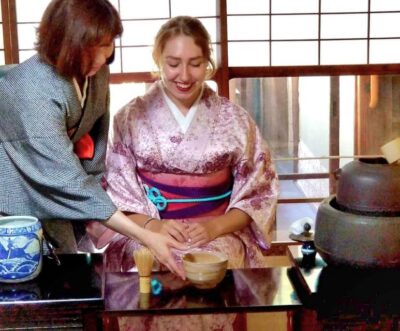 ★ 4.9Table-Style Tea Ceremony at a Kyo-MachiyaFrom $451,211 reviews
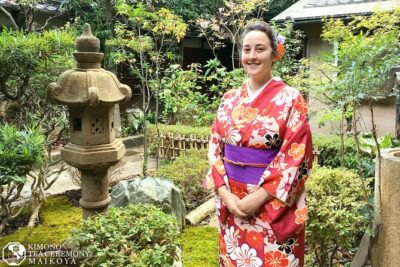 ★ 5.0Kimono Tea Ceremony at Kyoto Maikoya, NISHIKIFrom $65911 reviews
 ★ 5.0Arashiyama Bamboo Forest, Monkeys, Matcha & Temple TourFrom $53759 reviews
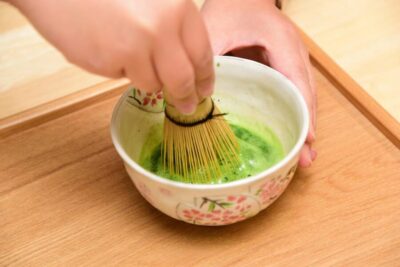 ★ 4.9Tea Museum Tickets and Matcha Grinding ExperienceFrom $23739 reviews
 ★ 4.9Kimono Tea Ceremony at Orizuruya GionFrom $49618 reviews
Browse the lists this tour appears in