
Reviewed · NARA DAY TRIPS FROM KYOTO
One-Day Walking Tour of Amazing 8th Century Capital Nara
Nara is where Japan’s ancient capital feeling hits fast. This one-day walking tour strings together the big names—Naramachi, Kasuga Grand Shrine, and UNESCO-listed Todai-ji—so you don’t spend your day hunting down directions. You also get time around Nara Park to see the wild deer up close.
I like that a professional guide handles the route, so you can focus on what’s in front of you instead of playing map games. I also like how flexible some guides can be—Satomi even helped shift a schedule toward the Nara National Museum without derailing the rest of the day. A fair consideration: entrance fees (Todai-ji and Kasuga Taisha) and local transport cost extra, so your final total isn’t just the listed price.
In This Review
- Key Things to Know Before You Go
- A One-Day Nara Walk That Starts With Getting Oriented
- Naramachi: Start in a Temple Town Turned Merchant Neighborhood
- Kasuga Grand Shrine and the Fujiwara Clan Story
- Todai-ji: UNESCO World Heritage and the Giant Buddha Moment
- Nara Park Deer Time: The Fun Part That Needs Common Sense
- Price and Logistics: What You’re Really Paying For
- How the Guides Make or Break This Day
- Timing and Walking Comfort for an 8-Hour Day
- Who This Nara Tour Is Best For
- Should You Book This One-Day Nara Walking Tour?
- FAQ
- How long is the One-Day Walking Tour of Nara?
- What time does the tour start?
- Is this a private tour?
- What are the main stops on the tour?
- What is included in the price?
- Are entrance fees included?
- Is the public transportation fare included?
- Where does the tour end?
- What happens if the weather is bad?
- Can I get a full refund if I cancel?
Key Things to Know Before You Go
- A private walking route in Nara that’s built to keep you moving and oriented
- Naramachi first, starting in a temple-town-to-merchant-town neighborhood with old lattice houses
- Kasuga Grand Shrine history explained, including its 8th-century Fujiwara roots
- Todai-ji under Mt. Wakakusa, with the UNESCO World Heritage context and time to see the complex
- Wild deer time in Nara Park, where the experience is visual and surprisingly memorable
A One-Day Nara Walk That Starts With Getting Oriented
This tour is designed for a full day without the usual “where do we go next?” stress. You start at 8:30 am, and the day runs about 8 hours on foot, ending in a different location than where it starts. That structure matters because Nara’s most famous sites sit in different areas, and a guided plan keeps you from burning daylight on transfers and wrong turns.
It’s a private tour, meaning it’s only your group. That’s a big deal if you like asking questions, moving at a comfortable pace, or keeping the day more relaxed than a large group tour.
One more practical note: it’s listed as requiring good weather. If weather turns, you’ll be offered a different date or a full refund, which is reassuring for a walking-focused plan.
More day trips out to Nara and its bowing deer
Naramachi: Start in a Temple Town Turned Merchant Neighborhood
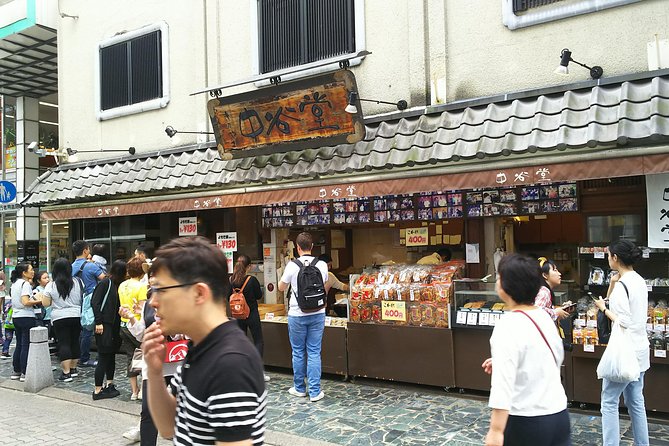
The tour kicks off in Naramachi, which was founded as a temple town in the 8th century and later shifted into a merchant town. That change over time isn’t just trivia—it’s the kind of idea that helps you read the streets as something lived-in, not just staged for photos.
You’ll spend about 1 hour 30 minutes here, and the stop is marked free (no admission ticket required). The focus is on traditional-style lattice houses that are 100 years old or more, which gives your walk a strong “old Nara” anchor early in the day.
Why I think this stop is smart: when you begin with a neighborhood story, the later big monuments feel more connected. You’re not only chasing temples; you’re seeing how the city’s social life supported religious power and commerce.
What to watch for: since this is a walking tour, you’ll want comfortable shoes. Naramachi is charming, but it’s still a city walk, and you’ll want to be ready for longer stints.
Kasuga Grand Shrine and the Fujiwara Clan Story
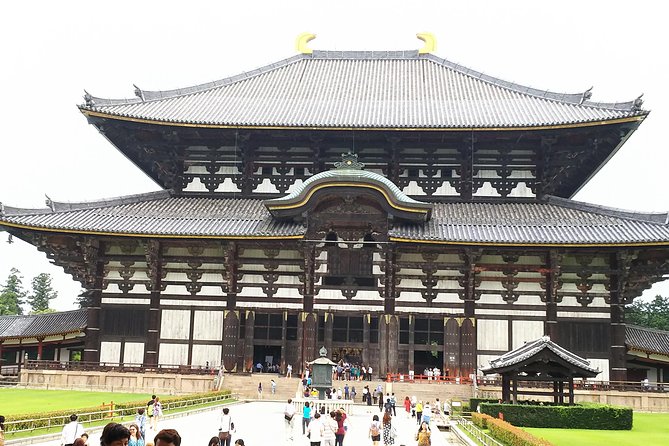
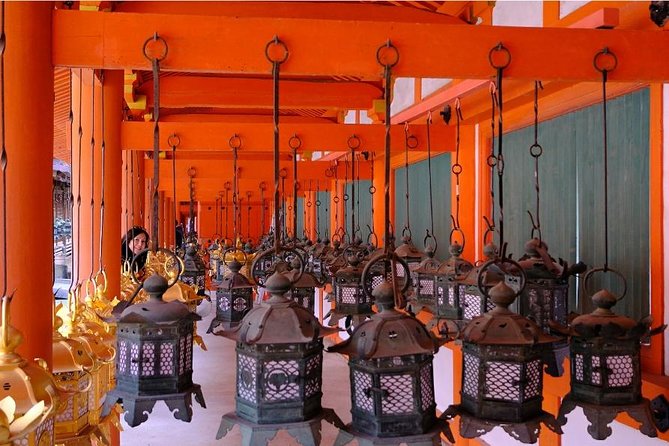
Next is Kasuga Grand Shrine, a site founded in the 8th century by the Fujiwara clan, who were among the most powerful aristocratic families in Japanese history. Even if you’ve seen pictures of the shrine, the biggest value here is context: the guide frames why this shrine mattered, and how the Fujiwara connection shaped its importance.
You’ll have about 1 hour here, and entrance is not included. Kasuga Taisha Shrine is specifically called out under the extra entrance fee, so plan on that cost in your day budget.
This stop also tends to reward people who like details—ceremonial ties, historical lineage, and the way Japanese religious spaces reflect political influence. If you’re traveling with someone who enjoys “how did this become important?” questions, this is a strong match.
Small consideration: since admission isn’t included, you’ll want to make sure you understand what you need to pay onsite. The tour doesn’t hide the fact that you’ll pay extra at the shrine.
Todai-ji: UNESCO World Heritage and the Giant Buddha Moment
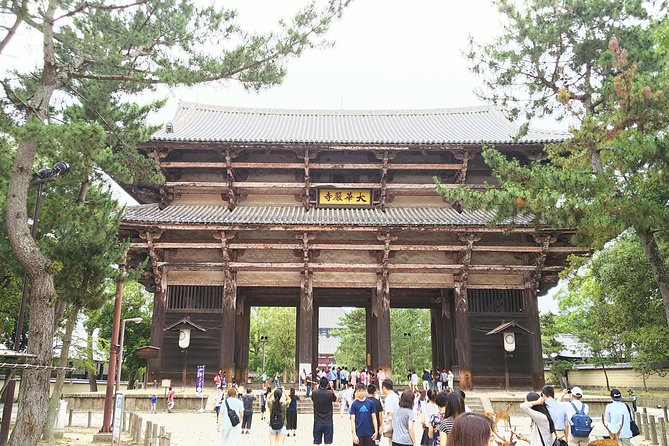
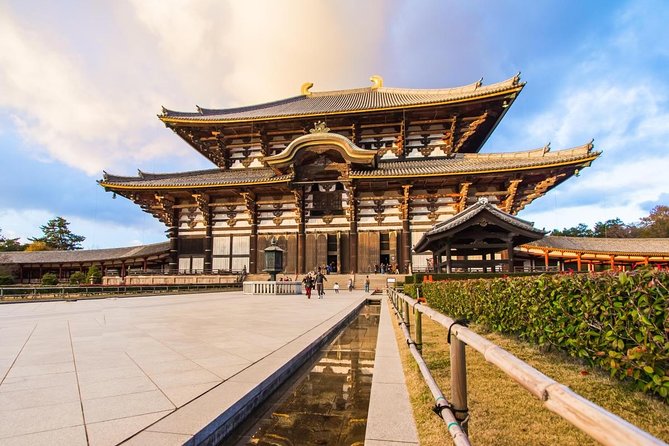
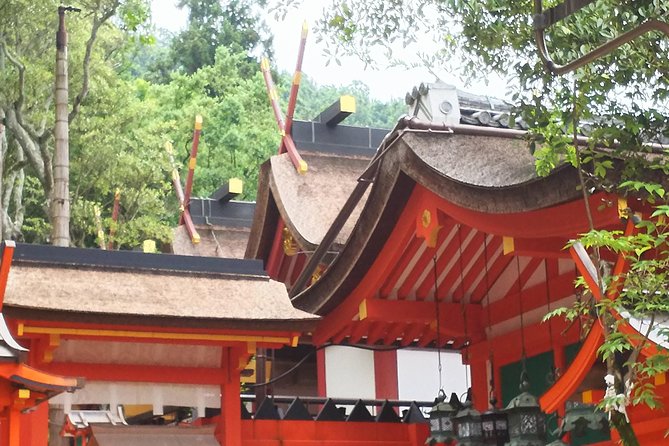
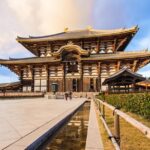
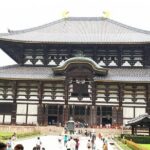
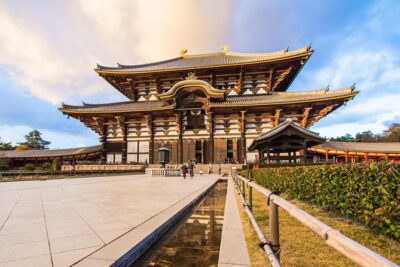
The centerpiece is Todai-ji Temple, founded by Emperor Shōmu more than 1,300 years ago and designated as a UNESCO World Cultural Heritage site. Todai-ji sits in huge precincts built beneath Mt. Wakakusa, which makes it feel less like a single building and more like a whole sacred complex.
You’ll have about 1 hour here, and, again, entrance is not included (Todai-ji and Kasuga Taisha are bundled under the extra entrance fee noted for the day). With only an hour, the guide’s job becomes crucial: they help you target the most meaningful parts so you don’t spend the best daylight standing in the wrong area.
Why Todai-ji is worth prioritizing: the scale is the point. One of the tour highlights is seeing the enormous Buddha, and the UNESCO status helps you understand why this temple became a national symbol, not just a local stop.
A practical tip: if you’re sensitive to crowds or long lines, arrive with patience. The day is structured, but Todai-ji is popular, and your best comfort comes from letting your guide set the pace rather than trying to sprint between photo spots.
Nara Park Deer Time: The Fun Part That Needs Common Sense
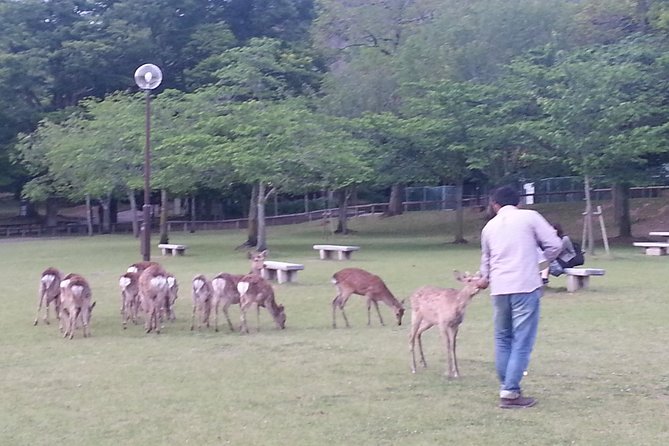
No Nara day plan is complete without the wild deer of Nara Park. This tour specifically includes time to see them, and people often remember this part because it’s visual and immediate—deer walking near pathways, the whole area carrying that gentle, slightly surreal energy.
That said, deer can be unpredictable. I recommend you keep a respectful distance, watch your footing around animals, and don’t try to force contact for a photo. If you’re traveling with kids, make it a rule: watch first, feed only if your guide tells you it’s appropriate.
The best way to enjoy this portion is to treat it like wildlife viewing, not a gimmick. When you do that, it stays charming instead of stressful.
Other Kyoto tours and experiences to compare


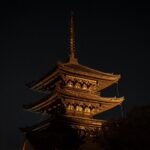
Price and Logistics: What You’re Really Paying For
The listed price is $137.17 per person for an about 8-hour private walking experience. What you get up front is a professional guide, plus the route planning that saves you time and confusion.
Here’s the key value math: you’re not just paying for someone to walk beside you. You’re paying for smarter use of your day—someone else handles the sequence, the navigation, and the historical explanations that help you understand what you’re seeing instead of reading everything from scratch.
But budget for the extras. Public transportation fare is listed as ¥2,000 per person, and entrance fees for Todai-ji Temple and Kasuga Taisha Shrine are listed as ¥1,500 per person. Also note: Naramachi is marked free for its stop, which helps keep at least part of the day easy on your wallet.
So is it good value? For the price, I think it is—especially because you’re getting a private guide for multiple major sites in one day, not a single-site visit. If you’re traveling solo, couples, or a small group, private guiding tends to be cost-effective once you include the time you save.
How the Guides Make or Break This Day
This is one of those tours where the guide’s style really affects your experience. The names that show up in past experiences are a reminder that the guiding here can be friendly, flexible, and practical.
- Satomi has helped guests when interests changed on the fly, including rerouting toward the Nara National Museum even when it wasn’t prepared in advance.
- Emi has been described as flexible and taking care of the group, making the day feel relaxing rather than rushed.
- Tomoko stood out for adapting pacing for someone with a bad knee, which matters on an 8-hour walking plan.
- Fumiko is noted for strong historical and cultural explanations and for answering questions clearly.
- Noriko / Norika appears as fun and patient, adding a more personal feel to the day.
- Fuji is mentioned for tailoring the trip to interests and helping with a good lunch—small choices that can make the day feel smoother.
You should take that as a cue: ask your guide what you care about early (architecture, politics, temple art, food, quiet spots). With a private format, you’ll get more out of the day if you communicate your preferences instead of just following the route blind.
Timing and Walking Comfort for an 8-Hour Day
This tour runs about 8 hours, and it’s a walking experience. Even with guide-led navigation, you should plan for sustained time on your feet—especially after the long early start at 8:30 am.
If you have knee issues or any mobility limits, bring it up before you start. Based on the kinds of accommodations guides have made in the past (including adjustments for someone with a bad knee), it’s not the sort of day where you should quietly suffer. You’ll enjoy it more if your guide knows what to watch for.
Also keep in mind: the tour ends in a different location. That’s fine, but if you have a later plan that requires a specific pickup point, you’ll want to plan ahead so you aren’t hunting for transportation when the day ends.
Who This Nara Tour Is Best For
This tour fits best if you want three things in one day: major sights, clear explanations, and less navigation stress.
You’ll especially like it if:
- you’re short on time and want Nara’s key points handled in one route
- you enjoy asking questions as you go
- you like having local guidance for architecture and cultural context
- you want a private day that feels more personal than a standard group tour
If you already know Nara well and want maximum freedom to wander without structure, a guided walking tour might feel a bit “scheduled.” In that case, consider whether a more self-guided plan would match your style.
Should You Book This One-Day Nara Walking Tour?
I’d book this tour if you want an efficient Nara day that covers the big hitters—Naramachi, Kasuga Grand Shrine, and Todai-ji—and you value having a guide handle the routing. The price makes sense when you factor in a private professional guide for about 8 hours, plus the time saved versus independent planning.
Hold off or at least prep your expectations if you’re trying to minimize total cost, because transport and temple/shrine entrances aren’t included. Also, if you don’t like walking for long stretches, you’ll want to plan your comfort level carefully.
If you do book, send a note to your guide about what you care about most and any mobility concerns. That’s where this tour has shown it can turn a simple itinerary into a day that feels genuinely yours.
FAQ
How long is the One-Day Walking Tour of Nara?
It runs for about 8 hours.
What time does the tour start?
The start time is 8:30 am.
Is this a private tour?
Yes. It’s a private tour/activity, and only your group participates.
What are the main stops on the tour?
The day includes Naramachi, Kasuga Grand Shrine, and Todai-ji Temple, with a chance to see the wild deer of Nara Park.
What is included in the price?
A professional guide is included.
Are entrance fees included?
No. Entrance fees for Todai-ji Temple and Kasuga Taisha Shrine are listed as ¥1,500 per person.
Is the public transportation fare included?
No. Public transportation fare is listed as ¥2,000 per person.
Where does the tour end?
The activity ends in a different location than where it starts.
What happens if the weather is bad?
This experience requires good weather. If it’s canceled due to poor weather, you’ll be offered a different date or a full refund.
Can I get a full refund if I cancel?
Free cancellation is available up to 24 hours in advance for a full refund. If you cancel less than 24 hours before the start time, the amount paid will not be refunded.
More Tours in Kyoto

More Tour Reviews in Kyoto
More Nara Day Trips

Just added: more Kyoto tours to browse





Nara Day Trips from Kyoto, compared.
 ★ 4.7Kyoto/Osaka: Nara, Fushimi Inari Taisha, Arashiyama Bus TourFrom $521,275 reviews
 ★ 4.4Osaka/Kyoto: Arashiyama, Nara & Fushimi Inari Shrine w/LunchFrom $61754 reviews
 ★ 4.5Kyoto and Nara Day Trip from KyotoFrom $194445 reviews
 ★ 5.0Full Day Guided Tour to Kyoto and Nara from Osaka by VanFrom $106420 reviews
 ★ 4.5Nara Afternoon Tour from Kyoto or OsakaFrom $102390 reviews
 ★ 4.6From Kyoto: Nara Guided Morning TourFrom $77335 reviews
 ★ 4.6Kyoto/Osaka: Kyoto and Nara Customized Private Guided TourFrom $477258 reviews
 ★ 5.0Nara Park, Osaka & Kobe from Kyoto Full Day tourFrom $90207 reviews
Browse the lists this tour appears in