
Reviewed · KYOTO COOKING CLASSES
Kyoto: White Miso Cooking Class & Fermented Food Course Lunch
Fermentation can taste like comfort. In Kyoto, you’ll learn to make white miso from scratch and understand why Japanese fermentation matters for flavor and everyday eating. It’s a cooking class, but it also acts like a guided food culture lesson—heady enough to be interesting, practical enough to be useful.
What I like most is the hands-on miso making. You’re not just watching; you’re working through the steps with a miso expert (Miyuki Toko / Miyuki-san), including the history and the process behind white miso. I also really like the food payoff: you’ll cook white miso potage and then sit down to a fermented food lunch that rounds out what you just learned.
One thing to consider: you won’t be able to take your miso home because of customs regulations. That means the “souvenir” is knowledge and taste, not a jar in your luggage.
In This Review
- Key highlights to know before you go
- Kyoto white miso in one morning: what this 3 hours 40 minutes really delivers
- A quick sense of the vibe
- Where you meet: finding 和想日々 Kyoto Japan at Kyoto 食と暮らしの研究所
- Your guide and the “why” behind miso (Miyuki Toko / Miyuki-san)
- What makes this teaching style useful
- Making white miso from scratch: the hands-on steps that matter
- Why white miso is a smart first fermentation
- Plan for this to be a real activity
- Cooking white miso potage: tasting the paste while it’s fresh in your mind
- The best way to taste
- Fermented food lunch: connecting miso to everyday eating
- How to make lunch more than a break
- Price and value: is $120 worth 3h40 in Kyoto?
- The key trade-off
- Who should book this class (and who might want to skip)
- Practical tips to make your morning smoother
- Should you book? My practical verdict
- FAQ
- What is the duration of the Kyoto white miso class?
- Where does the tour meet in Kyoto?
- What time does the class start?
- How many people are in the group?
- What will I make during the workshop?
- Will I be able to take the miso home?
- What food will I eat?
- Who guides the class?
- Is the tour guaranteed to run on your date?
- What is the price per person?
Key highlights to know before you go
- Small group size (up to 6): you get more time and calmer pacing than big-crew classes.
- Miso expert guidance (Miyuki Toko / Miyuki-san): history, technique, and fermentation context as you work.
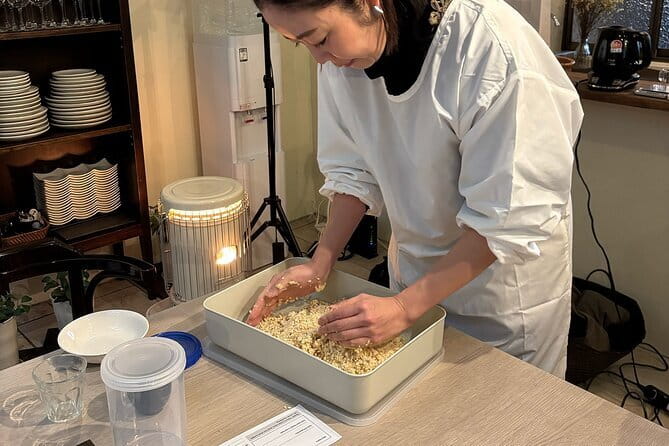
- You make shiro miso yourself: not just a demo—real hands-on practice from scratch.
- Cook and taste white miso potage: the paste shows up in a hot, creamy dish right away.
- Fermented food lunch included: you’ll eat as part of the lesson, not after it.
- No take-home miso: plan for this being a tasting + learning experience, not a pantry pickup.
Kyoto white miso in one morning: what this 3 hours 40 minutes really delivers
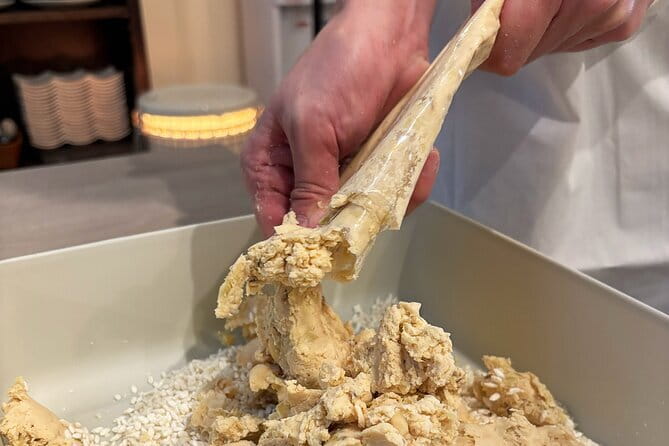
This class is built around a simple idea: if you want to understand Japanese fermentation, you need to do more than read about it. You need to get your hands involved, smell the process, and then taste the results. The schedule runs about 3 hours 40 minutes, starting at 9:20 am, and it follows a smooth flow: learn, make, cook, taste, eat.
You’ll leave with a clearer sense of what makes white miso (shiro miso) different from other miso types—how it’s made, why it became such a staple, and how fermentation shows up in Japanese daily food. The “white miso” part is the main event, but the “fermented food lunch” part is what keeps it from feeling like a single-theme workshop. You get a chance to connect the paste you made with a broader fermented-food mindset.
And yes, you should expect some real work. Miso making isn’t a sit-and-stir activity where you float through on good vibes. It’s hands-on, and that effort is part of why people come away feeling confident.
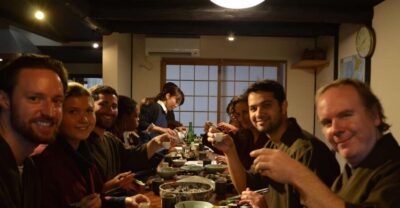
Roll up your sleeves for another Kyoto cooking class

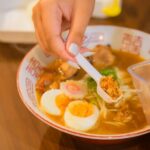
A quick sense of the vibe
This feels like a calm, small-room cooking class with a teacher who explains as you go. The tone from past participants is consistent: friendly and guided, with instruction that helps you understand what you’re doing rather than just following motions.
Where you meet: finding 和想日々 Kyoto Japan at Kyoto 食と暮らしの研究所
You start at 和想日々 京都Japan, located at 京都食と暮らしの研究所 1F奥, address listed as 〒604-0085 Kyoto, Nakagyo Ward, Higashitakeyachō 416.
Because this is a specific building entrance (and it’s “1F, back area”), give yourself a little buffer. I’d rather you arrive early and get oriented than rush in right at start time. Past experience with this kind of class is that a few minutes of calm helps you ask questions before the workshop gets going—especially if it’s raining or you’re still figuring out the neighborhood.
The tour ends back at the meeting point, so you don’t have to plan a second move.
Your guide and the “why” behind miso (Miyuki Toko / Miyuki-san)
A big reason this class earns strong praise is the teaching. Miyuki Toko (Miyuki-san) is described as extremely knowledgeable and passionate about miso, and you can feel the difference when an instructor explains not only the steps but the meaning.
Here’s what you should expect from the expert-led part:
- You’ll hear about miso’s history and origins
- You’ll learn the secrets of miso making as practical choices, not just trivia
- You’ll connect fermentation to the modern Japanese diet and to diets in general
Even if fermentation is new to you, you won’t feel lost. The goal isn’t to turn you into a lab scientist. It’s to help you understand enough that you can make sense of what you taste and what you do with your hands.
What makes this teaching style useful
If you’ve done cooking classes elsewhere, you know some can become “watch and repeat.” This one leans more toward “understand and practice.” That matters because miso is a living, changing food. Knowing the logic behind the process gives you better instincts for how it works.
Other Kyoto tours and experiences to compare


Making white miso from scratch: the hands-on steps that matter
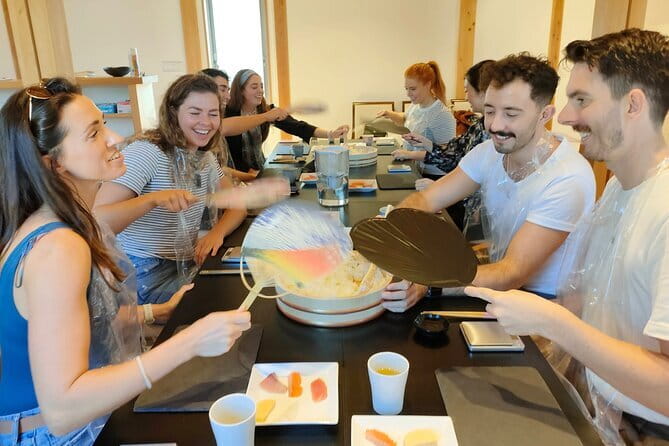
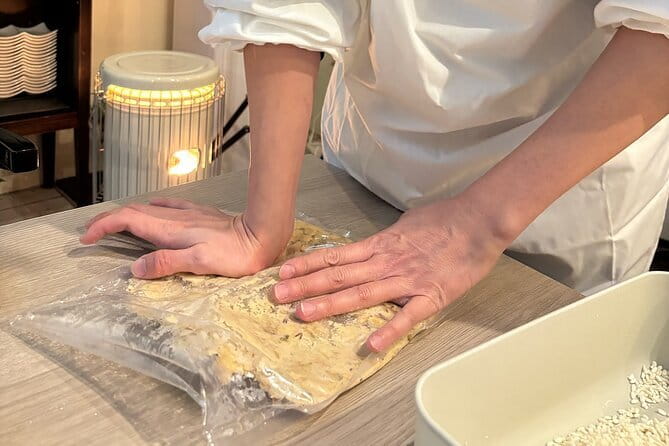
The centerpiece is hands-on white miso making. You’ll work with the ingredients and technique to create your own batch of shiro miso under guidance.
While the exact step-by-step method isn’t listed in the booking details, the structure is clear: you learn the process, then you do it. That’s what turns a “cooking class” into a skill-building experience.
Why white miso is a smart first fermentation
White miso is often an approachable gateway into Japanese fermentation because it’s commonly used for gentle, creamy flavors. In this class, you get to experience that directly. You’re not just hearing about it—you’ll cook with it soon after making it.
Plan for this to be a real activity
From feedback, participants mention it can be a workout in the sense that it’s hands-on and requires focus. If you’re expecting something ultra-light, adjust your expectations. It’s more like making something real with care than assembling a snack.
Cooking white miso potage: tasting the paste while it’s fresh in your mind
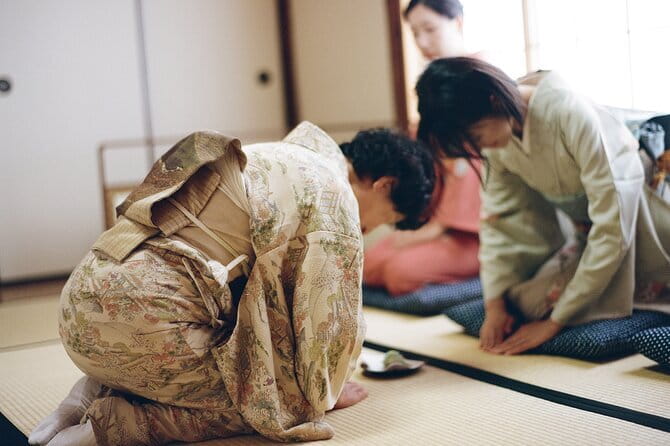
After you make your miso, you’ll cook potage soup with white miso and then taste it. This is a simple move with a big educational payoff: you created the ingredient, so you can immediately connect cause and effect.
Potage is especially good for learning because it’s forgiving and comfortable. When white miso goes into a creamy soup, you can taste how it behaves—how it blends, how the flavor develops, and how its character shifts in a cooked context.
The best way to taste
I recommend tasting with a short “mental checklist”:
- Does the soup taste smooth or sharp?
- Does the miso flavor feel gentle or bold?
- How does it smell before and after it’s warmed up?
That kind of attention helps your brain store the lesson, not just the memory.
Fermented food lunch: connecting miso to everyday eating
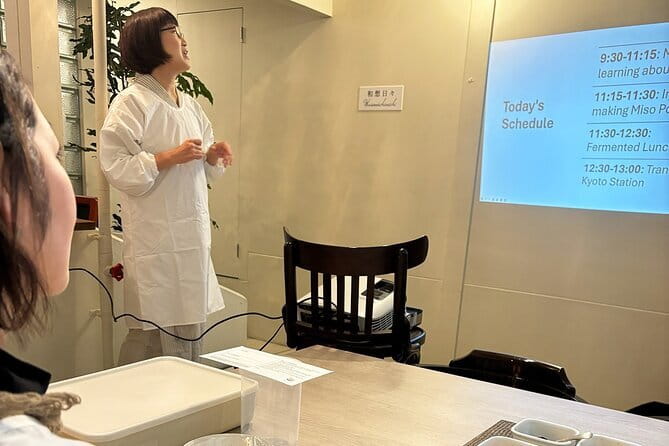
Lunch is included as part of the fermented food course. The class is explicitly positioned as a way to nourish your gut through fermented foods, so the meal is part of the theme.
What you’ll take away here is less about chasing one specific health claim and more about understanding how fermentation fits into Japanese food culture. Miso doesn’t sit in a jar for show. It shows up in soups, sauces, and everyday cooking. A fermented-food lunch helps you see that bigger picture in a single stop.
How to make lunch more than a break
If you’re the type who wants value, treat lunch like another part of the lesson:
- Notice what tastes tangy, savory, or mellow
- Compare that to the white miso flavor you made earlier
- Look for patterns—fermentation often brings depth without heavy sweetness
You’ll likely leave with a more practical sense of how you’d use fermented foods at home.
Price and value: is $120 worth 3h40 in Kyoto?
At $120 per person, this isn’t a bargain-basement activity. But you’re also not paying for a quick demo. You’re paying for:
- A guided miso-making workshop with expert instruction (Miyuki-san)
- A cooked dish: white miso potage you’ll prepare and taste
- A fermented food lunch as part of the course
- A small group setting (max 6), which tends to improve instruction quality
- A full 3 hours 40 minutes of structured activity
The big “value check” for you is this: you should want to learn a skill and eat the results, not just have a one-time experience. If that matches your style, the price starts to feel more reasonable.
The key trade-off
The main drawback is that you can’t take miso home due to customs regulations. That affects value if you were hoping for a literal takeaway. Still, the class can be valuable if you want the technique and the understanding so you can replicate the idea later (even if you can’t bring the batch home today).
Who should book this class (and who might want to skip)
This experience is a strong fit if you:
- Love Japanese food and want to learn how it’s made, not just where to eat it
- Enjoy fermentation topics and want an accessible, hands-on entry point
- Prefer smaller-group cooking classes where questions are actually possible
- Want a morning activity that ends with a meal, so you’re not hunting for lunch afterward
You might consider skipping if you:
- Only want the quickest, least hands-on cooking experience
- Are mainly looking for a take-home jar of miso as a souvenir (you can’t take miso home here)
- Have very limited tolerance for active tasks since miso making is hands-on and can be a bit of work
Practical tips to make your morning smoother
These are the small things that help you get more from the class.
- Arrive a little early. The location is specific and slightly tucked into the building area, so extra minutes reduce stress.
- Dress for hands-on work. Even if it’s not messy, you’ll be working at a station with food-making steps.
- Bring your curiosity. Ask about what you’re seeing and smelling. Miyuki-san’s teaching style is built for questions.
- Plan for no take-home miso. Treat the “souvenir” as your notes and your new ability to cook with miso, not luggage-friendly jars.
- Keep your mobile ticket ready. The tour uses a mobile ticket, so make sure you can access it at check-in.
Should you book? My practical verdict
If you like food that has a story you can taste, this class is a very good choice. The strongest part is the pairing of hands-on white miso making with immediate payoff: cooking white miso potage and then eating a fermented food lunch in the same session.
At up to 6 people, the attention from Miyuki-san and the chance to understand what you’re doing feel like they’re built into the experience, not tacked on. The one real downside is the no-take-home rule, so if your priority is bringing something home in a jar, this won’t fit.
But if your priority is understanding fermentation in a way that stays with you long after Kyoto, this is the kind of activity that rewards your time.
FAQ
What is the duration of the Kyoto white miso class?
The tour runs for about 3 hours 40 minutes.
Where does the tour meet in Kyoto?
The meeting point is 和想日々 京都Japan, 京都食と暮らしの研究所 1F奥, at 〒604-0085 Kyoto, Nakagyo Ward, Higashitakeyachō, 416.
What time does the class start?
The start time is listed as 9:20 am.
How many people are in the group?
The tour has a maximum of 6 travelers.
What will I make during the workshop?
You’ll learn how to make white miso (shiro miso) by doing it hands-on in the class.
Will I be able to take the miso home?
No. You will not be able to take the miso home due to customs regulations.
What food will I eat?
You’ll cook and taste potage soup with white miso, and you’ll also have a fermented food lunch included.
Who guides the class?
The tour includes instruction from a miso expert. Reviews mention Miyuki Toko (Miyuki-san).
Is the tour guaranteed to run on your date?
The tour requires a minimum of 2 participants. If that minimum isn’t met, the tour may be canceled and you’ll receive a full refund.
What is the price per person?
The price is $120.00 per person.
More Food & Drink in Kyoto
More Tour Reviews in Kyoto
More Kyoto Cooking Classes

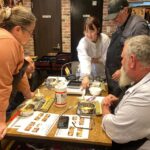
Just added: more Kyoto tours to browse



Kyoto Cooking Classes, compared.
 ★ 5.0Ramen Cooking Class at Ramen Factory in KyotoFrom $1311,937 reviews
 ★ 5.0Sushi Making in Kyoto! Same-day bookings welcome!From $53713 reviews
 ★ 4.9Ramen Cooking Class at a Ramen Factory with SouvenirFrom $127532 reviews
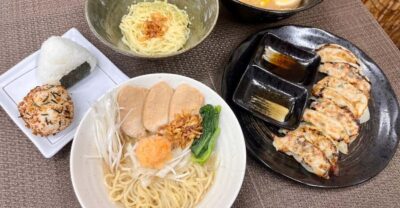 ★ 5.0Ramen, Gyoza, and Onigiri Cooking ClassFrom $90445 reviews
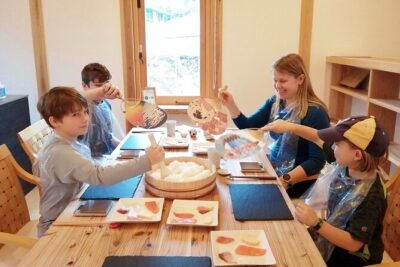 ★ 5.0The Original Small-Group Sushi Making Class in KyotoFrom $69436 reviews
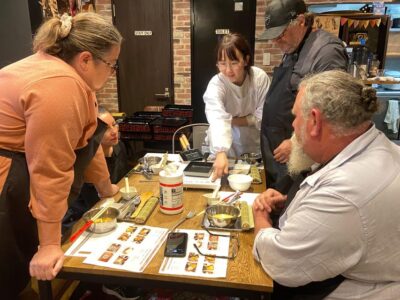 ★ 5.0Japanese Washoku Bento Small Group Cooking ClassFrom $58380 reviews
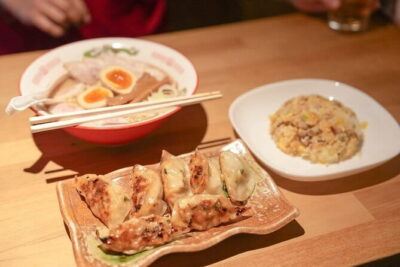 ★ 5.0Kyoto Ramen and Gyoza Cooking Class with Professional ChefsFrom $86282 reviews
 ★ 4.9Afternoon Japanese Izakaya Cooking ClassFrom $67241 reviews
Browse the lists this tour appears in