
Reviewed · KYOTO SAKE TASTING TOURS
Kyoto: Insider Sake Experience with 7 Tastings and Snacks
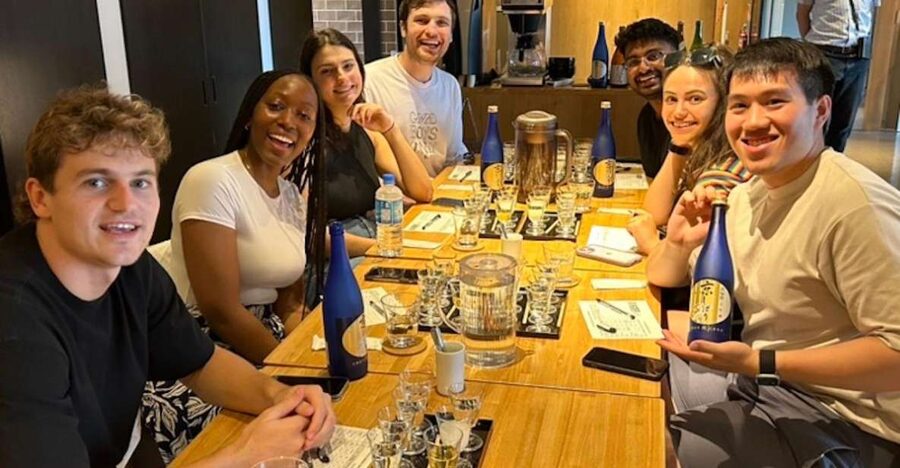
Sake gets easier fast once you taste it. This 90-minute Kyoto session is built for people who feel stuck when faced with a sake menu. You’ll compare styles side by side with an expert guide, learning how brewing choices affect flavor so your next order feels confident, not random. I love the hands-on bottle-reading cheat sheet and the way you practice with a real tasting card during the session. The one big consideration: alcohol rules are strict, and under 20 guests (or anyone who can’t participate in the alcohol portion) will only have non-alcoholic options, with no refunds if you’re unable to join the tasting.
The other thing I like a lot is the pairing section. You start tasting without food, then you taste again with otsumami snacks that help you understand how sake changes in your mouth when it meets salt, fat, and savory umami. Guides like Kiyomi, Kotaro, Mayo, and Shogo come through with clear, patient teaching, and the vibe stays relaxed, not stuffy.
In This Review
- Key takeaways for first-time sake fans
- Why this Kyoto sake tasting is a smart move for beginners
- What happens during the 90 minutes in the dedicated tasting room
- The real skill: learning to read sake bottles and menus
- The tasting lineup: from dry and crisp to sweet and fruity
- Otsumami pairings: why food changes sake taste
- Hot or cold sake, and how to order with confidence
- Guides, pacing, and why the room feels relaxed
- Price and value: what $66 buys you in Kyoto
- Practical notes before you go (so it doesn’t get awkward)
- Should you book this Kyoto insider sake experience?
- FAQ
- How long is the Kyoto Insider Sake Experience?
- What’s included in the tasting?
- Do I need to be 20 to drink sake in Japan?
- Can the experience handle dietary preferences or allergies?
- What if I arrive late?
- Is there free cancellation?
Key takeaways for first-time sake fans
- 7 tasting moments, 10+ sakes total: you taste widely enough to find your style, not just one safe pick
- Bottle-reading practice: you learn what the labels mean before you hit a Kyoto shop
- Otsumami pairings that actually teach: food changes the drink in noticeable, useful ways
- Hot vs cold guidance: you learn when to serve sake for different styles and meals
- English-speaking certified experts: you’re not left alone with a lineup of tiny cups
Why this Kyoto sake tasting is a smart move for beginners
Kyoto is great at making food feel simple… until you open a sake menu. Then it’s labels, polishing levels, styles, and tiny descriptors that mean nothing if you’re guessing. This experience is designed to remove the guesswork with a guided, structured tasting where you learn what matters and how to taste for it.
I like how the learning is practical. Instead of just hearing facts, you’re tasting repeatedly, then using what you learned to mark preferences. Guides such as Mayo, Kiyomi, and Kotaro are repeatedly praised for being clear and patient, which matters because sake is subtle. It’s not like beer where “hoppy” is obvious; sake is all about balance—dryness, sweetness, aroma, and texture.
And because it’s 90 minutes, you get momentum without burning your day. It’s the kind of activity that can fit between temple-and-shrine plans, giving you one Kyoto experience that’s hands-on rather than sight-only.
Follow the sake trail through Fushimi and beyond
What happens during the 90 minutes in the dedicated tasting room
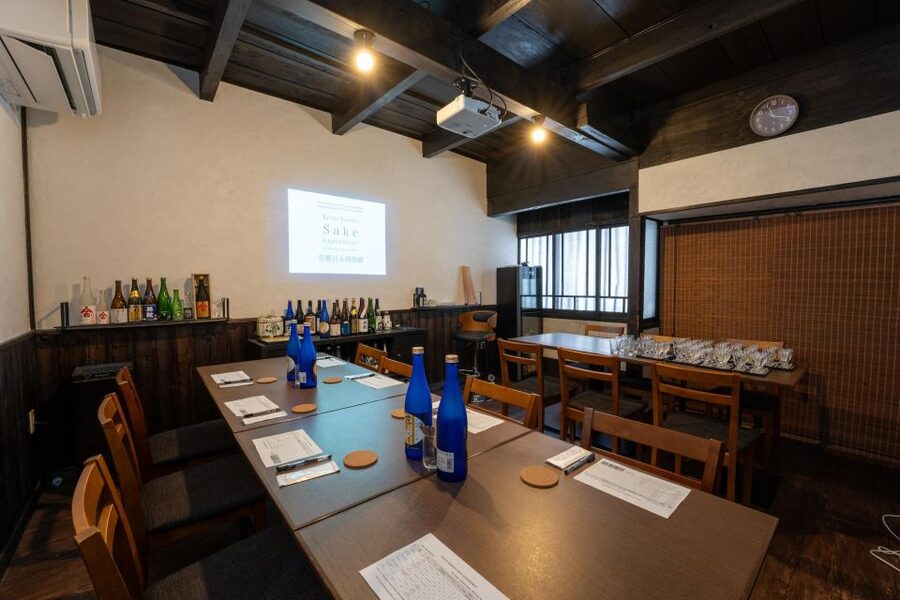
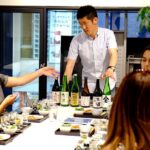
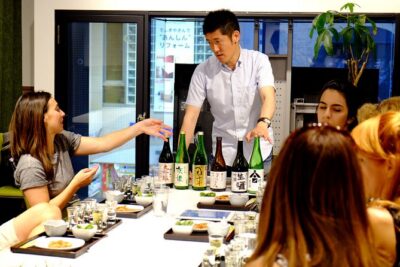
This is not a bus tour and not a scavenger hunt. It’s held in their own dedicated tasting room, and you meet by talking to the staff at the counter when you arrive. That sounds simple, but it’s actually a big advantage: you can focus on the tasting and the explanations instead of spending energy finding your next stop.
The flow is typically:
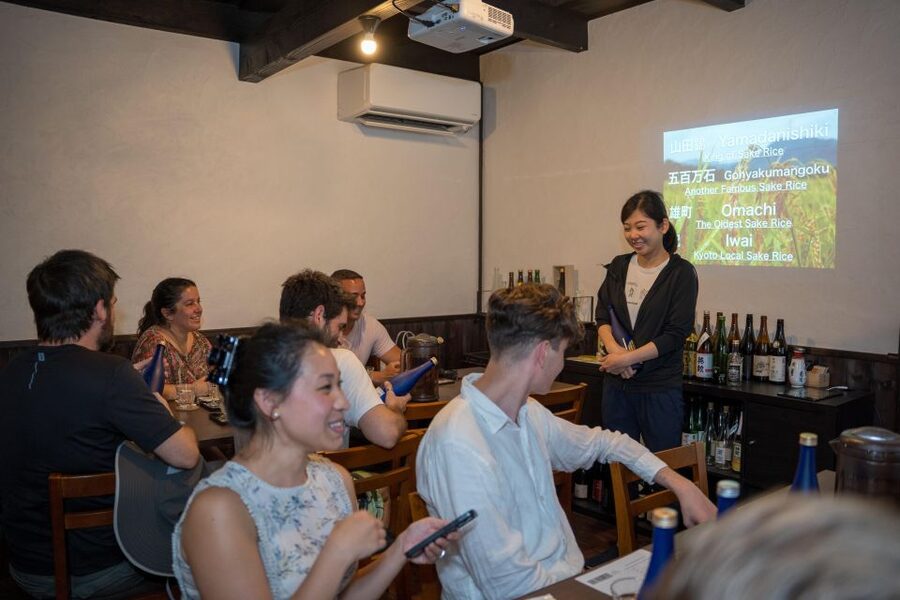
- A guided intro to how sake works
- A tasting set where you compare styles side by side
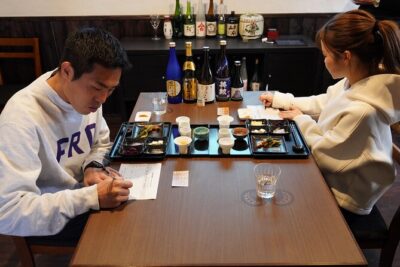
- An ordering and label-reading practice using what you’re tasting
- Then a second tasting phase with food pairings (otsumami)
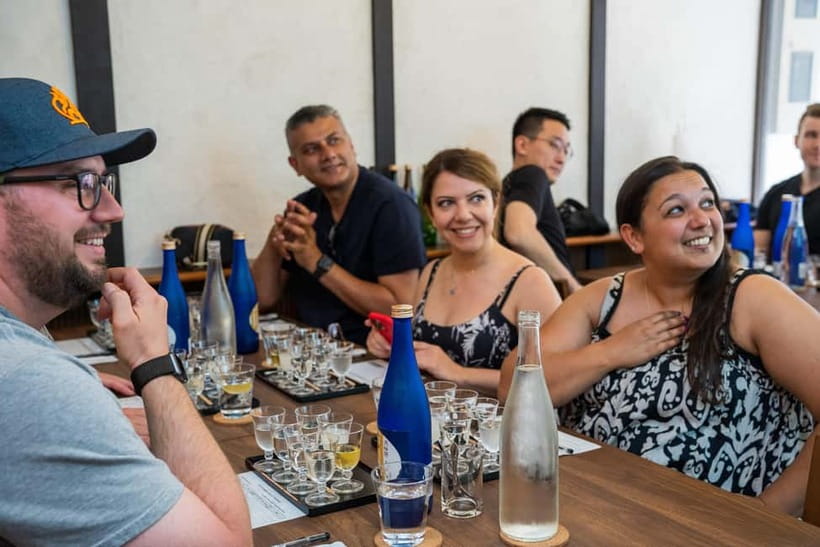
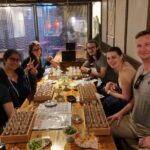
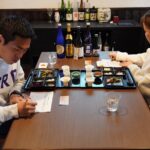
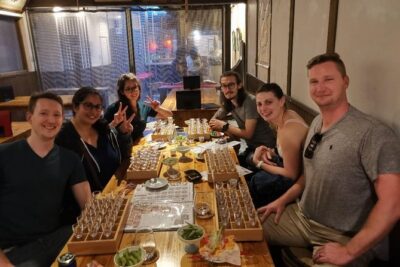
The reviews consistently highlight the pacing—structured enough to follow, relaxed enough to ask questions. Many people also mention that the session feels intimate. One review specifically calls out a small group of four, which tells me the format is set up so you’re not swallowed by the crowd.
The real skill: learning to read sake bottles and menus
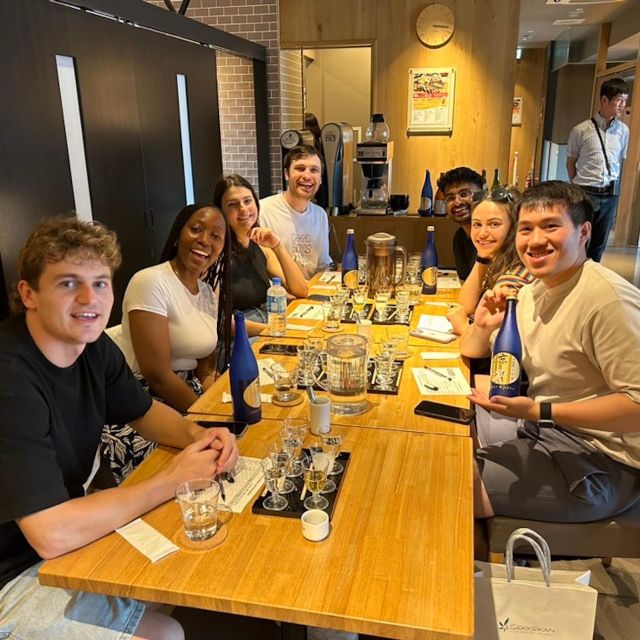
If you want the lasting value from a sake experience, bottle-reading is it. The tour gives you a sake cheat sheet and tasting notes, and the point is not to memorize everything. The point is to recognize the few details that help you choose the bottle that fits what you already like.
You’ll learn what affects flavor and quality, and that includes the basics of how sake is brewed and why the same rice can produce different results depending on process choices. Even without technical jargon overload, you pick up a sense of which factors steer the profile toward crisp and dry or richer and sweeter.
And then you connect that knowledge to something you’ll actually do during your trip: ordering. More than a few people say they left feeling confident that they could walk into a shop and pick a bottle without getting lost. That’s the difference between a one-time tasting and real decision-making power.
The tasting lineup: from dry and crisp to sweet and fruity
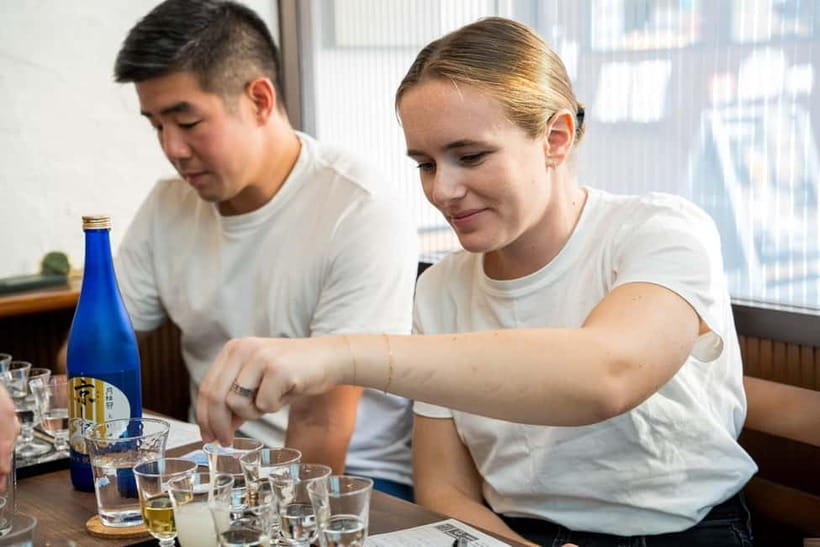
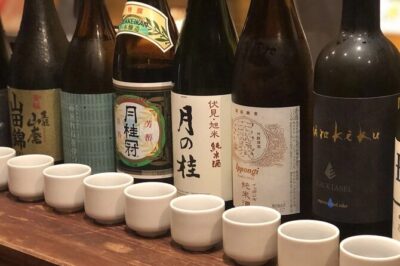
The centerpiece is the tasting itself. You’ll sample seven guided tasting rounds with a lineup of 10+ types of sake selected by a certified sake expert. That matters because you want range. If it’s all one style, you may never discover what you genuinely enjoy.
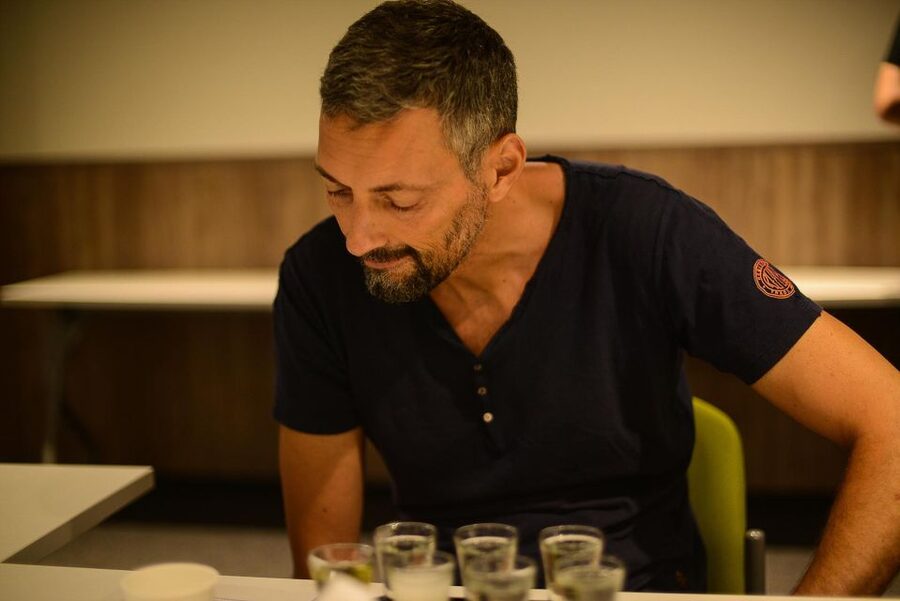
In the experience, you’re tasting with attention to key differences: dryness versus sweetness, aroma style, and how the drink feels on the palate. The guides keep it understandable, using comparisons so you can build a mental map of what you like.
What’s also useful is learning to taste in a disciplined way. When someone explains what to notice—how to judge balance, how to notice texture—you start tasting like a person with experience, not like someone holding a cup and hoping for the best.
Otsumami pairings: why food changes sake taste
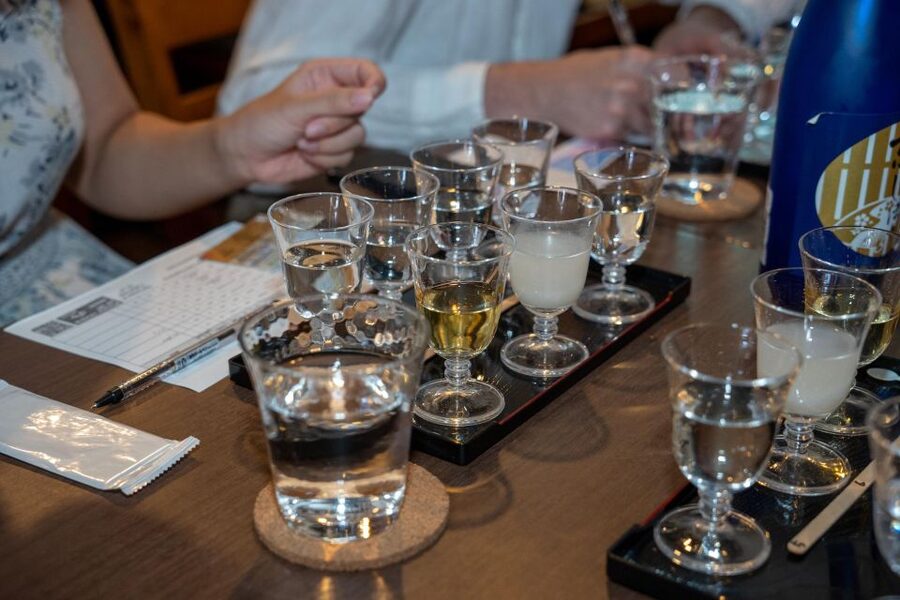
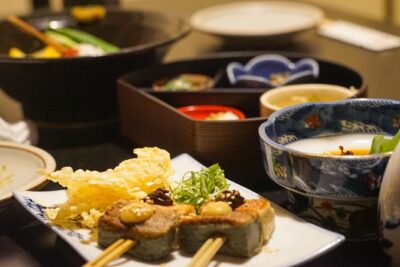
One of the most practical lessons is how quickly sake flavor shifts when food enters the picture. You’ll enjoy otsumami, traditional Japanese appetizers, as part of the pairing portion. In the session, you’ll do tastings first without food, and then with snack pairings so you can compare the same sake in two contexts.
This is where the experience becomes more than drinking. Salt, fat, and umami can make a dry sake taste smoother. Sweet notes in a sake can feel less cloying when matched well with savory bites. Even if a sake doesn’t thrill you on its own, it may click with the right snack.
People also highlight that the snacks are delicious and the pairing logic feels thoughtful, not random. If you have dietary preferences or allergies, you should let the guide know on site. Vegetarian pairings have been accommodated in at least some sessions, and that kind of flexibility can make the experience more comfortable.
Other Kyoto tours and experiences to compare



Hot or cold sake, and how to order with confidence
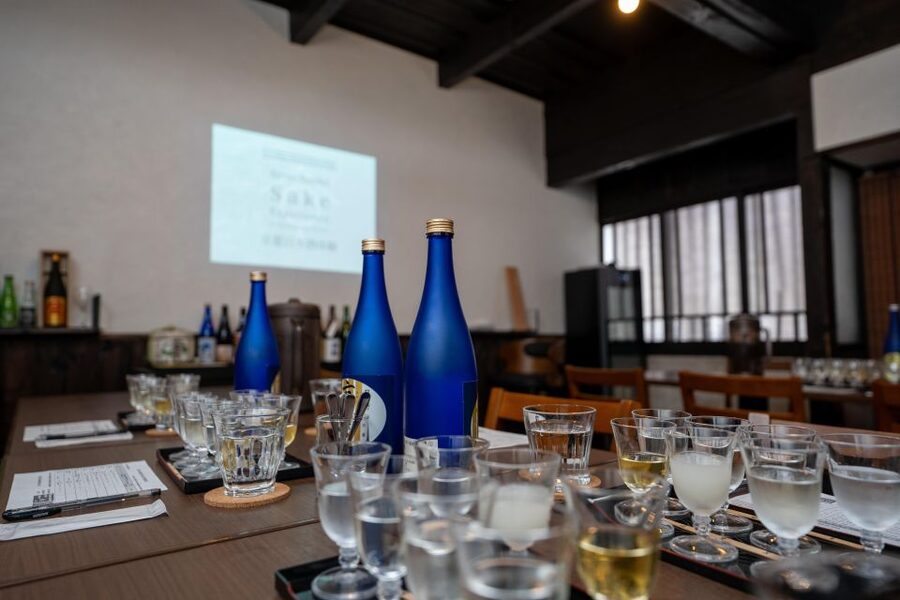
In Japan, “sake” doesn’t mean one serving style. Temperature changes perception, and pairing choices matter. This experience teaches when and how to enjoy sake—hot or cold—and which types are commonly paired well with foods like sushi.
Why this matters: many first-timers accidentally pick the wrong temperature for their own taste. For example, a sake that feels sharp at one temperature might feel rounder at another. Learning that during a guided tasting saves you from wasting money later on bottles you don’t enjoy.
You’ll also get practical ordering tips—how to read what’s on the menu, what terms likely mean, and how to talk to staff without freezing. With the bottle-reading cheat sheet in your pocket, you’re not just hoping; you’re making informed choices.
Guides, pacing, and why the room feels relaxed
A big part of why this works is the human side. Many reviews praise hosts like Kiyomi, Kotaro, Mayo, Shogo, Greg, and Yui for being friendly, clear, and patient. That blend matters because sake education can go two ways: either it becomes a lecture, or it becomes an easy conversation.
Here, it seems to land in the middle. You get enough structure to learn the key concepts, but there’s room for questions. The humor shows up too. A few guides are described as funny or enthusiastic, which helps when you’re tasting something new and your brain needs context to catch up.
The other comfort factor: it’s held in a dedicated room. You’re not constantly adjusting to new surroundings. That makes the tasting easier to follow and helps the pairing segment hit harder.
Price and value: what $66 buys you in Kyoto
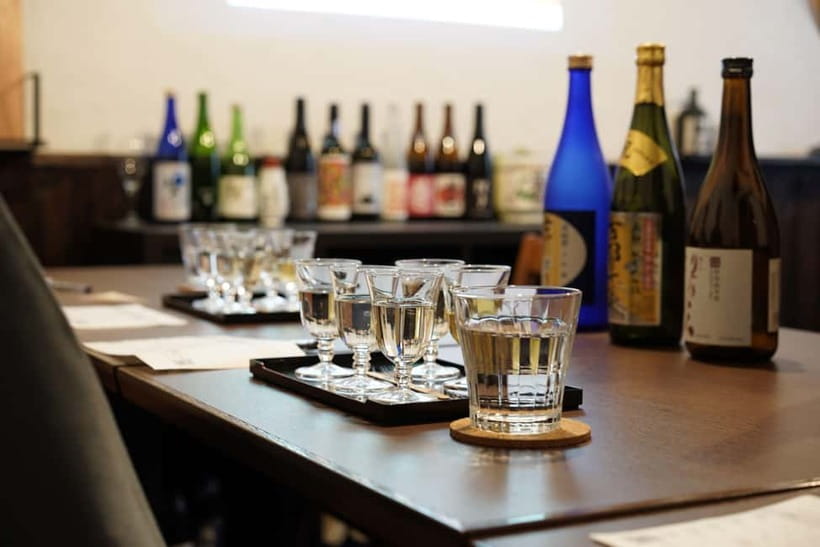
At about $66 per person for 90 minutes, you’re paying for more than seven sips. You’re buying:
- A certified sake expert guiding the comparison
- A tasting that spans styles instead of repeating one profile
- Otsumami for pairing-based learning
- A cheat sheet and tasting notes you can use after the tour
If you try to DIY, you might spend similar money on a small flight at a bar, but you’d miss the structured teaching that helps you translate what you like into what you can order. Here, you’re learning the decision process, not just collecting impressions.
Also, the guided pairing often reveals preferences you didn’t know you had. Several people mention that sake they didn’t love at first became appealing when paired with food. That kind of “taste shift” is exactly what makes the experience feel worth it.
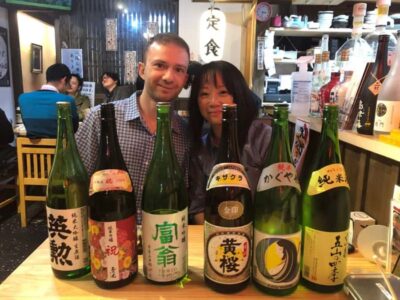
One more value note: some guests say they were able to purchase favorites afterward. Even if you don’t buy bottles, knowing what to look for in a shop is a real payoff.
Practical notes before you go (so it doesn’t get awkward)
First, plan around the alcohol rules. For safety and legal reasons, alcohol will not be served to guests who arrive by car or bicycle. Non-alcoholic drinks are available, but alcohol participation won’t happen in those cases. Also, if you arrive more than 20 minutes late, your booking will be canceled.
Age rules are clear too. The legal drinking age in Japan is 20. If you’re under 20, you’ll only be served non-alcoholic drinks. The experience also is not recommended for children, and it’s not suitable for people under 19.
There are also small comfort rules: strong fragrances are not allowed, and bikes aren’t allowed.
If you’re sensitive to alcohol, pace yourself. Sake tasting can feel stronger than people expect, especially when you’re sampling multiple types close together. If you’re able to, eat beforehand so the pairings feel like an upgrade instead of a shock.
Should you book this Kyoto insider sake experience?
Book it if:
- You’re a first-timer who wants to choose sake with confidence, not luck
- You like learning that turns into real ordering skills in Japan
- You enjoy food pairings and want the “why” behind flavor changes
- You want an easy, contained activity that fits into a Kyoto schedule
Skip it if:
- You need something stroller-friendly or child-oriented (it’s not recommended for children)
- You’re arriving by car or bicycle and specifically want an alcohol-serving tasting portion
- You arrive late easily—this one is strict about timing
If you want a Kyoto experience that teaches you something you’ll use the very next day in a shop or restaurant, this one makes a lot of sense.
FAQ
How long is the Kyoto Insider Sake Experience?
It runs for 90 minutes.
What’s included in the tasting?
You get a certified sake expert guide, a guided tasting with 10+ selected sake types (served across the tasting experience), otsumami for food pairing, and a sake cheat sheet and tasting note. It’s held in their dedicated tasting room.
Do I need to be 20 to drink sake in Japan?
The legal drinking age is 20. If you’re under 20, you’ll only be served non-alcoholic drinks.
Can the experience handle dietary preferences or allergies?
Yes. You should let the guide know at the site about any food preferences or allergies.
What if I arrive late?
If you are more than 20 minutes late, your booking will be canceled.
Is there free cancellation?
Yes. You can cancel up to 7 days in advance for a full refund.
More Food & Drink in Kyoto
More Tour Reviews in Kyoto





The Fushimi Sake Trail, Continued
Just added: more Kyoto tours to browse








Kyoto Sake Tasting Tours, compared.
 ★ 5.0Kyoto Night Foodie Tour in Gion (9+ dishes + 6 Sake tastings)From $1631,762 reviews
 ★ 5.03-Hour Kyoto Insider Sake Brewery Tour with Tastings & PairingsFrom $84917 reviews
 ★ 4.8Arashiyama Bamboo, Temple, Monkeys, or Secret Sake BreweryFrom $87886 reviews
 ★ 5.0Insider Sake Brewery Tour with Sake and Food PairingFrom $87704 reviews
 ★ 5.0Kyoto Sake Brewery & Tasting Walking TourFrom $98623 reviews
 ★ 5.01.5-Hour Kyoto Insider Sake Experience with 7 Tastings & PairingsFrom $68297 reviews
 ★ 5.0Private Tea Ceremony and Sake Tasting in Kyoto Samurai HouseFrom $99163 reviews
 ★ 4.8Sake Brewery and Tasting Tour in FushimiFrom $9655 reviews
Browse the lists this tour appears in