
Reviewed · GION & GEISHA DISTRICT TOURS
Kyoto: Gion Food Tour 13 Dishes at 4 Eateries
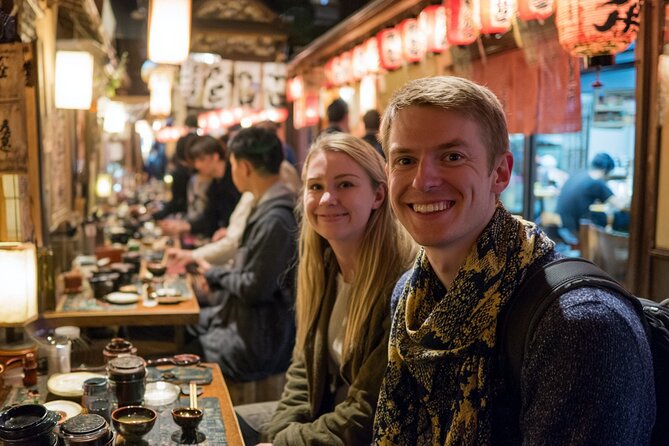
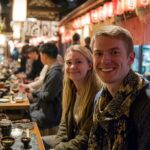
Kyoto at night feels like a movie set. This 3-hour Kyoto Gion food tour strings together lantern-lit alleyways, geisha-area storytelling, and a plate-by-plate intro to what locals actually eat, from obanzai style dishes to freshly made yuba. I especially like the small-group vibe and the way guides such as Yuvia, Alessio, and Pedro have been praised for clear, dish-by-dish explanations and keeping the evening fun.
I also like the practical value: you leave full without spending the whole night booking separate meals, because it is 13 dishes at 4 eateries plus a complimentary drink at two stops. The main drawback to consider is that it is not built for everyone. There is no vegan or gluten-free option, the tour is not suitable for mobility impairment, and some spots may require you to remove your shoes.
In This Review
- Key Things That Make This Kyoto Night Food Tour Worth It
- Why the Lantern-Lit Walk Feels Like Part of the Meal
- Price and What 13 Dishes Costs Less Than It Looks
- How the Evening Flows From Meeting Point to Gion-Shijo
- Stop 1 in Pontocho: Lantern Alleys and Geisha-Front Row Context
- Stop 2 Around Kyoto: More Eateries, More Kyoto-Style Comfort
- Stop 3 in Gion: Night Stroll Energy and Final Tastings
- What You Will Eat: Obanzai, Yuba, Snacks, Sake, and Sweets
- The One Catch: Walking, Traditional Shoe Etiquette, and Diet Limits
- How to Get More Out of the Night (Without Overthinking It)
- Should You Book This Kyoto Gion Food Tour?
- FAQ
- How long is the Kyoto Gion food tour?
- How many dishes and eateries are included?
- Is this tour suitable for vegan or gluten-free diets?
- Are alcoholic drinks included?
- What is the group size limit?
- Is the tour accessible for mobility impairments?
- What is the meeting point?
- Where does the tour end?
Key Things That Make This Kyoto Night Food Tour Worth It
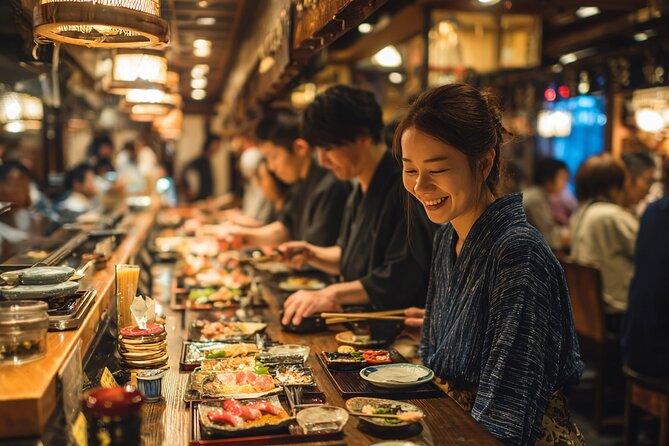
- Lantern-lit Pontocho and Gion walking that doubles as a cultural intro
- 13 dishes across 4 eateries, including Kyoto-style home-cooked flavors
- One complimentary drink at 2 eateries (alcohol or non-alcohol, if you are of legal drinking age)
- Small group cap of 10, so you are not lost in a crowd
- Seasonal menu feel, with items like yuba, snacks, sake, and sweets showing up across the night
- A lot of taste per hour, so you are not eating one tiny plate and calling it a tour
Why the Lantern-Lit Walk Feels Like Part of the Meal
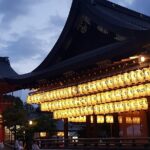
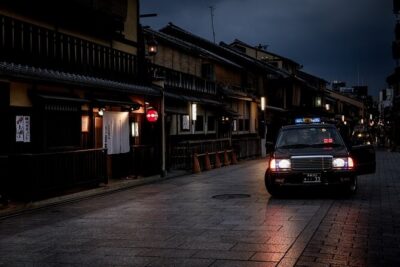
This is not just a food drop-off route. The “how” matters here. You start in the Sanjo area and head into the Kyoto lanes where warm lantern light hits old wood facades and narrow streets. That setting makes even simple bites feel like part of the experience, not just fuel.
The tour also links food to place. You will learn about Pontocho Alley and why the geisha tradition matters in Kyoto culture, then you keep tasting as the neighborhood changes around you. It is a smooth blend of story and snack pacing, the kind that works well on your first evening in town when you want context fast.
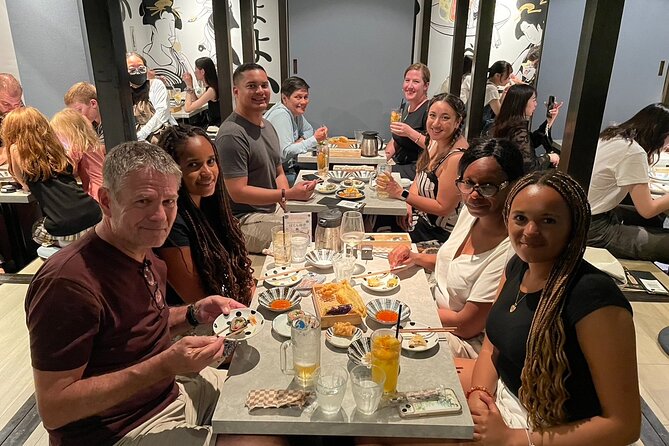
One more thing I like: multiple guides have been mentioned as lively and interactive. People talk about guides making sure everyone feels included, which matters when you are trying foods you might not order on your own.
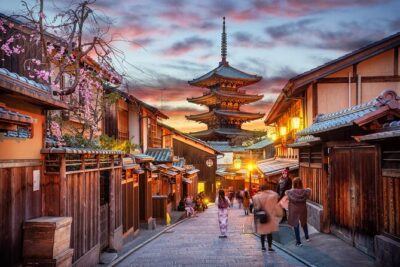
More evenings along the lantern-lit lanes of Gion


Price and What 13 Dishes Costs Less Than It Looks
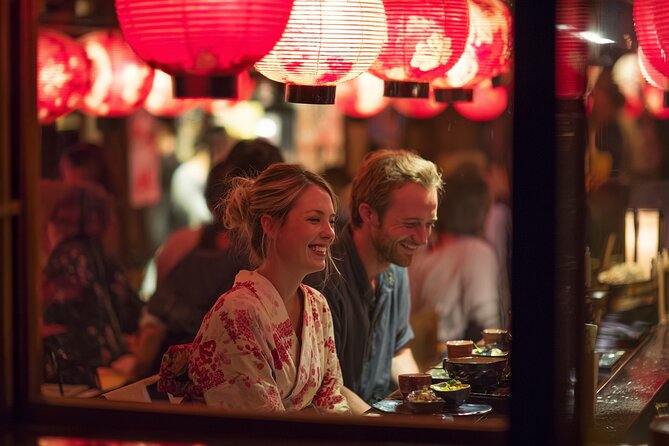
At $72.96 per person for about 3 hours, the value depends on one detail: the tour is structured around four different eateries and 13 dishes, not just one long stop with a couple of samples. That matters in Kyoto, where a “normal” evening meal plus drinks can add up quickly, and where smaller specialty foods can be hard to find unless you know where to look.
You also get one complimentary drink at two eateries. That can be alcohol or non-alcohol, and it gives you a way to taste Kyoto-style drinks without paying full price for everything. Add in the fact that the menu spans savory bites and sweets, and it stops feeling like a snack tour.
That said, price is not the whole story. Dietary limits are strict. If you need vegan meals or gluten-free choices, this is not the right fit, even if you are happy to “just skip” parts.
How the Evening Flows From Meeting Point to Gion-Shijo
You meet at Starbucks Coffee near Kyoto Sanjo-ohashi Bridge, then the tour ends at Gion-Shijo Station. That end point is convenient because it puts you near a lot of Kyoto evening energy and easy transit options.
You should also plan on moving. The experience is built as a sequence of short walks and short stays. Some restaurants may be traditional in their setup, and one common note is that you might need to remove your shoes at certain places. So wear shoes that are easy on and off, and bring yourself a little patience when you are asked to do the etiquette thing.
The tour runs in a maximum group size of 10. For me, that is a sweet spot. You get the social feel of a group tour, without losing time to huge bottlenecks.
Also, you get a mobile ticket, which keeps the start simple. You are not hunting for paper.
Stop 1 in Pontocho: Lantern Alleys and Geisha-Front Row Context
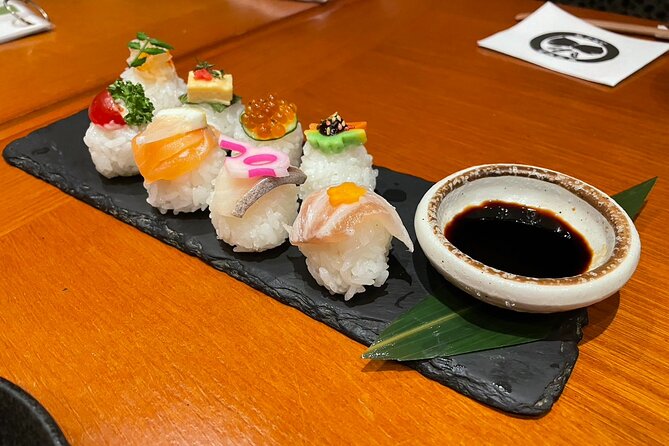
Pontocho is the opening act for a reason. Your first stop focuses on walking one of Kyoto’s preserved lantern-lit alleyways, with time to learn about geisha and what that culture means in Kyoto today. It is the kind of orientation that helps the rest of the night click.
From a practical angle, this stop sets the tone. If you come in with zero Kyoto background, you still leave knowing what you are looking at. The stories connect the neighborhood’s nighttime glow to the social world that made it famous.
If you are the type who likes to ask questions, this is a good moment. Guides have been praised for making the area feel real, not just described. And if you care about cultural details, you will likely appreciate the explanations around geisha culture as you pass teahouse-looking buildings and the alley atmosphere shifts around you.
Stop 2 Around Kyoto: More Eateries, More Kyoto-Style Comfort
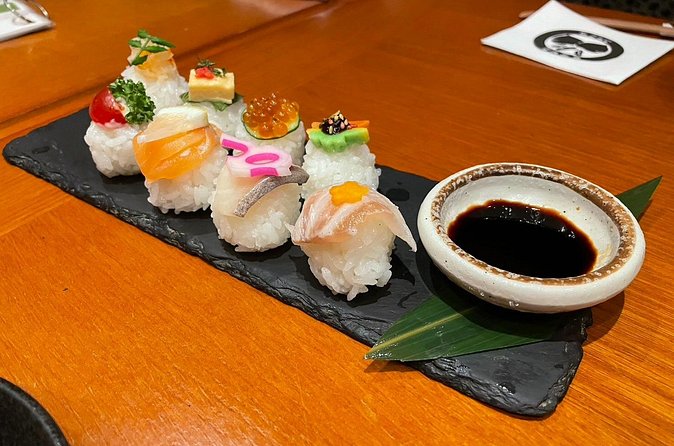
After the Pontocho opening, you head to another Kyoto area for the next block of tasting. This part is less about one single landmark and more about moving through nearby streets and into eateries that fit the night’s menu.
This is where the tour’s format really helps you. Kyoto food often works best when you can try small portions across different styles. Instead of one heavy meal, you get a rhythm: bite, walk, settle, sip, repeat. That rhythm keeps you from hitting the “I am too full to enjoy the rest” problem early.
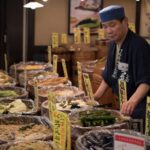
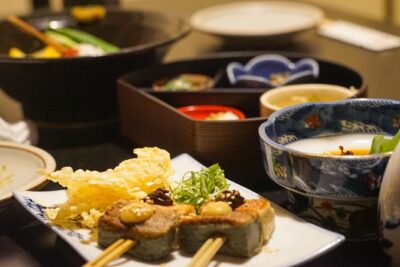
The meals are described as seasonal, with familiar Kyoto categories showing up: obanzai style home-cooked dishes, yuba (tofu skin), plus snacks and sweet items. You may also see drinks like sake included as part of the tasting flow, depending on the day and the stop.
One consideration: because you are tasting across multiple places, you should pace yourself. If you crush every savory dish at once, the sweets later may feel like a dare. You want to leave room for the last bites.
Still hungry? More tastes of Kyoto
Stop 3 in Gion: Night Stroll Energy and Final Tastings
Gion is where the tour leans into the postcard Kyoto feeling. You stroll lantern-lit streets and then hit the final tasting stops. This is the part of the night that feels most cinematic, because the alleyways and architecture look their best after dusk.
The guide’s role matters here. The best tours do not treat Gion like a backdrop. They use it as a context layer, explaining cultural cues as you pass them and connecting what you taste to why Kyoto cuisine is often considered refined without being fussy.
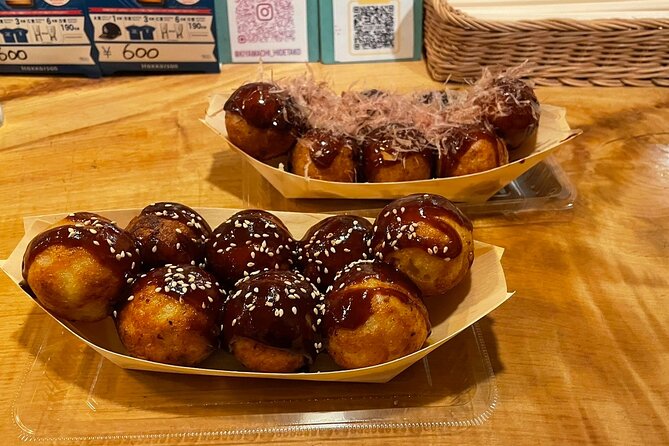
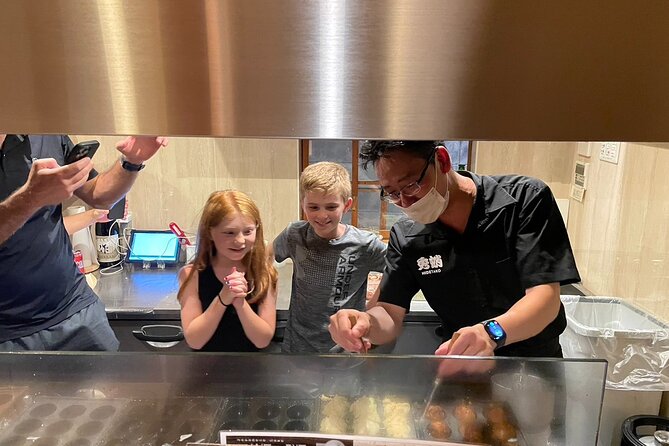
This stop also tends to be where people remember specific dishes. In past evenings, guests have highlighted items like takoyaki with a Kyoto-versus-Osaka style explanation, sweets such as taiyaki with rich fillings, and some richer seafood or meat-forward bites. You should expect a mix of savory and sweet in the final stretch, plus the chance to use that complimentary drink credit at two eateries during the overall route.
If you are hoping for a long, slow Gion wandering time, note this is still structured around food stops. One honest trade-off is that some people felt the Gion walking component could have been longer, so go in expecting a tasting tour first, with neighborhood atmosphere second.
What You Will Eat: Obanzai, Yuba, Snacks, Sake, and Sweets
The “13 dishes” label sounds abstract until you see the range. This tour is built around Kyoto categories and comfort foods, not only fancy presentation.
Here are the types of bites you can expect in the lineup:
- Obanzai-style dishes: Kyoto home-cooked plates, usually seasonal and lightly flavored in a way that lets ingredients speak.
- Yuba: Fresh tofu skin is a signature Kyoto ingredient. If you have never tried it, this is a straightforward introduction.
- Savory snack foods: Guests have mentioned things like takoyaki, including discussion of style differences.
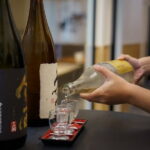
- Sake and other drinks: Alcohol may be offered to those of legal age, and you also get a complimentary drink at two eateries.
- Sweet treats: People bring up taiyaki with custard-like fillings and other dessert-style bites, plus drinks described as fruity or citrusy.
One big win here is variety across the night. You are not just repeating the same flavor profile. You will likely move from something delicate and tofu-based, to street-food style bites, to rich sweets.
Food tours work best when you leave with mental anchors. For many people, that happens when they taste something Kyoto-specific like yuba, then pair it with a street favorite like takoyaki, then finish with a warm handheld dessert. That mix gives you a quick “Kyoto flavor map” for the rest of your trip.
The One Catch: Walking, Traditional Shoe Etiquette, and Diet Limits
This is the part I want you to read carefully.
First, there is no vegan or gluten-free catering. The tour also is not suitable for people with celiac disease. If you need gluten-free meals, this can become a situation where you stand around while others eat. I would skip it unless you can safely eat all the planned foods.
Second, it is not suitable for mobility impairment. That fits a walking-focused, alley-hopping route with multiple restaurant entries.
Third, some eateries may be traditional about shoes. One note people made is that you may need to remove your shoes. That sounds minor until you are wearing difficult shoes, or socks that you do not want to deal with. Go with easy footwear.
Finally, expect some walking time between stops. Most people say it is worth it, but if you are the type who wants lots of seats and minimal movement, this may feel like too much motion for a “food experience.”
How to Get More Out of the Night (Without Overthinking It)
If you want the best experience, plan like this:
- Start hungry, but do not sprint. Eat slowly so the last sweet bites feel like a reward.
- Wear comfortable walking shoes that handle both cobblestones and possible shoe-off moments.
- Ask one question at each stop. Even the best guides can only do so much if you stay silent, and you will get more from the stories when you prompt them.
- Pace your drink. You get a complimentary drink at two eateries, and alcohol is offered to legal-age participants. If you are not drinking, you still get a non-alcohol option at those points.
The tour works especially well for first-time Kyoto visitors. It is a way to see Gion and Pontocho at their best, then learn how the food connects to the culture without needing language skills or restaurant research.
Also, small group size helps. With up to 10 people, you can usually hear explanations and keep up at a human pace.
Should You Book This Kyoto Gion Food Tour?
Book it if you want a nighttime Kyoto neighborhood walk plus a structured way to taste Kyoto classics like obanzai and yuba across multiple eateries. It is strong value for the amount of food, and the top-rated experiences consistently praise guides for fun energy and clear food explanations.
Skip it if you need vegan or gluten-free meals, or if you cannot do a walking-focused route. Also skip it if you are expecting a long, slow Gion-only stroll with no strict tasting rhythm.
FAQ
How long is the Kyoto Gion food tour?
It runs for about 3 hours.
How many dishes and eateries are included?
You will try 13 dishes across 4 eateries.
Is this tour suitable for vegan or gluten-free diets?
No. Meals cannot be catered for vegan or gluten-free options, and there is no gluten-free option. It is also not suitable for people with celiac disease.
Are alcoholic drinks included?
One complimentary drink is included at 2 eateries. Alcoholic beverages may be offered to people who are of legal age.
What is the group size limit?
The tour has a maximum of 10 travelers.
Is the tour accessible for mobility impairments?
No. It is not suitable for a person with mobility impairment.
What is the meeting point?
The tour starts at Starbucks Coffee – Kyoto Sanjo-ohashi Bridge in Kyoto.
Where does the tour end?
It ends at Gion-Shijo Station.
More Tour Reviews in Kyoto




More Kyoto Food Tours

Still in Gion? Keep Going

Just added: more Kyoto tours to browse







Gion & Geisha District Tours, compared.
 ★ 4.7Kyoto Geisha Walking Tour: Gion District & Hidden GemsFrom $253,273 reviews
 ★ 4.9Gion Magical Night Walking Tour with Geisha TriviaFrom $242,393 reviews
 ★ 4.7Gion Geisha District Walking Tour – Stories of GeishaFrom $202,187 reviews
 ★ 4.9Best of Kyoto: Gion, Geisha, Pagodas & CobblestonesFrom $242,058 reviews
 ★ 4.5Night Walk in Gion: Kyoto’s Geisha DistrictFrom $212,003 reviews
 ★ 5.0Kyoto Night Foodie Tour in Gion (9+ dishes + 6 Sake tastings)From $1631,762 reviews
 ★ 5.0Kyoto Gion Geisha District Walking Tour – The Stories of GeishaFrom $251,441 reviews
 ★ 5.0Kyoto Gion: 2-Hour Geisha Culture & History Walking TourFrom $231,186 reviews
Browse the lists this tour appears in