
Reviewed · KYOTO COOKING CLASSES
Kyoto: Sushi Making Class with Sushi Chef
Sushi starts at the fish market. This hands-on Kyoto class is interesting because you begin with fresh fish from Kyoto Central Wholesale Market and you get a chef-led, step-by-step sushi routine, plus photo and video help so you’re not stuck posing mid-lesson. The main drawback to plan around: it’s not set up for people with food allergies.
In a small group (max 8), I like that the pace stays friendly and the instructor can correct your grip and timing. You may learn from different English/Japanese-speaking sushi pros—names that show up include Hide, Yukihide-san, Nami, Yutaka, and Yone—so it’s worth checking which instructor you get for your session.
One more thing to keep in mind: depending on the session length (90 minutes to 3 hours), you’ll want to treat this like a true activity block, not a quick side stop. Also, strong fragrances aren’t allowed, so skip perfume and scented lotions before you go.
In This Review
- Key highlights that make this sushi class worth your time
- Market-fresh sushi: how Kyoto’s wholesale fish connects to your class
- A chef’s lesson plan: from toy practice to real nigiri
- Making maki rolls with a special tool (no guesswork required)
- Finishing touches: decorating your plate and eating what you made
- Small-group learning near Shijo-Karasuma: what the setting feels like
- What you actually learn (beyond sushi “making”)
- Price and value: is $74 fair for a 90-minute class with real fish?
- Who should book (and who should skip)
- Should you book Kyoto sushi making with a sushi chef?
- FAQ
- How long is the sushi making class in Kyoto?
- How big is the class group?
- What sushi will I make during the lesson?
- Where does the fresh fish come from?
- Are photos and videos included?
- What’s included to drink and eat?
- Where do I meet the instructor?
- What’s the cancellation policy?
Key highlights that make this sushi class worth your time
- Fresh fish sourced early from Kyoto Central Wholesale Market, then prepared right before your class.
- Nigiri practice that starts with a sushi sample toy, so you get comfortable before touching real fish.
- Two big builds in one session: nigiri first, then maki rolls using a special tool.
- Sushi decoration + plating included, so your final lunch looks good and tastes better.
- Chef handles the “photo problem”: photos and videos are taken during class and shared after.
- Small group pace (up to 8), with patience emphasized in instruction.
Market-fresh sushi: how Kyoto’s wholesale fish connects to your class
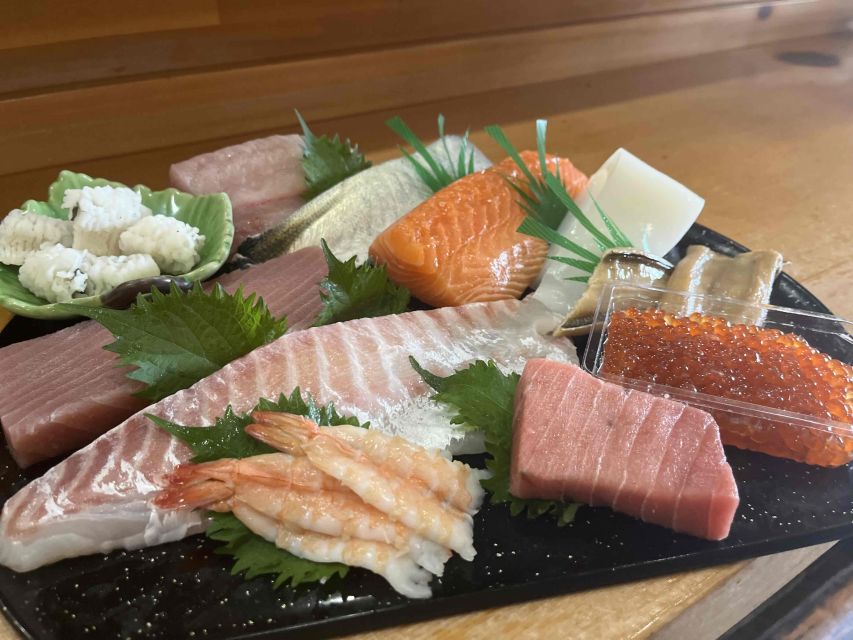
This class is built around a simple idea: sushi tastes different when the fish is handled with speed and care. Fresh fish is bought early morning at Kyoto Central Wholesale Market, then prepped right before the class, so you’re not learning on leftovers.
That part matters for two reasons. First, it changes the learning experience: you can actually see how the fish should be cut and placed. Second, it makes the lunch feel earned. You’re not just “making sushi,” you’re building something with ingredients that arrived through Kyoto’s real supply chain.
You also get a taste of how sushi chefs think. In many cooking classes, the market talk is vague. Here, the fish sourcing is part of the story, and it shows in the emphasis on freshness and handling.
Roll up your sleeves for another Kyoto cooking class

A chef’s lesson plan: from toy practice to real nigiri
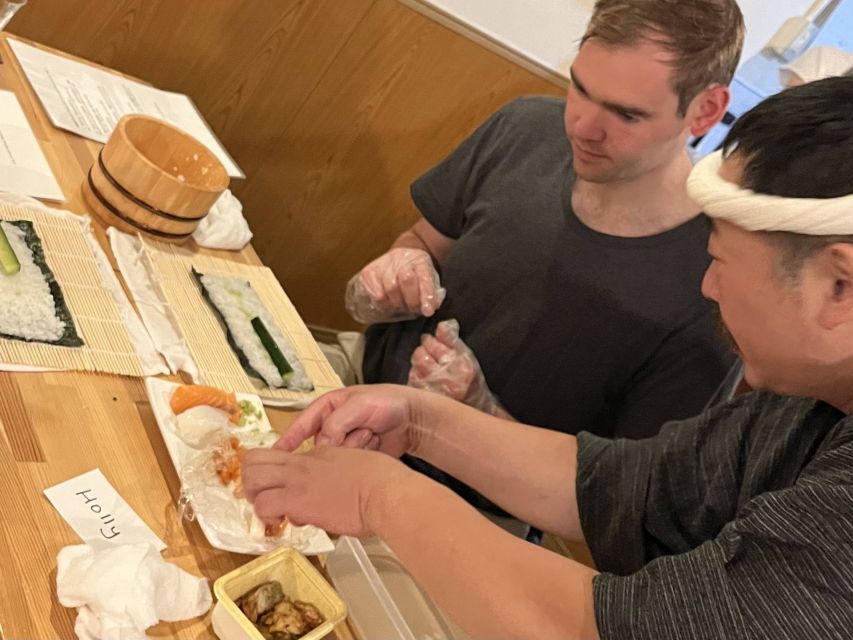
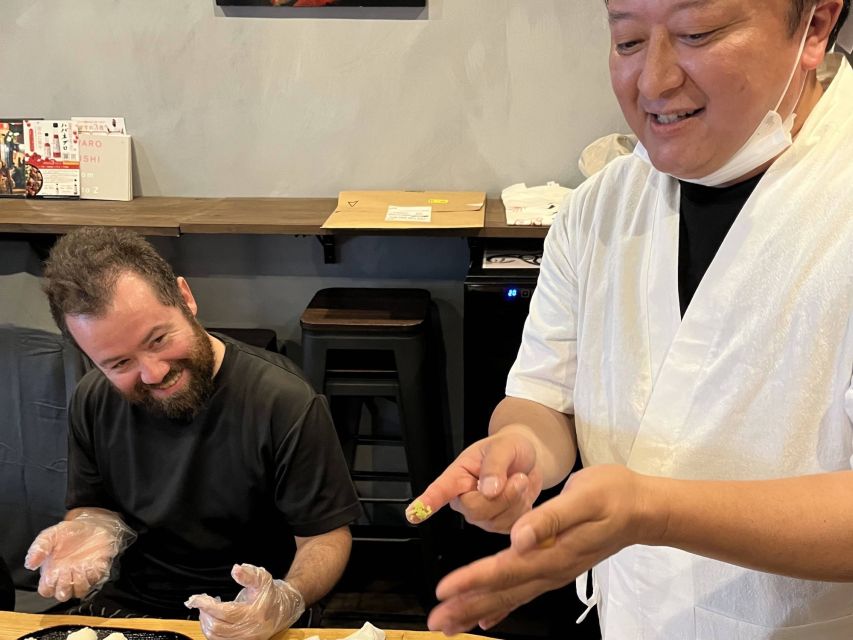
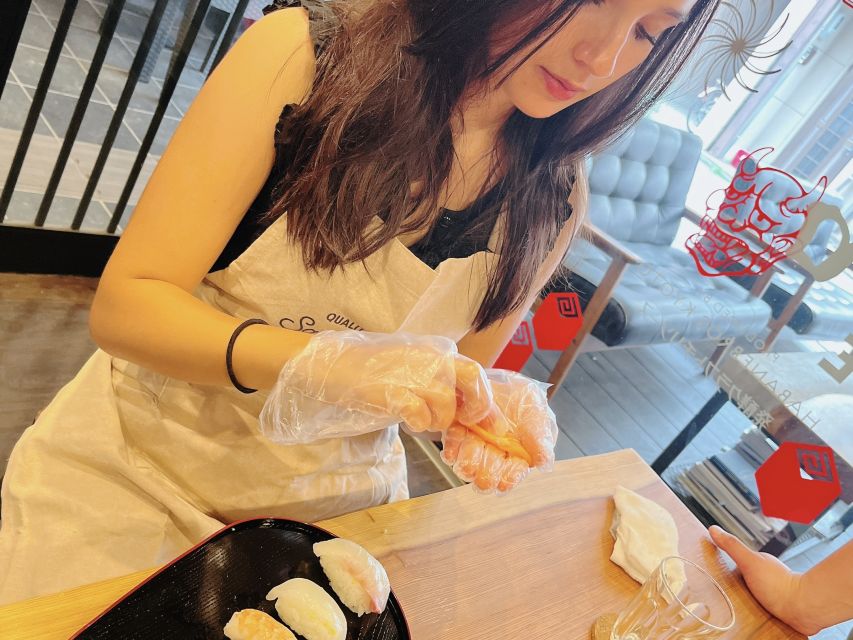
The class is structured in a way that lowers stress. You start with training using a sushi sample toy. That might sound silly, but it’s smart. Your hands learn the motion without pressure, and your brain gets the logic of shaping and placing rice and toppings.
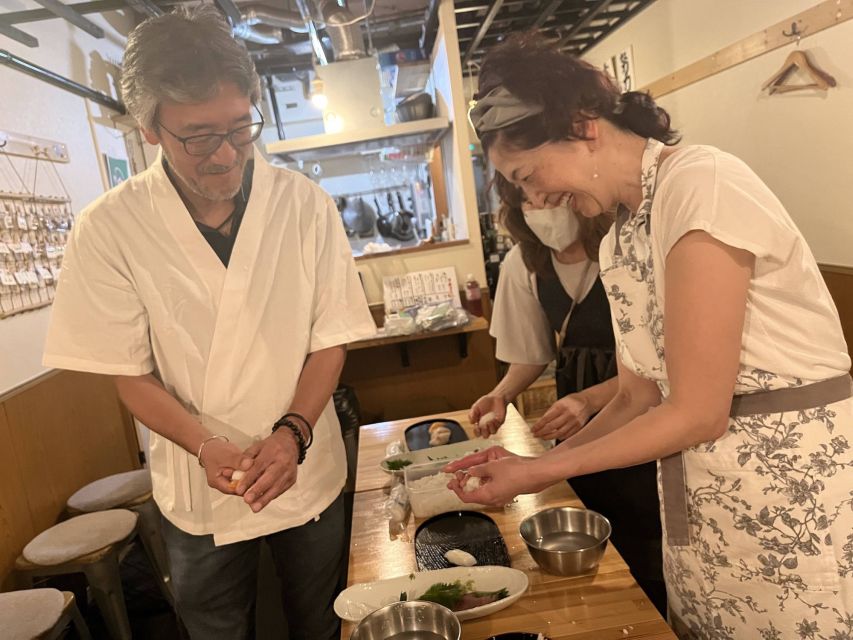
Once you’re comfortable, you move to real Nigiri Sushi. Step-by-step instruction means you’re not guessing. The chef guides how to form the rice and how to add the fish on top with the right care and placement.
A lot of participants also mention that the teaching goes beyond just technique. In some sessions, the chef explains things like dining etiquette and why certain tools or methods matter. Names that come up in feedback include Hide and Yukihide-san, with multiple comments praising patience and clear explanations.
Making maki rolls with a special tool (no guesswork required)
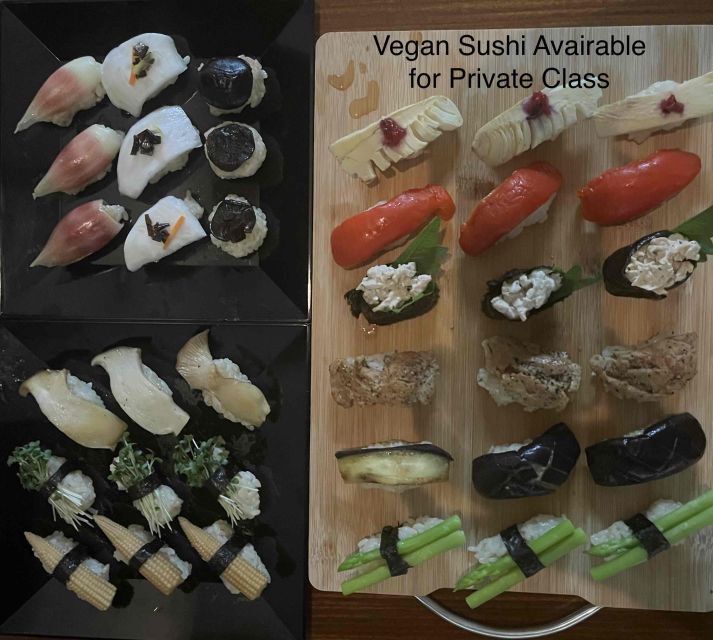
After nigiri, you shift to sushi roll (maki). The class uses a special tool for the rolling step. That’s key for first-timers: you’re learning the method without fighting the mechanics of the roll for your entire session.
You’ll still do the hands-on work, but the tool helps you get consistent results. The result is a roll you can be proud of, instead of a plate of edible sushi disasters.
This is also where some people notice a learning curve. One participant wished they could do more steps like rice prep and fish cutting themselves. So if you’re the type who wants full control over every stage, keep your expectations aligned: this is focused instruction on assembly and rolling, not a full sushi-production workshop.
Finishing touches: decorating your plate and eating what you made
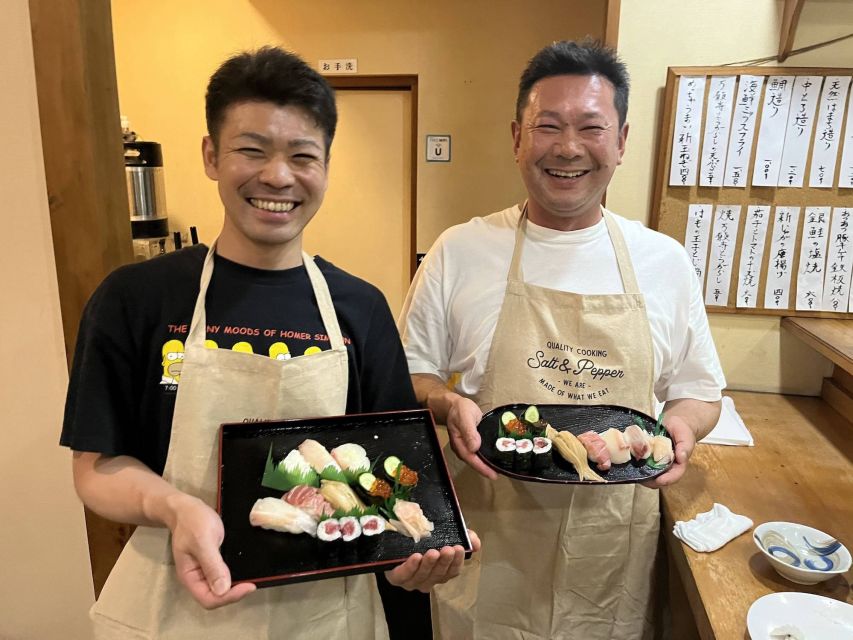
The last stretch is where the class becomes lunch. You’ll decorate all the sushi on your sushi plate, then eat it as a meal. This isn’t just “snack after cooking.” It’s the final check: can your sushi taste as good as it looks?
There’s also a pairing. You’ll get tea or water and Japanese-style dashi soup with your meal. That combo is practical. Tea keeps you refreshed during the hands-on work, and dashi helps balance the flavors when you start eating.
A nice bonus is that photos and videos are taken during the class, then the data is shared after. That means you don’t keep stopping to grab your phone when the chef is teaching the exact moment that matters.
Small-group learning near Shijo-Karasuma: what the setting feels like
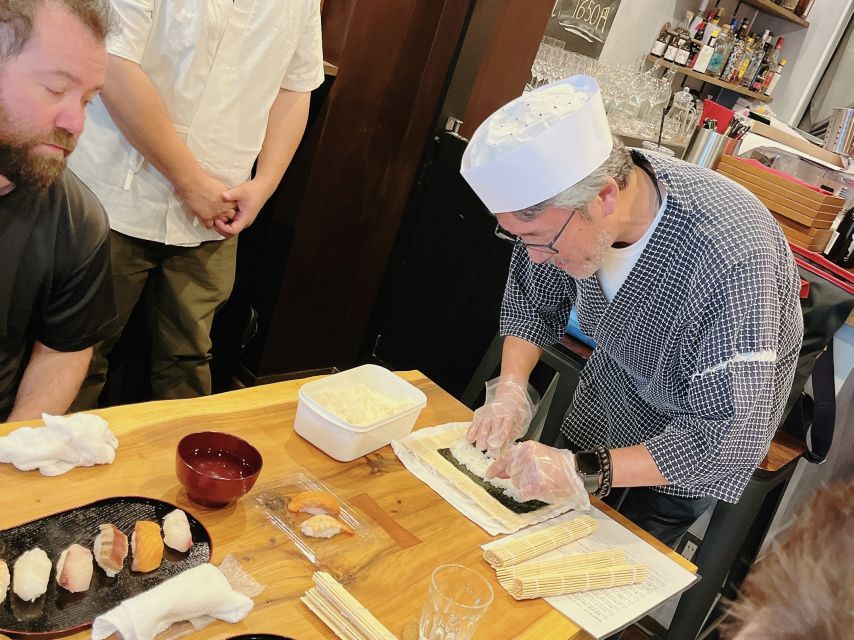
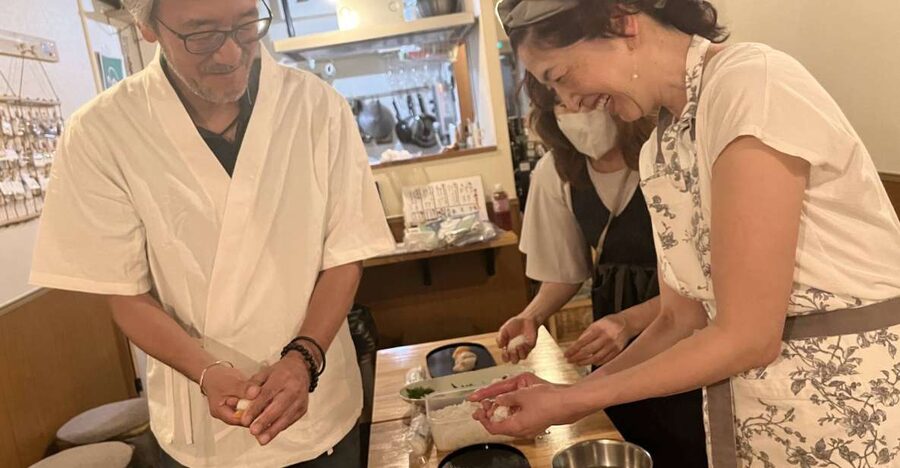
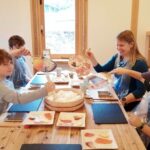
This isn’t a big warehouse production. It’s a small group limited to 8 participants, which keeps the instructor from spreading thin. In real terms, that means you can ask questions, get corrections, and avoid the awkward “watch from the side” feeling that can happen in larger classes.
The meeting point is also straightforward. There are two venues around Shijo Karasuma, and the provider chooses the spot based on group size. You get a Google Maps link by email, and when you arrive you’ll see a welcome board.
Based on feedback, the location is often easy to reach, and at least one venue has been described as cozy and welcoming, with potential river views. Another comment notes it’s close to Kyoto-Kawaramachi Station, which is useful if you’re already spending time in that area.
Other Kyoto tours and experiences to compare
What you actually learn (beyond sushi “making”)
Even if your goal is simple—make sushi and eat it—this class teaches a few things that help you outside the kitchen.
Here are the skills you’re likely to take home:
- Nigiri technique: shaping and topping with better control
- Maki rolling basics: using the roll tool without overthinking
- Plate-ready presentation: decoration that makes the lunch look intentional
- Sushi etiquette: how to eat sushi properly (one chef explanation included dining behavior)
- Knife and fish curiosity: some sessions include discussion of knives and the fish you’re working with
You’ll see this reflected in the best feedback: people aren’t only saying the sushi tasted good. They’re saying they now understand the craft—what makes sushi sushi—and how to improve at home.
Price and value: is $74 fair for a 90-minute class with real fish?
At $74 per person, this sits in the mid-range for Kyoto food experiences. The value comes from the details, not just the “sushi” label.
What you get for the price:
- Chef-led instruction with a small-group cap
- Real fish purchased at Kyoto’s wholesale market early morning
- Multiple sushi types (nigiri and maki) instead of one single roll
- Lunch included (tea or water plus dashi soup and what you make)
- Photo/video service during the class, then shared after
If you compare this to doing a DIY sushi day, you’re paying for three things: access to high-quality fish handling, time with a pro, and structure. Most people can buy ingredients. Fewer can learn the technique in a calm 90 minutes to 3 hours, with corrections in the moment.
So I’d treat it as a skill class with lunch included—rather than a one-off tasting.
Who should book (and who should skip)
This class fits best if you want a hands-on, structured Kyoto activity and you’re excited to cook as you learn.
You’ll likely love it if:
- you’re a first-timer who likes clear, step-by-step guidance
- you’re traveling with kids (multiple families mention it as a favorite)
- you want something more interactive than a food tour
You should think twice if:
- you have food allergies (the activity is listed as not suitable)
- you’re sensitive to the idea of handling fresh fish
- you use strong fragrances, since strong scents aren’t allowed
One review also suggests gluten-free support can happen smoothly, but the general allergy note is still the guideline. If allergies are part of your situation, message ahead so you’re not stuck with last-minute uncertainty.
Should you book Kyoto sushi making with a sushi chef?
Yes, book it if you want a real skill-based experience that ends with a satisfying lunch. The market-to-table approach, the small group size, and the fact that you learn nigiri + maki in one session make it feel efficient and fun.
Skip or ask extra questions if allergies apply, or if you’re expecting every stage of sushi production (rice cooking and fish cutting) to be fully student-led. For everyone else, this is a practical, authentic Kyoto food experience—hands on, not hand-wavy.
FAQ
How long is the sushi making class in Kyoto?
It runs for 90 minutes to 3 hours, depending on the session you book.
How big is the class group?
The group is small, limited to up to 8 participants.
What sushi will I make during the lesson?
You’ll start with practice, then make nigiri, then make sushi rolls (maki) using a special tool, and finally decorate and plate your sushi to eat.
Where does the fresh fish come from?
The chef purchases fresh fish early morning from Kyoto Central Wholesale Market, then prepares it before class.
Are photos and videos included?
Yes. Photos and videos are taken during the class, and the data is shared with you after the class.
What’s included to drink and eat?
You’ll have tea or water, plus Japanese-style dashi soup, and you’ll eat the sushi you make as lunch.
Where do I meet the instructor?
There are two venues around Shijo Karasuma. You’ll be emailed a Google Maps link, and you should look for the welcome board when you arrive.
What’s the cancellation policy?
You can cancel up to 2 days in advance for a full refund.
More Workshops in Kyoto
More Tour Reviews in Kyoto






More Kyoto Cooking Classes
Just added: more Kyoto tours to browse








Kyoto Cooking Classes, compared.
 ★ 5.0Ramen Cooking Class at Ramen Factory in KyotoFrom $1311,937 reviews
 ★ 5.0Sushi Making in Kyoto! Same-day bookings welcome!From $53713 reviews
 ★ 4.9Ramen Cooking Class at a Ramen Factory with SouvenirFrom $127532 reviews
 ★ 5.0Ramen, Gyoza, and Onigiri Cooking ClassFrom $90445 reviews
 ★ 5.0The Original Small-Group Sushi Making Class in KyotoFrom $69436 reviews
 ★ 5.0Japanese Washoku Bento Small Group Cooking ClassFrom $58380 reviews
 ★ 5.0Kyoto Ramen and Gyoza Cooking Class with Professional ChefsFrom $86282 reviews
 ★ 4.9Afternoon Japanese Izakaya Cooking ClassFrom $67241 reviews
Browse the lists this tour appears in