
Reviewed · KYOTO COOKING CLASSES
Kyoto: Small-Group Authentic Sushi Making Workshop
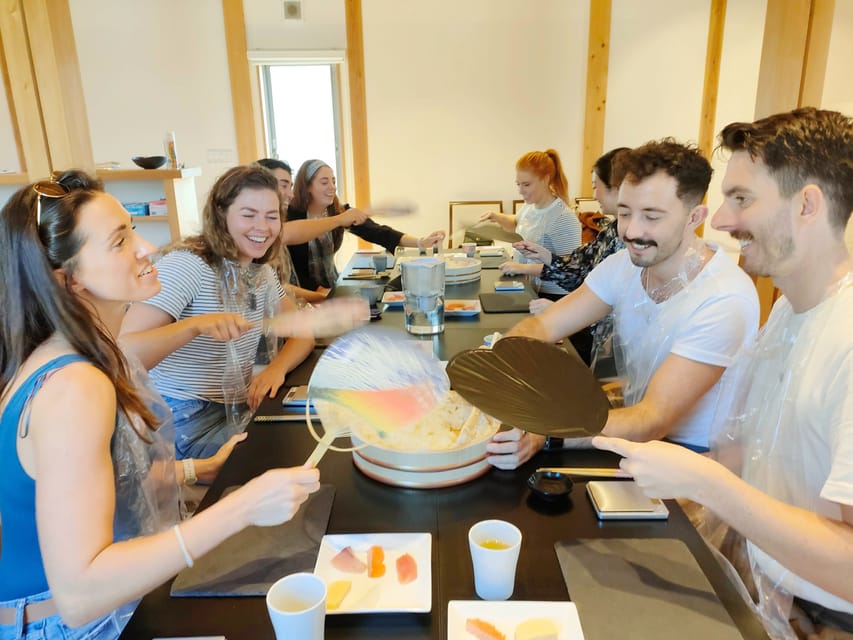
Sushi in Kyoto, taught with care. This 90-minute small-group class (max 8) lets you learn nigiri and maki step by step in English, led by hosts like Kana and supported by Karim. I like that it feels calm and personal, not rushed, and that the focus is on technique—especially sushi rice.
My favorite part is the combination of fresh local fish and patient coaching, with plenty of time to ask questions about Japanese food and daily life. One heads-up: this workshop isn’t suitable for vegetarians (fish is part of the meal), and it’s also not designed for wheelchair access.
In This Review
- Key Takeaways Before You Go
- Why This Kyoto Sushi Class Feels Different From a Typical Cooking Tour
- Getting There: Kyoto Wand Building Near Kiyomizu-Gojō and Gion
- Inside Kyoto Wand: A Restored Townhouse Setup Made for Calm Focus
- The 90 Minutes That Actually Teach You: Sushi Rice First, Everything Else Second
- Nigiri and Maki Hands-On: What You’ll Make and Why It Matters
- Lunch Is Included: Eat What You Make (Plus Miso Soup)
- The Take-Home Gift Bag: Tools You’ll Actually Use at Home
- Language and Conversation: English Instruction Plus Real Culture Talk
- Price and Value: Is $60 Worth It in Kyoto?
- Who This Workshop Suits Best (and Who Should Skip It)
- Should You Book Atelier SUSHI in Kyoto?
- FAQ
- How long is the Kyoto small-group sushi workshop?
- How many people are in the class?
- Is the workshop taught in English?
- What’s included with the price?
- Do I eat the sushi I make?
- Where does the workshop take place?
- Is hotel pickup and drop-off included?
- What dietary needs should I consider?
- Is the workshop wheelchair accessible?
- Can I cancel or book without paying right away?
Key Takeaways Before You Go
- Small group size (8 max) means you get real attention while you make sushi.
- English instruction makes the technique and culture lessons easy to follow.
- Fresh, local ingredients are central, and you’ll taste the difference.
- You learn sushi rice seasoning and then build nigiri and maki your way.
- Lunch is included: you eat what you make, plus miso soup.
- A take-home gift bag includes tools like a rolling mat and chopsticks.
Why This Kyoto Sushi Class Feels Different From a Typical Cooking Tour
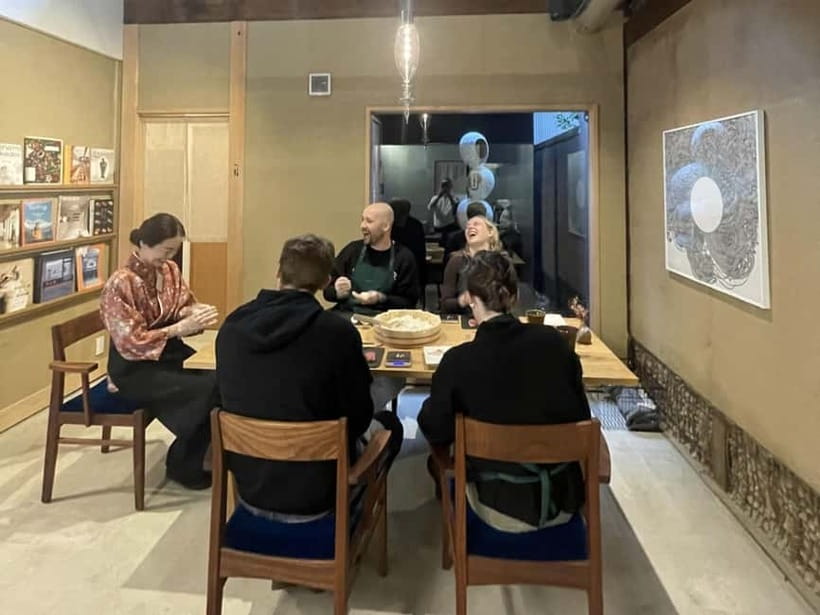
Kyoto has plenty of food tours. This one is different because you’re not just watching. You’re hands-on, learning the steps that make sushi feel precise rather than messy.
What stands out for me is the teaching style. Hosts such as Kana focus on fundamentals—how to handle rice, how to shape, how to balance texture—so your results improve during the session, not just at the end. People also mention how relaxed it feels, with time to ask questions and chat.
The other big plus: you’re working with high-quality ingredients. Reviews point to fresh fish sourced from local markets and strong attention to ingredient provenance, not generic “tour” food. You can taste that effort.
The only clear limitation is dietary. It’s not set up for vegetarians, and the workshop centers on fish used in sushi.
Roll up your sleeves for another Kyoto cooking class

Getting There: Kyoto Wand Building Near Kiyomizu-Gojō and Gion
The workshop meets in a building called Kyoto Wand, minutes on foot from Kiyomizu-Gojō Station on the Keihan Main Line. It’s also walkable from major Kyoto areas like Kiyomizu-dera and Gion—useful when you’re planning a day of temples and strolls.
No hotel pickup is included, so plan to arrive under your own steam (and yes, give yourself a little buffer time on first-day navigation). The good news: multiple reviews say it’s easy to find.
If you’re doing a temple morning and want sushi later, this location is convenient. You can break up your day without adding a long transit headache.
Inside Kyoto Wand: A Restored Townhouse Setup Made for Calm Focus
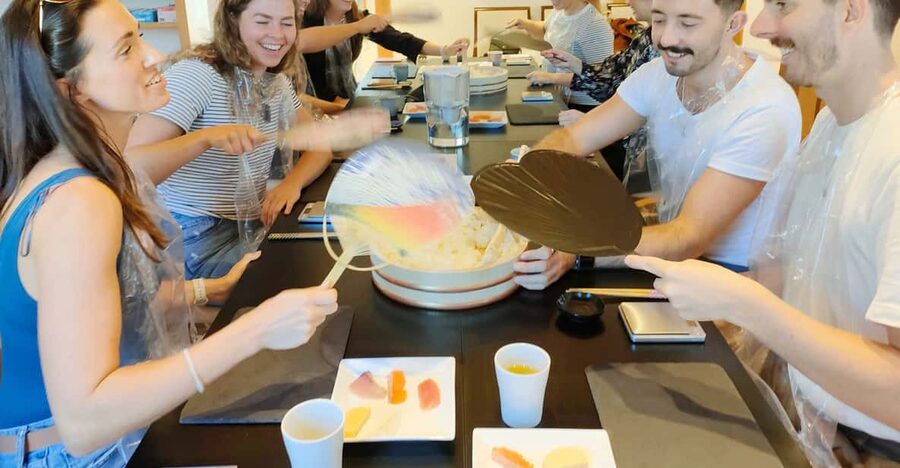
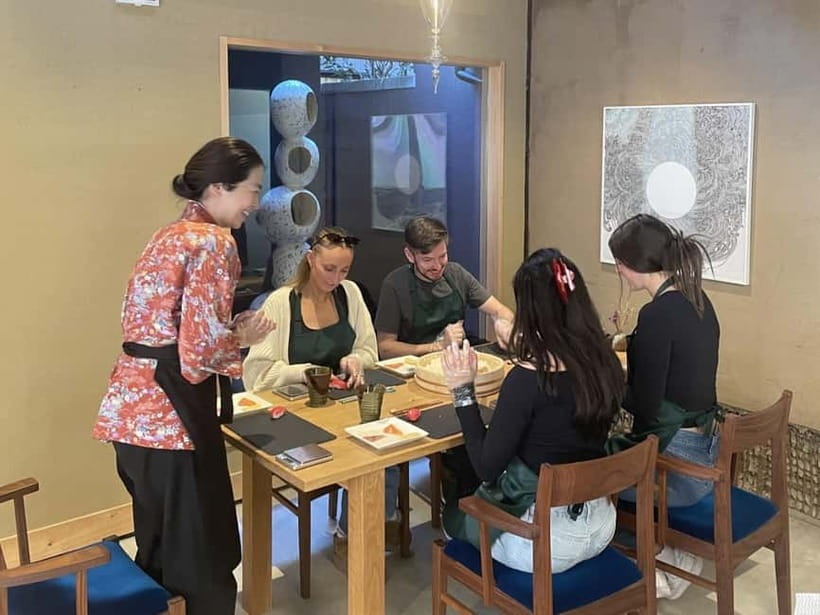
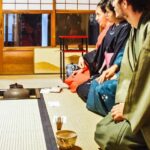
Expect a serene, traditional space in a beautifully restored Kyoto townhouse. This matters more than it sounds. Sushi is technique-heavy, and a quieter environment helps you learn without feeling crowded or hurried.
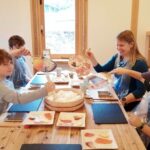
The class is limited to 8 participants, so your station doesn’t feel like a conveyor belt. Reviews repeatedly mention how clean the facility is and how organized the teaching feels, even for beginners.
You’ll also be provided with disposable gloves and an apron, which is practical for both hygiene and comfort. That’s a small detail, but it makes a hands-on class feel easier—especially if you’re new to raw fish handling and food prep.
The 90 Minutes That Actually Teach You: Sushi Rice First, Everything Else Second
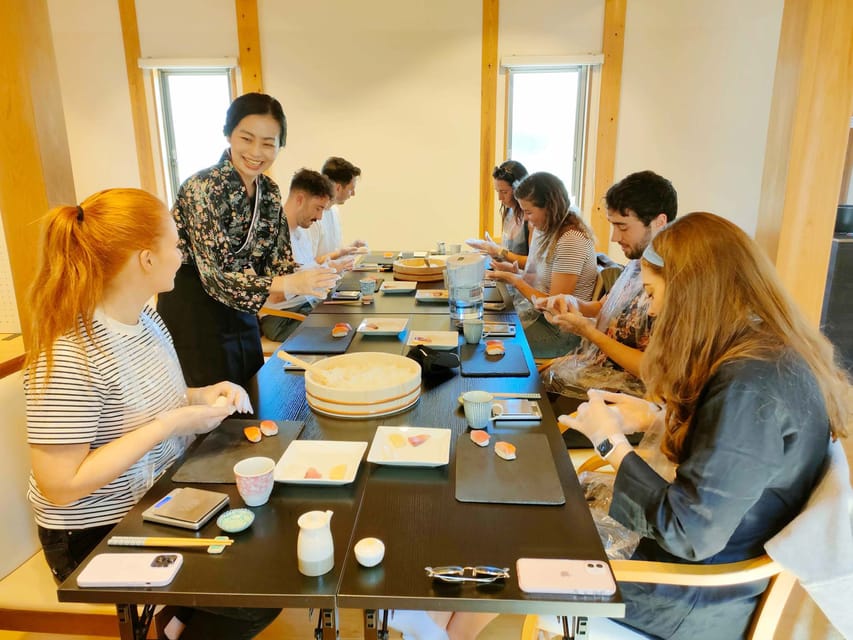
Most people think sushi is about rolling. Real sushi starts earlier—with sushi rice.
In this workshop, you’ll learn how to season perfectly cooked rice, then handle it correctly while you build different styles. That’s where the skill comes from. Getting the rice right affects everything: texture, stickiness, flavor, and how the fish sits on top.
Hosts like Kana are known for giving step-by-step guidance and repeating instructions as you practice. Reviews mention that she takes the time to answer individual questions and explains technique in plain English, not hand-wavy food talk.
If you’re worried you’ll mess it up, don’t be. The session structure gives you the chance to correct mistakes while you’re still in the learning phase—so you don’t just watch, you improve.
Nigiri and Maki Hands-On: What You’ll Make and Why It Matters
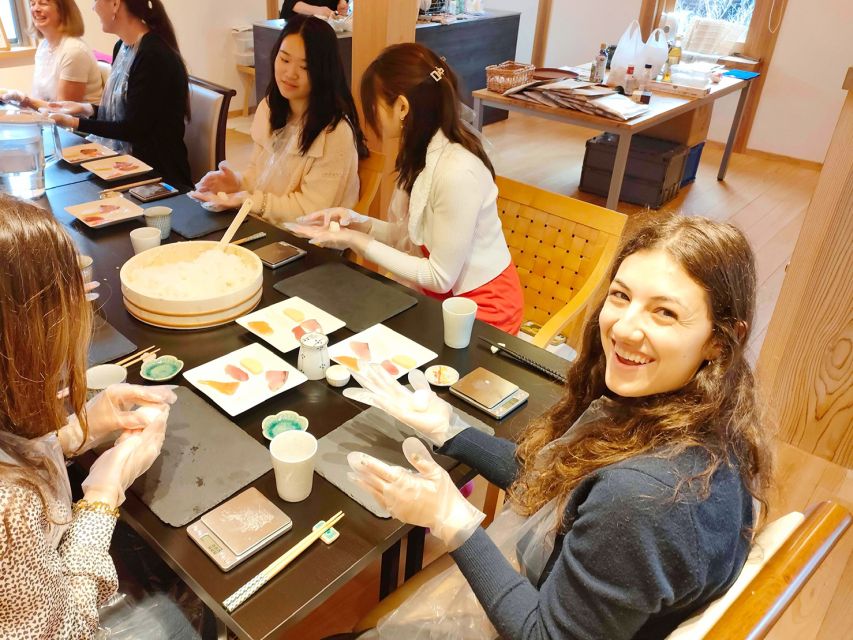
You’ll create a variety of sushi, including nigiri and maki rolls. The exact combinations can vary by session, but reviews mention examples like nigiri with salmon, tuna, squid, yellowtail, and egg omelette, plus gunkan styles and a maki roll that can include salmon and avocado.
Here’s why this part is valuable for you, beyond the fun of eating sushi you made:
- Nigiri teaches shaping and balance. You learn how rice compresses and how fish placement affects the final bite.
- Maki teaches rolling control. Even if you’ve rolled before, you’ll likely refine your pressure and alignment.
- Gunkan (if included that day) is great practice for learning how to fill and hold toppings without squashing everything.
A lot of reviews praise the hosts for staying hands-on—supporting while you work, not just demonstrating once. Karim and other assistants are mentioned as helping during the class, which means you’re less likely to feel stuck.
Also, don’t ignore the cultural side. This isn’t only technique. Hosts share context around Japanese food culture and local history while you cook—so your sushi-making skill comes with meaning.
Other Kyoto tours and experiences to compare
Lunch Is Included: Eat What You Make (Plus Miso Soup)
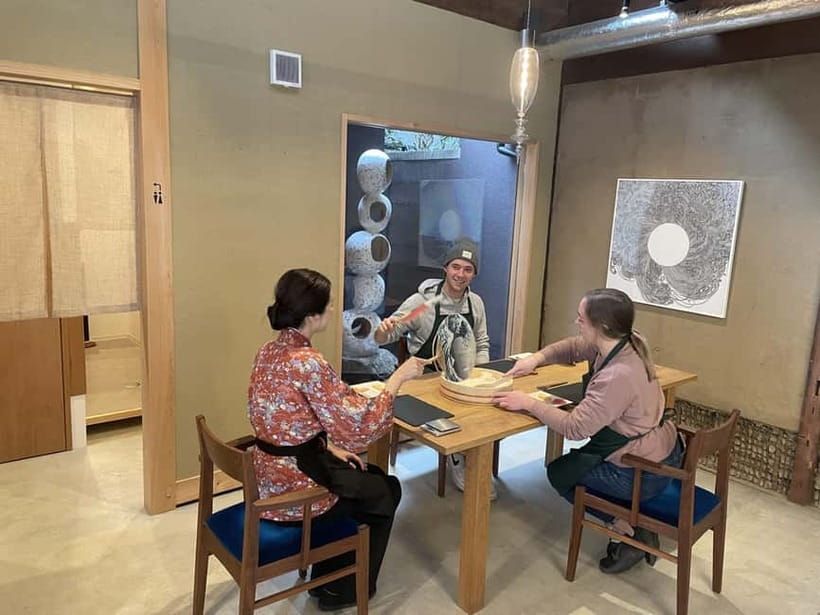
When the cooking part ends, you don’t leave with just photos. You eat your own sushi for lunch, along with miso soup.
The portion is a real advantage. Multiple reviews say there’s plenty to eat, and they recommend coming hungry. If you’ve been walking all morning around Kyoto, this is a good payoff that doesn’t require hunting for lunch afterward.
Practical tip: pace yourself. You’re learning and building several pieces, so your final plate can be satisfying but fast. Eat steadily so you can notice what tastes different—rice seasoning, fish quality, and how each style bites.
If you’ve ever felt uneasy about sushi with fish, this class can still work. The ingredients are described as fresh and carefully prepared, and the hosts guide you through what’s happening. You’re not left alone with uncertainty.
The Take-Home Gift Bag: Tools You’ll Actually Use at Home
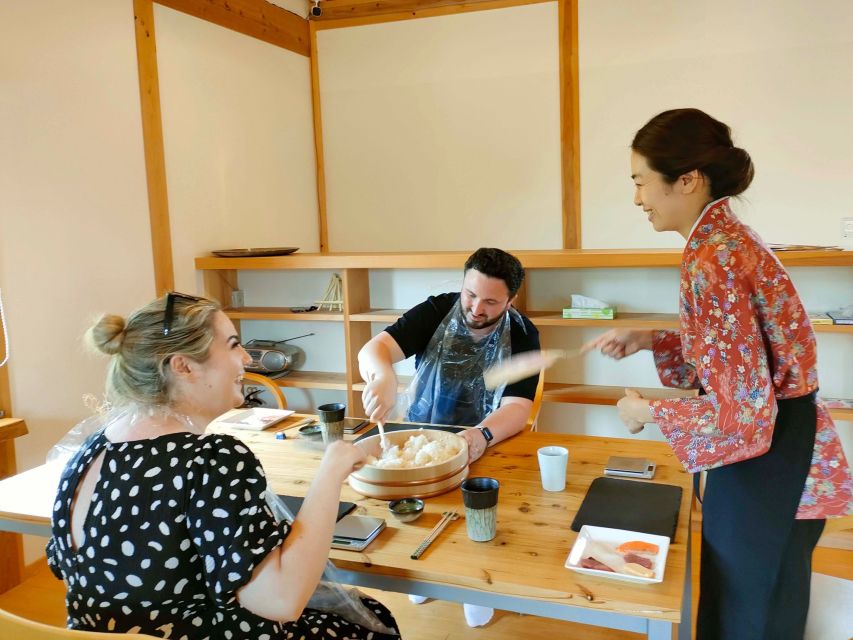
Included is a gift bag with practical items:
- a sushi rolling mat
- chopsticks
- a recipe card
Plus you’ll get the apron and gloves used during class (disposable items during prep).
This matters because many cooking classes give you a story and a memory. This gives you basic tools to recreate the experience later, especially for maki rolls. Even if your first attempt looks imperfect, the mat and recipe steps help you repeat the technique.
The recipe card also fits the way the class teaches—structured and learnable. If you’re the type who wants to keep improving, you’ll have enough to practice beyond one meal.
Language and Conversation: English Instruction Plus Real Culture Talk
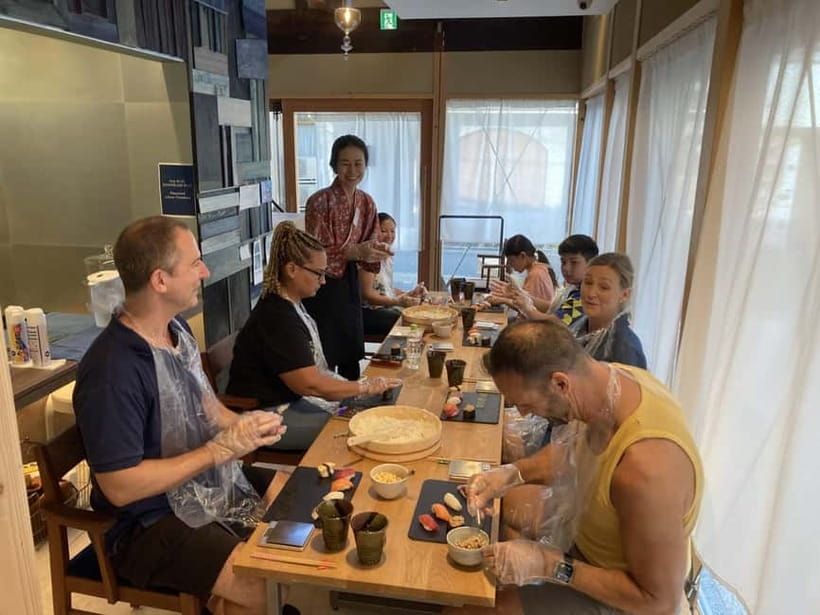
This workshop is conducted in English, which is huge in Kyoto if you want clarity without translating everything yourself.
What really wins people over is that the teaching doesn’t stop at instructions. Reviews mention lots of friendly conversation—questions about Japanese culture and even personal stories. Hosts like Kana are described as warm and happy to answer questions, with Japanese history showing up in conversation for some groups.
You’ll likely learn not only how sushi is made, but how it fits into everyday Japanese food values: attention to rice, respect for ingredient quality, and the idea that technique matters.
Even if you’re not a foodie, that context makes the meal feel more intentional.
Price and Value: Is $60 Worth It in Kyoto?
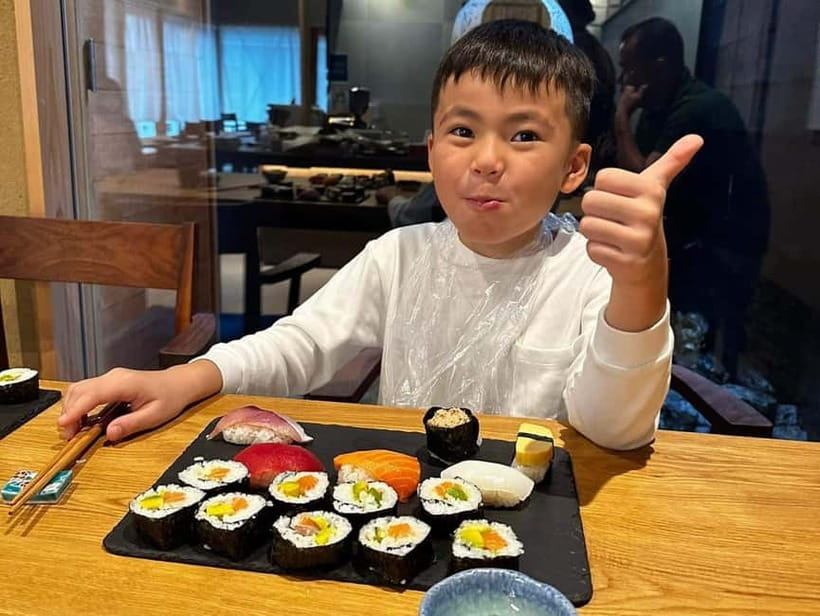
At $60 per person for a 90-minute hands-on workshop, the value comes from what’s included:
- You get instruction in nigiri and maki
- You eat the sushi you make, plus miso soup
- You take home a tool set (rolling mat and chopsticks)
- You use quality ingredients, not packaged substitutes
The key is the small group size. With up to 8 people, you’re paying for focused coaching and a calmer pace. If you were trying to learn sushi another way—like buying sushi ingredients, then practicing with no guidance—it would cost similar money, and you’d still be guessing on technique.
So I’d frame this as a skill-building food experience. If you want a quick meal, it might be pricier than a normal lunch. If you want a real skill you can repeat, it lands in a very fair zone for Kyoto.
Who This Workshop Suits Best (and Who Should Skip It)
This is a strong fit if you:
- want hands-on cooking with a clear step-by-step approach
- are a beginner or intermediate cook and want technique guidance in English
- care about ingredient quality and want to taste the difference
- want a calmer activity after temple hopping
It can also work well for families, since reviews mention classes attended by multi-generation groups and even kids. The pace is described as relaxed and beginner-friendly.
Skip it if:
- you’re vegetarian (not suitable per the activity info)
- you need wheelchair access (not suitable per the activity info)
- you’re looking for a low-contact experience (this is hands-on by design, including food prep)
Should You Book Atelier SUSHI in Kyoto?
I’d book this if you want a Kyoto experience that’s practical, not performative. The combination of small-group teaching, English guidance, and fresh local fish turns sushi-making into a real skill session. Add in the fact that you eat what you make—plus miso soup—and it feels like a complete, satisfying afternoon.
If your group includes vegetarians, you’ll need a different plan, since this workshop isn’t built for that. Otherwise, it’s a smart choice for anyone who wants to take home a better understanding of sushi rice, nigiri shaping, and maki rolling.
FAQ
How long is the Kyoto small-group sushi workshop?
The workshop lasts 90 minutes.
How many people are in the class?
It’s a small group limited to 8 participants.
Is the workshop taught in English?
Yes, the instructor provides instruction in English.
What’s included with the price?
You get the sushi-making workshop, the sushi you make for lunch, miso soup, a gift bag with a sushi rolling mat, chopsticks, and recipe card, plus disposable gloves and an apron.
Do I eat the sushi I make?
Yes. The sushi you make is included, and you eat it for your lunch.
Where does the workshop take place?
It’s held in the Kyoto Wand building, near Kiyomizu-Gojō Station on the Keihan Main Line, and within walking distance of areas like Kiyomizu-dera and Gion. The provided Google Plus Code is XQVC+J7 Kyoto.
Is hotel pickup and drop-off included?
No. Hotel pickup and drop-off are not included.
What dietary needs should I consider?
You should advise of any dietary restrictions when booking. The workshop is not suitable for vegetarians.
Is the workshop wheelchair accessible?
No, it’s listed as not suitable for wheelchair users.
Can I cancel or book without paying right away?
Yes. You can cancel up to 24 hours in advance for a full refund, and you can reserve now and pay later.
More Workshops in Kyoto
More Tour Reviews in Kyoto




More Kyoto Cooking Classes
Just added: more Kyoto tours to browse








Kyoto Cooking Classes, compared.
 ★ 5.0Ramen Cooking Class at Ramen Factory in KyotoFrom $1311,937 reviews
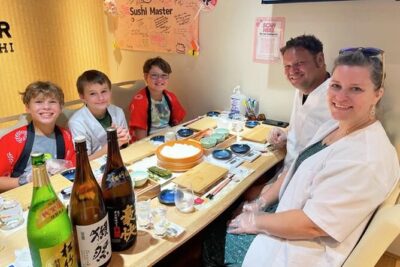 ★ 5.0Sushi Making in Kyoto! Same-day bookings welcome!From $53713 reviews
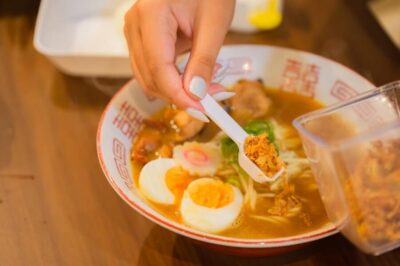 ★ 4.9Ramen Cooking Class at a Ramen Factory with SouvenirFrom $127532 reviews
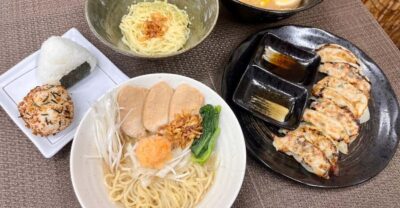 ★ 5.0Ramen, Gyoza, and Onigiri Cooking ClassFrom $90445 reviews
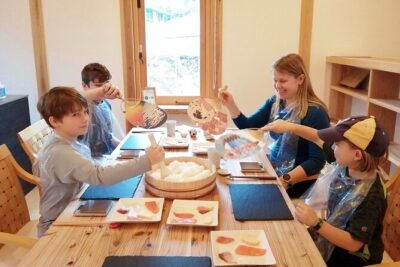 ★ 5.0The Original Small-Group Sushi Making Class in KyotoFrom $69436 reviews
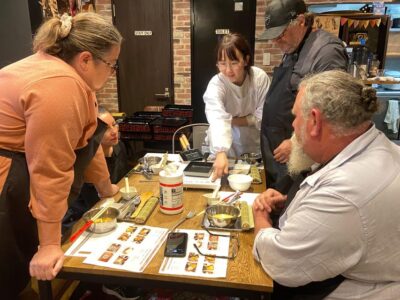 ★ 5.0Japanese Washoku Bento Small Group Cooking ClassFrom $58380 reviews
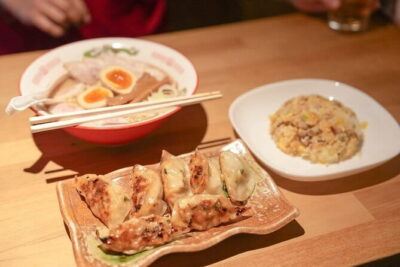 ★ 5.0Kyoto Ramen and Gyoza Cooking Class with Professional ChefsFrom $86282 reviews
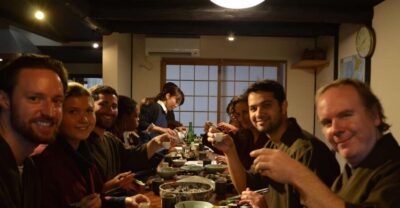 ★ 4.9Afternoon Japanese Izakaya Cooking ClassFrom $67241 reviews
Browse the lists this tour appears in