
Reviewed · ARASHIYAMA & BAMBOO GROVE TOURS
Kyoto Sagano Insider: Rickshaw and Walking Tour
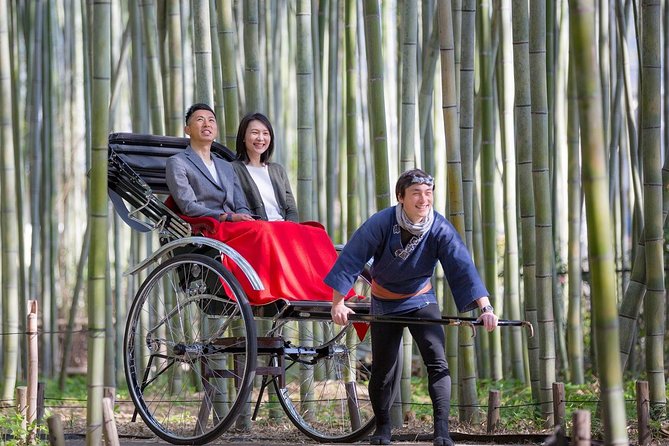
A rickshaw in Arashiyama feels like time travel. You trade bus crowds for a private rickshaw ride through the bamboo forest, then switch to a walk where your guide keeps the story going as you move between historic spots.
What I love most is how the guide turns the stops into something you can actually picture later. You’ll get smart photo pointers along the way, plus a chance to step inside a traditional machiya-style house (and possibly a tea-house moment). One drawback to plan for: temple and garden admission fees are not included, so you should expect to pay at least for Otagi Nenbutsu-ji.
In This Review
- Key Things I’d Prioritize on This Arashiyama Tour
- Why a Private Sagano Rickshaw Feels Faster (and Less Stressful)
- Meeting Point and Getting Started in Kyoto Arashiyama
- Kyoto Machiya House Stop: A Traditional Street Interior Moment
- Bamboo Forest Rickshaw Ride: Photos First, Optional Extra Footsteps
- Otagi Nenbutsu-ji Temple: Handmade Figurines Worth the Time
- Haiku Poet Cottage, Bamboo Grove Shrine, and Arashiyama Side Streets
- Guides, Drivers, and the Photo Game Plan
- Price and Value: Is $228.62 Worth It?
- Should You Book This Kyoto Sagano Insider Rickshaw and Walking Tour?
- FAQ
- What’s included in the Kyoto Sagano rickshaw and walking tour?
- How long is the tour?
- Are temple and garden admission fees included?
- Is this tour private or shared?
- Can kids ride?
- What if I need to cancel?
Key Things I’d Prioritize on This Arashiyama Tour
- Private rickshaw time saved: a driver handles route and placement so you spend less time figuring things out
- Photo stops built into the plan: you’re guided to good angles rather than “good luck with your camera”
- Machiya house visit: a real taste of traditional Kyoto street life, not just views from outside
- Optional bamboo-forest walking section: you can add extra access to an area rickshaws can’t reach
- Otagi Nenbutsu-ji’s figurines: the temple is known for its handmade, quirky vibe
- Small-group feel: it’s private to your group, so you’re not rushing with strangers
Why a Private Sagano Rickshaw Feels Faster (and Less Stressful)
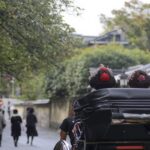
Arashiyama can look simple on a map, but in real life it’s a mix of narrow lanes, photo-throng moments, and “wait, which path is for me?” confusion. A private rickshaw removes that friction. Your driver navigates the area and keeps the pace moving, so you don’t lose your morning to wrong turns.
The ride is also timed for your energy. You don’t just go from A to B. You pause for photos as you pass through the bamboo forest, then hop off to walk where the streets open up. That blend is smart: you get the dramatic scenery without spending all your time standing still.
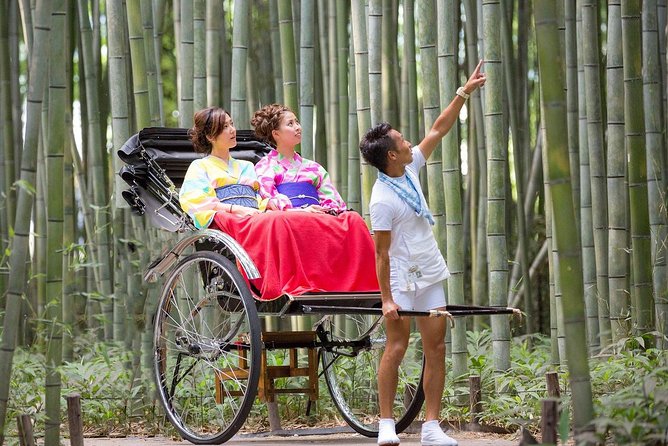
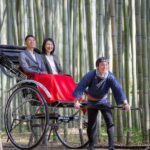
There’s also a practical detail worth knowing: the seats are 74 cm wide, and the rickshaw can accommodate up to two adults side by side. If you’re traveling as a pair, this is exactly the kind of Kyoto experience that feels “made for two.” If you’re very tall or broad-shouldered, you’ll want to sit comfortably and let your guide know you prefer a certain posture for photos, but the tour is set up to be workable for most visitors.
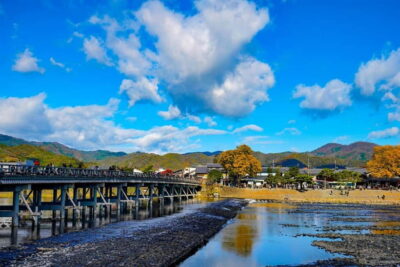
Deeper into Arashiyama, past the bamboo and the Hozu river

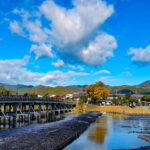
Meeting Point and Getting Started in Kyoto Arashiyama
You’ll meet at 1-1 Sagatenryūji Susukinobabachō, Ukyo Ward, Kyoto, 616-8385, Japan. The good news is it’s near public transportation, so you’re not stuck arranging a complex pickup.
I’d plan your day so you arrive a few minutes early, especially if you’re juggling kimono plans or coordinating with another activity later. The tour duration is about 3 hours 10 minutes (approx.), and it runs as a private experience, so you want to avoid the domino effect of being late.
Also pack for walking. This tour includes walking up and down a slope, and you may add an optional walk into part of the bamboo forest. Comfortable shoes matter more than you’d think, even if your main attraction is the rickshaw.
Kyoto Machiya House Stop: A Traditional Street Interior Moment
The first real “Kyoto” payoff is the Machiya house visit at Kyoto City Sagatoriimotocho Nami Preservation Hall. You’re in a traditional Kyoto-style townhouse setting for about 20 minutes, and admission there is free.
This is where the tour goes beyond scenic sightseeing. Outside, Arashiyama can be photogenic and crowded. Inside a preserved Machiya space, it becomes quieter and more human-scale. You get to see how the architecture supports daily life—rooms, layout, and the vibe of a neighborhood home rather than a temple courtyard.
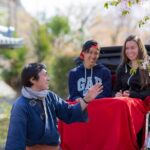
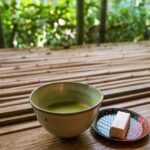
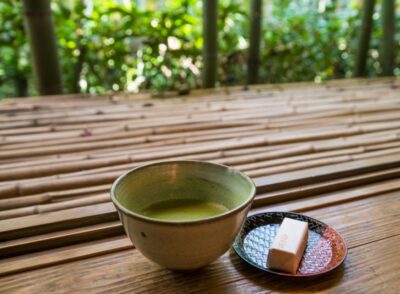
You may also have a chance to go inside a tea house with your guide. That matters because it shifts the experience from “looking at old things” to “stepping into how people lived.” Even if you only get a short moment, it tends to be the kind of memory that sticks.
A small tip: if you’re renting kimono or wearing formal clothing, this stop is a good reason to keep your movement smooth. You’ll still be enjoying photos, but you’ll be standing and moving at a walking pace, not sprinting between landmarks.
Bamboo Forest Rickshaw Ride: Photos First, Optional Extra Footsteps
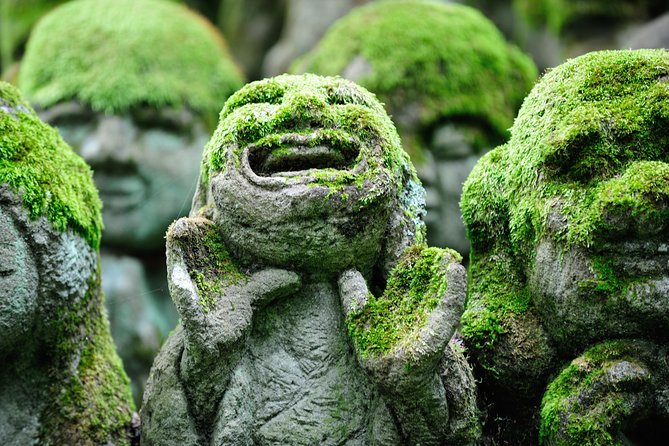
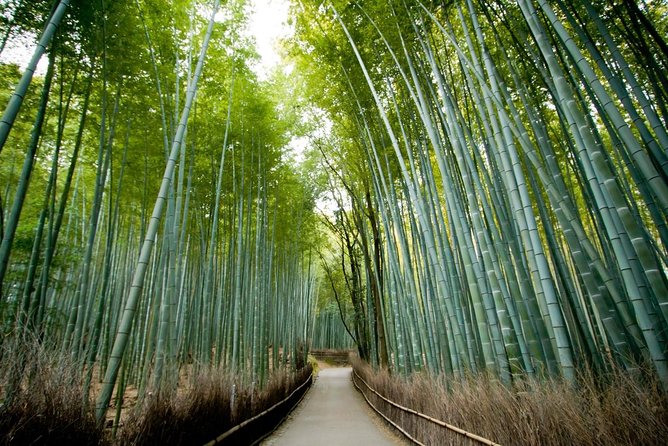
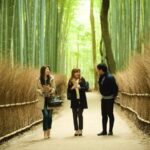
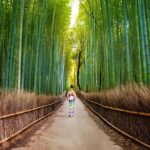
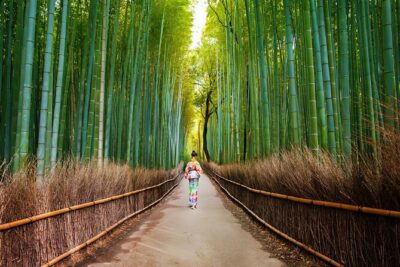
This tour’s signature is the Arashiyama Bamboo Forest rickshaw segment. The rickshaw passes through the bamboo area and stops for pictures. That simple structure is a big deal. Instead of trying to time your photos around foot traffic, the driver places you and your guide helps you get the right angle before moving on.
There’s also an optional add-on that’s worth considering: getting off the rickshaw to walk inside the part of the bamboo forest that’s inaccessible by rickshaw. If you’re comfortable with a bit more walking (and you like quieter scenes), this is a chance to see more of the grove than a ride-only plan allows.
Two ways this can pay off:
- You may find less constrained spacing for photos.
- You get a more “walk-through” feeling, not just a “ride-past” view.
The tradeoff is obvious: you’re adding time and slope/footwork. If your legs are tired or you’re traveling with someone who needs to move slowly, keep the optional walk as a “maybe” rather than an obligation.
Otagi Nenbutsu-ji Temple: Handmade Figurines Worth the Time
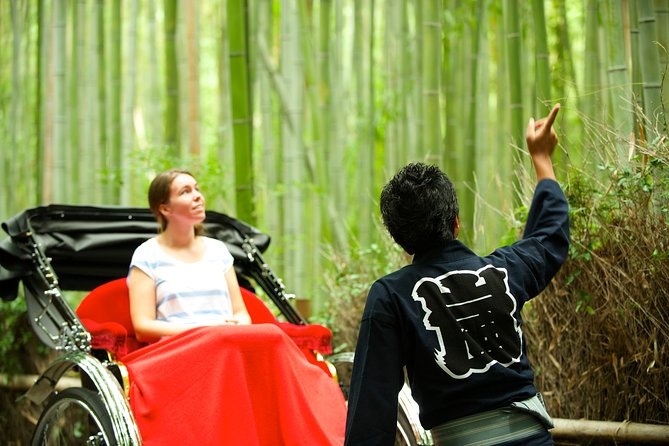
Next up is Otagi Nenbutsu-ji Temple. Plan about 30 minutes here. This temple is known for unique, quirky hand-made figurines, which is exactly the kind of detail that makes a guided visit worthwhile. Without context, you might just see lots of statues. With a guide’s framing, you can understand why the place feels different from the more famous temple circuits.
Admission to Otagi Nenbutsu-ji is not included, so budget for it when you’re planning your total Kyoto spend. It’s one of those costs that doesn’t sound huge when listed separately, but it does affect the true “all-in” price.
When you’re at the temple, take a slow loop. Don’t treat it like a one-minute stop. The best part of figurine-focused places is noticing how details repeat and vary. Your guide can help you spot what to pay attention to, but you’ll still want to leave yourself a little breathing room to look.
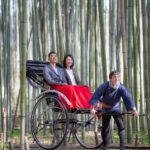
More rickshaw runs through old Kyoto
Haiku Poet Cottage, Bamboo Grove Shrine, and Arashiyama Side Streets
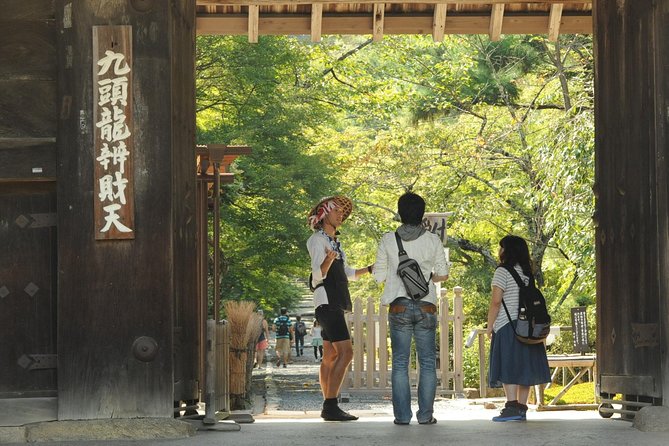
Between the big anchors, you’ll move through the neighborhoods that make Arashiyama feel like more than a photo stop. The route includes:
- A preserved old traditional cottage with a straw-thatched roof, described as the former home of one of Japan’s famous haiku poets
- A Shinto shrine nestled in the bamboo grove
- Typical Arashiyama-style townhouses, neighborhoods, and side streets
This section is where your guide’s running commentary matters most. You’ll see small architecture details and street layouts that are easy to miss when you’re rushing. The goal isn’t just to get a series of Instagram photos. It’s to understand how the district is stitched together.
Then there’s a preserved district with an old pilgrim path lined with traditional wooden town houses—exactly the kind of Kyoto you can feel, not just see. It’s also the part that feels less “downtown Kyoto” and more like the quieter edges of the city.
One practical note: since the day includes slope walking and you may switch between rickshaw and foot movement, it’s smart to carry water and keep an eye on your energy. You don’t want to save your feet for later and then discover later never comes.
Guides, Drivers, and the Photo Game Plan
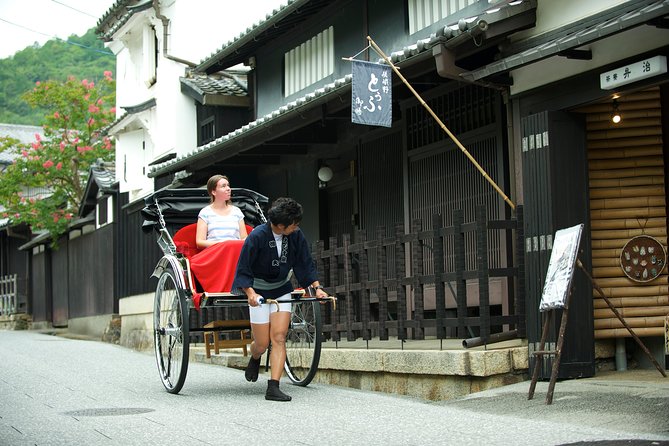
This is one of the tour’s strongest selling points: live narration plus strong photo handling. Several guides are repeatedly praised for being friendly, attentive, and good at getting people into the shot. Names that come up include Takumi and Atsu for English clarity and story-telling, Shota for comfort in cold weather and great photos, and guides like Yuya and Yoshii for enthusiasm and pacing.
You’ll get photo stops at Instagrammable spots along the way, and the driver and guide work together to make sure you’re positioned for a decent result. For rickshaws, this is a skill. Standing on the sidewalk and hoping you’ll “capture the moment” is harder than it looks.
Language support is another plus. English and Japanese are available, and there can be a Chinese/Korean/Spanish speaking guide at a conversational level depending on availability. Even if you only speak a little, you’ll get enough to understand the why behind what you’re seeing.
If you want your photos to look less like snapshots, do this:
- Tell your guide you want a few wide shots early, then switch to closer portraits.
- Ask for one or two photos facing down the bamboo, not only toward the camera.
- Keep your phone/camera ready before each stop so you’re not hunting for settings mid-action.
Price and Value: Is $228.62 Worth It?
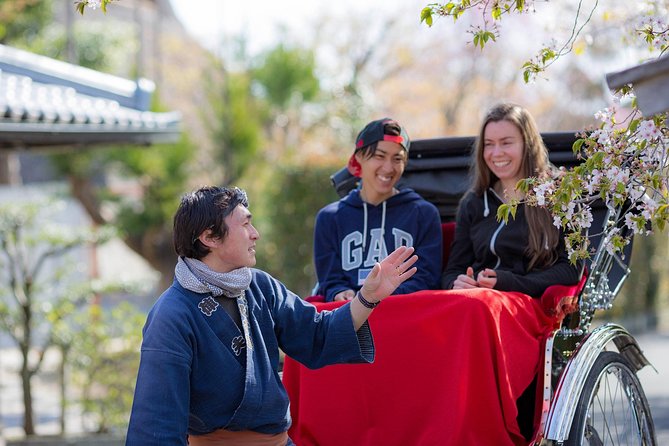
At $228.62 per person for a private 3 hours 10 minutes experience, the value question comes down to what you’re buying.
Here’s what’s included:
- A knowledgeable local guide
- Private rickshaw
- Photo stops at scenic spots
- Language support: English/Japanese fluent; other languages conversational level based on availability
- Group discounts (when applicable)
- Mobile ticket
What’s not included:
- Admission fees to temples and gardens
- Hotel pickup
That means you’re paying for the “private delivery” of time and access. If you try to replicate this on your own, you’d spend money on transport, lose time finding the best photo spots, and likely miss small context moments that make the area click.
You’re also getting a structure that helps you avoid the most common Arashiyama problem: spending too long in crowd zones. The rickshaw handles the heavy lift of movement. Your walk time is concentrated where it’s most rewarding.
One more value factor: this is booked on average about 23 days in advance, which signals demand. If you want a specific time window, booking earlier helps.
For families, children age 6 and older need a seat and pay the adult price. Children 5 and under can ride for free if they sit on an adult’s lap. If your group has two adults and a small child, this can be a good fit if you’re comfortable with lap seating.
Should You Book This Kyoto Sagano Insider Rickshaw and Walking Tour?
I think you should book this if you want Arashiyama to feel easy and guided, not chaotic. It’s a strong choice for couples, first-time Kyoto visitors, and anyone who wants the bamboo forest without turning your trip into a navigation puzzle.
Book it especially if:
- You care about getting good photos with minimal stress
- You want a Machiya house interior stop, not just outdoor landmarks
- You’re interested in the quirky details at Otagi Nenbutsu-ji
- You prefer a private experience where timing is controlled for your group
Skip it (or at least adjust expectations) if:
- You hate walking on slopes
- You’re tight on time and want only the bamboo forest with no temple or neighborhood wandering
- You’re looking for a low-cost option, since temple admissions are extra and it’s a private rickshaw
If you’re on the fence, choose the time of day when you’ll enjoy being outside for part of the route. The scenery is the point, but the comfort and photo timing are what make the experience feel worth the money.
FAQ
What’s included in the Kyoto Sagano rickshaw and walking tour?
It includes a private rickshaw, a local guide, and photo stops at scenic spots. The guide can speak English and Japanese fluently, and other languages may be available conversationally based on availability. Mobile ticket is included.
How long is the tour?
The tour is about 3 hours 10 minutes (approx.).
Are temple and garden admission fees included?
No. Admission fees to temples and gardens are not included, including Otagi Nenbutsu-ji.
Is this tour private or shared?
It’s private. Only your group participates, and you don’t share the rickshaw.
Can kids ride?
Children age 6 and older need a seat and pay the same price as an adult. Children age 5 and under can ride for free if they sit on an adult’s lap.
What if I need to cancel?
You can cancel up to 24 hours in advance for a full refund. If you cancel less than 24 hours before the start time, the amount paid won’t be refunded.
More Tour Reviews in Kyoto





More Rickshaw Rides in Kyoto

More of Arashiyama and Sagano
Just added: more Kyoto tours to browse








Arashiyama & Bamboo Grove Tours, compared.
 ★ 4.8Fushimi Inari, Kinkakuji, Bamboo Grove 1 Day Bus TourFrom $1224,316 reviews
 ★ 4.1Osaka/Kyoto:Kinkakuji,Arashiyama,FushimiInariShrine,NaraParkFrom $661,596 reviews
 ★ 4.7Kyoto/Osaka: Nara, Fushimi Inari Taisha, Arashiyama Bus TourFrom $521,275 reviews
 ★ 5.0Kyoto Arashiyama Walking Tour: Bamboo, Monkeys, Gardens & SecretsFrom $651,216 reviews
 ★ 4.8Arashiyama Bamboo, Temple, Monkeys, or Secret Sake BreweryFrom $87886 reviews
 ★ 5.0Arashiyama Bamboo Forest, Monkeys, Matcha & Temple TourFrom $53759 reviews
 ★ 4.4Osaka/Kyoto: Arashiyama, Nara & Fushimi Inari Shrine w/LunchFrom $61754 reviews
 ★ 5.0Nijo, Kinkaku-ji, Arashiyama, Kiyomizu & Fushimi InariFrom $51699 reviews
Browse the lists this tour appears in