
Reviewed · KYOTO RICKSHAW RIDES
Kyoto Rickshaw Tour
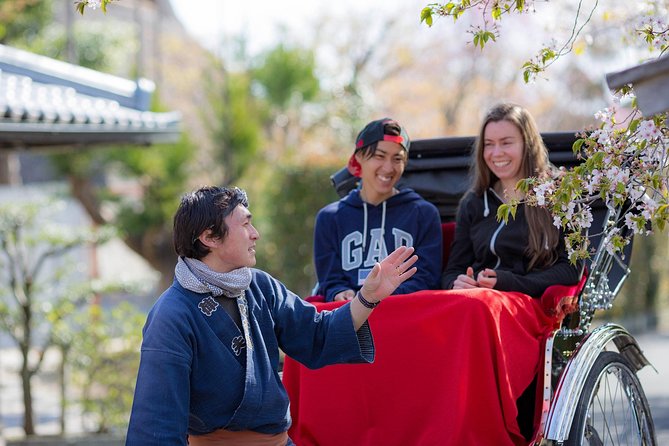
A ride through Kyoto’s old streets is hard to top. A private Higashiyama/Gion rickshaw turns busy sightseeing into something slower, quieter, and fun. I like that the route is flexible by time and interests, and I also like the guide-driver teamwork; many guides (like Fumi, Kai, Yoshi, and Hina) are known for strong English, fast walking pace, and great storytelling.
The biggest thing to consider is comfort and fit. Each rickshaw is only 29.1 inches (74 cm) wide, so if you’re larger or you’re traveling with multiple people, you may find it’s more comfortable to book separate rickshaws.
In This Review
- Key Things to Know Before You Go
- Why a Rickshaw Works So Well in Higashiyama and Gion
- Meeting at Ebisuya Higashiyama Rickshaw and Timing That Actually Matters
- Your Higashiyama Route: From Wooden Lanes to That Old-Cobbles Feeling
- Start-area orientation, then straight into the vibe
- A Higashiyama landmark stop
- Geisha district and traditional wooden town houses
- A small bridge in a traditional district
- Temple with a garden: calm, then questions
- An impressive temple stop
- A large shrine in the Gion area
- Old cobblestone street time
- Temples and Shrines: How to Get More Value From Each Stop
- Geisha District Details: What You Might See and How to Stay Respectful
- Comfort, Seating, and the 2-Adult Limit (Don’t Skip This)
- Guide Quality Is the Real Differentiator
- Price and Value: Why $39.79 Can Be Worth It
- Who This Kyoto Rickshaw Tour Fits Best
- Should You Book It?
- FAQ
- FAQ
- Where does the Kyoto rickshaw tour start and end?
- How long is the rickshaw tour?
- What’s included in the price?
- Is hotel pickup and drop-off included?
- Does the tour include Arashiyama Bamboo Forest?
- Is this tour private or shared?
- Can I choose where the tour goes?
- What if I’m late to the meeting point?
- What are the rules for children riding in a rickshaw?
- Does the tour run in bad weather?
Key Things to Know Before You Go
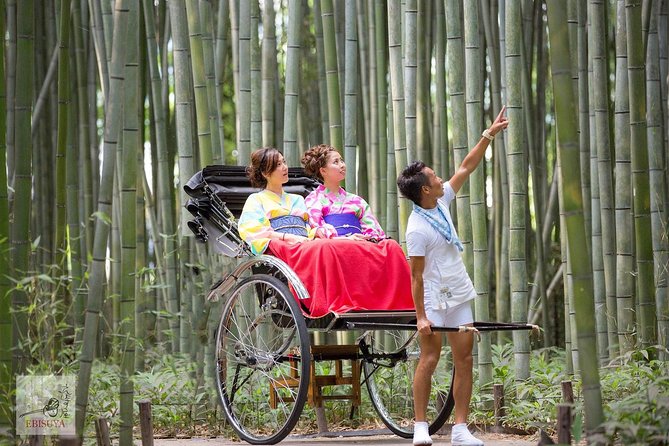
- Traditional rickshaws, old-town speed: You’ll see alleyways and stone lanes without the “why am I lost?” stress.
- Route varies with time: A 30- or 70-minute option won’t cover the same places as a 2- or 3-hour ride.
- Stops lean Higashiyama → Gion: Expect wooden town houses, small bridges, temples, and a big Gion shrine stop.
- Guides pull real weight: Many guides are praised for fitness and for handling the rickshaw uphill and around tight streets.
- Photo-friendly guides: Several guides are noted as helpful with photos and video while you’re riding and stopping.
Why a Rickshaw Works So Well in Higashiyama and Gion
Kyoto’s historic districts reward the slow approach. In Higashiyama, the streets can feel like a set built for walking—narrow lanes, wooden facades, stone paths, and sudden little views that would be easy to miss if you’re racing between stations. A rickshaw solves that. You get movement and viewpoints, but you don’t have to constantly stop, reroute, and re-check your bearings.
The other reason it works: rickshaws put you in the story. Your guide is with you for the whole ride, and your driver isn’t just moving you along. They’re navigating tight corners and deciding when to pause for the best angles and the best explanations. That’s how a tour like this becomes more than transportation.
And yes, you’ll often feel like you’re gliding through places with a “Kyoto calm.” Even if you hit the area during daytime crowds, the route is built for small street moments—exactly what you want when you’re trying to understand how Higashiyama and Gion look and feel.
More rickshaw runs through old Kyoto
Meeting at Ebisuya Higashiyama Rickshaw and Timing That Actually Matters
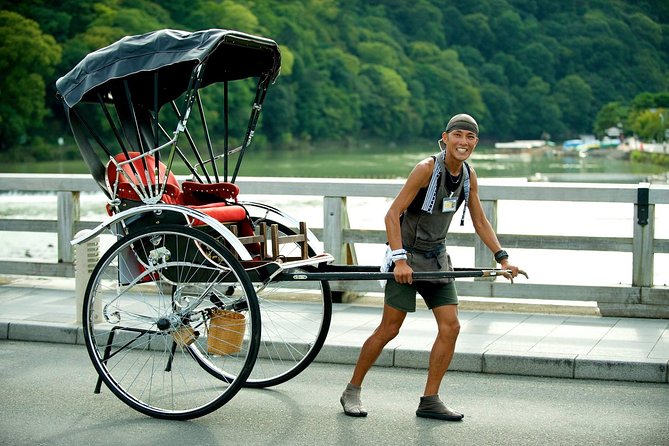
You’ll meet at Ebisuya Higashiyama Rickshaw, 483 Shimokawarachō, Higashiyama Ward. The good part: it’s near public transportation, and the tour ends back at the meeting point. That keeps logistics simple.
Duration is flexible. Your ride can run from about 30 minutes up to 3 hours. In practice, the time you choose shapes what you can see. Short options tend to focus on the best-known highlights nearby. Longer rides can take in more temples and shrines, plus more time for little stops and photo breaks.
One timing rule you should take seriously: if you’re 10 minutes or more late, your tour can be automatically cancelled, and late arrival can reduce the time you get. So I’d plan to arrive a bit early—especially if you’re mixing this with temple ticket lines or lunch.
Also, the tour runs rain or shine. If Kyoto throws a shower at you, you’re still on. The rickshaw is a great option when walking is annoying, but do bring a small umbrella or poncho anyway for comfort.
Your Higashiyama Route: From Wooden Lanes to That Old-Cobbles Feeling
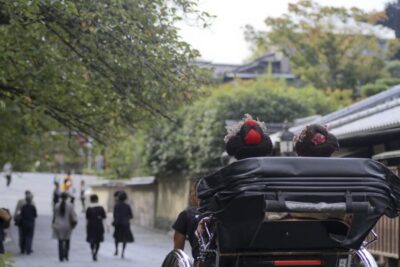
At the start, you begin with an operator check-in in the Higashiyama area (the tour starts right at the Ebisuya stand). Then the ride shifts into the classic Higashiyama look: old streets, traditional wood buildings, and the kind of quiet that makes you forget you’re still in a major city.
Here’s what each stop tends to deliver:
Start-area orientation, then straight into the vibe
The early moments matter. You’ll get oriented quickly, and then you’re off onto narrow streets where the rickshaw experience starts to feel special. This is the part that helps first-timers connect the landmarks. Even if you’ve read about Kyoto before, your guide helps you place each area in context fast.
A Higashiyama landmark stop
The itinerary includes a Higashiyama landmark moment. This is usually where you’ll get a “now I get it” viewpoint—something recognizable enough to anchor the rest of your walk/ride.






Geisha district and traditional wooden town houses
You’ll also head toward the geisha district feel, with traditional wooden town houses along the way. The standout here is the architecture. Kyoto doesn’t just look historic from one big temple gate. It’s built into the side streets—wood grain, narrow fronts, and those slightly hidden entrances that you’d blow right past on a self-guided stroll.
This is also where you might spot people in traditional roles. Some guides have been noted for helping guests see things like miko in the area, and the route is timed so you’re not only in the loudest stretches.
A small bridge in a traditional district
The itinerary includes a small bridge stop. Bridges in Kyoto are never just bridges—they frame views and change the perspective instantly. It’s often a photo moment, but more than that, it’s a “pause and look” break in a tour that’s still moving.
Temple with a garden: calm, then questions
Next is a beautiful temple with a garden. Even if gardens aren’t your thing, this stop usually helps you switch from street-scene excitement to quiet, reflective Kyoto. The guide’s job here is to point out what you should look for, and why the layout matters.
A common pattern in great rickshaw tours: you’ll get quick, practical explanations that make the place feel readable—not like a museum label stuck on a wall.
An impressive temple stop
Then you’ll hit another impressive temple. On longer durations, this is where the tour starts to feel like you’re stacking meaningful stops instead of just taking photos. Expect more structure, more detail, and more time to absorb the surroundings.
A large shrine in the Gion area
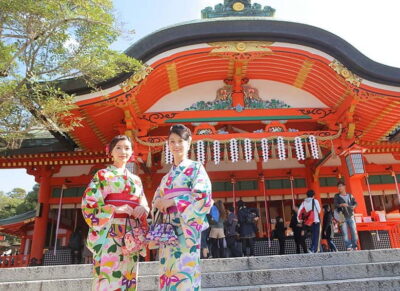
Finally, the itinerary includes a large shrine in the Gion area. The tour specifically calls out that this stop is worth planning around New Year timing—either before or after your rickshaw ride. That’s a useful tip if your Kyoto dates overlap the holiday period.
The big shrine stop also fits the theme of the day: Higashiyama shows the historic lanes, and Gion shows the cultural center of gravity. The combo works well if you’re seeing Kyoto for the first time.
Old cobblestone street time
You also finish with time to feel the history as you travel on the old cobblestone street. This is more important than it sounds. Cobblestones change how you move and how you notice the environment. The vibe becomes tactile: you feel the street and see how buildings sit close to the ground.
Temples and Shrines: How to Get More Value From Each Stop
Temples and shrines in Kyoto can turn into a checklist if you don’t have help. A big reason this rickshaw tour has such strong ratings is the guide focus. The better guides are the ones who explain what you’re looking at while you’re still there—so the place sinks in.
Some routes may include well-known names like Yasaka and Kodaiji on longer options. If your ideal day includes specific temples, ask about longer durations when you book, because not all stops can be covered by shorter rides.
Also, there’s a pattern in the way these tours can expand. For example, one guest noted Kennin-ji Temple included on a 2-hour option for an added cost. That tells you two things:
1) Longer time often means more chance to add major stops.
2) You might be able to tailor the route if your interests are temple-heavy.
So my practical advice: don’t plan your day so tightly that you can’t adjust. If you want a garden temple or a particular major shrine feel, build in a longer option.
Geisha District Details: What You Might See and How to Stay Respectful
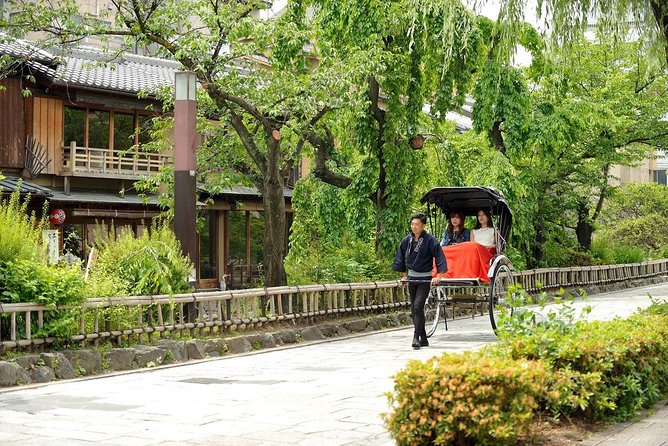
The geisha district part of this tour is one of the biggest “wow” sections, and it’s also where good guidance matters. Kyoto has etiquette. You don’t need a lecture, but you do want to avoid turning people into props.
Your guide will help you understand what you’re seeing in the geisha district and traditional wooden town house areas. If you spot a performer or someone in traditional attire, keep your distance and let your guide set the pace. That’s the difference between a respectful moment and an awkward one.
One helpful nuance from the tour’s reputation: guides are often described as very patient and tuned in to guest comfort. People also note they can answer questions without rushing. That matters if you’re genuinely curious about customs, not just chasing pictures.
If you’re hoping for a specific kind of sighting, remember: the itinerary includes the right places, but street life still changes day to day. The best way to set expectations is to treat this as a cultural route, not a guaranteed sighting hunt.
Comfort, Seating, and the 2-Adult Limit (Don’t Skip This)
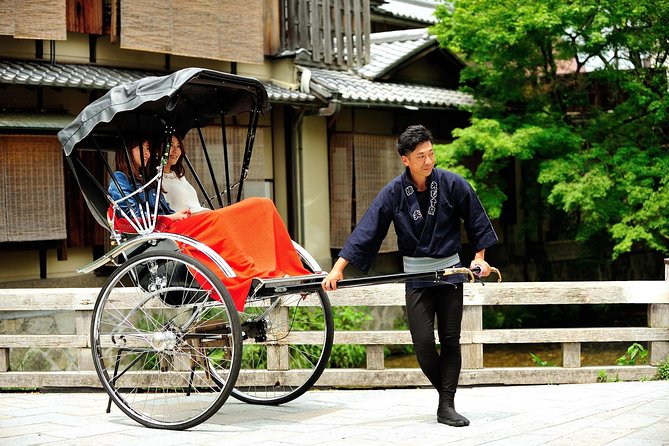
Here’s the part many people regret ignoring until the moment they sit down.
Each rickshaw is only 29.1 inches (74 cm) wide, and the tour has a maximum of 2 adults per rickshaw. If you’re traveling with more than two adults, you’ll need multiple rickshaws.
If you don’t both fit comfortably, the tour notes that you may need to book additional rickshaws. If you want to ride at the same time but don’t book enough rickshaws ahead, availability with an English-speaking guide might not be guaranteed.
That means this is a comfort call, not a math exercise. If you value a relaxed ride (and you don’t want to feel squeezed), booking one rickshaw per participant can be the easiest solution.
Children can ride, but there are rules:
- Age 6+ uses adult pricing.
- Children 5 and under may sit on an adult’s lap (one child per adult).
- If a child is using one of the two seats, it must be booked as an adult.
So if you’re traveling with kids and want each child seated comfortably, plan ahead and book the right number of rickshaws. It’s worth doing early because the tour is private for your group, so staffing is tied to your reservation setup.
Guide Quality Is the Real Differentiator
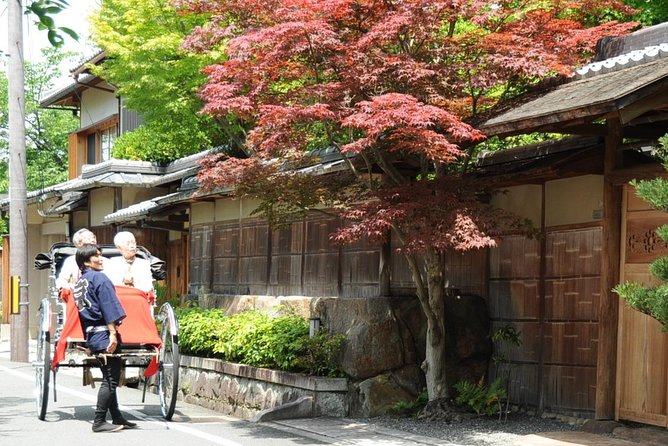
A rickshaw ride is fun, but guide quality is what turns it into a highlight.
This tour stands out for English-speaking guides who tell stories while keeping things moving. Names that show up again and again include Fumi, Kai, Yoshi, Shuhei, Kota, Kanta, Fuji, and Hina. People describe them as funny, chatty, knowledgeable, and physically fit—meaning the guide can handle the rickshaw demands while also leading the conversation.
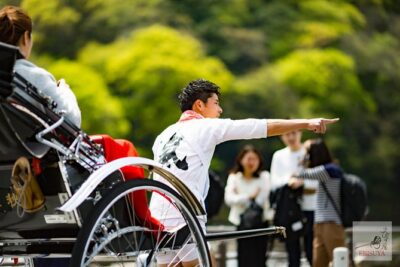
Another repeated theme: great guides are also good at photos. Several people mention their guides helped with photos and even took video. You can treat that as a bonus. Still, I’d stay flexible: some streets are tight and angles change fast, so the goal is “nice memories,” not a studio shoot.
You also benefit from customization. The tour can be tailored based on your interests, and the route length determines what fits. If you’re the type who likes temples, ask for more temple emphasis. If you want classic lanes and architecture, keep the focus there.
Price and Value: Why $39.79 Can Be Worth It
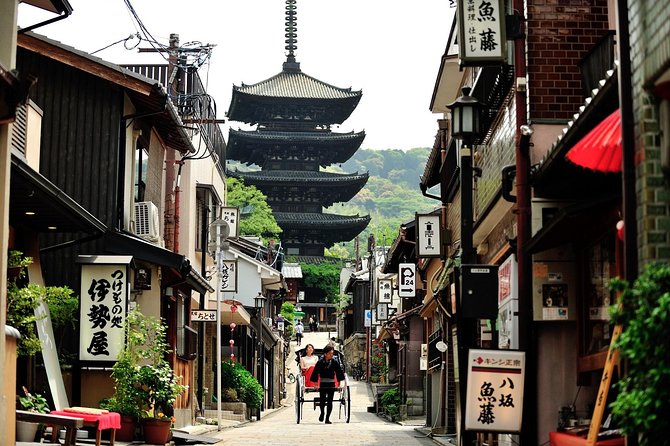
The price is $39.79 per person. That sounds modest until you remember what’s included: a rickshaw ride plus a local English-speaking guide. You’re not just paying for transportation. You’re paying for interpretation, navigation, timing, and someone to handle the hard part (lifting and pulling through narrow streets).
Also, the tour is a private experience for your group, which is a big value boost compared to shared city walking tours where you can’t really hear the guide or control the pace.
One more value angle: for first-timers, a rickshaw tour can compress your “learning curve.” You’ll understand where Higashiyama starts and where Gion takes over. Then, later in your trip, you can walk those areas with a clearer mental map.
It’s not a bargain if you already know Kyoto well and you’re fine navigating without a guide. But if you want an easy, culturally rich introduction that doesn’t require intense planning, this price feels fair.
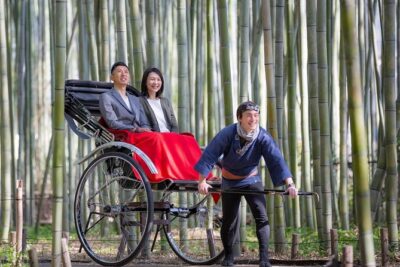
One thing to keep straight: Arashiyama Bamboo Forest is not included. If bamboo is on your must-do list, plan it separately. This tour is about Higashiyama and Gion.
Who This Kyoto Rickshaw Tour Fits Best
This is a strong match if you:
- Want a first-time introduction to Kyoto’s historic lanes
- Prefer a guided route through Higashiyama + Gion
- Want a fun “slow down” activity that still covers real sights
- Have mobility concerns and want to reduce long walking (the rickshaw can help you keep up with sightseeing without wearing yourself out)
It’s also a good choice if you like photos but don’t want to manage your phone every two steps.
If you’re the type who hates any kind of time structure, you may find this less free-form. But the tour is customizable, so you can nudge it toward what you care about.
Should You Book It?
I’d book it if you want a Kyoto experience that feels both traditional and practical. The combination of historic districts, a private group setup, and guides praised for storytelling and energy makes it a smart use of time—especially if you’re short on days.
Book a longer duration if temples and shrines matter to you, because shorter options won’t cover everything. And if comfort is a priority, plan your rickshaw count early due to that narrow seat width.
If bamboo is your main goal, skip expectations here and schedule Arashiyama separately. For Higashiyama/Gion charm, though, this tour has strong odds of delivering a memorable day.
FAQ
FAQ
Where does the Kyoto rickshaw tour start and end?
The tour starts at Ebisuya Higashiyama Rickshaw, 483 Shimokawarachō, Higashiyama Ward, Kyoto, and it ends back at the same meeting point.
How long is the rickshaw tour?
The duration is approximately 30 minutes to 3 hours, depending on the option you book.
What’s included in the price?
You get an English-speaking local guide and the rickshaw ride.
Is hotel pickup and drop-off included?
No. Hotel pickup and drop-off are not included.
Does the tour include Arashiyama Bamboo Forest?
No. Arashiyama Bamboo Forest is not included.
Is this tour private or shared?
This is a private tour/activity. Only your group participates.
Can I choose where the tour goes?
Yes. The tour can be customized depending on your interests.
What if I’m late to the meeting point?
If you’re late by 10 minutes or more, your tour duration can be automatically cancelled. The amount of time you’re late will be deducted from your tour duration.
What are the rules for children riding in a rickshaw?
Children 5 years and under may sit on an adult’s lap (one child per adult). If a child (5 and under) will use one of the two seats, they must be booked as an adult. Adult pricing applies to age 6 and over.
Does the tour run in bad weather?
The tour takes place rain or shine. If it’s cancelled due to poor weather, you’ll be offered a different date or a full refund. Confirmation is received at booking time.
More Tours in Kyoto
More Tour Reviews in Kyoto
More Rickshaw Rides in Kyoto

Just added: more Kyoto tours to browse








Kyoto Rickshaw Rides, compared.
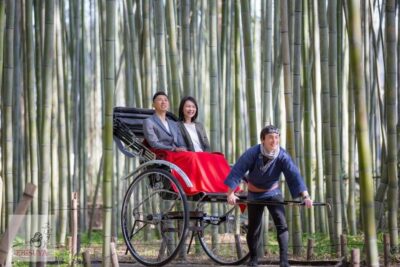 ★ 5.0Arashiyama Customized Rickshaw Tour & Bamboo ForestFrom $51432 reviews
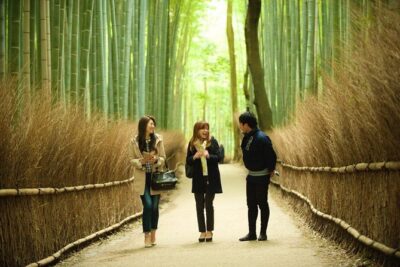 ★ 5.0Kyoto Arashiyama Rickshaw Tour with Bamboo ForestFrom $86354 reviews
 ★ 5.0Private Rickshaw Tour of Gion and Higashiyama AreaFrom $51144 reviews
 ★ 5.0Kyoto Sagano Insider: Rickshaw and Walking TourFrom $22815 reviews
 ★ 4.8Kiyomizu-dera Temple Rent a kimono and ride a rickshawFrom $837 reviews
 ★ 5.0Private 3-hour Kyoto Arashiyama Rickshaw TourFrom $2365 reviews
 ★ 5.0Higashiyama | Kyoto: Sakura Season Private Rickshaw TourFrom $1253 reviews
Browse the lists this tour appears in