
Reviewed · ARASHIYAMA & BAMBOO GROVE TOURS
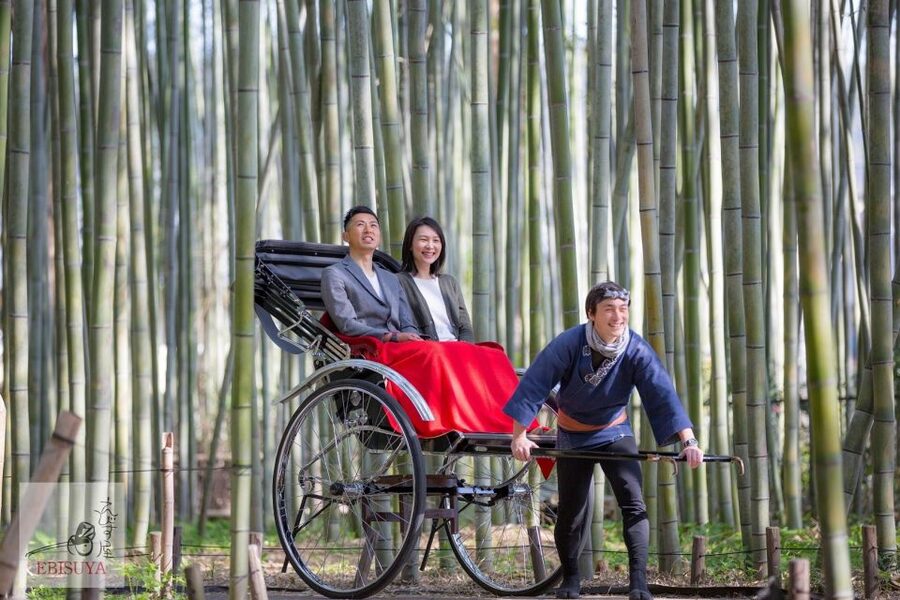
Kyoto: Arashiyama Customized Rickshaw Tour & Bamboo Forest
One rickshaw turns Arashiyama into a slow, personal story. I love how private, fully customizable routes let you shape the day, and I also love the quiet bamboo-forest path that feels like a different Kyoto than the main walkway. One thing to consider: you’re sitting in a fairly small, low rickshaw, so if you’re dealing with a sore back or early pregnancy, this may not be your best match.
This is set at Kyoto’s famous western edge, starting near Togetsu-kyo Bridge and the towering bamboo grove people come from all over Japan to see. Your guide drives you through lush scenery, temples and gardens, and calmer neighborhood streets. Based on the consistently high scores across hundreds of verified bookings, the biggest repeat theme is guide energy and photo skills, with drivers like Koki, Shin, and Yoshi showing up as frequent standouts.
In This Review
- Key highlights at a glance
- Why Arashiyama by Rickshaw Feels Like the Smart Way to Do Kyoto
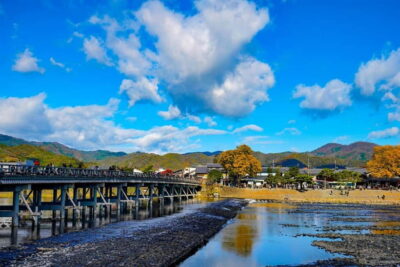
- Togetsu-kyo Bridge Meet-Up: Where Your Arashiyama Story Begins
- Entering the Bamboo Forest on a Rickshaw Path (Quiet, Photo-Friendly, Real)
- Nonomiya Shrine and the Classic Short-Route Finish
- Rakushisya’s Thatch-Roof Cottage: Poets, Haiku, and a Slower Kyoto Mood
- Temples and Gardens, Including Nison-in on Longer Options
- Choosing Your Time: 45 vs 70 vs 130 vs 190 Minutes
- Comfort, Fit, and the Small Rules That Matter
- Guide Power: Explanations, Conversation, and Master-Level Photo Timing
- Price and Value: What $51 Buys You in Kyoto
- After the Ride: Make Arashiyama Your Extra Hour or Two
- Should You Book This Arashiyama Customized Rickshaw Tour?
- FAQ
- Where does the tour start?
- What are the available tour durations?
- Is this a private tour?
- Does the price include hotel pickup?
- Are selfie sticks allowed?
- Can children ride in the rickshaw?
Key highlights at a glance
- Exclusive bamboo forest route: a rickshaw path that’s typically far quieter than the pedestrian crowd flow
- Togetsu-kyo start point: you begin right where Arashiyama’s sights cluster
- Shrines + temple stops: Shinto sites like Nonomiya Shrine and Buddhist Nison-in (on longer options)
- Customizable stops: your guide adjusts based on what you care about most
- Great photos without the hassle: guides plan photo stops and help you get the shots
- Weather-friendly comfort: blankets and rain protection show up when conditions turn cold or wet
Why Arashiyama by Rickshaw Feels Like the Smart Way to Do Kyoto
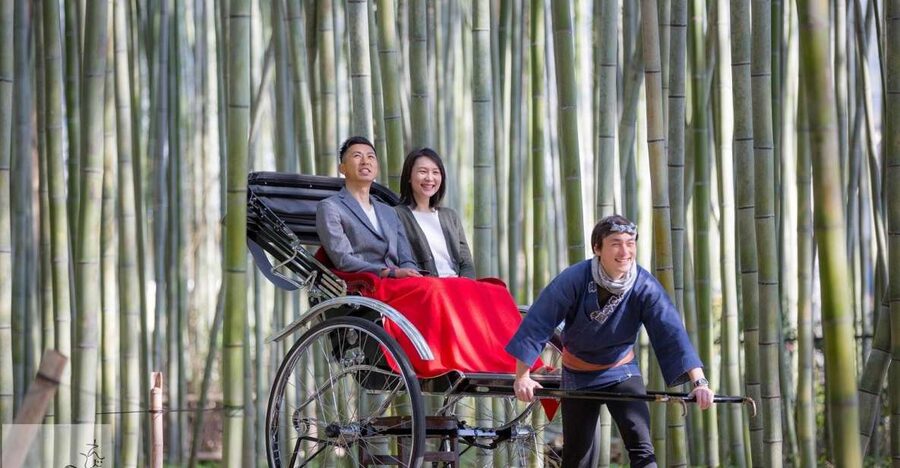
Arashiyama is one of those Kyoto districts where the scenery is gorgeous, but the crowd energy can get loud fast. A rickshaw changes the pace. You’re not pushing through foot traffic or timing every turn. You glide. You look. You stop when something catches your eye.
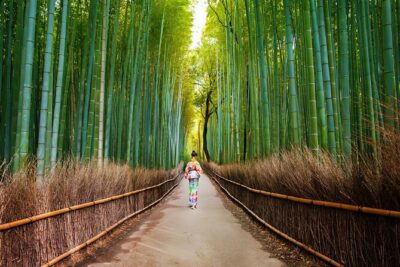
I especially like that the bamboo forest isn’t just a quick photo stop. The rickshaws use a dedicated route through the bamboo stalks, which means you experience that famous grove with less noise and more breathing room. If you’ve ever felt like Japan’s top sights can blur together, this helps you slow the day down on purpose.
The other big win is how the tour blends major landmarks with smaller, quieter moments. You get the headline sights around Arashiyama, but your guide can also steer you toward spots that feel more local than postcard-only.
Deeper into Arashiyama, past the bamboo and the Hozu river

Togetsu-kyo Bridge Meet-Up: Where Your Arashiyama Story Begins
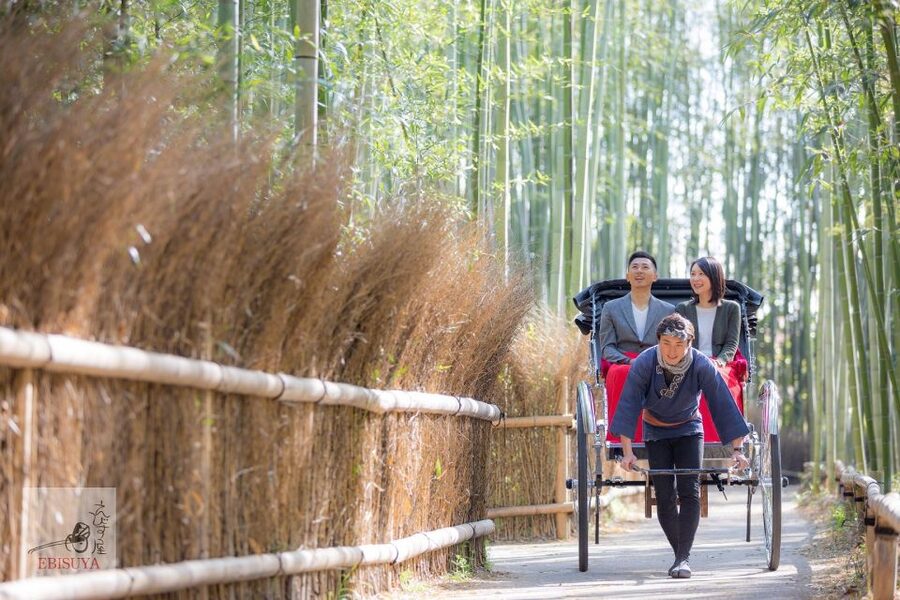
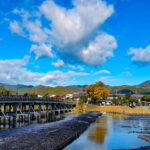
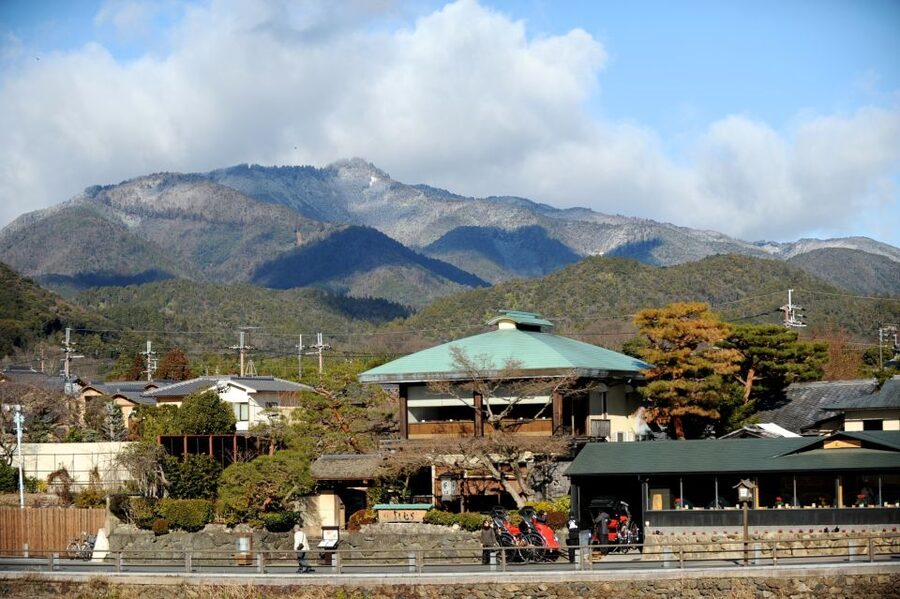
Most departures start at the Kyoto side of Togetsu-kyo Bridge in Arashiyama, near that classic entry point where the district’s views open up. Your exact meeting spot can vary depending on the option you booked, so you’ll want to confirm the precise location ahead of time.
From there, you’re not “starting the hunt” like you would on foot. You’re already in position for an efficient loop: bamboo first, then shrines and nearby historic areas, and (on longer rides) more temple and garden territory.
This is also where customization kicks in. In practice, a good guide will ask what you want most—bamboo photos, shrine atmosphere, garden scenery, or a bit of neighborhood wandering—and then build the route around your preferences. I like that you still get the big hits, but you’re not locked into a rigid script.
Entering the Bamboo Forest on a Rickshaw Path (Quiet, Photo-Friendly, Real)
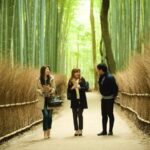
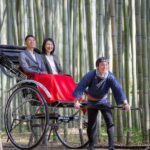
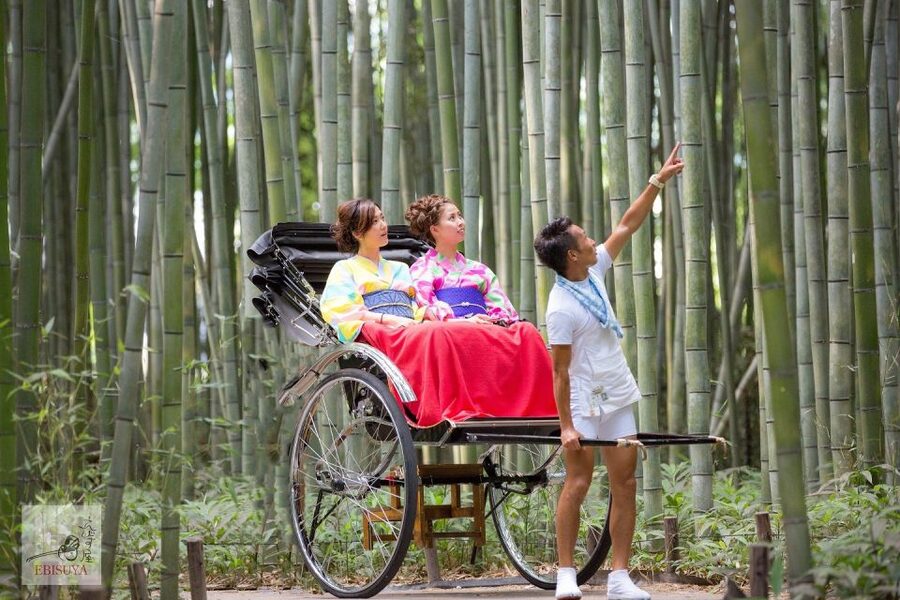
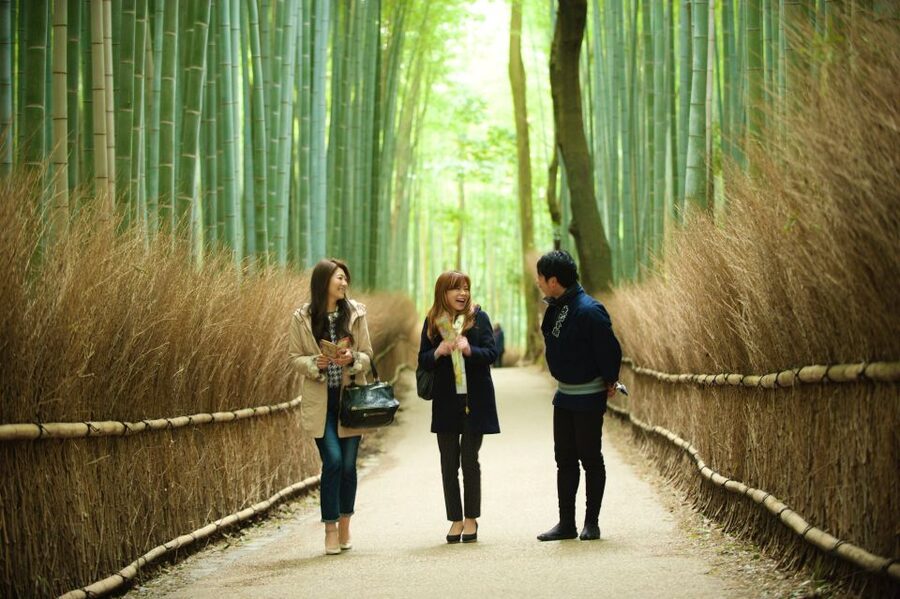
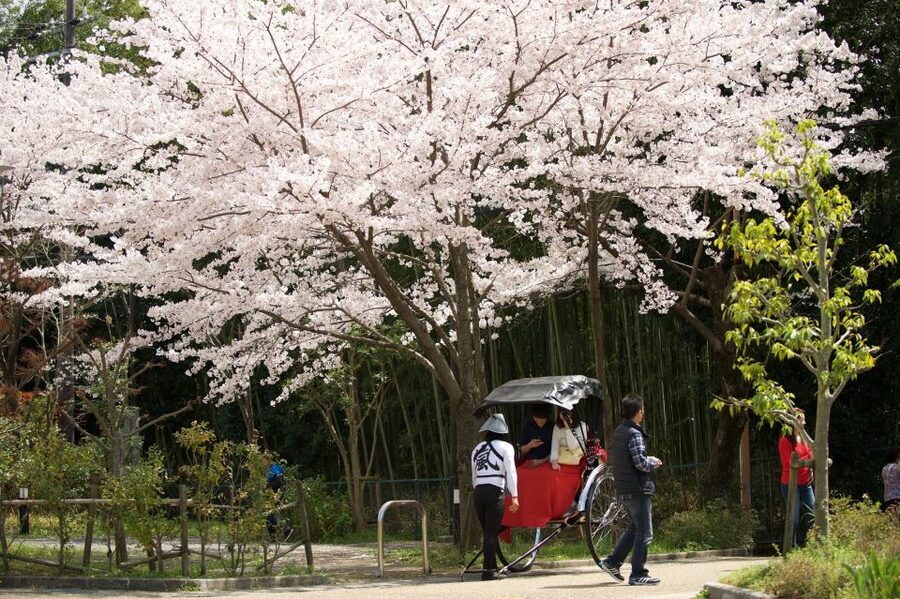
The centerpiece is the bamboo grove. It’s tall, thick, and oddly calming in a way that’s hard to describe until you’re inside it. The key detail is that the rickshaw route runs through the grove along a pedestrian-and-rickshaw path, and the rickshaws follow their own access line that often keeps things calmer.
So instead of squeezing around shoulder-to-shoulder for every angle, you get room to absorb the atmosphere. The guide also handles timing and positioning, which matters a lot in peak season.
Weather can be a concern in Kyoto. I’ve seen this tour work well in cold or rainy conditions because the rickshaw usually comes with blankets and weather protection over your legs. That turns “we’ll just deal with it” into “we can actually enjoy this.” One guide, for instance, was praised for keeping riders snug during snow and rain, which tells you what you’re really paying for: comfort plus access.
Nonomiya Shrine and the Classic Short-Route Finish
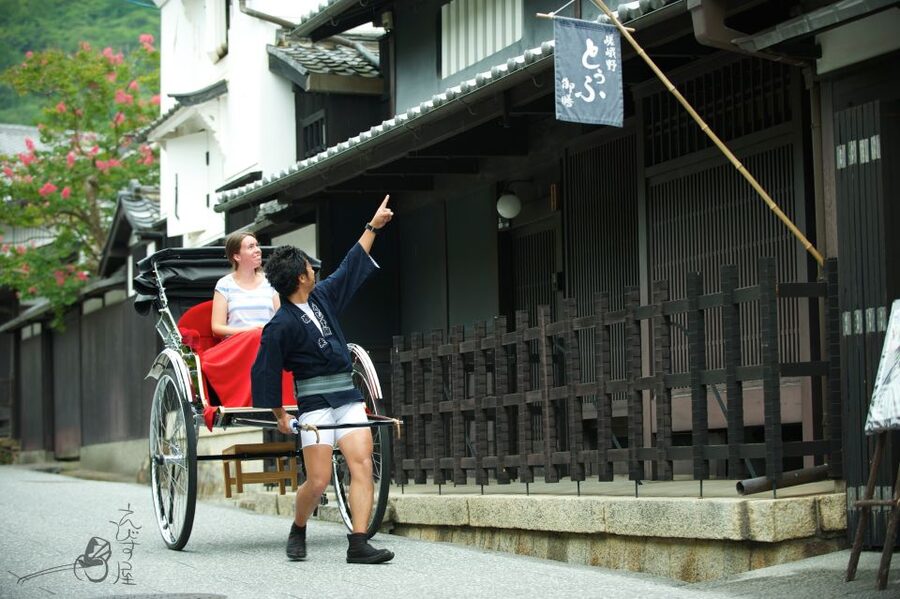
Right after the bamboo, you’ll head to Nonomiya Shrine, a Shinto site that fits naturally into Arashiyama’s mix of nature and sacred spaces. On the 45-minute option, this is where the tour typically wraps and brings you back to the starting area.
If you only have a short window, this makes sense. You still get: the bamboo grove experience plus a shrine visit, in one smooth sequence. It’s also a good choice if you plan to spend the rest of your time exploring on foot—because you won’t feel rushed or locked into a long ride.
The potential drawback? A short option means fewer chances for the deeper temple-and-neighborhood detours. If your top goal is maximum time in quieter back streets, consider a longer duration so your guide has room to maneuver.
Rakushisya’s Thatch-Roof Cottage: Poets, Haiku, and a Slower Kyoto Mood
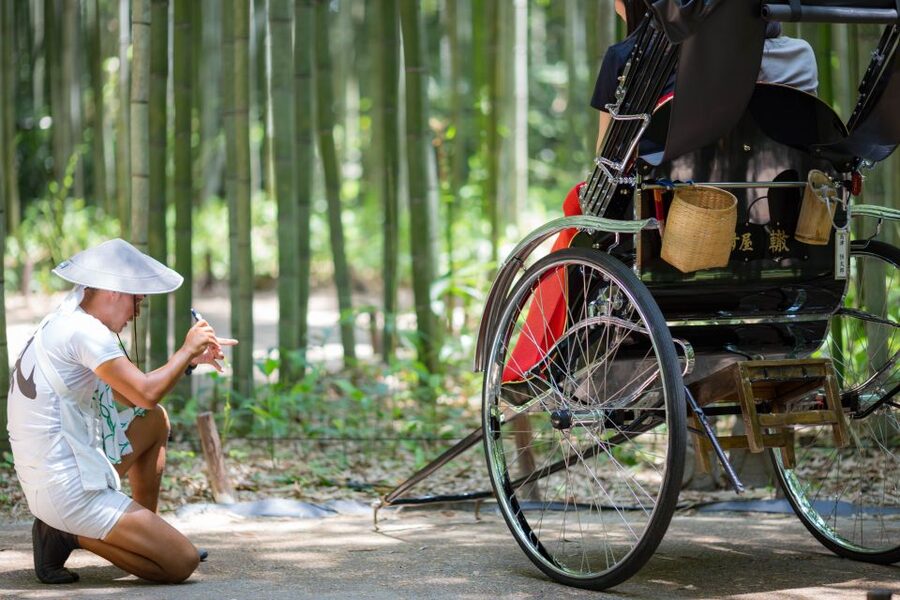
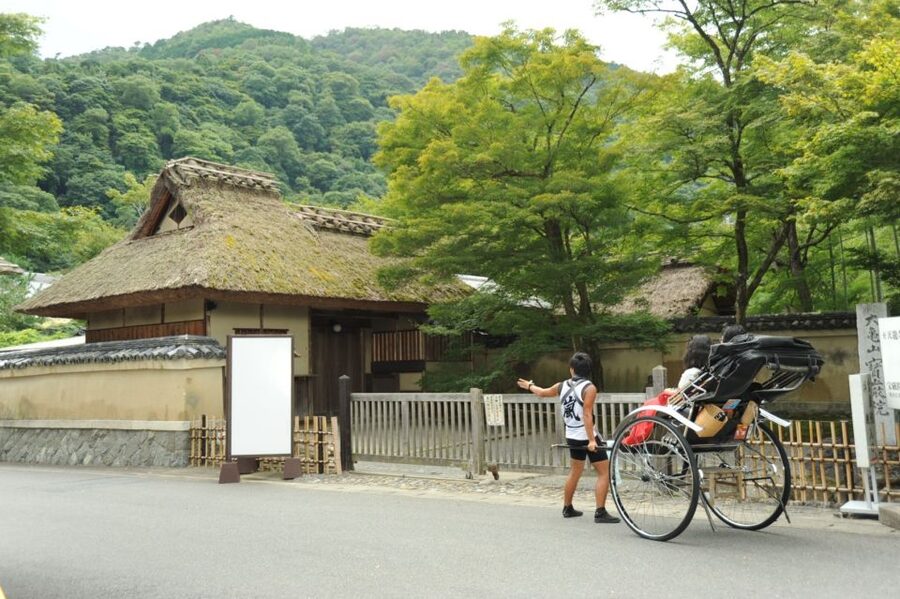
On longer tours, you’ll be taken to Rakushisya’s cottage, described as a rustic thatch-roof structure that was once associated with one of Japan’s respected poet and haiku masters.
Even if you’re not a hardcore literature person, this stop changes the tone. The bamboo is dramatic, sure. But Rakushisya adds that human layer: Arashiyama wasn’t just a scenery stop. It has long been a place where artists watched the seasons and wrote about what they saw.
A practical tip: if you like absorbing details, ask your guide to point out what makes the cottage feel historically grounded—thatch, materials, and the way the space sits in the area. That’s usually where a great guide turns a simple stop into a memorable one.
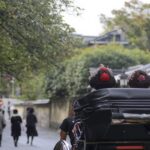
More rickshaw runs through old Kyoto
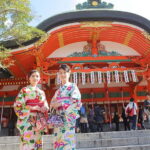
Temples and Gardens, Including Nison-in on Longer Options
After the shrine area and cottage stop, longer tours continue into additional sacred spots. You may visit more ancient temples and Shinto shrines, and the information provided includes Nison-in (a Buddhist site) as part of the route on extended durations.
This part matters because it shows you how Arashiyama isn’t only about bamboo as scenery. The district is built on layered traditions—Shinto and Buddhist spaces close together, with gardens and paths designed for slow walking and quiet noticing.
One challenge to expect: Arashiyama’s main area can get crowded, and temple entrances can be busy too. The rickshaw approach helps here because your guide can often navigate in ways that keep you from spending your day stuck behind the slowest crowd movement.
If you have questions about what you’re seeing—temple meanings, shrine purpose, or why the gardens are arranged a certain way—this is where your guide’s talk time becomes part of the value. Guides like Shin and Yoshi were especially praised for explaining sites and adding context while still keeping the ride flowing.
Choosing Your Time: 45 vs 70 vs 130 vs 190 Minutes
You can book the tour in four options: 45 minutes, 1 hour and 10 minutes, 2 hours and 10 minutes, and 3 hours and 10 minutes.
Here’s how I’d choose:
- 45 minutes: best if you want the bamboo grove and Nonomiya Shrine without committing to a long block. Great as a morning opener or afternoon break.
- 1h10: gives a bit more room for extra stops while still staying light on your schedule.
- 2h10: this is where you start getting meaningful “Arashiyama depth,” including more of the shrine/temple mix and time that doesn’t feel like a sprint.
- 3h10: ideal if your priority is customization and fewer crowds, since longer tours usually make it easier for your guide to work in quieter lanes and additional historic spots.
Also think about weather. If it’s cold or raining, longer tours can feel better when you’re comfortable in the rickshaw and you’re not wet and chilled while walking between spots.
Comfort, Fit, and the Small Rules That Matter
This tour is a private rickshaw setup, and the shared vehicle rules are important.
- Max 2 adults per rickshaw.
- A rickshaw is 29.1 inches (74 cm) wide, so if you’re traveling with only one person and you want more personal comfort, you might find it worth booking a separate rickshaw for each passenger.
- Up to 2 children under 5 can ride with 2 adults, but they ride on an adult’s lap.
- If a child age 5 will use one of the two seats, that child must book as an adult (full fare).
- Selfie sticks are not allowed.
- It’s described as wheelchair- and stroller-friendly.
- Not recommended for pregnant women, and specifically not for the first 16 weeks of pregnancy.
- Not suitable for people with back problems.
If any of those limits apply, check them early so you don’t end up adjusting your plan at the meet-up point. The rickshaw is part of the charm, but it is still a vehicle with real physical constraints.
Guide Power: Explanations, Conversation, and Master-Level Photo Timing
What consistently elevates this experience is the human factor. Across the tour’s strong feedback, one theme shows up again and again: guides who don’t just drive—they talk, notice, and help you get the best images.
Some guides have been praised for being fun and easy to chat with, while others have been singled out as excellent photographers. Koki, Taikai and Hikaru, Ai, Ren, and Aki are examples of guide names that come up with the same story: clear English, good communication, and a genuine effort to make the ride feel personal rather than robotic.
You’ll also notice practical touches:
- planned photo stops at scenic points
- gentle pacing so you can look at the bamboo and not just bounce past it
- tips on local food and matcha, plus recommendations for nearby places after the tour
One useful mindset: tell your guide how you like photos. If you want classic scenic framing, say so. If you want something more playful or closer to the bamboo stalks, say that too. Since the route is customizable, your preferences actually change what you see.
Price and Value: What $51 Buys You in Kyoto
At about $51 per person, this feels reasonable in a Kyoto context if you think about what you’re paying for: a private rickshaw, a guide, and access to a calmer bamboo experience that’s hard to replicate on foot during peak hours.
Here’s the value breakdown I see:
- Time efficiency: you cover Arashiyama’s key zones without long walks between them
- Access: the bamboo route and rickshaw movement are the point, not a bonus
- Guided context: you’re not just watching scenery; you’re getting explanations and meaning
- Photo help: guides often handle the timing so you don’t waste your best light trying to set up shots
If you’re splitting the rickshaw cost with a partner, the price-to-comfort ratio gets even better. If you’re solo, it can still be worth it because you’re buying the calm and control, not just transportation.
After the Ride: Make Arashiyama Your Extra Hour or Two
A rickshaw tour ends right where you want to continue—near the core Arashiyama sights around Togetsu-kyo. That’s smart planning. You’re not stuck across town wondering how to connect your next activity.
If you have extra time before or after, you can keep the day flowing through the neighborhood streets. The area around the meeting point is full of small moments—side paths, gardens, and local snacks. One guide even suggested food picks like matcha, and at least one itinerary ended with an ice cream stop. Those details might seem small, but they turn the tour from a single attraction into a complete Arashiyama half-day.
A practical tip: don’t schedule your next major transit immediately after a short tour. Even if the ride finishes on time, you’ll want a few minutes to breathe and decide where to wander next.
Should You Book This Arashiyama Customized Rickshaw Tour?
Book it if:
- you want a private way to see the bamboo forest with a calmer feel
- you like guided context and photo stops, not just scenery
- you want your route adjusted to your interests
- you’re traveling as a couple or small group and can split the rickshaw
Skip it if:
- you have back issues or you need a more flexible walking plan
- you’re in early pregnancy (this tour isn’t recommended for the first 16 weeks)
- you’re traveling with a need for selfie-stick-friendly photo tools (selfie sticks are not allowed)
If you’re trying to decide between time lengths, I’d start with your schedule first. The 45-minute option is the cleanest introduction. The 2 hours and 10 minutes or 3 hours and 10 minutes options are best if you want more shrine-temple variety and more breathing room for customization.
FAQ
Where does the tour start?
The tour meets at Kyoto’s iconic Togetsu-kyo Bridge in Arashiyama, though the exact meeting point can vary depending on which option you book.
What are the available tour durations?
The tour is available in four options: 45 minutes, 1 hour and 10 minutes, 2 hours and 10 minutes, and 3 hours and 10 minutes.
Is this a private tour?
Yes. It’s a private group rickshaw tour.
Does the price include hotel pickup?
No. Hotel pickup is not included.
Are selfie sticks allowed?
No. Selfie sticks are not allowed.
Can children ride in the rickshaw?
Children under 5 can ride with adults on an adult’s lap (up to 2 children under 5 with 2 adults). If a child who is 5 years old needs one of the rickshaw seats, they must book as an adult (full fare).
More Tour Reviews in Kyoto





More Rickshaw Rides in Kyoto
More of Arashiyama and Sagano
Just added: more Kyoto tours to browse








Arashiyama & Bamboo Grove Tours, compared.
 ★ 4.8Fushimi Inari, Kinkakuji, Bamboo Grove 1 Day Bus TourFrom $1224,316 reviews
 ★ 4.1Osaka/Kyoto:Kinkakuji,Arashiyama,FushimiInariShrine,NaraParkFrom $661,596 reviews
 ★ 4.7Kyoto/Osaka: Nara, Fushimi Inari Taisha, Arashiyama Bus TourFrom $521,275 reviews
 ★ 5.0Kyoto Arashiyama Walking Tour: Bamboo, Monkeys, Gardens & SecretsFrom $651,216 reviews
 ★ 4.8Arashiyama Bamboo, Temple, Monkeys, or Secret Sake BreweryFrom $87886 reviews
 ★ 5.0Arashiyama Bamboo Forest, Monkeys, Matcha & Temple TourFrom $53759 reviews
 ★ 4.4Osaka/Kyoto: Arashiyama, Nara & Fushimi Inari Shrine w/LunchFrom $61754 reviews
 ★ 5.0Nijo, Kinkaku-ji, Arashiyama, Kiyomizu & Fushimi InariFrom $51699 reviews
Browse the lists this tour appears in