
Reviewed · KYOTO COOKING CLASSES
Kyoto Ramen Noodle Making Class
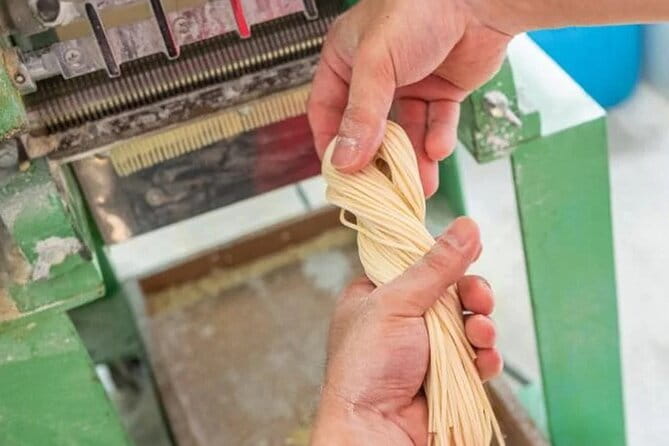
Ramen starts with your hands. In Kyoto’s Gion district, this class lets you make noodles from scratch with a professional noodle-making machine, then sit down for a bowl crafted by the chef. I love how practical it is, with an instructor coaching you through the dough and cutting process.
I also love that you get to eat immediately after. The shop’s chef handles a vegetable-based broth, and you finish with a steaming bowl plus one soft drink.
One possible drawback: this is mainly a noodle-making workshop, not a full ramen cooking class. Expect the broth and final ramen assembly to be led by the chef, with you focused on noodles and technique.
In This Review
- Key Things You’ll Experience
- Kyoto’s Gion Setting: Musoshin’s Noodle Workshop in a Real Restaurant
- Price and Value: What $48.27 Buys You (and Why It’s Not Just a Meal)
- Arriving at the Class: Where You’ll Start and What Happens First
- Noodle-Making Time: Knead, Roll, Cut with a Pro Machine
- The Chef’s Broth and Local Condiments: What You Don’t Make (and Why It Still Matters)
- Your Ramen Bowl at the End: What You Get to Taste
- Dietary Needs: Vegetarian, Vegan, and Pescetarian Options
- Who This Class Is For (and Who Might Want Something Else)
- Practical Tips for a Smooth Experience in Central Kyoto
- Should You Book This Kyoto Ramen Noodle Making Class?
- FAQ
- Where does the Kyoto ramen noodle making class take place?
- How long is the experience?
- What is the price per person?
- Is there an English-speaking instructor?
- What will I do during the workshop?
- What’s included in the ticket?
- Are vegetarian or vegan options available?
- Are the noodles gluten-free?
- How big is the group?
- Is there free cancellation?
Key Things You’ll Experience
- Gion-area Musoshin location: central Kyoto, in the restaurant area (not a separate academy)
- Two-flour dough + wheat flour noodles: you work with dough made from two types of flour
- Ramen noodle machine time: roll and cut into chewy strands with professional equipment
- English-speaking instructors: people like Kaz, Azu, and Amiru have led classes smoothly
- Chef-made vegetable broth: your ramen bowl is finished by the chef for you
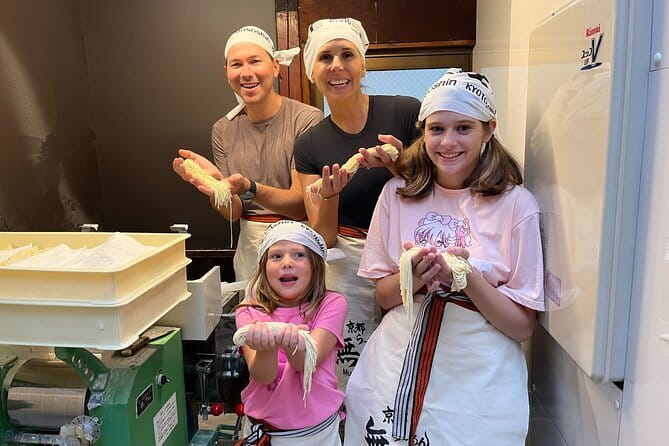
- Souvenir keepsake: you take home the bandana used during the workshop
Kyoto’s Gion Setting: Musoshin’s Noodle Workshop in a Real Restaurant
If you want Kyoto food that feels lived-in, this experience fits the bill. The class happens at Musoshin Gion, in central Kyoto’s Gion neighborhood, so you’re learning right where the action is. That matters because ramen here isn’t a staged demo. It’s part of a working restaurant rhythm.
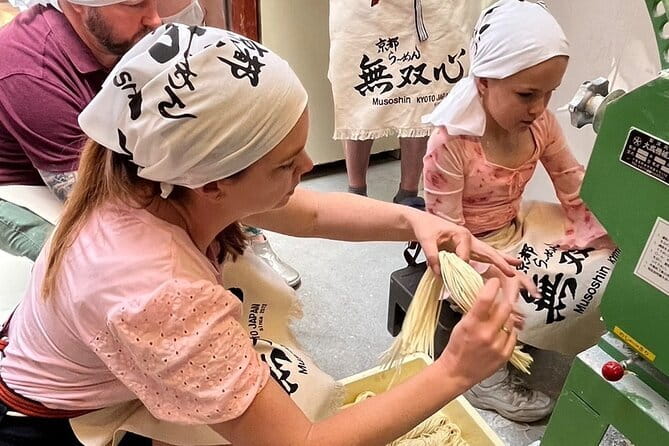
The workshop is also small, with a maximum of 6 travelers. That size is a big deal in a hands-on class. You’re more likely to get clear guidance when your dough needs adjusting, and you won’t feel lost waiting your turn.
One more detail that helps set expectations: this is not the Musoshin Ramen Academy. You’ll be in the Musoshin Gion restaurant venue, which keeps the vibe practical and food-focused.
Roll up your sleeves for another Kyoto cooking class

Price and Value: What $48.27 Buys You (and Why It’s Not Just a Meal)
At $48.27 per person, this isn’t a cheap snack-and-shop stop. But it’s also not overpriced for what you get. You’re paying for an expert-led, small-group, hands-on noodle session plus the end reward: a ramen bowl from the chef.
Here’s the value breakdown based on what’s included:
- English-speaking instructor and all noodle-making ingredients/tools
- Rental apron (so you can focus on the technique)
- Your ramen bowl plus one soft drink
- A bandana souvenir from the workshop
In other words, you’re not only eating ramen. You’re learning how the noodles are made, using a professional machine and dough made from two types of flour. When you can recreate something at home later, the class becomes more than a one-time meal.
The class duration is about 1 hour, so the price feels more reasonable if you want focused learning instead of a long day activity. If you’re after a deeper multi-hour cooking program, you might find this short. But for a well-run, technique-heavy intro, it’s a solid fit.
Arriving at the Class: Where You’ll Start and What Happens First
You’ll meet at 558-2 Komatsuchō, Higashiyama Ward, Kyoto. The location is in a central area and described as near public transportation, which is helpful when you’re combining it with sightseeing in Gion.
After check-in, you’ll get set up for the hands-on portion. You receive a rental apron, and the workshop uses a bandana that you keep as a souvenir at the end. It’s a small thing, but it makes the session feel official and fun without adding hassle.
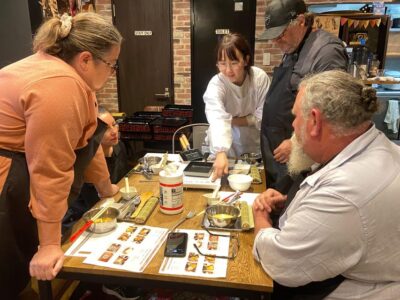
Then the instructor takes over. The format is guided and interactive, not “watch from the sidelines.” People like Kaz have led noodle-making instruction with a clear, hands-on style, and other instructors such as Azu and Amiru are also noted for friendly teaching.
Expect the opening to cover the basics of the dough and how the machine will be used. You’ll learn what to do next before you’re actually kneading and rolling.
Noodle-Making Time: Knead, Roll, Cut with a Pro Machine
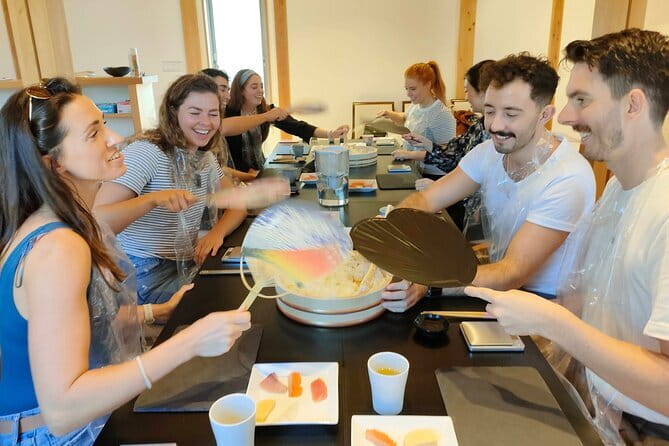
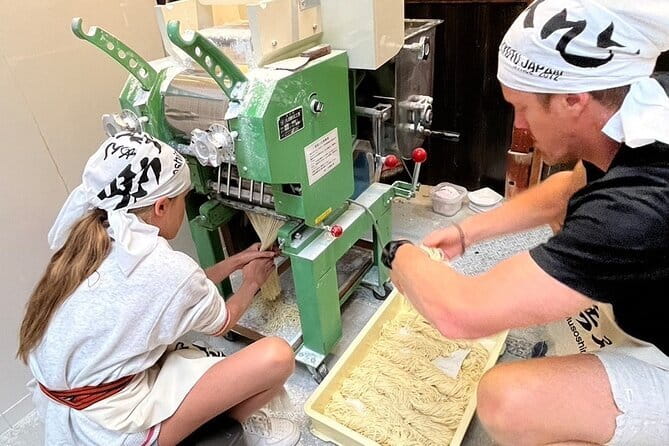
This is the core of the experience, and it’s where the learning happens. You’ll make ramen noodles from scratch, using wheat flour dough. The dough itself is prepared with two types of flour, which gives the noodles their specific texture and bite.
The instructor walks you through steps that you actively do, including:
- Pouring the water
- Kneading the dough
- Rolling it
- Cutting it into noodles
A professional noodle-making machine is part of the process. That’s a big plus because it helps you get consistent thickness and shape. Home ramen is fun, but it’s hard to replicate the exact noodle feel without the right gear. Here, you get that gear experience in a guided way.
One caution: the workshop is interactive, so you’ll be using your hands. If you have mobility issues with standing or handling dough, consider whether you’re comfortable for about an hour in a working kitchen setting. The class is only around an hour, but it still takes some physical participation.
The Chef’s Broth and Local Condiments: What You Don’t Make (and Why It Still Matters)
After you finish your noodle portion, you get the best part: ramen on your plate. The broth is prepared by the restaurant’s chef and is made from a blend of vegetables.
This is where the class design makes sense. Making noodles well takes focus. Broth building is its own craft. Instead of splitting your attention between everything, the chef handles the broth so you get a finished, restaurant-quality bowl at the end.
The experience also includes regional touches. The shop enhances the meal with Kyotamba rice and condiments from local makers, which gives your ramen tasting more character than a generic bowl. You’re not just learning technique. You’re tasting the parts of the local style that make ramen feel like a Kyoto specialty.
And while you may not control the broth flavor yourself, you still get to see how your noodles hold up once they’re paired with a proper vegetable-based broth.
Other Kyoto tours and experiences to compare

Your Ramen Bowl at the End: What You Get to Taste
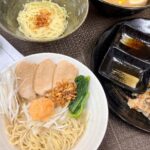
At the end of the workshop, you’ll eat a bowl of ramen made by the chef. This is included in the price, along with one soft drink.
This meal moment is more than a reward. It’s the feedback loop. You learn the dough feel and noodle cutting process, then you immediately taste the result. That quick cause-and-effect helps your brain remember what worked and what you should watch for if you try making noodles later.
A helpful note from the experience style: it’s focused on noodle-making technique. It’s distinct from a class where you learn to cook every ramen component. You’ll likely leave feeling confident about noodles, not necessarily confident about recreating the entire bowl from start to finish.
Dietary Needs: Vegetarian, Vegan, and Pescetarian Options
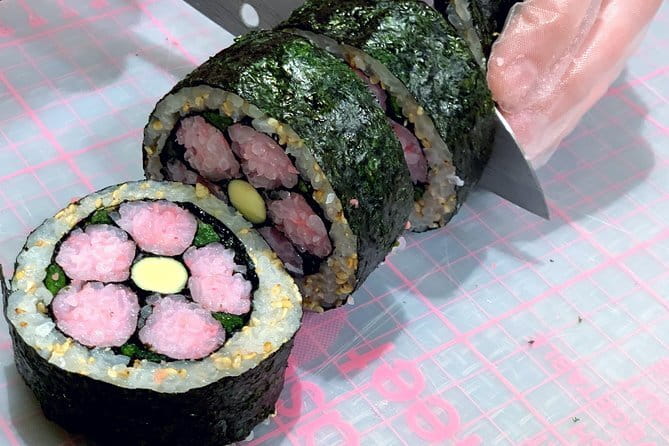
Good news for food restrictions. The workshop states that vegetarian, vegan, and no meat or fish options are available for the tasting session. It also says the experience can accommodate vegetarian diet, vegan diet, and pescetarian diet, as long as you inform them in advance.
There’s one important detail to keep in mind: the noodles are made from wheat flour. That’s often fine for most diets, but it means this isn’t a gluten-free experience. If you have celiac disease or severe gluten intolerance, you’ll need to think carefully, because wheat flour is part of the noodle base.
If you’re vegan, you’ll want to make sure you’ve shared your diet clearly before arrival. The data confirms vegan options for the tasting session, but it doesn’t spell out every ingredient like soy sauce types or specific condiments. So treat communication ahead of time as part of getting the best outcome.
Who This Class Is For (and Who Might Want Something Else)
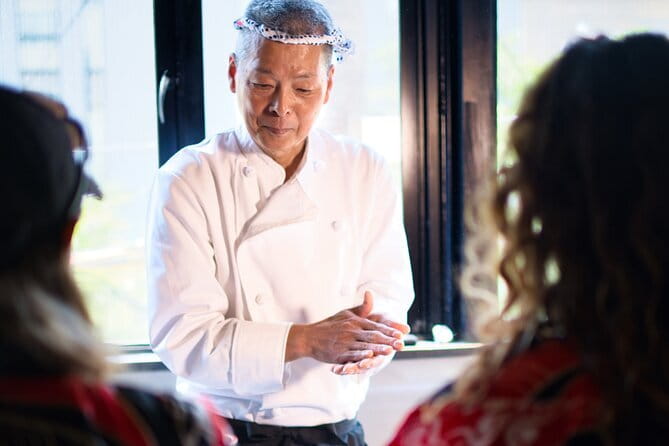
This is a great choice if you:
- Want a hands-on Kyoto experience that’s short and focused
- Like learning food technique, not just watching
- Appreciate English instruction and friendly guidance
- Want a ramen experience tied to a real restaurant in Gion
It also works well for people who are traveling with others. One review-style theme here is that families enjoy the interactive approach, partly because everyone can participate in the noodle steps.
You might choose a different activity if you’re looking for:
- A longer cooking session where you also handle broth and full ramen assembly
- A purely sightseeing-focused Gion outing without kitchen time
- A class that’s designed for people who want zero physical dough-handling
Practical Tips for a Smooth Experience in Central Kyoto
To get the most out of the hour, arrive ready to work with dough. Wear clothes that you don’t mind getting a little flour contact, even with an apron. You’ll spend time standing and handling materials, so comfortable shoes help.
Because the venue is described as near public transportation, you can plan to combine it with nearby Gion sights. Still, keep a little buffer in your schedule. Kyoto can slow you down with crowds and short walking distances between lanes.
Also, note the workshop uses a mobile ticket. Have your phone ready and be sure the ticket display works when you arrive.
Finally, ask questions during the process. The style of instruction here is hands-on and supportive, and instructors like Kaz, Azu, and Amiru are specifically mentioned as strong at teaching. If you don’t get it the first time, you’ll likely have a chance to adjust and try again.
Should You Book This Kyoto Ramen Noodle Making Class?
If you want a memorable Kyoto food moment that’s more than eating, I’d book it. The best reason is simple: you leave with technique, not just leftovers. You make noodles from scratch with a professional machine, then you taste a chef-finished ramen bowl made with vegetable broth and regional condiments.
It’s also a smart-value pick for a small group. For around an hour, you get instruction, tools, a meal, and a souvenir bandana, all in a central Gion restaurant setting.
Book it if your priority is ramen noodles. Consider passing if your priority is learning to cook every component of ramen from start to finish. But for most food lovers, this hits the sweet spot: hands-on, friendly, short, and deeply Kyoto.
FAQ
Where does the Kyoto ramen noodle making class take place?
The meeting point is 558-2 Komatsuchō, Higashiyama Ward, Kyoto 605-0811, Japan. The cooking venue is Musoshin Gion in central Kyoto.
How long is the experience?
The class is approximately 1 hour.
What is the price per person?
The price is $48.27 per person.
Is there an English-speaking instructor?
Yes. The class includes an English-speaking noodle making instructor.
What will I do during the workshop?
You’ll pour the water, knead the dough, then roll and cut it into ramen noodles using a professional noodle-making machine.
What’s included in the ticket?
Included are the ingredients and tools for noodle making, a bowl of ramen, one soft drink, an English-speaking instructor, a rental apron, and the bandana used during the workshop (given as a souvenir).
Are vegetarian or vegan options available?
Yes. Vegetarian, vegan, and no meat or fish options are available for the tasting session, and you can request vegetarian diet, vegan diet, or pescetarian diet if you inform them in advance.
Are the noodles gluten-free?
No. The noodles are made from wheat flour.
How big is the group?
The experience has a maximum of 6 travelers.
Is there free cancellation?
Yes. Free cancellation is available, and you can cancel up to 24 hours in advance for a full refund.
More Workshops in Kyoto
More Tour Reviews in Kyoto

More Kyoto Cooking Classes
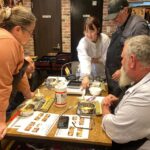
Just added: more Kyoto tours to browse





Kyoto Cooking Classes, compared.
 ★ 5.0Ramen Cooking Class at Ramen Factory in KyotoFrom $1311,937 reviews
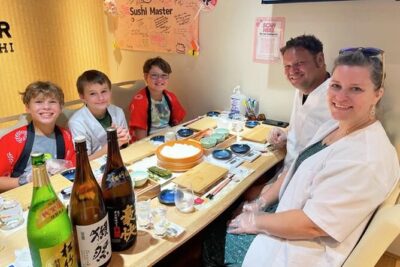 ★ 5.0Sushi Making in Kyoto! Same-day bookings welcome!From $53713 reviews
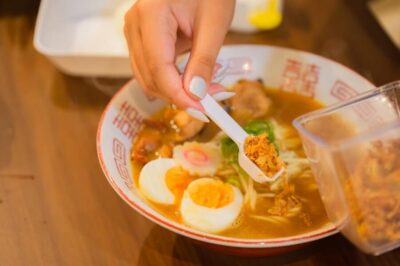 ★ 4.9Ramen Cooking Class at a Ramen Factory with SouvenirFrom $127532 reviews
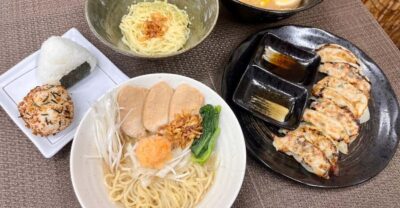 ★ 5.0Ramen, Gyoza, and Onigiri Cooking ClassFrom $90445 reviews
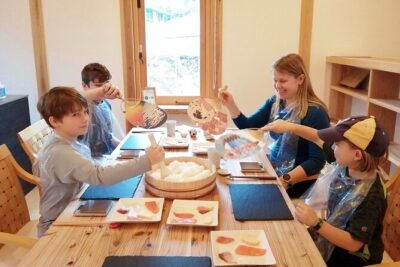 ★ 5.0The Original Small-Group Sushi Making Class in KyotoFrom $69436 reviews
 ★ 5.0Japanese Washoku Bento Small Group Cooking ClassFrom $58380 reviews
 ★ 5.0Kyoto Ramen and Gyoza Cooking Class with Professional ChefsFrom $86282 reviews
 ★ 4.9Afternoon Japanese Izakaya Cooking ClassFrom $67241 reviews
Browse the lists this tour appears in