
Reviewed · KYOTO GARDENS & ZEN RETREATS
Kyoto: Private Tea Ceremony with a Garden View
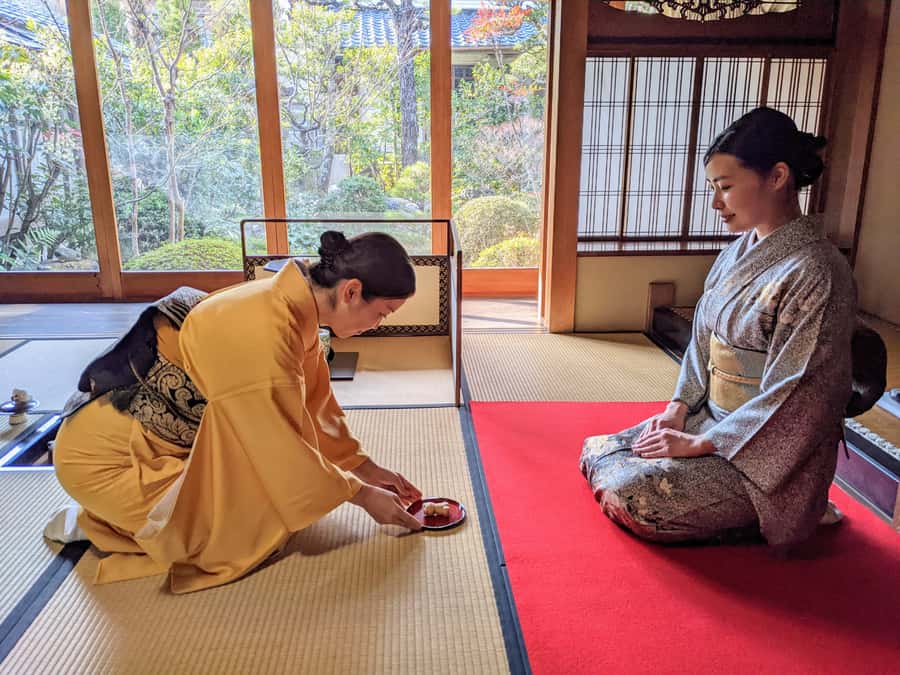
Tea tastes better when the garden is quiet. This private Kyoto tea ceremony pairs garden views with a calm, traditional setting in a 100-year-old house across from Ryoan-ji—so your hour feels removed from the city’s pace. You’ll get an instructor-led introduction, seasonal sweets, a live ceremony with the main garden as backdrop, and then a chance to make your own bowl of matcha.
I love the privacy: the whole house is yours during the session, and it’s set up for quiet conversation and photo time without the usual crowds. I also like the hands-on matcha finish, because learning the steps is one thing—whisking your own bowl is what makes it stick.
One thing to consider: at $116 per person for a 1-hour experience, it’s a splurge. If you’re budgeting hard or expecting a long, meal-length event, this may feel short—and it doesn’t include meals or a kimono.
In This Review
- Key things to know before you go
- A 100-Year-Old Kyoto Teahouse, Right by Ryoan-ji
- What Garden Views and Privacy Actually Change About Your Tea
- From Sofa Room Intro to the Tearoom: Your Hour, Step by Step
- 1) Welcome, tea history, and seasonal sweets
- 2) The main ceremony with the garden as backdrop
- 3) Make your own matcha bowl (the part you’ll remember)
- Matcha Making for Beginners: What You’ll Be Doing
- Price and Value: Why $116 Can Make Sense in Kyoto
- Dietary and Comfort Details That Matter More Than You Think
- Photos, Video, and Etiquette Without the Stress
- Getting There: The Ryoan-ji Area Is Walkable and Easy to Connect
- Who This Private Tea Ceremony Is Best For
- Small Rules and Details to Know So You Don’t Feel Rushed
- Should You Book Kyoto Private Tea Ceremony with a Garden View?
Key things to know before you go
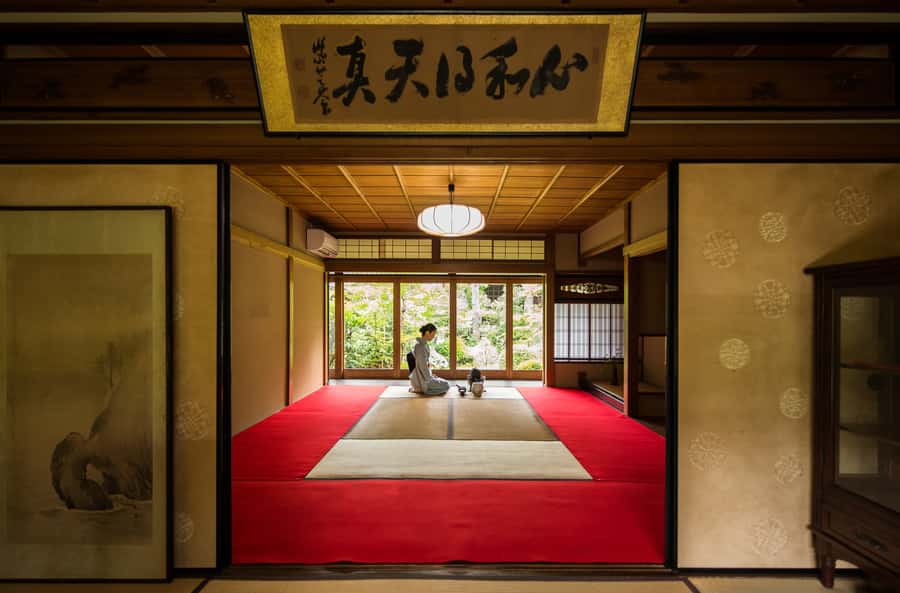
- Garden-view tea in a 100-year-old home with two traditional Japanese gardens.
- Private session setup: the house is kept to just your group during the experience.
- Seasonal sweets that are gluten-free, nut-free, and vegan.
- Watch, learn, and do: you’ll make your own matcha after being served tea.
- Seating options: chairs available if floor seating isn’t your thing.
- Near UNESCO sites: Ryoan-ji, Ninna-ji, and Kinkaku-ji are all walkable from the area.
A 100-Year-Old Kyoto Teahouse, Right by Ryoan-ji
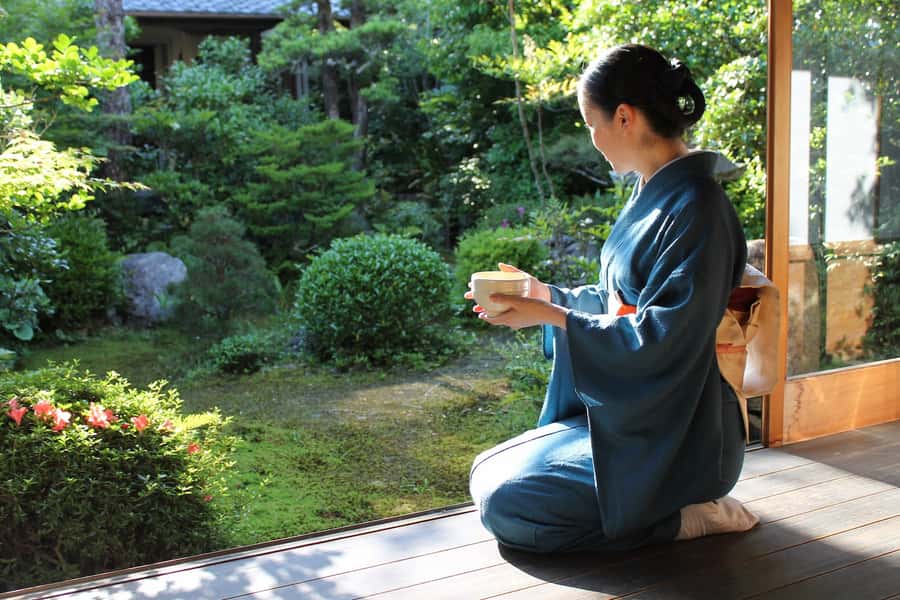
Kyoto has plenty of tea experiences, but this one starts with a strong promise: you’re in a traditional, 100-year-old house that’s tied to the world of tea. The location matters, too—your meeting point is across the road from Ryoan-ji, a UNESCO-famous Zen temple. That “nearby but peaceful” contrast is real here: you’re close enough to pair with major sights, but the session itself is designed as an escape.
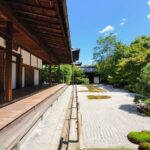
The experience also leans into setting. You’ll enjoy time in rooms with garden views, and the ceremony portion is staged with the main garden as a backdrop. This isn’t just pretty wallpaper for photos. In Japanese tea culture, the surroundings help teach you how to slow down and pay attention to small actions—how you receive the sweets, how you handle utensils, and how you look at the tea before tasting.
And since this is a private group experience, you’re not sharing the moment with strangers who may be multitasking, arriving late, or turning every step into a performance.
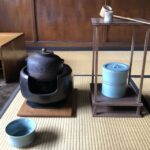
Sit for another bowl of matcha in a Kyoto tea house
What Garden Views and Privacy Actually Change About Your Tea
It’s easy to think of “garden views” as a nice extra. In practice, it changes the whole vibe. When you’re sitting with the garden in front of you—rather than squeezed into a room with walls close by—you naturally speak more quietly, breathe slower, and notice details like steam, color, and aroma.
The privacy is the second big ingredient. The teahouse is described as a place that gives guests utmost privacy, and during your session the house is completely to yourself. That matters if you want to ask questions without feeling rushed, or if you simply want your instructor to pace the explanation at your level.
Practical bonus: chairs are available for guests who would prefer not to sit on the floor. I always appreciate when a tea ceremony respects different bodies, not just tradition as a strict rule. You still get the experience; you just don’t have to fight your knees to enjoy it.
Finally, there’s a subtle but important detail in the way this is run: the program is built around a sequence—intro and sweets first, ceremony second, then matcha-making—so your brain gets time to adjust from sightseeing mode into tea mode.
From Sofa Room Intro to the Tearoom: Your Hour, Step by Step
This session runs one hour, so you’ll move through the experience at a thoughtful pace rather than dragging it out. Here’s how the hour is structured, and what each stage is really for.
1) Welcome, tea history, and seasonal sweets
You start with your instructor welcoming you in a sofa room that overlooks the front garden. This is where you get a brief introduction to the history and culture surrounding tea. The goal isn’t trivia for trivia’s sake. It helps you understand why the steps matter—why there’s a rhythm to the movements and why the experience is more about attention than performance.
Then you’ll enjoy seasonal sweets made by one of Kyoto’s most renowned confectioners. Even better: the sweets are gluten and nut free, and vegan. That means you can relax about dietary worries (as long as you still let them know about any specific needs in advance).
2) The main ceremony with the garden as backdrop
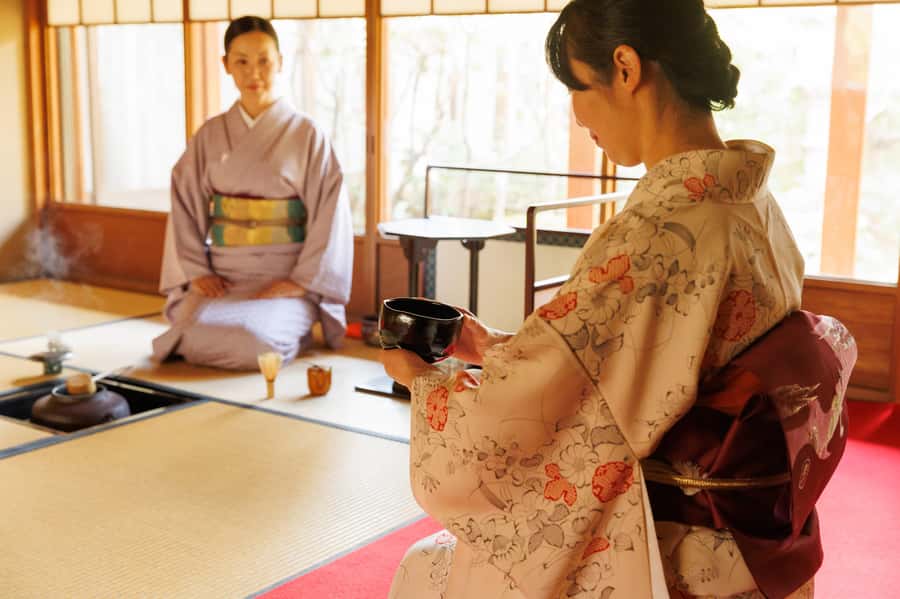
After the intro and sweets, you’ll move to the tearoom itself. This is where you’ll watch an authentic tea ceremony, with the main garden as a backdrop. Watching is an important part of learning here. You can observe the flow—how things are offered, how time is allowed to pass between actions, and how the overall experience feels intentionally paced.
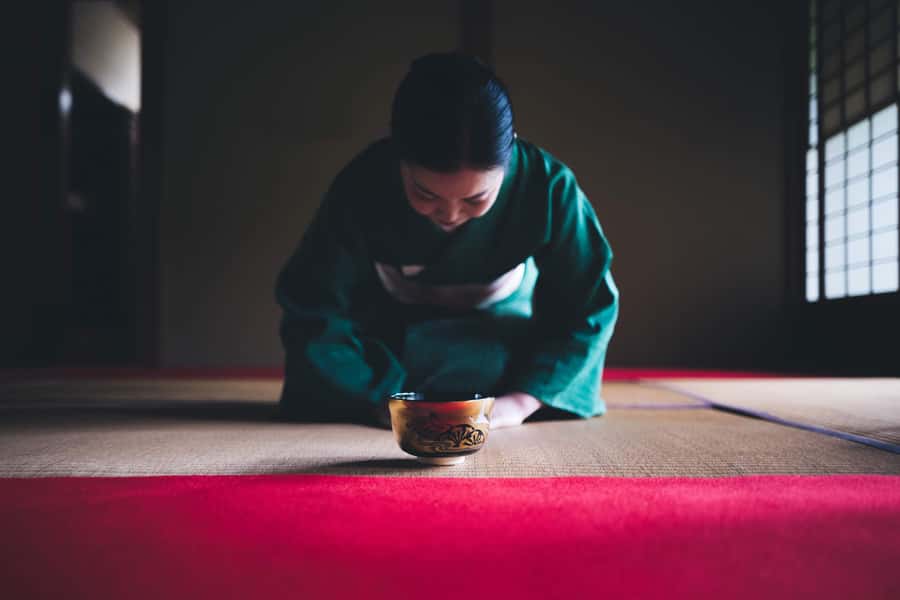
When you’re served tea, you’re not just tasting. You’re learning what to notice: the appearance of the drink, the smell, and how it changes as it cools slightly. In a short experience like this, that sensory focus is where the value comes from.
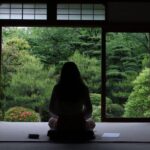
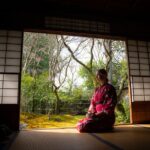
Find another quiet garden to sit with in Kyoto
3) Make your own matcha bowl (the part you’ll remember)
After being served tea, you’ll get the chance to make your own bowl of matcha. This is the “do it yourself” payoff, and it’s usually the moment people remember most because it turns knowledge into muscle memory.
You’ll also have time for questions and photos. Photos are allowed throughout, but flash should be off, so you’re not lighting up the scene like you’re on a night tour.
Chairs are available during the ceremony if needed, and the instructions are designed for an English-speaking instructor.
Matcha Making for Beginners: What You’ll Be Doing
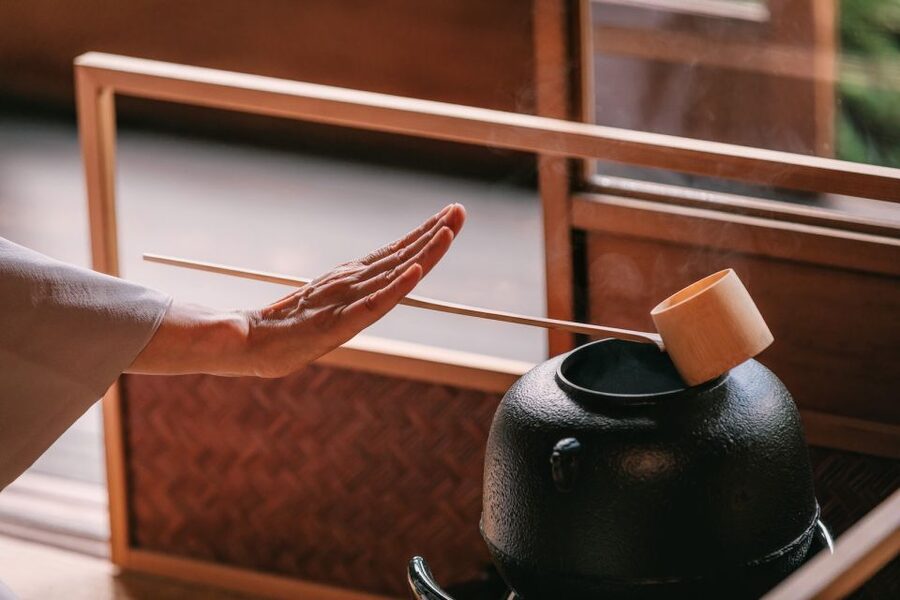
You’re not expected to show up with perfect etiquette skills. The tea experience includes everything you need to make tea, plus your personal instructor to guide you through the process.
From what’s described, the emphasis is on learning how to prepare a bowl for yourself—then sitting with it long enough to actually taste. If you’ve only ever had matcha as a latte from a café, making a bowl through a tea-focused process is a quick way to understand why tea culture can feel so different from casual sipping.
The best part for most people: you don’t just watch. You create your own bowl at the end, while you’re already in that calm “tea brain” mindset.
Price and Value: Why $116 Can Make Sense in Kyoto
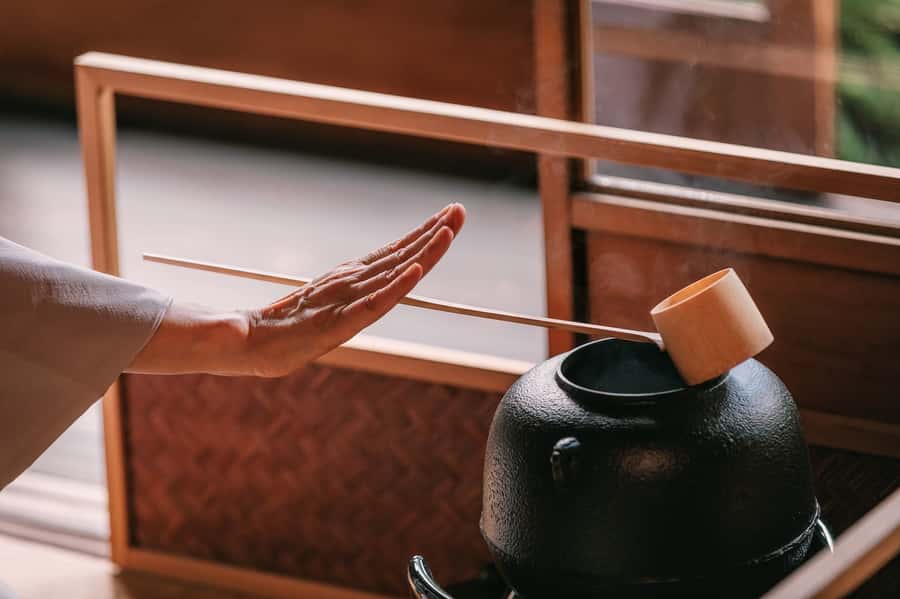
At $116 per person for a 1-hour private session, this isn’t a budget activity. But the value is in what’s included and what’s avoided.
You’re getting:
- Seasonal sweets
- Matcha
- Everything you need to make tea
- A personal instructor (English)
- A private tea house experience with complete privacy during your visit
- A chance to make your own bowl of matcha
What you’re not getting:
- Meals
- Kimono
So the question isn’t “Is it expensive?” The question is “Am I paying for a quieter, private, hands-on cultural lesson in a specific historic setting?”
If you want a tea ceremony you can actually slow down inside—rather than a quick, crowded performance—then the price can feel fair. If you’re just trying to tick off a tea checkbox, you may decide this is more splurge than necessity.
Also: this is located near major UNESCO sites, which helps. It can become a calm pause between temples, not an extra half-day you have to plan from scratch.
Dietary and Comfort Details That Matter More Than You Think
A lot of tea experiences quietly ignore food restrictions. This one spells them out: the sweets are gluten and nut free, and vegan. That’s a huge relief if you’ve had to skip sweets on past trips.
Comfort is another strength:
- Chairs and tables are available if floor sitting is difficult.
- The teahouse is wheelchair accessible.
- There’s a toilet available to guests.
If you have mobility needs or seating limitations, don’t just hope it works out—reach out if you have special requirements. The experience is set up for accessibility, but it’s always smarter to communicate your needs before you arrive.
Photos, Video, and Etiquette Without the Stress
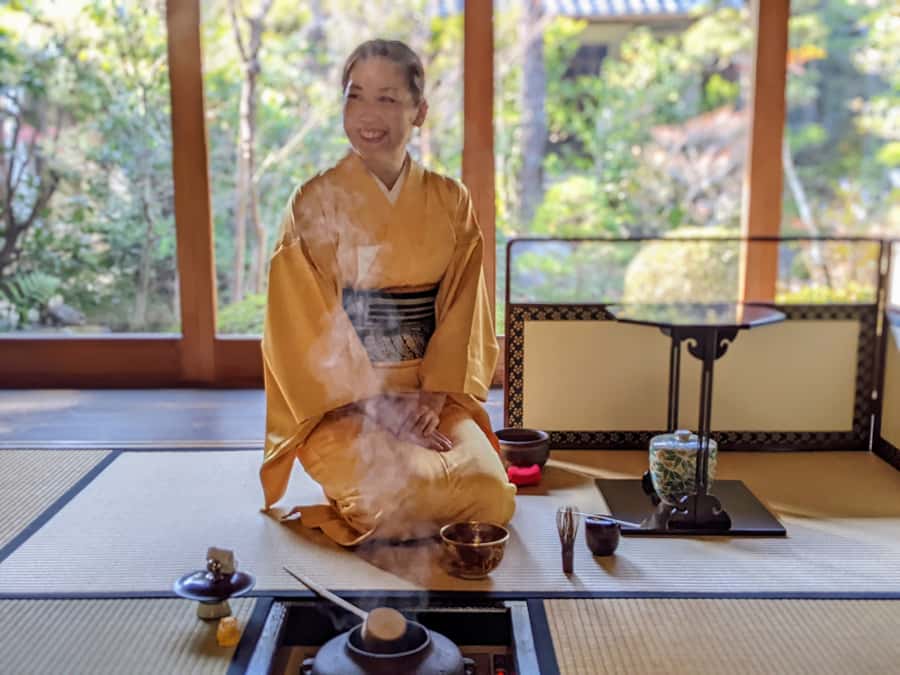
You can take photos during the experience, but flash should be off. Video recording is not allowed. That’s worth noting up front: bring your camera mindset, not your recording mindset.
It also changes how you experience the ceremony. When you’re not trying to film everything, you pay better attention. And since this is a private house, you’ll likely feel less pressured about what to capture and what to let go.
One more practical point: if you’re a photo-first person, plan for this to be a thoughtful session, not a rapid-fire photo set. The garden view is there, but the room and ceremony pacing still matter.
Getting There: The Ryoan-ji Area Is Walkable and Easy to Connect

The meeting point is Camellia Garden, across the road from Ryoan-ji. The route is straightforward once you’re near the temple area.
If you’re using the bus, the Ryoan-ji Mae Bus Stop drops you beside a small downhill path leading to a residential street. The teahouse is described as the first house you can see on the right, surrounded by a high wall.
By tram, the teahouse is under a 10-minute walk from Ryōanji-eki on the Keifuku Randen line. Trams can connect you toward areas including Hakubaicho (near Kitano Tenmangu shrine), Arashiyama, and Shijo Omiya (west side of the city center).
Here’s why this matters: the teahouse location is close to multiple UNESCO sites. Ryoan-ji, Ninna-ji, and Kinkaku-ji (the Golden Pavilion) are all walkable from the area. Myoshin-ji is also close by. That makes it easy to build a day that includes temple time plus a peaceful break.
Practical tip: plan the tea session as your “reset.” If you do it after a long temple circuit, you may feel too full of information to enjoy the quiet.
Who This Private Tea Ceremony Is Best For
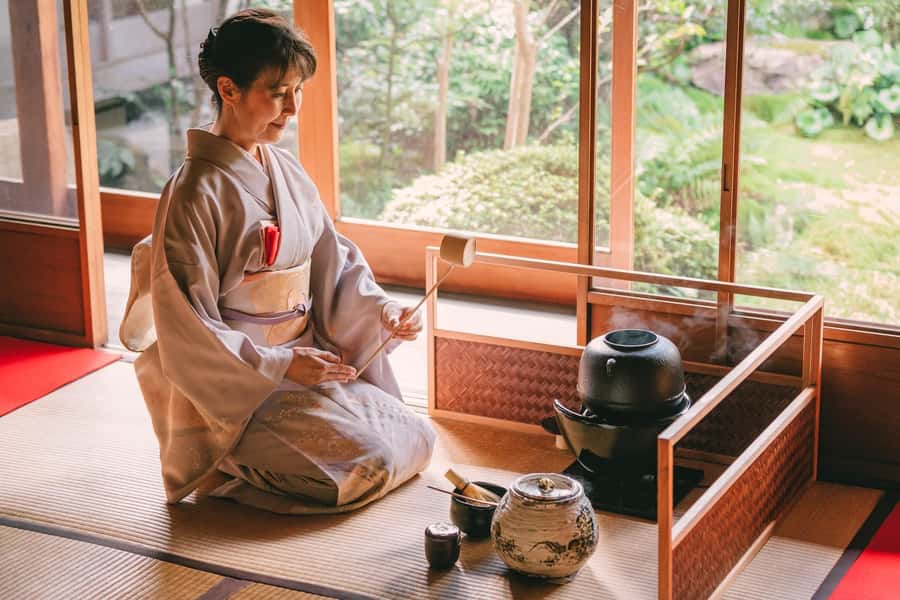
This is the kind of experience that tends to suit a few specific traveler styles:
- You want a calm, uncrowded cultural activity rather than a fast group tour.
- You enjoy hands-on learning—especially preparing and tasting something you make yourself.
- You care about the setting: a traditional house, gardens as a backdrop, and real quiet.
- You want an experience that works even if you’re not comfortable sitting on the floor, thanks to chairs.
It also fits well if you’re the type who likes pairing “big sights” with “small, human moments.” Kyoto can be temple-heavy. A private tea ceremony gives you contrast.
If you’re visiting with family members, the “private group” setup can be helpful for keeping the experience comfortable. Just note: this activity is an hour, so it’s not designed as a long event.
Small Rules and Details to Know So You Don’t Feel Rushed
A few guidelines can shape your comfort:
- No video recording
- Photos allowed, but no flash
- The house is completely yours during the experience
- Guides and translators can join as an additional guest free of charge
- There’s a toilet on site
- One parking space is available for the duration of the ceremony
- English is the instructor language
If you’re bringing a translator or guide, it’s good to know they can join without extra fees, since that can matter for families or travelers using language support.
Also: kimono isn’t included. If you want to wear one, plan that as a separate step.
Should You Book Kyoto Private Tea Ceremony with a Garden View?
I’d book it if you want a quiet, private Kyoto moment that includes both cultural context and a hands-on matcha finish. The mix of a 100-year-old house, garden views, seasonal sweets (gluten-free, nut-free, vegan), and the chance to make your own bowl makes the hour feel purposeful rather than performative.
Skip it (or consider alternatives) if you’re mainly chasing variety of activities and you’re on a tight budget. At $116 for one hour, it’s priced like an intimate experience, not like a casual stop.
If your schedule allows, do this after one or two temple visits—when you’re ready to slow down, not when you’re still running on momentum. That’s when the garden-view calm is most rewarding.
More Tour Reviews in Kyoto

More Gardens and Quiet Corners
One More Bowl of Matcha

Just added: more Kyoto tours to browse




Kyoto Gardens & Zen Retreats, compared.
 ★ 5.0Kyoto Arashiyama Walking Tour: Bamboo, Monkeys, Gardens & SecretsFrom $651,216 reviews
 ★ 5.0Kyoto Zen Meditation & Garden Tour at a Zen Temple with LunchFrom $110441 reviews
 ★ 5.0Zen Experience in a Hidden TempleFrom $109437 reviews
 ★ 5.0Kyoto Arashiyama Bamboo forest & Garden Half-Day Walking TourFrom $129413 reviews
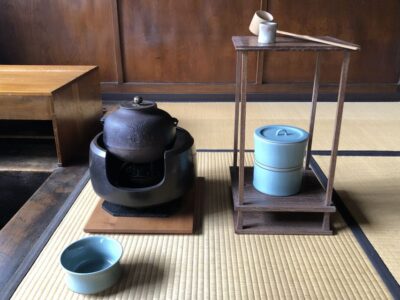 ★ 4.8Tea Ceremony Meditation – Make Matcha with Tea MasterFrom $45406 reviews
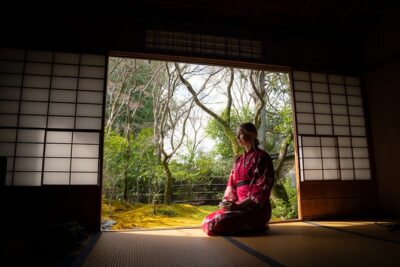 ★ 5.0Zen Meditation at a Private Temple with a MonkFrom $91202 reviews
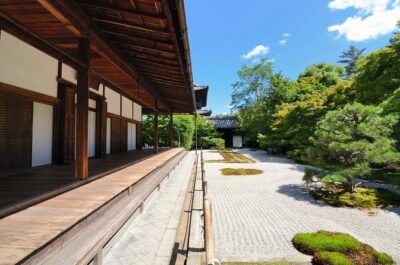 ★ 5.0Zen Garden, Zen Mind (Private)From $380126 reviews
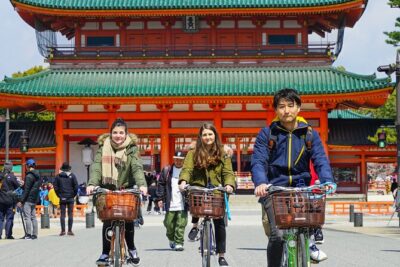 ★ 5.04.5-Hour Kyoto Bike Tour with Lunch and UNESCO Zen TemplesFrom $99122 reviews
Browse the lists this tour appears in