
Reviewed · GION & GEISHA DISTRICT TOURS
Kyoto: Private Gion District Photoshoot Experience
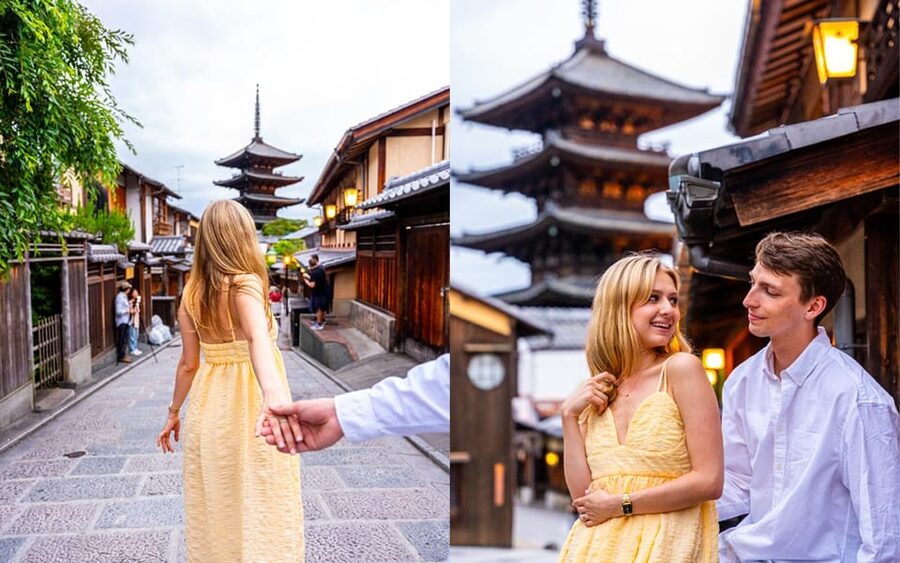
Gion looks better in real photos. What makes this experience interesting is the private pace and the way you’re guided through Kyoto like a mini photo story, not a selfie sprint. I especially like the professional edits (you get both lots of unedited images plus a set of polished picks) and the fact that the photographer steers you with pose ideas so you can relax.
Here’s the one catch to keep in mind: if you want paid-entry sites like certain temples, you’ll be responsible for those admission fees (specifically the photographer’s admission fee), and during busy periods photo delivery can take longer than the 24-hour target.
In This Review
- Key Things That Make This Gion Photoshoot Work
- Why This Kyoto Gion Photoshoot Beats a Day of Selfies
- Starting at 625 Gionmachi Kitagawa: What the First Minutes Feel Like
- Yasaka Koshindo: Color, Detail, and Backdrops That Don’t Look Copy-Paste
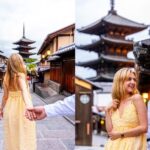
- Hōkan-ji Temple Pagoda Moments: The Shot People Actually Frame
- Sannenzaka Street: Classic Old Kyoto for Photos That Feel Lived-In
- Hidden Street and Maruyama Park: Where Kyoto Gets Quiet in Your Photos
- How the Photoshoot Actually Runs: Pacing, Posing, and the “20-Minute Confidence Boost”
- Photo Delivery: JPGs, Editing Quality, and the Two-Week Download Window
- Price and Value: What $109 Really Buys You
- Who This Kyoto Gion Photoshoot Suits Best
- A Few Smart Tips Before You Go (So Your Photos Look Like You Meant It)
- Should You Book This Kyoto Private Gion Photoshoot?
- FAQ
- How many locations do we visit during the photoshoot?
- What photos do I receive?
- When will I receive the edited photos?
- How long are the photos downloadable after I get the link?
- Where does the experience start?
- Are temple or paid-entry admission fees included?
- What languages are available?
- Is this a private experience?
Key Things That Make This Gion Photoshoot Work
- A pro who gives direction: you’ll get pose cues and calm guidance, so you’re not guessing where to stand.
- You’re not stuck at one spot: the route typically hits about 5 iconic locations in roughly 1.5 hours, with customization if you want different backdrops.
- Real deliverables: ~200 photos per hour in standard JPG, plus 30 professionally edited high-quality JPGs.
- Kyoto landmarks with variety: pagoda views, classic old streets, colorful temple corners, and quieter photo lanes.
- Fast-to-use results: the edited photos are aimed to be delivered within 24 hours, then you get a download window of two weeks.
Why This Kyoto Gion Photoshoot Beats a Day of Selfies
Kyoto can feel like a photo theme park, but the pictures you actually want are usually the ones that look natural. This setup helps because you’re traveling with someone who knows where the light hits, how to frame Kyoto architecture, and how to keep you moving without losing the moment.
You’ll get two types of photos: lots of standard-quality JPGs from the session (around ~200 per hour) so you can scroll and choose your favorites, plus 30 edited high-quality JPGs that are meant for sharing and keeping. That mix is smart. If you love a shot you took while you were mid-laugh, you’ll likely find it among the unedited sequence. If you want the polished “profile picture” look, you’ll have edited options ready.
The other big win is how you’re treated during the shoot. A theme I saw repeatedly in real-session feedback: photographers like Josh and Mina are praised for being professional, patient, and good at making you feel comfortable. That matters in Kyoto, where you’re standing in busy alleys—confidence shows up in the photo, even if you’re not used to posing.
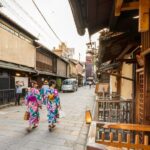
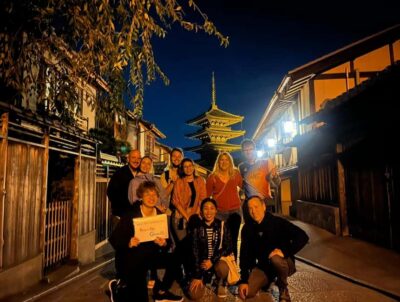
More evenings along the lantern-lit lanes of Gion


Starting at 625 Gionmachi Kitagawa: What the First Minutes Feel Like
You meet at 625 Gionmachi Kitagawa. From there, you’ll be in the Higashiyama area, working a route that blends sightseeing with photo stops. Expect a rhythm: walk a short stretch, pause for photos, move again, and keep going long enough to get variety in your backgrounds.
Even if you’re not a “photos person,” the photographer’s job is basically to remove decision fatigue. People mention that they’re given clear directions for poses—stuff like where to look and how to hold your body—so you’re not standing there thinking too hard. That’s helpful when you’re in kimono, casual clothes, or anything in between.
Plan to arrive ready to start. If you’re dressing up, some sessions run smoothly because the photographer waits while you get your kimono on. If you’re bringing multiple outfits, tell your photographer early so the schedule can absorb it without feeling rushed.
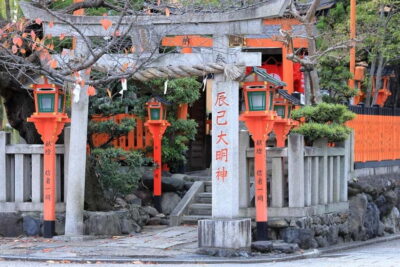
Yasaka Koshindo: Color, Detail, and Backdrops That Don’t Look Copy-Paste
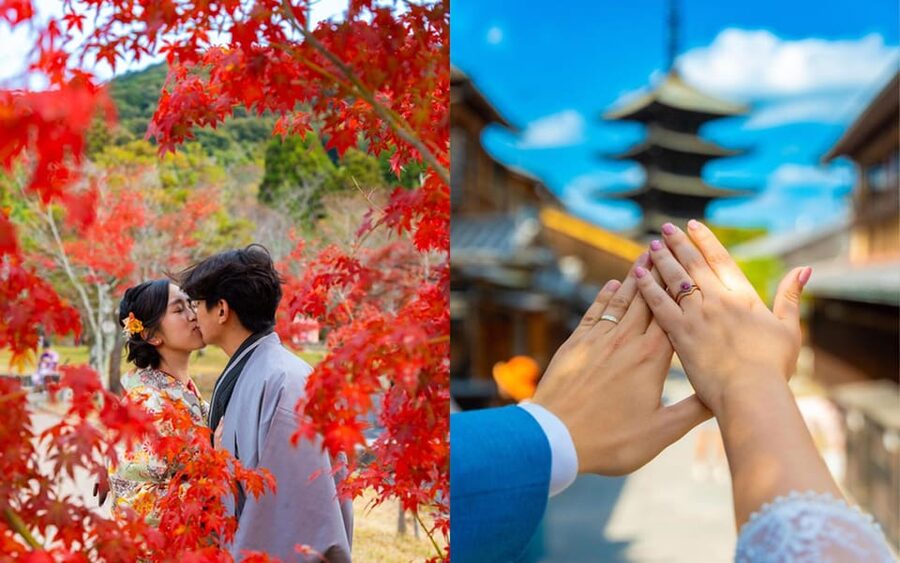
One of the most fun parts of the route is getting off the most over-photographed corners and still ending up with pictures that look unmistakably Kyoto. Yasaka Koshindo is the kind of stop that gives you strong visual elements—temple architecture, signs, and that “Kyoto in a single frame” feeling.
This is where the guidance pays off. Temple scenes can look stiff if you stand like you’re at a museum. A good photographer helps you build natural-looking poses that match the environment, so you don’t end up with the same posture in front of every building.
If you want photos that feel like a scene from a movie, this is a great place to ask for a style shift: more candid steps, a closer portrait angle, and a quick sequence where you’re moving through the space rather than frozen.
Hōkan-ji Temple Pagoda Moments: The Shot People Actually Frame
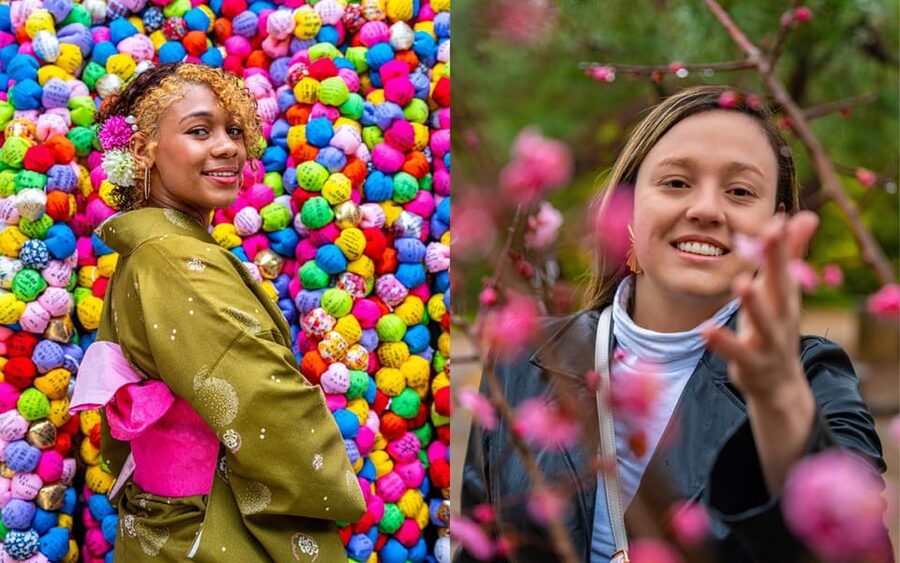
Hōkan-ji Temple is the pagoda stop that many people picture when they think of Kyoto. It’s the classic “vertical structure + layered buildings” composition that reads instantly in photos, even for people who don’t know the exact location.
The drawback with iconic spots is crowds and time pressure. The way this shoot is set up helps because you’re not just arriving for one “take and leave” photo. You’ll typically get multiple chances at different angles while staying in a tight timeline, so you can trade small variations—turn your body slightly, change your distance, adjust height—for dramatically different results.
If you want your photos to feel like more than sightseeing documentation, this is where you should aim for your best portrait looks. Tell your photographer you want a few images that look intentional: clean stance, calm expression, and a shot that shows the scale of the pagoda in relation to you.
Sannenzaka Street: Classic Old Kyoto for Photos That Feel Lived-In
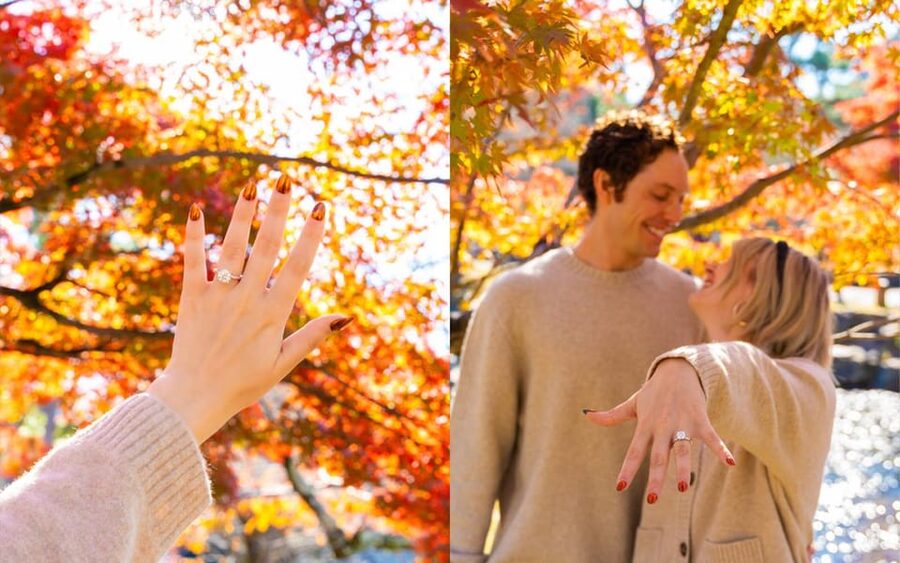
Sannenzaka Street is the old-street classic—narrow lanes, traditional storefront textures, and that layered walk where every step seems to offer another angle. It’s a huge advantage for a photoshoot because it gives you depth without needing dramatic poses.
But Sannenzaka can also be noisy and busy in peak hours. This is where having a professional on the route helps you time your pictures. You’ll get photo stops as part of the guided walk, rather than trying to guess when the lane clears for your shot.
For your own planning: wear shoes that can handle uneven stone and a little crowding. Even if the shoot is mostly standing and framing, you’re still walking from location to location and pausing frequently. If you’re in kimono, comfort and footwear become part of the photo quality—your posture holds better when your feet aren’t fighting you.
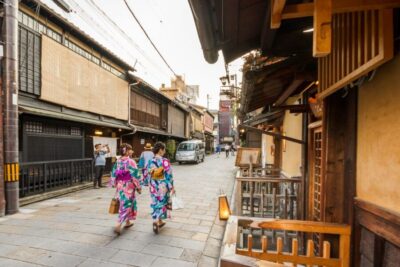
More Kyoto backdrops for your own photo walk

Hidden Street and Maruyama Park: Where Kyoto Gets Quiet in Your Photos
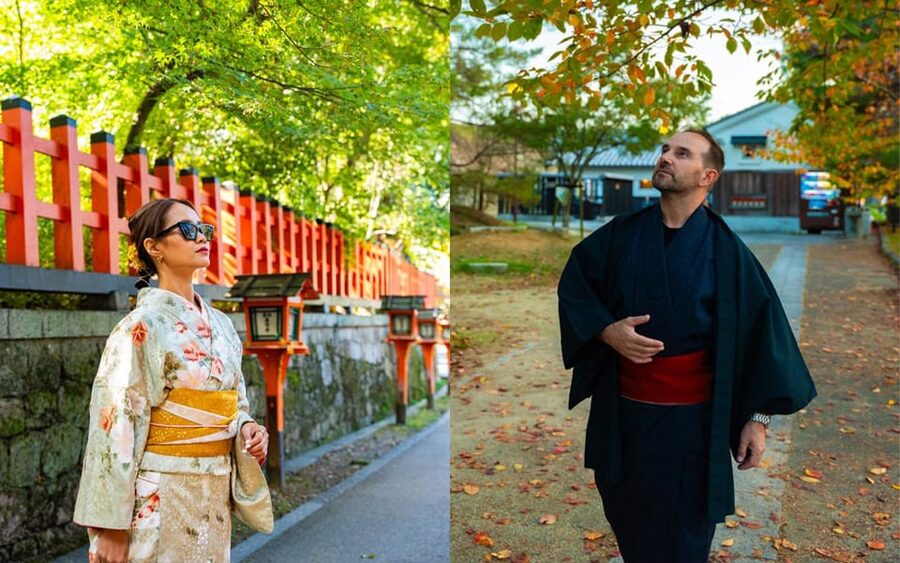
Not every “Kyoto photo” needs to be postcard-famous. The route can include Hidden Street, described as a smaller, older Kyoto atmosphere. In practical terms, that means you’re hunting for calmer corners that make your photos feel more personal and less like you followed the same checklist as everyone else.
Then there’s Maruyama Park, which gives you a softer, more serene backdrop—especially useful if you want a break from narrow lanes. Parks also offer a different kind of portrait framing: wider backgrounds, breathing room around you, and seasonal beauty if you’re traveling at the right time of year.
These two stops are the secret sauce for making your final set of photos feel varied. If your gallery only contains temple walls and dense streets, it can feel repetitive. Adding one calmer outdoor moment and one smaller street lane makes the whole set more interesting to look through later.
How the Photoshoot Actually Runs: Pacing, Posing, and the “20-Minute Confidence Boost”
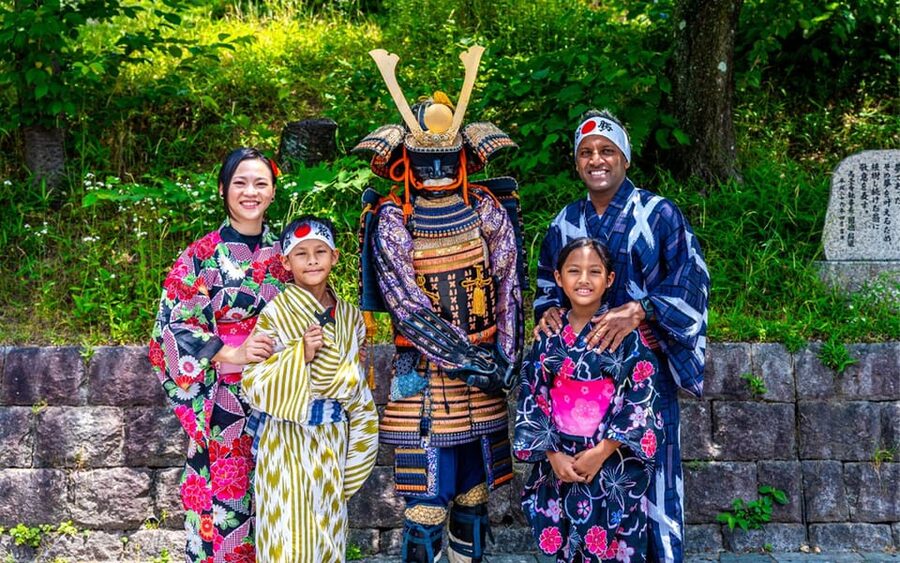
The shoot is private, so you’re not sharing time with other groups trying to get the same shot. That privacy lets the photographer slow down for you—especially if you want engagement photos, couple photos, or family portraits.
Typical planning looks like this: about 5 iconic locations in roughly 1.5 hours, but you can customize based on what you want. The overall experience duration is listed as 90 minutes to 7 hours, so if you want more time for outfit changes, more stops, or a longer scenic walk, you should be able to tailor the session to your pace.
Photo volume is part of the value. You’ll get:
- All photos from the session, around ~200 per hour, in standard-quality JPG
- 30 professionally edited high-quality JPG images
That means you’re covered even if you don’t love posing at first. Early shots might be more awkward; later shots often get better once you’re warmed up. With the big pool of images, you don’t have to nail everything in the first 5 minutes.
One more thing that shows up in feedback: photographers help you pose without making it feel like a stiff photoshoot. You’re given direction, but it stays natural—more “act like you’re enjoying Kyoto” than “stand here and smile forever.” If you want candid-looking photos, this approach is your friend.
Photo Delivery: JPGs, Editing Quality, and the Two-Week Download Window
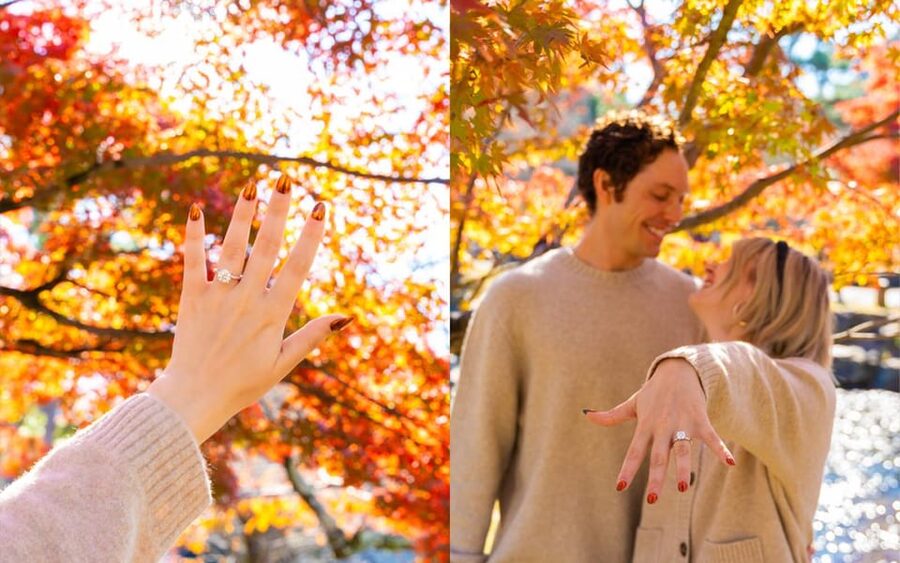
You’ll receive two sets of photos: the standard JPGs from the shoot and a curated set of 30 edited photos. Delivery is aimed for within 24 hours, but delays can happen during busy seasons. The best way to think of this is: you’ll likely get your images quickly enough for social posts, but plan your timeline with a little buffer if you’re traveling right up against major plans.
Download access is limited: photos are downloadable for two weeks after the link is sent, then they’re deleted. If you’re the type who organizes and backs up right away, you’ll love this format. If you tend to forget downloads until later, set a reminder when the link arrives.
Price and Value: What $109 Really Buys You
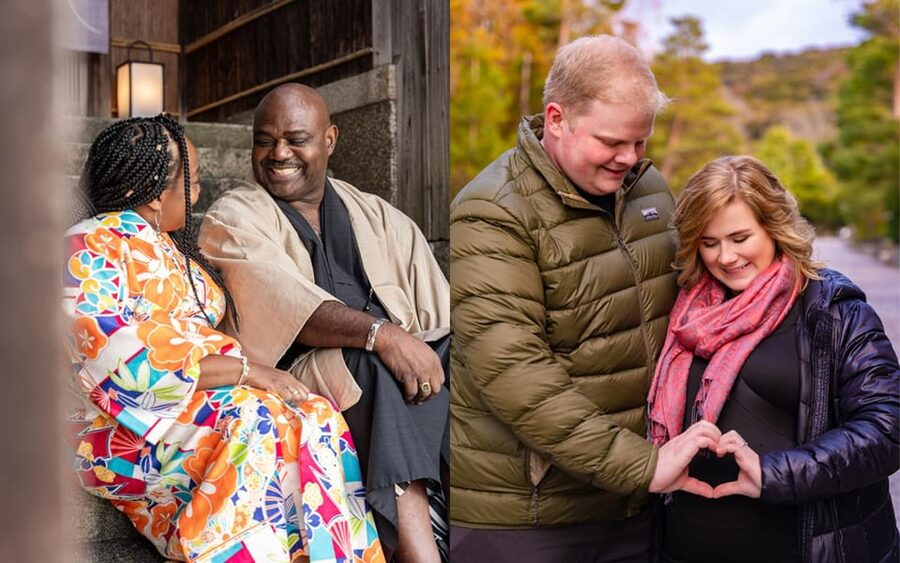
The listed price is $109 per group up to 1. That price point matters because you’re paying for both time and output—plus the know-how to get shots in a city where it’s easy to waste time.
Here’s what you’re getting for your money:
- A private photographer during your Kyoto route
- A high photo count during the shoot (so you can choose)
- 30 professionally edited images for polish
- Customization of locations based on your preferences
If you’ve ever tried to get great photos by trading your phone back and forth, you know how quickly it falls apart. This experience is designed for results: you don’t just get pictures; you get a photo plan.
One practical note: admission fees aren’t included for paid-entry stops, and you’ll cover the photographer’s admission fee at those sites. That’s the only cost risk to factor in if you’re planning to include multiple ticketed locations.
Who This Kyoto Gion Photoshoot Suits Best
This is a strong fit if you want Kyoto photos that look intentional, not accidental. It’s especially good for:
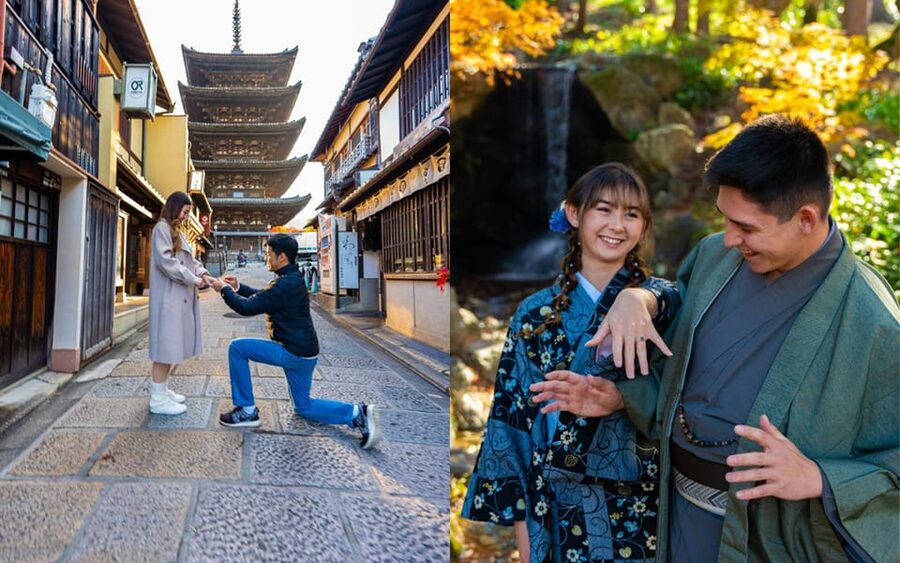
- Couples who want engagement-style images in real Kyoto streets and temples
- Solo travelers who want a full set of portraits without depending on strangers
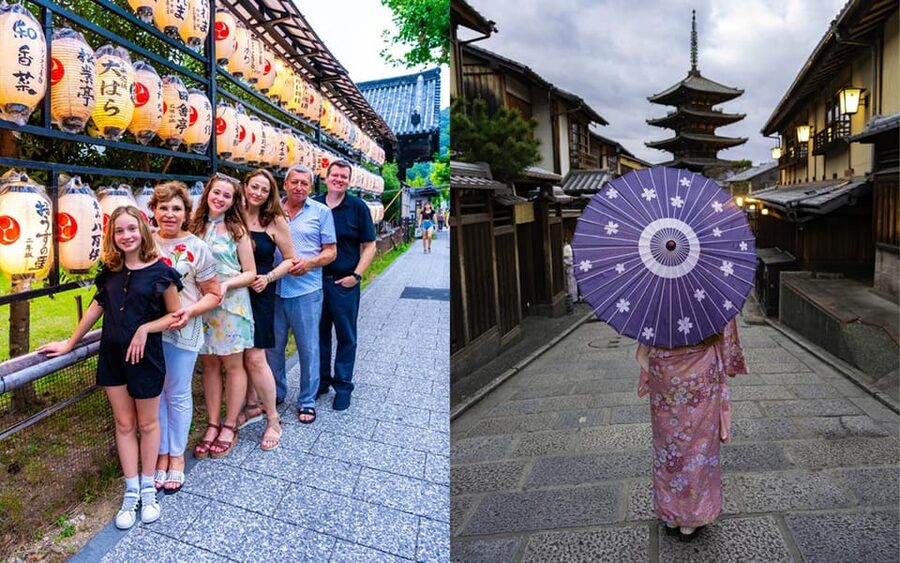
- Families who want everyone in the frame, with clear direction on poses
- People wearing kimono who want pictures that match the outfit and setting
You’ll also like it if you want a guided walk that’s more than just “here’s the map.” The photographer helps with both photography and practical direction—where to stand, when to pause, and how to get natural-looking results.
If you’re the kind of traveler who already loves taking photos on your own, you might still enjoy this because it removes the guessing. But if you want to roam completely at your own pace without stops or direction, you may prefer a self-guided photo route.
A Few Smart Tips Before You Go (So Your Photos Look Like You Meant It)
Kyoto photos are all about details: posture, timing, and how you move through space. Here are practical ways to make your session go smoothly.
- Choose your outfit with movement in mind. If you’re in kimono, plan for comfort and practice the way you’ll pose without tugging or adjusting constantly.
- Bring one simple style reference in your head. You don’t need a mood board. Just decide: do you want more portraits, more walking/candid frames, or more wide scenic shots?
- Ask for variety early. Tell your photographer you want a mix: temple/pagoda, old street, and one quieter area like a park or smaller lane.
- If you feel awkward at the start, that’s normal. The first few minutes are a warm-up. The photo volume means you don’t have to be perfect right away.
Should You Book This Kyoto Private Gion Photoshoot?
If you want Kyoto images you’ll actually keep—and you’d rather pay for guidance than spend hours chasing the right angle—this is a smart booking. The value comes from the combination of private attention, a clear route through major backdrops (Hōkan-ji, Sannenzaka, Yasaka Koshindo, plus quieter options), and deliverables that don’t leave you guessing.
Book it if you’re planning:
- A couple or engagement photo session in Kyoto
- A kimono photo day where you want both portraits and natural movement
- A solo trip where you want professional-looking images without asking strangers
Skip or rethink if you’re only interested in one quick snapshot, or if you strongly prefer total independence with zero direction. This experience works best when you’re open to the photographer leading the plan.
FAQ
How many locations do we visit during the photoshoot?
It typically includes about 5 iconic locations within roughly 1.5 hours, and the photographer can customize the route to match your preferences.
What photos do I receive?
You get all photos from the session (around ~200 per hour) in standard-quality JPG format, plus 30 professionally edited high-quality JPG photographs.
When will I receive the edited photos?
Delivery is targeted for within 24 hours, but delays can happen during busy seasons.
How long are the photos downloadable after I get the link?
The photos are downloadable for two weeks after the link is sent.
Where does the experience start?
The starting location is 625 Gionmachi Kitagawa.
Are temple or paid-entry admission fees included?
Admission fees are not included. For paid-entry sites, you’re responsible for the photographer’s admission fee.
What languages are available?
The live guide/photographer offers English, Arabic, and Japanese.
Is this a private experience?
Yes. It’s a private group photoshoot, and the experience is wheelchair accessible.
More Tour Reviews in Kyoto




More Kyoto Photo Walks
Still in Gion? Keep Going

Just added: more Kyoto tours to browse








Gion & Geisha District Tours, compared.
 ★ 4.7Kyoto Geisha Walking Tour: Gion District & Hidden GemsFrom $253,273 reviews
 ★ 4.9Gion Magical Night Walking Tour with Geisha TriviaFrom $242,393 reviews
 ★ 4.7Gion Geisha District Walking Tour – Stories of GeishaFrom $202,187 reviews
 ★ 4.9Best of Kyoto: Gion, Geisha, Pagodas & CobblestonesFrom $242,058 reviews
 ★ 4.5Night Walk in Gion: Kyoto’s Geisha DistrictFrom $212,003 reviews
 ★ 5.0Kyoto Night Foodie Tour in Gion (9+ dishes + 6 Sake tastings)From $1631,762 reviews
 ★ 5.0Kyoto Gion Geisha District Walking Tour – The Stories of GeishaFrom $251,441 reviews
 ★ 5.0Kyoto Gion: 2-Hour Geisha Culture & History Walking TourFrom $231,186 reviews
Browse the lists this tour appears in