
Reviewed · KYOTO TEA CEREMONIES
Kyoto: Tea Ceremony with Kimono and Photoshoot
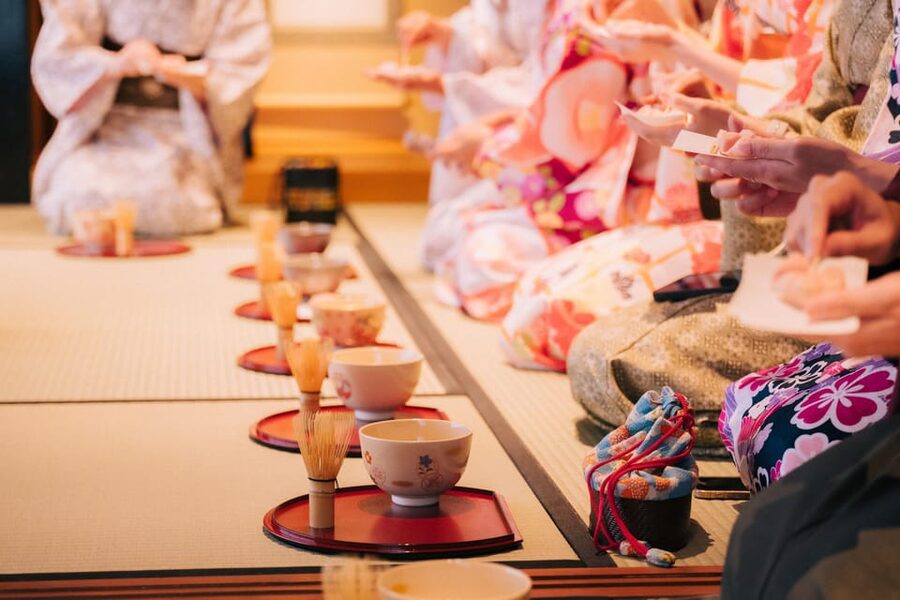
Kyoto can feel like a movie set, and this tea ceremony in a kimono is the close-up. You’ll get dressed at one of two Kyoto locations, watch an English tea demonstration, then make and drink matcha with Japanese sweets. The included professional photos make it a tidy souvenir, not just a good memory.
I love the calm, structured flow: you’re not guessing what to do, and the tea master keeps the meaning clear while you go step by step. I also like the small group size, capped at 10, so you get more hands-on attention during the matcha part. One thing to consider: the timing rules are strict, and you’ll want to avoid arriving late because you can’t join after a 10-minute cutoff.
You also get a real choice in the experience, not just a costume. Many people are able to pick kimono colors and hair accessories (where applicable), and the photoshoot is planned around your look. If you’re sensitive to quiet rules, note that you can’t wear shoes indoors and smoking isn’t allowed. And if you booked the wrong location, you won’t be able to switch on the spot, so double-check whether you’re meeting at Nishiki Market or Gion.
In This Review
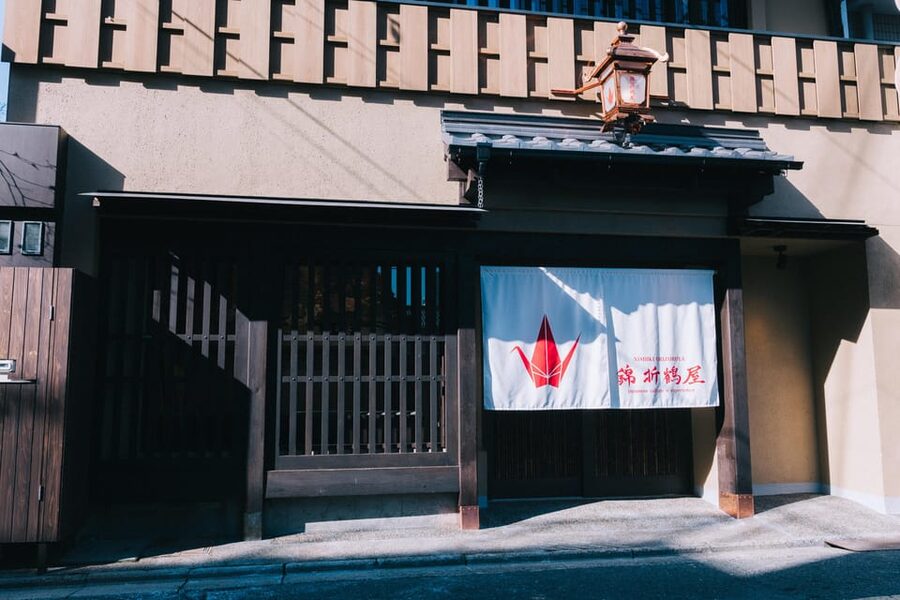
- Key Moments That Make This Kyoto Tea Ceremony Work
- Kyoto Kimono Tea Ceremony: What You’re Actually Buying
- Choosing Between Nishiki Market and Gion (and Why It Matters)
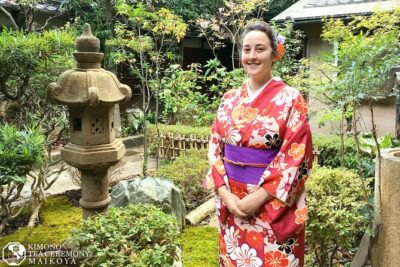
- The Start: Meeting Up and Getting Into Your Kimono
- Inside the Tea Room: English Guidance and Ceremony Meaning
- Making Matcha and Drinking It With Japanese Sweets
- The Photoshoot: 3 Professional Photos You Can Actually Use
- Time in Kimono After the Ceremony: How to Use It
- Price and Value: Why $127 Can Make Sense
- Scheduling Reality Check: The One Drawback to Plan Around
- Who This Is Best For (and Who Might Want Something Different)
- Quick Etiquette Tips So You Feel Confident
- Should You Book This Kyoto Tea Ceremony With Kimono and Photoshoot?
- FAQ
- How long is the Kyoto tea ceremony with kimono experience?
- What’s included in the price?
- Where are the meeting points?
- What time do I need to return the kimono?
- Is the tea ceremony in English?
- Are there rules about shoes and smoking?
- What happens if I arrive late?
- Do I need to tell them my height or gender in advance?
Key Moments That Make This Kyoto Tea Ceremony Work
- Two Kyoto locations with different return times: Nishiki Market ends at 6:00 PM; Gion ends at 5:00 PM, so plan your day accordingly.
- Kimono prep ahead of time: the shop needs your height and gender to prepare your kimono set.
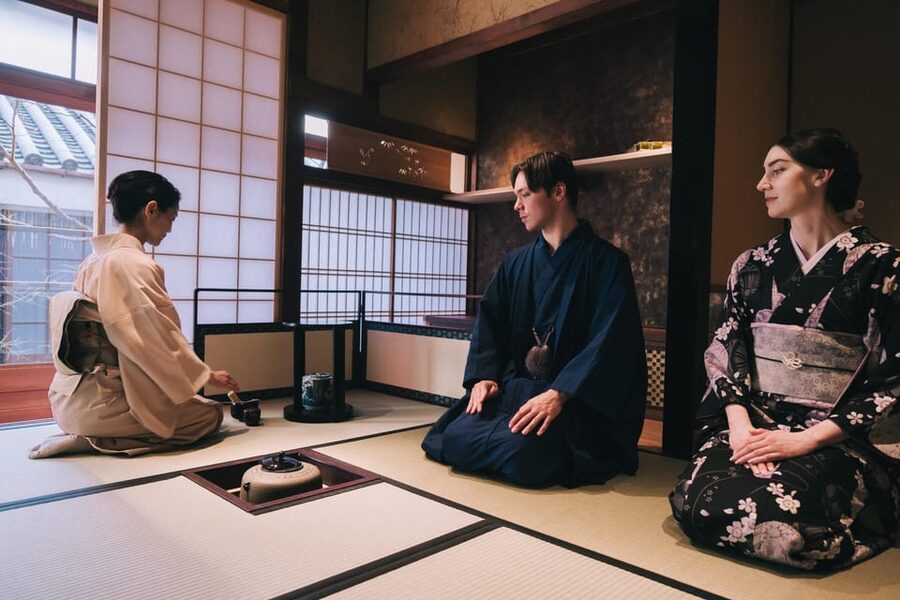
- English tea master, hands-on matcha: you learn the ceremony and then whisk your own matcha to drink with sweets.
- Professional photos included: you receive 3 photos taken by a photographer, plus some time for your own snapshots.
- Small group style: limited to 10 participants, which keeps the pace comfortable.
Kyoto Kimono Tea Ceremony: What You’re Actually Buying
This experience is built around two things: dressing like Kyoto, then understanding the tea ceremony while you do it. For $127 per person and 90 minutes total, you’re paying for the full “package”—kimono dressing, an English-language tea lesson, matcha making with sweets, and a professional photoshoot that produces 3 provided photos.
The best value here is the combination. A quick kimono rental alone can be fun, but it doesn’t teach the why behind the movements. A tea ceremony alone can be informative, but it often feels separate from your day. This ties them together, so the kimono isn’t just clothing—it becomes part of the ritual.
Sit for another bowl of matcha in a Kyoto tea house
Choosing Between Nishiki Market and Gion (and Why It Matters)
You’ll meet at one of two venues, and that choice affects how smoothly the rest of your Kyoto day goes.
- Nishiki Market location: your kimono needs to be returned by 6:00 PM.
- Gion location: your kimono needs to be returned by 5:00 PM.
In practice, this means you’ll want to plan your sightseeing around the end time. If you’re using this as an anchor for dinner or evening plans, Gion gives you less “kimono time” afterward, while Nishiki Market gives you a slightly longer runway.
Also, be careful when booking and arriving. The experience is tied to the location you selected, and you won’t be able to join if you arrive at the wrong shop. If your hotel is near both areas, it’s still worth a quick double-check the night before.
The Start: Meeting Up and Getting Into Your Kimono
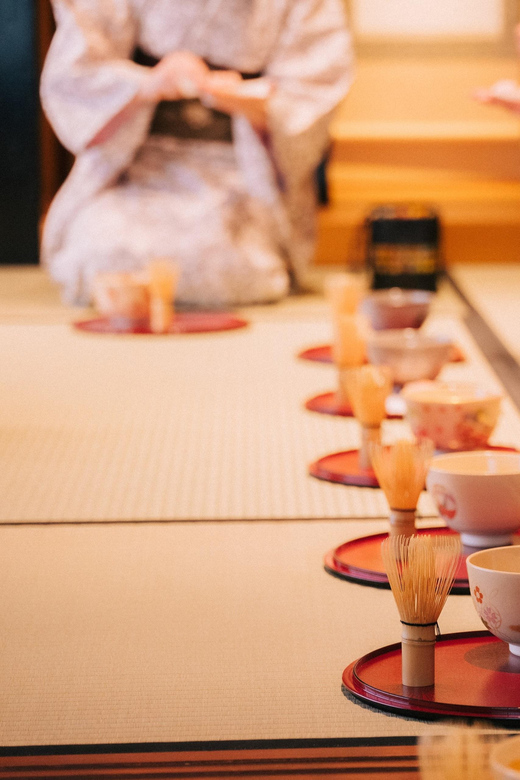
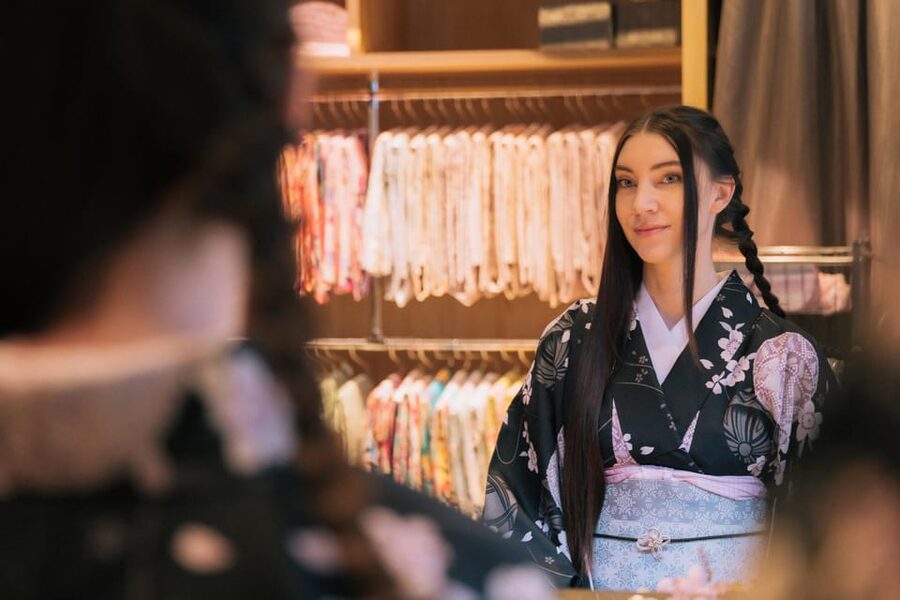
Once you arrive at the correct meeting point, the process is simple and paced. You’ll change into a kimono on-site, enter the tea room, and then follow the ceremony flow from there.
Two practical notes matter for planning:
- You’ll need to provide your height and gender in advance so the shop can prepare the right kimono set.
- Indoors, shoes are not allowed, so come wearing footwear that’s easy to take off quickly.
What I like about this setup is that it turns a potentially stressful “costume experience” into a guided ritual. Instead of waiting around while you figure out how to adjust fabric and fit, the staff helps you get ready, then keeps everything moving toward the tea lesson.
Some people also mention being able to pick kimono color and hair accessories (when applicable), which helps you feel like the kimono is yours, not just one-size-fits-all styling.
Inside the Tea Room: English Guidance and Ceremony Meaning
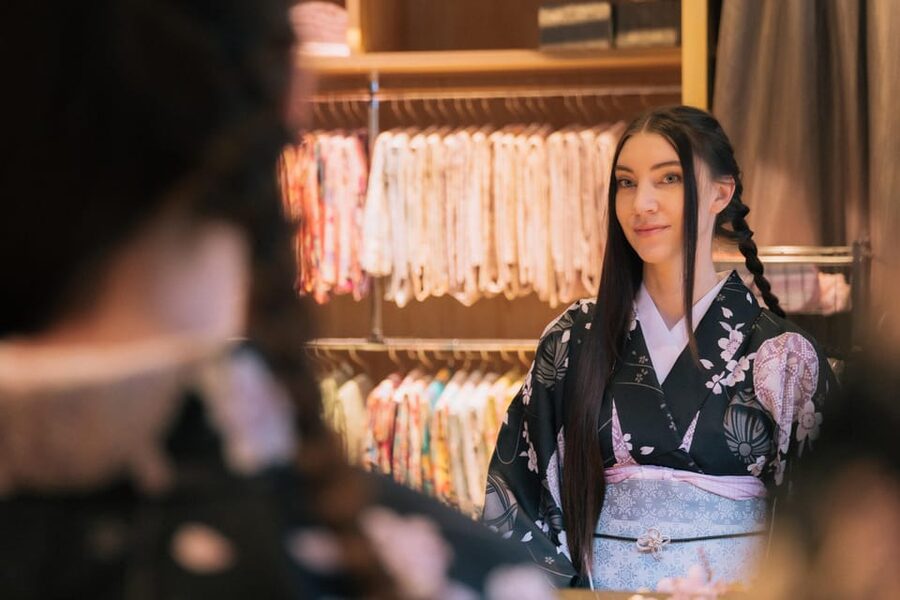
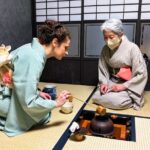
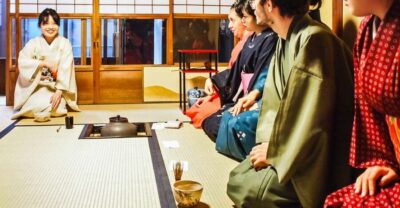
This is not a silent, confusing performance. You’ll get a tea ceremony demonstration in English, led in a relaxed, friendly way by an instructor/tea master.
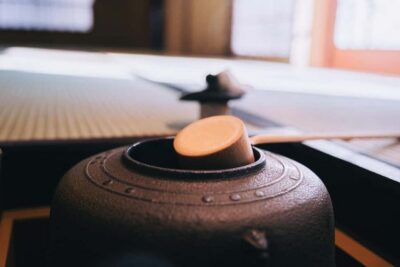
The ceremony itself includes the atmosphere and etiquette—how to handle the tea tools, how the host moves, and what the guests are meant to notice. You also learn the “why” behind it: the purpose of the steps and how the ritual connects to cleanliness and respect.
One detail that shows up clearly in the experience is the idea of purification and blessing as part of the process. You’ll see how the preparation isn’t random. It’s meant to set the tone before the tea is served.
And yes, you still get to be a participant, not just a spectator. After watching, you’ll move into making matcha yourself.
Making Matcha and Drinking It With Japanese Sweets
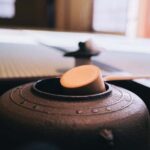
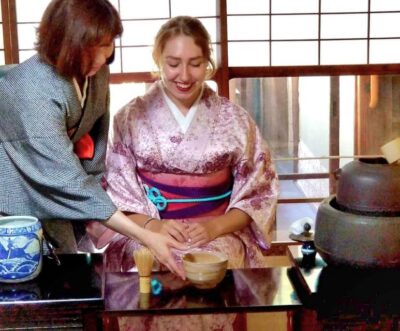
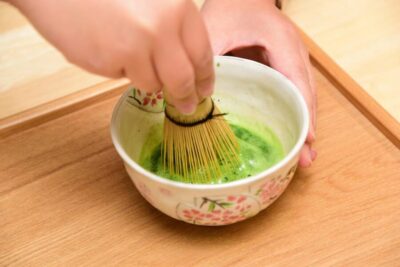
After the demonstration, the session shifts from watching to doing. You’ll make your own matcha green tea, then enjoy it with Japanese sweets.
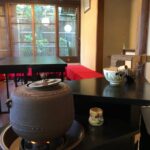
This part is where the experience becomes memorable for most people. It’s one thing to hear about matcha. It’s another to whisk it and taste the final result in the calm tea-room setting.
If you have food allergies, tell the team in advance. The information you provide is the difference between a smooth experience and an uncomfortable one.
Wander Kyoto in kimono a little longer
The Photoshoot: 3 Professional Photos You Can Actually Use
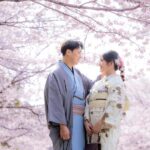
This isn’t one of those “someone snaps a couple blurry shots and you hope for the best” situations. A professional photographer takes your photos during the experience, and you receive 3 photos as a memento.
What I’d plan for is photos that match the moment: kimono on, tea setting behind you, and a look that feels Kyoto rather than generic “tourist in costume” energy.
You’ll also have time for your own photos. Many people find that helpful because you can take a few quick favorites, then still rely on the included pro images for the best shots.
Time in Kimono After the Ceremony: How to Use It
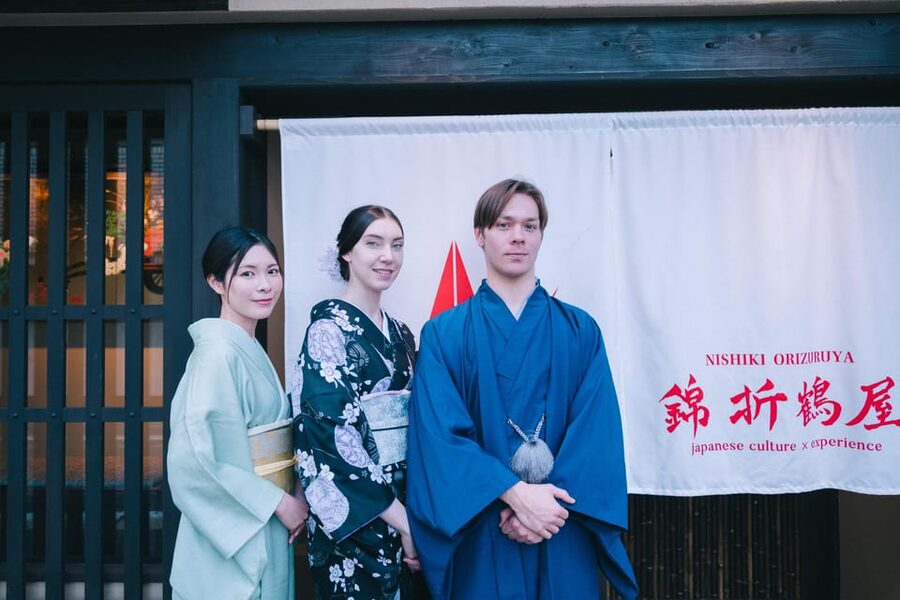
After the tea ceremony, you can stroll around in your kimono. This is one of the perks that makes the experience feel like more than a classroom lesson.
Just remember two things:
- You must return your kimono by the designated time on the same day (6:00 PM for Nishiki Market, 5:00 PM for Gion).
- Keep the indoor rule in mind if you step into shops or buildings where shoes are required; the experience explicitly says shoes are not allowed indoors during the ceremony portion.
If you’re choosing between Nishiki Market and Gion mainly for vibe, go with your gut—but plan your photos and your walking route with the return deadline in mind.
Price and Value: Why $127 Can Make Sense
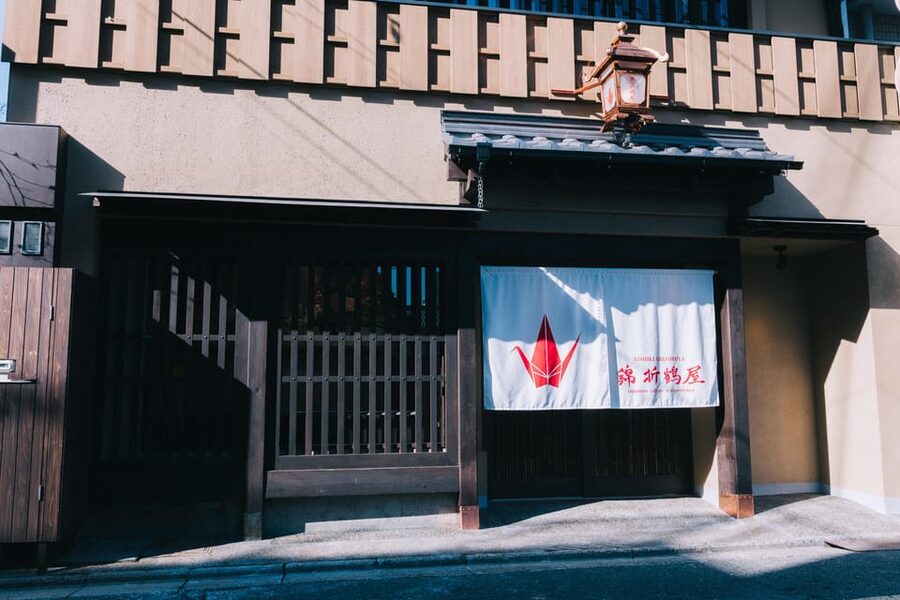
At $127 per person for 90 minutes, the price isn’t just “tea.” It includes:
- kimono dressing
- an English ceremony demonstration
- matcha and sweets
- a professional photoshoot
- 3 photos provided afterward
If you tried to DIY this, you’d likely pay separately for kimono rental, a tea class, and a photographer. Even when those costs don’t add up perfectly, it’s hard to match the convenience: one booking, one schedule, and a guided experience that keeps you from wasting time figuring things out.
That said, this is still a structured experience. If you’re expecting a totally free-form kimono wandering session with no ceremony focus, this isn’t that. The tea ceremony part is central, and the schedule moves like a proper program.
Scheduling Reality Check: The One Drawback to Plan Around
The most common practical issue is not the quality—it’s timing patience.
One person noted arriving before the scheduled start, with the ceremony happening later than expected. That kind of delay can happen with small-group operations, partly due to dressing and room flow. So bring a little buffer mindset. If you have a tight connection, don’t book something right on top of it.
Also, be strict with arrival time. If you’re more than 10 minutes late, you’re not allowed to join, and there’s no refund in that case. Kyoto traffic and walking time can be unpredictable, so build in time to reach the correct shop.
Who This Is Best For (and Who Might Want Something Different)
This Kyoto tea ceremony with kimono and photoshoot is ideal if you:
- want a genuinely cultural activity, not just a photo session
- like guided experiences in English
- appreciate etiquette and ritual, even if you’re new to it
- want a reliable souvenir that looks good in your camera roll
It’s less ideal if you:
- need a wheelchair-friendly format, since it’s not suitable for wheelchair users
- are traveling with children under 5 (not suitable)
- want maximum spontaneity, since the program includes strict time rules and indoor shoe restrictions
Quick Etiquette Tips So You Feel Confident
You don’t need to memorize a handbook, but these small things help you relax:
- Plan to move carefully and quietly indoors while you’re in the tea room.
- Expect a short, structured flow—then your chance to make matcha.
- Keep your arrival timing realistic. A 10-minute cutoff means you should aim to be early.
Should You Book This Kyoto Tea Ceremony With Kimono and Photoshoot?
I’d book it if you want the full Kyoto “dress + ritual + learning + photos” combo in one clean 90-minute block. The biggest strengths are the structured teaching in English, the chance to make your own matcha, and the fact that the photos are part of the package rather than an optional extra gamble.
Skip it only if you’re chasing a totally casual kimono roam with no ceremony depth, or if your day is so tightly scheduled that you can’t handle small delays. If you can arrive on time and you’re open to a short etiquette-focused experience, this is a high-quality way to spend an evening in Kyoto.
FAQ
How long is the Kyoto tea ceremony with kimono experience?
The experience lasts 90 minutes.
What’s included in the price?
It includes an English tea ceremony demonstration, kimono dressing, matcha green tea and sweets, and a professional photographer who provides 3 photos.
Where are the meeting points?
There are two options: a Nishiki Market location and a Gion location. The exact meeting point can vary depending on which option you book.
What time do I need to return the kimono?
Return times depend on the location: 6:00 PM for Nishiki Market and 5:00 PM for Gion.
Is the tea ceremony in English?
Yes. The instructor provides the tea ceremony demonstration in English.
Are there rules about shoes and smoking?
No smoking is allowed, and shoes are not allowed indoors.
What happens if I arrive late?
If you are later than 10 minutes from the starting time, you are not allowed to join and there is no refund in that case.
Do I need to tell them my height or gender in advance?
Yes. The shop needs your heights and gender of all participants to prepare the kimono set in advance.
More Kyoto Photo Walks


More Kimono Days in Kyoto
One More Bowl of Matcha
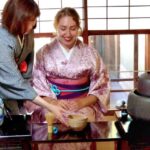

Just added: more Kyoto tours to browse


Kyoto Tea Ceremonies, compared.
 ★ 4.9Tea Ceremony in a Traditional Tea House in KiyomizuFrom $493,519 reviews
 ★ 4.9Tea Ceremony Ju-An at Jotokuji TempleFrom $293,207 reviews
 ★ 4.345-Minute Tea Ceremony Lesson ExperienceFrom $222,378 reviews
 ★ 4.9Table-Style Tea Ceremony at a Kyo-MachiyaFrom $451,211 reviews
 ★ 5.0Kimono Tea Ceremony at Kyoto Maikoya, NISHIKIFrom $65911 reviews
 ★ 5.0Arashiyama Bamboo Forest, Monkeys, Matcha & Temple TourFrom $53759 reviews
 ★ 4.9Tea Museum Tickets and Matcha Grinding ExperienceFrom $23739 reviews
 ★ 4.9Kimono Tea Ceremony at Orizuruya GionFrom $49618 reviews
Browse the lists this tour appears in