
Reviewed · ARASHIYAMA & BAMBOO GROVE TOURS
Kyoto: Private Photoshoot Experience in Arashiyama Bamboo
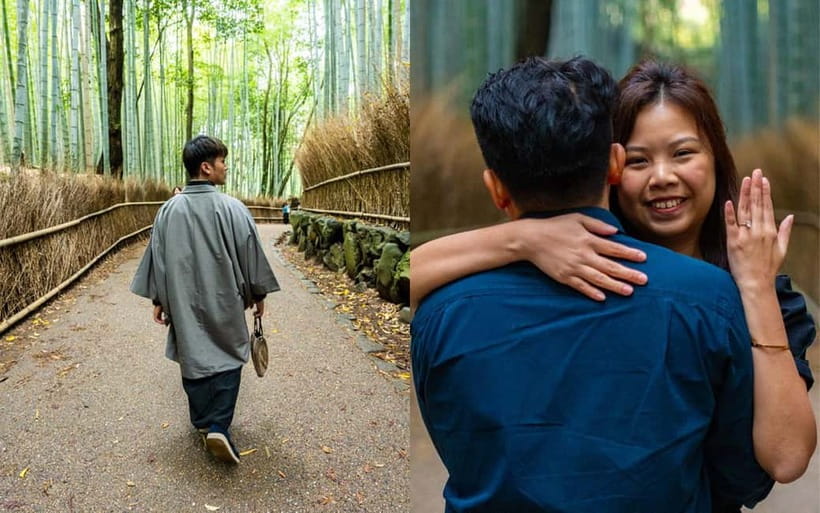
Bamboo crowds need a plan. This private Arashiyama photoshoot turns the bamboo grove and riverside landmarks into a guided picture walk, with private posing help and 30 professionally edited photos in the mix. One drawback to plan for: you’ll be moving between popular spots, so expect crowds and bring comfortable shoes.
You’ll meet at Arashiyama Station (Randen line) and head into the Arashiyama sights, typically stacking stops like Togetsukyo Bridge views, Katsura River paths, the Bamboo Forest, Kimono Forest pillars, and even Nonomiya Shrine. Many sessions cover 5–6 places in about 1.5 hours, with room to tailor the route to your style.
In This Review
- Key Highlights You’ll Actually Feel
- Turning Arashiyama Into a Real Photo Walk
- The Usual Flow: Togetsukyo Bridge First, Then Bamboo Forest
- Kimono Forest and Nonomiya Shrine: Kyoto Beyond the Main Postcard
- Katsura River Walks and Hidden Spots Around Arashiyama
- How the Photographer Gets Results (Even When You Don’t Know What to Do)
- What You Receive: Edited Photos, JPG Files, and Turnaround Time
- Price and Value: Why $129 Can Make Sense
- Who This Is Perfect For (And Who Might Want Something Else)
- Timing Tips So Your Photos Don’t Feel Rushed
- Quick Practicalities: Meeting, Language, and End Point
- Should You Book This Arashiyama Bamboo Photoshoot?
- FAQ
- How many edited photos do I get?
- Do I get the unedited photos too?
- When will I receive my photos?
- Can I get raw files?
- Where do we meet?
- What locations are commonly included?
- Can I customize the route?
Key Highlights You’ll Actually Feel
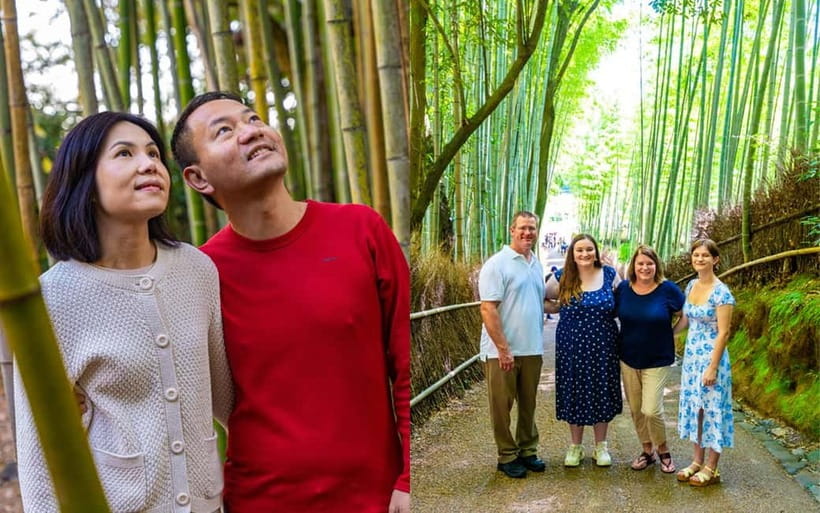
- Bamboo Forest + Togetsukyo Bridge in one run: you cover the two big Arashiyama icons without spending your day playing photo roulette
- Kimono Forest pillars and Nonomiya Shrine: you get Kyoto details that are easy to miss when you’re just sightseeing
- Pose guidance that makes strangers feel natural: multiple shoots emphasize step-by-step direction, confidence, and comfort
- A lot of keepers, not just a couple: 30 edited photos, plus a batch of unedited JPGs for personal use
- Crowd-smart shooting: photographers are used to busy seasons and still find angles that look calm
- It ends with a breather: the session typically finishes at a cozy Arashiyama café so you’re not sprinting afterward
Turning Arashiyama Into a Real Photo Walk
Arashiyama is famous for a reason, but it’s also the kind of place where your results depend on luck. One minute you’re in front of the Bamboo Forest; the next minute you’re stuck taking photos with half the frame full of other people. This experience fixes that with a simple idea: you’re not just walking around, you’re being guided.
The private format matters. You can move at a pace that fits you, pause when you want, and redo shots if something feels off. If you’re a couple, it’s a relief because you’re not constantly handing your phone back and forth, hoping both faces are sharp. If you’re solo, it’s even more valuable: you get coverage and angles you can’t easily fake with a timer.
I also like that you’re not locked into only the “must-see” list. The plan is flexible. In practice, that means the photographer can adjust the route to what you want: iconic landmarks, quieter corners nearby, or a heavier emphasis on the bamboo and riverside atmosphere.
Deeper into Arashiyama, past the bamboo and the Hozu river

The Usual Flow: Togetsukyo Bridge First, Then Bamboo Forest
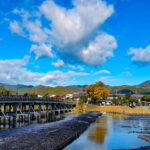
Most sessions start with Togetsukyo Bridge. It’s one of those Kyoto views where the mountains and river give you instant depth. It’s also the kind of location where timing and positioning really count, because the background can look totally different depending on where you stand and when the crowd shifts.
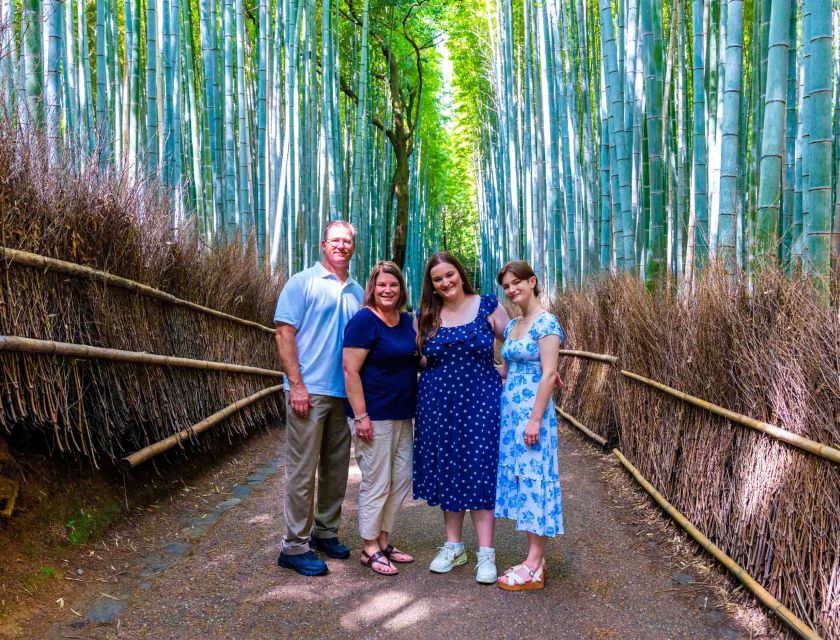
From there, you move into the Arashiyama bamboo area. The Bamboo Forest is the main character here: the repeating green columns create natural lines that make photos look structured even when you’re not doing anything complicated. The photographer’s job is to help you use that structure—where to stand, how to angle your body toward the grove, and how to keep your face in the best light while you’re surrounded by moving visitors.
In busy periods, you might notice people clustered at the same view points. This is where the “private” part becomes practical. You’re not competing for the exact same spot the whole time. You can work through multiple perspectives, and your photographer can guide you to spots that look more spacious than the obvious ones.
What you’ll likely feel most: this doesn’t feel like a checklist. It feels like someone knows how to turn a famous area into a set of photos you’d actually want to print.
Kimono Forest and Nonomiya Shrine: Kyoto Beyond the Main Postcard
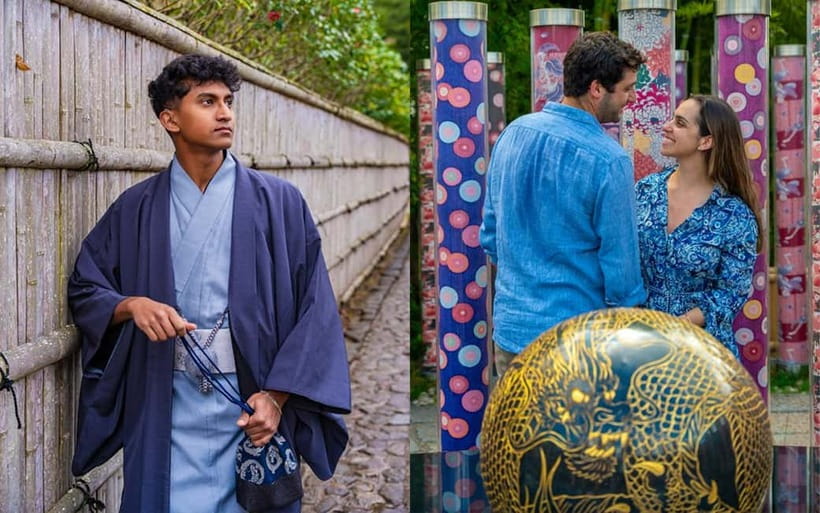
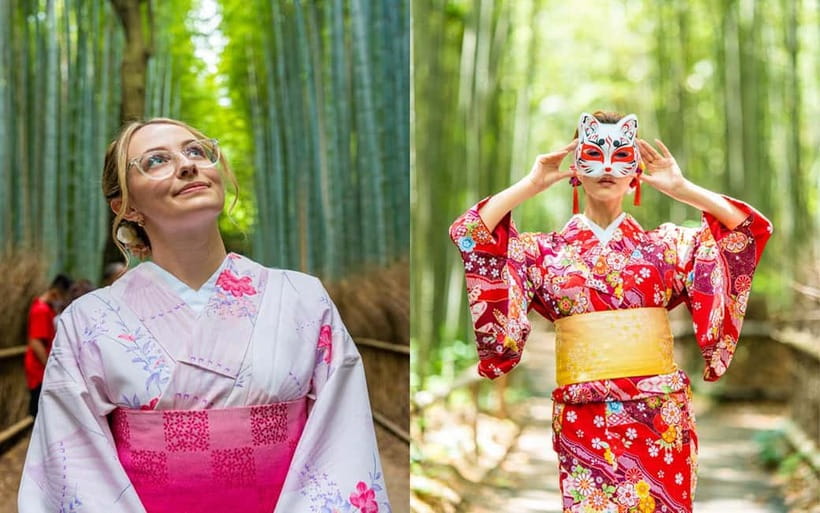
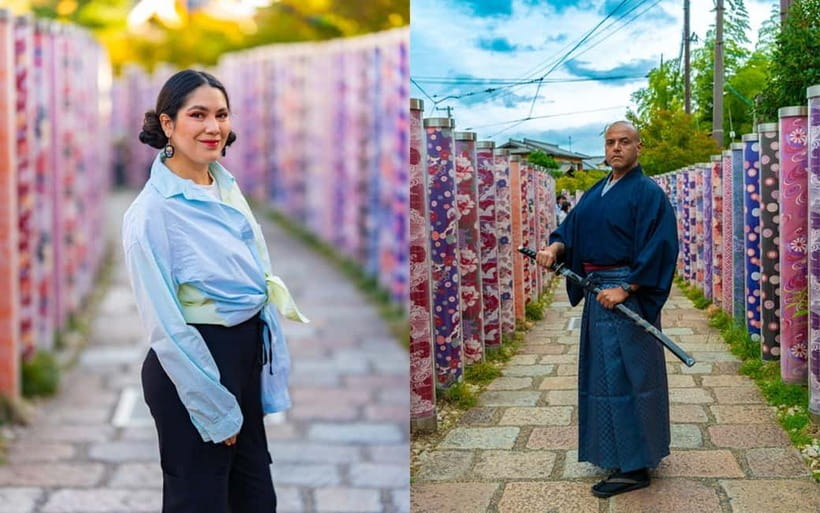
After you get your bamboo moments, the route often turns toward the colorful Kimono Forest area—those kimono-pattern themed pillars are designed for photography. Here’s why it works even for people who don’t care about photos much: the patterns give your background personality. Instead of a plain temple wall or a sky-only shot, you get a built-in visual story behind you.
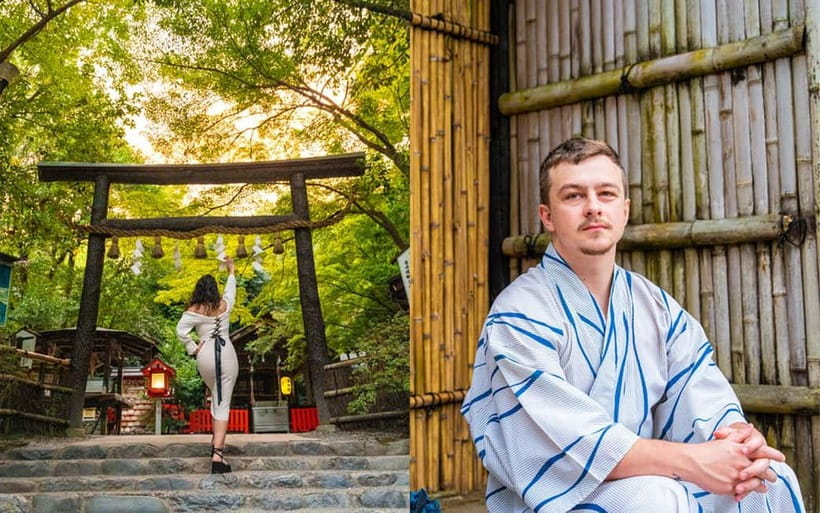
Next, you may visit Nonomiya Shrine. A shrine stop sounds like a detour if you’re only chasing bamboo photos, but it’s actually a good change of pace. Shrine areas tend to offer a different mood: more texture, more subtle details, and backgrounds that don’t look like every other Instagram post. If you want variety in your final set, this is one of the best ways to get it without adding travel time to your day.
One helpful detail from real sessions: photographers frequently guide you through small pose adjustments on the spot. That means you’re less likely to end up with the same body position repeated in front of different backdrops. Reviews often highlight that the photographer keeps people comfortable, and gives direct instruction for expressions and body angles—especially for first-timers who feel awkward.
Also, don’t worry if the area is busy. Multiple sessions note that the photographer can still find good spots even when the bamboo and bridge zones are crowded.
Katsura River Walks and Hidden Spots Around Arashiyama
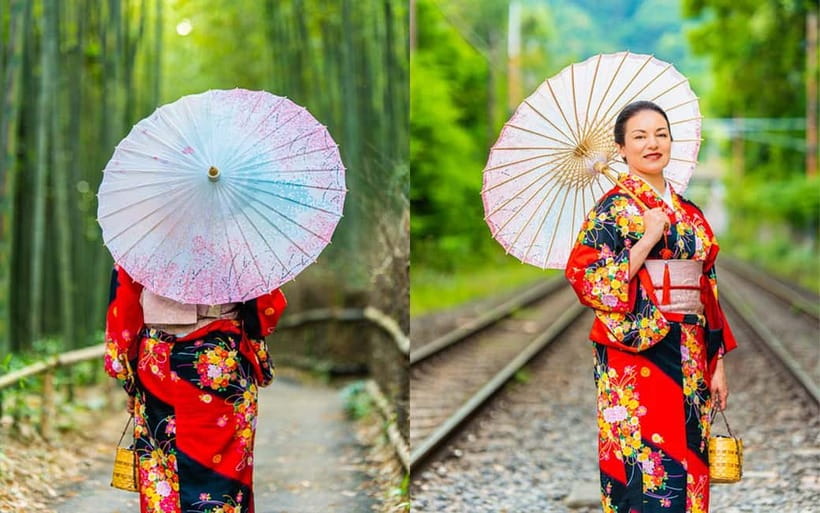
There’s a reason the Katsura River area keeps showing up in Arashiyama photos. The walkways give you a calmer pace and a sense of openness compared with the bamboo grove’s tight rhythm. If you want a softer look—something between sightseeing and portraits—this riverside time is where your set often starts to feel balanced.
The experience includes time at a riverside path, and there’s also room for other nearby points you might not think to search for on your own. The best part of “hidden spots” here isn’t that they’re secret forever. It’s that you get someone steering you away from the most obvious photo congestion and toward angles that look intentional.
If you’re traveling with family, this part can help you breathe. Kids and older relatives often do better with a steady walk and fewer rapid-fire photo stops. And if you’re a couple, riverside shots tend to feel more relaxed, less forced.
How the Photographer Gets Results (Even When You Don’t Know What to Do)
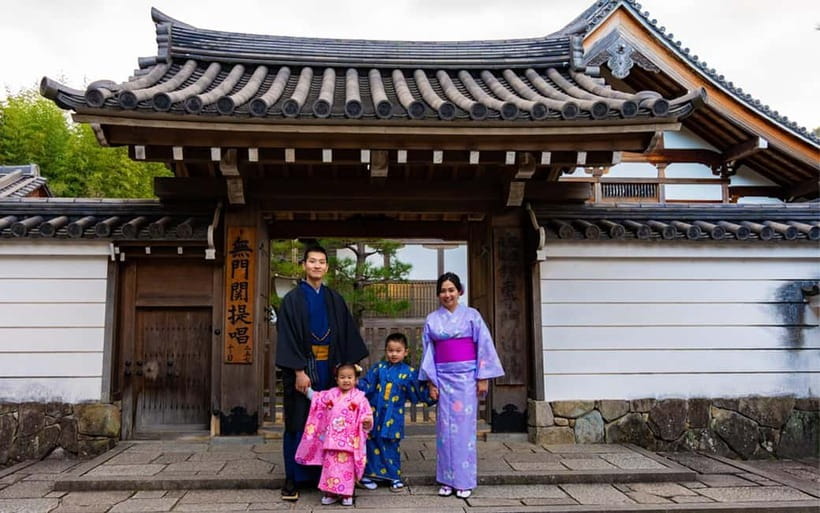
Let’s talk about the real magic: direction. People often assume photoshoots are mostly standing still and hoping for good luck. In these Arashiyama sessions, the consistent theme is that photographers make you look good through coaching.
From multiple sessions, names like Mina, Josh, and Micky come up as the photographers who lead the shoots. The common thread across those experiences: they’re professional, patient, and good at adjusting the pace and poses so you’re comfortable. One reviewer even described being shown clicks as you go, which is useful because it helps you correct things immediately instead of wondering later.
Another practical detail: if weather turns, photographers have sometimes helped with gear like an umbrella to keep the momentum going. You won’t want to count on perfect conditions, but it’s reassuring to know the session isn’t strictly “good weather only.”
You can expect:
- Pose tips for body and face angles
- Guidance on what to do with your hands and how to stand naturally
- Patience when crowds are heavy
- Time spent fine-tuning shots so you don’t feel rushed
The vibe is also surprisingly social. Several reviews mention friendly, easy conversation during the walk—plus tips about what to eat and where to relax after the shoot. That matters because it turns the session into part of your Kyoto day, not just a photo transaction.
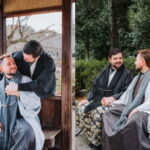
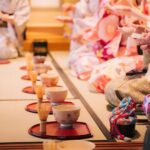
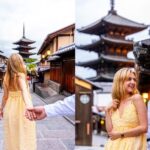
More Kyoto backdrops for your own photo walk

What You Receive: Edited Photos, JPG Files, and Turnaround Time
Here’s what you get, in plain terms.
You receive standard-quality JPGs from the shoot (the amount is estimated around 200 photos per hour) plus 30 professionally edited, high-quality JPG photos. The edited images are delivered within 24 hours, though delays can happen during busy seasons.
Two other points are worth knowing:
- You keep downloading access for two weeks after the delivery link is sent. After that, the files are deleted.
- Raw files are not included by default. If you want raw files, there’s an extra cost listed as ¥10,000 per booking.
If you’ve ever been disappointed by “edited photos” that look like the photographer picked only the safest shots, this is a reassuring structure: you’re getting a batch of unedited JPGs plus a curated set of edited images.
Also, since the deliverables are JPGs, they’re simple to use. You can share them right away and print without special software. It’s a straightforward setup for a travel memory you’ll actually revisit.
Price and Value: Why $129 Can Make Sense
The price is listed as $129 per group up to 1, with a duration range of 90 minutes to 7 hours. For Arashiyama, that can be a good value when you think about what’s included:
- You’re paying for a local photographer to handle timing, positioning, and crowd management.
- You’re paying for editing on a set of 30 photos, not just a handful.
- You’re not just buying images; you’re buying guidance so you feel good during the shoot.
If you’ve ever tried to get “nice couple photos” by asking strangers or doing a phone-timer approach, you know how unreliable it gets in crowded places. This package removes the awkward part and saves time. Instead of hunting for spots and hoping your framing works, you’re following a planned route that hits the highest-impact locations in a reasonable window.
One consideration: because it’s a private shoot, you’re getting value best when you’re ready to walk and focus for a bit. If you want a completely passive sightseeing day where you stop whenever you want and never feel “in session,” you might prefer a standard guide tour or a simple self-walk photo plan.
Who This Is Perfect For (And Who Might Want Something Else)
This works especially well for:
- Couples who want natural-looking photos without constantly directing each other
- Solo travelers who want portraits and better angles than a phone timer can handle
- Families who want someone to help with posing and keep the group moving smoothly
- First-time photoshoot people who feel nervous about posing
Reviews repeatedly mention that photographers make people comfortable, guide expressions, and handle the “I don’t know how to pose” moment with patience. That’s a big deal. Kyoto photos look best when you’re relaxed, and you can’t fake that.
You might think twice if:
- You’re only interested in one single spot and don’t want the walk between multiple areas
- You’re expecting zero crowd impact. Arashiyama is popular, and even with smart planning, you’re in a famous zone
Timing Tips So Your Photos Don’t Feel Rushed
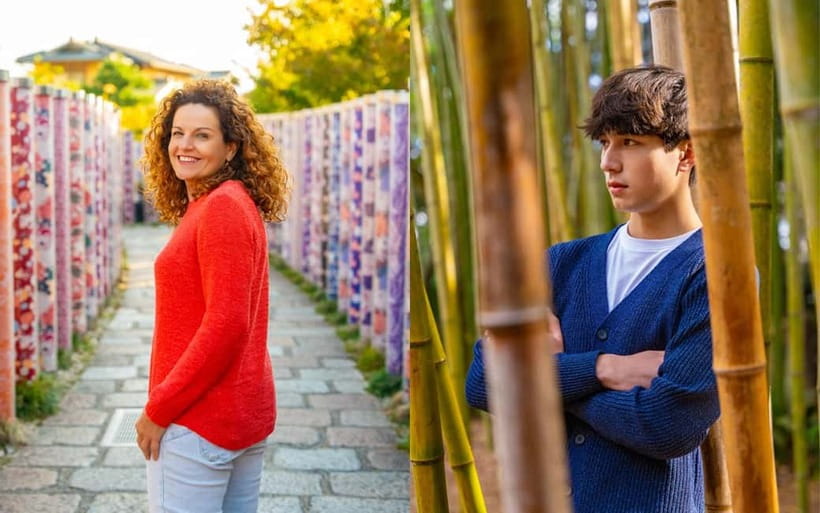
Even though the day is flexible, your best results come when you’re mentally ready to spend time at each location. In busy seasons, the route typically focuses on around 5–6 recommended spots within about 1.5 hours, and you can adjust the shoot to your preferences.
If you’re booking for the bamboo area, plan to dress for walking and photos. Breathable layers help because you may start near the station, then move into areas with changing light under trees and around bridges.
And bring the mindset of a photo walk, not just a tourist day. When you’re treating the session as a guided creative walk, you tend to get more variety in your final set.
Quick Practicalities: Meeting, Language, and End Point
Meet your guide in front of Arashiyama Station (Randen line). From there, you’ll move through the Arashiyama area toward your first big stop, commonly Togetsukyo Bridge, and then continue across the route.
Languages offered include Arabic, English, and Japanese, which is handy if you want clear posing direction. The experience is also listed as private and wheelchair accessible, so you can plan around your comfort needs.
The session typically ends at a cozy café in Arashiyama, which is a smart close. You’ll likely feel a bit photo-tired after walking and posing, and a café stop helps you reset before continuing your Kyoto day.
Should You Book This Arashiyama Bamboo Photoshoot?
Yes, I’d book it if you want a Kyoto memory you can share right away and feel proud of. The biggest selling point is the mix of guidance + strong photo output: 30 edited photos delivered quickly, plus a larger batch of JPGs. Add in the fact that the photographer helps you pose and adjust even when crowds are thick, and you’re buying a smoother, less stressful way to get standout images.
Skip it if you’re only looking for one postcard angle and you want a purely self-paced day with no “photo session” feeling. In that case, Arashiyama is easy to explore on your own.
FAQ
How many edited photos do I get?
You receive 30 professionally edited high-quality JPG photos as part of the experience.
Do I get the unedited photos too?
Yes. You’ll get all photos from the shoot in standard-quality JPG format (estimated around 200 photos per hour).
When will I receive my photos?
Edited photos are typically delivered within 24 hours, though delays may happen during busy seasons.
Can I get raw files?
Raw files are not included by default. They are available for an extra ¥10,000 per booking.
Where do we meet?
Meet your guide in front of Arashiyama Station (Randen line).
What locations are commonly included?
Common stops include Togetsukyo Bridge, the Bamboo Forest, the Kimono Forest, the riverside path along the Katsura River, and Nonomiya Shrine, plus other nearby spots.
Can I customize the route?
Yes. The itinerary can be adjusted to your preferences, and you can request specific locations. The usual coverage is 5–6 recommended locations in about 1.5 hours.
More Tour Reviews in Kyoto





More Kyoto Photo Walks
More of Arashiyama and Sagano
Just added: more Kyoto tours to browse








Arashiyama & Bamboo Grove Tours, compared.
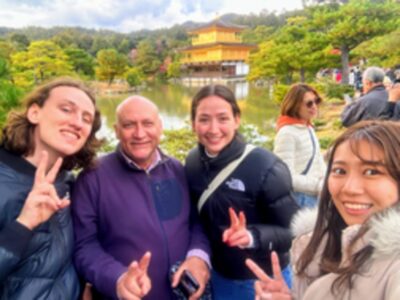 ★ 4.8Fushimi Inari, Kinkakuji, Bamboo Grove 1 Day Bus TourFrom $1224,316 reviews
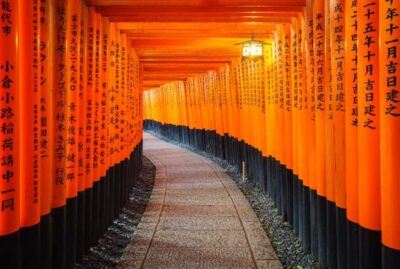 ★ 4.1Osaka/Kyoto:Kinkakuji,Arashiyama,FushimiInariShrine,NaraParkFrom $661,596 reviews
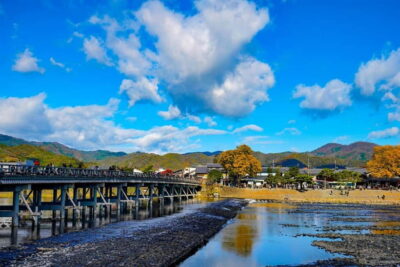 ★ 4.7Kyoto/Osaka: Nara, Fushimi Inari Taisha, Arashiyama Bus TourFrom $521,275 reviews
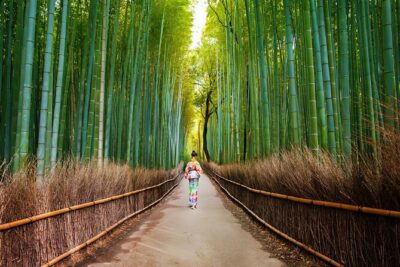 ★ 5.0Kyoto Arashiyama Walking Tour: Bamboo, Monkeys, Gardens & SecretsFrom $651,216 reviews
 ★ 4.8Arashiyama Bamboo, Temple, Monkeys, or Secret Sake BreweryFrom $87886 reviews
 ★ 5.0Arashiyama Bamboo Forest, Monkeys, Matcha & Temple TourFrom $53759 reviews
 ★ 4.4Osaka/Kyoto: Arashiyama, Nara & Fushimi Inari Shrine w/LunchFrom $61754 reviews
 ★ 5.0Nijo, Kinkaku-ji, Arashiyama, Kiyomizu & Fushimi InariFrom $51699 reviews
Browse the lists this tour appears in