

Reviewed · NARA DAY TRIPS FROM KYOTO
Kyoto/Osaka: Kyoto and Nara World Heritage Day Tour
Red torii and deer in one day. I like how this Kyoto and Nara tour builds a full itinerary around Kiyomizu-dera for calm hillside temple views and Fushimi Inari for that unmistakable red-torii tunnel. The main thing to watch is timing: traffic, bad weather, or peak-season crowds can squeeze site time.
You’ll ride in an air-conditioned bus with a live multilingual guide (English, Traditional Chinese, Japanese) and a professional driver. It’s a shared group format, and you should plan on walking quite a bit from where the bus parks.
In This Review
- Key points before you go
- A 10-Hour Kyoto and Nara Day: What You’re Really Signing Up For
- Meeting Point, Bus Ride, and the Osaka-Only Drop-Off
- Kiyomizu-dera and Kyoto’s Old Streets: Your Best Stretch of Slower Time
- From Hanamikoji to Yasaka Shrine: A Neighborhood Walk, Not Just Landmarks
- Fushimi Inari Taisha: The Red Torii Walk That People Remember
- Nara Park and the Deer Routine: Fun, But Use Common Sense
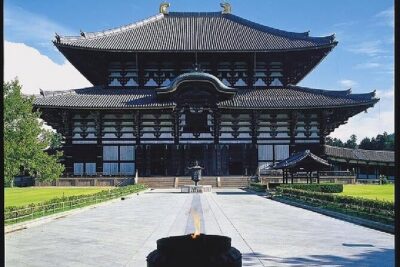
- Todaiji Temple: The Scale Moment (Entry Depends on Your Choice)
- Kimono Rental Option: Worth It If You Want the Full Photo Story
- Price and Value at $61: Good Structure, Limited Extra Time
- Pacing, Weather, and Crowd Reality: Plan Less After This Tour
- Who This Tour Fits Best (And Who Might Want Another Plan)
- Should You Book This Kyoto and Nara Tour?
- FAQ
- How long is the Kyoto and Nara World Heritage Day Tour?
- Where can I start the tour, and where does it end?
- What is included in the price?
- Is lunch included?
- Which languages is the live tour guide available in?
- How much time do we spend at Kiyomizu-dera and Fushimi Inari?
- Is kimono rental included?
- Can I interact with the deer at Nara Park?
- Do we visit Tōdai-ji?
- Is the tour suitable for wheelchair users?
Key points before you go
- Kiyomizu-dera + Kyoto lanes: photo stops and time to wander older streets near the temple area
- Fushimi Inari torii tunnel: guided time plus the chance to decorate an ema at the shrine
- Nara Park deer etiquette: buy deer crackers on-site and keep a safe distance if they crowd
- Todaiji included as a photo stop: you’ll get a taste of the scale, with entry extra if you want inside
- Guide quality really matters here: people often praise guides like YURI for being patient and kind
A 10-Hour Kyoto and Nara Day: What You’re Really Signing Up For
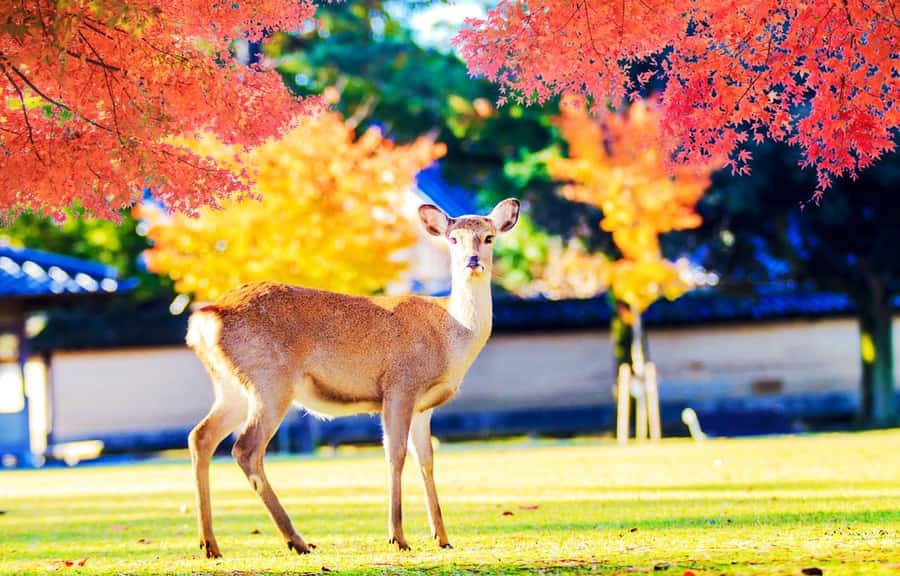
This is a classic “big hits” day trip from Osaka that strings together Kyoto’s most famous temple-and-shrine stops, then swaps city lanes for Nara Park and deer.
The time pressure is real, and that’s not a flaw if you go in with the right mindset. Think of it like a well-organized sampling platter: you get major landmarks, good context from a guide, and enough wandering to feel like you’re moving through real neighborhoods—not just standing in a line.
The practical upside: transportation is included, so you don’t have to plan trains, transfers, and schedules across multiple cities for just one day.
More day trips out to Nara and its bowing deer
Meeting Point, Bus Ride, and the Osaka-Only Drop-Off
You can start from one of two options: Kyoto Station (Hachijoguchi) or Osaka at Nipponbashi (1-chōme-3-6). Either way, you finish in Osaka—the drop-off location is only in Osaka.
Expect a decent chunk of ride time. The itinerary includes about 1.5 hours of bus/coach time early on, then shorter hops between sites (including a 15-minute move and later bus segments around 50 minutes and 1 hour). That’s one reason this day works best when you keep your expectations realistic.
Also, plan for group travel logistics. You’ll want to arrive at the meeting point at least 15 minutes early, because you’ll be joining other groups and finding the right start spot can take time.
Kiyomizu-dera and Kyoto’s Old Streets: Your Best Stretch of Slower Time
The tour begins around the Kiyomizu-dera area, and this is where you get the most “Kyoto feeling” per minute.
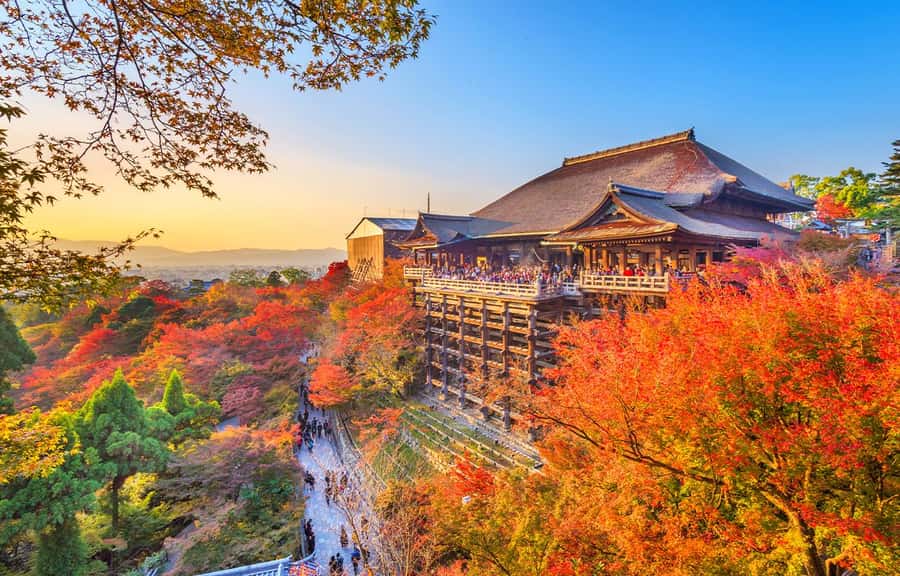
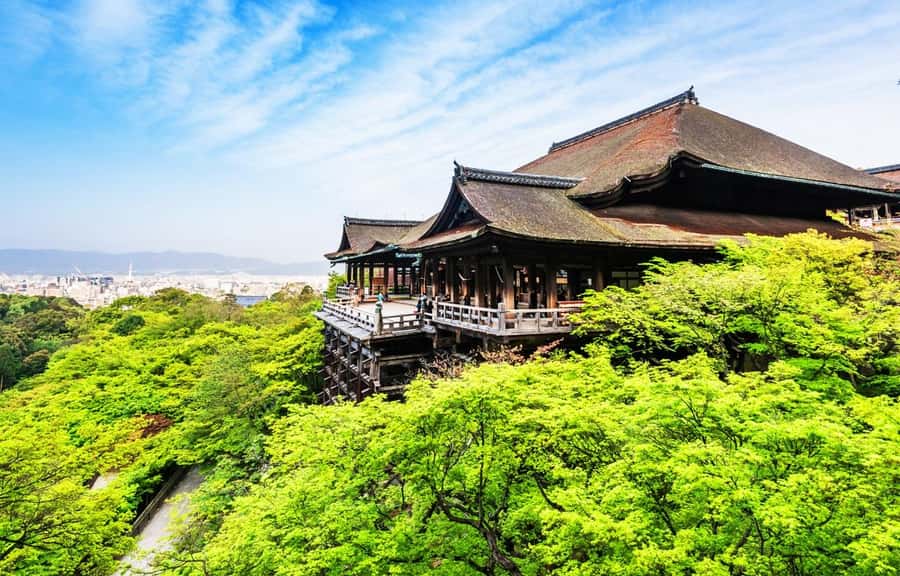
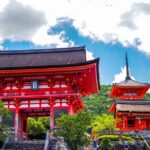
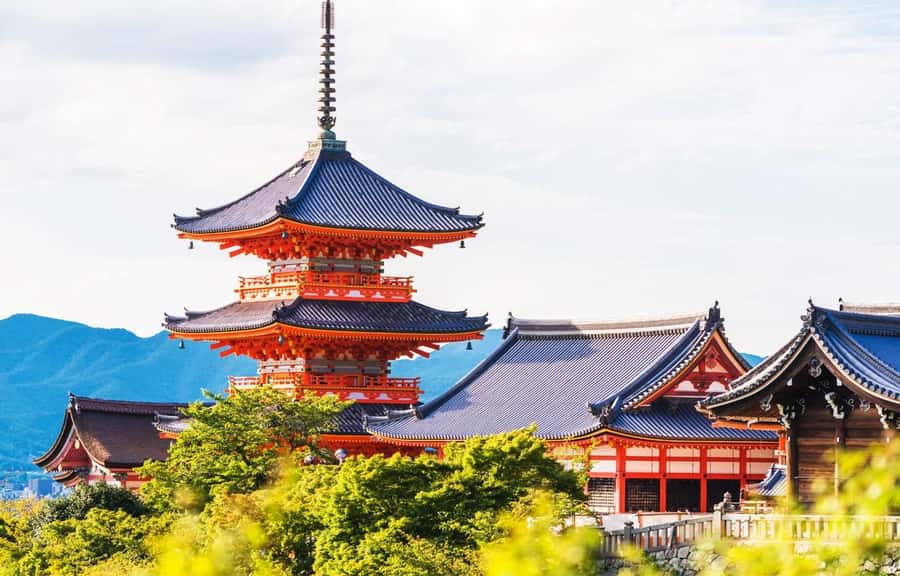
At Kiyomizu-dera, you’ll have a photo stop and time to visit (around 2 hours total). The temple sits above the city, and the experience is as much about the views as it is about the buildings. If you care about seasonal mood—spring light, autumn colors, winter softness—this is a strong anchor stop.
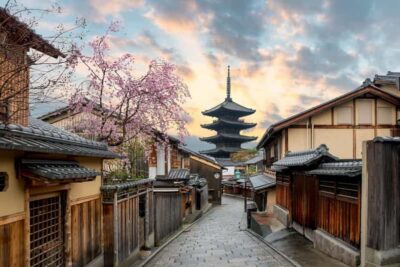
Then you shift into Kyoto’s pedestrian layers. You’ll pass through the photo-and-wander zones like Ninenzaka and Sannenzaka, plus the Ishibei-koji Alley area and onward toward Hanamikoji Street. The wording is key: it’s not just “see it from the bus.” You’re given time to roam the old streets, snap photos of the wooden streetscapes, and get your bearings on foot.
Two practical notes:
- Comfortable shoes matter. The meeting info warns the walk from the parking lot to attractions is relatively long, so don’t show up in sandals.
- Bring cash. You’ll likely want it for small purchases and optional add-ons like kimono rental.
From Hanamikoji to Yasaka Shrine: A Neighborhood Walk, Not Just Landmarks
After the Kiyomizu-dera lanes, the itinerary moves you along more of Kyoto’s historic atmosphere.
Hanamikoji Street is on the schedule as a photo stop and walk. This part is useful because it connects the big temple moment with the next major shrine stop. If you’re worried the day will feel too “checklist-y,” this in-between stretch is where the charm shows up.
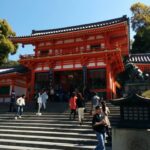
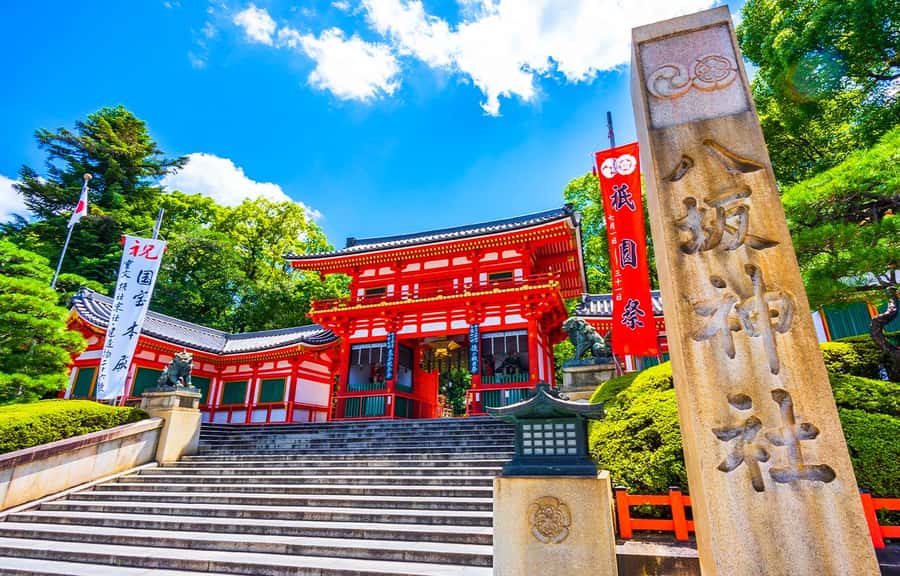
Then you reach Yasaka Shrine. You’ll have a photo stop, plus time to visit and sightsee. It’s a good counterbalance after Fushimi Inari later, because Yasaka gives you a calmer, more local feeling before you head into the famous torii tunnel.
If you want photos, aim to slow down here. The day moves fast overall, and this is one of the easiest places to capture traditional streetscape textures without needing a long uphill trek.
Fushimi Inari Taisha: The Red Torii Walk That People Remember
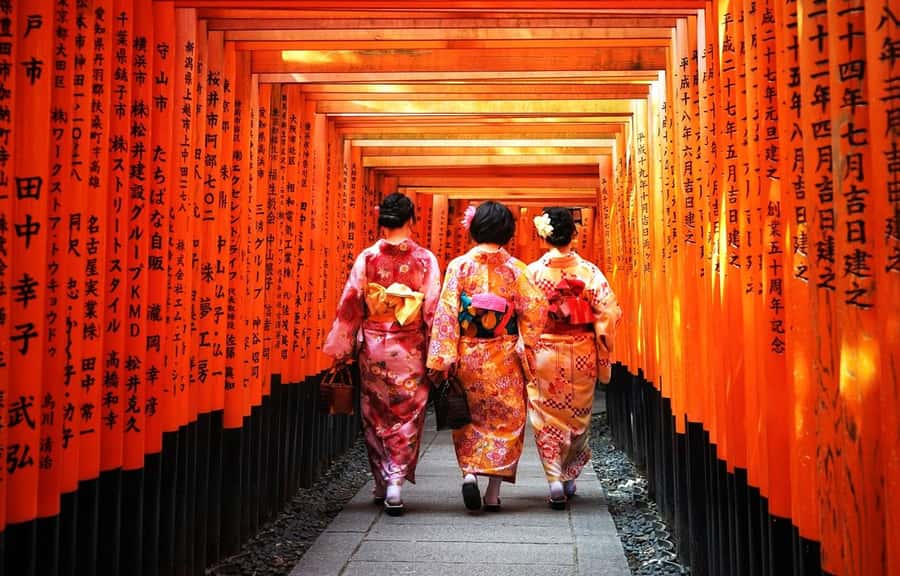
This is the signature stop: Fushimi Inari Taisha.
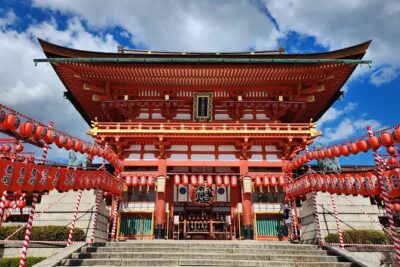
You get about 70 minutes here, with a photo stop, a guided tour, and time for sightseeing. The big draw is the fox-and-tunnel vibe—those endless red torii gates climbing up the mountain path. Even if you’ve seen photos before, it feels different when you’re actually walking through the rows.
One of the most specific highlights on this tour is the chance to interact with the shrine tradition: you can decorate a fox-shaped ema (prayer plaque) and leave it behind. That little ritual turns your visit from visual tourism into something more personal and memorable.
Small timing tip: Start your walking early in the visit window. The day is shared-group paced, and the later it gets, the more you’ll notice crowd density along the torii path.
Also, this tour includes an optional kimono rental with a smart handoff. If you rent, you pick it up near Kiyomizu-dera and return it later near Fushimi Inari, which can help you match your costume time with the most photo-friendly Kyoto spots.
Other Kyoto tours and experiences to compare
Nara Park and the Deer Routine: Fun, But Use Common Sense
Then the tour shifts gears from temples and shrines to Nara Park.
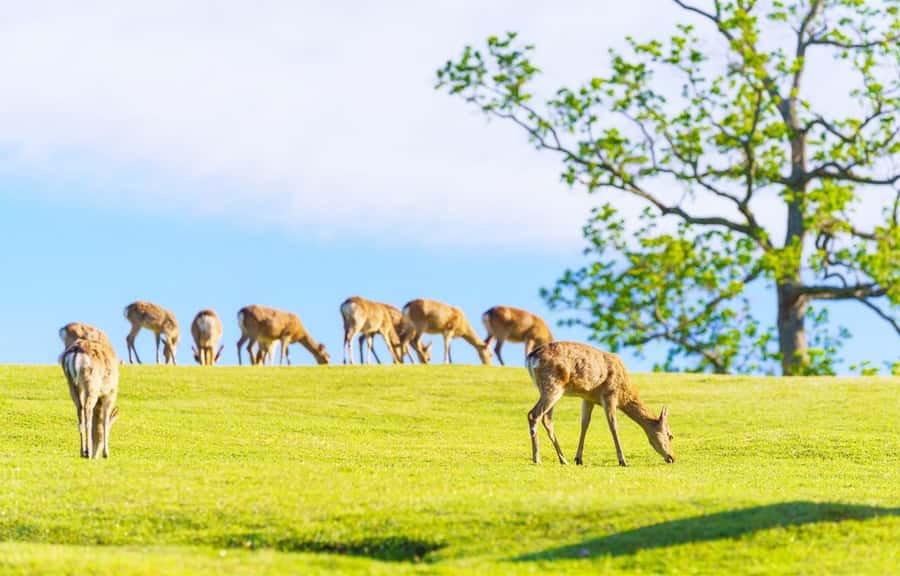
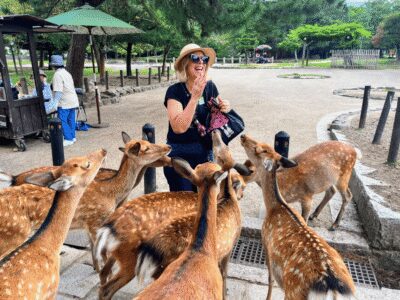
You’ll have about 1 hour in Nara Park, with a photo stop, guided tour, and sightseeing time. The highlight is simple: hundreds of free-roaming deer. It’s a storybook scene, but it’s also a real animal environment, so treat it with respect.
The deer interaction tips are the best part if you want a smooth experience:
- Buy special deer crackers on-site
- Offer them politely
- Some deer will even bow
The caution is equally important: if you get surrounded, deer can get excited. Keep your space, hold the crackers securely, and don’t let this turn into frantic chaos—your photos will look better, and the experience stays pleasant.
Todaiji Temple: The Scale Moment (Entry Depends on Your Choice)
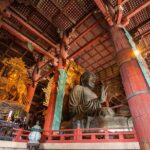
Right after Nara Park, the tour includes a stop connected to Tōdai-ji.
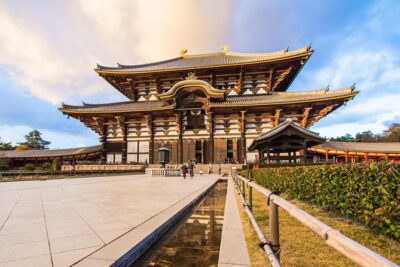
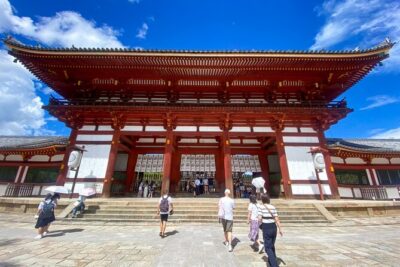
You’ll have a photo stop around 30 minutes. The trip also notes that visiting inside requires an entry fee. So here’s the honest way to use this time: if you mostly want the wow-factor from outside and a quick view, you’ll be fine. If you want to go inside, plan for that extra decision point while you’re already on-site.
This is one of those places where scale hits you fast. Even if your time is short, the stop still gives you a strong sense of why this area is famous.
Kimono Rental Option: Worth It If You Want the Full Photo Story
A kimono rental is optional and not included in the tour price. If you do it, you pick it up near Kiyomizu-dera and return it later near Fushimi Inari.
That timing is smart for two reasons. First, it aligns the costume with Kyoto lanes and classic shrine photography. Second, it avoids the hassle of carrying extra rental items all day long—because the return point is planned.
Is it worth the extra money? For many people, yes, because it turns ordinary street walking into a “Kyoto moment” you’ll want to remember in photos. But if you’re on a tight schedule or you hate outfit changes, skip it and use that time for slower walking and better views.
Price and Value at $61: Good Structure, Limited Extra Time
At $61 per person for a 10-hour day, this tour is priced like a practical solution: you’re paying for major stops plus round-trip transportation by air-conditioned bus, a multilingual live guide, and the operational costs like expressway tolls, fuel, and parking.
Not included: lunch and personal expenses.
Here’s how I think about value:
- If you want Kyoto highlights and Nara deer in one day, the included bus removes the hardest planning part.
- You’re not buying a private tour. This is group-paced, meaning your time at each site is limited and built around standard photo-and-visit blocks.
- Food is on you. The tour info also doesn’t promise a top-tier lunch experience. If you end up taking a quick meal with the group plan, treat it as convenience rather than a food tour.
If your priority is deep, slow exploration of one neighborhood, you’d likely be happier with a smaller, more flexible plan. If your priority is big-name sights with an organized route, the structure can be a good deal.
Pacing, Weather, and Crowd Reality: Plan Less After This Tour
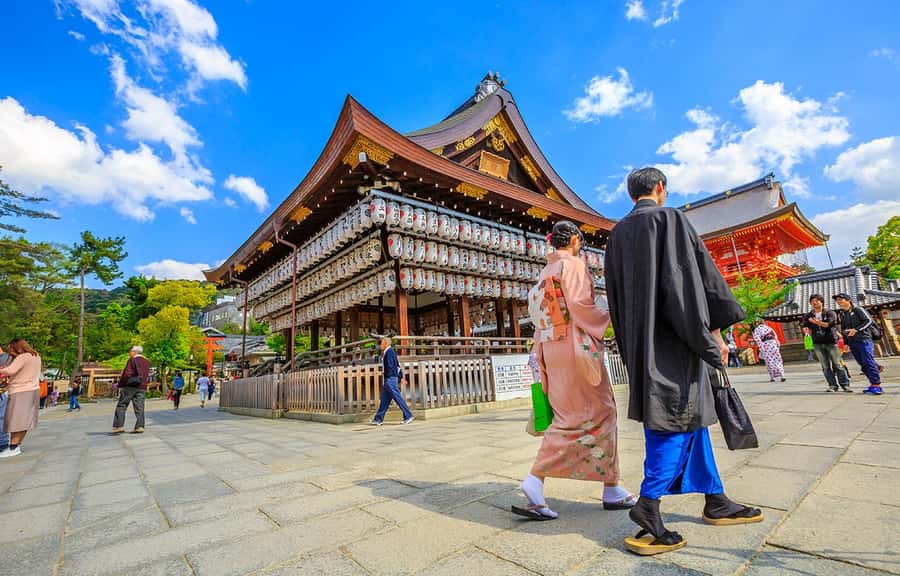
This is the part that can make or break your day.
The tour info is clear that bad weather, traffic conditions, or crowding during Japanese holidays and peak seasons may cause delays. That can mean some attractions are shortened, rescheduled, or canceled. In addition, the return time to Osaka could shift later.
A couple of smart habits:
- Don’t stack another timed activity immediately after. Give yourself a buffer in Osaka.
- Keep your “must see” list flexible. If you have only one or two priorities (like Kiyomizu-dera views or the Fushimi Inari torii tunnel), focus on those first in your head so surprises don’t feel like failures.
There have also been comments about the day sometimes feeling rushed when conditions go sideways. That matches the reality of shared-group scheduling in Japan—especially when multiple cities are involved.
Who This Tour Fits Best (And Who Might Want Another Plan)
This works well if you:
- Want a one-day Kyoto + Nara sampler from Osaka
- Like guided context at famous places, not just wandering on your own
- Prefer transportation handled for you
- Can handle a day with walking and some time pressure
It may be a mismatch if you:
- Need wheelchair access. The tour explicitly states it is not suitable for wheelchair users
- Want a slow, immersive pace with lots of free time
- Care deeply about dining quality as part of the main experience (lunch is not included, and time for food tends to be functional)
Should You Book This Kyoto and Nara Tour?
If you’re doing Osaka as your base and you want Kyoto’s Kiyomizu-dera and Fushimi Inari plus Nara deer without planning multiple logistics chains, I’d say this tour is a solid way to do it.
Book it when:
- You value major sights in one day
- You’re comfortable with group pacing
- You’ll use the downtime wisely (comfortable shoes, camera ready, and cash for optional add-ons)
Skip or choose something else when:
- You hate time pressure
- You only want one city and want to explore it slowly
- You need full accessibility accommodations
If you’re still deciding: arrive early, wear good shoes, and treat the day like a “great hits” circuit. It’s the kind of plan that can make a short trip feel bigger—especially when the guide is doing a good job managing the flow.
FAQ
How long is the Kyoto and Nara World Heritage Day Tour?
The tour duration is 10 hours.
Where can I start the tour, and where does it end?
You can start from Kyoto Station (Hachijoguchi) or Osaka (Nipponbashi: 1-chōme-3-6). The drop-off location is only in Osaka.
What is included in the price?
Included items are round-trip transportation by air-conditioned bus, a multilingual tour guide, expressway tolls, vehicle fuel cost, parking fees, and a professional driver.
Is lunch included?
No. Lunch is not included.
Which languages is the live tour guide available in?
The guide is available in English, Traditional Chinese, and Japanese.
How much time do we spend at Kiyomizu-dera and Fushimi Inari?
The Kiyomizu-dera area stop includes about 2 hours. Fushimi Inari Taisha is about 70 minutes.
Is kimono rental included?
No. Kimono rental is optional and self-paid. If you rent, you pick it up near Kiyomizu-dera and return it later near Fushimi Inari.
Can I interact with the deer at Nara Park?
Yes, you can interact with the deer. The tour suggests buying deer crackers on-site and offering them politely, and it also notes to be cautious if surrounded.
Do we visit Tōdai-ji?
Tōdai-ji is included as a stop for sightseeing/photo time (about 30 minutes). Entry is mentioned as requiring an additional fee if you want to go inside.
Is the tour suitable for wheelchair users?
No. The tour is stated as not suitable for wheelchair users.
More Tours in Kyoto




More Tour Reviews in Kyoto

More Nara Day Trips

Just added: more Kyoto tours to browse








Nara Day Trips from Kyoto, compared.
 ★ 4.7Kyoto/Osaka: Nara, Fushimi Inari Taisha, Arashiyama Bus TourFrom $521,275 reviews
 ★ 4.4Osaka/Kyoto: Arashiyama, Nara & Fushimi Inari Shrine w/LunchFrom $61754 reviews
 ★ 4.5Kyoto and Nara Day Trip from KyotoFrom $194445 reviews
 ★ 5.0Full Day Guided Tour to Kyoto and Nara from Osaka by VanFrom $106420 reviews
 ★ 4.5Nara Afternoon Tour from Kyoto or OsakaFrom $102390 reviews
 ★ 4.6From Kyoto: Nara Guided Morning TourFrom $77335 reviews
 ★ 4.6Kyoto/Osaka: Kyoto and Nara Customized Private Guided TourFrom $477258 reviews
 ★ 5.0Nara Park, Osaka & Kobe from Kyoto Full Day tourFrom $90207 reviews
Browse the lists this tour appears in