
Reviewed · KYOTO GARDENS & ZEN RETREATS
Kyoto: Nighttime Zen Meditation and Matcha Tea Experience
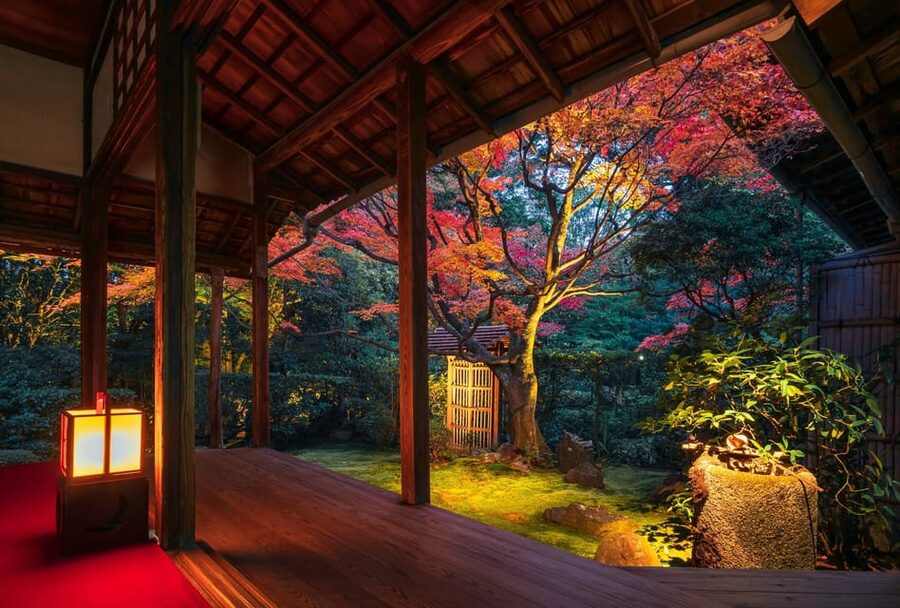
Kyoto at night changes your pace fast. A visit to Keishunin Temple is one of the calmer ways to experience the city, with illuminated gardens and a real guided flow from art to meditation. The setting is intimate, and the whole experience is built around slowing down without turning it into a show.
What I love most is the structure of the evening: you start with the temple’s spaces, then you move into zazen and finish with matcha and a sweet. The other big win is access—Sehakuan, the hidden tea room, plus Kano Sansetsu fusuma paintings—things most visitors only hear about, not get to see up close.
One thing to consider: this isn’t an easy stroll for everyone. It’s not suitable for wheelchair users, and the tour is listed as not for children under 12, so plan to come in comfortably and with the right expectations for a quiet night activity.
In This Review
- Key things you’ll remember
- Kyoto’s Keishunin at Night: Why the Same Temple Feels Different After Dark
- Meeting Keishunin: Four Illuminated Gardens and a Guided Sense of Place
- Sehakuan Tea Room and Kano Sansetsu Fusuma: Art, but With Atmosphere
- Zazen Meditation With Keishunin’s Clergy: What Happens and Why It Feels Real
- Matcha Tea and a Japanese Sweet Finish: A Calm Follow-Through
- Practicalities for a 90-Minute Night Session: Clothing, Timing, and Your Expectations
- Price and Value: Is $206 Worth 90 Minutes in Kyoto?
- Who This Is Best For (and Who Might Feel Uncomfortable)
- Should You Book This Night Zen and Matcha Session?
- FAQ
- How long is the Kyoto Nighttime Zen Meditation and Matcha Tea experience?
- Where does the tour take place?
- What’s included in the experience?
- Is transportation included?
- What languages are available for the tour?
- Is this a private group?
- Are there restrictions on photos and smoking?
- Is it suitable for kids and people using wheelchairs?
Key things you’ll remember
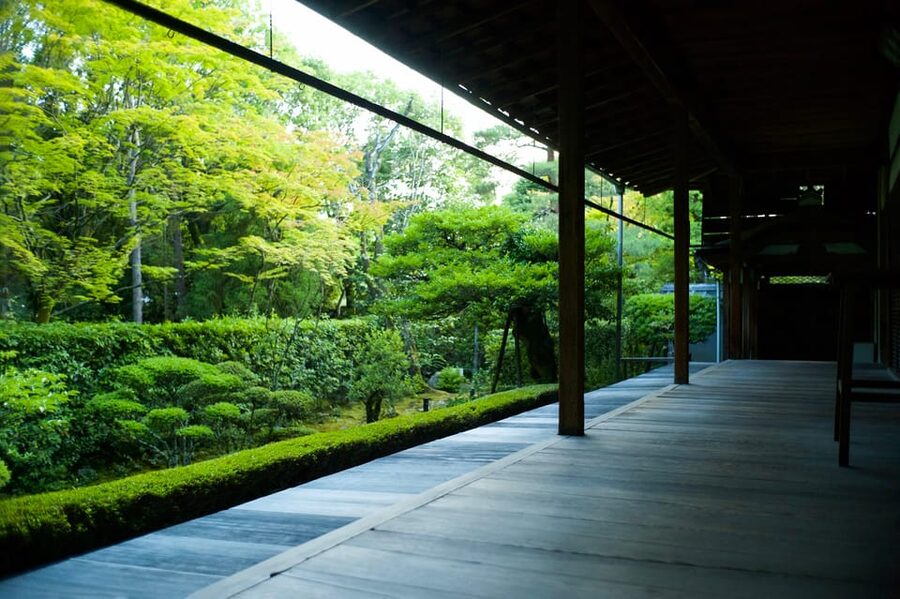
- Keishunin’s four gardens lit at night, each treated like a serious art space and scenic stop
- Sehakuan tea room access, plus Kano Sansetsu fusuma you can view as you learn
- Guided zazen with Keishunin clergy, including practical customs for staying with the practice
- Matcha and Japanese sweets right after meditation, with time for a brief follow-up chat
- Private group feel with an English or Chinese live guide
- No ticket-line hassle, so you can focus on the temple experience
Kyoto’s Keishunin at Night: Why the Same Temple Feels Different After Dark
During the day, Kyoto temples often feel like a busy museum. At night, Keishunin becomes something else: darker corridors, softer attention, and light that guides your eyes instead of the crowd guiding your feet.
The tour is timed as a special evening visit at Keishunin, a sub-temple of Myoshinji Temple. That matters because sub-temples tend to feel less commercial and more local in their rhythm. Here, you’re not rushing through big “must-sees.” You’re being led through smaller, meaningful spaces, in the order they were meant to be experienced.
You’ll also get the advantage of nighttime illumination. The gardens aren’t just pretty at night. They’re framed. Lights help you slow down and look carefully at patterns, textures, and the way garden space holds stillness. If you’re tired of ticking boxes, this is the kind of activity that changes how you see the whole city.
Sit for another bowl of matcha in a Kyoto tea house

Meeting Keishunin: Four Illuminated Gardens and a Guided Sense of Place
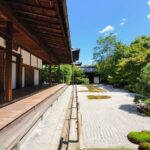
You meet your guide at the temple, then step into a guided look at the four gardens. These gardens are designated as nationally designated historical sites and scenic spots, and the tour focuses on seeing them as living spaces, not just backgrounds for photos.
The lighting is a key part of the experience. Instead of bright daylight glare, the illumination gives the gardens a slower pace. You’ll be encouraged to take your time with what’s in front of you, and your guide fills in cultural context as you move through each area.
A practical point: bring warm clothing. Even if Kyoto feels mild earlier in the day, evenings can get chilly—especially when you’re standing still to watch how the light changes. Comfortable clothes help too, since you’ll spend meaningful time moving at a temple pace rather than hopping in and out of buses.
If you’re expecting a quick “look and go,” this isn’t it. This is a guided seeing session. The goal is mental quiet as much as visual appreciation.
Sehakuan Tea Room and Kano Sansetsu Fusuma: Art, but With Atmosphere
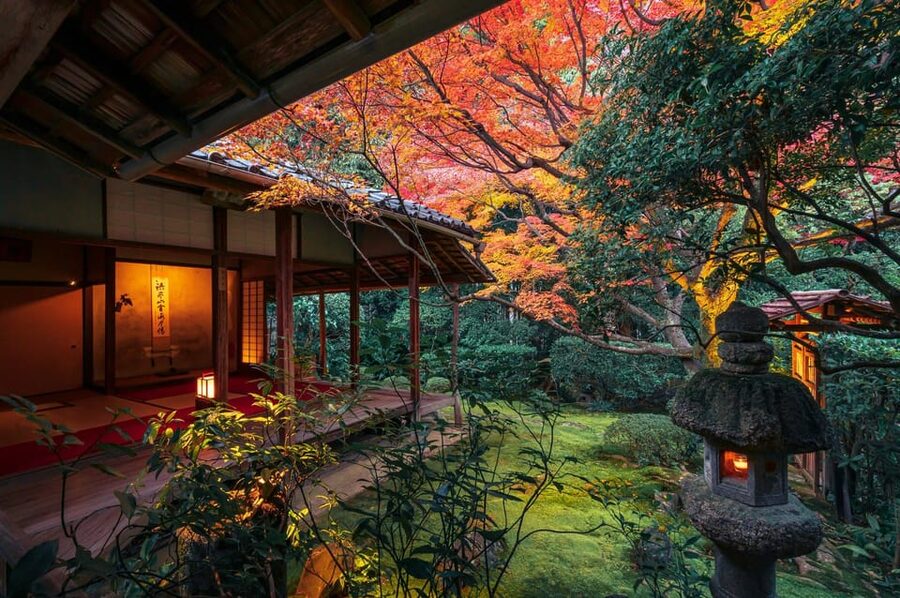
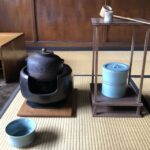
After the garden portion, you’ll tour the hidden tea room Sehakuan. The word hidden is doing a lot of work here. It’s the kind of space you’d miss if you were only following general visitor routes. The tour approach helps you notice details: how the room feels, how it’s arranged, and why it fits into the temple’s cultural life.
From there, you’ll also view Kano Sansetsu fusuma paintings. Fusuma are sliding panels, usually part art gallery and part architecture. Seeing them in person matters because the paintings aren’t just images; they’re integrated into the room’s movement and daily use. When you learn while you watch, the art stops being a collectible and becomes a message—about taste, tradition, and what this temple valued enough to preserve.
Your guide explains the history and culture of Keishunin as you move through these spaces. That’s what turns it from sightseeing into understanding. You’ll end up with a stronger mental map of why this temple looks the way it does, and why the evening includes meditation and tea instead of stopping at art viewing.
Zazen Meditation With Keishunin’s Clergy: What Happens and Why It Feels Real
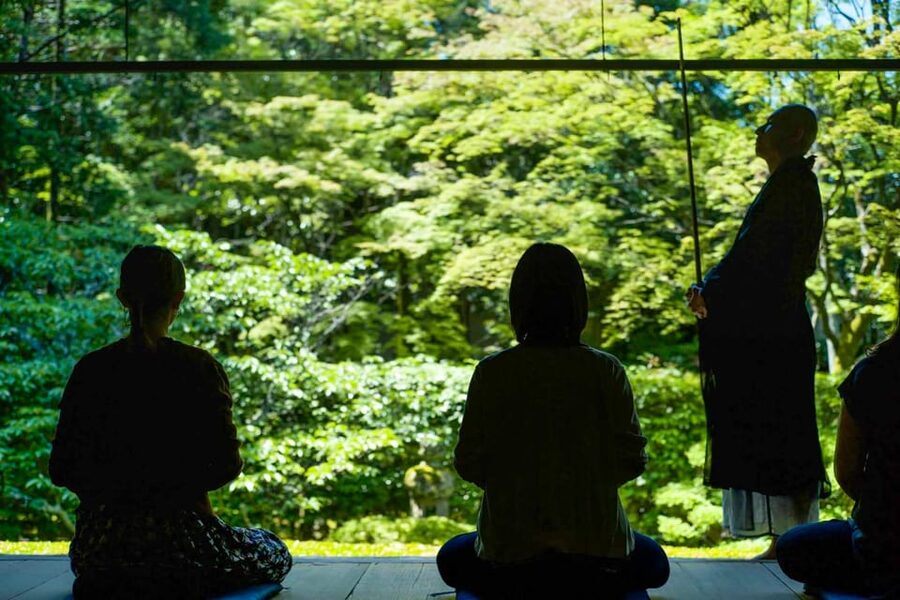
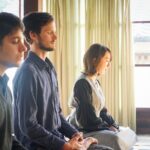
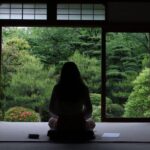
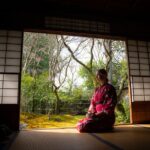
The main event is zazen meditation. You’ll do this as part of the night’s flow, after you’ve already trained your senses on quiet gardens and a calm interior space.
Keishunin’s Deputy Chief Priest Yasumasa Arashima is part of the experience, and the meditation itself may be guided by a senior monk during your session. Either way, the tone is gentle and focused. You’re not expected to be a meditation pro.
What’s especially useful is the practical side. One session includes a teaching about customs when a practitioner gets too tired—how to refresh your focus so you can keep going with the practice. That’s a real-world detail, and it helps you stop thinking of meditation as something you either do perfectly or you fail at.
Expect a guided session that teaches you how to settle into the posture and how to relate to your attention. Even if your mind wanders (it will), you’ll have structure. That structure is what makes it beginner-friendly without making it shallow.
If you’ve never tried meditation before, come with the attitude of testing it, not mastering it. You’re learning a method, not auditioning for enlightenment.
Matcha Tea and a Japanese Sweet Finish: A Calm Follow-Through
After zazen, you’ll have matcha tea and Japanese sweets tasting with the temple’s clergy. This is one of those “small” moments that ends up being big, because it gives your body a signal that the session is complete.
The matcha isn’t just a drink here. It’s part of the cultural rhythm of the evening. You take time with the flavors, and the tea acts like a transition from sitting still to being fully present again.
You’ll also get a brief, natural moment after the tasting, the kind where you can trade thoughts and ask small questions. That conversation time is short, but it helps you leave with a sense of connection rather than just a checklist of activities completed.
One more tip: with chilly evening air and quiet sitting, you can feel stiff. The tea and sweet help you warm up without turning the moment into a loud break. It’s a satisfying close to an experience built on quiet.
Find another quiet garden to sit with in Kyoto
Practicalities for a 90-Minute Night Session: Clothing, Timing, and Your Expectations
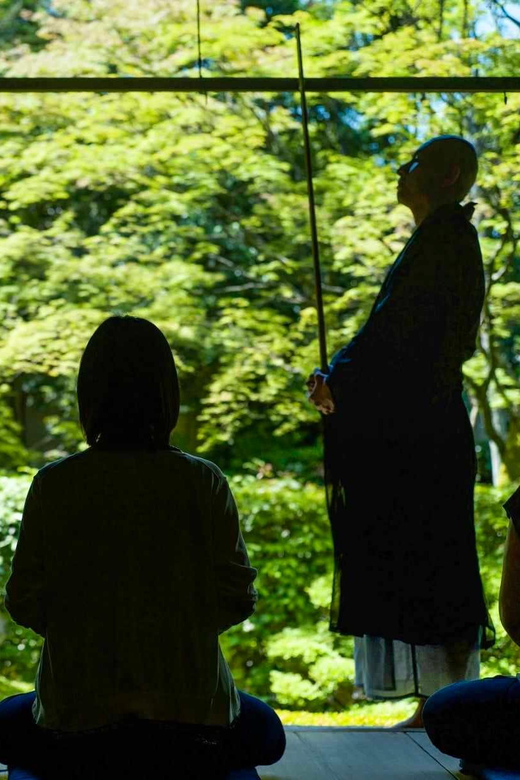
This experience runs about 90 minutes. That’s long enough to actually settle in, but short enough that you won’t feel like you’ve disappeared into a full-day tour.
Because it’s a special night visit, you’ll want to plan your evening around it. Transportation to and from the meeting place is not included, so you’ll need to handle getting there. The good news is that the tour includes skipping the ticket line, so you’re not losing precious time to waiting.
What to bring:
- Warm clothing
- Comfortable clothes
Not allowed:
- Smoking
- Flash photography
The “no flash” rule matters more than you’d think. In low light, phones flash even when you don’t mean to. Turn off flash before you start. Also, keep your phone on silent so your session stays quiet.
Dress for sitting and standing. Temple visits tend to be about patience. If you’re comfortable, you’ll enjoy the stillness more.
Price and Value: Is $206 Worth 90 Minutes in Kyoto?
At $206 per person, this isn’t a budget add-on. The value comes from what’s bundled and what’s included in the flow.
You’re paying for:
- A nighttime special visit to Keishunin
- Guided time through four illuminated gardens
- Access to Sehakuan tea room and Kano Sansetsu fusuma paintings
- Zazen meditation led by temple clergy
- Matcha tea and Japanese sweets tasting
In other words, you’re not only paying for the meditation. You’re paying for a complete cultural circuit: gardens → tea room and art → guided practice → tea tasting. And it’s a private group, which usually means less waiting, less mismatch, and more time spent with your guide.
Where the cost can feel steep is if you’re mainly looking for photos or a quick hit of Japanese culture. If you want to do a simple temple stroll, you can. If you want a guided evening that actually changes your attention, this is built for that.
For me, the best way to judge value is this: if you like guided, structured quiet experiences, you’ll likely feel the money was used well. If you hate stillness or prefer self-guided touring, you may feel it’s too focused and too short to justify the price.
Who This Is Best For (and Who Might Feel Uncomfortable)
This tour fits best with people who enjoy calm travel moments. If you like hands-on culture, meditation basics, and learning in context while you move through a historic temple, you’ll probably enjoy the pacing.
It’s not suitable for wheelchair users. It’s also listed as not suitable for children under 12. On top of that, the tour is intended for primary school students and above, and anyone under junior high school age must be accompanied by a parent or guardian.
So this is a great choice for:
- Adults and teens who want a quieter Kyoto experience
- Families with older kids who can respect a calm setting
- Anyone who wants a guided introduction to zazen and tea culture
You might skip it if:
- Your group needs a fully accessible route
- You’re traveling with very young children who can’t handle evening stillness
- You want a flexible, wander-at-your-own-pace plan
Should You Book This Night Zen and Matcha Session?
I’d book it if you’re chasing the Kyoto that happens after the crowds thin out. Keishunin at night is designed for quiet attention: gardens lit for still viewing, access to Sehakuan and Kano Sansetsu fusuma, then guided zazen followed by matcha and a sweet.
If you’re on the fence, ask yourself one question: do you enjoy guided calm, not just sightseeing? If yes, this is a strong value despite the price. You get a complete evening practice-culture flow, not a rushed sampler.
If your ideal Kyoto day is nonstop motion, this may feel too slow. But if you want one intentional pocket of quiet in the middle of a big trip, this is exactly the kind of evening you’ll remember.
FAQ
How long is the Kyoto Nighttime Zen Meditation and Matcha Tea experience?
It lasts about 90 minutes.
Where does the tour take place?
It’s a special nighttime visit to Keishunin Temple, a sub-temple of Myoshinji Temple in Kyoto.
What’s included in the experience?
You’ll get a special night visit to Keishunin, a tour of the four illuminated gardens, a tour of the hidden tea room Sehakuan, viewing of Kano Sansetsu fusuma paintings, zazen meditation, and matcha tea with Japanese sweets.
Is transportation included?
No. Transportation to and from the meeting place is not included.
What languages are available for the tour?
The live guide is available in English and Chinese.
Is this a private group?
Yes, it’s listed as a private group.
Are there restrictions on photos and smoking?
Smoking is not allowed, and flash photography is not allowed.
Is it suitable for kids and people using wheelchairs?
It is not suitable for children under 12 and not suitable for wheelchair users. The tour is intended for primary school students and above, and each guest under junior high school age must be accompanied by one parent or guardian.
More Tour Reviews in Kyoto



More Gardens and Quiet Corners
One More Bowl of Matcha
Just added: more Kyoto tours to browse








Kyoto Gardens & Zen Retreats, compared.
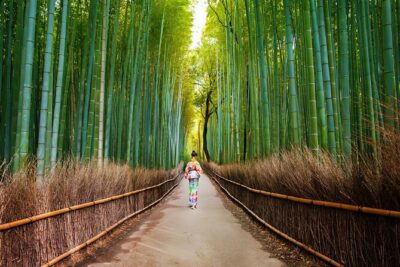 ★ 5.0Kyoto Arashiyama Walking Tour: Bamboo, Monkeys, Gardens & SecretsFrom $651,216 reviews
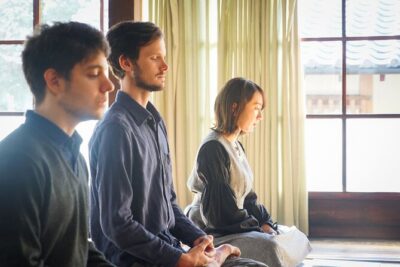 ★ 5.0Kyoto Zen Meditation & Garden Tour at a Zen Temple with LunchFrom $110441 reviews
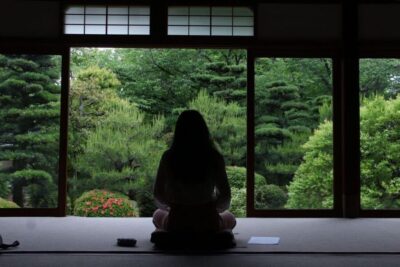 ★ 5.0Zen Experience in a Hidden TempleFrom $109437 reviews
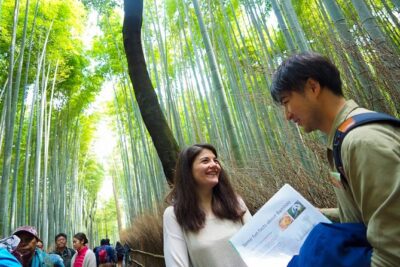 ★ 5.0Kyoto Arashiyama Bamboo forest & Garden Half-Day Walking TourFrom $129413 reviews
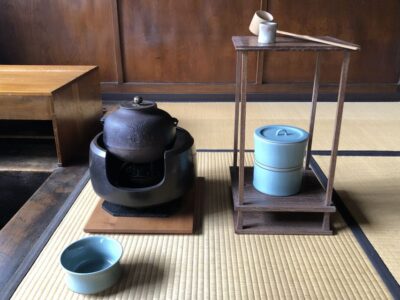 ★ 4.8Tea Ceremony Meditation – Make Matcha with Tea MasterFrom $45406 reviews
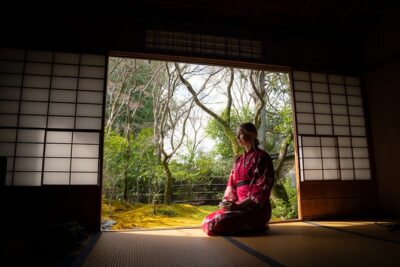 ★ 5.0Zen Meditation at a Private Temple with a MonkFrom $91202 reviews
 ★ 5.0Zen Garden, Zen Mind (Private)From $380126 reviews
 ★ 5.04.5-Hour Kyoto Bike Tour with Lunch and UNESCO Zen TemplesFrom $99122 reviews
Browse the lists this tour appears in