
Reviewed · KYOTO TEA CEREMONIES
Kyoto near Fushimiinari Wagashi making&Small Group Tea Ceremony
A Kyoto tea ceremony shouldn’t feel locked in a museum. This small-group session in a local house gives you that calmer, neighbor-over-for-tea feeling, with hands-on wagashi making and a chance to prepare matcha yourself. I especially like the way the host and instructor explain what’s going on (and why) in clear English. One thing to plan for: this is a caffeine-based experience, and you also need socks since bare feet aren’t allowed.
You’ll be in a group of up to 8, which keeps the pace relaxed and lets you ask questions when something feels confusing. The ceremony lasts about 1 hour 15 minutes, and it’s timed so you can fit it between shrine time and dinner. A practical consideration: you’ll sit on tatami unless you request chairs in advance.
In This Review
- Key points to know before you go
- A Kyoto Tea Ceremony in a Local House near Fushimi Inari
- Wagashi making in the kitchen: hands-on, a little messy, very memorable
- The tea ceremony flow: scroll, tatami, and matcha you actually make
- Small-group teaching that keeps things clear in English
- Price and value for 1 hour 15 minutes
- Comfort and etiquette tips: socks, tatami, and chair requests
- Who should book this tea ceremony, and who may want to pass
- Should you book this Kyoto wagashi and matcha experience?
- FAQ
- How long is the Kyoto wagashi making and tea ceremony?
- What’s included in the price?
- Do I need hotel pickup?
- Where do I meet the host?
- What should I wear or bring?
- Can I use a chair instead of sitting on tatami?
- Is this suitable for children?
Key points to know before you go
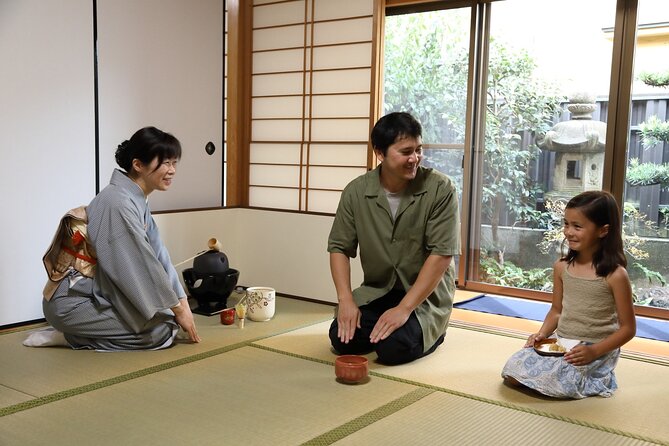
- Small group (max 8 travelers) for more personal help while you learn
- Wagashi making is hands-on, not just a quick demo
- Licensed English-speaking guidance throughout the session
- Matcha includes two bowls, and you’ll get to prepare it yourself
- Tatami seating rules mean bring socks; chair options may be available
A Kyoto Tea Ceremony in a Local House near Fushimi Inari
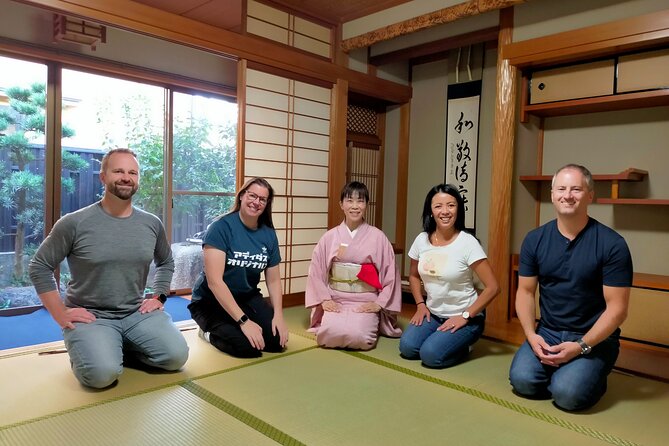
This experience takes place in Kyoto’s Fushimi area, at a local home setting rather than a staged venue. The address is 38-4 Fukakusa Watamorichō, Fushimi Ward, Kyoto 612-0022, and the start time is 9:45 am. Because it’s in a neighborhood (not a tourist hall), you tend to feel like you’re stepping into someone’s everyday space—quiet, warm, and orderly.
Fushimi Inari Taisha’s famous orange torii gates are very close by, and you can easily treat this as a “pre-shrine or mid-morning” cultural stop. That mix is the best of both worlds: you get a formal ritual inside a house, then you’re back outside for Kyoto’s iconic walking routes.
The ceremony itself depends on weather. If it’s raining, you won’t do the garden walk part of the flow, but the rest still focuses on the tea ritual. You’ll also want to know there’s no hotel pickup or drop-off, so you’re going on your own with transit and your feet.
Sit for another bowl of matcha in a Kyoto tea house


Wagashi making in the kitchen: hands-on, a little messy, very memorable
Before the tea ritual even starts, you’ll head to the kitchen area. Your English-speaking host leads you through making one kind of wagashi—Japanese sweets—at a real hands-on class pace. This isn’t a “watch and then leave” setup. You’ll actually shape, handle, and assemble the sweet as you learn the basics.
One small detail matters here: wagashi can get a bit sticky while you work. That’s normal. If you keep going patiently and don’t try to rush your hands, it usually turns into one of the most fun parts of the morning. The practical payoff is big, too: you’re learning how to make something you can realistically explain to friends back home, not just a souvenir you bought and forgot in a drawer.
After you make the wagashi, you’ll get to eat it during the tea portion, so the effort turns into a moment of satisfaction instead of ending at the cutting board. The class also includes instruction and explanation of tea culture, so you’re not only producing a sweet—you’re building the context for what you’re about to drink.
The tea ceremony flow: scroll, tatami, and matcha you actually make
When you’re ready for the ceremony, the host explains how to attend, then you transition to an authentic Japanese-style room. If weather allows, you’ll walk through a tiny garden on the way in. Inside, you’ll sit on tatami floor seating and get a structured lesson that still feels gentle.
The instructor covers several meaningful parts of the room and the ritual:
- how to understand the setting and etiquette
- what the hanging scroll means
- how tea ceremony connects to the history and spirit of serving guests
Then you move into the “taste and learn” phase. You’ll enjoy the Japanese sweets you made, while your instructor shows how to drink a bowl of matcha. This matters because matcha isn’t just flavor—it’s texture, temperature, and method. The way it’s prepared and served is part of the point.
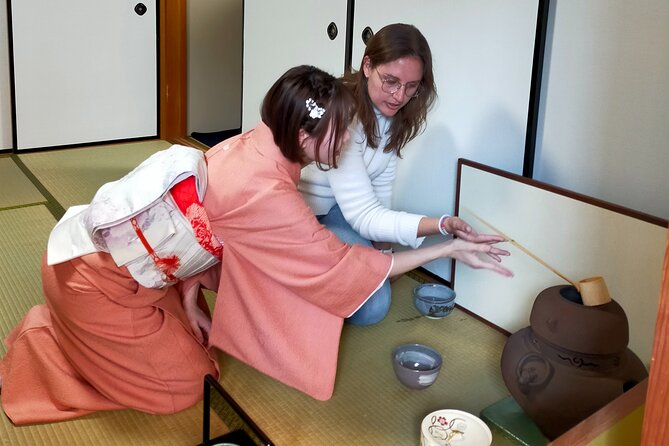
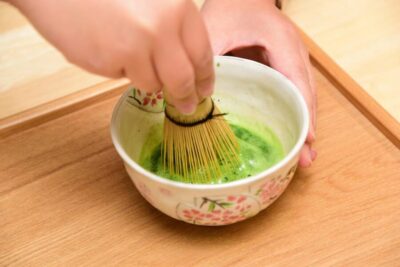
Next comes the ceremonial preparation. The host demonstrates the matcha process step-by-step, then you get the chance to prepare it yourself. That hands-on moment is the difference between watching a performance and learning a ritual you can recreate. By the end, you’re not just a spectator—you know what to do with the bowl, the motions, and the pacing.
You’ll also be given enough matcha to taste thoughtfully. The experience includes two bowls of matcha total, plus coffee and/or tea and Japanese traditional confectionery. Plan to slow down and drink it intentionally, even if your inner tourist wants to rush to the next thing.
Small-group teaching that keeps things clear in English
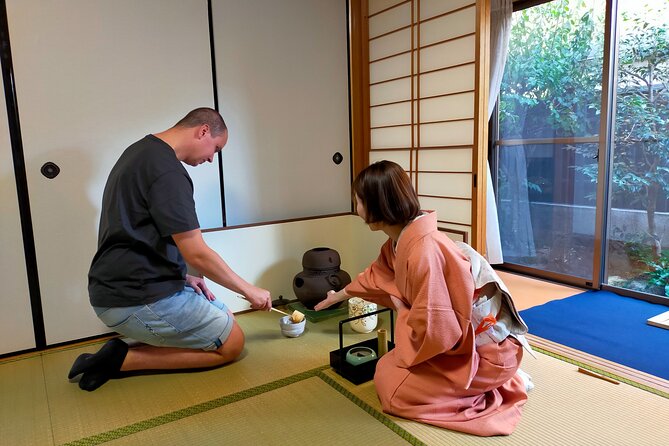
This setup is designed for understanding, not just “international convenience.” The hosts and instructors are licensed guide interpreters, so you get the explanations clearly, with a real sense that language is part of the learning experience, not an afterthought.
With up to 8 people, you’re less likely to feel like you’re waiting your turn with no help. You can ask questions when something doesn’t click, and the instructors can correct your approach before you practice the motions wrong.
It also helps that the experience runs like a conversation with structure. You’ll get explanations first, then you practice, then you taste, then you practice again. That rhythm keeps your brain engaged without turning the class into a rigid lecture.
If you’ve ever struggled with reading body language or etiquette in a formal setting, this is a good place to feel comfortable. You’re told what’s expected, and you’re guided through it step by step.
Also worth noting: one host you might meet is Miho, and at least one recent participant highlighted her English ability and friendly hosting style. Even if your host is someone else, you can expect that kind of clear, welcoming communication.
Price and value for 1 hour 15 minutes
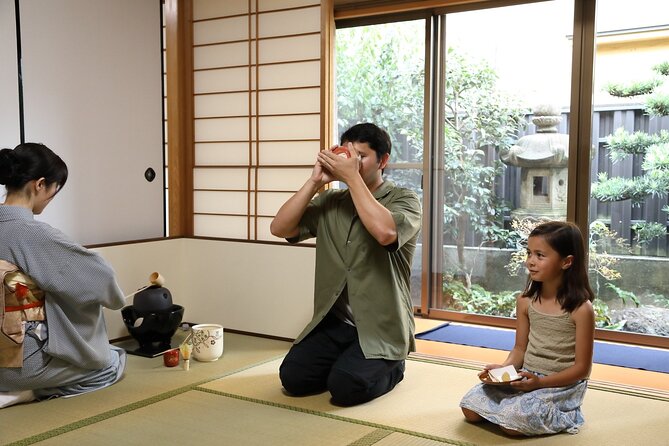
At $52.26 per person, this isn’t the cheapest activity in Kyoto—but it is one of the better-value cultural choices when you look at what you’re actually doing.
For your money, you get:
- an English-speaking instructor and host
- all fees and taxes
- hands-on wagashi making
- matcha served to you (including two bowls) plus coffee and/or tea
- the chance to prepare matcha yourself
- traditional sweets included with your tasting
The best value part is the practice. Many “tea experiences” are mostly viewing, with a token sip. Here, you take part in the main actions: making sweets, learning the ceremony flow, preparing matcha, and drinking it properly in sequence.
Time also matters. At about 1 hour 15 minutes, you aren’t losing half a day to a studio schedule. You can still do Fushimi Inari Taisha afterward without your Kyoto day feeling shredded by logistics.
This is also a good value compared to buying sweets as a souvenir. You’re leaving with both an edible memory and a skill you can explain, not just a packet of treats.
Roll up your sleeves for another Kyoto cooking class


Comfort and etiquette tips: socks, tatami, and chair requests
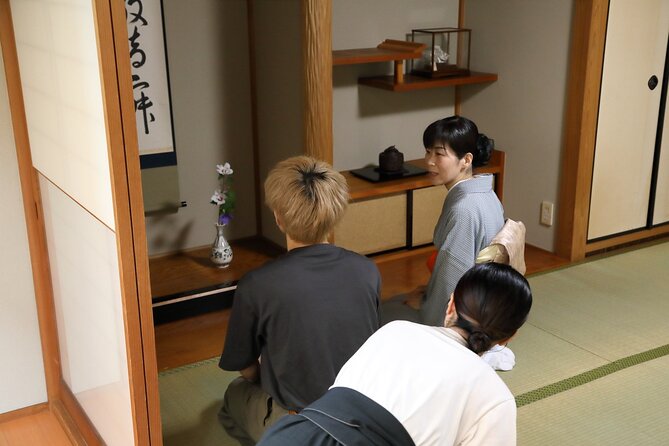
Tea ceremony is formal in tone, but you don’t have to feel stiff. Still, the comfort rules are real.
You must bring or wear a pair of socks—bare feet aren’t allowed in the room. Plan on easy shoes you can take off quickly if you’re arriving from outside.
Seating is the other major comfort issue. The default setup is tatami floor. If you’d rather have a chair, it’s possible to request it. When you reserve, tell them how many chairs you want prepared. This is a simple way to make the experience enjoyable instead of distracting.
One more planning point: the session isn’t recommended if you don’t take caffeine, since it’s centered around matcha. If matcha makes you feel jittery or upset, skip this one and choose a different Kyoto class.
Who should book this tea ceremony, and who may want to pass
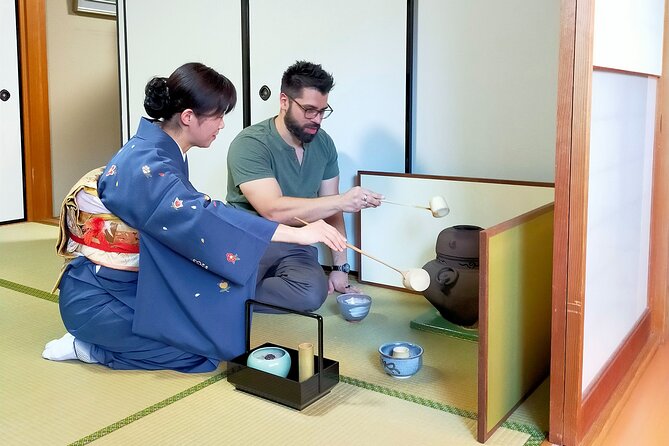
This is ideal if you want a Kyoto activity that feels local and structured—without being stressful. It’s especially good for:
- people who like hands-on learning
- anyone curious about the meaning behind tea ceremony details (scroll, etiquette, serving)
- small groups of friends or couples who want a calm cultural break
- solo visitors who enjoy a guided experience and prefer English instruction
It’s also a smart pick if you’re already planning time near Fushimi Inari Taisha and want something cultural right before or after your shrine walk.
I’d be cautious if:
- you can’t do caffeine (matcha is central)
- you have strong mobility issues and can’t manage tatami seating without a chair request
- you’re looking for a high-energy, sightseeing-heavy tour (this is calm and ritual-focused)
Kids have clear limits too. Children aged 8 to 12 need at least one adult to participate. Children aged 7 or under aren’t able to join this session.
Should you book this Kyoto wagashi and matcha experience?
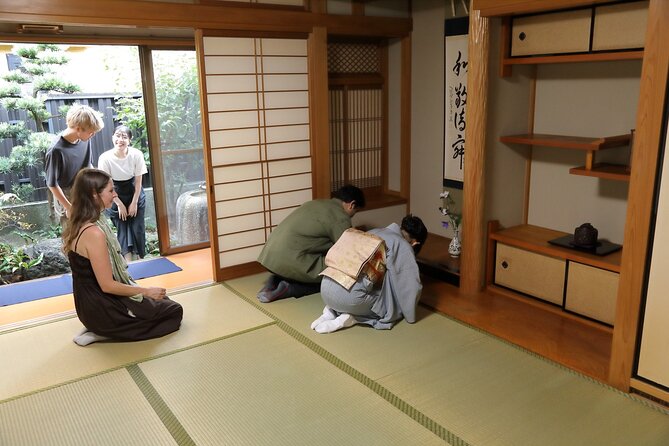
Yes, if you want a genuine-feeling tea ceremony with real participation. The big win is that you’re not just watching: you make wagashi, you taste what you made, and you prepare matcha yourself with clear English guidance in a small group.
Also, it’s a strong choice for value. You’re paying for instructor time and ingredients, and you’re leaving with both food and a skill that can impress people back home.
I’d skip or choose carefully if caffeine is an issue for you, or if tatami seating would be uncomfortable and you don’t plan to request a chair.
If your goal is to understand tea ceremony as something practiced and served—not performed—you’ll likely feel like you got your money’s worth.
FAQ
How long is the Kyoto wagashi making and tea ceremony?
It runs about 1 hour 15 minutes.
What’s included in the price?
The price includes an English-speaking instructor, all fees and taxes, coffee and/or tea, two bowls of matcha, and Japanese traditional confectionery.
Do I need hotel pickup?
No. Hotel pickup and drop-off service are not included, so you’ll get yourself to the meeting point.
Where do I meet the host?
The meeting point is 38-4 Fukakusa Watamorichō, Fushimi Ward, Kyoto, 612-0022, Japan. The activity ends back at the meeting point.
What should I wear or bring?
Wear or bring socks—bare feet are not allowed in the room. Easy shoes that are simple to take off are recommended.
Can I use a chair instead of sitting on tatami?
Yes, it’s possible to prepare a chair instead of sitting on tatami floor. You should let them know how many chairs you want when you make the reservation.
Is this suitable for children?
Children aged 8 to 12 need at least one adult to participate. Children aged 7 or under cannot participate.
More Tour Reviews in Kyoto




More Kyoto Cooking Classes
One More Bowl of Matcha

Just added: more Kyoto tours to browse








Kyoto Tea Ceremonies, compared.
 ★ 4.9Tea Ceremony in a Traditional Tea House in KiyomizuFrom $493,519 reviews
 ★ 4.9Tea Ceremony Ju-An at Jotokuji TempleFrom $293,207 reviews
 ★ 4.345-Minute Tea Ceremony Lesson ExperienceFrom $222,378 reviews
 ★ 4.9Table-Style Tea Ceremony at a Kyo-MachiyaFrom $451,211 reviews
 ★ 5.0Kimono Tea Ceremony at Kyoto Maikoya, NISHIKIFrom $65911 reviews
 ★ 5.0Arashiyama Bamboo Forest, Monkeys, Matcha & Temple TourFrom $53759 reviews
 ★ 4.9Tea Museum Tickets and Matcha Grinding ExperienceFrom $23739 reviews
 ★ 4.9Kimono Tea Ceremony at Orizuruya GionFrom $49618 reviews
Browse the lists this tour appears in