
Reviewed · KIYOMIZU-DERA & HIGASHIYAMA TOURS
Kyoto Morning Highlights Tour: Fushimi, Kiyomizu-dera & Gion
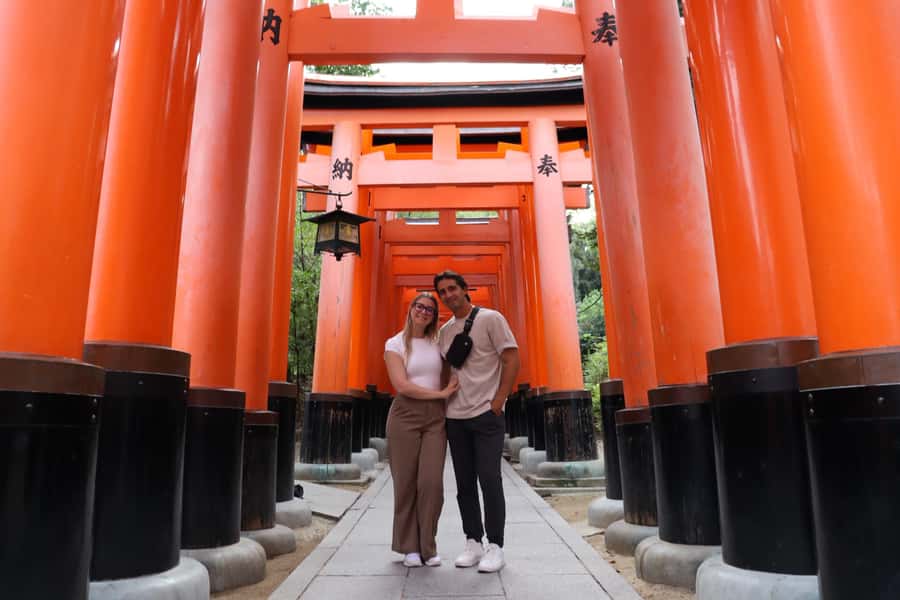
Kyoto before the crowds hits different. This Kyoto morning highlights tour strings together three big icons with breathing room, starting early so you get the landmarks in quieter light. I like the way the day centers on Fushimi Inari and its thousand-plus torii, and I also really value the practical guidance you get along the way, especially for respectful temple and shrine visits.
The one thing to consider is that this is a walking + public transport tour with an early meeting. If you’re late for the start time, you can’t join and there’s no refund, so plan to arrive a little early and don’t cut it close.
In This Review
- Key highlights worth waking up for
- Why this Kyoto morning tour feels smarter than a later start
- Fushimi Inari’s torii tunnel, early enough to actually enjoy it
- Kasuga Grand Shrine: learning Shinto manners as part of the route
- Kiyomizu-dera without the late-morning chaos
- Gion on foot: historic streets in a calmer morning mood
- Photos, traditional sweets, and the extras that add up
- Price reality check: what $81 buys you in the Kyoto morning rush
- Who this tour suits best, and who might be happier elsewhere
- Getting the meeting point right at Kyoto Station
- Should you book the Kyoto Morning Highlights Tour: Fushimi, Kiyomizu-dera & Gion?
- FAQ
- How long is the Kyoto Morning Highlights tour?
- Where do I meet the guide?
- Is Kiyomizu-dera entrance included?
- What about transportation costs?
- Does the tour include meals?
- Are strollers allowed?
- Is this tour wheelchair accessible?
- Does the tour include photos and Wi-Fi?
- What happens if I’m late to the meeting time?
Key highlights worth waking up for

- Fushimi Inari in the soft morning: long torii paths before the day gets loud
- Local etiquette built into the route: how to behave at shrines and temples, explained clearly
- Kiyomizu-dera viewpoints: sweeping city views with easier timing than later in the day
- Gion after sunrise: a historic district walk when the streets feel less rushed
- Photo help included: professional photos and a guide who knows where to stand
- Small-group/private feel: English-speaking local guide making the morning feel personal
Why this Kyoto morning tour feels smarter than a later start
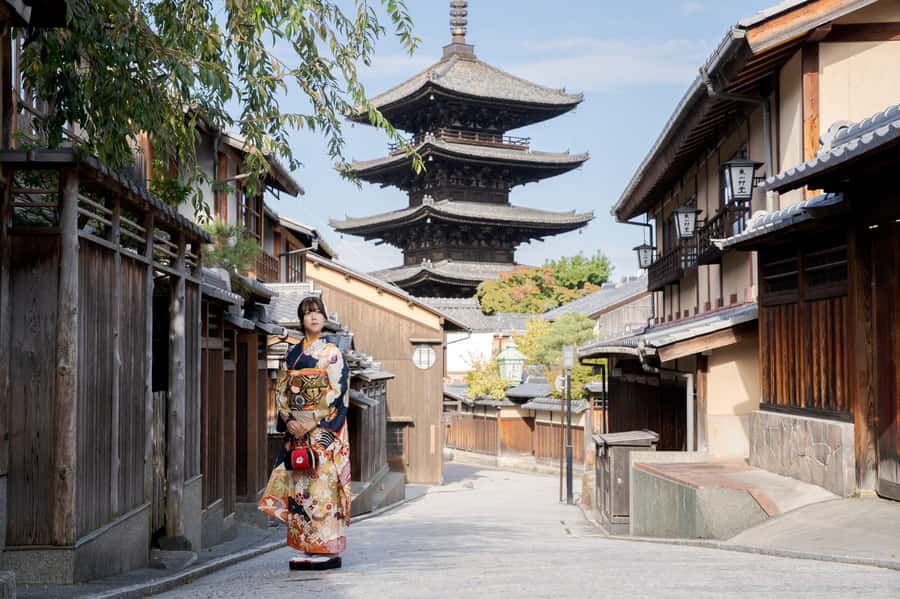
The biggest advantage here is timing. You’re scheduled for a morning outing with the explicit goal of seeing Kyoto’s top sights before the crowds arrive. That doesn’t just mean fewer people. It changes the whole vibe: you can actually stop and look, you don’t feel herded, and photos come out less cluttered.
This is also a walking experience (with some public transportation between areas). You’ll be on your feet for a moderate amount of time, which is perfect if you want to feel the city rather than bounce past it. It’s not the kind of tour where you zip by from bus window to bus window and call it sightseeing.
For most first-time Kyoto visitors, half a day hits a sweet spot: you get the major emotional hits (the torii tunnel, the temple viewpoint, and the old-street atmosphere of Gion) without burning your entire daylight schedule. For slower travelers, it might feel brisk, but you can always take breaks when the guide pauses for photos or explanations.
Finally, you’ll have an English-speaking local guide who shares stories and real-world how-to tips. In particular, the guide Ikki is mentioned as especially strong at explaining how to act in Japanese temples and shrines, plus he answers questions as you go.
More evenings along the lantern-lit lanes of Gion

Fushimi Inari’s torii tunnel, early enough to actually enjoy it
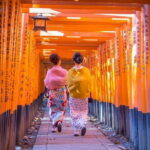
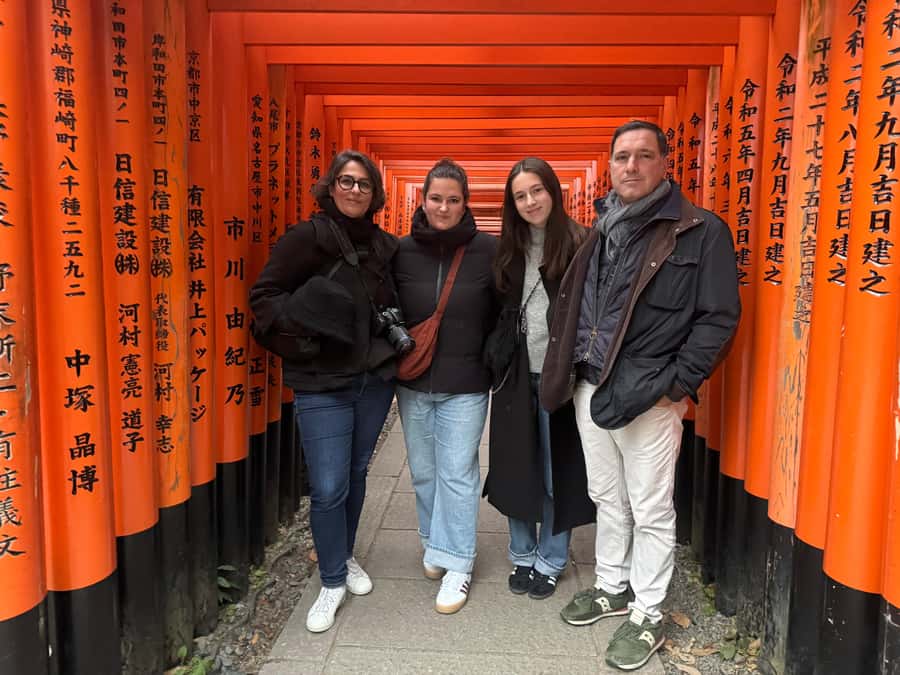
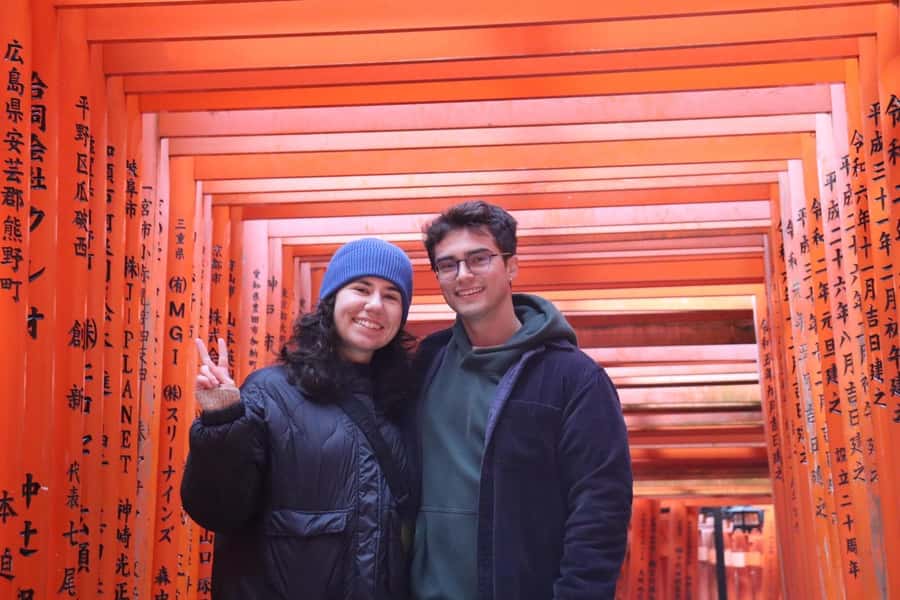
Fushimi Inari Shrine is the star name people throw around, and for good reason. You’ll walk through the famous series of torii gates, one after another, in a morning setting that feels calmer than later hours. The contrast is huge: when the torii corridor is quiet, it feels more like a ritual path than a photo factory.
What you’ll love most is the sense of progression. Even if you’ve seen pictures, your eyes still get surprised by how the gates stack and repeat as you move. The guide helps you notice details you’d probably skip on your own, and the pace matters because you have time to stop rather than just shuffle.
This is also where the “how to behave” guidance can make your visit smoother. You’re visiting a working religious site, not just a scenic attraction, and a good guide keeps you from accidentally treating it like a theme park. Expect explanation about temple/shrine behavior and why certain actions are done the way they are.
Photo-wise, this is prime territory. The tour includes plenty of photos taken during the walk, and a guide who knows the flow can help you avoid the worst crowd choke points. Even if you’re not a photographer, it’s nice to come home with images where you look like you belong in Kyoto rather than you’re just standing in front of a sign.
One practical note: torii areas can involve stairs and uneven ground. Wear comfy shoes with a grip you trust.
Kasuga Grand Shrine: learning Shinto manners as part of the route
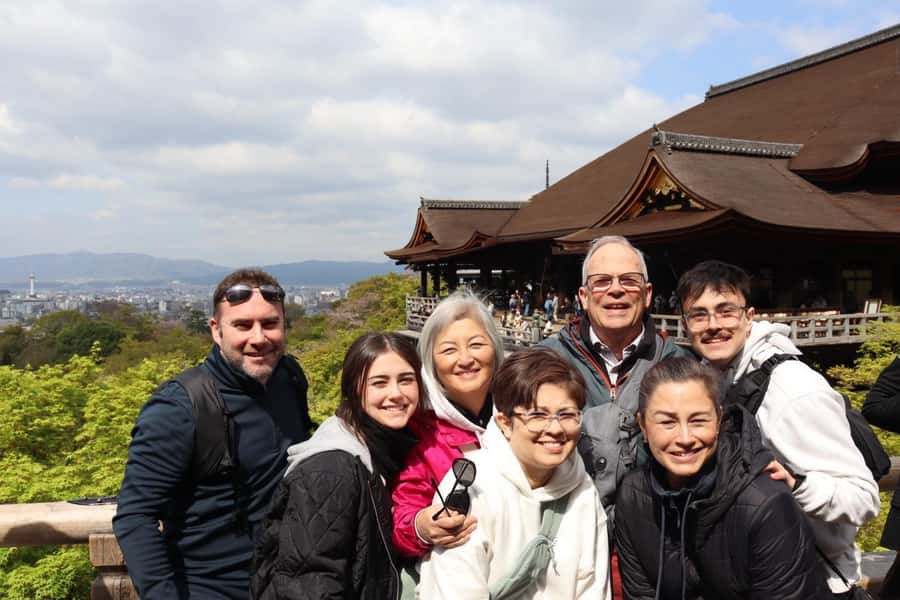
One of the standout elements in the tour highlights is a focus on Shinto culture, including Kasuga Grand Shrine. Even if you’re not a religious-history fanatic, this is where the tour becomes more than “see the famous place.”
In plain terms, you’ll get guidance on how to properly pray and how to act respectfully at shrines. That matters because many visitors either skip the meaning entirely or end up copying what they see without understanding the intent. A guide can translate the etiquette into something you can follow naturally, which makes the moment feel more grounded.
The Kasuga stop also reinforces the bigger theme of the tour: Kyoto is not only about visuals. It’s about customs you can observe, and if you know a little, the experience becomes easier to read. The guide’s explanations are described as both clear and enthusiastic, with answers to questions about what you’re seeing and why it’s done.
If you’re the type who likes to understand what you’re looking at, this adds real value. You’ll come away with a better sense of how shrine spaces are used, how people move through them, and what small details signal respect.
And if you’re mainly there for the sights, don’t worry: this isn’t a lecture. It’s folded into the walking, so it feels like part of the morning rhythm rather than an extra task.
Kiyomizu-dera without the late-morning chaos
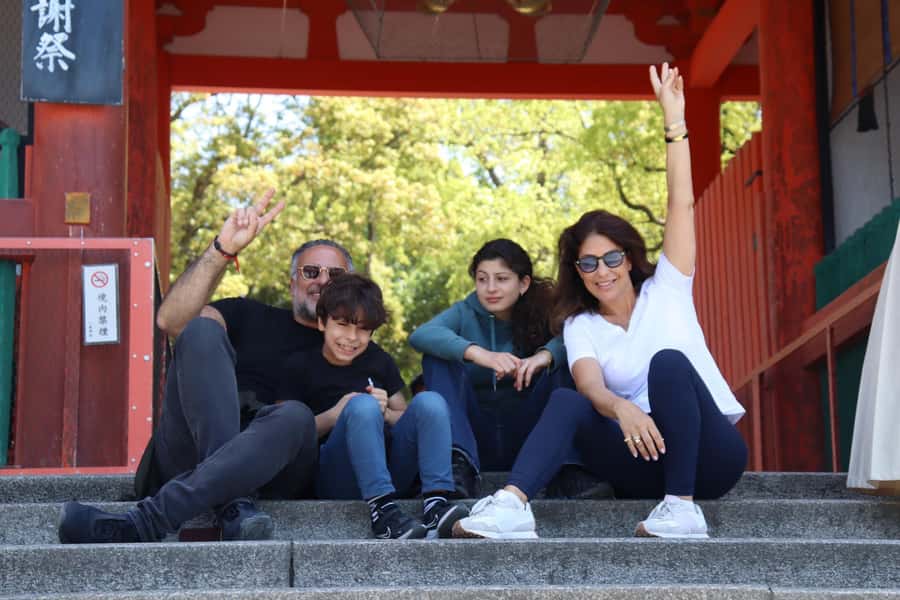
Kiyomizu-dera is one of those Kyoto names that sounds simple, but the experience can land emotionally. The tour focuses on reaching it in the morning so you can enjoy the sweeping views with less interference from crowds.
You’ll take in city views from the temple area, and the route gives you time to slow down enough to appreciate the vantage point. The tour also covers the entrance fee for Kiyomizu-dera Temple (500 yen), which is a small but real quality-of-life detail. You won’t waste energy at the gate figuring out what’s included and what isn’t.
What makes this stop work best with a guide is context. Yes, you’re there to see a landmark, but you’re also there to understand how the place functions culturally. The guide’s explanations help connect the physical spaces to the traditions you’re encountering.
There’s also a practical advantage: if you’re trying to pack a lot into Kyoto without losing your whole morning to lines, arriving earlier is the difference between “nice view” and “I’m stuck behind people holding selfie sticks.” With an early schedule and a walking route, you’re more likely to move through comfortably.
Just keep in mind this is still a walking day. Temple areas can involve steps and changes in elevation. Plan on taking it at a steady pace, and you’ll be grateful you wore shoes that don’t hate you.
Gion on foot: historic streets in a calmer morning mood
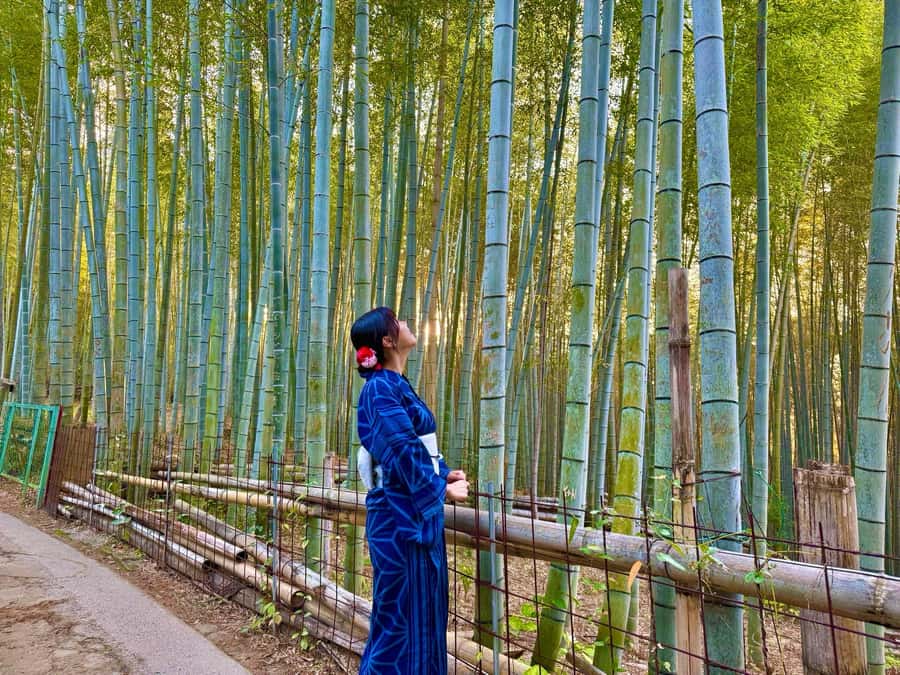
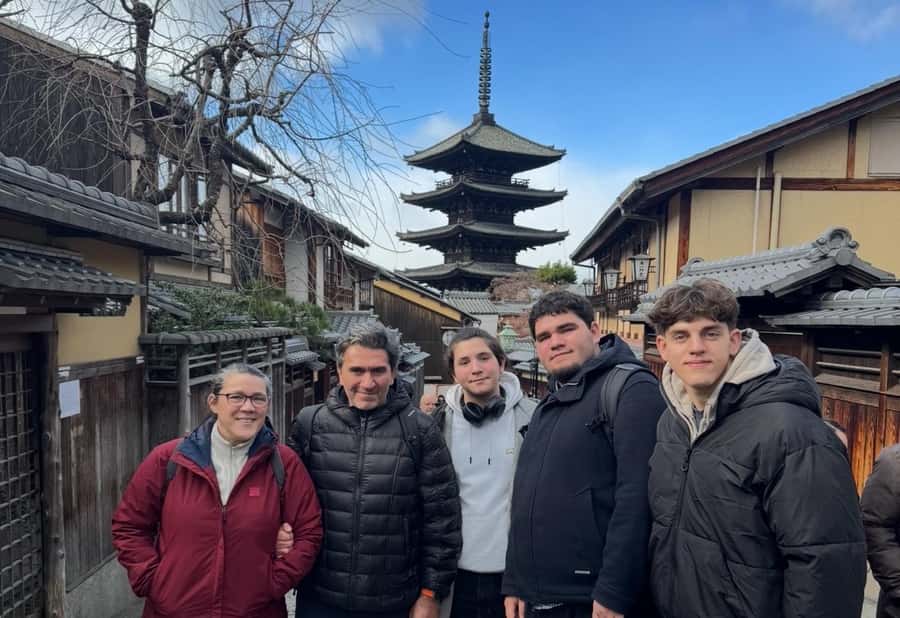
Most people think of Gion as a place to wander at night. But you get a very different feeling when you walk it in the morning. This tour ends with a stroll through Gion, Kyoto’s historic and enchanting district, and the timing makes the streets feel more breathable.
The magic here is the shift from landmark to neighborhood. After torii gates and a major temple viewpoint, Gion gives you atmosphere: narrow streets, traditional street textures, and that sense that Kyoto’s stories continue after the photo spots.
You’ll also get help with photos during the morning, so the final neighborhood walk becomes part of the picture-making rather than an afterthought. It’s a nice way to end: you’ve got your big sights behind you, and now you’re finishing with charm.
If you’re hoping to spot where Kyoto’s old traditions are still visible, Gion is the right note to end on. You’re not rushing straight to a checklist. You’re walking through a district that rewards slow attention.
And if you’re the type who likes to ask questions, the guide is still in full “Kyoto explainer” mode. You’ll likely finish the tour with practical tips for what to do next around your route, since the guide’s approach is described as helpful beyond just the stops.
Keep climbing the Higashiyama slopes toward Kiyomizu-dera

Photos, traditional sweets, and the extras that add up
This tour includes a few “small” items that actually make it feel like you got more than you paid for.
First: professional photos. The guide takes photos during the tour, and the images are described as a big part of the memory. Even if you like taking your own pictures, having someone else capture you gives you a break. You can stop looking at your screen and start noticing Kyoto again.
Second: a sample of Kyoto’s traditional sweets. It’s not a full meal, but it’s a tasty cultural touch that helps you experience the city beyond temples and streets. In a short half-day schedule, those little sensory moments help the day feel complete.
Third: free Wi-Fi. This is useful in a practical way. You can share photos, check directions for after the tour, and keep your phone ready without hunting for a connection.
What you won’t get here is a meal. The tour doesn’t include meals or drinks, so you’ll want to plan breakfast timing before you start or eat afterward. That’s not a problem, it’s just smart planning.
Overall, these extras help explain why many people rate this tour highly: it’s not only about hitting sights. It’s about making the morning smooth, memorable, and photo-friendly.
Price reality check: what $81 buys you in the Kyoto morning rush
At $81 per person, the tour sits in the “worth it if you want help” category. Here’s how that can add up for you:
You get:
- a passionate local English-speaking guide
- the Kiyomizu-dera entrance fee (500 yen)
- samples of traditional sweets
- professional photos
- free Wi-Fi
You don’t get:
- public transportation fare (about 400 yen)
- meals and drinks
- personal expenses
So your real out-of-pocket cost isn’t just the headline price. Expect an extra chunk for transit, and plan food separately. Still, the guide and photo component are doing real work here. If you’ve ever tried to cover Fushimi Inari, Kiyomizu-dera, and Gion yourself, you know how much effort goes into timing, route planning, and crowd management. This tour is designed to solve that stress.
The early start also matters. When a tour is timed to avoid crowds, you’re paying for time and flow, not just access. In Kyoto, that can be the difference between enjoying the experience and feeling like you’re stuck in lines.
One more value angle: you’re not only seeing places. You’re learning how to participate respectfully through etiquette and context. For many visitors, that turns a visit from sightseeing into understanding.
Who this tour suits best, and who might be happier elsewhere
This tour is a great fit if:
- you want to see big Kyoto sights in a half day
- you like early mornings and want quieter sightseeing
- you enjoy walking through neighborhoods, not just ticking off famous names
- you want clear guidance on shrine and temple behavior
- you care about getting good photos without doing all the setup yourself
It’s likely not the best fit if:
- you dislike walking (there’s a moderate amount, with uneven temple areas)
- you need wheelchair access (it’s not suitable for wheelchair users)
- you rely on a stroller (baby strollers and baby carriages are not allowed)
The “be on time” rule is also important. The tour can’t be joined if you’re late, so this is best for travelers who can confidently navigate Kyoto Station and arrive early enough.
If you’re the type who likes to wander freely all morning without a schedule, you might prefer solo time. But if you want your morning structured and guided, this tour is built for that exact feeling.
Getting the meeting point right at Kyoto Station
The meeting point is specific, and that matters because the tour starts early.
You meet at the central exit of Kyoto Station, where Kyoto Tower is visible nearby. Your guide waits by a yellow map near the central exit, next to a 7-Eleven, holding a sign with the OTAKU hopper logo. (After booking, you should receive detailed meeting information with images.)
Because the tour has a strict start time, I strongly recommend arriving a bit ahead. Kyoto Station can be busy, and you don’t want your morning to start with stress.
Also, remember that public transportation fare is not included, so you’ll want some cash or a payment method ready for the roughly 400 yen transit portion.
Should you book the Kyoto Morning Highlights Tour: Fushimi, Kiyomizu-dera & Gion?
If you want Kyoto’s top sights in one smooth morning, with fewer crowds and a guide who explains the why behind what you see, this is a strong choice. It’s especially good value if you care about etiquette and photos, not just scenery.
Book it if:
- you’re on a tight schedule and want a half-day plan that feels efficient
- you’re comfortable walking and you can start early
- you appreciate local context and don’t want to guess how to behave in shrine/temple spaces
Skip it if:
- you can’t commit to punctuality
- you need wheelchair-friendly access
- you prefer a slower, unstructured morning with no walking rhythm
If your goal is a calm, guided morning through Kyoto’s most iconic corners, this tour is built for exactly that.
FAQ
How long is the Kyoto Morning Highlights tour?
The tour is designed as a half-day experience, covering Fushimi Inari, Kiyomizu-dera, and the walk through Gion.
Where do I meet the guide?
Meet at the central exit of Kyoto Station, near the Kyoto Tower, by the yellow map next to a 7-Eleven. The guide is holding an OTAKU hopper sign. You’ll get detailed images after booking.
Is Kiyomizu-dera entrance included?
Yes. The tour includes the entrance fee for Kiyomizu-dera Temple (500 yen).
What about transportation costs?
Public transportation fare is not included, and it’s listed as about 400 yen.
Does the tour include meals?
No. Meals and drinks aren’t included, so plan to eat on your own before or after.
Are strollers allowed?
No. Baby strollers and baby carriages are not allowed.
Is this tour wheelchair accessible?
No. It is not suitable for wheelchair users.
Does the tour include photos and Wi-Fi?
Yes. You’ll get professional photos taken during the tour, and there is free Wi-Fi.
What happens if I’m late to the meeting time?
If you are late for the meeting time, you won’t be able to join the tour and there’s no refund.
More Kyoto Sightseeing Loops


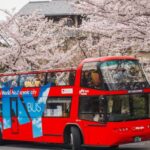
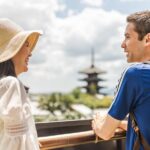
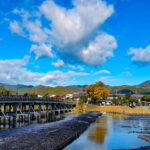
More Along the Higashiyama Slopes
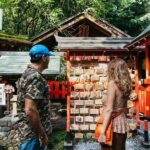
Still in Gion? Keep Going
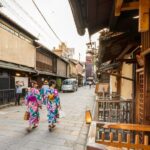
Just added: more Kyoto tours to browse






Kiyomizu-dera & Higashiyama Tours, compared.
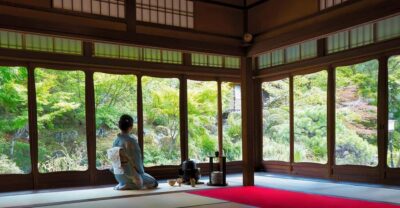 ★ 4.9Tea Ceremony in a Traditional Tea House in KiyomizuFrom $493,519 reviews
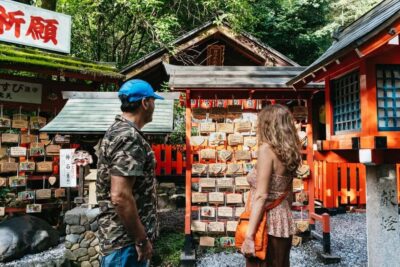 ★ 4.7Nijo Castle, Kiyomizu & Fushimi Inari Guided TourFrom $54700 reviews
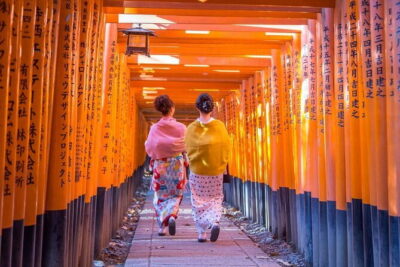 ★ 5.0Nijo, Kinkaku-ji, Arashiyama, Kiyomizu & Fushimi InariFrom $51699 reviews
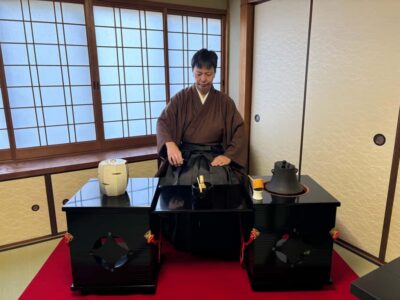 ★ 4.8Kyoto Ninenzaka: Tea Ceremony in Old Townhouse with ChairsFrom $21215 reviews
 ★ 5.0Private Rickshaw Tour of Gion and Higashiyama AreaFrom $51144 reviews
 ★ 5.0Kyoto Tea Ceremony & Kiyomizu-dera Temple Walking TourFrom $109115 reviews
 ★ 5.0Kyoto Kiyomizu Tea Ceremony with Scenic Garden ViewsFrom $50101 reviews
 ★ 4.7Kimono/Yukata Rental 5 Minute from Kiyomizu-deraFrom $1989 reviews
Browse the lists this tour appears in