
Reviewed · GION & GEISHA DISTRICT TOURS
Kyoto: Lunch or Dinner with Maiko
Kyoto’s Maiko magic, served with dinner. The biggest draw is the chance to get up close and see a Maiko dance performance, plus a photo moment that feels personal rather than distant.
I also like how the program works like a mini cultural lesson: a tea ceremony demonstration, a Kyoto meal built around dashi flavors, and a Q&A where you can ask real questions. One thing to weigh first: the venue is not an ochaya-style house. It’s in a regular building, with stairs and a more practical setup.
In This Review
- Key Things You’ll Actually Remember
- Maiko Dinner Kyoto: What the Setting Is Like at Gojo
- How the 90 Minutes Unfold: Tea, Traditional Food, Then Q&A
- Tea ceremony demonstration
- Kyoto dinner prepared the traditional way
- Q&A with the Maiko
- The Photo Moment and the Senjyafuda Lucky Charm
- Two Maiko Dances: Seasons, Love Stories, Everyday Life
- What if Geiko appears instead?
- Game Time With a Maiko: How to Join Without Getting Stuck
- Price and Seating Options: Is $63 Good Value?
- Food Expectations: Dashi-Forward Kyoto (Not Loud and Spicy)
- Who Should Book This Maiko Dinner Experience
- Should You Book Kyoto Lunch or Dinner With Maiko?
- FAQ
- Is this experience only dinner, or also lunch?
- How long is Kyoto Lunch or Dinner with Maiko?
- Where do I meet the group?
- What happens during the program?
- Do you offer a tea ceremony experience or just a demonstration?
- Are the seats upgradeable?
- Do I get time for photos?
- Do children get a discount?
- What language is used during the experience?
- Is the venue an ochaya, and is there an elevator?
- What if the performer is not a Maiko?
- Booking or deciding question (quick check)
Key Things You’ll Actually Remember
- Maiko tea ceremony etiquette, with an optional tea-making add-on if you want hands-on
- Kyoto food built on dashi, served as traditional dishes from a long-established restaurant
- A Q&A that turns sightseeing into understanding, not just watching
- Photo time beside the Maiko, followed by a Senjyafuda lucky charm
- Two dances that show seasons and everyday stories, not just one routine
- A friendly game moment, where you can clap and cheer (and jump in only if you want)
Maiko Dinner Kyoto: What the Setting Is Like at Gojo
This is one of those Kyoto experiences that trades “perfectly staged tea house fantasy” for a more relaxed, approachable reality. You’re meeting a Maiko in a building, not inside a traditional ochaya house, and that affects the vibe. Think: comfortable and clear, rather than hidden and dimly dramatic.
The good news is you don’t need special preparation or complicated etiquette training. Staff keep things moving, and the pace is designed for visitors who want to understand the performance and the culture without feeling lost.
Logistics matter here because the building has no elevator. If stairs are a concern for you, factor that in before you book. Also, it’s in the Gojo area, with the meeting point just a minute walk from Exit 1 of the Karasuma Line Gojo Station. The entrance faces Gojo-dori, so you’re not hunting around side streets in a panic.
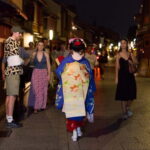
More evenings along the lantern-lit lanes of Gion

How the 90 Minutes Unfold: Tea, Traditional Food, Then Q&A
The program runs about 90 minutes, and it’s intentionally built as a sequence: calm first, then conversation, then showtime. That pacing makes it easier to take it all in.
Tea ceremony demonstration
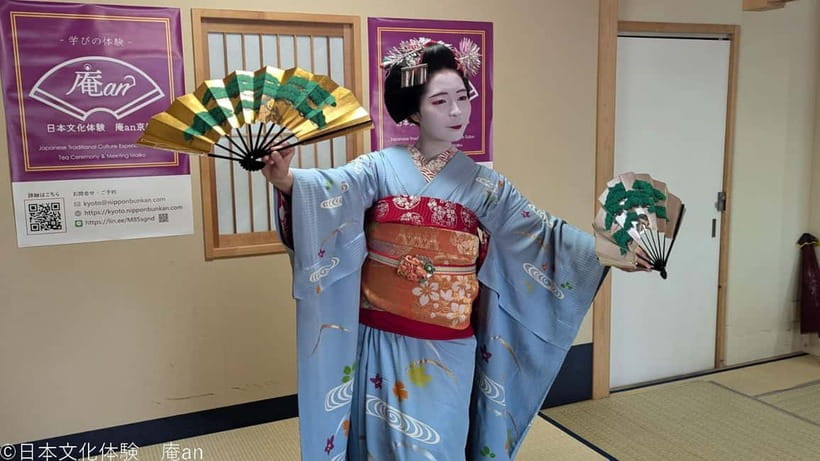
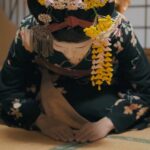
It starts with a tea ceremony demonstration by the Maiko. Even if you’ve seen a tea ceremony before, the value here is that you’re watching the etiquette and movements close up, with a person who represents the tradition in active training.
If you want more than watching, there’s an optional tea-making add-on (1,600 JPY). That’s a meaningful upgrade for people who learn by doing instead of just observing.
Kyoto dinner prepared the traditional way
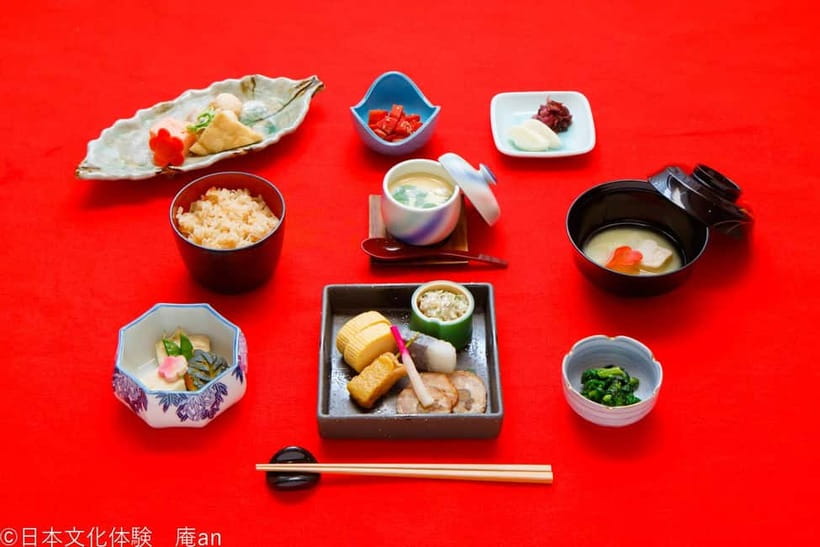
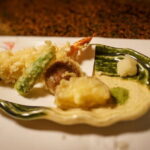
Next comes dinner prepared by one of Kyoto’s long-established restaurants. The flavor direction is very Kyoto: dashi soup stock shows up a lot, and the meal reflects the kind of dishes Kyoto is known for.
One detail I really appreciate is the emphasis on tradition in how food is handled. Kyoto is famous for the “shidashi” style—delivery and traditional ordering methods—and this experience keeps that mindset instead of trying to turn everything into a modern buffet setup.
Now, here’s the realistic part: the meal is traditional, and Kyoto flavors can be subtle. If you’re the type who expects strong seasoning and heavy aromas, you may find the food more delicate than you want. On the other hand, if you like dashi-based soups and gentle balance, you’ll likely feel right at home.
Q&A with the Maiko
After dinner, you get a Q&A session. This is where the experience stops being just a performance and becomes something you can actually talk about later.
The format is built around learning her world—daily routines, training, and what the role means. You’re encouraged to ask questions directly, and that personal interaction is a big reason this is worth your time. Even if your Japanese is limited, English translation is provided as much as possible (and you can request additional help by contacting them).
Other Kyoto tours and experiences to compare
The Photo Moment and the Senjyafuda Lucky Charm
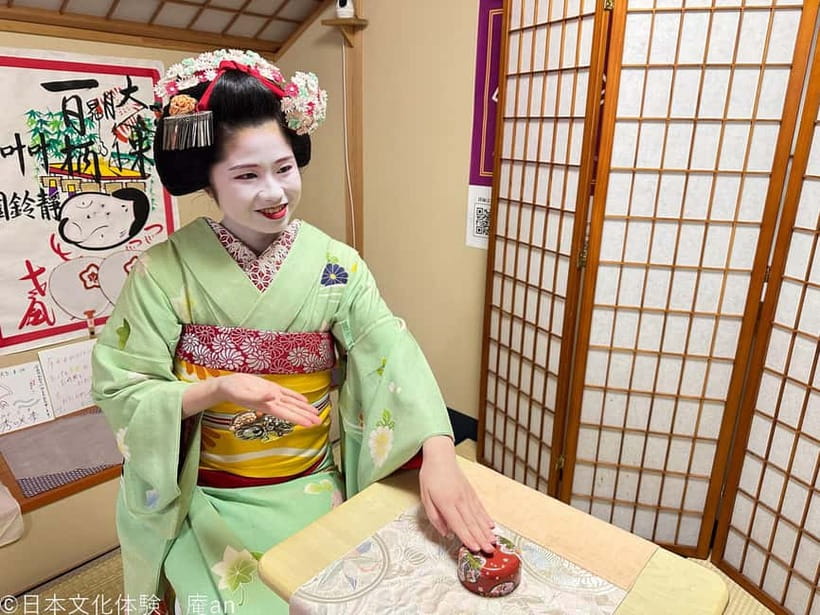
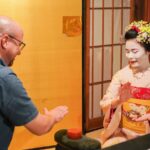
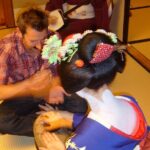
After the Q&A, you’ll have a photo opportunity right beside the Maiko. This is one of those small moments that can feel surprisingly powerful because you’re not taking a distant picture from the back row. You’re close enough to make it feel like a shared event, not a show you watched.
Then comes the gift: a Senjyafuda lucky charm. It’s presented by the Maiko as a special keepsake from the session. For me, that detail turns the whole evening into something you can take home without needing to “remember every dance step.”
If you’re traveling with friends, this is also when the mood shifts from attentive to celebratory. Everyone relaxes a bit. People start comparing photos and talking about what they asked during the Q&A.
Two Maiko Dances: Seasons, Love Stories, Everyday Life
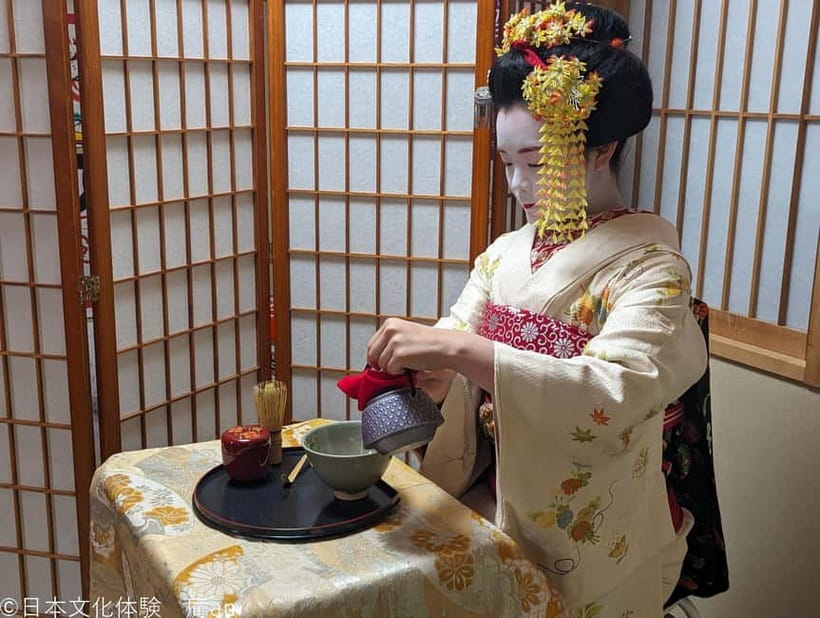
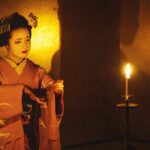
The performance part is built around two traditional dances. The point isn’t only movement—it’s meaning. The dances are designed to express Japan’s seasons, love stories, or everyday life, so you’re watching “emotion translated into choreography.”
This matters because Maiko performances aren’t just about being graceful. They’re about controlled gesture, timing, and storytelling through formality. If you’ve ever watched a formal Japanese dance and thought, I want to understand what I’m seeing, this is the right direction: you’re getting the show and the explanation in the same program.
What if Geiko appears instead?
One note to keep expectations flexible: depending on the situation, you might be invited a Geiko instead of a Maiko. Also, this may happen with people who are not having dishes. It’s still in the same spirit of traditional dance and interaction, but the performer’s background and style can differ. If you booked specifically for Maiko, just know you may get a related cultural experience.
Game Time With a Maiko: How to Join Without Getting Stuck
Near the end, there’s an interactive game moment. The idea is simple hospitality: Maiko often play games with guests, and volunteers are welcome.
If you’re shy, that’s fine. Watching can be fun too, and your job is mostly to stay positive—clap, cheer, and follow staff cues. If you do participate, the goal isn’t performance; it’s participating in the atmosphere. You’ll feel like part of a group moment rather than a seated spectator.
This part also creates a nice contrast after the structured formality of tea and dance. You get to see personality and lightness—something you can’t always catch in strictly formal cultural events.
Maiko are professionals, though. If you’re thinking, I’ll out-dance the room, don’t. Go in ready to enjoy, not to compete.
Price and Seating Options: Is $63 Good Value?
At $63 per person for a 90-minute program that includes dinner with Maiko, this is priced like a “special event,” not like a casual evening show. The value comes from the combination: tea ceremony demonstration, dinner, Q&A, photo time, two dances, and a small gift.
You can also add seating upgrades:
- SS seat (first row): 3,300 JPY
- S2 seat (second row): 2,200 JPY
- S3 seat (third row): 1,100 JPY
If you care about seeing details in dance—hand movements, posture, and expression—paying for better seating can be worth it. If you’re more focused on the interaction and the Q&A, a standard seat may still feel satisfying.
One caution on value: your enjoyment will depend on how much you buy into the traditional, sometimes understated style of the meal and the room setup. This isn’t a luxury private stage with theatrical decor. It’s designed for access and experience, and that can be great—just don’t expect an ochaya-house aesthetic.
Food Expectations: Dashi-Forward Kyoto (Not Loud and Spicy)
The dinner is prepared by a long-established Kyoto restaurant, and the cuisine leans heavily on dashi soup stock—classic Kyoto flavor logic. That gives the meal a clean taste, with depth that comes from stock rather than heavy seasoning.
Here’s how I’d plan your mindset: Kyoto food often feels balanced and subtle, not overly salty or aggressively flavored. If you want comfort-food intensity, you might find it mild. If you like refined, stock-based dishes, you’ll probably appreciate it.
Also, note that some aspects of the program can run with different activity segments happening at the same time for different groups. That doesn’t mean the experience is chaotic—it just means you shouldn’t expect a movie-set quiet room.
Who Should Book This Maiko Dinner Experience
This is a strong match if you:
- want an experience that mixes performance with conversation (Q&A is a big deal here)
- care about Kyoto traditions like tea ceremony etiquette and dashi-based cuisine
- enjoy interactive cultural activities, like the game and the photo moment
- want a practical way to see Maiko-style dance without building an entire itinerary around it
I’d think twice if you:
- want a traditional ochaya-house atmosphere with elaborate room styling
- expect “big entertainment” with no cultural explanation
- have low tolerance for stairs (the building has no elevator)
Should You Book Kyoto Lunch or Dinner With Maiko?
If your goal is to meet a Maiko in a structured, respectful way—tea ceremony, direct Q&A, close photo time, then two dances—this is a very workable choice. The $63 price makes sense when you treat it as an all-in cultural session, not just a ticket to a dance show.
Just go in with the right expectations. This isn’t a hidden, perfect-lantern-world ochaya. It’s a friendly, practical building experience that prioritizes access and understanding. If you like traditional Kyoto flavors and you’re curious enough to ask questions, you’ll likely leave feeling like you didn’t just watch Kyoto—you learned something about it.
FAQ
Is this experience only dinner, or also lunch?
The schedule provided focuses on a traditional dinner with the Maiko. If your booking shows lunch for your time slot, the exact meal setup can vary—check the specific session details you select.
How long is Kyoto Lunch or Dinner with Maiko?
The program runs about 90 minutes.
Where do I meet the group?
Meet about a 1-minute walk from Exit 1 of the Subway Karasuma Line Gojo Station. The store entrance faces Gojo-dori.
What happens during the program?
You can expect a tea ceremony demonstration, a Kyoto-style dinner, a Q&A session, a photo opportunity with the Maiko, presentation of a Senjyafuda lucky charm, two Maiko dances, and a short interactive game moment.
Do you offer a tea ceremony experience or just a demonstration?
You’ll have a tea ceremony demonstration. There is also an optional tea-making add-on for an additional 1,600 JPY.
Are the seats upgradeable?
Yes. You can add SS (first row) for 3,300 JPY, S2 (second row) for 2,200 JPY, or S3 (third row) for 1,100 JPY.
Do I get time for photos?
Yes. You’ll take a commemorative photo right beside the Maiko.
Do children get a discount?
Children under 2 years old are free of charge. If they need a seat or meal, the same fee as one person applies.
What language is used during the experience?
The instructor is Japanese. English translation is provided as much as possible if you would like it.
Is the venue an ochaya, and is there an elevator?
The venue is not an ochaya or a traditional Japanese house. It’s in a building with no elevator, so you’ll need stairs.
What if the performer is not a Maiko?
Depending on the situation, it may be Geiko instead of Maiko. This can also occur for groups not having the meal.
Booking or deciding question (quick check)
If you want a Kyoto cultural evening that blends food, tea ceremony etiquette, questions, and two dances into one guided block, book it. If you want a fully traditional ochaya-house setting or a very dramatic stage show, look for a different style of event.
More Dining Experiences in Kyoto
More Tour Reviews in Kyoto

Still in Gion? Keep Going


Just added: more Kyoto tours to browse





Gion & Geisha District Tours, compared.
 ★ 4.7Kyoto Geisha Walking Tour: Gion District & Hidden GemsFrom $253,273 reviews
 ★ 4.9Gion Magical Night Walking Tour with Geisha TriviaFrom $242,393 reviews
 ★ 4.7Gion Geisha District Walking Tour – Stories of GeishaFrom $202,187 reviews
 ★ 4.9Best of Kyoto: Gion, Geisha, Pagodas & CobblestonesFrom $242,058 reviews
 ★ 4.5Night Walk in Gion: Kyoto’s Geisha DistrictFrom $212,003 reviews
 ★ 5.0Kyoto Night Foodie Tour in Gion (9+ dishes + 6 Sake tastings)From $1631,762 reviews
 ★ 5.0Kyoto Gion Geisha District Walking Tour – The Stories of GeishaFrom $251,441 reviews
 ★ 5.0Kyoto Gion: 2-Hour Geisha Culture & History Walking TourFrom $231,186 reviews
Browse the lists this tour appears in