
Reviewed · KYOTO SAMURAI & NINJA EXPERIENCES
Kyoto: Kendo Samurai Experience Tour
Bowing and battle, in Kyoto. This kendo experience is a hands-on way to learn Japanese swordsmanship basics, right in a dojo setting focused on etiquette and controlled training. I like that you get to wear full armor and feel the gear from the start, and that the session is led by Hayashi-sensei with clear instruction (plus translator support when needed). One consideration: the meeting spot is at JR Hanazono Station, a bit outside Kyoto Station area.
Over two hours, you’ll move from basics to practice strikes, and you may even finish with a safe match-style bout in full protective kit. It’s serious training, but it’s paced for beginners and guided to keep it fun and safe—just expect a real workout. If you’re booking with your height and gender, share that ahead of time so they can fit the equipment properly.
Key moments you’ll remember
- Full kendo armor and proper equipment so it’s not just theory
- Instruction from Hayashi-sensei, with step-by-step explanations in English or Japanese
- Dojo etiquette first, then footwork and bamboo sword practice
- A controlled end-of-session sparring match in full gear
- Small-group energy (sometimes it can feel close to private tuition)
- Free kendo towel and mineral water, included in the session
In This Review
- Kendo in Kyoto: Full Armor Training in a Real Dojo Setting
- Meet Hayashi-sensei: Clear Coaching and Safety First
- What the 2-Hour Flow Feels Like: Etiquette, Footwork, and Shinai Strikes
- The End Match: Safe Competition That Makes It Click
- Price and Value: Is $116 Worth It in Kyoto?
- Getting There: JR Hanazono Station Meeting Point Tips
- What to Bring and What to Expect Day-Of
- Who This Kendo Experience Is For (and Who Should Skip)
- Small-Group Moments and Why They Matter
- Final Thoughts: Should You Book This Kyoto Kendo Tour?
- FAQ
- Is this kendo experience suitable for beginners?
- What language will the instructor use?
- How long is the tour?
- Where do I meet?
- Is hotel pickup or drop-off included?
- Is food included?
Kendo in Kyoto: Full Armor Training in a Real Dojo Setting
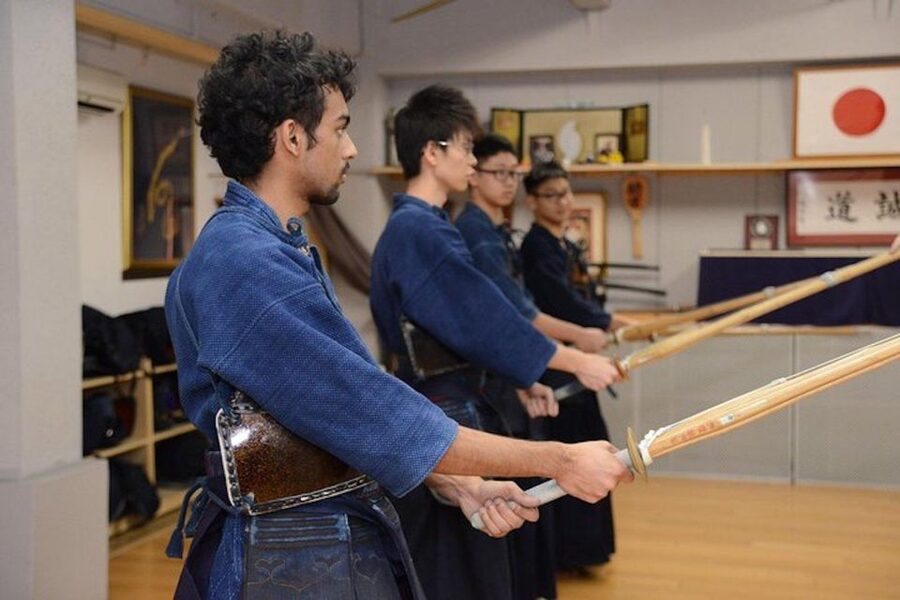
This is one of those Kyoto experiences that’s more than watching. You’re not standing at the edge of a seminar. You’re inside the training space, following an instructor’s calls, practicing the movements, and learning why kendo is as much discipline as it is fighting.
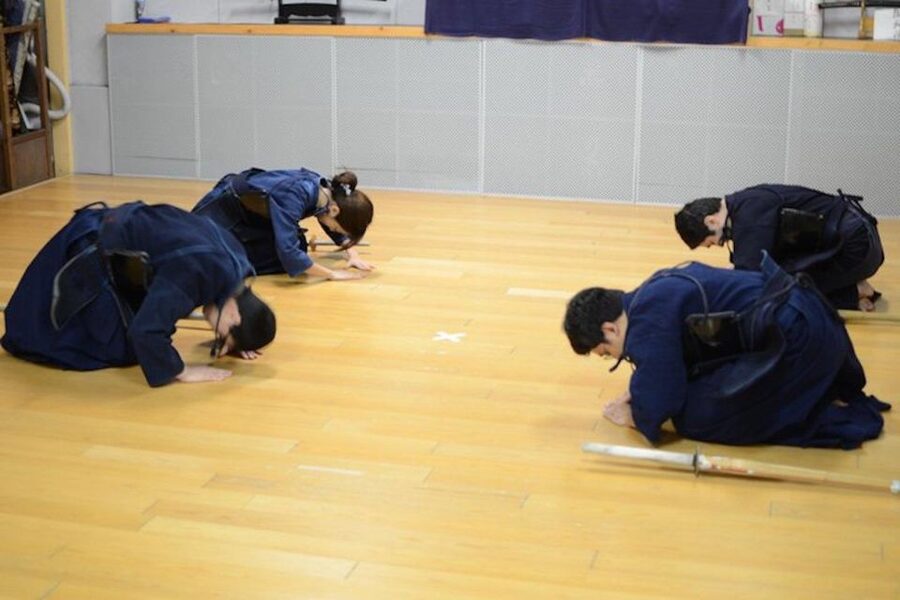
The tone is traditional: bowing, respectful behavior, and a strong focus on safety. You’ll handle the training sticks (shinai) and learn how the basics work before you start doing anything that looks like a real clash. That mix—etiquette plus action—is the appeal here.
And yes, the gear changes everything. When you put on full kendo armor, your posture, timing, and awareness shift. Your brain stops thinking of this as a demo and starts treating it like a physical skill you’re learning.
Meet Hayashi-sensei: Clear Coaching and Safety First
The biggest reason this tour earns such strong praise is teaching quality. Hayashi-sensei leads the session with a calm, logical approach—breaking down what you need to do and why you’re doing it. If your Japanese is limited, you’re not left guessing. Instruction and demonstrations are delivered in a way that helps you follow along, and support is provided as needed.
Safety is not an afterthought. The training uses structured practice, controlled pace, and proper equipment, so beginners can participate without feeling reckless. The goal is to let you experience the feel of kendo while still keeping the session “safe and fun,” not chaotic.
There’s also a practical side to how the instructor teaches: you don’t just memorize rules. You learn how the rules show up in movement—stance, distance, timing, and respect for training partners.
Pick up the blade again with these Kyoto sessions
What the 2-Hour Flow Feels Like: Etiquette, Footwork, and Shinai Strikes
You’ll spend your 2 hours doing real training steps, not just listening. While the exact pacing can vary, the structure is typically:
1) Getting fitted and oriented in armor
Before you swing anything, you’ll get rental equipment and help with getting set up. This is also why the operator asks for your gender and height: the session depends on you getting the right size gear.
2) Dojo etiquette and basic rules
Kendo has clear cultural expectations: how you enter and move in the space, how you communicate, and how you treat training as something respectful. You’ll pick up the basics quickly, so you don’t feel lost the moment you step in.
3) Core movement and practice drills
You start with manageable drills that build stance and rhythm. This is where most beginners notice kendo isn’t just about arms. It’s legs, balance, and timing. The strikes are practiced as technique, not as power-fueled swings.
4) Bamboo-sword strike practice
Once you understand the starting points, you’ll practice the strike motions with the shinai. Expect repeated reps and corrections—this is training, and it’s supposed to improve your form.
By the end, you’ll have enough foundation to understand what you’re seeing in later sparring-style moments.
The End Match: Safe Competition That Makes It Click
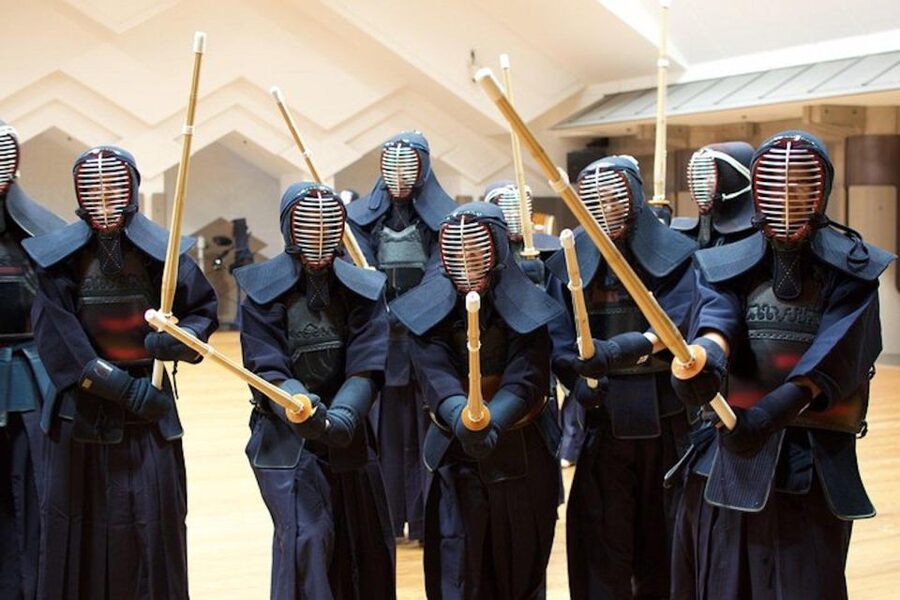
One of the best parts of this experience is that it can end with a match-style kendo bout in full protective equipment. Not a free-for-all—more like controlled sparring that follows training rules and safety structure.
This moment matters because it turns technique into something you can feel. You stop thinking, My turn is coming, and start thinking about timing: how you move into range, how you read your partner’s stance, and when to commit to the strike.
It’s also a fun format for groups and families. Some sessions have a father-versus-son or sibling-versus-sibling feel, which makes the training moment memorable beyond the sport itself.
Price and Value: Is $116 Worth It in Kyoto?
At $116 per person for two hours, the value comes from what’s included: professional instruction, full equipment rental, mineral water, and a free kendo towel. For many visitors, the biggest reason the price feels fair is that you’re not doing a “watch and learn” activity. You’re actively training with the gear that usually costs money to purchase and maintain.
You also get a teacher-led experience with English and Japanese support, which is a big deal if you want real understanding and not just a costume moment. If you’ve ever tried a hands-on cultural class and felt like you were mostly observing, this is the opposite.
The main “cost” you should plan for is effort. Kendo can be tiring, and the armor adds weight. If you’re expecting an easy stroll, you’ll be surprised.
Getting There: JR Hanazono Station Meeting Point Tips
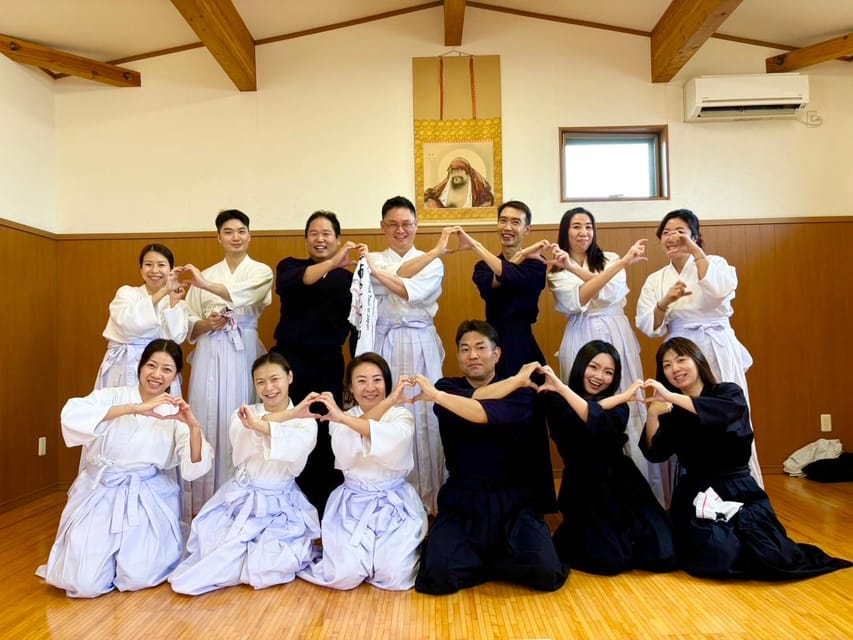
You meet at JR Hanazono Station North Exit (JR 花園駅北口). From Kyoto Station, it’s about 15 minutes by JR Sagano Line (JR 嵯峨野線). That’s not far, but it is far enough that you shouldn’t assume you can walk from central Kyoto without planning.
Practical advice:
- Aim to arrive a little early so you have time to find the right meeting spot and get oriented.
- If you’re traveling with family, check that everyone knows the station name exactly: Hanazono, North Exit.
Once you’re there, the rest is straightforward—you’ll get set up for the session.






What to Bring and What to Expect Day-Of
Good news: you don’t need to bring a lot. The tour includes rental armor and equipment, plus mineral water. You’ll also receive a free kendo towel, which is a nice practical souvenir you can actually use later.
That said, you should show up prepared to move. Wear comfortable clothing under whatever you use for the session, and think about staying warm and dry since training is physical.
Also, share your info before the class so the provider can fit equipment properly:
- Your gender
- Your height
This isn’t bureaucracy. It directly affects whether the armor and gear fit safely.
Who This Kendo Experience Is For (and Who Should Skip)
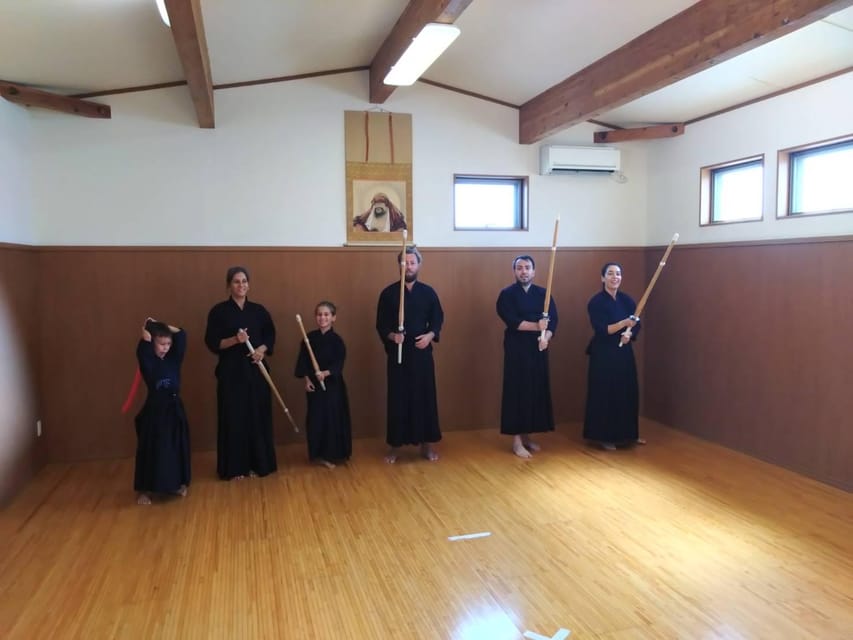
This tour is designed with beginners in mind. In fact, kendo is one of the martial arts where you can experience real combat-feel in a structured, beginner-friendly way because the training format includes controlled technique and safety.
It’s especially good if you:
- Want a hands-on Japanese culture activity, not just photos
- Like learning from a dedicated instructor in a traditional setting
- Travel with kids or family and want a memorable shared activity
It’s not suitable for:
- Pregnant women
- People with pre-existing medical conditions
If any health concerns apply, check with your doctor first or skip this activity.
Small-Group Moments and Why They Matter
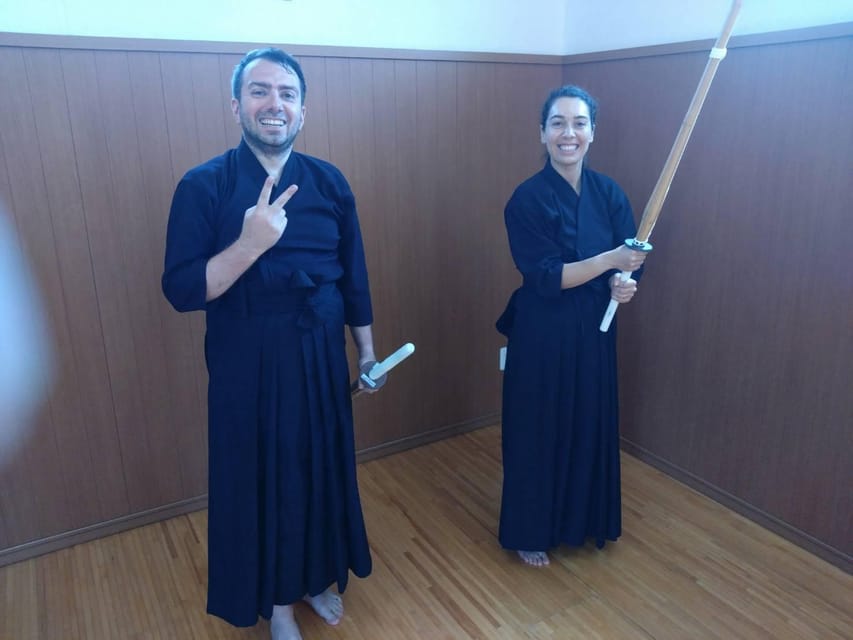
A standout detail from the way sessions can run: you might get more personal attention than you expect. On some days, the class can be smaller than the typical group size, which means more chances to get corrections on your form and timing.
That changes the learning curve. Instead of practicing “good enough,” you’re more likely to understand what you’re doing wrong—and how to fix it.
Final Thoughts: Should You Book This Kyoto Kendo Tour?
If you want one Kyoto activity where you leave with both a story and a new respect for the discipline of Japanese swordsmanship, I think this is a strong pick.
Book it if you want:
- Real practice in proper armor
- Coaching that supports beginners
- A safe, fun ending with match-style sparring
Consider skipping or choosing something else if you:
- Are worried about physical exertion (kendo is a workout)
- Have any medical limitations that make high-impact or protective-gear training unsafe
- Prefer very close-to-Kyoto-Station logistics without traveling to Hanazono
For many visitors, this is the kind of class that makes Kyoto feel personal: not just a place you walk through, but a skill you briefly step into.
FAQ
Is this kendo experience suitable for beginners?
Yes. The session is designed for beginners, with guided steps that teach basic rules, movement, and strike practice before any controlled sparring.
What language will the instructor use?
The instructor provides support in English and Japanese.
How long is the tour?
The experience lasts 2 hours. Starting times depend on availability.
Where do I meet?
Meet at JR Hanazono Station North Exit (JR 花園駅北口).
Is hotel pickup or drop-off included?
No. Hotel pickup and drop-off are not included.
Is food included?
No. Food is not included (mineral water is provided).
More Tours in Kyoto
More Tour Reviews in Kyoto
More Samurai and Ninja Sessions

Just added: more Kyoto tours to browse








Kyoto Samurai & Ninja Experiences, compared.
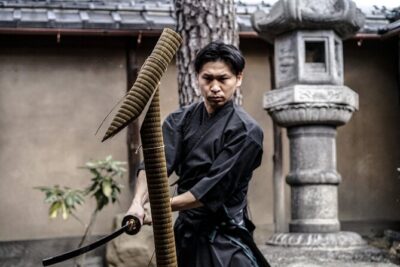 ★ 5.0Kyoto Samurai ExperienceFrom $1191,294 reviews
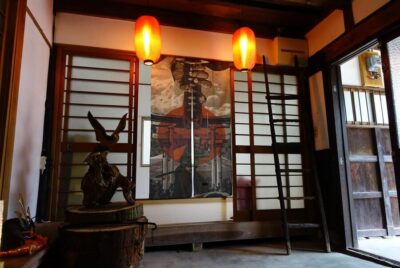 ★ 4.9Kendo and Samurai Experience with Uniform and GearFrom $103815 reviews
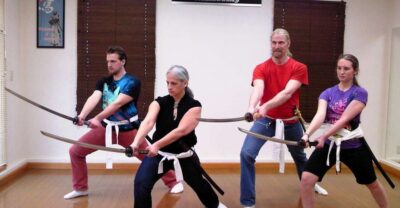 ★ 4.9Samurai Sword Class by Experts in Traditional ArtsFrom $64657 reviews
 ★ 4.5Skip the lines Basic Ticket at SAMURAI NINJA MUSEUM KYOTOFrom $28632 reviews
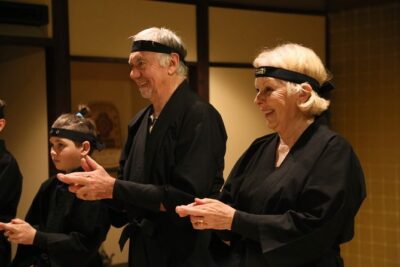 ★ 5.0Ninja 1-hour Hands-on Lesson by Japanese master in Kyoto -EntryFrom $80489 reviews
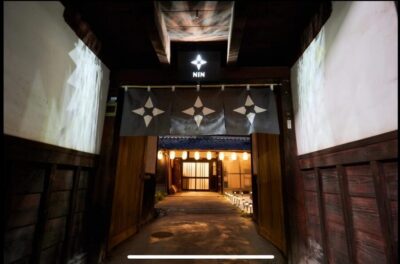 ★ 4.8Ninja Weapon Forging ExperienceFrom $148478 reviews
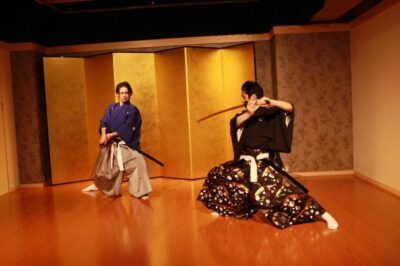 ★ 4.5Samurai Kenbu Traditional Sword Dancing ShowFrom $32426 reviews
 ★ 5.0Samurai Training with Modern day Musashi in KyotoFrom $132256 reviews
Browse the lists this tour appears in