
Reviewed · KIYOMIZU-DERA & HIGASHIYAMA TOURS
Kyoto: Historic Higashiyama Walking Tour
Torii gates set the pace in Kyoto. I love how this tour opens with Fushimi Inari Taisha and then slows down at Kiyomizu-dera for the view and the Otowa Waterfall ritual. You also get a train hop to Gion, so you spend less time sorting out how to get from place to place, but there’s some uphill walking and it’s not a good fit if you use mobility aids.
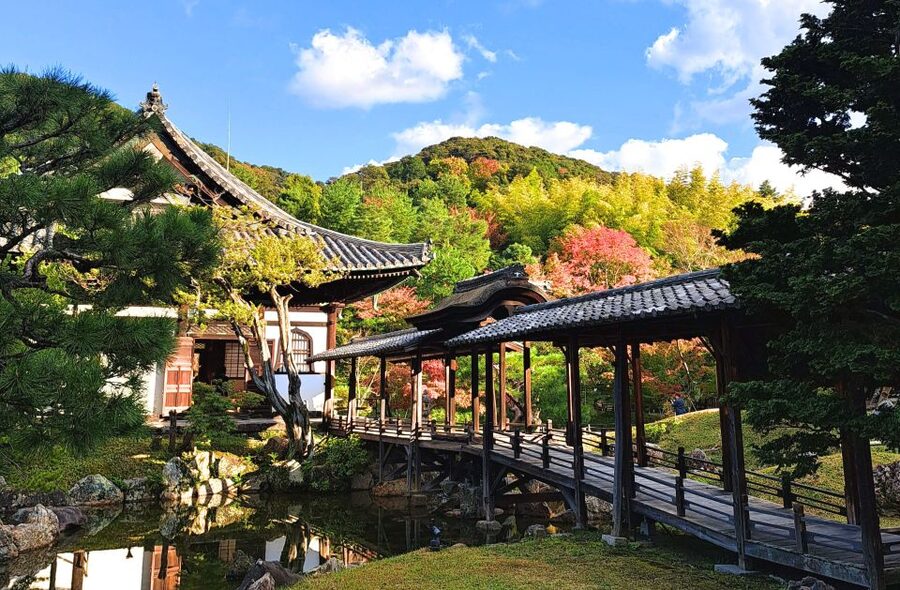
Higashiyama means east mountain, and this route takes you along the foothills that frame eastern Kyoto. I like the balance between headline sights and calmer moments, especially Kodaiji Temple with its garden serenity and bamboo grove.
The group is kept small (up to 10 people), and the guide works in English, French, Spanish, or Hebrew. Meet just outside the fare gates of JR Inari Station, wear comfortable shoes, and plan to travel light since luggage or large bags aren’t allowed.
In This Review
- Key highlights worth showing up for
- Higashiyama in Four Hours: Fast, Focused, and Walkable
- Starting at Inari Station and Fushimi Inari Torii Gates
- The Gion Train Hop: Geisha District Stories with Kyoto Context
- Kodaiji Temple Gardens and Bamboo Grove Quiet (Admission Included)
- Sannenzaka Backstreets and Kiyomizu-dera’s Otowa Waterfall Ritual
- Price and What You Actually Get for $106
- Small Group (10 Max) Means Pacing You Can Actually Handle
- What to Bring (and What You’ll Leave Behind)
- Who This Kyoto Higashiyama Walk Is Best For
- Should You Book This Kyoto Historic Higashiyama Walking Tour?
- FAQ
- How long is the Kyoto Historic Higashiyama Walking Tour?
- Where do we meet for the tour?
- What’s included in the ticket price?
- Are food and drinks included?
- Is this a small group tour?
- What languages are available for the live guide?
- Is there uphill walking?
- Is the tour suitable for people with mobility impairments?
- Are luggage or large bags allowed?
- What are the cancellation and payment options?
Key highlights worth showing up for
- Fushimi Inari Taisha with a guide at your side for context while you walk the famous torii path
- Gion storytelling plus a short train ride so you spend more time looking and less time navigating
- Kodaiji Temple includes admission, with a garden-and-bamboo kind of calm
- Higashiyama backstreets like Sannenzaka for traditional Kyoto vibes beyond the main sights
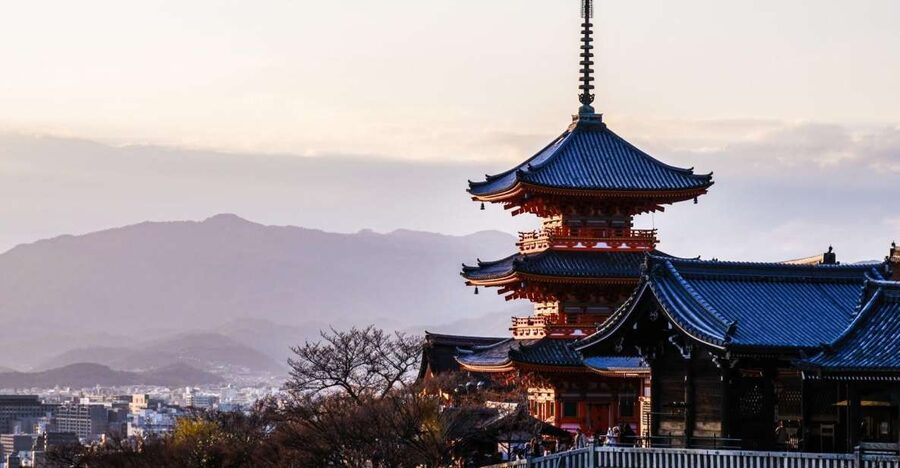
- Kiyomizu-dera includes admission, plus the Otowa Waterfall ritual and sweeping views
- Small group (10 max), which helps with pacing, photos, and flexibility on tired legs or hot days
Higashiyama in Four Hours: Fast, Focused, and Walkable
If you want Kyoto highlights without turning your day into a transit puzzle, this route makes sense. Higashiyama is packed with must-sees, so the smart move is to have someone map the flow for you and explain what you’re actually seeing.
This tour runs about four hours and keeps you moving through the eastern foothills of central Kyoto. The pacing is active, with a bit of uphill walking, but it’s not described as exceptionally steep or demanding. If you’ve got decent stamina for stairs and sloped streets, you’ll be fine.
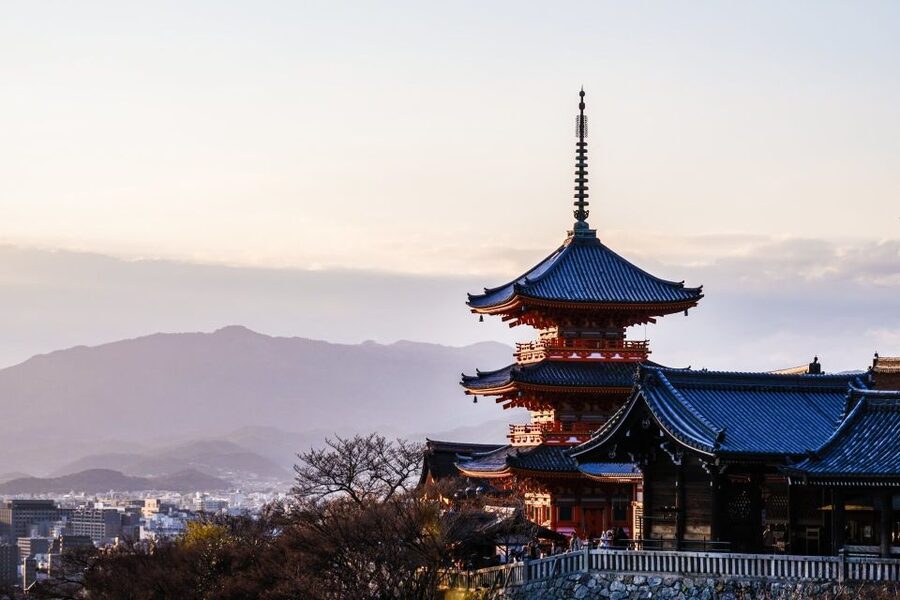
The best part is that you cover multiple “Kyoto moods” in one loop: shrine energy at Fushimi Inari, the atmosphere of Gion, garden calm at Kodaiji, and the dramatic viewpoint of Kiyomizu-dera. That’s a lot to fit in, but it stays coherent because the route is designed to connect the areas.
One quick reality check: food and drinks aren’t included. You’ll want to plan for your own snacks or small breaks along the way.
Keep climbing the Higashiyama slopes toward Kiyomizu-dera
Starting at Inari Station and Fushimi Inari Torii Gates
You meet at JR Inari Station—just outside the fare gates—so you can get oriented fast. Depending on where you’re coming from, you might find it easier to use Keihan trains and walk a few minutes to JR, but either way the start location keeps things straightforward.
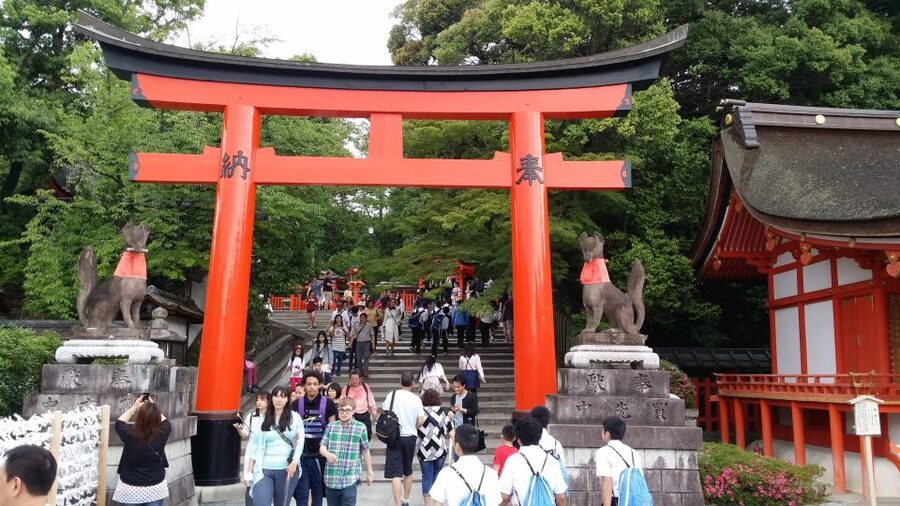
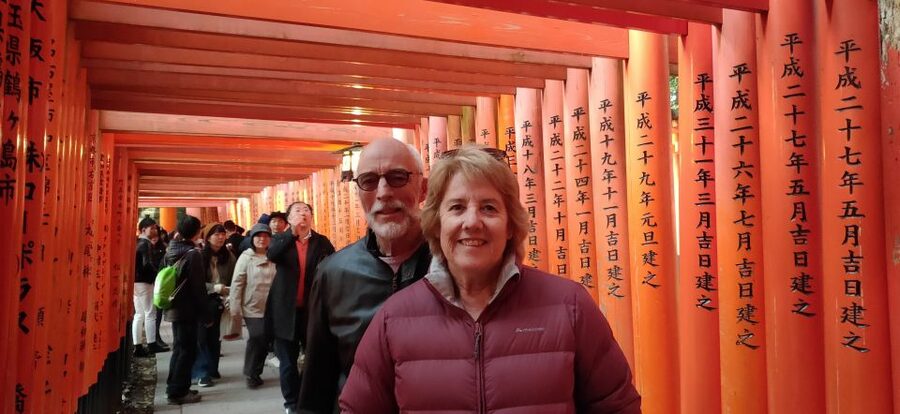
Then you head to Fushimi Inari Taisha, a Shinto shrine in the southern part of the Higashiyama mountain range. The tour spends about an hour guiding you through the shrine complex and its famous torii gates that climb the mountainside.
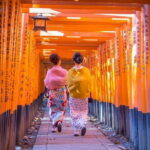
I love this start because it’s instantly visual. The vermilion gates create a tunnel-like feeling as they snake upward, and having a guide changes the walk from just pretty scenery into something you can actually place historically and culturally. You’re not just doing steps; you’re understanding why the shrine matters and what you’re seeing when you pass gate after gate.
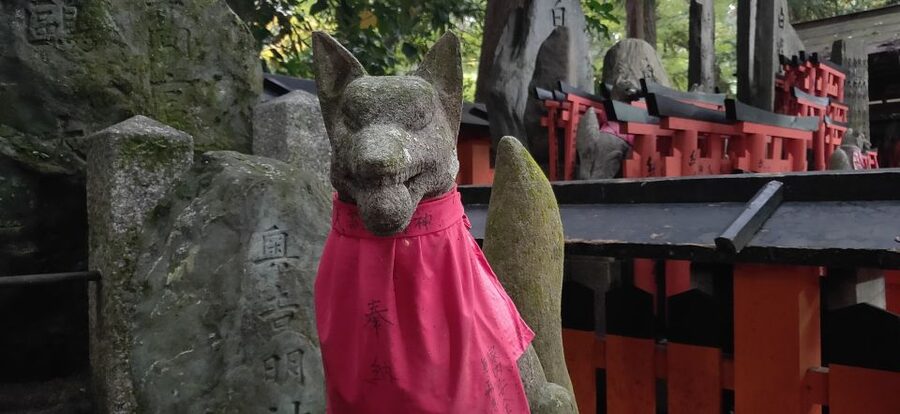
The guided time also helps with the in-between spots—small shrines and side areas that many people skip when they’re rushing for photos. In past groups, guides like Damian and Ferdinand have been praised for taking people toward small off-the-path shrines, which can make the walk feel more like exploring than sightseeing.
Practical note: this is the kind of start where good shoes matter. Even if the incline isn’t extreme, you’ll be walking on paths that aren’t flat.
The Gion Train Hop: Geisha District Stories with Kyoto Context
Next you take a short train ride from Fushimi Inari to Gion. That matters more than you might think. In Higashiyama, walking between far-apart areas can eat your day. The transport piece keeps your time for actual sights and stories.
Gion is introduced as a traditional entertainment quarter, historically tied to geisha culture, and still active in modern-day Kyoto. The tour includes about 30 minutes in Gion with guided explanations, so it’s not just wandering around for the look of the streets. You get the background on why the area is watched, how it functions, and what role it plays in Kyoto beyond tourist postcards.
If you’re hoping for photos, the guide’s pacing helps. One standout detail from real experiences: groups have said they managed to capture great shots while avoiding the worst crowd crush. The small-group size (10 max) helps here, but the biggest advantage is that a guide can steer your timing to keep you moving without feeling chased.
On hot, humid days, guides have also been noted for adjusting the pace so tired legs don’t ruin the mood. That kind of flexibility is a quiet value add—especially when you’re doing multiple sites in a single morning or afternoon.
Kodaiji Temple Gardens and Bamboo Grove Quiet (Admission Included)
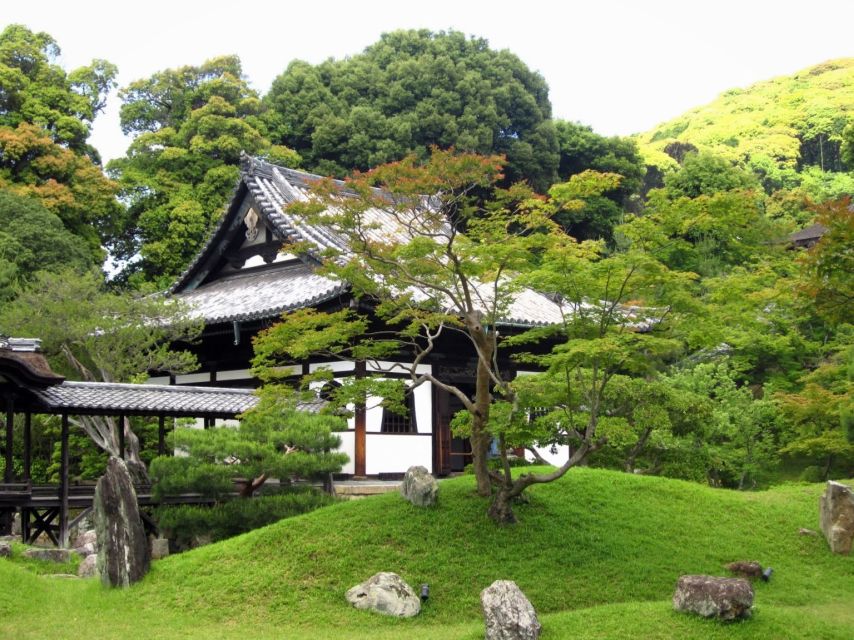
Then comes a change of tempo. Kodaiji Temple is where you get the serenity part of Higashiyama, with about 40 minutes of guided time plus admission included.
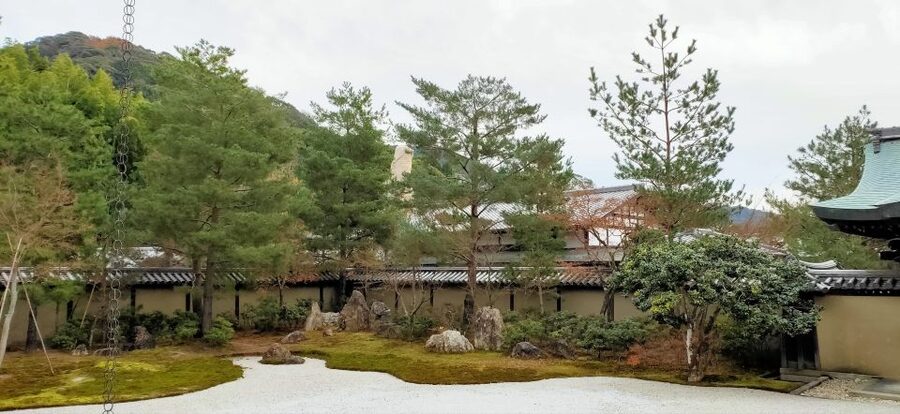
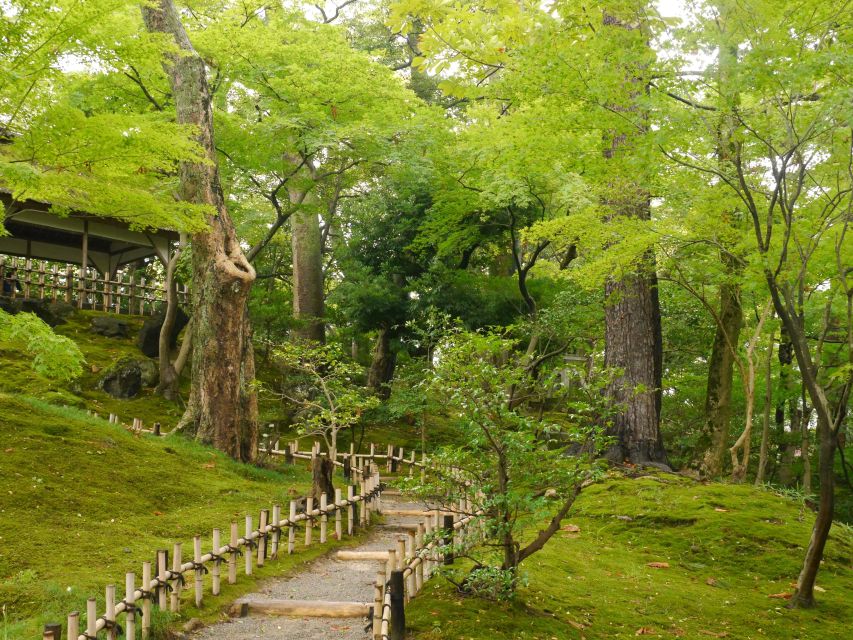
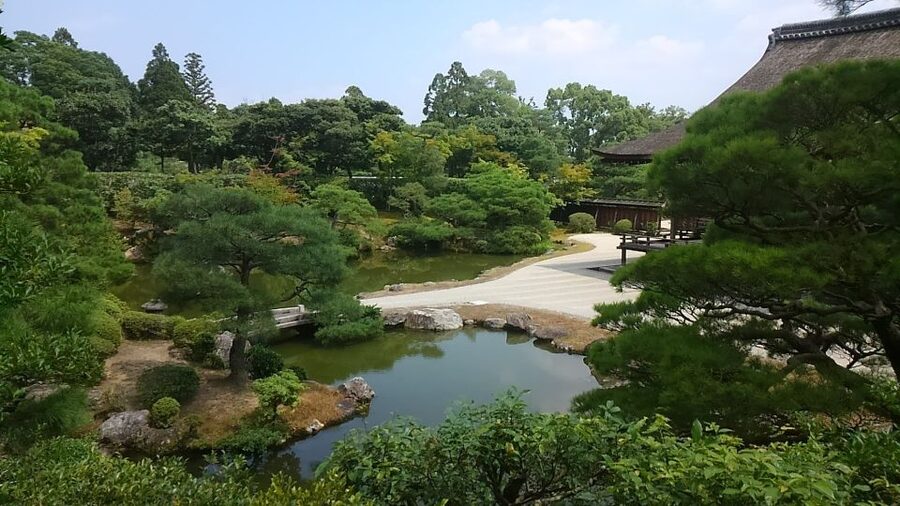
Kodaiji’s complex dates back to the early 17th century, and the tour focuses on the feeling of the place: gardens, a bamboo grove, and a slower pace than you’re likely to get on the busiest streets. Even if you’ve seen temple photos before, this stop is the kind that makes you understand why Kyoto’s spiritual spaces are often about stillness as much as art or architecture.
The admission being included is practical. Temples like this can add up if you’re paying at each entrance. Here, you can budget your time and energy without doing extra ticket math.
This is also one of those stops where a guide pays off. You’ll get help noticing what matters—how the grounds are laid out and what traditions you should be looking for rather than just snapping pictures and moving on.
If you like moments of quiet during busy travel days, Kodaiji is one of the better uses of your time on this route.
Sannenzaka Backstreets and Kiyomizu-dera’s Otowa Waterfall Ritual
After Kodaiji, the walk shifts toward the classic Higashiyama street experience. You’ll pass through areas like Sannenzaka and explore other backstreets before heading up to Kiyomizudera (Kiyomizu-dera).
This is the stop everyone talks about, and the tour earns the hype without rushing. At arrival, you’re guided for about 30 minutes, and admission is included.
Kiyomizu-dera is famous for clear, pure water flowing from the mountains into the Otowa Waterfall. The tour doesn’t just point it out—it explains the traditional idea that the water is separated into three streams, with each one associated (in belief) with health, wealth, or happiness. You also learn the warning tied to the ritual: if you’re greedy, the wishes won’t come true.
You’ll even have the chance to sample the water yourself. That’s a hands-on moment, and it’s exactly the kind of thing a guide helps you do without stumbling through the details.
Then there’s the payoff: a spectacular view of Kyoto from the temple area. Views are easy to sell, but here the value is that you’ve already built the day’s storyline. You start with shrine energy, slow down in temple calm, walk through traditional streets, and then reach the viewpoint that makes the climb feel worth it.
Other Kyoto tours and experiences to compare



Price and What You Actually Get for $106
The price is $106 per person for about four hours. At first glance, it can look like a lot for a walking tour. But this one has costs baked in that you’d otherwise pay yourself.
You get:
- Entry fees included for Kodaiji Temple and Kiyomizu-dera
- A train ticket included from Fushimi Inari to Gion
- A live guide leading you through multiple sites, with small group limits (10 max)
Food and drinks are not included, so you’re still responsible for your own lunch/snacks. But if you were already planning to visit Kodaiji and Kiyomizu-dera—and you likely are—this pricing can feel fair. The guide component also matters in Kyoto, where the meaning of each shrine/temple can be hard to spot when you’re just reading signs.
If you enjoy learning while walking and you want someone else to handle the flow, this is the kind of tour that can justify its cost.
Small Group (10 Max) Means Pacing You Can Actually Handle
A group limited to 10 people isn’t just a number on a page. It affects how the day feels.
First, it helps with movement. You’re not constantly waiting for the whole line to compress or stretch out. That matters when you’re doing shrine paths and stair-like sections.
Second, it makes photography easier. Several people have described avoiding the crowds and getting good photo shots. You can’t eliminate crowds in Kyoto, but a smaller group and a guide-led route often reduce the time you’re standing still in bottlenecks.
Third, it creates room for the guide to adjust. One theme that comes up is flexibility during heat and humidity, and changing pace when someone gets tired from steps and hills. If you’ve ever been trapped in a rigid group where the slowest person gets steamrolled, you’ll appreciate this setup.
In practice, this tour is best when you treat it as a guided walk with short sightseeing stops—not a marathon sprint between icons.
What to Bring (and What You’ll Leave Behind)
This tour keeps things simple. Here’s what you’re told to bring and avoid:
Bring:
- Comfortable shoes (you’ll be on paths and hills)
Not allowed:
- Luggage or large bags
Also expect a bit of uphill walking. The good news is it’s not described as exceptionally steep or demanding, but it’s still walking that adds up across multiple areas.
If you’re carrying a lot, plan to travel light for this one. Think daybag size only, and keep your hands free so you’re not fighting with straps while climbing.
Who This Kyoto Higashiyama Walk Is Best For
This tour is ideal if you:
- Want a guided overview of Fushimi Inari Taisha, Gion, Kodaiji, and Kiyomizu-dera in one day
- Like having context for Shinto and temple sites instead of just looking at them
- Prefer a small group and a guided rhythm over doing everything alone
- Can comfortably handle some hills and steps
It’s not suitable for people with mobility impairments, based on the tour’s stated limits.
If you’re traveling with kids, it can also work well because guides often get people involved in small rituals and wish-related stories. One account highlighted how a guide engaged children by turning temple customs into interactive moments, which helped the kids stay curious instead of bored.
Should You Book This Kyoto Historic Higashiyama Walking Tour?
Yes, if you want the practical version of Kyoto: you walk the right route, pay entry fees once, get a train hop handled, and you learn what’s behind the famous places. It’s also a strong choice when you don’t want to spend your limited time in Kyoto figuring out connections between neighborhoods.
I’d skip it if:
- Hills and stairs are a problem for you
- You need long, unhurried free time at each stop (this is a guided “hit the highlights” route)
- You’re hoping food and drinks are part of the package
If that’s your situation, consider building a self-guided day around Higashiyama instead. But if you’re set on covering Inari, Gion, Kodaiji, and Kiyomizu-dera in about four hours with minimal hassle, this tour is a solid value.
FAQ
How long is the Kyoto Historic Higashiyama Walking Tour?
The tour lasts about 4 hours.
Where do we meet for the tour?
You meet just outside the fare gates of JR Inari Station. The starting point is Inari Station, in front of the station entrance.
What’s included in the ticket price?
Entry fees are included for Kodaiji Temple and Kiyomizu-dera, and a train ticket from Fushimi Inari to Gion is also included.
Are food and drinks included?
No. Food and drinks are not included.
Is this a small group tour?
Yes. It’s a small group limited to 10 participants.
What languages are available for the live guide?
The live tour guide is available in French, Hebrew, Spanish, and English.
Is there uphill walking?
Yes, there is some uphill walking, but it’s not described as exceptionally steep or demanding.
Is the tour suitable for people with mobility impairments?
No. The tour is not suitable for people with mobility impairments.
Are luggage or large bags allowed?
No. Luggage or large bags are not allowed.
What are the cancellation and payment options?
You can cancel up to 24 hours in advance for a full refund. You can also reserve now and pay later.
More Tours in Kyoto





More Tour Reviews in Kyoto


More Along the Higashiyama Slopes

Just added: more Kyoto tours to browse








Kiyomizu-dera & Higashiyama Tours, compared.
 ★ 4.9Tea Ceremony in a Traditional Tea House in KiyomizuFrom $493,519 reviews
 ★ 4.7Nijo Castle, Kiyomizu & Fushimi Inari Guided TourFrom $54700 reviews
 ★ 5.0Nijo, Kinkaku-ji, Arashiyama, Kiyomizu & Fushimi InariFrom $51699 reviews
 ★ 4.8Kyoto Ninenzaka: Tea Ceremony in Old Townhouse with ChairsFrom $21215 reviews
 ★ 5.0Private Rickshaw Tour of Gion and Higashiyama AreaFrom $51144 reviews
 ★ 5.0Kyoto Tea Ceremony & Kiyomizu-dera Temple Walking TourFrom $109115 reviews
 ★ 5.0Kyoto Kiyomizu Tea Ceremony with Scenic Garden ViewsFrom $50101 reviews
 ★ 4.7Kimono/Yukata Rental 5 Minute from Kiyomizu-deraFrom $1989 reviews
Browse the lists this tour appears in