
Reviewed · KYOTO BUS & SIGHTSEEING TOURS
Kyoto Highlights & Hidden Gems in Nature (Private Van Eng-Guide)
Kyoto in one smooth ride. This private van tour links far-flung temples with mountain viewpoints, led by a friendly local guide such as Daiki, so the day feels organized instead of rushed. I love the plan to hit Kinkakuji and Arashiyama with smarter timing and to slip into calmer places like Otagi Nenbutsu-ji. One consideration: some stops involve short walks and stair climbs, so ask ahead if you need to avoid them.
Pickup and drop-off are built in, so you start from your hotel area and end back where you want inside Kyoto City. Most of the day is free-entry shrines and viewpoints, but you should budget around ¥1,400 per person for temple admissions on top of the tour price.
The ride also cuts across town fast, meaning you can see the city from the Ogura Observatory and catch Fushimi Inari’s gates before evening crowds. The tour even includes a Geisha-area street stop where photos from the car help you avoid crowd chaos, with permission needed for close-up Geisha photos.
In This Review
- Key things that make this Kyoto van tour worth your time
- Private van setup and what you pay for in Kyoto
- Kinkakuji to Gio-ji: Golden Pavilion plus a quieter moss-garden pause
- Arashiyama bamboo, Otagi Nenbutsu-ji, and the knowledge behind the photos
- The Kyoto mountain road: parkway views, Ogura skyline, and Hozukyo Gorge pull-offs
- Sacred trees and secret cedar spots in north Arashiyama
- Heian Jingu’s massive torii and Fushimi Inari’s thousands of gates
- The Geisha-area street stop: how to take photos without causing trouble
- Price and logistics: does $230.61 make sense for you?
- Should you book Kyoto Highlights & Hidden Gems in Nature?
- FAQ
- How long is the Kyoto private van tour?
- What time does the tour start?
- Are admission tickets included?
- Does the tour include hotel pickup and drop-off?
- Is the tour guided in English?
- Is the tour private?
Key things that make this Kyoto van tour worth your time
- Door-to-door pickup across Kyoto City, so you spend less time commuting and more time sightseeing
- Daiki-style guiding in English, with context about Buddhism, history, and what you’re looking at
- Arashiyama beyond the bamboo headline, including moss gardens and quieter temple corners
- Mountain and gorge viewpoints like Ogura and Hozukyo, reached by car rather than a long hike
- Sacred tree stops where local etiquette matters, including touching a shrine’s cedar
- Iconic shrines with a practical rhythm, from Heian Jingu’s giant torii to Fushimi Inari’s gate path
Private van setup and what you pay for in Kyoto
This is the kind of Kyoto tour that makes sense if you want your day to feel controlled. You get a comfortable Japanese minivan and you can be picked up and dropped off anywhere within Kyoto City. That means no routing math, fewer transfers, and less time watching crowded sidewalks go by from behind a bus window.
The guide is local and speaks English, with a focus on Buddhism and history. That matters because Kyoto temples are not just pretty buildings. When you understand the basic ideas behind a shrine or a garden, the details make more sense: why certain places are arranged the way they are, what a sacred object symbolizes, and why locals behave a certain way around the grounds.
Price-wise, you’re paying for the car time and the guide time. Admission fees are extra, estimated at about ¥1,400 per person. In other words: you’re not buying a ticket bundle, you’re buying transportation plus interpretation. If you hate surprise costs, this is still manageable—you just need to plan for the entrance fees for a few temple stops.
Also, this is mobile-ticket based, and it’s a private tour/activity with only your group. That privacy is useful in Kyoto because your time is limited and the crowd pressure can be real.
Loop the big Kyoto sights in one run


Kinkakuji to Gio-ji: Golden Pavilion plus a quieter moss-garden pause
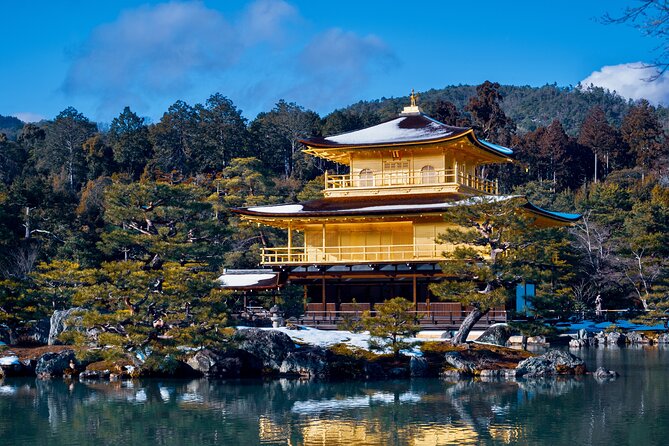
The day starts with Kinkakuji Temple, the Golden Pavilion. You spend about 45 minutes here, and admission is not included. Seeing it by private car helps, because you’re not stuck in the slow, stop-and-go rhythm that can turn a short visit into a long one. You still need to manage crowds, but you’re more likely to arrive with the day on your side.
What I like about including Kinkakuji early is that it gives you a baseline. Once you’ve seen what Kyoto’s most famous “classic image” looks like, the later stops feel like part of a system rather than random photos. You’ll notice how the temple, its pond setting, and the surrounding grounds all work together.
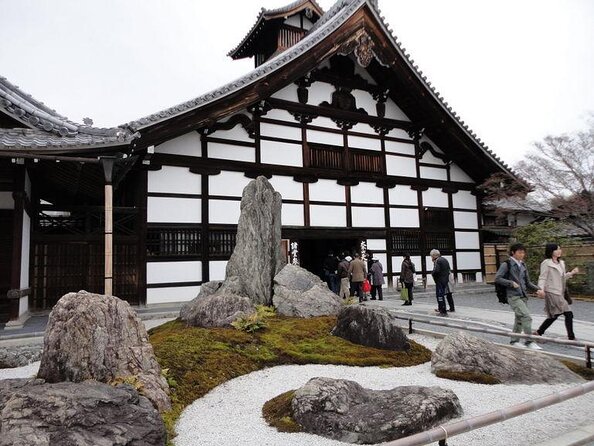
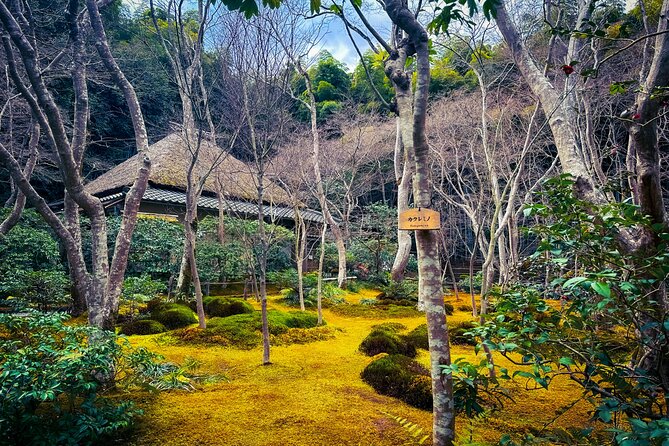
Next comes Gio-ji Temple in the Arashiyama area. The stop is short—about 15 minutes—and admission is not included. Gio-ji is the kind of place where you slow down without being told to. The garden is known for moss, a modest thatched hut, and a bamboo grove nearby, so even a brief visit can feel calming.
The practical angle: this is a good match for a short attention span. You don’t need an hour to appreciate what Gio-ji is trying to communicate. Just give yourself enough time to look, then let the van keep you moving to the next scenery shift.
Arashiyama bamboo, Otagi Nenbutsu-ji, and the knowledge behind the photos
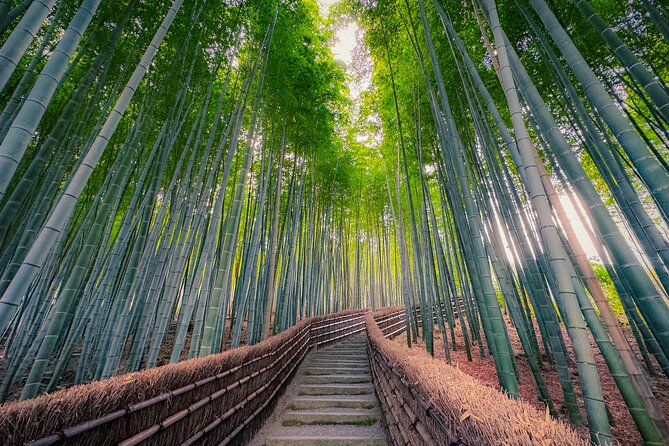
Arashiyama Bamboo Forest is next, with around 15 minutes on the iconic path. Admission is free here, which is nice because it keeps your budget predictable. If you’ve only seen bamboo in pictures, this stop teaches you something simple: the sound changes as you walk deeper, and the visuals feel more layered when you’re actually under the canopies.
Your guide adds context that goes beyond the usual bamboo photo talk. You’ll hear about the origin of bamboo and how it’s related to the invention of lights by Edison. It’s a fun connection because it makes a natural element feel tied to human history, not just a postcard.
After bamboo, the tour shifts to Otagi Nenbutsu-ji Temple. You spend about 15 minutes, and admission is not included. This is where the tone changes from famous-photo Kyoto to old-Kyoto atmosphere. The stop is described as being in a well-maintained, older-view area of Arashiyama, and it’s typically less crowded than the main drag.
One thing to be aware of: some temple visits include short walks and stair climbs. If you know you need fewer steps, ask your guide directly. The itinerary structure suggests the tour can accommodate that kind of request, since the tour notes that some stops require walking and climbing.
The payoff of mixing bamboo with a calmer temple is that your day doesn’t become one long crowd negotiation. You get a famous moment, then you recover.
The Kyoto mountain road: parkway views, Ogura skyline, and Hozukyo Gorge pull-offs
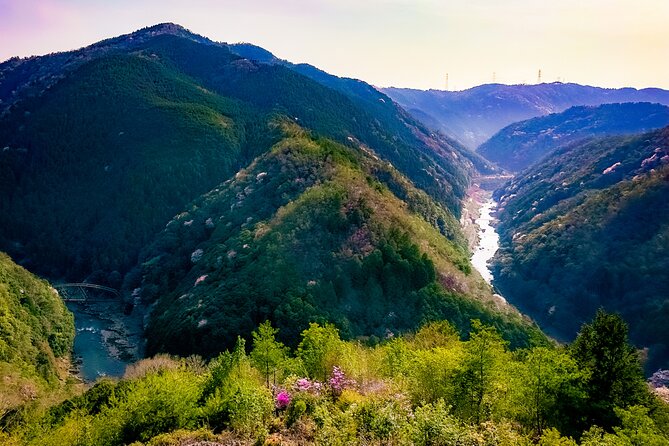
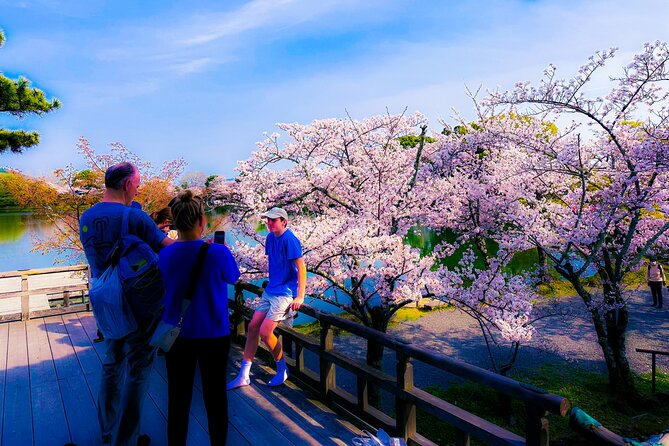
From Arashiyama, you get a longer scenic drive on the Arashiyama-Takao Parkway area, roughly 45 minutes. This is described as a tourist toll gate zone, and it’s especially known for seasonal color—cherry blossoms in April and maple trees in November. Even outside those peaks, it’s a good “switch gears” segment because you’re traveling through mountain countryside rather than bouncing from landmark to landmark.
Then comes Mount Ogura Observatory for a quick skyline moment—about 5 minutes. Admission is free. The whole point here is to see Kyoto spread out from higher ground. It’s the kind of stop that gives your brain a map, which makes the rest of the sightseeing feel clearer.
Right after that, you get Hozukyo Observatory, also about 5 minutes and free. This is tied to Hozu Gorge views, plus the area’s reputation for traditional hard-stream boat rafting. You’re not rafting today, but you’re seeing the kind of rugged river landscape that makes that activity make sense.
These two observatory-style stops are small in time but big in effect. They break the day into sections: temples, streets, nature, city views. That rhythm is one reason private-van days feel easier than full-day bus marathons.
Sacred trees and secret cedar spots in north Arashiyama
The tour includes two stops centered on shrines and sacred trees, and they’re the kind of Kyoto detail that most standard group tours rush past.
First is Nakagawa-hachimangū Shrine, about 5 minutes. Admission is free. The shrine is described as a local guardian, and it’s known for having one of the oldest Japanese cedar trees in the area. The itinerary also notes a specific practice: touching the tree as part of the local spirit-worship idea.
Then there’s Kitayama Big Daisugi, described as a secret spot: giant platform cedar trees hidden by a narrow cliff road where few strangers go. You get about 10 minutes here, free entry. This is the kind of stop that makes you understand what “Kyoto beyond the main lane” looks like—less signage, more feeling, and scenery you’d never bother to route yourself to.
A quick reality check: because these spots are less central, weather and road conditions can matter. But the entire tour is designed for short visits with car access, which helps you keep the day moving even if nature changes the plan.
Other Kyoto tours and experiences to compare


Heian Jingu’s massive torii and Fushimi Inari’s thousands of gates
Heian Jingu Shrine’s giant torii gate is a perfect “big visual” stop. You spend about 5 minutes here, free entry, and the torii height is listed as 24.4 meters (about 80 feet). Seeing a torii of that scale in person resets your sense of how monumental Japanese shrine entrances can be.
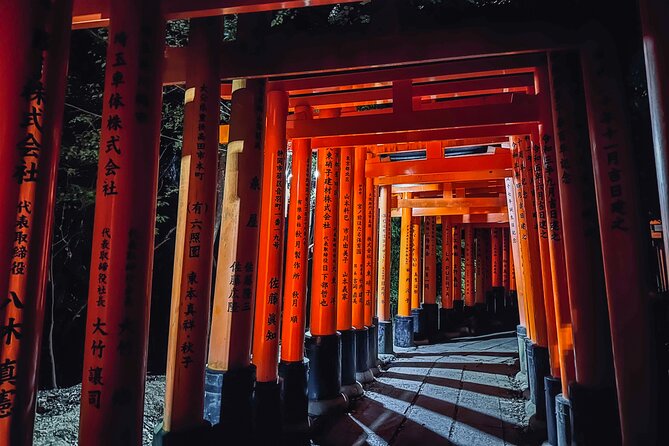
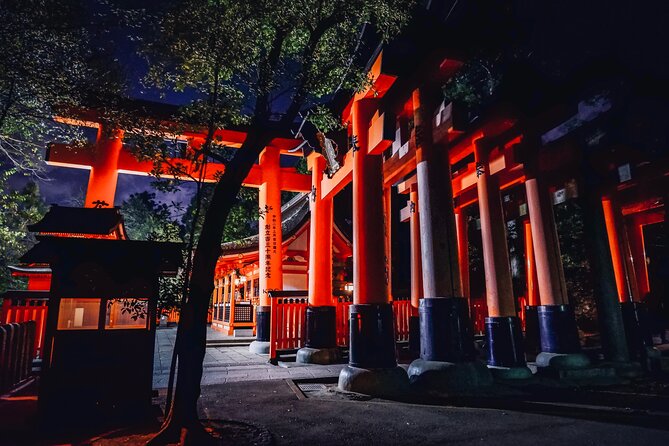
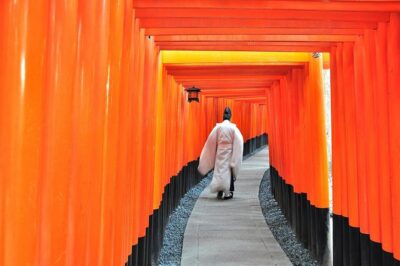
Then comes Fushimi Inari-taisha Shrine, the famous red torii path with SenbonTorii gates. You get about 40 minutes here, and admission is free. The gates are dedicated to Inari and the total count is described as more than 10,000 today—so you’re not just walking through a decorated walkway. You’re entering a space that has been built, expanded, and maintained as part of a long tradition.
A smart trick with Fushimi Inari is timing your energy. You don’t need to sprint to every gate. Instead, use the full 40 minutes to walk far enough to feel the gate tunnel effect, then turn around before you’re exhausted. If the tour runs later and you hit evening light, the gates can feel calmer and more atmospheric—one of the reasons late-day timing can be a win in Kyoto.
If you’re photo-focused, this is still a good stop on a private tour. You’re not trapped in the slow-moving cluster the whole time. But you’ll still need to respect crowd flow and moving etiquette around the shrine.
The Geisha-area street stop: how to take photos without causing trouble
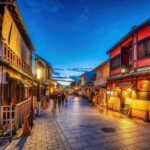
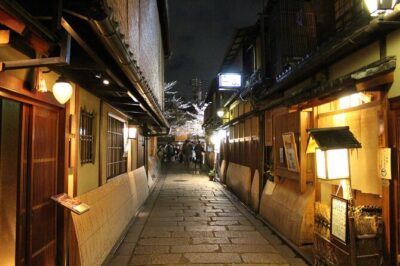
One of the more distinctive parts of the experience is a stop at a 600-year-old Geisha street, seen by car. The idea is simple: avoid walking through crowds and get photos from the car instead.
The key detail is permission. The tour notes that taking photos of Geishas requires permission. That’s not just etiquette theater—it’s part of how people protect privacy and dignity in Kyoto’s special districts.
If you care about doing this right, treat this as an orientation moment rather than a trophy photo mission. Look, notice the atmosphere, and if a person is present and you want to photograph closely, follow the permission process your guide advises. That keeps the moment respectful for everyone.
This type of stop works especially well for people who want to experience Kyoto’s cultural layers without spending half a day stuck at the densest intersections.
Price and logistics: does $230.61 make sense for you?
At $230.61 per group (up to the listed group size), this isn’t a budget tour. But it can be good value if you’re the type of traveler who wants efficiency plus context, and you don’t want to spend your energy fighting Kyoto’s transit.
Here’s the value math you should do:
- You’re buying six hours of private van time plus English guiding.
- You’re also buying route planning across the city, including mountain and countryside viewpoints that are hard to stitch together quickly on your own.
- You’ll pay additional temple admissions, estimated at about ¥1,400 per person, so factor that into your total.
Where this tour often wins is for families and small groups who want a controlled day. One review note emphasized that it can be reasonable for a small group because pricing may be vehicle-based rather than strictly per person. Still, confirm what your booking includes before you commit, since the listing’s group limit and real-world seat counts can vary.
The other side of the equation is timing flexibility. Kyoto is weather-and-crowd sensitive. The tour also notes that parts of the itinerary may change due to season or other circumstances. That’s normal here, but it’s a consideration if you have one non-negotiable target.
Finally, note the tour includes brief walks and occasional stair climbs at some temples. The good news is that most stops are short, so you’re not stuck hiking for hours. Just be honest with your guide about mobility needs.
Should you book Kyoto Highlights & Hidden Gems in Nature?
Book this if you want a Kyoto day that feels planned, comfortable, and culturally guided—without spending your whole trip on buses and trains. I’d especially recommend it if you like the mix of:
- famous Kyoto landmarks (Kinkakuji, Heian Jingu torii, Fushimi Inari)
- plus calmer, more local-feeling nature and shrine moments (Otagi Nenbutsu-ji, sacred cedar stops, scenic mountain viewpoints)
Skip it or adjust your expectations if you want a slow, wandering day with long independent time in each area. This tour is structured for movement, with short visits designed to fit a full city-to-mountains loop.
If you book, do one simple thing: bring a realistic mindset about walking and steps, and ask your guide if you can minimize them. That one conversation can turn an already efficient day into a genuinely comfortable one.
FAQ
How long is the Kyoto private van tour?
It runs for about 6 hours.
What time does the tour start?
The start time is listed as 1:00 pm.
Are admission tickets included?
Not all entrances are included. Admission fees are estimated at about ¥1,400 per person, and some stops specifically note admission is not included.
Does the tour include hotel pickup and drop-off?
Yes. Pickup and drop-off are offered at anywhere in Kyoto City.
Is the tour guided in English?
Yes. The tour includes a knowledgeable local Japanese guide with fluent English.
Is the tour private?
Yes. It’s a private tour/activity with only your group participating. Service animals are allowed, and some temples require walks and stair climbing, so it helps to ask if you need to avoid those.
More Guided in Kyoto
More Tour Reviews in Kyoto



More Kyoto Sightseeing Loops
Just added: more Kyoto tours to browse








Kyoto Bus & Sightseeing Tours, compared.
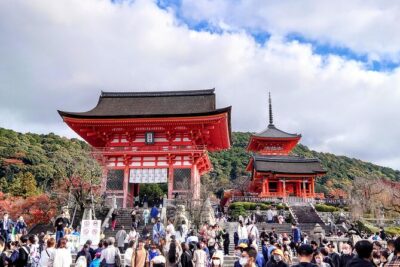 ★ 5.0PERFECT KYOTO 1-Day Bus TourFrom $12913,518 reviews
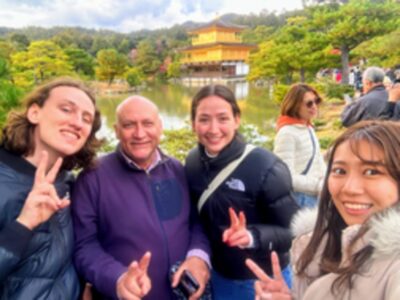 ★ 4.8Fushimi Inari, Kinkakuji, Bamboo Grove 1 Day Bus TourFrom $1224,316 reviews
 ★ 4.9Best of Kyoto: Gion, Geisha, Pagodas & CobblestonesFrom $242,058 reviews
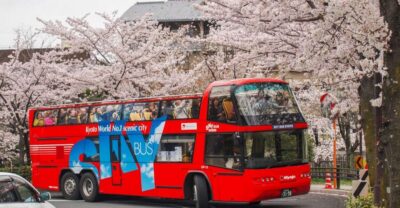 ★ 3.9Hop-on Hop-off Sightseeing Bus TicketFrom $272,034 reviews
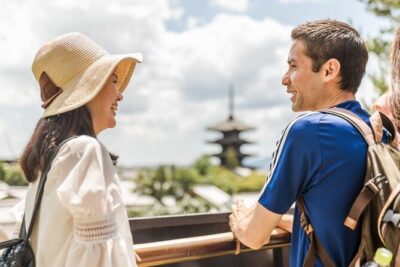 ★ 5.0Private Kyoto Tour with a Local, Highlights & Hidden Gems, PersonalisedFrom $1021,543 reviews
 ★ 4.7Kyoto/Osaka: Nara, Fushimi Inari Taisha, Arashiyama Bus TourFrom $521,275 reviews
 ★ 5.010 Must-see Spots in Kyoto One Day Private Tour (up to 7 people)From $1791,108 reviews
 ★ 4.5One-Day Tour of Kyoto’s Highlights from Osaka/KyotoFrom $661,092 reviews
Browse the lists this tour appears in