
Reviewed · KIYOMIZU-DERA & HIGASHIYAMA TOURS
Kyoto Higashiyama Walking Private Tour
Kyoto looks best when you walk it. This private Higashiyama route mixes famous stops with quieter lanes, including gentle climbs, stone steps, and the kind of local stories that help the area make sense fast. You’ll cover about 3 km at an easygoing pace, and you’ll finish near Kiyomizu-dera with a city-view payoff.
What I like most is the guide factor. On my read of the experience, English-speaking local guide Akari brings the sites to life with personal stories, and she also shares practical stops for food and coffee along the way. The second big win is the format: it’s limited to up to 6 guests, so you’re not being herded. That smaller group size makes it feel more like exploring with a helpful local than doing a checklist.
One consideration: this is a walking tour with moderate fitness needed, and there’s no hotel pickup. You’ll want to comfortably reach the meeting spot and be ready for stairs and slightly sloped streets.
In This Review
- Key things that make this Kyoto Higashiyama walk work
- Getting Oriented in Higashiyama From Minamiza Theater
- Gion’s Hanamikoji Street: Teahouses and People-Watching
- Yasaka Shrine and Ishibe-koji: Shinto Gates and a Peaceful Stone Alley
- Nene no Michi and Yasaka Pagoda Viewpoint: A Story Walk With Photo Payoff
- Sannenzaka Slopes to Kiyomizu-dera Temple: The UNESCO Finale
- Private Group Value: What You’re Really Paying For
- Practical Tips for Your 3 km Walk (Meeting Point, Shoes, Timing)
- Should you book this Kyoto Higashiyama Walking Private Tour?
- FAQ
- How long is the Kyoto Higashiyama walking private tour?
- How many people are in the group?
- Where does the tour start and where does it end?
- Is hotel pickup included?
- What major sights are included?
- Are food and drinks included?
- What fitness level do I need?
- How much does it cost?
- What is the cancellation policy?
- Is there a mobile ticket?
Key things that make this Kyoto Higashiyama walk work
- A small private group (up to 6) keeps the pace relaxed and questions easy
- Akari’s local tips include practical food and coffee ideas, not just landmark talk
- Three highlights with real payoff: Yasaka Shrine, Sannenzaka, and UNESCO-listed Kiyomizu-dera
- Old-street Kyoto in between: Hanamikoji, Ishibe-koji, and Nene no Michi add texture
- Photo-focused moments including a quiet Yasaka Pagoda viewpoint and Sannenzaka slopes
Getting Oriented in Higashiyama From Minamiza Theater
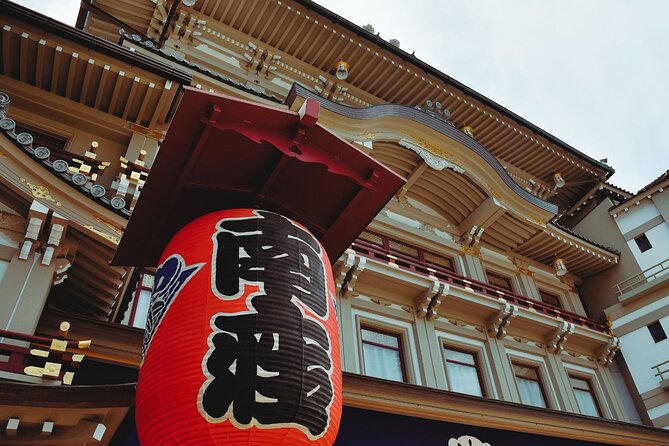
Your tour starts at Minamiza Theater, right at the entrance to Gion. That’s a smart way to begin, because it puts you at the intersection of Kyoto’s performance culture and its old-town streets. Minamiza is one of the oldest kabuki theaters in Japan, and the stop is brief, but it helps you understand what you’re about to see: this isn’t just scenery. It’s lived-in tradition with rhythms that still matter.
From there, you walk out into the Higashiyama feel—narrow streets, small storefronts, and that gentle sense of stepping away from the big-city motion. You’ll also learn how the guide connects the dots between areas, so the later temple and shrine stops don’t feel random.
One practical note: because you’re starting at a specific landmark (not a hotel), you’ll want to build in a little time to get there and settle your footwear. It’s a “meet and move” tour, not a “ride around first” option.
Keep climbing the Higashiyama slopes toward Kiyomizu-dera
Gion’s Hanamikoji Street: Teahouses and People-Watching
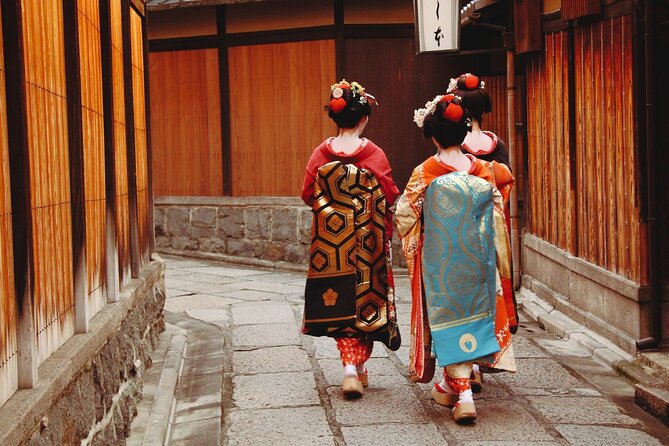
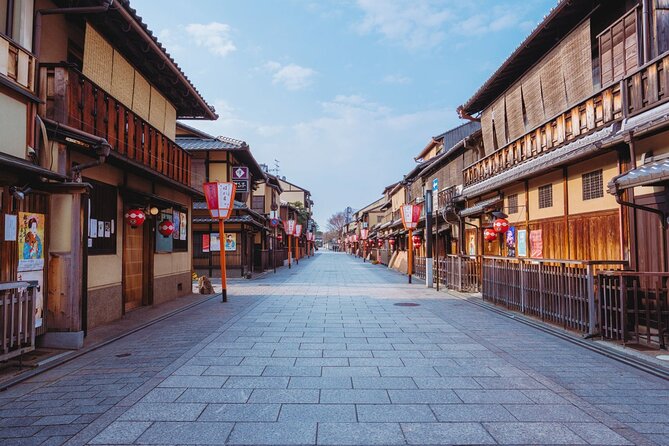
Next up is Hanamikoji Street in Gion. This is the classic preserved-streets feeling—traditional teahouses along a lane that makes you slow down without trying. It’s a great place to get your bearings, because your eyes start picking out details: signage, woodwork, and the way the street layout funnels foot traffic.
The tour also sets expectations in a helpful way. If you’re lucky, you might spot a geisha or maiko heading to an appointment. Even when you don’t, this is still a worthwhile stop because Hanamikoji isn’t just pretty; it shows how culture and everyday life sit side by side.
What I’d do if you’re camera-ready: be ready for quick photo angles. This is the kind of street where changing your position by a step or two can make a big difference, especially with the preserved buildings. The tour’s slow, private pace helps—you won’t have to fight your way through the crowd to get a clean shot.
Potential drawback here: like any famous Kyoto street, it can attract foot traffic. The private format helps, but you still shouldn’t expect empty lanes.
Yasaka Shrine and Ishibe-koji: Shinto Gates and a Peaceful Stone Alley
Yasaka Shrine is one of Kyoto’s most important Shinto shrines, and you’ll see the vermilion gates up close—deep red against the surrounding streets. This stop isn’t treated like a drive-by photo moment. You’ll learn how locals pray for good fortune and protection, which changes how you look at the space. It’s not only architecture; it’s a place with a daily spiritual role.
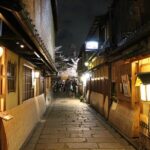
After that, the tour turns toward Ishibe-koji, a narrow stone-paved alley that feels like a quiet pocket of old Kyoto. If you love streets that reward careful looking—textures, preserved building fronts, small sightlines—this is a highlight. It’s also a nice counterbalance after the bigger shrine energy. The alley creates a calmer mood, and it’s a natural spot for photos without the same pressure as the busiest main streets.
How long is this moment? Long enough to look, short enough that you don’t feel stuck. That’s the sweet spot on a walking tour: enough time for meaning, not so long that your legs start negotiating.
Consideration: if it’s rainy, stone alleys can be slick. Wear shoes with decent grip.
Nene no Michi and Yasaka Pagoda Viewpoint: A Story Walk With Photo Payoff
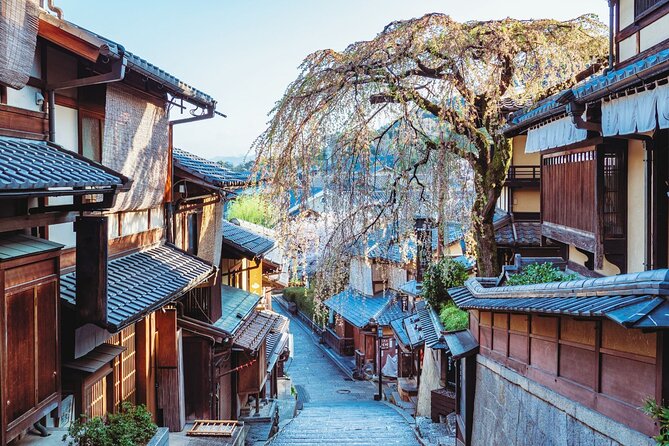
Then you head toward Nene no Michi, a scenic path named after Nene, the beloved wife of samurai Toyotomi Hideyoshi. This stop adds a different kind of context. Instead of just seeing Kyoto as temples and tea houses, you also get the human stories behind place names. That’s often what separates a memorized itinerary from a trip that sticks.
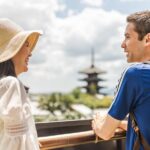
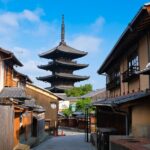
From there, you reach a quiet viewpoint for Yasaka Pagoda. This five-story wooden pagoda is one of the area’s iconic landmarks, and the tour gives you a chance to photograph it with traditional townhouses as the backdrop. The angle here matters: the payoff isn’t just the pagoda itself, it’s how it sits in the everyday street scene.
My advice for this segment: take a breath and scan the whole frame before you start shooting. A slight reposition can help you include the pagoda without cutting off nearby rooflines. Since this is a private walking experience, you can usually pause without holding up a large group.
Potential drawback: viewpoints are weather-dependent. If visibility is poor, the pagoda still has presence, but the panoramic effect is weaker. If you’re going on a gray day, plan to focus more on composition than on sweeping views.
Sannenzaka Slopes to Kiyomizu-dera Temple: The UNESCO Finale
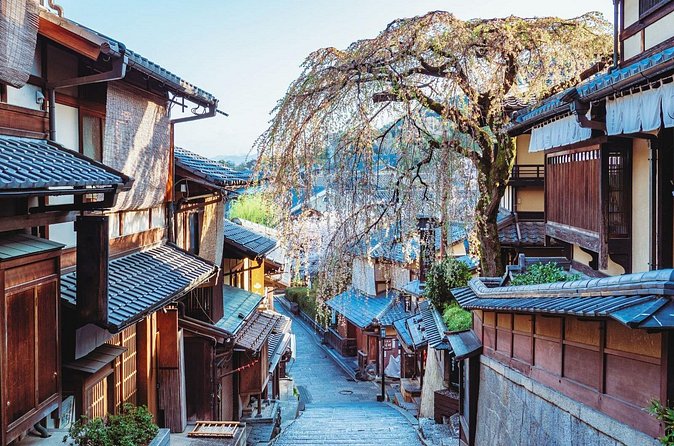
The tour’s tempo shifts again at Sannenzaka. This gently sloping stone path is lined with shops and cafes, so it feels like history with modern convenience. It’s also a strong “sensory transition” point: you’ve been learning and walking through quieter lanes, and now you’re back in a street where you can snack, browse, and absorb the vibe of modern Kyoto.
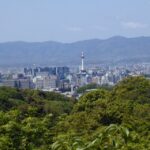
Then comes Kiyomizu-dera Temple, a UNESCO World Heritage site and the big finish. You’ll see why it’s famous: the wooden stage overlooking Kyoto and the panoramic city views. The guide helps connect the spiritual significance with what you’re physically seeing, so the visit feels grounded rather than purely observational.
If you’re visiting for first-time Kyoto impressions, this ending works well. You end at Kiyomizu-dera with a scenic spot near the temple, which means you get the view moment without having to scramble for a place afterward.
One caution: temple crowds can build, especially near the viewpoints. A smaller private group can help you move in a calmer way, but you should still expect a bit of bustle around the main temple areas.
Have a local lead the way on more Kyoto tours


Private Group Value: What You’re Really Paying For
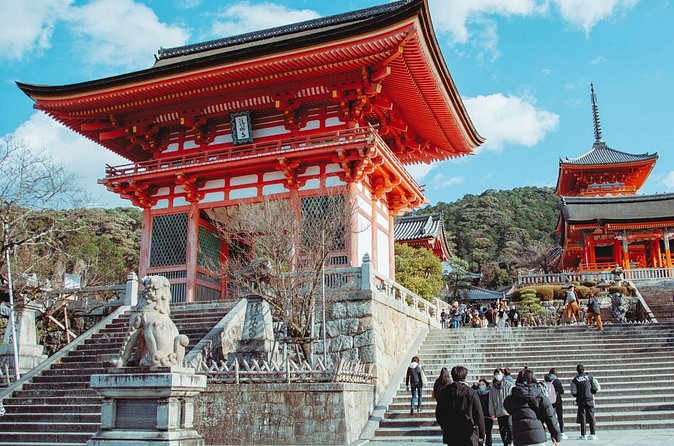
At $52.03 per person for about 3 hours (and a small group up to 6), the value is mostly about how the time is used. Yes, you’re paying for an English-speaking local guide and the listed sites. But the bigger value is the guide’s ability to connect the dots—how the shrine prayers relate to the street layout, how old place names like Nene no Michi carry meaning, and how the side alleys fit the larger story of Higashiyama.
The review detail about Akari matters here. When a guide is giving actual food and coffee tips, it changes your next hours in Kyoto. After the walk ends, you’re not starting from zero; you’re already armed with ideas that fit the area you just explored.
Also, the mobile ticket format is convenient. You’re not juggling printed paperwork while you’re trying to stay focused on your surroundings.
Who this tour suits best:
- First-time Kyoto visitors who want a meaningful Higashiyama introduction
- People who prefer walking and conversation over bus rides
- Travelers who like landmarks, but also want the side streets where the atmosphere lives
Practical Tips for Your 3 km Walk (Meeting Point, Shoes, Timing)
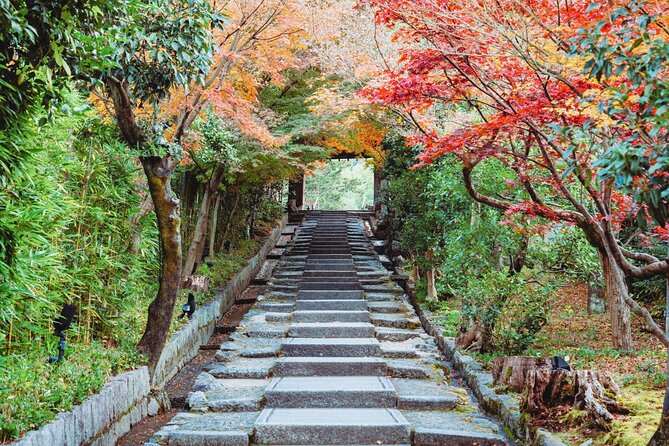
This is a walking tour, and that affects everything. You start at Minamiza Theater (about as central to Gion/Higashiyama walking routes as you can get) and you end near Kiyomizu-dera with a city view. There’s no hotel pickup, so your best strategy is to treat this like an appointment: arrive early enough to feel settled.
You’ll want moderate physical fitness. The route includes gentle slopes and stone steps, so your shoes matter more than your stamina. If you’re bringing lightweight sneakers, make sure they have grip. If you wear sandals, consider switching—wet stones and steps are not where you want to test your luck.
Weather-wise, you can still enjoy this tour in light rain, but expect less comfort on stone surfaces. Bring a small umbrella if you use one, or a compact rain jacket if you don’t like umbrellas in narrow streets.
Timing tip: because you’re finishing near Kiyomizu-dera, plan your next move with that in mind. Don’t schedule anything that requires long travel immediately after. The tour ends at a scenic spot, so give yourself time to linger, look for a meal, and keep your photos organized while everything is still fresh.
Should you book this Kyoto Higashiyama Walking Private Tour?
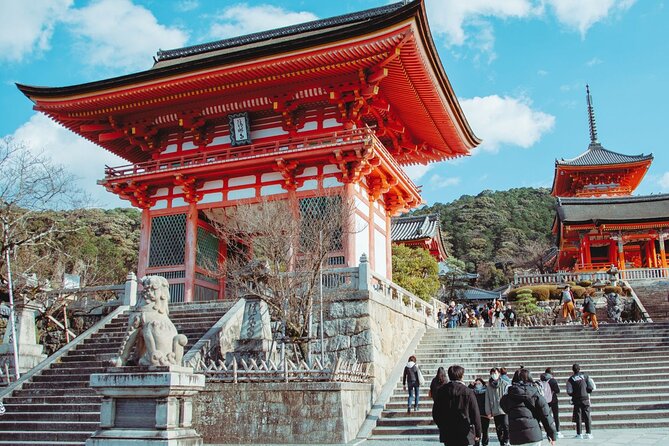
If you want a private, English-guided intro to Higashiyama that mixes the headline sites with the smaller lanes, I think this is a strong pick. The best reasons to book are the small group size (up to 6), the guide-led storytelling, and the practical food/coffee recommendations from Akari.
I’d hesitate only if you dislike walking stairs, you want a no-footwork tour, or you’re not comfortable getting yourself to the meeting point. For most people who enjoy Kyoto on foot, this is the kind of tour that helps you understand what you’re seeing—and gives you plans for what to do after.
FAQ
How long is the Kyoto Higashiyama walking private tour?
The tour lasts about 3 hours.
How many people are in the group?
This is a private tour with a small group size limited to up to 6 guests.
Where does the tour start and where does it end?
It starts at Minamiza Theater in Kyoto (Minamiza Theater, 605-0075 Kyoto, Higashiyama Ward). It ends near Kiyomizu-dera Temple with a scenic city-view spot.
Is hotel pickup included?
No. There is no hotel pickup or drop-off, and you’ll need to reach the meeting point on your own.
What major sights are included?
The tour includes visits to Kiyomizu-dera Temple, Yasaka Shrine, and Sannenzaka, plus stops connected to Gion/Higashiyama streets such as Hanamikoji and Ishibe-koji.
Are food and drinks included?
No. Food and drinks are not included.
What fitness level do I need?
Moderate physical fitness is recommended due to gentle slopes, stone steps, and walking.
How much does it cost?
The price is $52.03 per person.
What is the cancellation policy?
You can cancel for a full refund if you cancel up to 24 hours before the experience’s start time.
Is there a mobile ticket?
Yes, the tour uses a mobile ticket.
More Tour Reviews in Kyoto




More Private Tours of Kyoto
More Along the Higashiyama Slopes
Just added: more Kyoto tours to browse








Kiyomizu-dera & Higashiyama Tours, compared.
 ★ 4.9Tea Ceremony in a Traditional Tea House in KiyomizuFrom $493,519 reviews
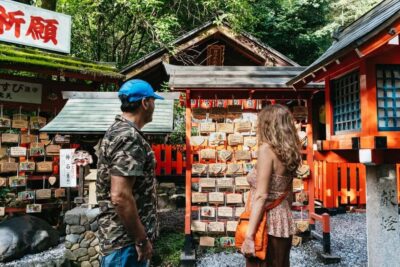 ★ 4.7Nijo Castle, Kiyomizu & Fushimi Inari Guided TourFrom $54700 reviews
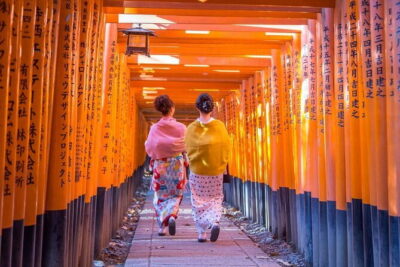 ★ 5.0Nijo, Kinkaku-ji, Arashiyama, Kiyomizu & Fushimi InariFrom $51699 reviews
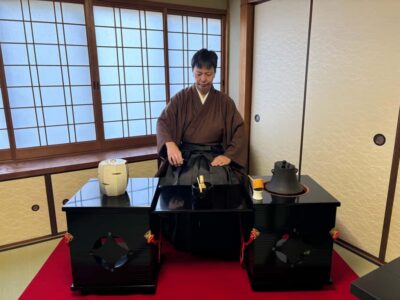 ★ 4.8Kyoto Ninenzaka: Tea Ceremony in Old Townhouse with ChairsFrom $21215 reviews
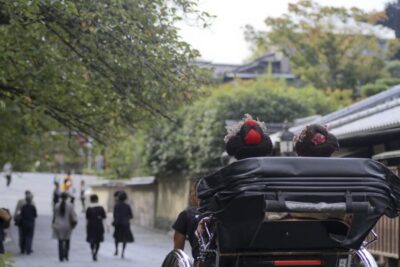 ★ 5.0Private Rickshaw Tour of Gion and Higashiyama AreaFrom $51144 reviews
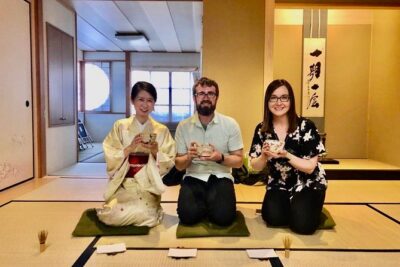 ★ 5.0Kyoto Tea Ceremony & Kiyomizu-dera Temple Walking TourFrom $109115 reviews
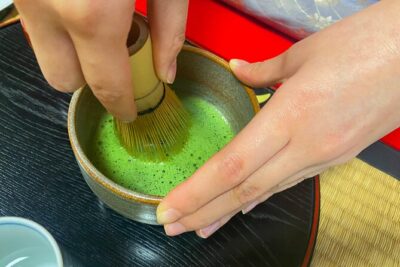 ★ 5.0Kyoto Kiyomizu Tea Ceremony with Scenic Garden ViewsFrom $50101 reviews
 ★ 4.7Kimono/Yukata Rental 5 Minute from Kiyomizu-deraFrom $1989 reviews
Browse the lists this tour appears in