
Reviewed · KYOTO GARDENS & ZEN RETREATS
Kyoto Gion Morning Walk: Zen, Temples, Geisha District & Secrets
Kyoto’s Gion looks best in the morning. This 4.5-hour walk strings together Gion’s iconic streets and classic temple stops, with a guide who makes the details feel human and easy to follow. I especially like the small group size (up to 10) and the way the route mixes Zen gardens, shrine gateways, and street-level Kyoto life. One thing to plan around: it’s a walking day, and seeing a geisha is possible but rare, so don’t build your whole trip around it.
You’ll start near Higashiyama, move through the Gion core, then work your way toward Kiyomizudera and the slopes nearby. I like that the included admissions cover key sights (so you’re not hunting tickets mid-walk), and you get enough time at each place to actually slow down. If you’re heat-sensitive or you hate stairs and crowds, go early, bring water, and be ready for some uphill sections.
In This Review
- Key highlights you’ll feel on the walk
- A 10-person walk that connects Gion and Zen temples
- Meeting point, timing, and what 4 hours 30 minutes actually means
- Gion at street level: what you’ll notice on Gion and Hanamikoji
- Kennin-ji Temple Garden: Rinzai Zen art you can spot in minutes
- Hōkan-ji and Yasaka Pagoda: Kyoto’s old skyline in wood and stone
- Kiyomizudera and the wooden stage moment
- Ninenzaka steps and the easy way to shop without losing the moment
- Yasaka Shrine: vermilion gates, lanterns, and festival energy
- Price and tickets: why $28 can work in Kyoto
- Guides, humor, and how the day stays pleasant
- Geisha odds: what to expect and how to behave
- What to bring for a comfortable Kyoto temple-and-streets morning
- Should you book the Kyoto Gion Morning Walk?
- FAQ
- How long is the Kyoto Gion Morning Walk?
- What time does the tour start?
- Where do I meet and where does the tour end?
- Is admission included for the temples?
- Is a geisha sighting guaranteed?
- What’s the group size limit?
- Are there options for guides who speak languages other than English?
- Do I need to buy tickets on my own?
- Is pickup or dinner included?
- Can I cancel for a full refund?
Key highlights you’ll feel on the walk
- Up to 10 people means more questions and calmer stops, not a shoulder-to-shoulder shuffle
- Kennin-ji (founded 1202) adds real Zen context, from rock gardens to art in sliding-door panels
- Kiyomizudera’s wooden stage gives you that Kyoto “wow” moment, plus the Otowa Waterfall legend
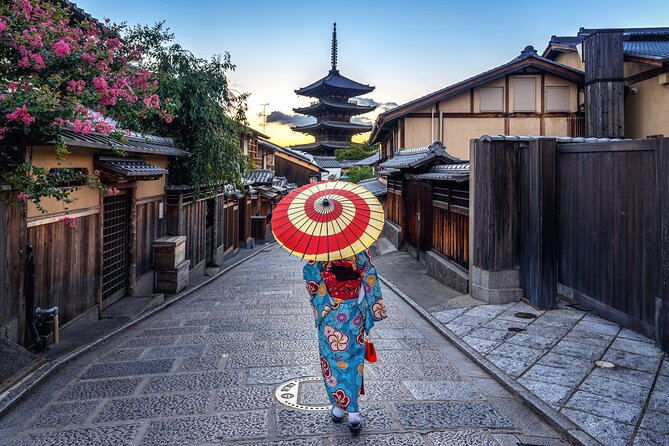
- Hōkan-ji and Yasaka Pagoda bring skyline views and a sense of old Kyoto structure
- Ninenzaka’s stone steps and preserved wooden streets are perfect for a slow wander and photos
- Gion + Hanamikoji is where you understand how geisha district traditions fit into daily city life
A 10-person walk that connects Gion and Zen temples
If you only hit Gion from a distance, it can feel like a set of photo backdrops. This tour is built to change that. You walk the streets at a comfortable morning pace, then you step into temple and shrine spaces where the pace of the city changes—less chatter, more attention.
One of the biggest strengths is the group size. With a maximum of 10 travelers, guides can slow down for questions, help with etiquette, and keep the pacing realistic. I also like that the stops connect logically: Gion (street culture) first, then Zen and major hillside sights (spiritual Kyoto), then back toward the Gion edge via Yasaka area landmarks.
The other thing I love is the mix of “inside” and “outside.” You’re not just walking past buildings—you get time in places like Kennin-ji and Kiyomizudera, where you can look at gardens, halls, and art up close.
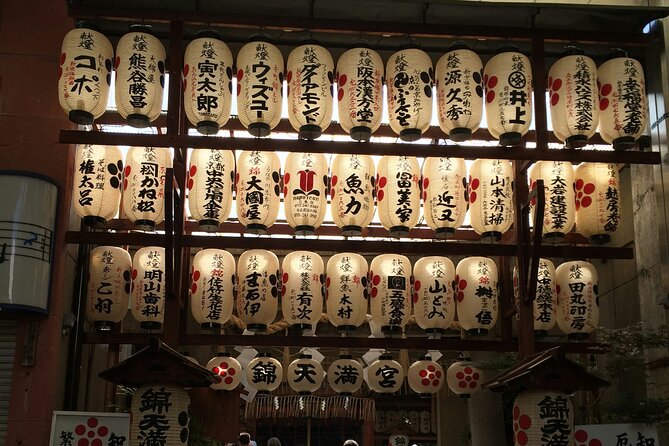
More evenings along the lantern-lit lanes of Gion
Meeting point, timing, and what 4 hours 30 minutes actually means
This experience starts at 10:00 am and runs about 4 hours 30 minutes. You meet at the Statue of Izumo-no-Okuni (Kawabatacho, Higashiyama Ward) and the tour returns you back to the meeting point.
That loop matters. It means you don’t end your day stranded far from transit. Also, starting at 10:00 is usually a sweet spot: later than the earliest morning locals, but early enough to avoid peak crush at the most famous photo corners.
The pacing is a “walk and look” style, not a sit-down museum tour. You’ll likely move at a steady clip between stops, and you should expect some stairs and hillside walking once the route turns toward Kiyomizudera and nearby slopes.
If you’re planning other activities the same day, leave a cushion. One review notes a situation where they had to leave early because of travel fatigue, which is a good reminder that this is still a walking program.
Gion at street level: what you’ll notice on Gion and Hanamikoji
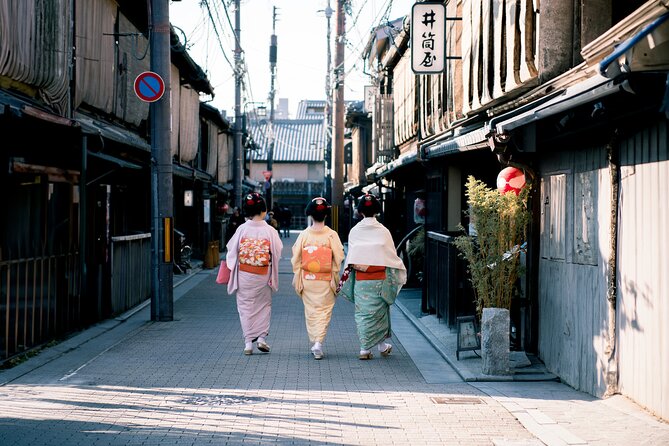
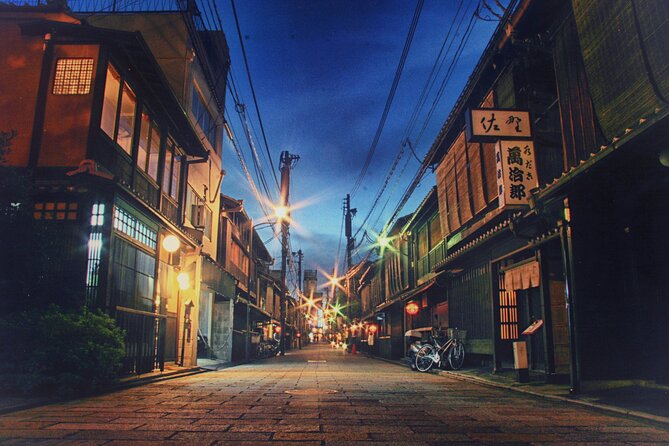
Gion is famous for a reason. The district is known for traditional wooden houses, teahouses, and the historical geisha district identity of Kyoto. On this walk, you don’t just look—you learn what you’re seeing while you pass along the lanes.
You’ll spend time on Gion’s streets and Hanamikoji Street, the classic corridor where visitors expect traditional machiya buildings and small shops. Hanamikoji is especially good for understanding the “human scale” side of Kyoto: it feels like a lived-in neighborhood even though it’s also tourist-friendly.
What I recommend you do here is simple: look for small details. Traditional signage, the shape of old façades, and the way the street stays orderly even when it’s busy. The tour framing helps because you’re not guessing what something means—you hear the context as you pass it.
And yes, there’s geisha potential. The tour notes that you might see a geisha, but they’re quite rare. Keep your hopes realistic. If you see someone, treat it respectfully and quietly. If you don’t, you’ll still get the street-level Kyoto experience that makes Gion worth the visit.
Kennin-ji Temple Garden: Rinzai Zen art you can spot in minutes
Kennin-ji is one of those Kyoto stops that pays off fast. It’s located in the Gion area and is described as one of the oldest Zen temples in Japan, founded in 1202 by the monk Eisai, who introduced the Rinzai school of Zen Buddhism to Japan.
The big draw is the setting and the art details you can actually notice without being an expert. The temple is known for:
- Tranquil rock gardens
- Fusuma (sliding door) paintings
- A famous twin dragon ceiling artwork
Even with a short visit window, this is the kind of place where your attention locks in. The rock garden draws your eyes into slow scanning. The painted panels and hall details are the sort of thing you’ll miss if you rush. The guide time here is valuable because you’ll know what to look for as you walk through the garden and historic halls.
Admission at Kennin-ji is included, so you can spend the mental energy on observation, not ticket logistics.
Hōkan-ji and Yasaka Pagoda: Kyoto’s old skyline in wood and stone
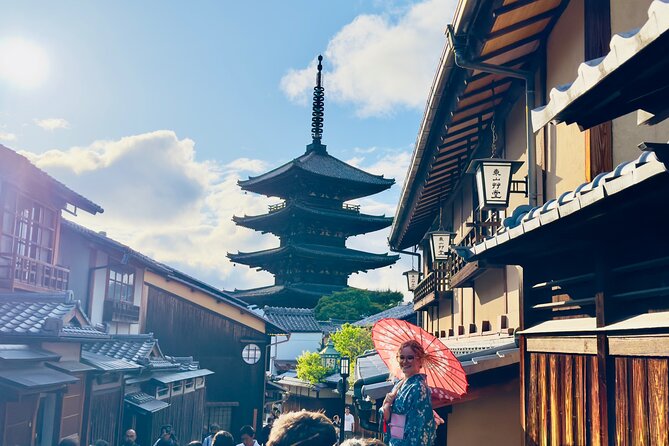
Next comes the Hokanji Temple, also known as the Yasaka Pagoda (the tour places it in the Higashiyama area). This five-story pagoda is about 46 meters tall and is one of Kyoto’s prominent landmarks.
The story of the pagoda is part of the appeal. The current structure was rebuilt in the 15th century after a fire, even though the temple is associated with much older roots dating back to the 6th century. That mix—age, damage, rebuild—gives you a sense of how Kyoto’s sacred buildings have endured through centuries of change.
If you care about architecture, pay attention to how the wooden design and vertical form look from different angles. Also, the tour notes that the pagoda is especially popular during cherry blossom season, which makes sense when you think about spring light hitting the layered structure.
Even if you’re not chasing seasonal beauty, the pagoda is a strong “Kyoto skyline anchor” and helps connect the route visually as you move through the area.
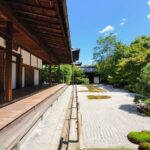
Find another quiet garden to sit with in Kyoto

Kiyomizudera and the wooden stage moment

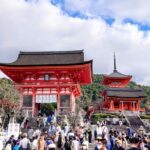
Kiyomizudera is one of Kyoto’s anchor sights, and the tour gives it the kind of time that actually helps. It’s officially Otowa-san Kiyomizu-dera, founded in 778, and it’s a UNESCO World Heritage site.
The famous part is the wooden stage that juts out from the main hall. It’s the spot where you get those classic views over the city. The temple is also named after the Otowa Waterfall, with waters believed to have wish-granting powers.
This stop is included, so entry is handled for you. That matters because the biggest annoyance at big Kyoto temples is not the walking—it’s the time sink of figuring out where to go and what line moves fastest. Here, you can spend your time on the experience itself: looking outward from the stage and then shifting your attention toward the waterfall area and temple details.
If you’ve been thinking Kyoto is all about temples from the outside, Kiyomizudera is the one where your viewpoint changes your mind. You see it, you feel the scale, and you understand why people plan entire days around this hillside.
Ninenzaka steps and the easy way to shop without losing the moment
After Kiyomizudera, the route passes by Ninenzaka, a pedestrian-only street near the temple. It’s known for well-preserved traditional wooden buildings, quaint shops, and teahouses, with stone-paved steps that create that slightly slow, storybook uphill feel.
This is one of the best places in Kyoto to shop for small, non-cringey souvenirs. You’ll find traditional sweets, local crafts, and items that feel tied to the neighborhood rather than generic tourist racks.
Here’s how to do it right: don’t treat Ninenzaka as your “quick pit stop.” Use it as a decompression zone. You’ll have temple energy in your legs and your brain, and this street helps you convert that into something tangible—photos, snacks, and a gentle walk.
Yasaka Shrine: vermilion gates, lanterns, and festival energy
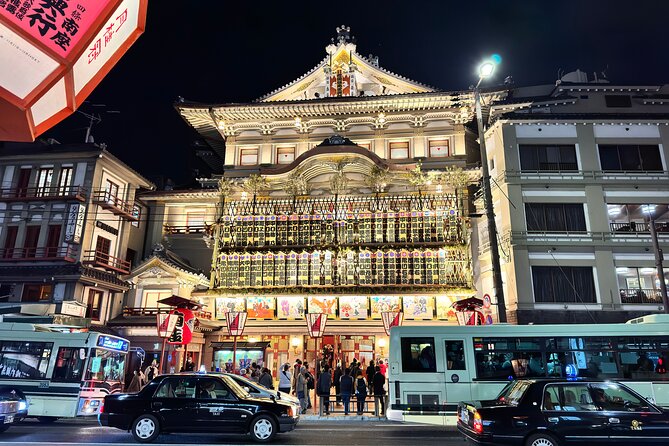
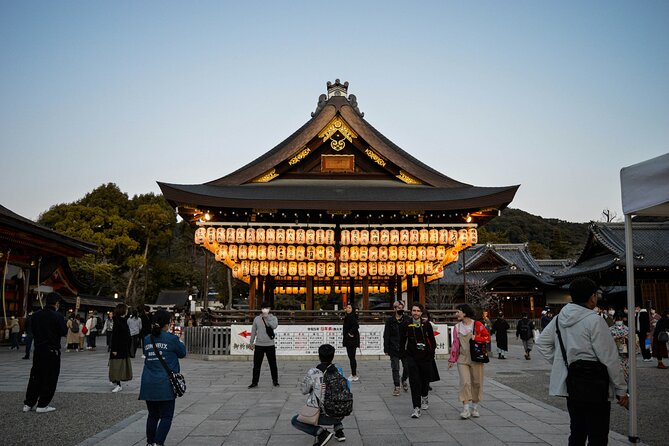
The tour finishes at Yasaka Shrine (Yasaka Jinja) in the Gion area. It’s known for its iconic vermilion gates and lanterns, and it’s tied to major local festivals, especially Gion Matsuri in July.
The shrine’s long timeline adds weight. It’s described as originally founded over 1350 years ago, and it plays an important role in Kyoto’s spiritual and cultural life.
Even if you’re not there for Gion Matsuri, Yasaka Shrine is a solid final stop because it reflects the same Kyoto balance you saw at Gion: everyday life and sacred tradition in the same frame. You get that last “Kyoto feeling” before heading back to the meeting point.
Admission is listed as free, so you don’t need to worry about extra costs here.
Price and tickets: why $28 can work in Kyoto
At $28 for about 4.5 hours, this is priced like a good practical day. Kyoto can be pricey once you stack big sights, transport, and guided time. Here, a big chunk of the value comes from what’s included:
- Temple entries listed as included for Kennin-ji and Kiyomizudera
- Other stops where admission is free (Gion area, Hanamikoji, Yasaka Shrine)
- A guided route that reduces your time wasted figuring out connections
You’re also getting the benefit of group movement. Instead of hopping between temples on your own while trying to interpret signage, you get a human explanation in the moment.
As a quick reality check: if you’d rather wander totally solo with zero structure, a guided walk might feel like you’re paying for someone else’s pace. But if you want context fast, and you like the idea of seeing several “musts” without planning every step, the pricing makes sense.
Guides, humor, and how the day stays pleasant
One reason this tour stands out in the feedback is the guide style. Names like Aron, Erin, and Marie show up in the experiences shared. Common themes are humor, patience with questions, and respect toward the places you’re visiting.
I also take practical comfort in one note about hot weather. A review mentions mid-September heat and a guide who helped manage the itinerary so everyone could enjoy it. That’s a good sign if you’re traveling in warmer months: the tour isn’t just a rigid checklist.
If you care about photos, there’s also a mention of patience for picture stops. That matters in Kyoto, where the best angles aren’t always at eye level and you don’t want to feel rushed.
Geisha odds: what to expect and how to behave
Let’s keep this grounded. The tour says you might see a geisha, but sightings are quite rare. So treat it as a bonus, not a guarantee.
When you do see geiko or maiko, the right move is quiet observation. Keep distance. Don’t block pathways. And don’t treat them like moving scenery. A guided group helps here because you’ll get etiquette cues along the way.
If you don’t see anyone, you’ll still have the point: the streets, the temple rhythm, and the shrine finish that explain why Gion matters beyond the fantasy version of it.
What to bring for a comfortable Kyoto temple-and-streets morning
I like walking tours best when I pack like it’s a normal day, not an endurance event.
Bring:
- Comfortable shoes for stone steps and temple grounds
- Water, especially if you travel in hot weather
- Sun protection if you’re heading out on a clear morning
- A small bag you can keep secure in crowded lanes
Also plan your expectations: you’re going to move through several major sights in a few hours, so save heavy shopping or a long café stop until after the tour ends.
Should you book the Kyoto Gion Morning Walk?
Book it if you want a focused Kyoto day that connects Gion street life with major temple and shrine stops without you doing the hard planning. The value feels strongest if you like guidance, context, and having the route stitched together for you. The small group size is a real plus.
Skip it (or pair it carefully) if you hate walking, dislike stairs, or can’t handle being outdoors for several hours. And if your main goal is a sure geisha sighting, you’ll need to adjust your expectations.
If you do book, I’d suggest showing up early with good shoes and a flexible mindset. Kyoto rewards that approach. You’ll come away with more than photos—you’ll understand how the district’s traditions connect to the Zen and shrine spaces you step into on the same morning.
FAQ
How long is the Kyoto Gion Morning Walk?
The tour lasts about 4 hours 30 minutes.
What time does the tour start?
It starts at 10:00 am.
Where do I meet and where does the tour end?
You meet at the Statue of Izumo-no-Okuni in Kawabatacho, Higashiyama Ward, Kyoto, and the activity ends back at the same meeting point.
Is admission included for the temples?
Yes. Admission is included for Kennin-ji Temple Garden and Kiyomizudera. Other listed stops include free admission.
Is a geisha sighting guaranteed?
No. Geisha might be seen, but the tour notes that they are quite rare.
What’s the group size limit?
The tour has a maximum of 10 travelers.
Are there options for guides who speak languages other than English?
German and Italian are available, but English is the only language guaranteed for shared tours. Contact the provider to confirm which language is available for your date.
Do I need to buy tickets on my own?
You use a mobile ticket, and some admissions are included in the tour (like Kennin-ji and Kiyomizudera).
Is pickup or dinner included?
Pick up service is not available, and dinner is not included.
Can I cancel for a full refund?
Yes. Free cancellation is allowed up to 24 hours in advance for a full refund.
More Tour Reviews in Kyoto

More Gardens and Quiet Corners
Still in Gion? Keep Going

Just added: more Kyoto tours to browse





Kyoto Gardens & Zen Retreats, compared.
 ★ 5.0Kyoto Arashiyama Walking Tour: Bamboo, Monkeys, Gardens & SecretsFrom $651,216 reviews
 ★ 5.0Kyoto Zen Meditation & Garden Tour at a Zen Temple with LunchFrom $110441 reviews
 ★ 5.0Zen Experience in a Hidden TempleFrom $109437 reviews
 ★ 5.0Kyoto Arashiyama Bamboo forest & Garden Half-Day Walking TourFrom $129413 reviews
 ★ 4.8Tea Ceremony Meditation – Make Matcha with Tea MasterFrom $45406 reviews
 ★ 5.0Zen Meditation at a Private Temple with a MonkFrom $91202 reviews
 ★ 5.0Zen Garden, Zen Mind (Private)From $380126 reviews
 ★ 5.04.5-Hour Kyoto Bike Tour with Lunch and UNESCO Zen TemplesFrom $99122 reviews
Browse the lists this tour appears in