
Reviewed · KIYOMIZU-DERA & HIGASHIYAMA TOURS
Kyoto: Gion Geisha District & Yasaka Shrine Walking Tour
Gion has a way of slowing time. This 90-minute private daytime walk pairs the prettiest streets in the area with clear context about the traditions that created them. I especially love how the tour leans into real understanding, not just “look and point” sightseeing.
Two big wins for me: the Shirakawa Canal stroll in daylight (you catch details you miss at night), and the stop at Yasaka Shrine, where Gion’s culture makes more sense. It’s also a nice change that you’ll be walking through lanes and streets you might skip on your own.
One drawback to consider: if you only came to hunt for geisha-style street sightings, this tour is designed for interpretation and history. You’ll see the district, but the focus is on how and why the traditions work, not on catching specific people.
In This Review
- Key highlights you’ll care about
- Why a daytime Gion walk matters more than you think
- Private group, real guide time, and pacing that can fit you
- Hanamikoji Street and Kyoto’s machiya look-up-at-it architecture
- Shirakawa Canal: the daylight version of Gion’s “wow”
- Understanding geiko and maiko without turning it into spectacle
- Yasaka Shrine: the spiritual center that explains why Gion feels rooted
- Price and value: $38 for 90 minutes is about the guide, not the scenery
- What to wear, how to stay comfortable, and how rain changes the vibe
- Who should book this Gion and Yasaka Shrine walk?
- Names you might hear from the guides
- Should you book this Kyoto Gion Geisha District & Yasaka Shrine Walking Tour?
- FAQ
- How long is the Kyoto Gion Geisha District & Yasaka Shrine walking tour?
- Is this tour private?
- What languages are offered?
- What does the tour include?
- What is not included?
- Where does the tour meet?
- What are the main places you visit?
- What’s the price?
- Is there a cancellation option and a pay-later option?
Key highlights you’ll care about
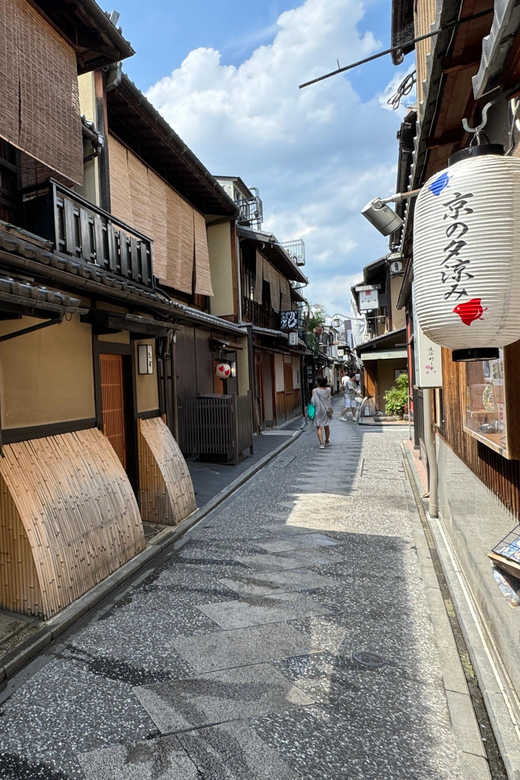
- Hanamikoji Street with machiya townhouses and traditional ochaya tea house scenery
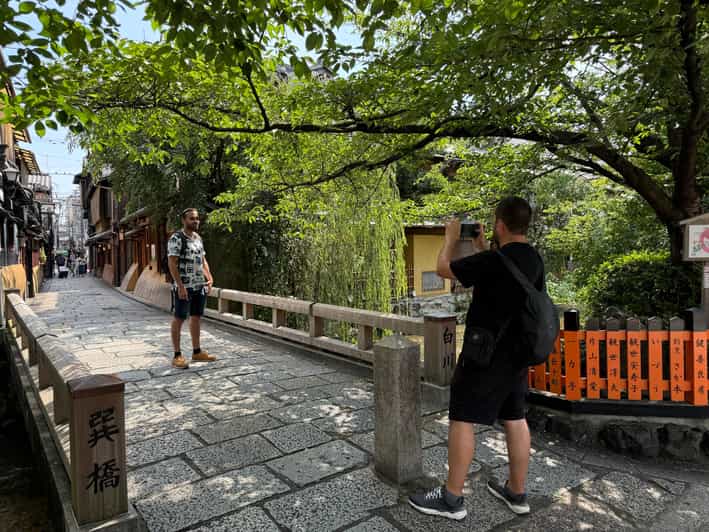
- Shirakawa Canal viewpoints with willows, small bridges, and preserved facades in softer daylight
- Yasaka Shrine as Gion’s spiritual anchor with ties to major local festivals
- Geiko and maiko tradition context explained with respect, not gossip
- Private guide flexibility, including pacing that can work well for mixed groups
Why a daytime Gion walk matters more than you think
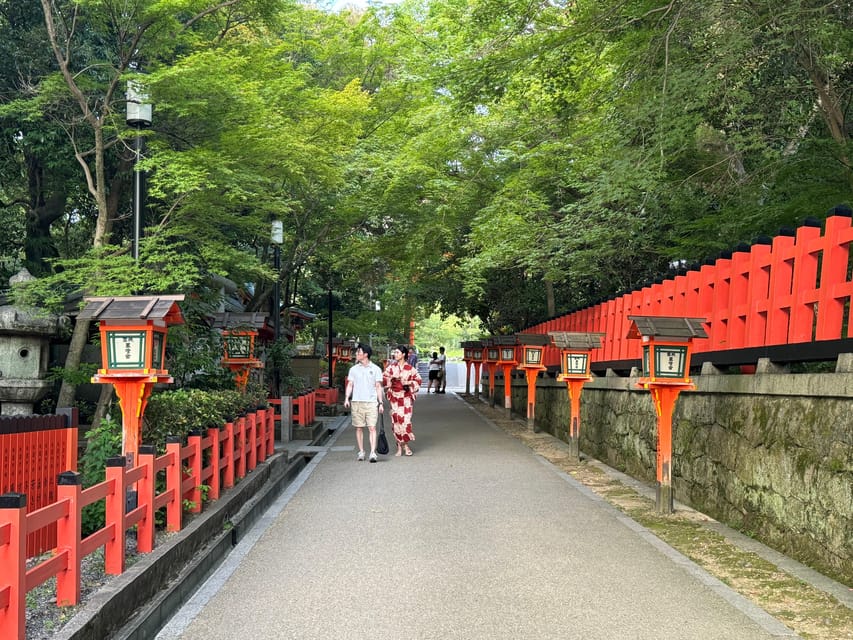
Gion is famous for what it looks like, but daytime walking changes what you notice. In daylight, you can actually read the street. The carved wood, the latticework, the small shifts in rooflines, and the texture of stone paving show up more clearly. Night views are dramatic, sure, but daylight helps you slow down and see the craftsmanship.
This tour is built around that idea. It’s a guided cultural walk, so you’re not just collecting photos. You’re learning how the district’s design, spiritual life, and performing arts connect in Kyoto. That makes the whole place feel more coherent, and less like a theme park.
Also, this walk has a calmer rhythm than you might expect for such a well-known area. It’s short enough to keep energy high, but long enough for a meaningful arc: Gion streets, canal calm, then the shrine.
More evenings along the lantern-lit lanes of Gion


Private group, real guide time, and pacing that can fit you
For me, the best part of paying for a private walking tour is simple: you’re not fighting the crowd for the guide’s attention. This one is a private group experience with an English-speaking local guide, and Japanese is also available depending on the option you book.
The tour is set at 90 minutes, which is a sweet spot. You get enough time to move through the district and hit the main cultural anchor points without turning it into a long endurance test.
A practical note: Gion streets can be uneven and busy in pockets. In a small group setting, guides have been willing to match the pace for people who move slower, including guests using a walking stick, and even helping with practical needs like carrying bags or taking photos. That’s not a guarantee for every situation, but it’s a good sign that the guide style can be flexible.
If you’re the type who likes asking questions mid-walk, this format supports it. You’re in a conversation, not a lecture you can’t pause.
Hanamikoji Street and Kyoto’s machiya look-up-at-it architecture
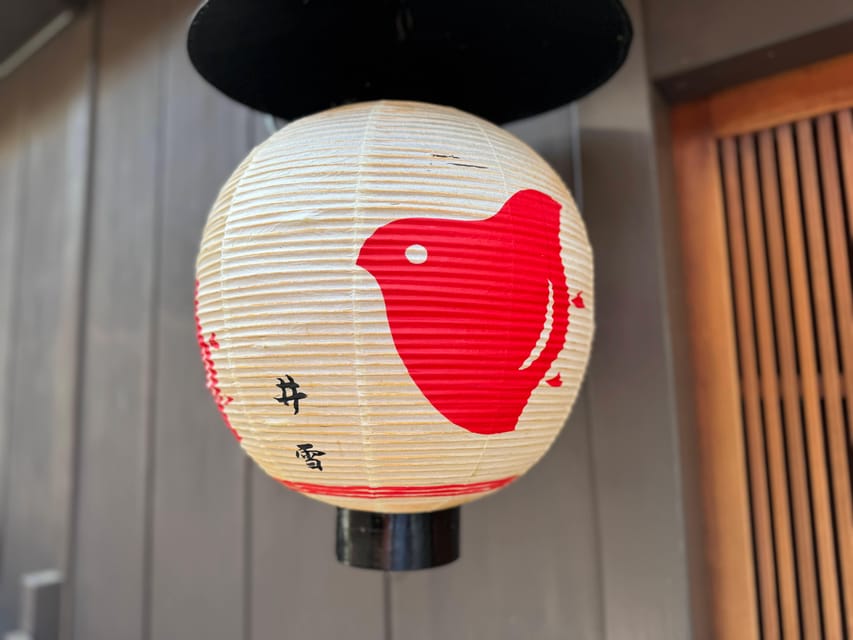
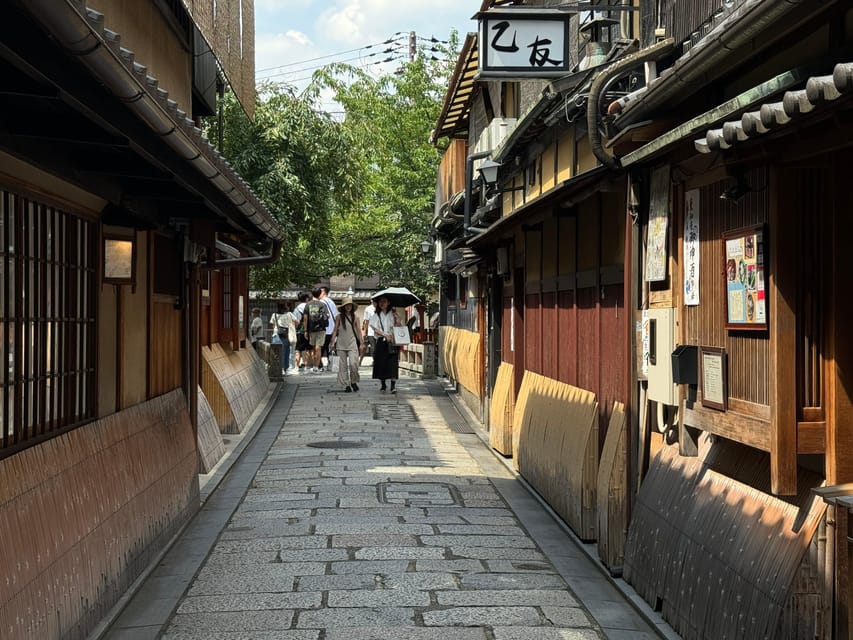
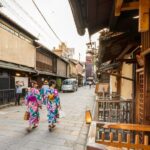
Your walk typically centers on Hanamikoji Street, the iconic spine of the Gion area. This is where the district’s “Kyoto identity” shows up fast: wooden machiya townhouses, traditional ochaya (tea house) facades, and that classic Kyoto stone-paved street feeling.
What I like most here is that the buildings aren’t just pretty backdrops. Even when you don’t know the details yet, you can sense why the street works. The narrow proportions help create a human scale. The architecture supports the rhythm of old entertainment culture: formal entrances, quiet courtyards behind the facade, and a street scene designed to be seen slowly.
A good guide will also point out what you might otherwise miss: small design choices, how the storefronts relate to the deeper buildings, and what those traditions meant in everyday life. And instead of turning the walk into a hunt for appearances, the explanation stays respectful. You’re learning the roles of geiko and maiko in Kyoto society, including the discipline behind their training and the idea that this is an art practice, not a casual performance.
If you like photo opportunities, you’ll get them. Just don’t treat it like a photo mission. Treat it like a street study.
Shirakawa Canal: the daylight version of Gion’s “wow”
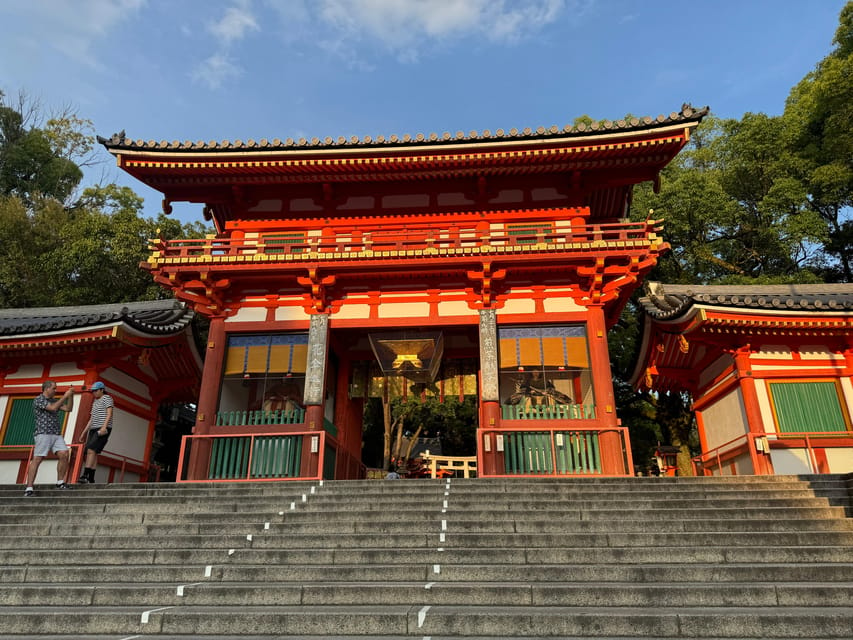
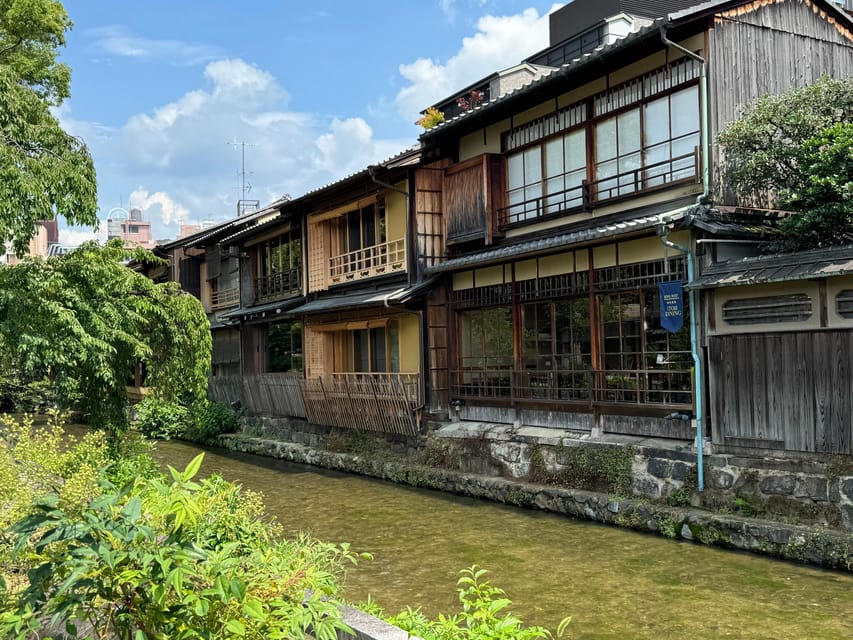
Then comes the Shirakawa Canal, one of the most photogenic sections of Gion for a reason. In daytime, the canal feels different than it does in evening shots. The willows, the small bridges, and the preserved facades along the water line up with the way Kyoto likes to design sightlines.
This is where I think the tour earns its value. A solo walk can be pretty, but a guide helps you notice patterns. You start seeing how the street and buildings frame the canal view. You also get a sense of why this place has that calm, “standing still for a moment” feeling.
Another smart detail: being on the canal portion in daylight helps with clarity. Architectural elements that blend into shadows at night become easier to spot. That means you can actually connect the look of the district to what you’re hearing about tradition and place.
And yes, rain happens in Kyoto. One reason I’d feel comfortable booking this type of guided walking tour is that it can still work when the weather turns. A good guide keeps moving, keeps the group together, and helps you make sense of what you’re seeing even with wet streets.
Understanding geiko and maiko without turning it into spectacle
One of the best parts of this tour is that it doesn’t sell you on sightings. Instead, it explains the traditions of geiko and maiko in Kyoto with historical background and cultural context.
That approach matters. Gion can be overwhelming if you go in with the wrong expectations. If your goal is only to catch a glimpse, you’ll spend a lot of time scanning, feeling frustrated, and missing the meaning of what you’re actually looking at.
The guide’s job here is to make the district understandable. You learn that these roles involve training, discipline, and a longstanding performing arts culture shaped by Kyoto’s social history. You also get more respectful framing for the etiquette around the district and why some behavior is seen as inappropriate.
I especially like that this tour keeps the tone grounded. It’s not sensational. It’s informational. You walk away with context that makes Gion feel less like an image and more like a living system.
Keep climbing the Higashiyama slopes toward Kiyomizu-dera


Yasaka Shrine: the spiritual center that explains why Gion feels rooted
After the canal and street scenery, the tour shifts to Yasaka Shrine. This is one of the biggest mood-changers in the district because it brings you from “beautiful streets” into spiritual purpose.
Yasaka Shrine is described as the spiritual heart of Gion and one of Kyoto’s most important Shinto sites. The shrine’s history stretches over a thousand years, and it remains tied to major local festivals, including Gion Matsuri.
What that means for you on the walk: you stop treating Gion as only an entertainment district. You start seeing the connections between the sacred and the cultural. The shrine isn’t an isolated stop. It’s woven into the rhythms of the neighborhood and its public celebrations.
Even if you’re not a shrine-history fanatic, the guide context helps. You’ll likely find yourself looking at the shrine grounds with clearer purpose, understanding why it matters to the area beyond being another attractive spot on a route.
Price and value: $38 for 90 minutes is about the guide, not the scenery
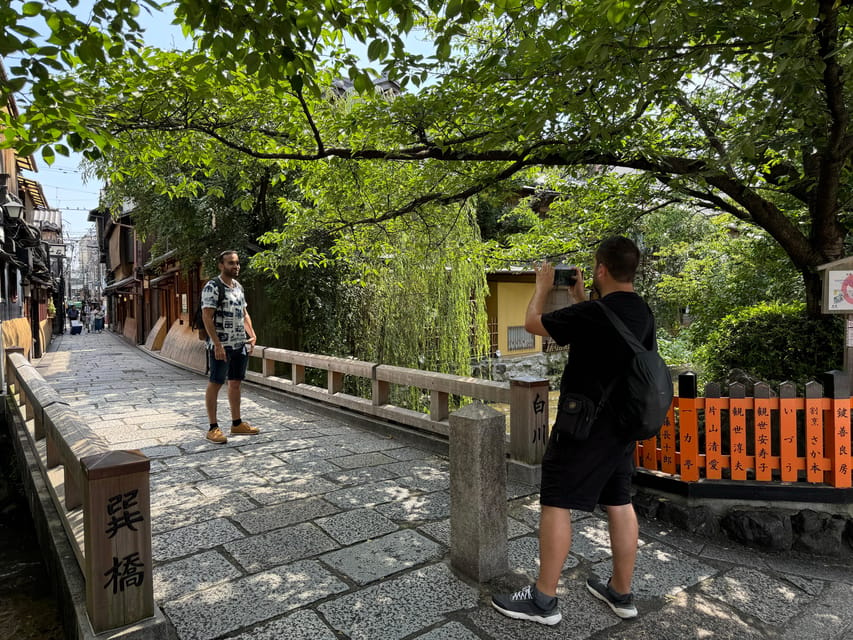
At $38 per person for a 90-minute private guided walk, the value depends on your travel style.
If you’d pay for directions, explanation, and someone to point out what you should notice, this fits well. You’re paying for:
- A local English-speaking guide
- Cultural and historical commentary throughout
- A route that focuses on key Gion landmarks rather than leaving you to guess the best order
If you already know you prefer self-guided wandering, you could do something similar on your own by following Hanamikoji and working your way toward the canal and Yasaka Shrine. But you’d miss the structured context around geiko/maiko traditions and how the shrine links to festivals.
Also, it’s worth noting what’s not included. Food and drinks are not part of the tour, and transportation to and from the meeting point is also on you. That said, the tour is short, so you’re not paying for a long block of time you might otherwise spend on transit.
Net: for a well-paced cultural walk with interpretation, $38 can be a very fair rate.
What to wear, how to stay comfortable, and how rain changes the vibe
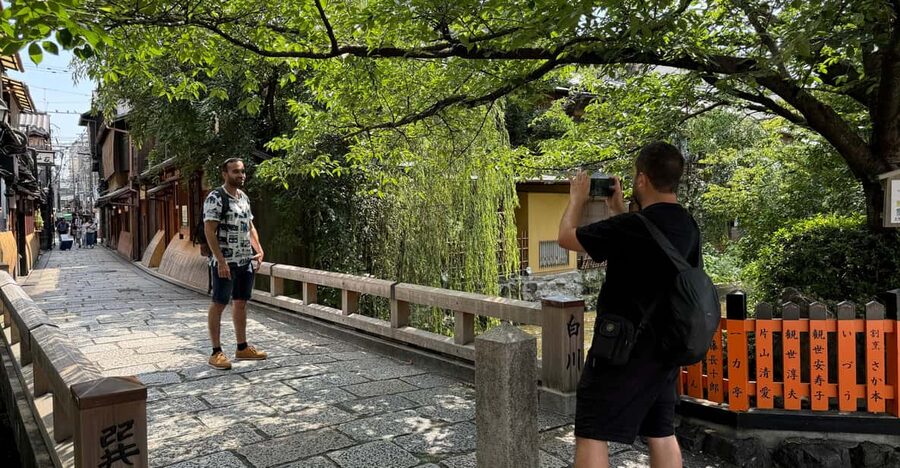
This is a walking tour, so comfort is your quiet superpower.
You’ll want shoes that handle wet or uneven pavement, since Gion can involve slip-prone surfaces and tight street turns. Layers also help because Kyoto’s weather can shift, and daytime walking means you’ll go from sun to shade quickly near buildings and trees.
If rain shows up, don’t assume it ruins everything. I’ve seen this kind of tour still run well, with a guide keeping momentum and using the weather as part of the experience rather than letting it shut the day down. The canal can look even moodier when the light changes and the air feels cool.
And for photos: daytime gives you better clarity, but you’ll still want to watch your footing. If you’re stopping often for pictures, ask the guide where it’s safest to pause.
Who should book this Gion and Yasaka Shrine walk?
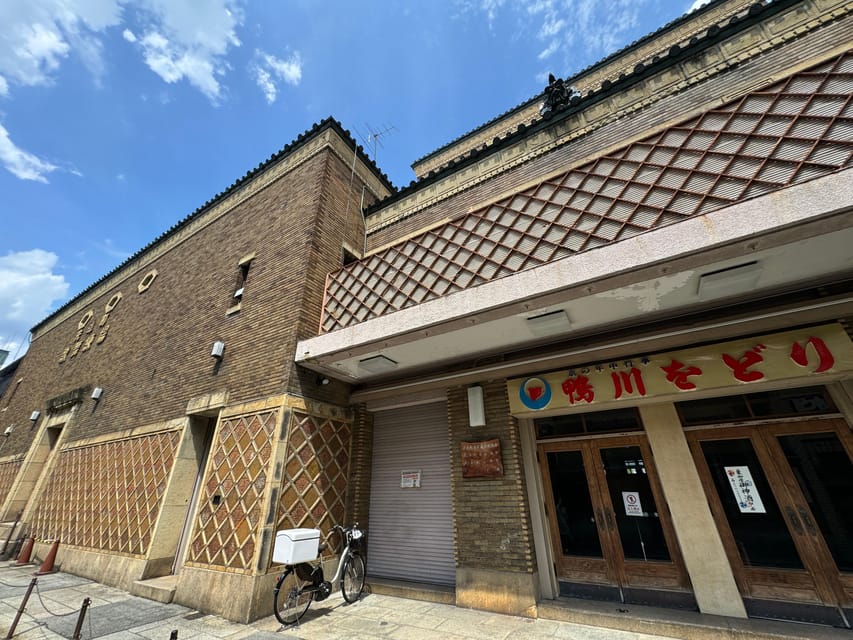
This tour fits best if you want:
- A cultural explanation of Gion, not just scenery
- Time on Hanamikoji Street and the Shirakawa Canal with meaningful context
- A strong link between street life and spirituality at Yasaka Shrine
- Respectful learning about geiko and maiko traditions
It’s also a good choice if you’re traveling with a small group and you care about pacing. In real-life group situations, guides have shown practical thoughtfulness, like accommodating slower walkers and helping with small needs such as carrying bags or taking photos.
You might want to pick a different experience if your only goal is to catch geisha-style sightings with minimal talking. This walk is structured around understanding, and the guide keeps the tone appropriate.
Names you might hear from the guides
Tour quality often shows up in the human details, and guide communication matters a lot on a short walking tour.
In past groups, guides like Peco and Yozo have been praised for being friendly, speaking good English, and tailoring the walk to the group. If you’re the kind of person who likes a guide who can handle both history and practical needs, that’s exactly the kind of energy that tends to show up.
Should you book this Kyoto Gion Geisha District & Yasaka Shrine Walking Tour?
I’d book it if you want Kyoto that feels grounded: old streets, clear cultural context, and a shrine stop that actually explains why Gion works as a neighborhood. For $38, you’re buying interpretation and a smart route through the essentials in a limited time window.
Skip it if you’re chasing a specific type of street sighting and you don’t care much about the story behind geiko/maiko traditions. This isn’t a “stand here until something happens” tour. It’s a “walk and understand” tour.
If you’re unsure, think like this: you can always add more wandering later, but it’s hard to recreate a good guided explanation once your day’s over.
FAQ
How long is the Kyoto Gion Geisha District & Yasaka Shrine walking tour?
It lasts 90 minutes.
Is this tour private?
Yes. It’s described as a private group experience.
What languages are offered?
The tour guide is available in English and Japanese.
What does the tour include?
It includes a private guided walking tour in Gion, an English-speaking local guide, and cultural and historical commentary throughout the tour.
What is not included?
Food and drinks, transportation to and from the meeting point, and personal expenses are not included.
Where does the tour meet?
The meeting point may vary depending on the option booked.
What are the main places you visit?
You’ll walk through the Gion area, including Hanamikoji Street and Shirakawa Canal, and you also visit Yasaka Shrine.
What’s the price?
The price is $38 per person.
Is there a cancellation option and a pay-later option?
The tour offers free cancellation up to 24 hours in advance for a full refund, and it also offers a reserve now & pay later option.
More Kyoto Temples and Shrines


More Along the Higashiyama Slopes
Still in Gion? Keep Going

Just added: more Kyoto tours to browse








Kiyomizu-dera & Higashiyama Tours, compared.
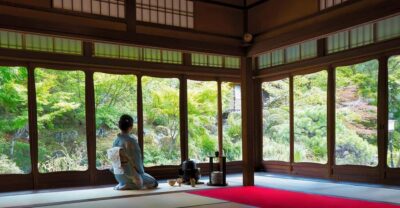 ★ 4.9Tea Ceremony in a Traditional Tea House in KiyomizuFrom $493,519 reviews
 ★ 4.7Nijo Castle, Kiyomizu & Fushimi Inari Guided TourFrom $54700 reviews
 ★ 5.0Nijo, Kinkaku-ji, Arashiyama, Kiyomizu & Fushimi InariFrom $51699 reviews
 ★ 4.8Kyoto Ninenzaka: Tea Ceremony in Old Townhouse with ChairsFrom $21215 reviews
 ★ 5.0Private Rickshaw Tour of Gion and Higashiyama AreaFrom $51144 reviews
 ★ 5.0Kyoto Tea Ceremony & Kiyomizu-dera Temple Walking TourFrom $109115 reviews
 ★ 5.0Kyoto Kiyomizu Tea Ceremony with Scenic Garden ViewsFrom $50101 reviews
 ★ 4.7Kimono/Yukata Rental 5 Minute from Kiyomizu-deraFrom $1989 reviews
Browse the lists this tour appears in