
Reviewed · KYOTO TEA CEREMONIES
Kyoto Fushimiinari:Wagashi Making & Small Group Tea Ceremony
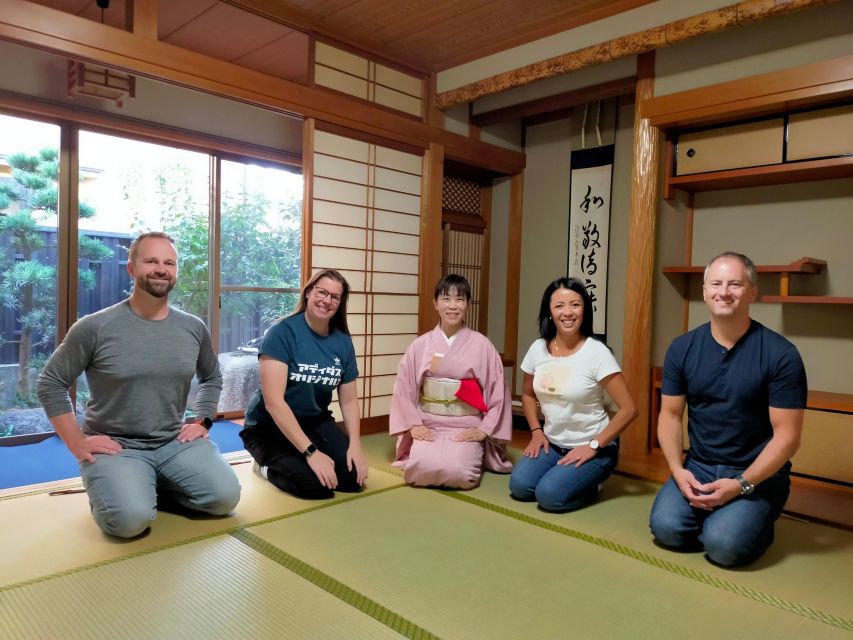
Kyoto’s tea room is quiet for a reason. This 75-minute small-group class at iroHa cooking studio turns Japanese sweets and matcha into hands-on skill, not a lecture. I like how you start in the kitchen, then shift into a proper tatami tea ceremony setting with real etiquette explained step by step. The main drawback? You need to be comfortable sitting on the floor, and children under 8 (plus wheelchair users) aren’t a fit.
What makes this experience feel special is the setting and the pacing. You get a garden view, a short garden walk when weather allows, and a host who guides you through manners, tea history, and ritual meaning without making it feel stiff. I also like that you prepare one bowl of matcha yourself, so you leave with a practical memory you can copy at home. The one thing to consider is the photos rule: flash photography is off, and parts of the session may have limits to let everyone focus.
With only up to 6 participants, the explanations stay clear, and you have room for questions. In the tea room, you learn why the alcove scroll matters and how to eat what you made, then you whisk and serve matcha with the proper motions. If you’re hoping for a long, sightseeing-style tour, this is more like a focused cultural workshop in calm surroundings.
In This Review
- Key points before you go
- A calm Kyoto pause near Fushimi Inari
- The house, garden walk, and tatami room setup
- Wagashi class: making one seasonal sweet
- Tea ceremony etiquette: what you learn beyond the steps
- Matcha time: from demonstration to your own bowl
- Why the small group size changes everything
- Price and value: what $55 really buys
- Practical tips: socks, photos, and floor comfort
- Who should book this, and who might want to skip it
- Should you book the Kyoto Fushimi Inari wagashi and tea ceremony?
- FAQ
- How long is the Kyoto Fushimiinari wagashi and tea ceremony class?
- What does the class include?
- Is this a group tour or private instruction?
- What language is the instruction offered in?
- Do I need to bring anything?
- Can I take photos or record video?
- Are chairs available if I can’t sit on the floor?
- Do the wagashi types always match the photos?
- Is the class suitable for children?
- What if I have allergies or food restrictions?
Key points before you go
- Hands-on wagashi: you make one kind of Japanese sweet yourself, then taste it during the ceremony
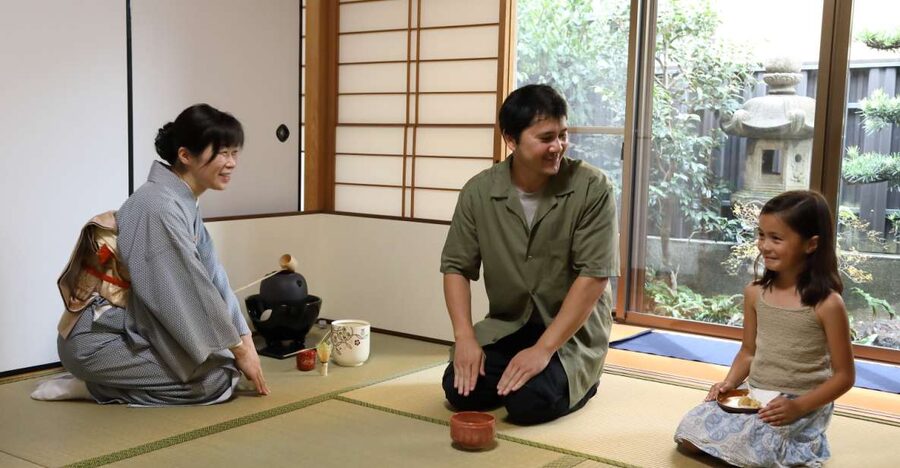
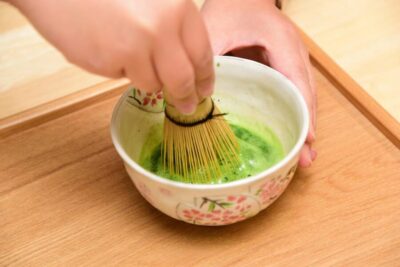
- Matcha you actually whisk: you prepare one bowl using a bamboo whisk
- Tatami tea room with context: you learn tea’s background and the meaning of the hanging scroll
- A small group of 6: more time with your English-speaking instructor for questions
- Quiet, garden-led atmosphere: a calm house setting near Fushimi Inari helps you slow down
- Simple, clear rules: socks required; no bare feet; no flash and limited photo/video use
A calm Kyoto pause near Fushimi Inari
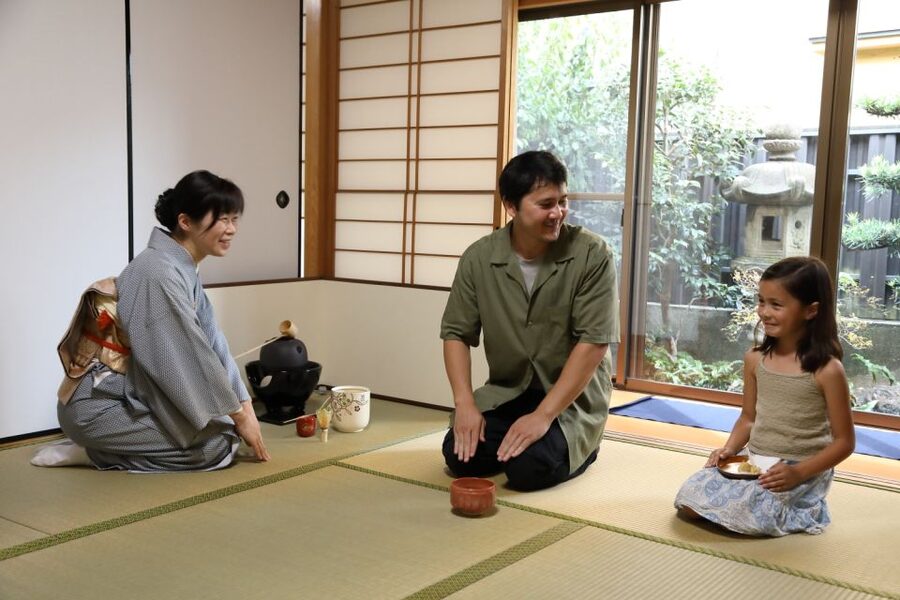
Kyoto can feel like a nonstop scroll of shrines and crowds. This experience is a planned break from that pace. You arrive at a local house with Japanese-style rooms and a garden view, and the whole tone shifts as soon as the host welcomes you and leads you inside.
That calm isn’t just a mood. It affects how well you learn. When you’re not trying to compete with noise and motion, you pick up the small details—how to hold things, how to move, and when to speak.
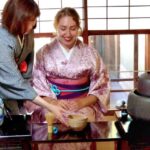
Sit for another bowl of matcha in a Kyoto tea house


The house, garden walk, and tatami room setup
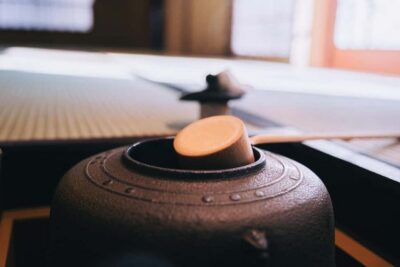
The first change you’ll notice is the room itself. You’ll step through a traditional space with Japanese-style rooms, and you may even go outside for a short garden walk before entering for the tea session. If it’s not raining, you’ll walk through a tiny garden and then settle in an authentic tatami room.
Once you’re seated, the format is very intentional. Tatami makes the posture part of the experience, and the instructor uses that setting to explain ceremony manners. If floor sitting is hard for you, there are chairs and tables available—just let the team know in advance.
Also watch for one practical detail: you must bring socks. Bare feet aren’t allowed, and the studio keeps it consistent with traditional room rules.
Wagashi class: making one seasonal sweet
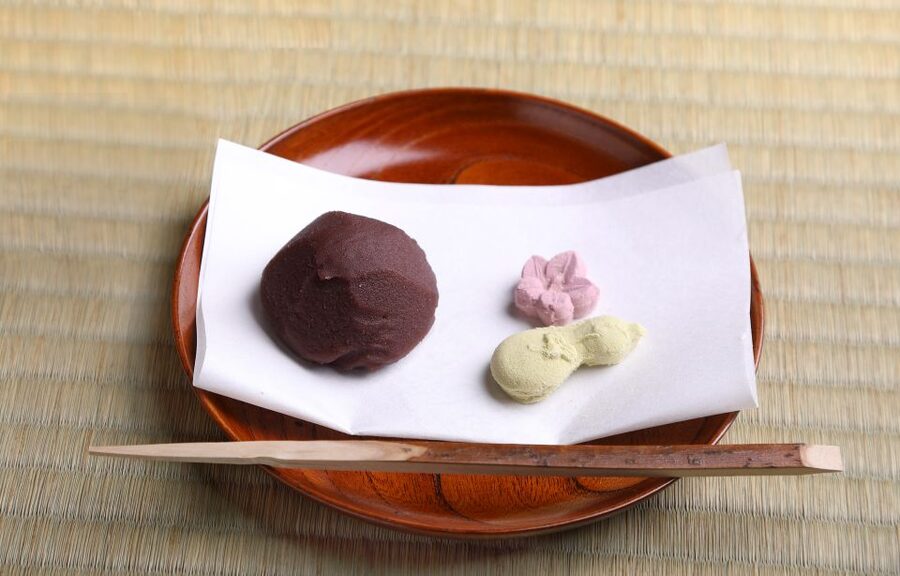
This is not a “watch and clap” workshop. After you arrive, you’ll go to the kitchen and make one kind of wagashi hands-on. Your English-speaking host guides you through the process, and you end up with something you’ll later enjoy during the tea ceremony.
Here’s the helpful expectation: the exact wagashi can vary by season. So if you’re picturing the same shape and flavor every time, you may be surprised. In past sessions, sweets have included mochi made with red bean paste and white bean paste, but the studio may choose a different type depending on what’s available and in season.
Either way, you’ll learn the basics of shaping and handling Japanese confections, and that matters because it connects you to the tea moment that follows. You’re not just eating dessert—you’re tasting something you helped create.
Tea ceremony etiquette: what you learn beyond the steps
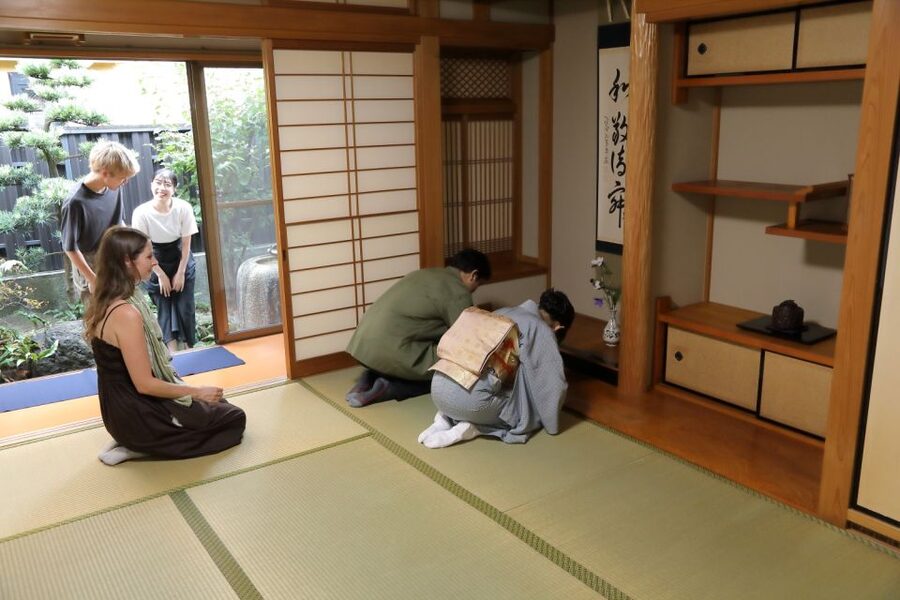
After the wagashi work, you shift gears to the tea ceremony itself. The host explains how to attend, along with the key manners you’ll use in the Japanese room. You also get context so the routine doesn’t feel like memorizing a dance move.
In the tatami room, your instructor will talk about:
- The history of tea and tea ceremony
- Why the ritual has meaning and what it represents
- The hanging scroll in the alcove and how it fits into the space
That might sound academic, but the benefit is practical. When you understand what the scroll and the alcove represent, you stop treating the room like a stage. You start acting like you’re sharing a moment, not performing for it.
Matcha time: from demonstration to your own bowl
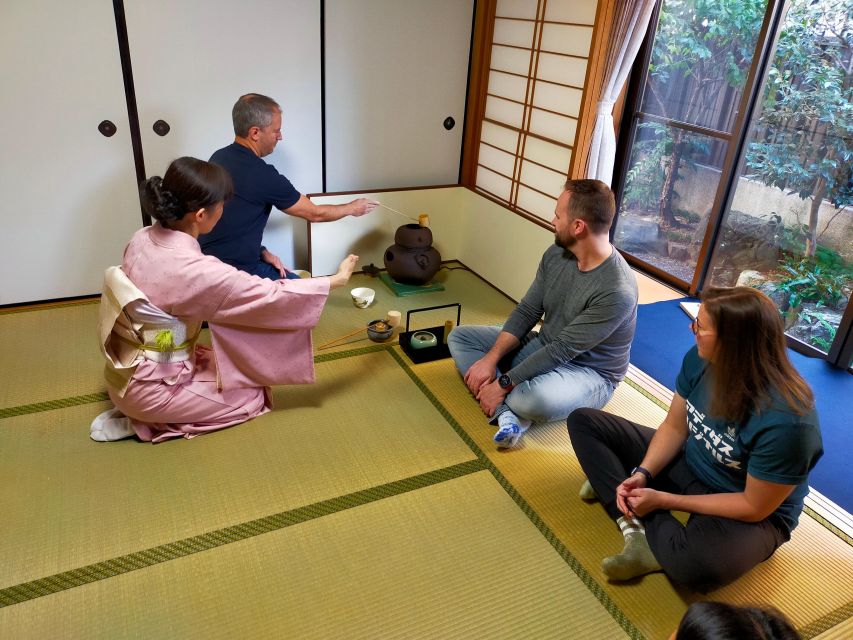
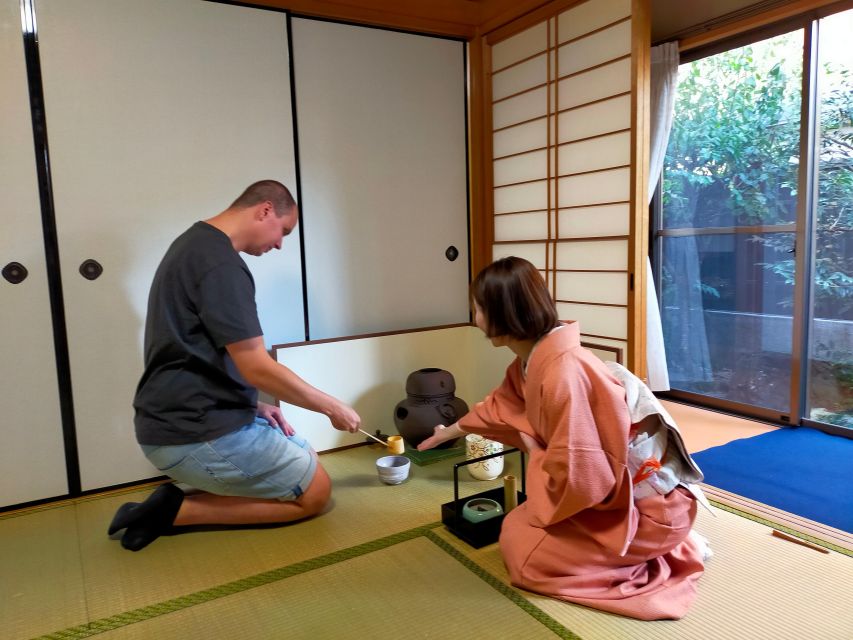
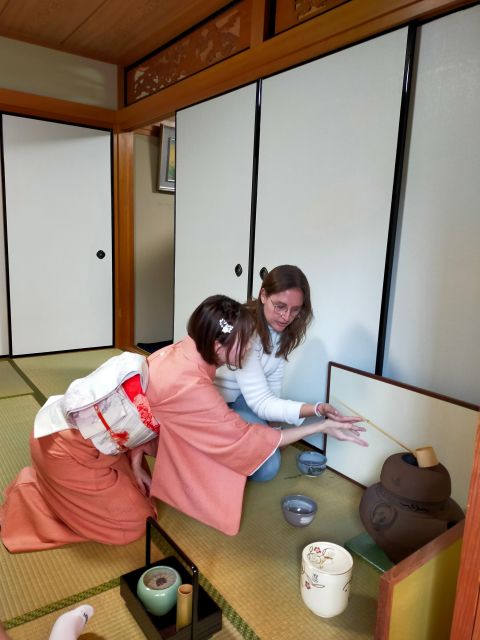
Now comes the part most people remember: matcha you can make yourself. You’ll first savor the sweets you made while your instructor demonstrates how to drink a bowl of matcha. Then the host demonstrates the ceremonial preparation of matcha, showing the steps and motions you’ll later copy.
You’ll drink matcha prepared for you, and you’ll also prepare your own later. The class includes 2 bowls of matcha total, with one bowl prepared by you using a bamboo tea whisk.
What you get from doing it yourself is huge:
- You feel the texture and consistency of whisked matcha
- You understand how effort and timing change the result
- You learn how to serve it appropriately, not just how to drink it
You don’t leave with theory. You leave with muscle memory and a clear sequence you can repeat.
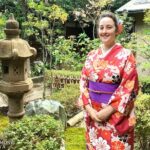
Roll up your sleeves for another Kyoto cooking class

Why the small group size changes everything
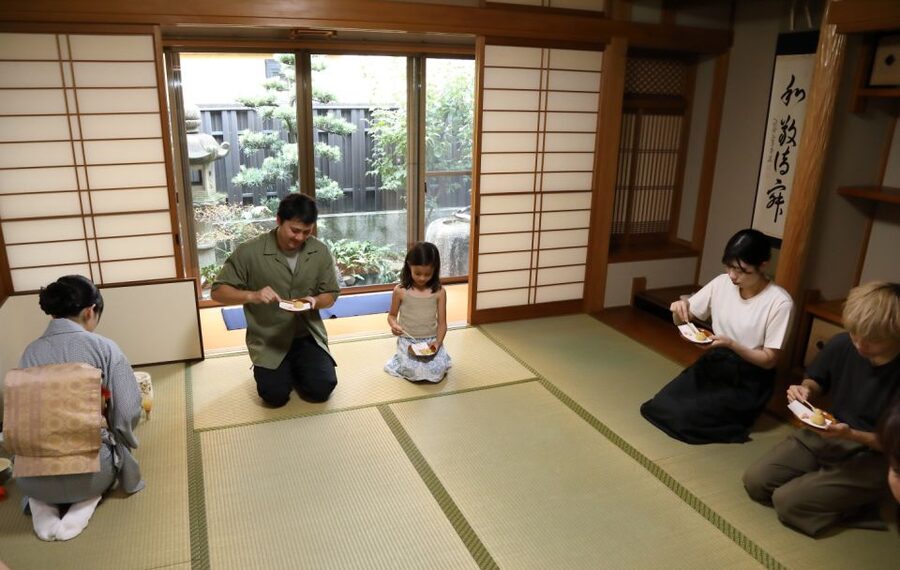
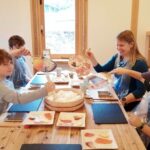
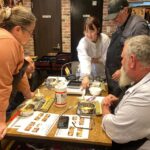
This class caps at 6 participants, and it shows. A small room means the instructor can adjust pacing, explain things clearly, and respond when questions pop up. You’re not stuck watching from the back while the pace leaves you behind.
It also supports the tone of the experience. Tea ceremony works best when people are calm and attentive. In a larger group, that’s harder. Here, the structure stays relaxed enough that you can participate at your own speed.
In one recent experience, the instructor’s English was described as clear and friendly, and questions were answered directly. That kind of interaction is exactly what you want when you’re learning ceremony etiquette, not just tasting sweets.
Price and value: what $55 really buys
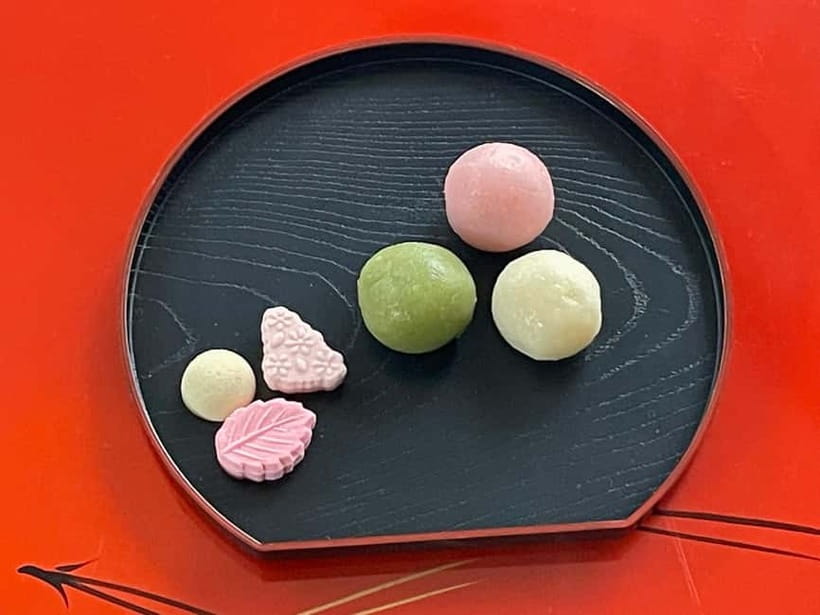
At $55 per person for 75 minutes, you’re paying for more than a snack plus a show. You’re paying for guided instruction through two skill areas:
- Hands-on wagashi-making
- Tea ceremony learning, including matcha preparation and tasting
You also get built-in value in the details:
- All fees and taxes included
- English-speaking instructor
- 2 bowls of matcha, with one bowl made by you
- A small group experience designed for learning
This is the kind of activity that can feel expensive if you compare it to a quick market snack. But if you compare it to a workshop where you leave with real technique, it makes more sense fast. You’re basically buying a short cultural lesson with edible results.
Practical tips: socks, photos, and floor comfort
Before you go, lock in the small rules so nothing interrupts your experience.
Bring:
- Socks (required)
Not allowed:
- Bare feet
- Flash photography
- Video recording
A second timing note: the team may ask you not to take photos during parts of the session so everyone can experience the moment. That’s fair, and it usually leads to a calmer room.
Comfort matters too. Tatami seating can be cozy, but if you need help, chairs and tables are available. Tell the provider in advance so they can plan for you.
Finally, if you have food restrictions or allergies, let them know ahead of time. Japanese sweets can include ingredients you’ll want to verify.
Who should book this, and who might want to skip it
This class is a great fit if you:
- Want a hands-on cultural experience in Kyoto
- Like learning through doing—especially food craft
- Care about etiquette and context, not just the end result
- Prefer a small group format where you can ask questions
It’s less of a fit if you:
- Need wheelchair access (the experience isn’t suitable for wheelchair users)
- Are traveling with kids under 8
- Want a long walking tour or lots of outside sightseeing during the session
Should you book the Kyoto Fushimi Inari wagashi and tea ceremony?
I’d book this if you want something real and memorable without spending half a day in transit. The mix of wagashi-making and matcha preparation means you get both story and technique. And because it’s limited to 6 people, you don’t feel like a spectator.
Skip it if you hate floor seating or you’re hoping for a photo-heavy experience. You’re choosing a ritual-focused room, with rules designed to keep everyone present.
If you’re on the fence, think of it like this: this isn’t just dessert plus tea. It’s a short workshop where you learn how to make a sweet, how to participate politely in a tea room, and how to whisk matcha like you know what you’re doing.
FAQ
How long is the Kyoto Fushimiinari wagashi and tea ceremony class?
The experience lasts about 75 minutes.
What does the class include?
You’ll get an English-speaking instructor, learn to make one type of wagashi, enjoy 2 bowls of matcha (one prepared by you), and receive explanations on how to make tea and eat the sweets.
Is this a group tour or private instruction?
It’s a small group experience limited to up to 6 participants.
What language is the instruction offered in?
The class is offered in English.
Do I need to bring anything?
Yes. You should bring socks.
Can I take photos or record video?
You can’t use flash photography and video recording isn’t allowed. The host may also ask you not to take photos during some parts of the session.
Are chairs available if I can’t sit on the floor?
Yes. Chairs and tables are available if you have difficulty sitting on the floor—let them know in advance.
Do the wagashi types always match the photos?
Not necessarily. Japanese sweets may differ from the pictures depending on the season.
Is the class suitable for children?
It’s not suitable for children under 8 years.
What if I have allergies or food restrictions?
Let the team know in advance if you have any food restrictions or allergies.
More Tour Reviews in Kyoto




More Kyoto Cooking Classes
One More Bowl of Matcha

Just added: more Kyoto tours to browse








Kyoto Tea Ceremonies, compared.
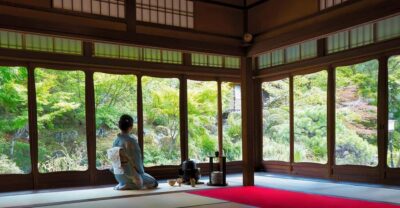 ★ 4.9Tea Ceremony in a Traditional Tea House in KiyomizuFrom $493,519 reviews
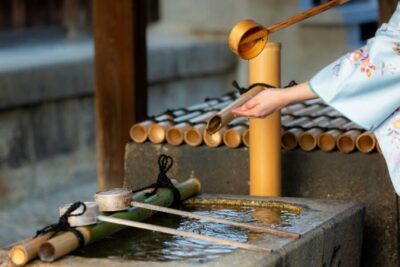 ★ 4.9Tea Ceremony Ju-An at Jotokuji TempleFrom $293,207 reviews
 ★ 4.345-Minute Tea Ceremony Lesson ExperienceFrom $222,378 reviews
 ★ 4.9Table-Style Tea Ceremony at a Kyo-MachiyaFrom $451,211 reviews
 ★ 5.0Kimono Tea Ceremony at Kyoto Maikoya, NISHIKIFrom $65911 reviews
 ★ 5.0Arashiyama Bamboo Forest, Monkeys, Matcha & Temple TourFrom $53759 reviews
 ★ 4.9Tea Museum Tickets and Matcha Grinding ExperienceFrom $23739 reviews
 ★ 4.9Kimono Tea Ceremony at Orizuruya GionFrom $49618 reviews
Browse the lists this tour appears in