
Reviewed · ARASHIYAMA & BAMBOO GROVE TOURS
Afternoon Kyoto Bike Tour: Bamboo Forest, Monkeys & Hidden Spots
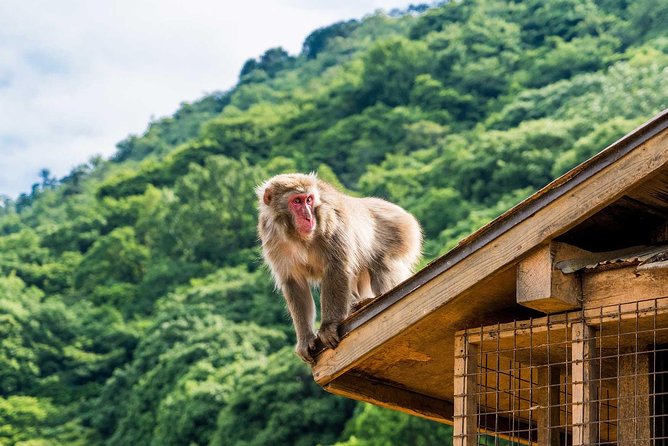
Kyoto’s bamboo comes with a monkey bonus. This 4-hour afternoon bike tour strings together Arashiyama’s best sights in a way that feels local: Iwatayama Monkey Park, the bamboo forest, and a calm Tenryu-ji garden stop, all connected by an easy cycling route. I especially love that it mixes big-name Kyoto with smaller, less-crowded shrines and temples, plus your guide helps you time the most photo-worthy moments.
The only real tradeoff is effort: you’ll do a 20-minute walk up to the Monkey Park, and monkey sightings are never guaranteed since they roam freely. If your idea of fun is zero walking and zero uncertainty, this might feel like a lot.
In This Review
- Key highlights you’ll actually care about
- Why bike-powered Arashiyama feels smarter than busier plans
- Iwatayama Monkey Park: the 20-minute climb and the view over Kyoto
- Bamboo Forest Street: the soundscape and how to get better photos
- Tenryu-ji Temple and Sogenchi Teien: the calmer side of Arashiyama
- Togetsukyo Bridge: the classic Arashiyama moment without the marathon
- The guides make the difference: Yuki, Rob, Peter, and Ray
- Price and value: what $106.12 covers (and why that matters)
- What to expect during the ride (and how to prepare)
- Who this tour fits best (and who should think twice)
- Should you book it?
- FAQ
- How long is the afternoon Kyoto bike tour?
- What’s included in the price?
- Where does the tour start and end?
- What time does the tour begin?
- Is bike riding required, and how hard is the route?
- Do I need to walk to the Monkey Park?
- Are e-bikes available?
- How many people are in a group?
- What’s the cancellation policy?
- What weather is required?
Key highlights you’ll actually care about
- Freely roaming Japanese macaques at Iwatayama Monkey Park, with a mountain viewpoint over Kyoto
- Bamboo Forest Street photo stops where the soundscape is part of the experience
- Tenryu-ji and Sogenchi Teien: a World Heritage garden walk that breaks up the crowds
- Togetsukyo Bridge: the iconic Arashiyama view, short and scenic
- Small group size (max 8) and a native English-speaking bilingual guide
- Bike + helmet + admission fees included, so you’re not budgeting on the fly
Why bike-powered Arashiyama feels smarter than busier plans
Arashiyama can be a bit of a zoo, especially in peak seasons. This tour tackles that problem with one simple idea: use a bike to move quickly between stops, without tiring yourself out like you might if you tried to do everything by foot.
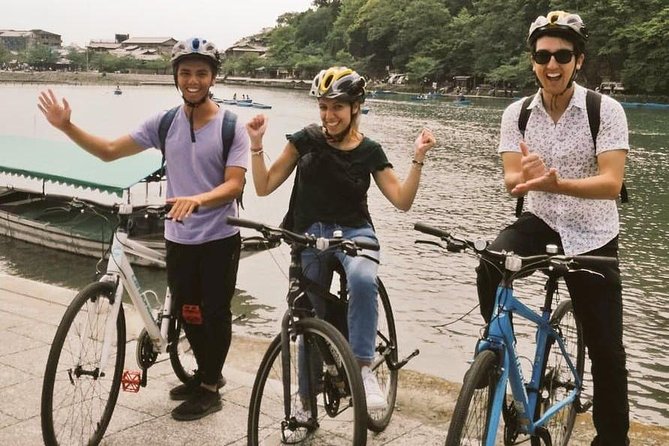
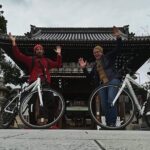
You start at Saga-Arashiyama Station at 1:00 pm and ride for about 4 hours, ending back at the same meeting point. The group stays small—up to 8 people—which matters because your guide can actually manage spacing, help everyone get clear photos, and reroute around the moments when crowds get thick.
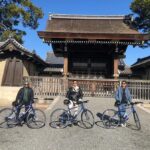
The bikes are standard Cannondale city bikes, not twitchy rental junk. You’ll get a helmet and bottled water, and you can even request youth bikes or e-bikes for an extra fee. That flexibility is handy if your legs want an easier afternoon or if you’re traveling with someone who needs a smaller frame.
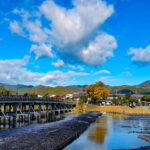
Deeper into Arashiyama, past the bamboo and the Hozu river
Iwatayama Monkey Park: the 20-minute climb and the view over Kyoto
Stop one is Monkey Park Iwatayama, and the format is pretty straightforward. You’ll take a pleasant 20-minute walk up the mountain to reach the overlook and the areas where Japanese macaques hang around.
The payoff is twofold. First, you’re going after the kind of wildlife encounter that doesn’t feel staged. These monkeys roam freely, so you’re not just looking at them in a controlled enclosure. Second, you’re earning your view: the park includes an amazing panoramic look over Kyoto City.
The consideration: the tour description is honest about “possible” monkey viewing. If the monkeys are tucked away, you won’t be tricked into feeling like you paid for a guaranteed animal show. You’ll still get the hike-and-view payoff, which is a big part of why this stop works.
Bamboo Forest Street: the soundscape and how to get better photos
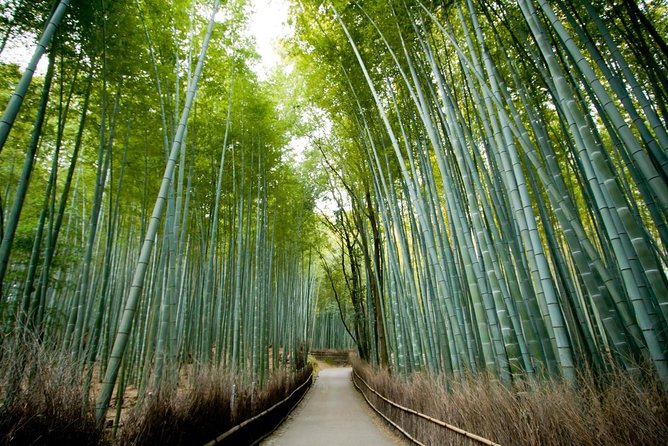
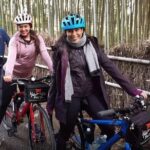
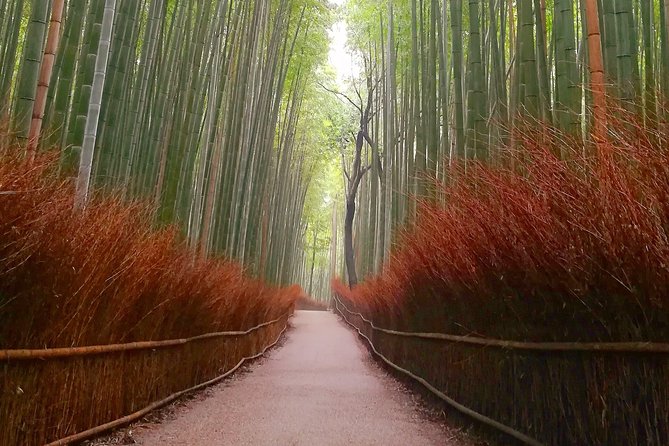
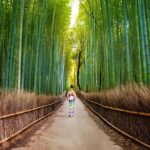
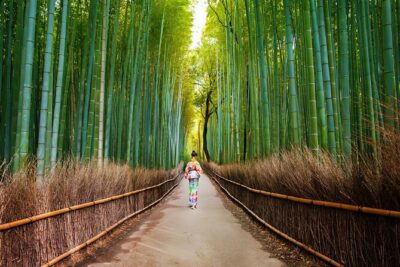
Next up is the Bamboo Forest Street stop—about 25 minutes—and this is where the tour earns its reputation. Arashiyama’s bamboo isn’t just scenic; it has a signature feel in the air, and the tour highlights one of the top soundscapes of Japan.
Here’s why that matters in real life: in the thick of bamboo, your photos get better when you’re not rushing, and your experience gets better when you slow down long enough to notice the sound and movement. This stop gives you that breathing room instead of treating bamboo like a 30-second checklist item.
A good guide also helps with timing. In past outings, guides like Yuki and Ray have been praised for finding picture-worthy spots while managing the crowd pressure around them. Even if you’re an experienced traveler, that’s where bike tours beat solo wandering: you spend your time looking at Kyoto, not guessing where to stand for the best shot.
Tenryu-ji Temple and Sogenchi Teien: the calmer side of Arashiyama
After monkeys and bamboo, you’ll pivot into quiet mode at Tenryu-ji Temple Sogenchi Teien, a World Heritage garden. Your time here is about 25 minutes, and it’s designed as a stroll rather than a sprint.
This stop is valuable because it balances the day. Bamboo and wildlife are intense sensory experiences—crowds, motion, sound, energy. A well-run garden walk gives you contrast: shaded paths, slower viewing, and a chance to appreciate how Kyoto puts restraint right next to beauty.
The practical side is also nice: the garden stop is short enough to fit the afternoon plan, but long enough to actually notice details instead of snapping photos and moving on. If you tend to get temple-fatigue when you’re self-guiding, this timing can feel refreshingly manageable.
Togetsukyo Bridge: the classic Arashiyama moment without the marathon
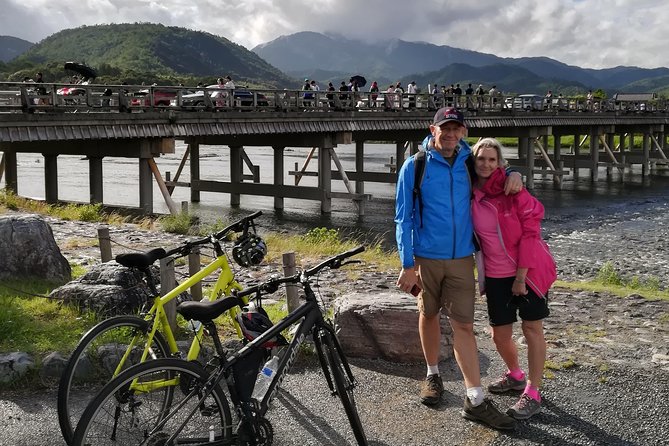
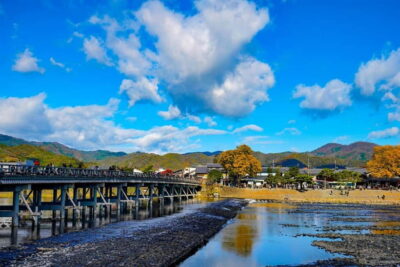
Your fourth stop is Togetsukyo Bridge. It’s only about 10 minutes, but it’s one of those “yes, it’s famous for a reason” views.
The bridge scene is all about layering: the wide-looking mountain backdrop, the water setting, and the sense of classic Arashiyama form. Ten minutes is enough for photos and a short pause, and it prevents your afternoon from dragging when your legs start to notice you did a whole afternoon of cycling plus a mountain walk.
If you’re traveling with a teen or family member who wants the highlight photo fast, this is also one of the most cooperative stops on the whole route.
More of Kyoto at handlebar pace
The guides make the difference: Yuki, Rob, Peter, and Ray
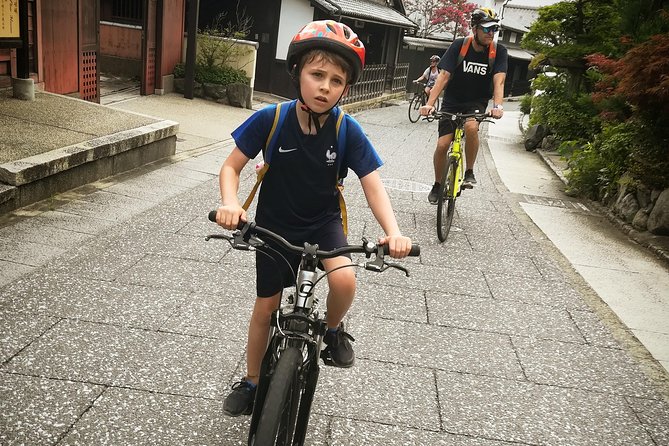
Bike tours live or die by the guide. Here, you’re getting a native English-speaking bilingual guide, and the standout pattern from the experience is that the guides don’t just point out sights—they translate the area into something you can understand.
You’ll hear stories about Japanese culture and local customs while you ride. Guides like Yuki, Rob, Peter, and Ray are repeatedly praised for being:
- friendly and easy to talk with
- good at keeping the group moving safely
- skilled at navigating busy Arashiyama without losing the fun
There’s also a practical photo bonus. Some guides are known for stopping at the right times and taking plenty of pictures for the group, so you’re not stuck with only awkward selfie angles. In one past outing, Ray even stepped in with an extra jacket when the weather turned cold mid-tour—small example, big signal: these guides pay attention to comfort and safety.
Price and value: what $106.12 covers (and why that matters)
At $106.12 per person, you’re not buying a bare-bones bike rental. You’re paying for a full package that includes:
- the bilingual English-speaking guide
- bicycle + helmet
- bottled water
- admission fees
That “admission fees included” detail is a big value point in Kyoto. Temple and garden entries can add up quickly, and when you’re on a timed tour, it’s nice not to pull out your phone every time you arrive at a gate.
You also get a tight route built for an afternoon: everything is within about 4 hours, which helps you avoid the budget risk of spending a full day wrestling with transit and crowds. If you’re only in Kyoto for a limited window, this is one of those formats that makes your time feel efficient without feeling cheap.
What to expect during the ride (and how to prepare)
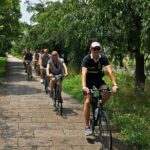
Even if you’re not a cyclist, you’ll likely be fine. Reviews mention that the bike ride is easy and the route is mostly flat, with only a few light inclines, plus the bikes are described as clean, well-maintained, and comfortable.
Still, plan like you’re combining three things:
- Cycling between sites
- A mountain walk up to Monkey Park (the main physical challenge)
- Several short walking sections at each stop
What I’d do if you want this to feel easy:
- Wear breathable clothes and shoes with decent grip for the Monkey Park climb.
- Bring a light layer. Kyoto afternoons can change fast, and you don’t want to be miserable at the viewpoint.
- Bring your camera, but also accept that you’ll get better photos when your guide tells you where to pause. This is one of those tours where stopping at the right spot matters.
And one more practical note: there’s no hotel pickup or drop-off, so you’ll need to make your way to the meeting point at Saga-Arashiyama Station on your own.
Who this tour fits best (and who should think twice)
This is a strong pick if you want:
- a high-sight-density afternoon without feeling exhausted
- wildlife plus iconic Kyoto in one route
- a guide to help you understand what you’re seeing, not just where to stand
- a more controlled experience than wandering around Arashiyama solo
It’s especially good for couples, friends, and families who don’t want to turn Arashiyama into an all-day walking project. Past groups included kids and teens, and the tour format is designed to cover ground efficiently.
Think twice if:
- you don’t do well with hills or longer walks (the 20-minute climb to Monkey Park is the main “challenge”)
- you expect guaranteed monkey sightings every time, because the monkeys roam freely and viewing is described as possible
Should you book it?
Yes—if you want Arashiyama’s big hits with less stress, this is one of the most time-smart ways to do it. The combination of biking between stops, admissions included, and a native English-speaking bilingual guide is the real reason it feels like value, not just sightseeing.
Book it when you want a guided afternoon that mixes wildlife, bamboo atmosphere, and a garden pause—without turning your vacation into a leg day.
FAQ
How long is the afternoon Kyoto bike tour?
It runs for about 4 hours.
What’s included in the price?
The tour includes a native English-speaking bilingual guide, bicycle, helmet, bottled water, and admission fees.
Where does the tour start and end?
It starts at Saga-Arashiyama Station and ends back at the same meeting point.
What time does the tour begin?
The start time is 1:00 pm.
Is bike riding required, and how hard is the route?
You ride standard city bikes and the ride is described as easy enough for people who don’t ride often, with only light inclines in a few segments. The main physical part is the walk up to the Monkey Park.
Do I need to walk to the Monkey Park?
Yes. There is a pleasant 20-minute walk up to Monkey Park Iwatayama.
Are e-bikes available?
E-bikes are available upon request for an additional fee.
How many people are in a group?
The tour has a maximum group size of 8 travelers.
What’s the cancellation policy?
You can cancel up to 24 hours in advance for a full refund. If you cancel less than 24 hours before the start, the amount paid is not refunded.
What weather is required?
This experience requires good weather. If it’s canceled due to poor weather, you’ll be offered a different date or a full refund.
More Tour Reviews in Kyoto
More of Kyoto by Bike
More of Arashiyama and Sagano
Just added: more Kyoto tours to browse


Arashiyama & Bamboo Grove Tours, compared.
 ★ 4.8Fushimi Inari, Kinkakuji, Bamboo Grove 1 Day Bus TourFrom $1224,316 reviews
 ★ 4.1Osaka/Kyoto:Kinkakuji,Arashiyama,FushimiInariShrine,NaraParkFrom $661,596 reviews
 ★ 4.7Kyoto/Osaka: Nara, Fushimi Inari Taisha, Arashiyama Bus TourFrom $521,275 reviews
 ★ 5.0Kyoto Arashiyama Walking Tour: Bamboo, Monkeys, Gardens & SecretsFrom $651,216 reviews
 ★ 4.8Arashiyama Bamboo, Temple, Monkeys, or Secret Sake BreweryFrom $87886 reviews
 ★ 5.0Arashiyama Bamboo Forest, Monkeys, Matcha & Temple TourFrom $53759 reviews
 ★ 4.4Osaka/Kyoto: Arashiyama, Nara & Fushimi Inari Shrine w/LunchFrom $61754 reviews
 ★ 5.0Nijo, Kinkaku-ji, Arashiyama, Kiyomizu & Fushimi InariFrom $51699 reviews
Browse the lists this tour appears in