
Reviewed · KYOTO COOKING CLASSES
Kyoto: Enjoy Sushi & Market Tour! Best for Family & Couple!
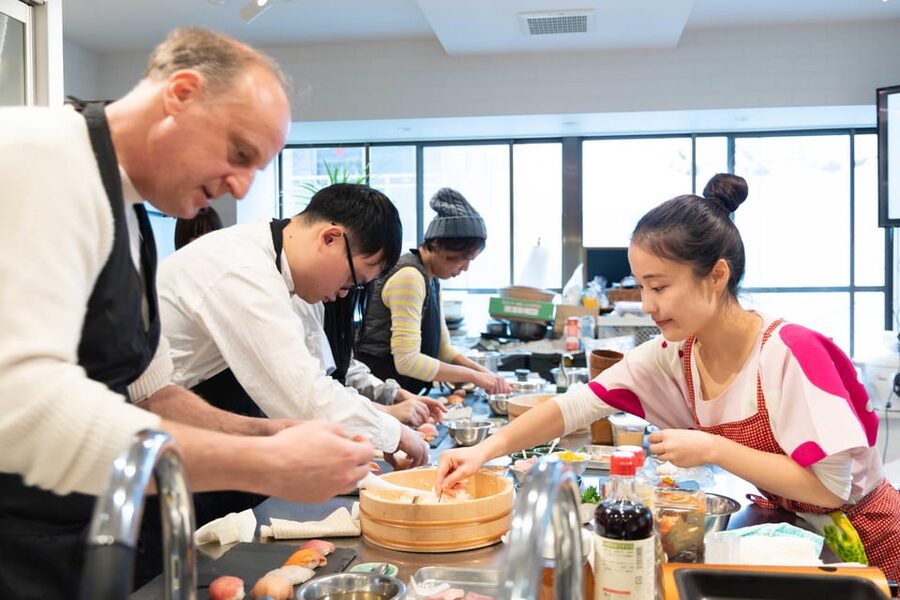
Kyoto sushi is one thing. Kyoto sushi with a market stop is better. In this 2-hour hands-on class, you learn vinegar rice, sushi forms, and miso soup, then head to Nishiki Market to see fish cutting up close.
My favorite part is the combo of skill-building and real sourcing. You’re not just eating sushi in Kyoto; you’re learning how it’s made, picking fresh fish at Nishiki Market, and then sitting down to enjoy what you create.
One thing to consider: at $77 per person, it’s aimed at people who want the teaching and the meal—not just a casual snack. If you’re only chasing market wandering or you dislike cooking classes, the value may feel like a stretch.
In This Review
- Key things to know before you go
- Where you meet in Kyoto (and how it fits your day)
- The 2-hour sushi workshop: what you’ll actually learn
- Nishiki Market fish cutting: why this stop matters
- Miso soup and dashi tasting: the flavor lesson behind the meal
- Your meal: sushi, miso soup, dessert, and coffee
- Optional sake and beer: how to think about add-ons
- Seasonal sightseeing tips that actually help
- Price and value: is $77 a fair deal?
- Who this tour suits best (and who should rethink it)
- Should you book this sushi and market tour?
- FAQ
- How long is the Kyoto sushi and market tour?
- Where do we meet?
- How big is the group?
- What languages are offered?
- What will we make during the class?
- Is dashi included?
- What’s included in the meal?
- Can I drink sake or beer?
- Is smoking allowed?
Key things to know before you go
- Nishiki Market fish cutting: see vendors prepare fish while you choose ingredients.
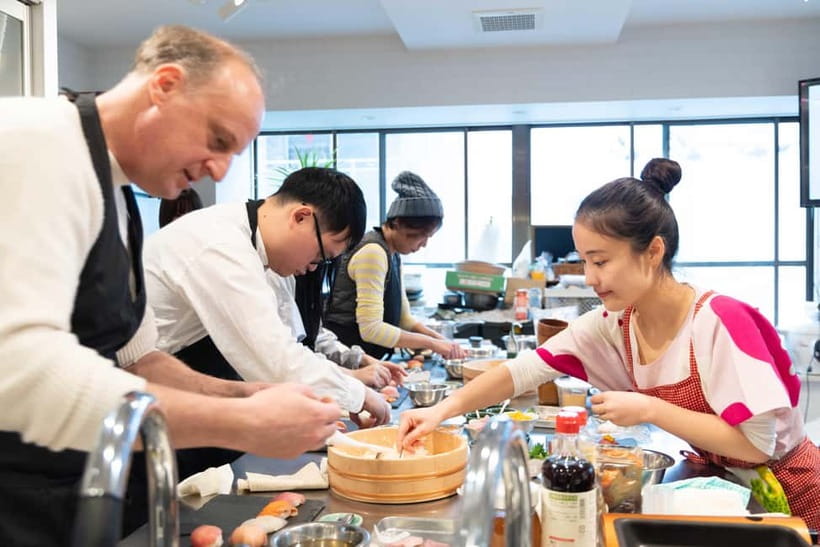
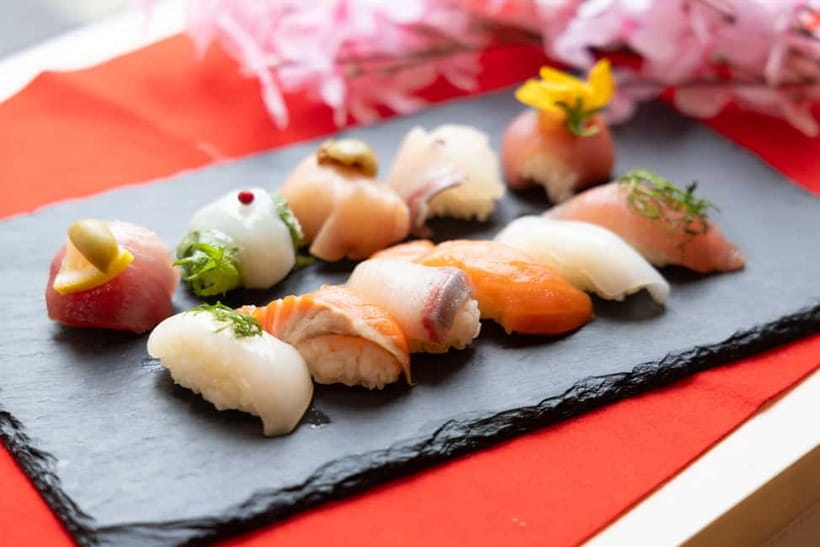
- Hands-on sushi workshop: learn nigiri, temari, and temaki shapes you can recreate at home.
- Dashi tasting and miso soup: a structured flavor lesson, not just a quick soup.
- Meal included: sushi, miso soup, dessert, and coffee after cooking.
- Small group size: limited to 10 participants for more direct help.
Where you meet in Kyoto (and how it fits your day)
You’ll meet in front of a first-floor hair salon called Salon Roll. It’s a simple, easy-to-find spot once you’re in central Kyoto, and it’s close to the places many people visit like Gion and the Kiyomizu-dera area.
Logistically, this location is a big plus if you’re trying to stitch together a sightseeing day without long transit time. From Kyoto Station it’s about a 10-minute trip, and from Shijo Station it’s around 5 minutes.
This format also makes the tour feel like a natural stop between major sights. In a city like Kyoto, where walking and trains add up, shaving time off the “getting there” part makes a real difference.
Roll up your sleeves for another Kyoto cooking class

The 2-hour sushi workshop: what you’ll actually learn
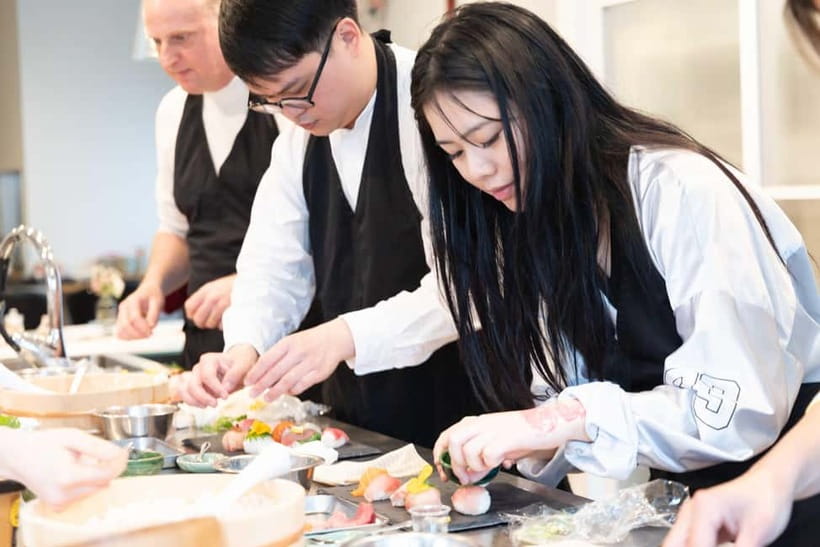
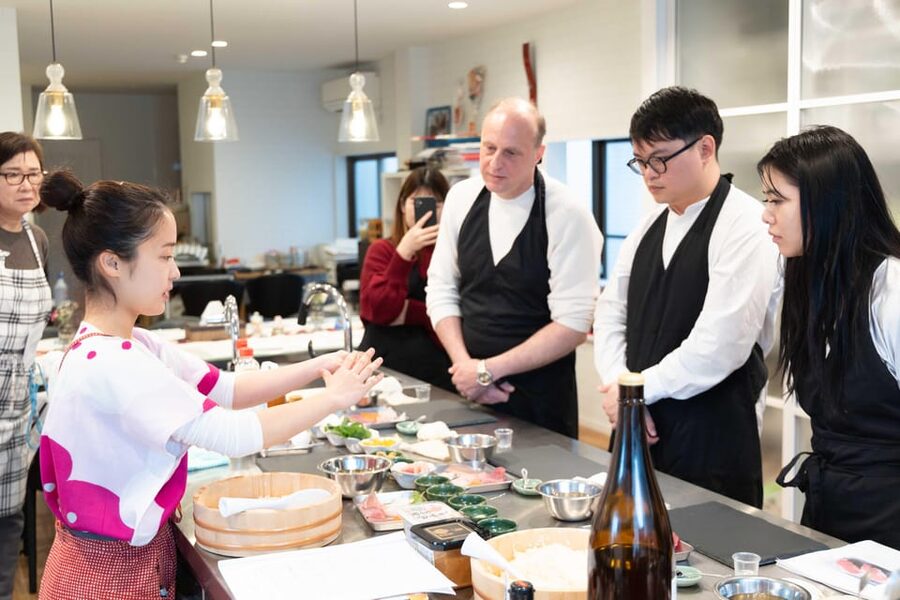
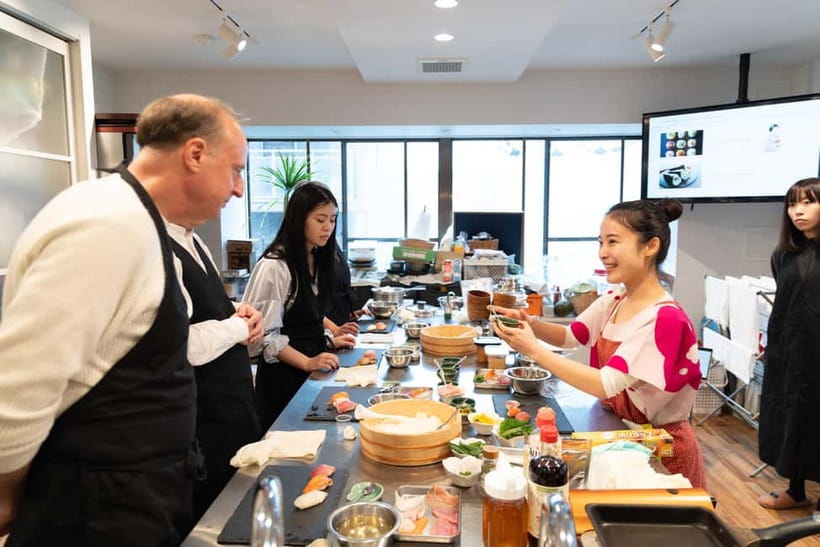
The core experience is a cooking class where you make sushi with a local guide in a small group (max 10 participants). The pace is built for beginners too, because you’re learning technique step by step and then using it immediately.
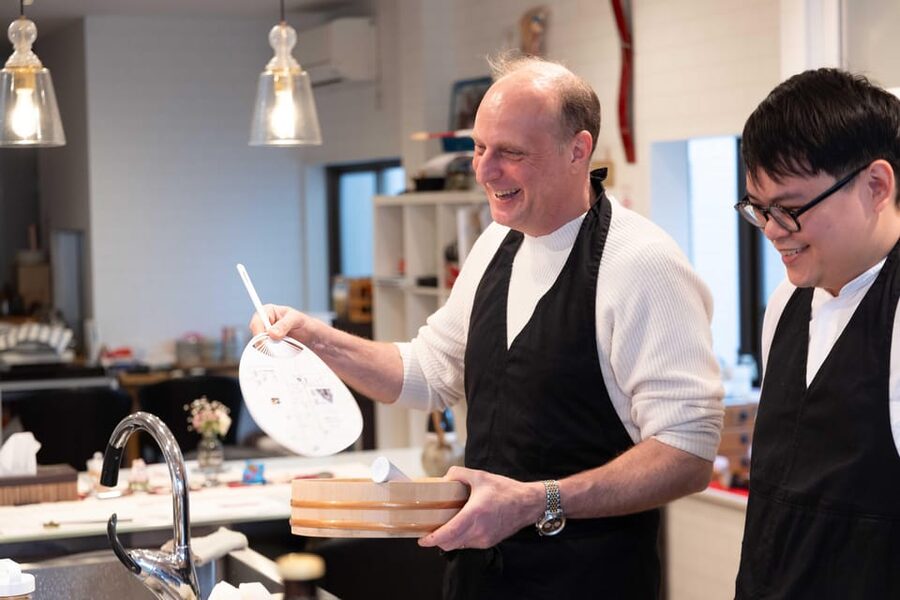
You start with Japanese food culture basics and move into hands-on work with vinegar rice. You’ll learn how to prepare and handle the rice so it works for different sushi styles, including nigiri. That matters because sushi isn’t just about fish—it’s also about how the rice tastes and holds together.
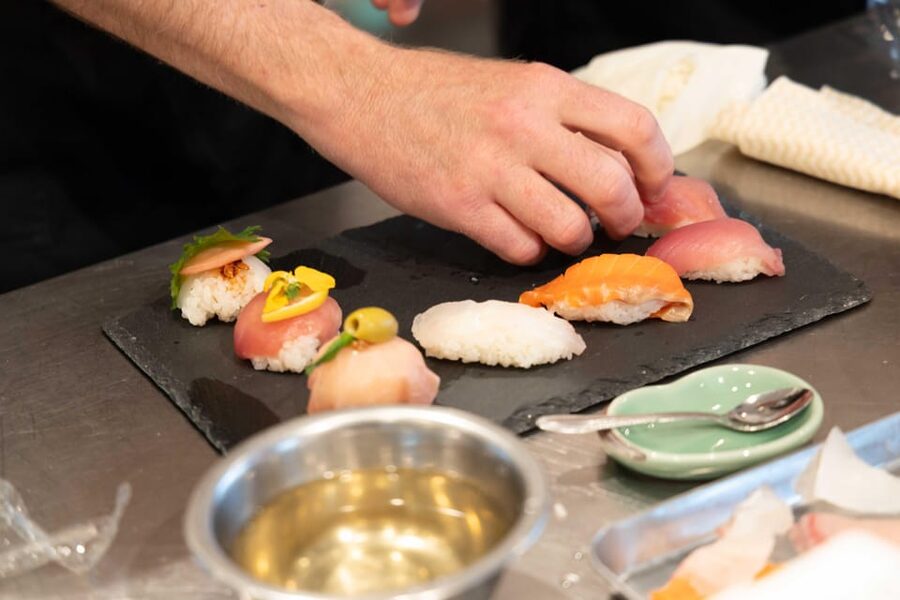
Next you’ll make three sushi types:
- Nigiri
- Temari
- Temaki
Temari and temaki are especially fun if you like shaping things and seeing how small changes create different textures and eating experiences. You’ll also do the practical work that makes sushi less intimidating later—forming pieces, building layers, and finishing with the right feel.
A nice detail: the class doesn’t end when the sushi is formed. You’ll share conversation among participants while the group eats, so it doesn’t feel like you’re racing through instructions with zero social time.
Nishiki Market fish cutting: why this stop matters
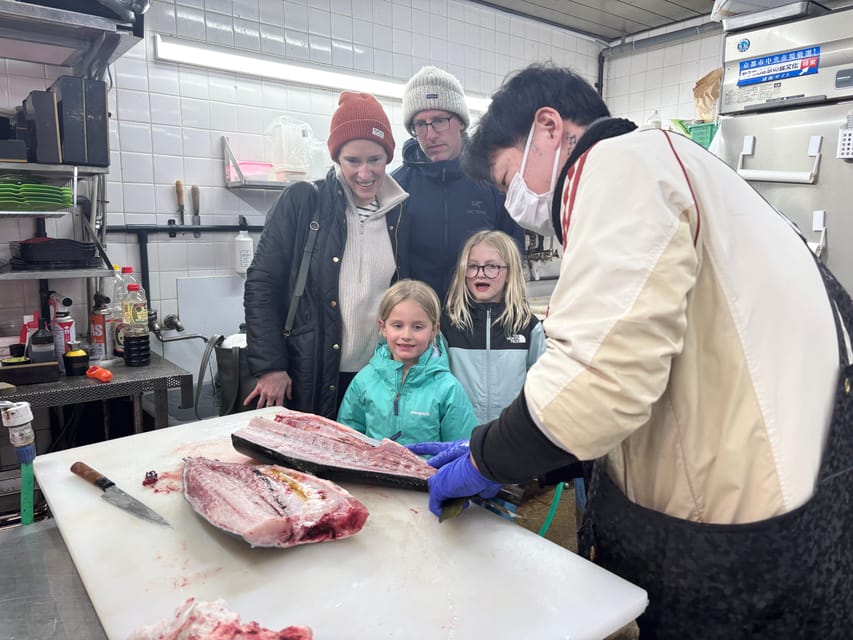
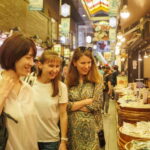
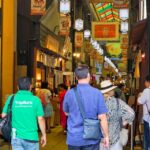
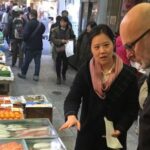
Then comes the part that makes this tour feel “Kyoto-authentic.” You head to Nishiki Market together to choose your fish, and you can watch skilled vendors cut and prepare it. Seeing the cutting is one of those sensory lessons that hits fast—you realize how much precision goes into sushi.
This is also where you get a better understanding of what fresh fish means in real life. You’re not just buying seafood; you’re watching how professionals handle it, and then you connect those choices to the sushi you’ll eat later.
If you’re the type who enjoys food markets, this stop is a payoff. If you’re new to markets, it still works because the guide helps you translate what you’re seeing into something useful.
One practical note: Nishiki Market is active and you’ll be moving in a market environment. Wear comfortable shoes and keep your phone secure while you’re watching vendors work.
Miso soup and dashi tasting: the flavor lesson behind the meal
After your sushi prep, you’ll learn another Kyoto favorite: miso soup. The class includes making dashi and includes tasting and comparison, which is a small step that pays off big once you’re cooking at home.
Dashi is the flavor base that supports so many Japanese dishes, and tasting it side-by-side helps you understand why miso soup tastes like miso soup rather than just salty broth. Even if you don’t go home making dashi every week, you’ll likely remember the difference the next time you buy miso soup elsewhere.
Then you’ll prepare the soup itself. This turns miso from a menu word into something you can actually picture—ingredients, process, and the way the broth tastes.
Food classes that only teach final assembly can feel shallow. This one adds the flavor foundation, which makes the whole meal more satisfying and more educational.
Your meal: sushi, miso soup, dessert, and coffee
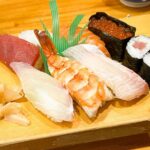
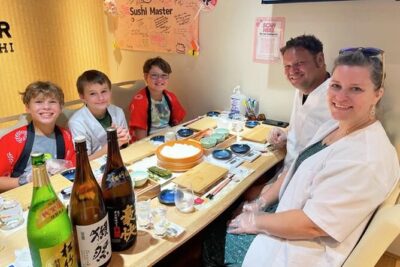
Once your sushi and miso soup are done, you sit down to enjoy the meal. You’ll eat sushi and miso soup, plus dessert and coffee after.
The dessert piece is a bright spot if you’re into Kyoto sweets. You may get a matcha dessert, and the class description also points to coffee after the meal.
This is also the moment where the tour’s structure really pays off. Cooking and eating in the same flow means you can taste what you did well (and what you want to improve next time).
If you’re traveling with someone who gets impatient in lessons, the included meal helps keep things balanced. You’re not stuck in a classroom vibe for the entire 2 hours.
Other Kyoto tours and experiences to compare

Optional sake and beer: how to think about add-ons
For an extra charge, you can enjoy Kyoto local beverages such as sake and beer. This is a nice option if you want to lean into the food experience without forcing it on everyone in the group.
Even if you skip alcohol, the rest of the tastings still feel complete. Dessert and coffee keep the closing portion friendly and not just heavy on seafood.
If you do add sake, keep it light. You’re still in a cooking-and-walking rhythm, and you’ll get more out of the market stop if you stay sharp.
Seasonal sightseeing tips that actually help
One of the less flashy but genuinely useful parts is the advice from a Kyoto tourism expert on seasonal sightseeing. You get recommendations tied to the time of year, which is exactly what you need in Kyoto—because what’s great in spring or autumn can be totally different in summer or winter.
The best part here is that the tips come during a food-focused experience. You’re already in “Kyoto mode,” so it’s easier to absorb where to go next and what to prioritize.
My suggestion: after the tour, pick just one or two recommendations and build the rest of your day around them. Kyoto is too big for a grab-everything plan, and you’ll enjoy it more with fewer, smarter moves.
Price and value: is $77 a fair deal?
At $77 per person for a 2-hour class, this isn’t the cheapest way to do Kyoto food. But it’s also not trying to be.
Here’s the value case:
- You get a cooking class that teaches vinegar rice, sushi forming, and dashi/miso soup.
- You get market access to Nishiki Market with fish cutting you can watch and ingredients you can choose.
- You eat a full meal: sushi, miso soup, dessert, and coffee.
- It’s capped at 10 participants, which usually means better help while you’re forming sushi shapes.
The price may feel steep if you expected a long market stroll with minimal cooking. It may also feel less satisfying if you don’t care about technique and only want the fish experience.
But if your goal is to leave Kyoto with real skills you can use at home—plus a meal you’re part of making—the price starts to make sense fast.
Who this tour suits best (and who should rethink it)
This works especially well for:
- Couples who want a memorable Kyoto activity beyond photos
- Families looking for a structured, hands-on experience that ends with eating
- Food lovers who enjoy markets and want something more interactive than wandering
It’s also a good fit if you’re a sushi beginner. The class format is built around learning and shaping, and it includes tasting so you’re not left guessing.
You might want to skip it if:
- You already know how to make sushi and just want a fish-focused market tour
- You’re not interested in cooking instruction at all
- You prefer long, independent market time without a guided flow
Should you book this sushi and market tour?
If you want a Kyoto experience that mixes Nishiki Market fish cutting with real sushi-making skills—and you’re happy to spend 2 hours learning and then eating what you made—yes, I’d book it.
I’d especially recommend it when you want value beyond souvenirs: the kind of activity where you go home with technique, taste memory, and a cleaner understanding of how sushi and miso are built.
If you’re price-sensitive or you dislike cooking classes, consider a different market-food option. This tour is not only about tasting; it’s about doing the work.
FAQ
How long is the Kyoto sushi and market tour?
It lasts 2 hours.
Where do we meet?
You meet in front of a building with a hair salon called Salon Roll on the first floor.
How big is the group?
It’s a small group with a maximum of 10 participants.
What languages are offered?
The instructor works in English and Japanese.
What will we make during the class?
You’ll make sushi including nigiri, temari, and temaki, and you’ll also make miso soup.
Is dashi included?
Yes. Dashi preparation with tasting and comparison is part of the experience.
What’s included in the meal?
You’ll enjoy sushi, miso soup, dessert, and coffee after the cooking.
Can I drink sake or beer?
Sake and beer may be available for an extra charge.
Is smoking allowed?
Smoking is not allowed indoors.
If you tell me your travel dates and whether you’re a total sushi beginner or already cooking at home, I can help you decide if this timing and format match your Kyoto plan.
More Tours in Kyoto
More Tour Reviews in Kyoto
More Kyoto Cooking Classes
Just added: more Kyoto tours to browse

Kyoto Cooking Classes, compared.
 ★ 5.0Ramen Cooking Class at Ramen Factory in KyotoFrom $1311,937 reviews
 ★ 5.0Sushi Making in Kyoto! Same-day bookings welcome!From $53713 reviews
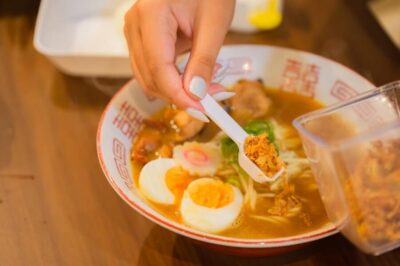 ★ 4.9Ramen Cooking Class at a Ramen Factory with SouvenirFrom $127532 reviews
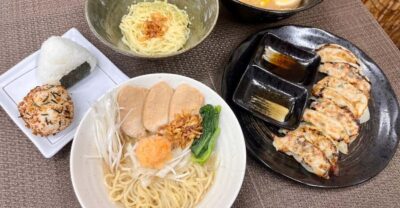 ★ 5.0Ramen, Gyoza, and Onigiri Cooking ClassFrom $90445 reviews
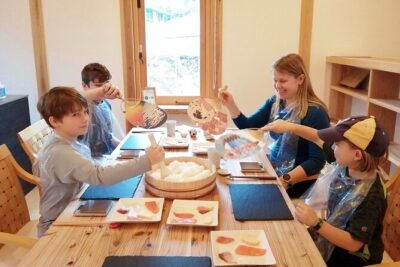 ★ 5.0The Original Small-Group Sushi Making Class in KyotoFrom $69436 reviews
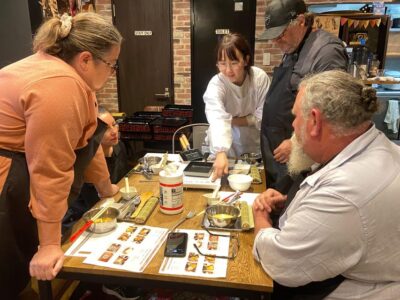 ★ 5.0Japanese Washoku Bento Small Group Cooking ClassFrom $58380 reviews
 ★ 5.0Kyoto Ramen and Gyoza Cooking Class with Professional ChefsFrom $86282 reviews
 ★ 4.9Afternoon Japanese Izakaya Cooking ClassFrom $67241 reviews
Browse the lists this tour appears in