
Reviewed · NISHIKI MARKET FOOD TOURS
Kyoto: Nishiki Market Tea Ceremony with Koto Performance
Matcha tastes better with live koto. At KOTOLILY KYOTO in Kyoto’s Nishiki Market area, the host Yurika guides you to whisk matcha the right way, then inserts live koto music before, during, and after the ceremony. It’s a small-group hour that feels calm even though you’re in the middle of shopping streets.
I like how hands-on it is: you’re not just watching. You’ll learn tea steps you can actually repeat later, including how to end up with a smoother, less bitter cup. I also love the music element here, since the koto isn’t an afterthought. It’s woven into the experience as short, emotional breaks that make the tea feel slower and more deliberate.
One catch: the whole thing is about 1 hour, so it’s a focused introduction, not a long, formal tea day. If you want a full multi-hour ceremony with deep ritual pacing, this may feel a bit short. Still, it’s an easy “Kyoto highlight” to fit into a busy itinerary.
In This Review
- Key Highlights Worth Your Time
- Where KOTOLILY KYOTO Fits Into a Kyoto Day
- Finding the Meeting Point: No Guesswork Needed
- Inside the Room: A Calm Studio With Real Culture Details
- The Tea Ceremony Flow: What Happens in Your Hour
- 1) Welcome and instruction
- 2) Making matcha: the creamy, less bitter goal
- 3) Tea sweets with your cup
- 4) Koto music interludes: before and after
- Why the Koto Adds More Than Entertainment
- Kimono Try-On and Photos: Optional, On-Site, and Popular
- Optional Add-On: Koto-Playing Experience
- Price and Value: Is $56 Fair for What You Get?
- Practical Tips That Make the Hour Easier
- Shoes off is expected
- What to bring
- Flash photography is not allowed
- Food allergies are a factor
- Who This Experience Suits Best
- Should You Book KOTOLILY KYOTO?
- FAQ
- How long is the Kyoto Nishiki Market tea ceremony with koto performance?
- Is it a small group?
- What’s included in the price?
- Can I wear a kimono and get photos or video?
- Is flash photography allowed?
- Where do I meet, and what’s the cancellation policy?
Key Highlights Worth Your Time
- Up to 8 people keeps the instruction personal and the room peaceful
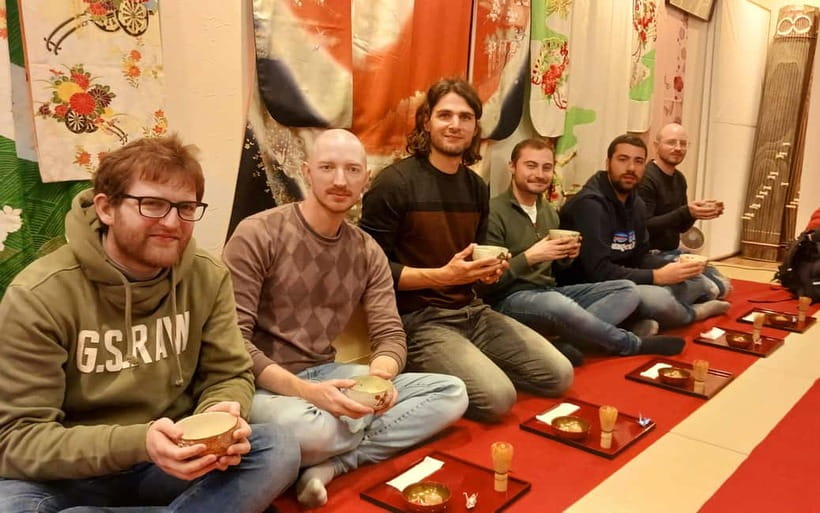
- Matcha-making coaching targets creamy, less bitter results (not just pouring hot water)
- Live koto at multiple moments (before, between, and after tea) creates a true two-art combo
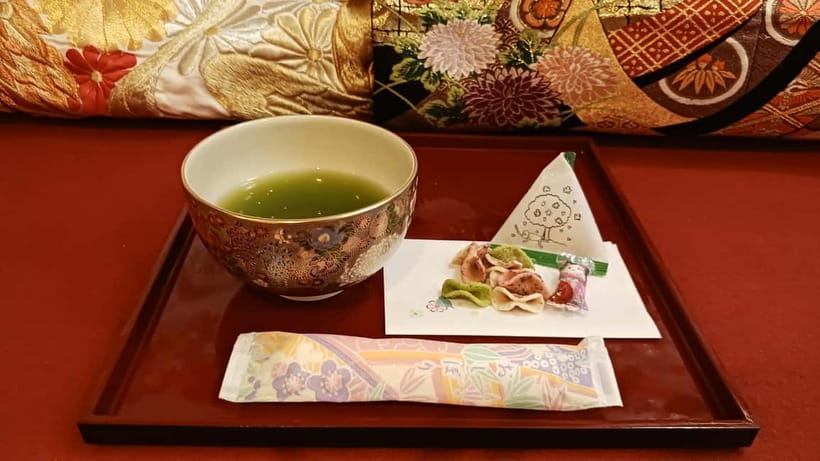
- Tea sweets included so you can taste and adjust your matcha experience
- Kimono photo and video add-ons are available on-site if you want a souvenir setup
- English and Japanese instruction with a calm, guest-friendly pace
Where KOTOLILY KYOTO Fits Into a Kyoto Day
This is the kind of Kyoto activity that makes practical sense. You’re in central Kyoto near the Nishiki Market shopping zone, so you don’t need a complicated commute. It’s also a solid pick for bad weather, because you’re indoors the whole time with a small group and a warm setup.
That location matters more than it sounds. Nishiki Market is crowded and loud when you’re walking past it. This experience gives you a pocket of quiet right next to the action, where the focus turns to tea, etiquette, and music instead of lines and vending smells.
Also, you’re getting two “Kyoto classics” in one hour. Most day plans try to do tea ceremony plus a traditional music show, and then you end up scheduling and paying for two separate things. Here, the structure keeps both parts connected, so the tea doesn’t feel like a random stop before the performance.
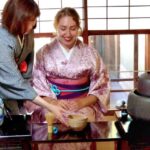
Sit for another bowl of matcha in a Kyoto tea house
Finding the Meeting Point: No Guesswork Needed
You’ll meet at KOTOLILY KYOTO. Come inside the shop. The place is next to KINMATA Restaurant and opposite the street from Hotel GOCO stay—and you want to find the shop itself, not wait at the hotel.
Why this matters: central Kyoto can confuse your sense of direction, especially when streets look similar. With this meeting-point description, you can triangulate quickly:
- look for KINMATA Restaurant nearby
- cross to the side opposite Hotel GOCO stay
- then enter KOTOLILY KYOTO
If you’re arriving with shopping bags, plan to keep things light. The activity uses a small indoor space, and there’s an expectation that you’ll take your shoes off (see practical tips below).
Inside the Room: A Calm Studio With Real Culture Details
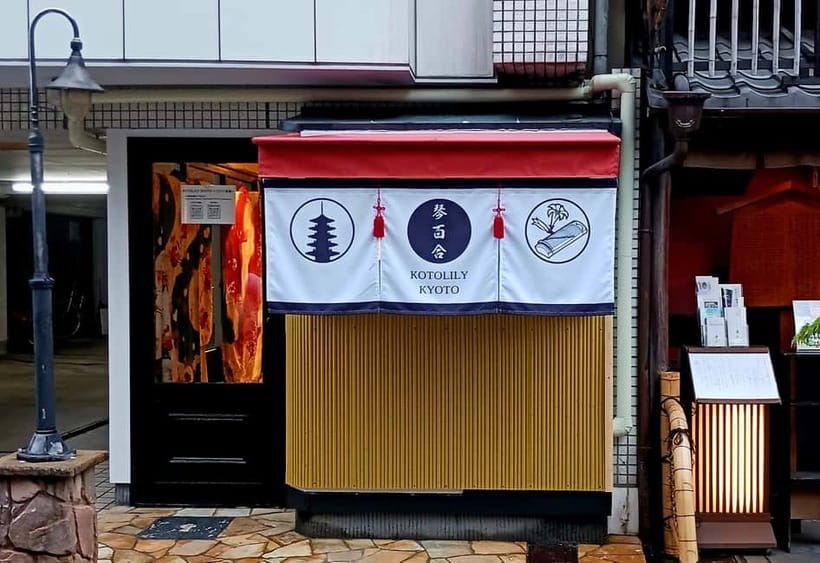
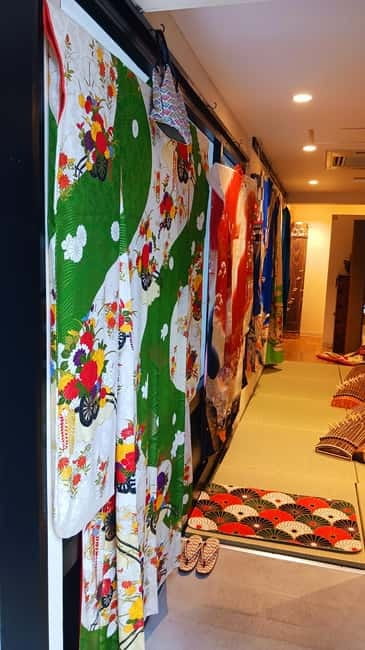
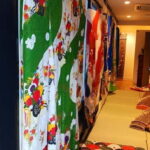
The setting is part of the charm. Several guests describe the shop as aesthetically pleasing, with kimonos displayed on the walls. That matters because it frames the experience as living culture, not a staged “showroom.”
You’ll also notice the tone is respectful and gentle. The host Yurika (English-friendly, warm, and funny in a good way) keeps the pacing comfortable while still explaining details. Guests repeatedly highlight how she makes the steps feel understandable, not intimidating.
One rule to plan around: no flash photography. You can bring a camera, but turn off flash. This isn’t the kind of room where lighting is meant to be interrupted by bursts.
The Tea Ceremony Flow: What Happens in Your Hour
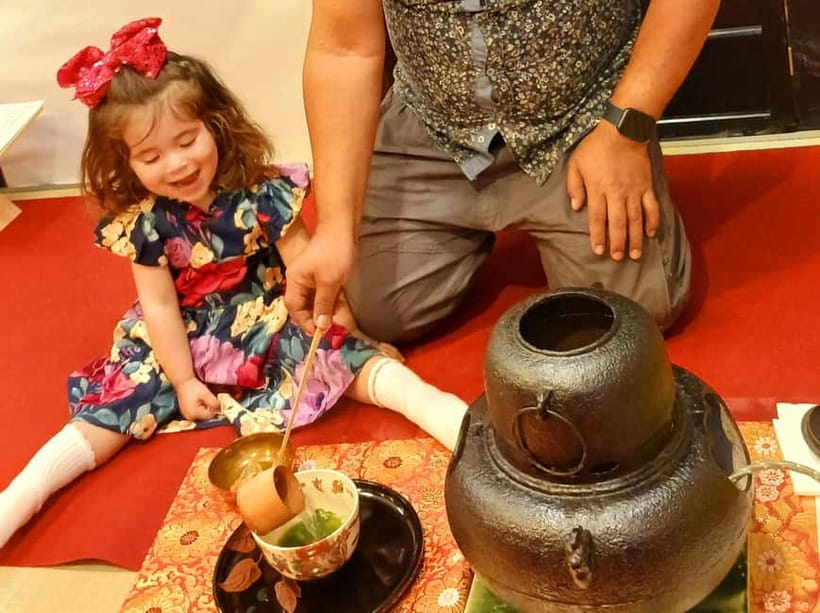
This is a short format, but the order is clear. You’re guided through the ceremony steps, then you taste matcha with included tea sweets, and then you experience koto performance around the tea moments.
1) Welcome and instruction
You’ll be welcomed inside and taught the basics of what matters in a tea ceremony. That includes practical “how-to” elements like the movements and the timing of making tea.
In multiple accounts, guests mention mini lessons about tea etiquette and also a bit of explanation about the meaning behind the steps. Expect it to be conversational and easy to follow, not a lecture that overwhelms you.
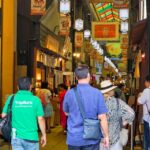
Graze a little further along Nishiki Market
2) Making matcha: the creamy, less bitter goal
Here’s where the experience earns its money. You’re instructed to whisk matcha so it becomes creamy and not overly bitter. That’s the difference between drinking matcha that feels harsh and matcha that tastes smooth and balanced.
You’ll also be able to take in the aroma and texture as it changes. That sensory focus is the point. It’s also why this works even if you’re not a lifelong matcha fan. Several people note they weren’t sure about matcha before, then ended up enjoying it after learning how to approach it.
3) Tea sweets with your cup
After you make and taste, you’ll enjoy tea sweets alongside your matcha. This isn’t just “snack included.” The sweets help you understand what matcha is supposed to do: the flavor isn’t meant to be alone and sharp. It’s meant to pair and soften.
If you’re curious, this is also a good moment to ask questions. Guests describe the host as responsive, and you can usually get answers about tea culture while you’re still in the middle of the ritual.
4) Koto music interludes: before and after
The koto performance doesn’t sit off to the side as background. It’s scheduled around the ceremony, and you’ll hear it:
- before you start the tea segment
- between the tea moments
- after the ceremony ends
So even though everything is only an hour, the music gives your brain time to reset in small “chapters.”
One guest describes specific, moving pieces such as Childhood and Summer. You can treat this as a reassurance that the performance is more than generic ambiance.
Why the Koto Adds More Than Entertainment
A lot of traditional performance add-ons are “watch for a bit, then move on.” Here, the koto feels like it’s participating in the tea rhythm. That’s why guests call it perfect as a combo: tea asks for stillness, and koto asks for attention.
Yurika is presented as both the tea instructor and the koto artist. That one-person connection matters. When the same host teaches the ritual and then performs the music, it keeps the experience cohesive, like one continuous cultural moment instead of two unrelated activities.
Also, the host shares context about the instrument. Guests describe hearing about koto history and musical explanation along the way. That turns the koto from “beautiful sound” into “beautiful sound with meaning.”
Kimono Try-On and Photos: Optional, On-Site, and Popular
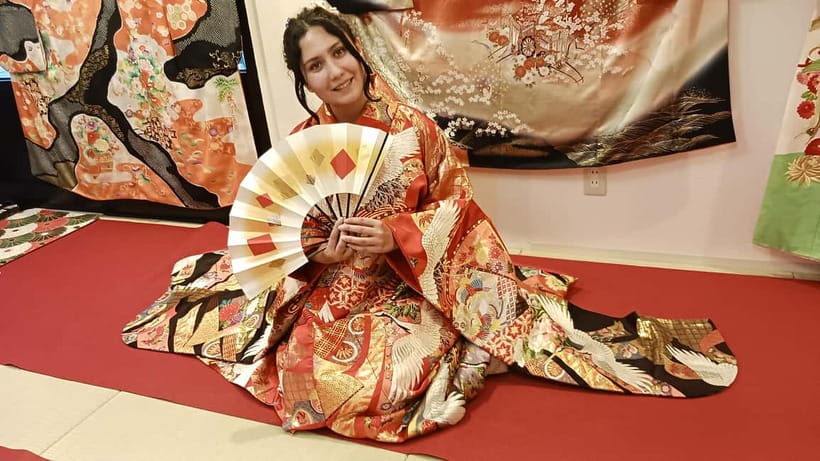
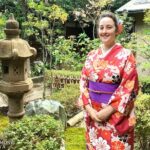
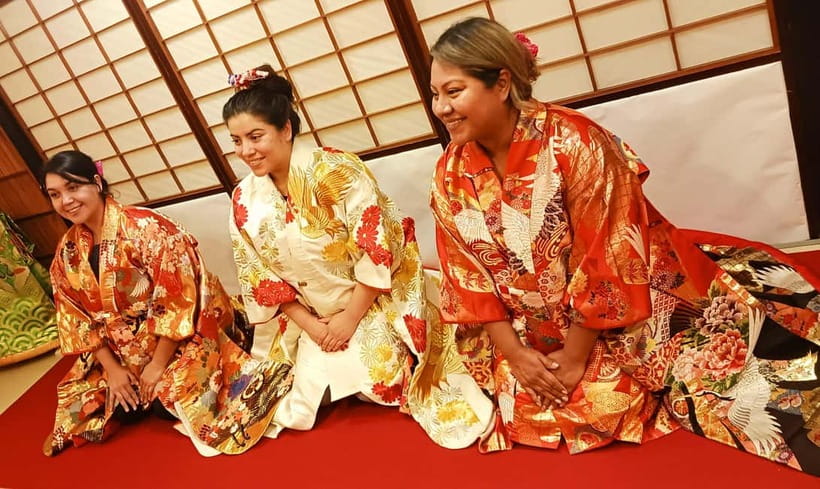
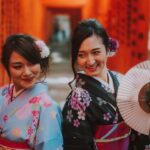
You can add a kimono experience for extra cost on-site. The program mentions wearing a gorgeous kimono, with photos and videos taken at the location for an additional fee.
Here’s how to think about it. If you want a souvenir that looks special and is authentically Kyoto-themed, the kimono photo option is worth considering. Guests repeatedly say the kimonos are beautiful and that the photo setup becomes a memorable end to the ceremony.
A small practical consideration: some guests mention that kimono wear might happen toward the end for photos rather than throughout the entire ceremony. So if you’re picturing full ceremony wearing a kimono the whole time, expect that the photo moment is the main focus.
If you choose the photo add-on, ask staff for help on-site. The instructions note you can request assistance after the ceremony.
Optional Add-On: Koto-Playing Experience
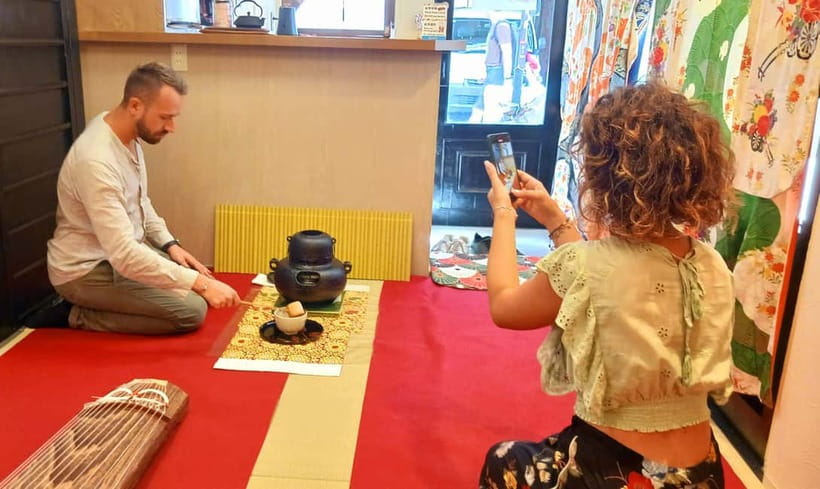
There’s also a chance to add a Koto-playing experience for an additional fee at the location. Some people describe paying extra for a short music lesson alongside the ceremony.
The timing here is practical: it’s an add-on after your tea segment, so you don’t risk missing the core experience. If you’re curious to do more than listen, this is the way to convert the performance into participation.
Price and Value: Is $56 Fair for What You Get?

$56 for one hour can sound either high or reasonable, depending on what you compare it to. The value here is that you’re paying for:
- coached matcha-making (not just tasting)
- included tea sweets
- live koto performance built into the schedule
- a small-group format limited to 8 participants
- instruction in English and Japanese
If you tried to piece this together on your own, you’d likely pay for a tea ceremony separately and then find a separate koto performance or cultural music show. This package compresses both into one indoor hour in central Kyoto.
The optional kimono and photo/video add-ons are extra, so the base price is mostly about tea plus music. Still, the included parts are the main event, and guests consistently emphasize that the host’s skill and personal connection is a big part of why it feels worth it.
Practical Tips That Make the Hour Easier
A few practical notes help you avoid awkward moments.
Shoes off is expected
One review specifically advises leaving shoes at the door. Plan to wear clothing that’s comfortable to manage quickly, and consider bringing clean, fresh socks. If you’re self-conscious about taking off shoes, just know it’s normal here and part of the space setup.
What to bring
Bring:
- a camera
- comfortable clothes
That’s it. No special gear. Keep the outfit simple so you can focus on the ceremony steps.
Flash photography is not allowed
You can take photos and video, but no flash. Turn your flash off before you start. If your camera has an auto-flash setting, check it.
Food allergies are a factor
People with food allergies may not find this suitable, since tea sweets are included and allergy details aren’t provided in the basic information. If you have allergies, treat that as a serious question before booking.
Who This Experience Suits Best
This fits best if you want Kyoto culture that’s hands-on but not heavy.
It’s a strong match for:
- couples who want something romantic and quiet without leaving central Kyoto
- adults who like small-group instruction
- anyone who enjoys Japanese tradition and wants tea plus live music in one block of time
- first-timers who want tea ceremony etiquette explained in a friendly, clear way
It may not be a fit if:
- you’re traveling with children under 8
- you use a wheelchair (not suitable per the provided info)
- you have food allergies (not suitable per the provided info)
- you want a long, formal tea ceremony lasting multiple hours
If you’re on a tight schedule, though, the one-hour format is a plus. You get meaningful content without spending the whole day in one place.
Should You Book KOTOLILY KYOTO?
If you want an easy Kyoto highlight that combines matcha-making with live koto, I think you should strongly consider booking. The biggest reason is the balance: you’re not just watching tea and then watching music. The music is timed around the ritual, and the host Yurika teaches with clear, calming explanations.
Book it especially if you value small-group learning, appreciate traditional Japanese performance, and want a central-location activity that works even when Kyoto weather turns.
Skip it if you need an extended ceremony length, require wheelchair access, or have food allergies. For most visitors seeking a focused, beautiful cultural hour, this looks like a fair, thoughtfully constructed experience.
FAQ
How long is the Kyoto Nishiki Market tea ceremony with koto performance?
The experience lasts 1 hour.
Is it a small group?
Yes. It’s limited to 8 participants.
What’s included in the price?
Included are the tea ceremony experience, matcha green tea making, tea sweets, and live koto (Japanese harp) performance.
Can I wear a kimono and get photos or video?
Yes. A kimono try-on with photos and video is available on-site for an additional fee. You can also ask staff for help.
Is flash photography allowed?
No. Flash photography is not allowed.
Where do I meet, and what’s the cancellation policy?
Meet inside KOTOLILY KYOTO, next to KINMATA Restaurant, opposite the street of Hotel GOCO stay. You can cancel up to 24 hours in advance for a full refund.
More Tour Reviews in Kyoto

More Bites Along Nishiki
One More Bowl of Matcha

Just added: more Kyoto tours to browse



Nishiki Market Food Tours, compared.
 ★ 5.0Nishiki Market Brunch Walking Tour (7 Tastings + Brunch)From $681,355 reviews
 ★ 5.0Kimono Tea Ceremony at Kyoto Maikoya, NISHIKIFrom $65911 reviews
 ★ 5.0Kyoto Nishiki Market Food and Culture Walking TourFrom $80412 reviews
 ★ 4.7Local Food Tasting Tour at the Nishiki MarketFrom $78135 reviews
 ★ 5.0Kimono Tea Ceremony Experience at Kyoto Oritzuruya, NishikiFrom $50116 reviews
 ★ 4.7Nishiki Market and Depachika Food Tour with a LocalFrom $4276 reviews
 ★ 4.5Nishiki Market Tour with a Local Foodie & TastingsFrom $6767 reviews
 ★ 5.0Nishiki Market Lunch TourFrom $7247 reviews
Browse the lists this tour appears in