
Reviewed · KYOTO BIKE & E-BIKE TOURS
KIYOTO’s Kyoto Private E-Cycling Tour: Highlights & Hidden Gems
Kyoto by e-bike feels like cheating. You cover major shrines, temples, and scenic river areas fast, without the stress of finding a ride or figuring out the route. What makes KIYOTO’s private tour work is the pace is tailored to your group, so you can linger when something catches your eye.
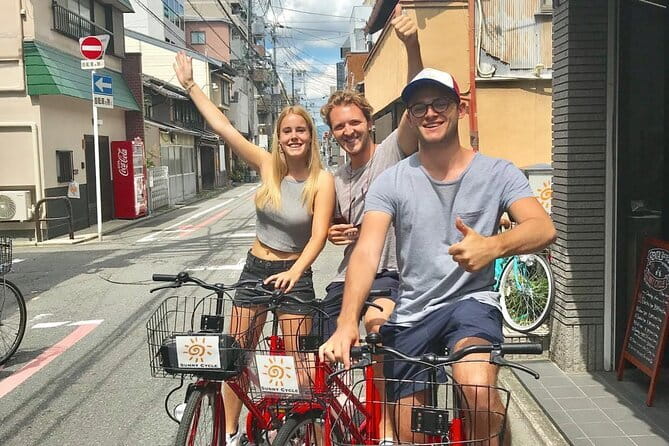
I especially like that the e-bike rental is included, plus there are normal bikes available if you want less assist. And the vibe stays human: guides such as Yonnie, Yuhey, Yuichi, Mana, Polina, and Takuma show up in the tour experience with stories about daily life and Kyoto customs—plus help with photos when you want that perfect red-torii or canal moment.
One thing to think through: this is a private biking tour, so you’ll need moderate fitness and the ability to ride a bicycle confidently. If your comfort level is low around crowds, you’ll want to lean on your guide’s safety rhythm and go slowly at crossings.
In This Review
- Key highlights worth focusing on
- Why an e-bike works so well for Kyoto’s must-sees
- Price and value: is $198.15 per person a fair deal?
- Meeting point and getting started at Sunny CycleJapan
- What a private e-bike day actually feels like
- Full-route walk-through: Kyoto stops on two wheels
- Higashi Hongan-ji (major Jodo Shinshu temple)
- Fushimi Inari-taisha Shrine (free, about 40 minutes)
- Komyo-in Temple (sub-temple of Tofuku-ji, about 20 minutes)
- Tofuku-ji Temple and Tsutenkyo Bridge (free, about 10 minutes)
- Hōkan-ji Temple (Yasaka Pagoda) (free, about 20 minutes)
- Yasui-Konpiragu (free, about 10 minutes)
- Hanamikoji Street (free, about 10 minutes)
- Tatsumi Bridge (free, about 10 minutes)
- Shirakawa Canal / Gion Shirakawa (free, about 15 minutes)
- Shirakawa Shinsui Terrace / River Terrace (free, about 15 minutes)
- Heian Jingu Shrine Otorii (free, about 15 minutes)
- Nanzen-ji Temple (free, about 15 minutes)
- Nanzenji Suirokaku Aqueduct (free, about 10 minutes)
- Philosopher’s Walk (free, about 30 minutes)
- Honen-in (free, about 15 minutes)
- Shimogamo Jinja (free, about 30 minutes)
- Kamogawa Delta / Kyoto Prefectural Kamogawa Park (free, about 15 minutes)
- Ebisugawa stepping stones at Kojin (free, about 10 minutes)
- Kyoto Gyoen (park area around the old Imperial Palace)
- Teramachi-dori Street (free, about 10 minutes)
- Sanjo Street (near Kawaramachi and Kamo River)
- The bike, the guide, and the practicalities that matter
- E-bike rental is included
- You still need to ride a bike
- Safety in crowded areas is part of the service
- Food and paid entries are on you
- Who this tour is best for
- Should you book this Kyoto private e-cycling tour?
- FAQ
- How long is KIYOTO’s Kyoto private e-cycling tour?
- What’s included in the tour price?
- Do I need to buy tickets for the temples and shrines?
- Is this tour private?
- Where do we meet and where does the tour end?
- Can kids join?
- Do I have to be able to ride a bicycle?
- Are bikes electric for everyone?
- What’s the cancellation policy?
Key highlights worth focusing on
- Included electric bike (with a normal cycle option), so you don’t burn time sourcing equipment
- Private group pace, meaning you’re not forced to “keep up” in traffic-heavy Kyoto
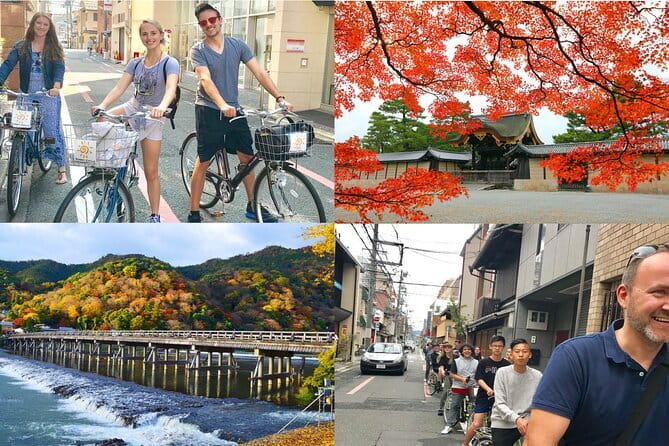
- Fushimi Inari + Tofuku-ji + Higashiyama sights, packed into one ride-efficient route
- Shirakawa River / Gion-area stops, where the city calms down even in peak seasons
- Photo-minded guidance, with help finding the best angles along the way
- Plenty of outdoor time, so it feels like sightseeing, not just temple-waiting
Why an e-bike works so well for Kyoto’s must-sees
Kyoto is not built for one-size-fits-all sightseeing days. The streets can be narrow. The crowds can pile up. And the distances between top sights add up fast—especially when you’re bouncing between districts.
That’s where an e-bike changes the day. You get the freedom of moving like a local—without doing the workout part the whole time. With electric assist, you can keep your energy for the photos, the walking bits, and the quiet pauses at temples and shrines. It’s also a practical way to see more than the usual “same 3 places” circuit.
More of Kyoto at handlebar pace
Price and value: is $198.15 per person a fair deal?
At $198.15 per person, this tour isn’t the budget option. But it also isn’t just a bike rental with a label slapped on top. You’re paying for three things that matter in Kyoto:
1) Time savings over walking
Kyoto’s highlights don’t sit in a single neighborhood. A bike tour lets you string together major sights—like Fushimi Inari-taisha, Tofuku-ji, and Nanzen-ji—without spending most of your day in transit.
2) Included bike equipment
No hunting for rental shops. No bargaining with battery levels. The tour includes the electric bike (and you can choose a normal cycle). That alone can save you both money and frustration.
3) A guide who manages the flow
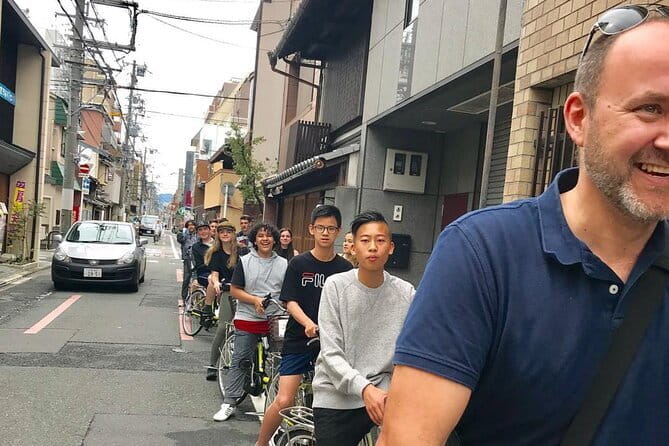
A private guide isn’t only for history facts. They help sequence stops, control the pace, and keep you safe through busy streets. Several tour notes mention guides being alert with navigation and helpful around kids, which is exactly what you want when bikes meet pedestrian-heavy areas.
Food and paid temple/shrine entries aren’t included, so plan for that. Still, many key sights on the route are free to enter, which helps your total day cost.
Meeting point and getting started at Sunny CycleJapan
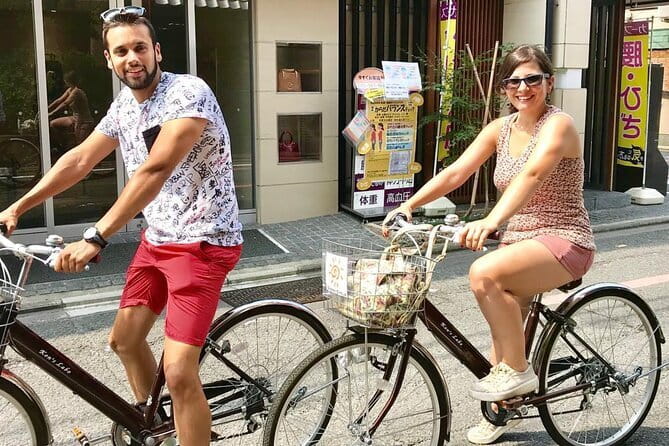
Your tour starts and ends at Sunny CycleJapan in Shimogyo Ward: 600-8419 Kyoto, Shimogyo Ward, Ōhorichō, 477 1F. Since it’s a round-trip return, you don’t have to worry about ending somewhere inconvenient.
It also helps that the meeting point is near public transportation. If you’re arriving from Kyoto Station, that’s a real ease factor. The tour also runs from roughly 4 to 8 hours, so you can choose a length that matches your stamina and sightseeing goals.
What a private e-bike day actually feels like
This is a private tour, meaning it’s just your group. That’s not a small detail in Kyoto. When you’re on two wheels, a shared group can turn into constant waiting—especially at popular shrines.
With a private setup, you can keep your rhythm:
- slow down for photos at torii gates or river bridges
- speed up through street sections where you’re just traveling between stops
- adjust if someone needs a rest
Guides also bring a “Kyoto hospitality” style. The experience notes emphasize omotenashi and a fun, engaged approach. In plain terms: you should expect your guide to make the ride feel smooth and not awkward, and to tell you what you’re looking at while you’re moving.
Full-route walk-through: Kyoto stops on two wheels
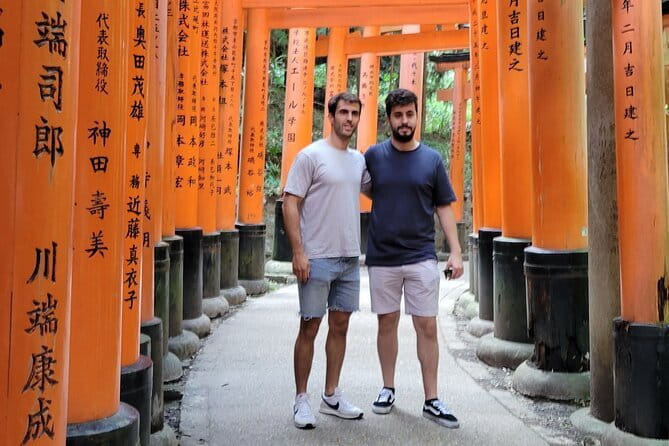
Below is the route in the order it’s presented. Some stops are quick photo breaks; others are the kind of moments you’ll remember because they change how Kyoto feels.
Loop the big Kyoto sights in one run


Higashi Hongan-ji (major Jodo Shinshu temple)
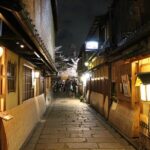
You begin at Higashi Hongan-ji, a major Jodo Shinshu Buddhist temple in central Kyoto, established in 1602. The grounds are famously spacious, and the main hall—called the Goeido—is a major draw.
Why it’s a good start: it sets context. Before you hit the flashy red gates of Fushimi Inari or the postcard streets around Gion, you get a sense of how large-scale temple culture works in Kyoto.
Fushimi Inari-taisha Shrine (free, about 40 minutes)
Then comes Fushimi Inari-taisha, the head shrine of Inari worship across Japan. The iconic feature here is the tunnel of bright red torii gates climbing up the mountain trails.
At about 40 minutes, you’ll have time for the famous gate tunnel without turning this into an all-day hike. The drawback: if you expect solitude, you won’t get it. This place is popular, and the tour’s value is that you’ll move smartly rather than getting stuck in one spot too long.
Komyo-in Temple (sub-temple of Tofuku-ji, about 20 minutes)
Next is Komyo-in, a tranquil sub-temple of Tofuku-ji, known for its garden. The description highlights autumn leaves—especially when they blend with moss-covered grounds.
How to enjoy it: treat this as your palate cleanser after the crowd energy at Fushimi Inari. Even if you’re not there in peak fall color, you’ll likely appreciate the calmer atmosphere.
Tofuku-ji Temple and Tsutenkyo Bridge (free, about 10 minutes)
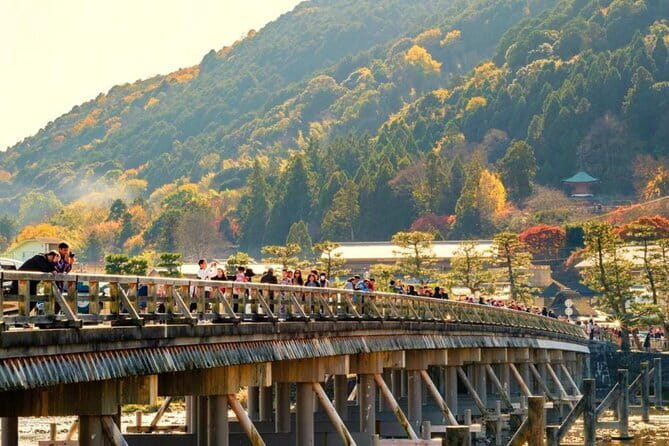
At Tofuku-ji, the star is the Tsutenkyo Bridge. The long bridge spans a valley with panoramic views of fiery autumn maples—when the season cooperates.
A quick note: 10 minutes is enough for a look and a few photos, but not for a long “sit and soak it in” moment. If you want more time, ask your guide to slow down here.
Hōkan-ji Temple (Yasaka Pagoda) (free, about 20 minutes)
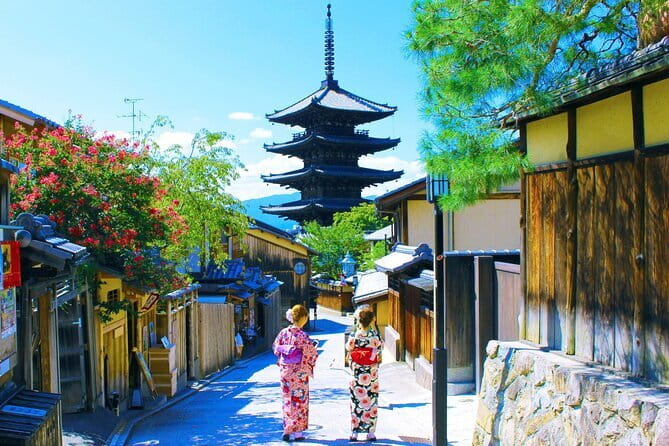
You get Hōkan-ji, famous for the Yasaka Pagoda. This is the “living postcard” stop in the Higashiyama district: that elegant silhouette against Kyoto’s historic backdrop.
The upside of biking: you can reach this viewpoint area efficiently. The drawback: it’s still a popular scene, so keep expectations flexible and focus on getting the right angle quickly.
Yasui-Konpiragu (free, about 10 minutes)
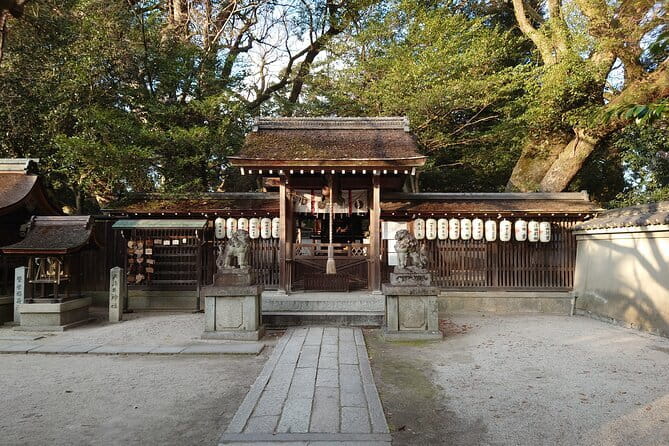
At Yasui-Konpiragu Shrine, the story is tied to prayers for cutting off bad relationships and bringing in good ones. People often come for the idea of breaking ties that don’t work and forging better connections.
This is a short stop, but it’s memorable because it’s specific. Kyoto shrines often have a theme, and this one has a very human angle.
Hanamikoji Street (free, about 10 minutes)
Then you roll into Hanamikoji Street in Gion, lined with traditional tea houses and restaurants. It’s one of the places where geisha culture is part of the atmosphere—even if you don’t catch anyone on the sidewalk.
Use this time to do what Kyoto does best: slow down your thoughts. Watch how the street holds tradition without freezing it.
Tatsumi Bridge (free, about 10 minutes)
You’ll find Tatsumi Bridge along the Shirakawa River. It’s described as small but striking—one of those short stops that feels like a “how is this so beautiful” moment.
Think of it as a photo pause that doesn’t take over your day.
Shirakawa Canal / Gion Shirakawa (free, about 15 minutes)
Next is Gion Shirakawa, a historic district with traditional machiya houses, willow-lined canals, and a serene rhythm. Geisha occasionally stroll here, and even when they don’t, the setting is calming.
This is one of the best zones on the route for getting away from the busiest street chaos. If you like Kyoto quieter moments, this area is where you’ll feel it.
Shirakawa Shinsui Terrace / River Terrace (free, about 15 minutes)
You continue along the river at the Shirakawa Shinsui Terrace—a riverside walkway where you can get close to the sound of flowing water.
This is a “stand still for a minute” stop. Even if your plan is fast sightseeing, take the extra 30–60 seconds to actually listen.
Heian Jingu Shrine Otorii (free, about 15 minutes)
Then comes the big red gate: Heian Jingu Shrine Otorii, a massive vermilion torii gate built in 1929. The height is listed as 24.2 meters, and it commemorates Emperor Showa’s enthronement.
It’s a power move in terms of visuals. But it’s also a short stop, so don’t expect a long shrine experience here—this is more about getting the gate in view and moving on.
Nanzen-ji Temple (free, about 15 minutes)
At Nanzen-ji, you’re in a major temple of the Rinzai sect. It was established in 1291 by Emperor Kameyama, and it’s known for gardens and the scale of the grounds.
This is a stop where you can feel the weight of Kyoto’s temple tradition. It also breaks up the day nicely: after a long chain of shrines and river views, Nanzen-ji gives you a different kind of beauty—more architectural and spatial.
Nanzenji Suirokaku Aqueduct (free, about 10 minutes)
Inside Nanzen-ji’s grounds is the Suirokaku aqueduct, a brick structure completed in 1888. It was built to transport water from Lake Biwa.
This is one of the more unusual “why does this exist here?” moments in Kyoto. You’ll likely find yourself looking twice because it feels so different from the typical temple silhouettes.
Philosopher’s Walk (free, about 30 minutes)
Next you ride to Philosopher’s Walk, the scenic path along the banks of the Biwa Canal, about 2 kilometers. It connects the southern end at Wak—though the name cuts off in the text—with its longer route reputation intact.
At 30 minutes, you can enjoy the idea of the walk without committing to the whole stretch on foot. If you’re cycling, you’ll experience it differently than a slow walking tour: think “glimpses” rather than “strolling for hours.”
Honen-in (free, about 15 minutes)
Honen-in is a peaceful Zen temple founded in the 13th century, associated with Honen Shonin. The setting is described as a forested calm with beautiful seasonal scenery.
This is where you can slow your breath. Even in a shorter time window, forested temple grounds give your brain a reset.
Shimogamo Jinja (free, about 30 minutes)
Then it’s Shimogamo Jinja (also referred to as Kamomioya Shrine), one of Kyoto’s oldest Shinto shrines. Roots trace back to around 90 BC.
This one is longer—30 minutes—because shrines like this reward time. You’ll have a better chance to notice details in the area rather than only rushing for photos.
Kamogawa Delta / Kyoto Prefectural Kamogawa Park (free, about 15 minutes)
At the Kamogawa Delta, the Kamo and Takano Rivers meet. The area is known for stepping stones shaped like turtles and birds.
This is a fun, playful stop. It’s not just history; it’s local everyday space and seasonal beauty. If you’re with kids, it tends to work because it gives them something active to do.
Ebisugawa stepping stones at Kojin (free, about 10 minutes)
You also visit Ebisugawa Tobiishi, stepping stones across a tributary of the Kamo River. People hop across for fun photos.
This is short. Safety matters here—walk the river approach slowly and follow your guide’s instructions.
Kyoto Gyoen (park area around the old Imperial Palace)
You end up at Kyoto Gyoen, the large park area around the old Imperial Palace. It’s known for nature year-round and is famous for cherry blossoms.
If your timing lines up with spring, this can feel like a reward after shrine density. If not, it still offers open space to cool down.
Teramachi-dori Street (free, about 10 minutes)
At Teramachi-dori, you get a lively shopping street feel with traditional goods, cafes, and fashion stores. It’s a good “Kyoto today” contrast to the temple and shrine side.
Short stop again: think browsing and snack thoughts, not deep shopping.
Sanjo Street (near Kawaramachi and Kamo River)
Finally, you pass through Sanjo Street, a main east-west street with restaurants, cafes, and historic buildings. It sits near Kawaramachi and the Kamo River, making it a convenient sightseeing hub.
The advantage of placing this near the end: you can soak up street energy before heading back to the meeting point.
The bike, the guide, and the practicalities that matter
A few details matter more than they sound:
E-bike rental is included
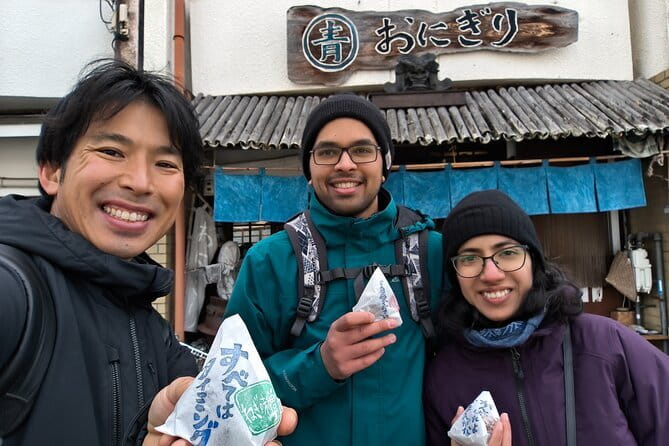
Electric assist is the point here. It keeps you moving between sights without wiping you out. The tour also offers kids bikes (non-electric) and kids seats for children who can’t ride on their own, but availability is limited, so you should request at booking.
You still need to ride a bike
This is not a “sit and be transported” tour. You must be able to ride a bicycle. Fitness level should be moderate. If you’re unsure, consider whether your comfort with bike traffic matches Kyoto’s real streets.
Safety in crowded areas is part of the service
Guides in the experience notes talk about navigating crowded streets safely. That’s the difference between a bike adventure and an anxious one—so pick a pace that matches your comfort, and let your guide lead.
Food and paid entries are on you
Food and drink aren’t included. Also, while several stops are listed as free, some temple or shrine entrances are marked as not included (like Komyo-in in the provided route notes). Plan a realistic budget for any ticketed moments plus snacks.
Who this tour is best for
This tour makes a lot of sense if you want:
- a private Kyoto highlights route without long transit gaps
- efficient coverage of major sights like Fushimi Inari-taisha and Nanzen-ji
- a mix of iconic temples and calmer river-and-garden areas
It’s also a strong match for families, based on the guide handling kids in the experience feedback you were given. The Kamogawa stepping stones and river stops add “activity breaks,” not just sightseeing.
If you hate bikes, don’t ride well in traffic, or you’re expecting a slow walking pace only, you’ll probably prefer a traditional guided walking tour.
Should you book this Kyoto private e-cycling tour?
I’d book it if your goal is maximum Kyoto in one day with a guide who can manage pace, traffic, and photo timing. The included bike rental and private format are the big value drivers, and the route connects Kyoto’s headline sights to calmer river areas like Shirakawa.
I wouldn’t book it if you’re avoiding biking entirely, you’re uncomfortable riding, or you want lots of long indoor temple time where the bike doesn’t help much.
If you’re on the fence, pick the tour length that fits your stamina. A 4–5 hour version can feel like a perfect “great hits.” A longer option is better if you want more breathing room between stops.
FAQ
How long is KIYOTO’s Kyoto private e-cycling tour?
The tour is listed as 4 to 8 hours, depending on the selected option.
What’s included in the tour price?
The tour includes an electric bike (normal cycle is also available), plus guiding during the ride. Food and drink are not included.
Do I need to buy tickets for the temples and shrines?
Paid entrance is not included. Some stops on the route are listed as free, while others may have tickets that you would pay separately.
Is this tour private?
Yes. It’s a private tour/activity, and only your group participates.
Where do we meet and where does the tour end?
The meeting point is Sunny CycleJapan in Shimogyo Ward (Ōhorichō, 477 1F). The tour ends back at the meeting point.
Can kids join?
Kids’ bikes (non-electric) are available but limited, so you should request at booking. Kids’ seats are also available for children who can’t ride on their own, and those are limited too.
Do I have to be able to ride a bicycle?
Yes. The activity requires participants to be able to ride a bicycle. The fitness level is listed as moderate.
Are bikes electric for everyone?
The tour includes electric bikes, and it also notes that a normal cycle is available as well.
What’s the cancellation policy?
Free cancellation is available. You can cancel up to 24 hours in advance for a full refund, and changes made less than 24 hours before the start time aren’t accepted.
More Tour Reviews in Kyoto




More Kyoto Sightseeing Loops

More of Kyoto by Bike

Just added: more Kyoto tours to browse








Kyoto Bike & E-Bike Tours, compared.
 ★ 5.0Hidden Kyoto E-Biking tourFrom $1161,843 reviews
 ★ 5.0Bike Tour Exploring North Kyoto plus LunchFrom $1061,087 reviews
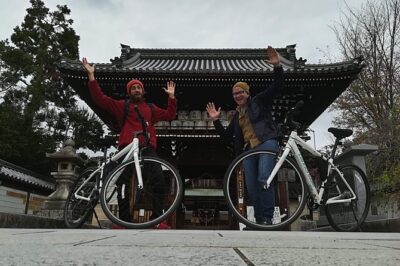 ★ 5.0Arashiyama Bamboo Forest & Hidden Gems Bike Tour (Early Bird)From $106613 reviews
 ★ 5.05 Top Highlights of Kyoto Full Day Bike Tour (E-bike option)From $172511 reviews
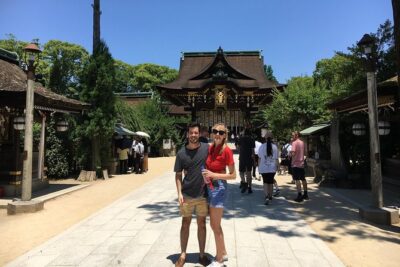 ★ 5.0Full Day Biking Tour Exploring the Best of KyotoFrom $119498 reviews
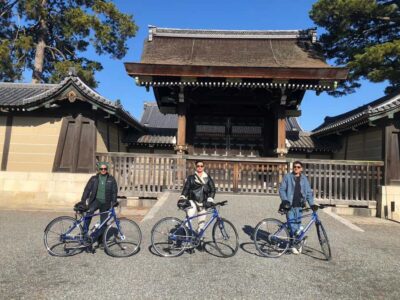 ★ 4.8Memory Kyoto E-Bike TourFrom $91297 reviews
 ★ 5.0E-Bike Tours of the highlights of Kyoto!!!From $109291 reviews
 ★ 5.0Afternoon Kyoto Bike Tour: Bamboo Forest, Monkeys & Hidden SpotsFrom $106283 reviews
Browse the lists this tour appears in