
Reviewed · KIYOMIZU-DERA & HIGASHIYAMA TOURS
Kiyomizu Temple and Backstreets of Gion, Half Day Group Tour
Kyoto hits you fast when you see it on foot with a guide. This half-day tour lines up the big names in Higashiyama and Gion, but the real value is how smoothly it all connects—so you’re not stuck figuring out routes in a maze of slopes and crowds. I especially like the way guides such as Mika, Takuma, and Mitsuhiko keep the pace comfortable while still hitting the highlights.
I also love the mix of stops: UNESCO Kiyomizu-dera, Kyoto’s oldest Zen temple (Kennin-ji), and the atmosphere of Gion’s Hanamikoji street. My one watch-out is that it’s still a walking circuit on steep historic lanes, and the tour can run into a bit of delay at the end—so if you have something scheduled right after, give yourself buffer time.
In This Review
- Key things you’ll like about this Kiyomizu-and-Gion walk
- Starting Easy: Kyoto Ceramic Center and getting your bearings
- Kiyomizu-dera at human speed: UNESCO views with real context
- Sannenzaka and Ninenzaka: the steep lanes that make Kyoto feel like Kyoto
- A quiet reset: the Japanese garden near Kiyomizu-dera
- Yasaka Pagoda and the surrounding landmarks you can actually place
- Yasaka Kōshin-dō and Yasui-Konpiragu: Shinto side of the Higashiyama story
- Kennin-ji Zen temple: calm grounds in the middle of it all
- Gion’s Hanamikoji street: understanding the geisha district beyond the crowds
- Price and time: whether $59.45 is a good deal for your half day
- What to expect day-of: walking, weather, and pacing
- Should you book this Kiyomizu Temple and Backstreets of Gion tour?
- FAQ
- How long is the Kiyomizu Temple and Backstreets of Gion tour?
- What group size is this tour?
- Where do we meet for the tour?
- Where does the tour end?
- Is there an admission fee for the main temples?
- Is the tour customizable?
- Will the tour run if it rains?
- What should I wear?
- Can I get a full refund if I cancel?
Key things you’ll like about this Kiyomizu-and-Gion walk
- Small group feel (max 8) that keeps you from getting lost in the crowd
- Kiyomizu-dera plus Kennin-ji included so you’re not hunting extra tickets
- Steep, historic streets like Sannenzaka and Ninenzaka for classic Kyoto street views
- A balanced religion mix with Zen at Kennin-ji and Shinto stops like Yasui-Konpiragu
- Gion’s Hanamikoji area guided so you understand what you’re seeing, not just where to stand
- Mobile ticket for easier day-of check-in
Starting Easy: Kyoto Ceramic Center and getting your bearings
Your tour begins at Kyoto Ceramic Center, also described as the Kyoto Ceramic Art Association Official Shop and Gallery. It’s a simple, sensible meeting point in Higashiyama, and the stop itself is listed as free—so you can use it as a quick warm-up before the walking starts.
This matters because the Kiyomizu-dera area is famous for being busy. A good start reduces stress immediately: you’re with your guide, your route is set, and you don’t waste precious Kyoto hours wandering just to find the right staircase.
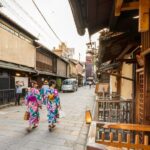
More evenings along the lantern-lit lanes of Gion


Kiyomizu-dera at human speed: UNESCO views with real context
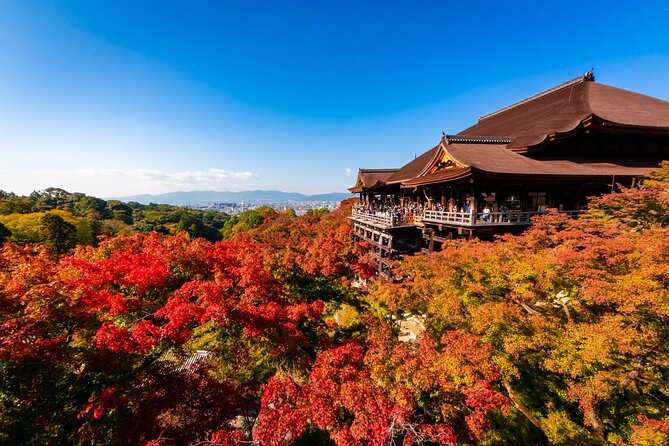
Kiyomizu-dera is the anchor. The tour gives you about an hour there, with an admission ticket included and a professional guide to explain what you’re looking at. Since Kiyomizu-dera is a UNESCO World Heritage Site and one of Kyoto’s most visited sights, you can expect both spectacle and crowds—but you’ll be walking through it with meaning.
Here’s what I like most about this kind of guided visit: you’re not only taking in the famous scenery, you’re learning what makes it important—so your photos feel connected to the story. If you care about Buddhism and temple history, your guide’s explanations help the whole site click rather than staying as random viewpoints.
Potential drawback: because Kiyomizu-dera draws so many people, you may spend part of your time navigating queues and busy walkways. The upside is that with a guide, you’re less likely to feel like you’re missing something while you’re trying to dodge foot traffic.
Sannenzaka and Ninenzaka: the steep lanes that make Kyoto feel like Kyoto
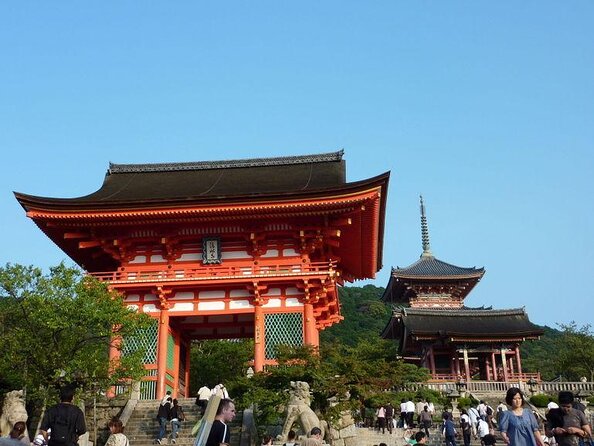
After Kiyomizu-dera, you head into the historic slopes of Sannen-zaka and Ninen-zaka, which are described as steep streets leading up to the temple area. You’ll get around 30 minutes here, and both lanes are part of what gives this neighborhood its postcard identity.
What makes these streets worth your time isn’t only the scenery. It’s the rhythm: narrow lanes, traditional buildings, and the sense that you’re walking through older Kyoto layers rather than just moving between attractions. You’ll also start to feel how Higashiyama is built for pedestrians—slow down, look up, and don’t rush the climb-and-descent motion.
Bring comfortable shoes. These are not flat strolls, and the whole point is that you’re moving through the real texture of the district.
A quiet reset: the Japanese garden near Kiyomizu-dera
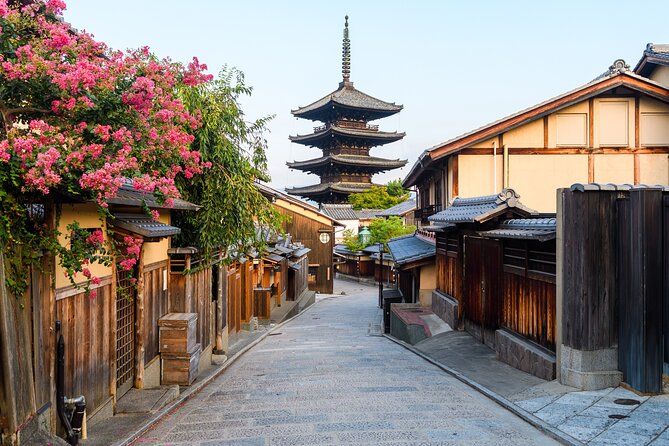
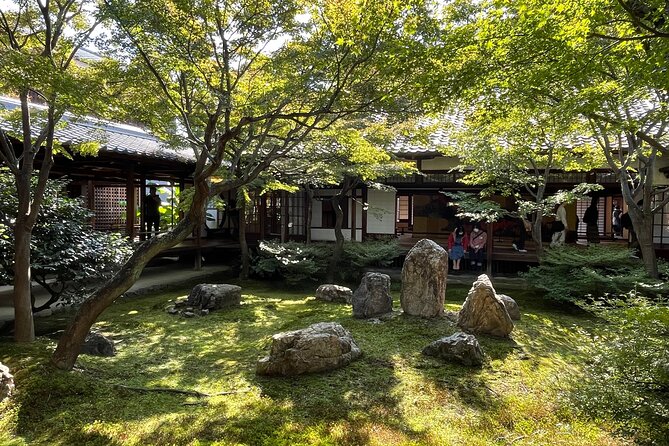
Right near the temple area, the tour includes a stop at a Japanese garden known for ponds, traditional wooden bridges, and carefully arranged plants. This is a great breath-between-the-crowds moment during a half day.
Even if you’re not a “garden person,” this stop helps you cool down mentally. You’ll be switching from temple intensity to a slower, more observational pace. If you like contrast—big landmark, then calm—this is one of the smartest inclusions in the itinerary.
Yasaka Pagoda and the surrounding landmarks you can actually place
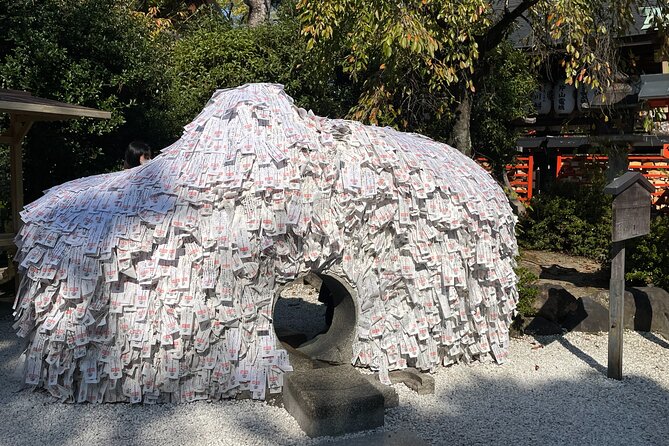
The tour then brings you to the Yasaka Pagoda, described as a historic five-story pagoda and one of Kyoto’s iconic landmarks. For many visitors, this area is just a bunch of sights close together. With a guide, you’re more likely to recognize where each landmark sits and why it’s referenced in Kyoto imagery.
This stop is also helpful for orientation. When you later walk around on your own, you’ll be able to connect what you see—streets, views, and temple silhouettes—because someone took the time to frame it for you during the walk.
Keep climbing the Higashiyama slopes toward Kiyomizu-dera


Yasaka Kōshin-dō and Yasui-Konpiragu: Shinto side of the Higashiyama story
From there, you visit two smaller Shinto-flavored stops that add variety beyond the big temple name.
First is Yasaka Kōshin-dō Temple, near Yasaka Shrine, dedicated to Koshin, a guardian deity believed to protect people from illness and misfortune. It’s noted as being famous for its colorful kukuri… (the listing truncates the details), which is exactly the kind of texture that makes Kyoto feel lived-in rather than staged.
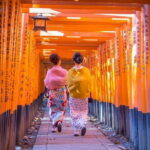
Next is Yasui-Konpiragu, a Shinto shrine in the Higashiyama district. It’s described as a place to cut negative relationships and form positive ones, and it’s especially known for a unique ritual that can attract long lines. The value here is twofold: you see a cultural practice tied to everyday beliefs, and you also learn how these shrines function in a visitor’s world, not only in guidebook terms.
Practical consideration: smaller temples and shrines can still be busy in peak hours. If there’s a line for the ritual, expect it, and know your guide will help you handle timing without turning it into wasted waiting.
Kennin-ji Zen temple: calm grounds in the middle of it all
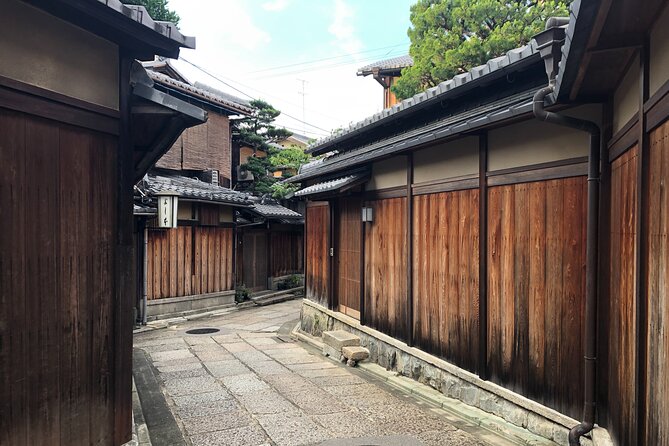
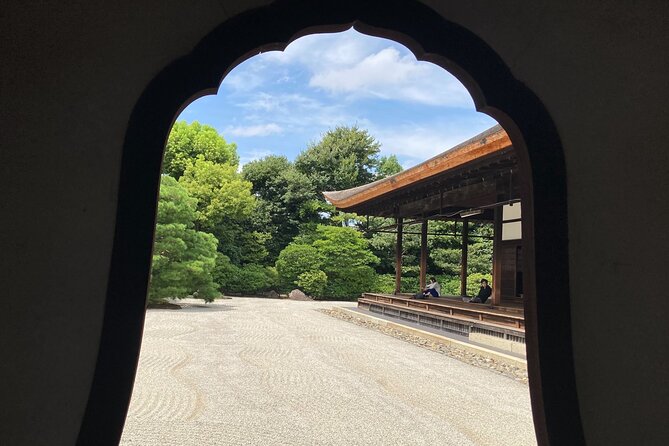
Kennin-ji is one of the highlights if you want Kyoto’s spiritual side beyond sightseeing. The tour gives you about 50 minutes, and the admission ticket is included. Kennin-ji is described as Kyoto’s oldest Zen temple, founded in 1202, and it’s known for calm, spacious grounds even though it’s in a central area.
One of the strongest reasons to include Kennin-ji in a half day is that it changes your pace. After walking through slopes and crowded landmark zones, stepping into a quieter temple setting can feel like someone turned down the city’s volume. The listing also calls out the Dharma Hall as impressive, which gives you a clear focus once you’re inside.
This stop works especially well if you like learning basics that you can carry with you. You’ll come away with a simple, grounded sense of how Zen temples are experienced on site—less about ticking off a building, more about understanding the atmosphere and intention behind the place.
Gion’s Hanamikoji street: understanding the geisha district beyond the crowds
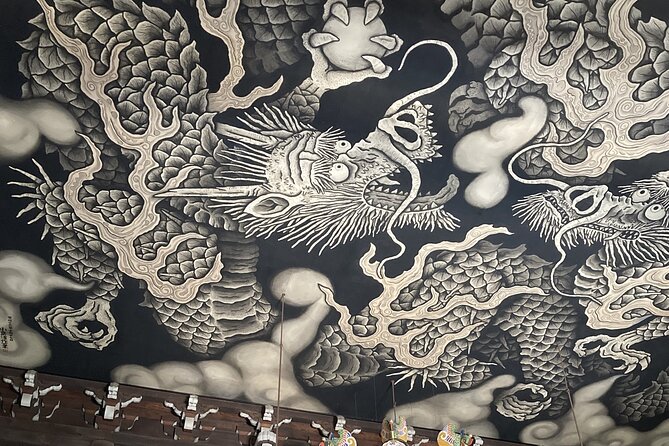
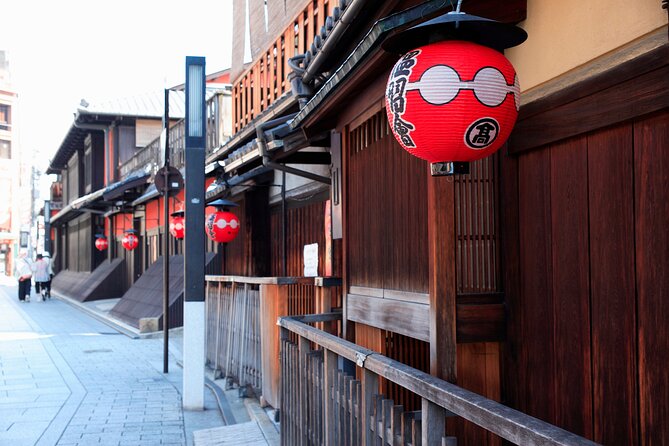
The tour ends with a walk through Gion, described as Japan’s largest geisha district, and you’ll explore Hanamikoji, lined with traditional wooden machiya houses, teahouses, shops, and restaurants. This is the part where Kyoto’s charm becomes very visible—timber facades, historic street scale, and that sense of old-and-present coexisting.
But what makes this portion worthwhile is the context your guide provides. Instead of just staring at architecture, you’ll understand what you’re looking at: why Hanamikoji matters, what makes the district distinctive, and how these streets fit into Kyoto’s cultural rhythm.
It also helps that you’re finishing in Gion rather than being dropped somewhere random. The meeting point and end point are clearly defined, and the end location is listed in Gionmachi Minamigawa.
Price and time: whether $59.45 is a good deal for your half day
At $59.45 per person for about 4 hours, this tour is positioned as a “high-efficiency” Kyoto walk. The price feels more reasonable when you factor in what’s included: admission tickets for Kiyomizu-dera and Kennin-ji, plus a guided route through multiple major sights without the usual confusion of finding entrances and figuring out where to go next.
You also get a small group size (maximum 8), and the overview notes that the tour is private and customizable to your interests. In real terms, that combination usually means you’re paying for two things: someone local handling the flow, and a chance to ask questions at each stop rather than collecting them later in your hotel room.
Who should consider this:
- First-time visitors who want the “Kyoto greatest hits” in one focused morning or afternoon
- People who like history and culture explanations while they walk
- Families who want structure but may need a little flexibility (the guides here have been praised for accommodating different paces)
What to expect day-of: walking, weather, and pacing
This is a walking tour, and the guidance is clear: wear comfortable walking shoes. You’ll move between temple areas, and you’ll pass through steep historic streets like Sannenzaka and Ninenzaka, so plan for steady foot effort.
The tour runs rain or shine, which is a big deal in Kyoto. If the weather turns, bring whatever you need to stay comfortable for a few hours on your feet.
One more practical note: the listing mentions there could be a delay when the tour ends. If you have a reservation or appointment right after, tell the provider in advance so they can plan around it.
Should you book this Kiyomizu Temple and Backstreets of Gion tour?
If you want a half day that actually stitches Kyoto together, I’d book it. The standout value is the pairing of Kiyomizu-dera with Zen at Kennin-ji, then finishing with a guided walk through Gion’s Hanamikoji. You’ll see a lot, but more importantly, you’ll know what you’re seeing.
Skip it only if you strongly prefer total self-guided freedom and don’t want any structure at all. Also consider whether you’re comfortable with steep walking; the route includes classic uphill lanes, and that’s part of the experience.
For most visitors, though, this is a smart way to get bearings fast—without sacrificing the details that make Kyoto more than just a checklist.
FAQ
How long is the Kiyomizu Temple and Backstreets of Gion tour?
The tour is about 4 hours long.
What group size is this tour?
The maximum group size is 8 travelers.
Where do we meet for the tour?
You meet in front of Kyoto Ceramic Center (Kyoto Ceramic Art Association Official Shop and Gallery) at 583-1 Yūgyōmaechō, Higashiyama Ward, Kyoto.
Where does the tour end?
The tour ends at 571 Gionmachi Minamigawa, Higashiyama Ward, Kyoto.
Is there an admission fee for the main temples?
Yes, admission tickets are included for Kiyomizu-dera (about 1 hour) and Kennin-ji (about 50 minutes). The Kyoto Ceramic Center stop is listed as free, and the other listed stops are shown as free admissions.
Is the tour customizable?
The overview says this private tour is customizable to your needs and interests.
Will the tour run if it rains?
Yes. The tour runs rain or shine.
What should I wear?
Because it is a walking tour, you should wear comfortable walking shoes.
Can I get a full refund if I cancel?
Yes. Free cancellation is available up to 24 hours in advance for a full refund. Cancellation cut-off times use local time.
More Kyoto Temples and Shrines


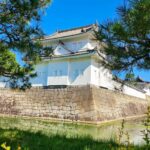

More Along the Higashiyama Slopes
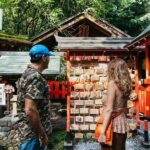
Still in Gion? Keep Going

Just added: more Kyoto tours to browse








Kiyomizu-dera & Higashiyama Tours, compared.
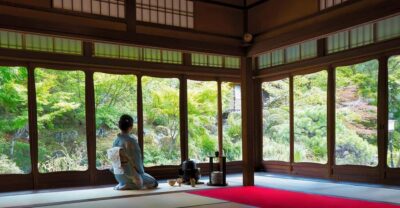 ★ 4.9Tea Ceremony in a Traditional Tea House in KiyomizuFrom $493,519 reviews
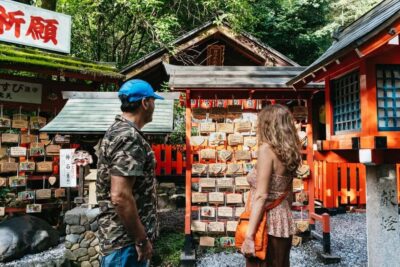 ★ 4.7Nijo Castle, Kiyomizu & Fushimi Inari Guided TourFrom $54700 reviews
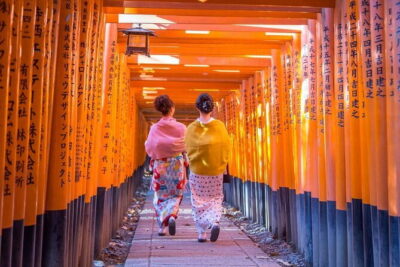 ★ 5.0Nijo, Kinkaku-ji, Arashiyama, Kiyomizu & Fushimi InariFrom $51699 reviews
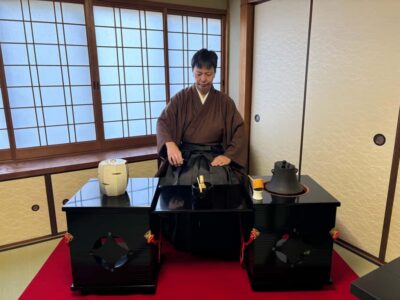 ★ 4.8Kyoto Ninenzaka: Tea Ceremony in Old Townhouse with ChairsFrom $21215 reviews
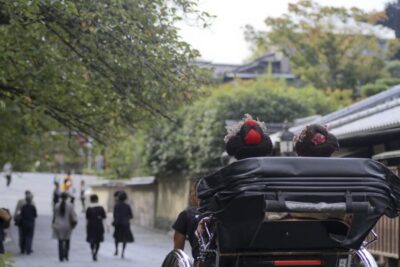 ★ 5.0Private Rickshaw Tour of Gion and Higashiyama AreaFrom $51144 reviews
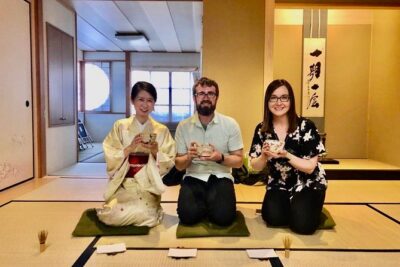 ★ 5.0Kyoto Tea Ceremony & Kiyomizu-dera Temple Walking TourFrom $109115 reviews
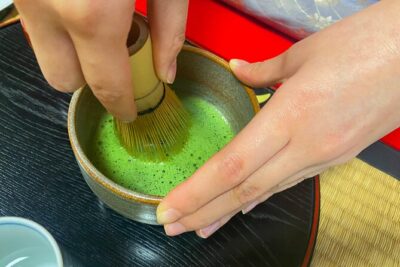 ★ 5.0Kyoto Kiyomizu Tea Ceremony with Scenic Garden ViewsFrom $50101 reviews
 ★ 4.7Kimono/Yukata Rental 5 Minute from Kiyomizu-deraFrom $1989 reviews
Browse the lists this tour appears in