
Reviewed · KYOTO TEA CEREMONIES
Authentic Tea Ceremony & Sushi in The Museum of Kyoto
Your next Kyoto meal might be silent. First you eat sushi made in front of you, then you slow down for an authentic tea ceremony.
What I like most is the combo: sushi by a master chef plus a tea ritual explained clearly, not just performed. One thing to consider: the experience isn’t set up for vegans or vegetarians.
In This Review
- Key moments you’ll remember
- Sushi Shin in The Museum of Kyoto: where your meal begins
- Timing tip: 11:00 vs 13:30 changes the rhythm
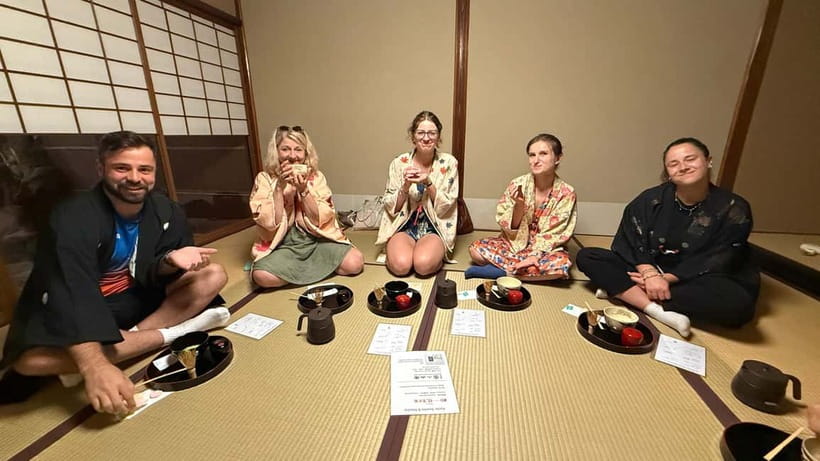
- Downstairs Edo-style quiet: the tea room and the miniature garden
- Wearing the haori: why the outfit changes how you experience chanoyu
- How the tea ceremony works: utensils, history, and your own whisking
- You whisk your own matcha
- Traditional sweet with your tea
- Matcha and Kyoto sweets: the flavor pairing that earns the hype
- Price and value: why $133 per person can make sense
- Who this experience suits (and who should skip it)
- Practical tips for your visit (so the day feels smooth)
- 1) Choose your session based on hunger
- 2) Tell them about allergies in advance
- 3) Expect two different moods
- 4) Use the language option if it helps
- Should you book this Kyoto experience?
- FAQ
- Where does the experience start?
- What happens if I book the 11:00 session?
- What happens if I book the 13:30 session?
- Is the tea ceremony hands-on or just watch-and-learn?
- What am I wearing during the tea ceremony?
- What food and drink are included?
- Are there dietary restrictions?
- What if I have allergies?
- What languages are offered?
- What are the age limits?
- Can I pay later and cancel?
Key moments you’ll remember
- Sushi made in front of you at the start, with sessions that swap the order
- Chanoyu explained in plain English and Japanese, including utensils and cultural origins
- You wear a traditional haori (kimono-style jacket) for the tea part
- Matcha you whisk yourself, paired with Kyoto sweets
- Premium rare matcha that tastes different from the matcha you’ve had elsewhere
- A peaceful basement Japanese house with a view of a carefully made miniature garden
Sushi Shin in The Museum of Kyoto: where your meal begins
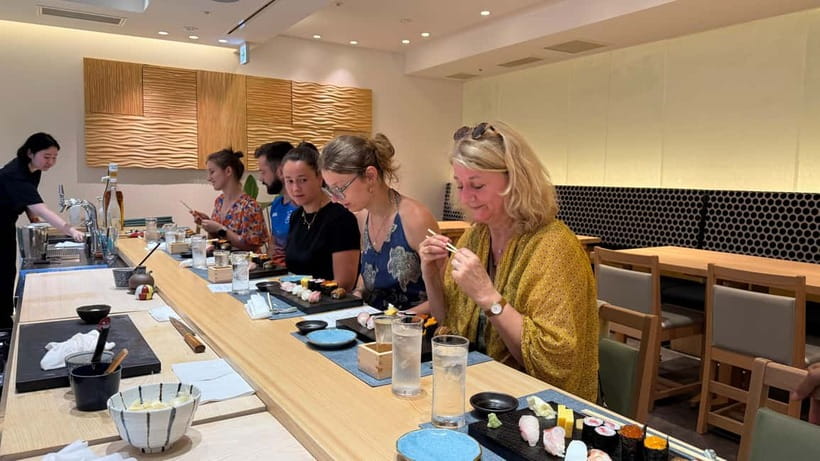
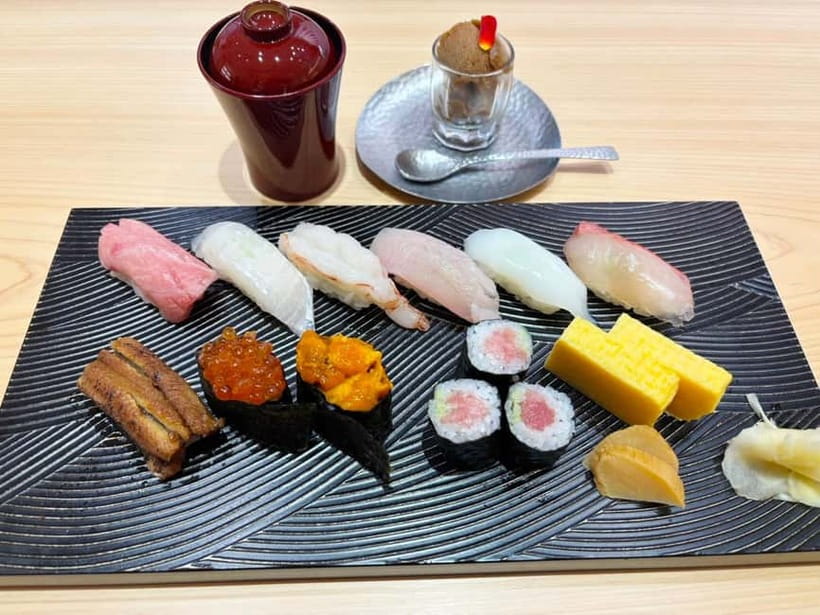
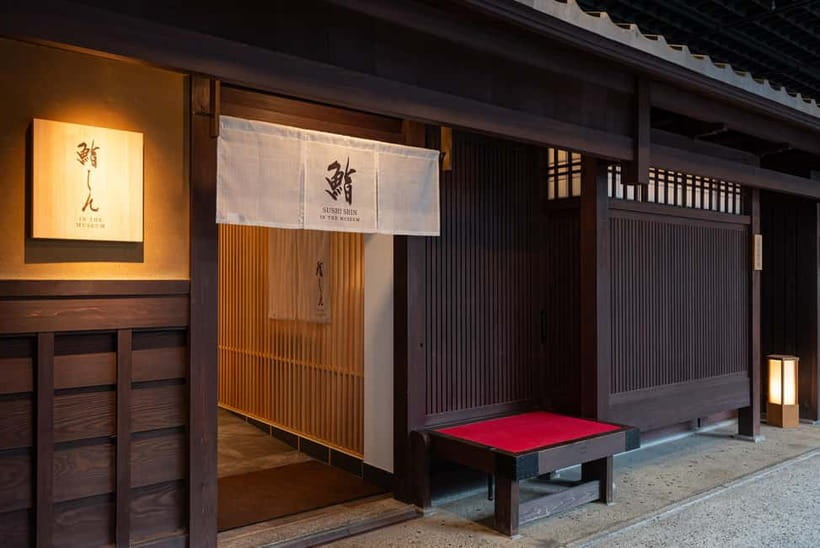
This experience starts right inside The Museum of Kyoto, at a sushi restaurant called Sushi Shin in the Museum. The practical win here is simple: you get a real Kyoto setting, without needing extra train rides or a sketchy “nearby” restaurant detour.
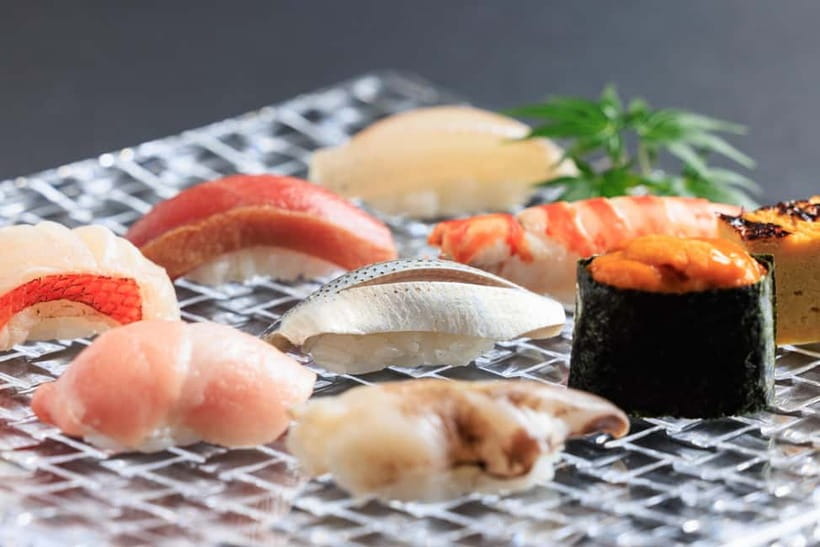
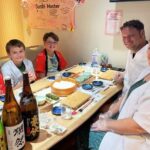
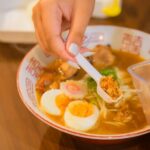
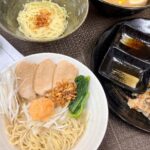
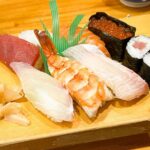
At the sushi counter, you’re served sushi crafted by a master chef with years of training. One of the most praised parts is that the sushi is prepared directly in front of you. That matters, because you’re not just waiting for a plate to arrive—you’re watching the process, then eating something that feels freshly made in the moment.
Sit for another bowl of matcha in a Kyoto tea house
Timing tip: 11:00 vs 13:30 changes the rhythm
The sessions are the same overall experience, but the order shifts:
- 11:00 session: sushi comes at the end
- 13:30 session: sushi comes at the beginning
If you hate the idea of waiting hungry, pick 13:30. If you prefer to start with tea and then finish with food, 11:00 is the move. Either way, the pacing is intentional: chanoyu is meant to slow you down, so flipping the order changes how the day feels.
Downstairs Edo-style quiet: the tea room and the miniature garden
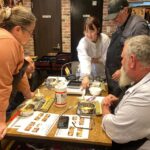
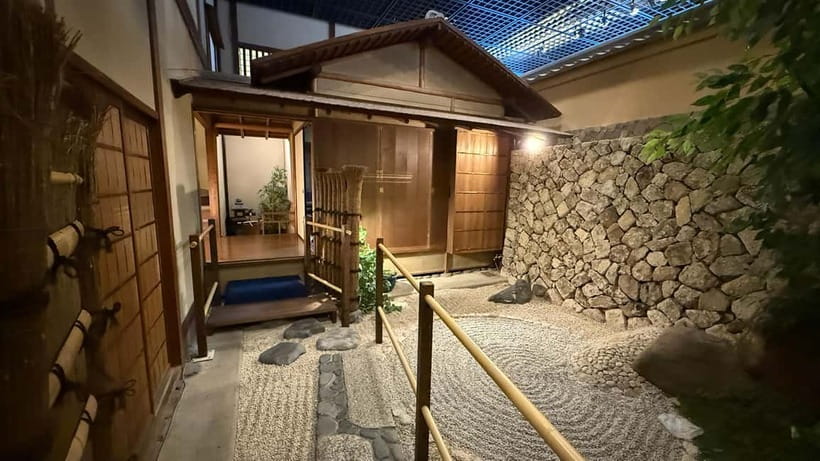
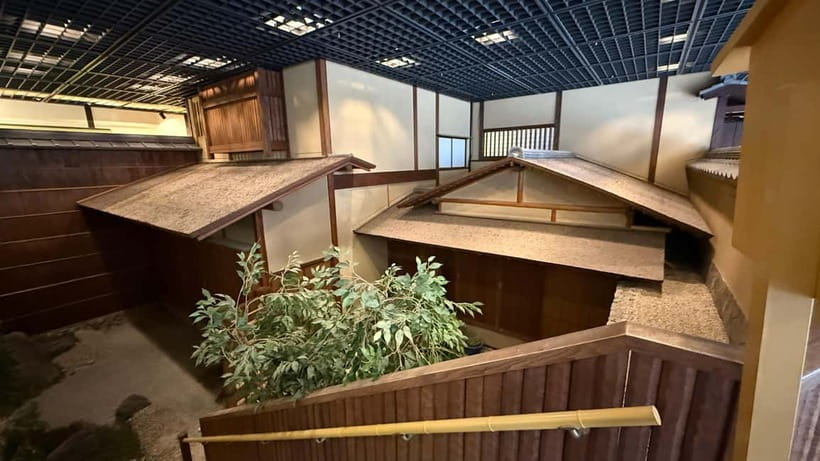
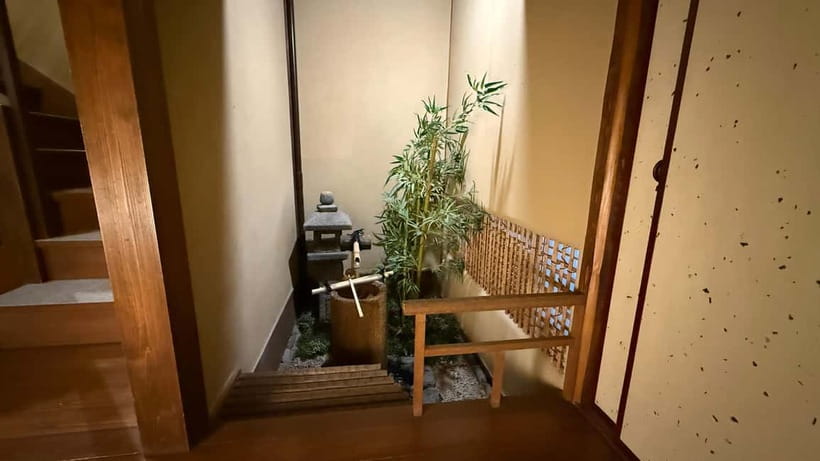
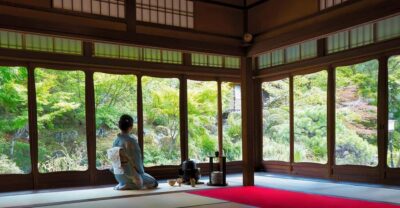
After sushi (or before it, depending on your session), you’re guided to a traditional Japanese house on the basement floor. This is where the atmosphere flips from “meal energy” to “stillness.” You’ll feel it the second you step in: calm lighting, careful design, and that sense that everyone is meant to be respectful of the ritual.
A standout detail is the view of a meticulously designed garden from inside the tea space. Even if you’re not the kind of person who chases scenery, the garden matters. In chanoyu, attention is part of the experience—your eyes have something quiet to rest on while your guide explains what you’re about to do.
And yes, this part is designed to be serene. The tea ceremony is delivered in a way that encourages you to slow down and pay attention, not rush through photos.
Wearing the haori: why the outfit changes how you experience chanoyu
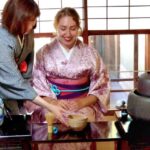
You’re provided a traditional haori—a kimono-style jacket—for the tea portion. That isn’t just a costume moment. It helps set the tone and makes the ceremony feel more grounded in tradition.
When you put it on, you naturally sit a little differently, move more deliberately, and stop treating the tea like a quick snack break. The ritual has a flow, and the clothing helps you match that pace.
If you’ve ever done a tea ceremony where you felt like you were wearing everyday clothes and rushing to get it over with, this format usually feels more convincing. It signals: this isn’t just something to watch. It’s something to participate in.
How the tea ceremony works: utensils, history, and your own whisking
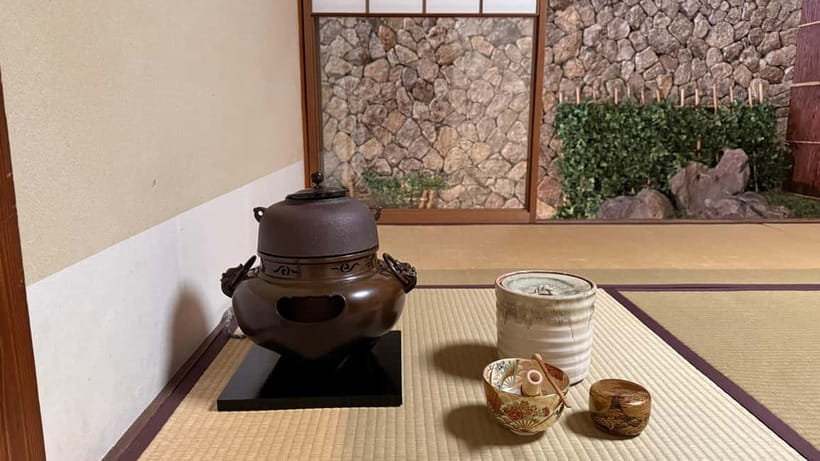
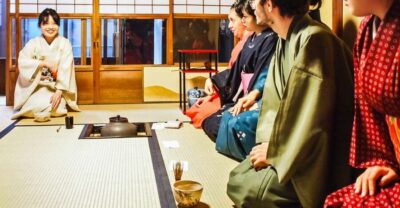
Before you drink anything, you get guidance. Your host provides an explanation of chanoyu—including its history and cultural origins—and introduces the tea utensils used in the ceremony.
This is one of the most valuable parts for me, because “tea ceremony” can sound mysterious. Here, you’re not left guessing what you’re supposed to do next. You learn what the tools are for, why the steps matter, and what you’re experiencing beyond the taste.
Roll up your sleeves for another Kyoto cooking class


You whisk your own matcha
Then comes the hands-on moment: you’ll whisk your own bowl of matcha. That’s a big deal because it shifts you from spectator to participant. It also changes how you understand the drink—once you’ve tried it, you notice texture and aroma in a way you usually wouldn’t from an ordinary matcha order.
Expect the host to guide you through the flow, with enough structure that you feel comfortable doing it. The experience is designed so you can follow along even if you’ve never done chanoyu before.
Traditional sweet with your tea
Along the way, you’ll enjoy traditional sweets with the matcha. The pairing here is part of the charm: the sweetness and matcha feel like they were chosen to balance each other, not thrown in as an afterthought.
Matcha and Kyoto sweets: the flavor pairing that earns the hype
The matcha is a highlight, and not in a generic way. You’ll be served premium rare matcha that’s described as unlike what people typically taste elsewhere. That’s consistent with what you want from a specialized tea experience in Kyoto: not just “matcha,” but matcha with a clear point of difference.
You’ll also get Kyoto sweets matched to the ceremony. The exact varieties aren’t listed here, so I won’t guess. But I can tell you what the structure aims to do: give you a sweet that complements the matcha, then bring the focus back to the tea after the first taste.
If you’re a matcha fan, this is the kind of session that helps you understand why high-quality matcha tastes cleaner and more nuanced than the powder you might buy casually. If you’re not usually a matcha person, you still have a good chance of enjoying it here—because you’ll get guidance on how to approach the flavor, and the sweets help ease you into it.
Price and value: why $133 per person can make sense
At $133 per person, this isn’t a budget food stop. But it also isn’t priced like you’re just buying a quick tour. You’re paying for two real skills represented in one package:
- A master chef sushi experience (including preparation right in front of you)
- An authentic tea ceremony with instruction, utensils overview, and hands-on matcha whisking
On top of that, you get tangible included perks: a haori, the miniature garden viewing, Kyoto sweets, and finest matcha. When you total those pieces, the price starts to look more like “food + cultural instruction + participation” than “just a meal.”
Is it a bargain? No. Is it a high-quality, memorable Kyoto experience that feels thoughtfully made? For many people, that’s the point.
Who this experience suits (and who should skip it)
This experience is clearly built for adults, with some firm limits:
- Not suitable for children under 10
- Not suitable for vegans and also not suitable for vegetarians
- Not suitable for people over 95 years
If you want a quiet, guided cultural practice and you eat seafood, this is a great match. The sushi and tea complement each other well: one sharpens your appetite, the other teaches you to slow down and pay attention.
It’s also a strong choice for couples and small groups who like cultural experiences but don’t want a lecture that never ends. Your hands-on matcha whisking is the kind of participation that makes it stick.
Practical tips for your visit (so the day feels smooth)
Here’s how to plan so you enjoy it, not just attend it.
1) Choose your session based on hunger
- If you’d rather start with food, book 13:30 since sushi is served at the beginning.
- If you want to begin calmly with tea and finish with sushi, book 11:00 since sushi is served at the end.
2) Tell them about allergies in advance
If you have any allergies, you need to inform them in advance. This is especially important in a setting that includes sushi and sweets, where ingredients can vary.
3) Expect two different moods
You’ll move from a sushi restaurant setting into a tea space designed for hush and focus. Don’t plan to cram other noisy activities right before or after. If you can, build in breathing room so you’re not rushing.
4) Use the language option if it helps
The experience runs in English and Japanese. If you’re comfortable switching between the two, it can make the explanations easier to follow, especially for the tea utensil overview.
Should you book this Kyoto experience?
Book it if you want a Kyoto day that combines real food craft with a cultural ritual you can actually participate in. The strongest reasons to say yes are the sushi made in front of you, the tea ceremony explained well, and the fact that you get to whisk your own matcha and taste rare, high-quality matcha with Kyoto sweets.
Skip it if you’re vegan, vegetarian, bringing a child under 10, or if you need an experience without a quiet sit-down component. Also, pay attention to the session time—11:00 and 13:30 feel different because sushi swaps positions in your day.
If you’re choosing between “another meal” and something that teaches you how Kyoto tastes and slows down, this is the kind of pick that usually lasts longer in your memory than a standard reservation.
FAQ
Where does the experience start?
It starts at the sushi restaurant Sushi Shin in the Museum inside The Museum of Kyoto, and it ends back at the same meeting point.
What happens if I book the 11:00 session?
For the 11:00 session, the sushi is served at the end.
What happens if I book the 13:30 session?
For the 13:30 session, the sushi is served at the beginning.
Is the tea ceremony hands-on or just watch-and-learn?
You’ll be guided through the ceremony and you’ll whisk your own bowl of matcha.
What am I wearing during the tea ceremony?
You’ll wear a traditional haori (a kimono-style jacket).
What food and drink are included?
You’ll have Kyoto sweets and the finest matcha, plus sushi from the master chef as part of the experience.
Are there dietary restrictions?
Yes. This experience is not suitable for vegans and is also not suitable for vegetarians.
What if I have allergies?
If you have allergies, you should inform the provider in advance.
What languages are offered?
The experience is available in English and Japanese.
What are the age limits?
It’s not suitable for children under 10 and not suitable for people over 95.
Can I pay later and cancel?
You can reserve & pay later. You can cancel up to 24 hours in advance for a full refund.
More Tour Reviews in Kyoto
More Kyoto Cooking Classes
One More Bowl of Matcha

Just added: more Kyoto tours to browse

Kyoto Tea Ceremonies, compared.
 ★ 4.9Tea Ceremony in a Traditional Tea House in KiyomizuFrom $493,519 reviews
 ★ 4.9Tea Ceremony Ju-An at Jotokuji TempleFrom $293,207 reviews
 ★ 4.345-Minute Tea Ceremony Lesson ExperienceFrom $222,378 reviews
 ★ 4.9Table-Style Tea Ceremony at a Kyo-MachiyaFrom $451,211 reviews
 ★ 5.0Kimono Tea Ceremony at Kyoto Maikoya, NISHIKIFrom $65911 reviews
 ★ 5.0Arashiyama Bamboo Forest, Monkeys, Matcha & Temple TourFrom $53759 reviews
 ★ 4.9Tea Museum Tickets and Matcha Grinding ExperienceFrom $23739 reviews
 ★ 4.9Kimono Tea Ceremony at Orizuruya GionFrom $49618 reviews
Browse the lists this tour appears in