
Sushi art starts at a quiet Kyoto home. This Japanese sushi roll class focuses on both the story and the craft, including how rolls evolved from the Edo period and how to build an ornate flower look with rice, vinegar-seasoning, nori, and colorful rice patterns. I particularly like the way the lesson steers you toward results that match what you see in the class photos, and the patient creativity of the instructor (Aya is often highlighted in past sessions).
One thing to consider: finding the exact doorway can be stressful if you rely on an older map. The meeting spot is only about 200 meters east of Nijo Castle, but directions have been known to land people in the wrong place, and there’s also a hard rule of no video recording during the class.
In This Review
- Key highlights before you go
- A Kyoto sushi lesson you can actually repeat
- The 1-hour flow: Edo-era sushi to a flower roll in your hands
- Ingredients and techniques: why seasoned rice makes the whole difference
- The ornate rice pigments: craft details you’ll want to know
- Tools, tea, and your take-home recipe booklet
- Price and value: $82 for a skill you can use again
- Where to meet near Nijo Castle (and how not to get stressed)
- Language, group style, and who this class suits best
- Rules that affect your planning
- The coaching style: patient, detail-focused, and photo-friendly
- Should you book this sushi class?
- FAQ
- How long is the sushi class?
- What is included in the price?
- What does the class focus on?
- Where is the meeting point?
- Is the class taught in English?
- Is video recording allowed?
- Is it wheelchair accessible?
- Is it suitable for young children?
Key highlights before you go
- Flower-like roll design you can’t easily copy from a restaurant order
- Edo-period sushi roll history tied directly to how quick vinegar-based sushi became mainstream
- Natural edible pigments used to color rice for the ornate pattern work
- Rental tools + original recipe booklet so you can repeat it at home
- Private, 1-hour class taught in English and Japanese
A Kyoto sushi lesson you can actually repeat
If you like the idea of sushi more than the reality of ordering it, this class is built for you. Instead of just watching someone make rolls, you learn the logic behind what makes good sushi sushi: seasoned rice, workable texture, and the way nori and fillings behave once you roll. The goal is simple: you leave with skills, not just a full stomach.
The biggest advantage is that you’re making something that reads like “art class” as much as “cooking class.” The pattern is designed to look like a flower, and that’s exactly why it’s hard to get the same effect at a restaurant. You’re learning how to shape the rice and layer ingredients so the final roll has a clean, intentional look.
Roll up your sleeves for another Kyoto cooking class

The 1-hour flow: Edo-era sushi to a flower roll in your hands
This lesson runs for about one hour, so the structure matters. You’ll move at a steady pace, guided by an instructor who uses clear steps to get you from raw ingredients to a finished roll you can be proud of.
Here’s how the hour is typically organized, based on what you’re told to expect:
First, you get the background. You’ll learn the history of sushi rolls from local experts, including the timeline that connects sushi to changing food culture. Rolls were created during Japan’s Edo period (1603–1868), with the spread of vinegar and sake influencing what people made. Later, quick vinegar-based methods helped sushi become more mainstream, and in the Showa period the patterns started growing more complicated.
Then the class shifts to hands-on making. You’ll be working with the core sushi elements:
- rice seasoned with rice vinegar and sugar
- sesame, ginger, vegetables
- nori (seaweed) as the roll structure
Finally, you build the pattern. The flower look doesn’t happen by accident. You’ll follow step-by-step instruction to shape and roll the sushi so it holds the design when it’s cut. Past participants have said the rolls come out looking very close to the picture, which is the key difference between an instruction that’s “friendly” and one that actually teaches.
Ingredients and techniques: why seasoned rice makes the whole difference
Sushi teachers can talk for days, but the real magic is in the rice. That’s also why this class lists its ingredient focus up front: rice vinegar, sugar, sesame, ginger, vegetables, and nori. Those aren’t “extras.” They’re the foundation for a roll that tastes balanced and holds its shape.
The vinegar-sugar combination is what gives sushi rice its signature flavor, and it’s why the rice behaves better when you’re shaping it. Sesame and ginger add familiar Japanese seasoning notes, while the vegetables add texture and color variety. Nori is the structural ingredient, so you learn how it frames the roll and helps keep everything together.
And because the class is about ornate patterns, your handling matters. The instructor helps you work the rice so it’s workable, not crumbling, and so the design stays crisp.
The ornate rice pigments: craft details you’ll want to know
One of the more interesting notes in the class info is that the decorative patterns use natural edible pigments to color the rice. That matters for two reasons:
1) It’s part of the look. The flower pattern depends on visible color contrast.
2) It’s intentional food craft, not a random color hack. You’re using ingredients meant for coloring rice as part of the design process.
So if you’re the type who likes to understand why something works, you’ll appreciate this. You’re not just copying steps; you’re learning how the pattern is built with materials that are edible and kitchen-realistic.
Tools, tea, and your take-home recipe booklet
This is a short class, so they pack practical stuff into the hour. You’ll get:
- Japanese tea or water
- rental tools for making sushi rolls
- an original recipe booklet
The recipe booklet is where the value quietly ramps up. You’ll use it to repeat the roll at home, not just to remember that you once made a flower sushi roll. If you’ve ever taken a cooking class and then stared at your kitchen later thinking, Now what?, the booklet is meant to prevent that.
Also, having tea and water available turns the class from pure labor into a calmer rhythm. It’s a small detail, but it makes a big difference when you’re trying to learn something that’s part craft, part timing.
Other Kyoto tours and experiences to compare
Price and value: $82 for a skill you can use again
At $82 per person for about an hour, you should think of this as paying for three things:
- Instruction that focuses on pattern-making (not just rolling technique)
- The tools and structured guidance to help you get a good result fast
- A take-home recipe booklet so the lesson doesn’t end when you walk out the door
It’s also not a generic sushi class. The flower-style roll design is the main reason you’d choose it over grabbing a sushi meal somewhere. If you want the kind of sushi you might see in promotional photos but can’t order on demand, this class is doing the heavy lifting.
For budget math: if you plan to make sushi again later (even once), you’re already stretching the cost across multiple meals. If you’re hoping for a one-and-done food experience, a standard restaurant dinner might feel cheaper. But if your goal is a repeatable skill, the price makes more sense.
Where to meet near Nijo Castle (and how not to get stressed)
The meeting point is near the Nijo Castle area, and that’s a plus because you’ll have lots of transit and sightseeing nearby. Still, location confusion has come up before, so treat the directions like a checklist.
What you’re looking for:
- Search your map app for さくら日本文化体験 Sakura Experience Japanese Culture
- Use a newly updated map app if you can, because places in Kyoto have changed a lot
- The location is about 200 meters east from Nijo Castle
- You’ll see a small wooden gate and a noren curtain at the front of the house
- There’s bike parking
Timing-friendly walking estimates:
- about 3 minutes from Nijojo-mae subway station
- about 3 minutes from Kyoto city bus Fuchomae
- about 15 minutes from Hankyu line Shijo
- about 10 minutes from JR Kyoto Station by taxi
If you arrive a few minutes early, you’ll avoid the kind of rushed start that makes pattern-making harder than it needs to be.
Language, group style, and who this class suits best
This is a private group class, which matters for pacing. Instead of fighting the noise level of a bigger group, you can focus on technique. The instructor speaks English and Japanese, so you can ask questions without guessing.
The class is also listed as wheelchair accessible, and the building works for baby strollers too. Since sushi rolling uses your hands and workspace, having an accessible setup helps your comfort from the start.
Who it’s best for:
- couples or small groups who want something different from a food-only activity
- people who want a teachable skill, not just a tasting
- anyone staying near Nijo Castle who wants a short class that fits a busy day
If you’re traveling with very young kids, note the limit: it’s not suitable for children under 4.
Rules that affect your planning
Two rules are worth knowing ahead of time:
- No video recording is allowed during the class.
- The class uses rice coloring with natural edible pigments, which is normal for the design process.
If you like documenting everything on your phone, this might be a letdown. But it also nudges you to focus on the steps instead of recording constantly.
The coaching style: patient, detail-focused, and photo-friendly
From past class experiences, one thing stands out: the instructor approach is described as patient and supportive. Many people highlight that the teacher took time and attention to help capture the moment with photos, and that the process is organized enough that your roll comes out looking like the pictured result.
Aya is specifically named in multiple notes, and that’s a reassuring sign if you prefer classes with a consistent instructor. For a hands-on lesson where the final look matters, this “care + step-by-step” style is exactly what you want.
Should you book this sushi class?
I’d book it if you want sushi as a craft project with a clear payoff: a flower-shaped roll that tastes good and looks good, plus a booklet you can follow later. The price feels fair because you’re paying for instruction time, tools, and the take-home ability to repeat the method.
Skip it only if you’re mainly after a casual snack experience or if you strongly prefer recording videos while learning. Also, do your homework on the meeting point—use an updated map app and look for that wooden gate and noren curtain so your start isn’t rushed.
If you’re in Kyoto and you’re already near Nijo Castle, this is the kind of short, focused activity that fits well and gives you a skill you’ll actually use.
FAQ
How long is the sushi class?
The class lasts 1 hour.
What is included in the price?
You get Japanese tea or water, rental tools for sushi making, and an original recipe booklet.
What does the class focus on?
You learn the history of sushi rolls, then make ornate sushi rolls using ingredients like rice vinegar, sugar, sesame, ginger, vegetables, and nori. The pattern work includes a flower-like design.
Where is the meeting point?
Search your map app for さくら日本文化体験 Sakura Experience Japanese Culture. The location is about 200 meters east from Nijo Castle, with a small wooden gate and a noren curtain at the front of the house.
Is the class taught in English?
Yes. The instructor can teach in English and Japanese.
Is video recording allowed?
No, video recording is not allowed.
Is it wheelchair accessible?
Yes, the building is listed as wheelchair accessible, and it’s also accessible for baby strollers.
Is it suitable for young children?
It is not suitable for children under 4 years.
More Workshops in Kyoto
More Tour Reviews in Kyoto






More Kyoto Cooking Classes
Just added: more Kyoto tours to browse








Kyoto Cooking Classes, compared.
 ★ 5.0Ramen Cooking Class at Ramen Factory in KyotoFrom $1311,937 reviews
 ★ 5.0Sushi Making in Kyoto! Same-day bookings welcome!From $53713 reviews
 ★ 4.9Ramen Cooking Class at a Ramen Factory with SouvenirFrom $127532 reviews
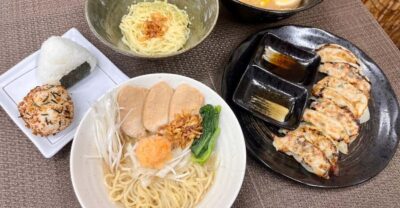 ★ 5.0Ramen, Gyoza, and Onigiri Cooking ClassFrom $90445 reviews
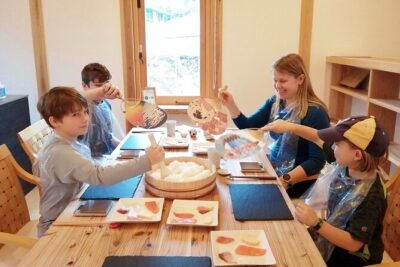 ★ 5.0The Original Small-Group Sushi Making Class in KyotoFrom $69436 reviews
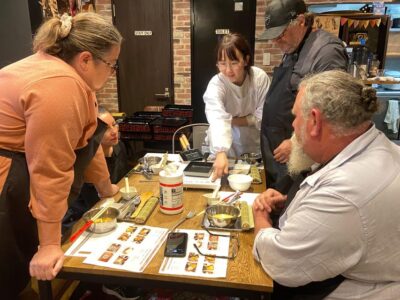 ★ 5.0Japanese Washoku Bento Small Group Cooking ClassFrom $58380 reviews
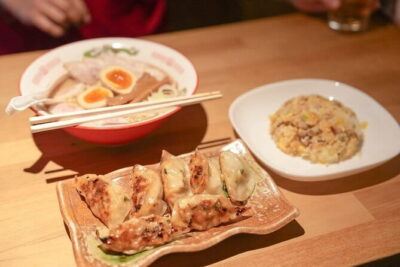 ★ 5.0Kyoto Ramen and Gyoza Cooking Class with Professional ChefsFrom $86282 reviews
 ★ 4.9Afternoon Japanese Izakaya Cooking ClassFrom $67241 reviews
Browse the lists this tour appears in