
Reviewed · KYOTO GARDENS & ZEN RETREATS
Arashiyama Bamboo & “Must See” Gardens with an Amazing Guide
Kyoto can feel both busy and calm. This private Arashiyama walk pairs Tenryu-ji with a gentle, well-timed garden stop led by Richard, and I like that his explanations stay clear even when the sights get complex. I also appreciate the calm, patient pace that helps you enjoy the grounds instead of rushing for photos. One possible drawback: at about 3 hours, you may feel a little limited if you love lingering for long stretches.
Because it’s private, you’re not squeezed between strangers, and you get a native-English guide who can tailor the flow to your interests. You also get the key entrances handled in advance with a mobile ticket, so you spend less time figuring out what’s open and what costs extra. The optional swap between Okochi Sanso and Monkey Park is a great way to match your mood without making you do extra planning.
Good shoes matter here. Parts of the route include graded sections and even ancient stone steps, so it helps to plan for uneven footing, especially if you have limitations. And since the experience needs good weather, you’ll want a bit of flexibility if Kyoto’s forecast turns.
In This Review
- Key highlights you’ll actually feel on the walk
- Arashiyama timing: why order matters for bamboo and temples
- Togetsukyo Bridge: a short stop that sets your bearings
- Tenryu-ji Temple: where the Zen garden details start to make sense
- Bamboo Forest Street: picture time with a calmer rhythm
- Okochi Sanso garden vs Monkey Park: pick the vibe you want
- Price and value: what $120 buys you in Kyoto time
- Practical tips: shoes, walking pace, and where to meet
- Should you book this Arashiyama bamboo and gardens tour?
- FAQ
- How long is the Arashiyama bamboo and gardens tour?
- Is this tour private?
- What sights are included?
- Are admission tickets included?
- Can I choose Monkey Park instead of Okochi Sanso?
- What is the meeting point?
- Does the tour include food or drinks?
- Is a mobile ticket used?
- Do I need good weather for the tour?
- Is the route difficult for limited mobility?
Key highlights you’ll actually feel on the walk
- Richard’s clear, patient guiding: he keeps the story understandable and the pace comfortable
- Tenryu-ji Temple + Zen garden focus: you don’t just look—you learn what you’re seeing
- Bamboo Forest Street photo time: a dedicated stop so you’re not rushing
- Okochi Sanso garden (or Monkey Park): choose the style of Arashiyama you want
- Admissions included: major temple and garden entry fees are covered
- Private tour setup: only your group, with room for your questions
Arashiyama timing: why order matters for bamboo and temples
Arashiyama is one of those places where your first impression can be all bamboo and photos, but your second impression is about meaning: why the gardens are arranged the way they are, and how temple spaces are designed for quiet attention. This tour’s big advantage is its order. You start at the river bridge area, then move into Tenryu-ji, then head toward the bamboo street, and finally finish with a garden stop.
That sequence matters because it helps you avoid the mental whiplash of bouncing between totally different vibes. Bridge views are your orientation. Tenryu-ji gives you context and calm. Bamboo gives you the iconic imagery. The garden stop ties it together with architecture and design ideas you can carry home.
You can also pick your start time—morning or afternoon. In practice, I’d treat that like a chance to match your energy. If you like cooler, softer light for photographs, morning is usually friendlier. If you want to start later after you’ve done other Kyoto sights, afternoon keeps the day from feeling rushed.
Deeper into Arashiyama, past the bamboo and the Hozu river
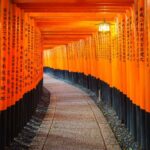
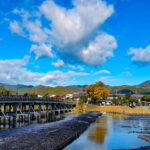
Togetsukyo Bridge: a short stop that sets your bearings
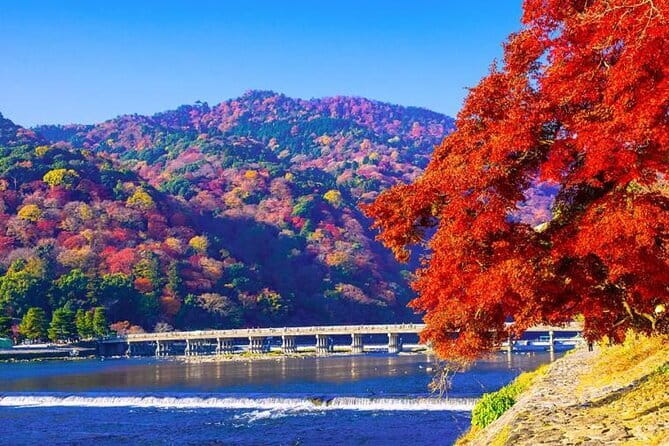
The tour begins at Togetsukyo Bridge, which is a classic Kyoto scene for a reason. Even with only about 30 minutes, it works as a mental warm-up. You get a sense of the river setting and the direction you’ll be walking next, so you don’t feel lost as soon as you leave the meeting point area.
This is also where you can do the simplest useful thing for your trip: take a couple of reference photos. One from the bridge itself, and one from slightly farther back on the approach. Then later, when the garden and temple scenes start blending together in your photos, you’ll be able to spot which images belong to the river/bridge section.
One practical note: since this is a walking tour, it helps to have your camera ready before you reach the bridge. The stop is short, and the point isn’t to tour the entire surroundings—it’s to get you set up for the rest of Arashiyama.
Tenryu-ji Temple: where the Zen garden details start to make sense
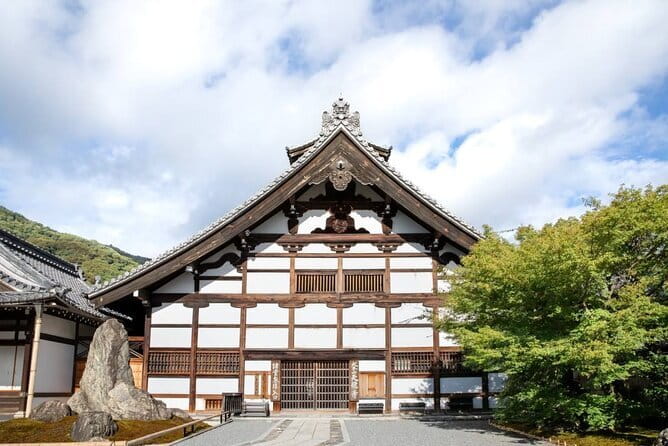
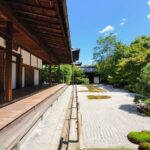
Next comes Tenryu-ji Temple, and this is the centerpiece of the tour. You’ll enter the World Heritage site, and the guide focuses on the temple interiors and the famous Zen gardens. The time here is about one hour, which is long enough to slow down and absorb without turning it into a lecture marathon.
Here’s what makes this stop valuable: you’re not just walking around trying to guess what each arrangement means. A good guide can point out how Zen gardens use design to create a feeling of depth and contemplation. You’ll get the kind of explanations you can actually apply when you look at the rock and gravel patterns and the way the garden frames views.
I especially like that the guide’s English is described as clear and native. That matters at Tenryu-ji because temple rules and layout details are easier to handle when you understand them right away. Also, if you’re the type who likes to ask questions, this is the place where questions feel rewarded.
Possible drawback? If you’re the type who wants a self-paced museum-style visit with zero guidance, one hour with a guide could feel a bit structured. Still, for most people—especially first-time Kyoto visitors—this is where the tour pays off.
Bamboo Forest Street: picture time with a calmer rhythm
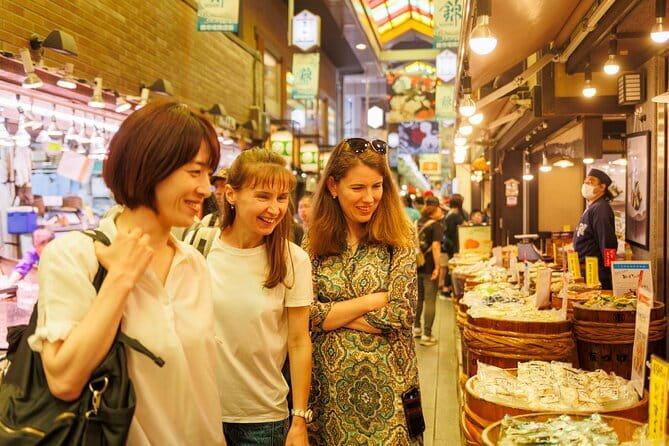
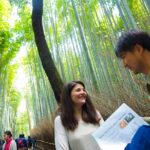
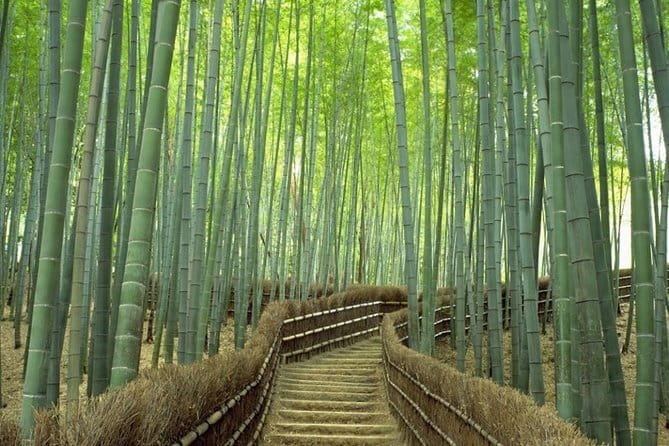
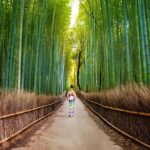
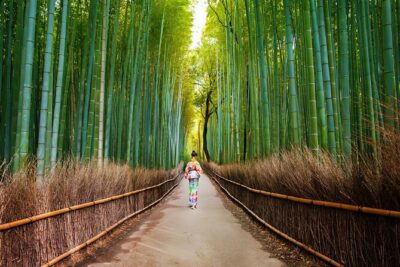
After the temple calm, you head toward Bamboo Forest Street for about 30 minutes. This is your signature photo window: the narrow walking scenes, the bamboo stands, the classic angles.
Even if you’ve seen bamboo images online, the real test is how quickly you can find pleasing frames while also keeping your footing and not getting stressed by crowds. A guided stop helps because you’re not wandering aimlessly, hoping you’ll stumble onto the best photo moment.
My advice here: don’t treat it like a single photo moment. Instead, do it like a short photo session with a plan:
- Grab one wide shot to capture the bamboo corridor feeling.
- Then step aside for a tighter frame where you can isolate stalks and light.
- Finally, take a people-free shot if you can, because bamboo + motion blur can happen fast.
The big win is that you get dedicated time. You’re not told to rush through bamboo as a quick photo detour between larger attractions. You get a real chunk of attention here, then you move on.
Okochi Sanso garden vs Monkey Park: pick the vibe you want
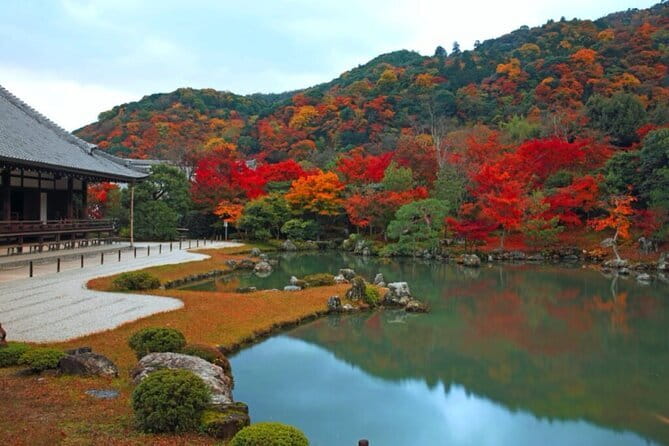
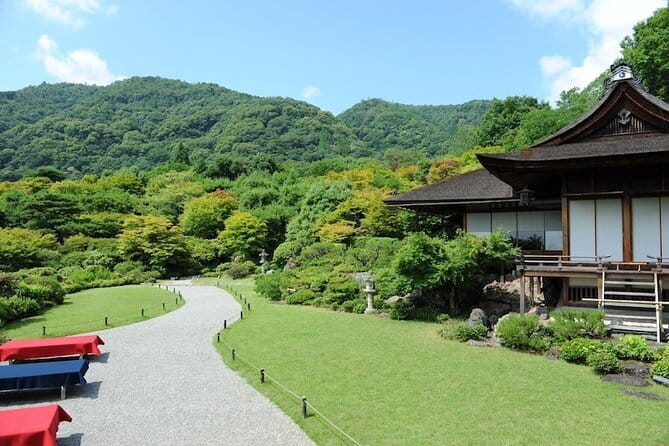
The final stop is your choice: Okochi Sanso Garden or Monkey Park. Either way, you get about one hour, the admission is included, and your guide uses the time to explain Japanese gardening and architecture—though Okochi Sanso is the garden-focused option.
If you choose Okochi Sanso, you’re likely to enjoy it most if you want a slower, more detailed look at how gardens are built for strolling and quiet viewing. The guide’s explanations can help you notice why certain design choices matter, and that makes the photos more intentional. This is also a good place to sit and rest—though food and drinks are not included, so plan to pay for anything you pick up there.
If you prefer Monkey Park, you’re trading garden design depth for a different Arashiyama angle. The tour still keeps it within the same overall structure and time length, so you’re not scrambling to reshuffle your day. Just be aware you’re opting out of the garden-architecture focus that Okochi Sanso provides.
Which should you pick? If your travel style is more about design, walking gardens, and calm explanations, choose Okochi Sanso. If your priorities lean toward a different highlight in the area and you’d rather not spend your time in a garden setting, Monkey Park is the straightforward swap.
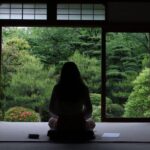
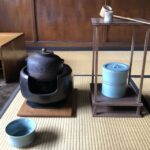
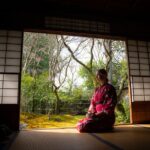
Find another quiet garden to sit with in Kyoto

Price and value: what $120 buys you in Kyoto time
At $120 per person for a roughly three-hour private tour, the value comes down to two things: admissions you don’t have to manage and a guide who helps you understand what you’re seeing.
You’re getting entrance fees included for Tenryu-ji and the final garden option (Okochi Sanso or Monkey Park). That matters because temple pricing and entry rules in Kyoto can be confusing when you’re planning on the fly. Here, your schedule includes the key paid sites, and you can focus on the experience.
You’re also paying for the guide factor. The reviews and the tour description point to Richard as the kind of guide who brings the history and culture into plain English, with patience and a zen-like tone. I like that he can tailor the time to your interests, whether you care more about cultural meaning, architecture, landscapes, or general art and atmosphere. For a short trip, a good guide prevents the classic Kyoto problem: seeing a lot without really understanding.
What’s not included is also clear: food and drinks are on you. That’s fine, and it’s honest. You can plan a meal before or after, and keep the tour time focused on walking and visiting.
If you’re traveling with friends or family, the tour mentions group discounts. Even on a private tour, that can matter for budgeting, depending on your group size.
Practical tips: shoes, walking pace, and where to meet
The meeting point is Tully’s Coffee Randen Arashiyama Station Shop, located at 20-2 Sagatenryūji Tsukurimichichō, Ukyo Ward, Kyoto. The tour ends back at the meeting point, which is convenient if you’re continuing onward to other neighborhoods.
The “about 3 hours” duration is a good fit if you want a structured Arashiyama highlight without eating your entire morning or afternoon. Just remember it’s a walking experience. Reviews note graded sections and ancient stone steps, so plan to wear shoes you trust on uneven surfaces.
Weather matters. The experience requires good weather, and if it’s canceled due to poor conditions, you’ll be offered another date or a full refund. In Kyoto, that’s not a small detail—rain can change both comfort and photo quality.
Finally, keep your expectations realistic about flexibility. It’s private, so the guide can adapt within the tour’s flow, but it’s still a route with set stops. If you want an hours-long custom itinerary, you may feel better with a longer private day tour. If you want the highlights explained and organized, this hits the sweet spot.
Should you book this Arashiyama bamboo and gardens tour?
I’d book it if you want a stress-free Arashiyama experience that covers the major sights in a short window and includes entry fees. The biggest selling points are Richard’s calm, patient style and his ability to make Tenryu-ji and Japanese garden design feel understandable, not mysterious.
I’d skip it if you’re looking for a purely self-guided photo mission where you set the pace entirely, with no structured visiting order. Also think twice if stone steps and graded sections are a problem for you, since the route includes those.
If your goal is to leave Arashiyama with both great images and real context, this tour is a strong bet.
FAQ
How long is the Arashiyama bamboo and gardens tour?
The tour is approximately 3 hours.
Is this tour private?
Yes. It’s a private tour, and only your group participates.
What sights are included?
You’ll see Togetsukyo Bridge, Tenryu-ji Temple, Bamboo Forest Street, and either Okochi Sanso or Monkey Park.
Are admission tickets included?
Yes. Admission fees are included for Tenryu-ji Temple and gardens, plus Okochi Sanso or Monkey Park.
Can I choose Monkey Park instead of Okochi Sanso?
Yes. If you prefer Monkey Park, tell the guide at the start of the tour.
What is the meeting point?
You meet at Tully’s Coffee Randen Arashiyama Station Shop (20-2 Sagatenryūji Tsukurimichichō, Ukyo Ward, Kyoto).
Does the tour include food or drinks?
No. Food and drinks are not included.
Is a mobile ticket used?
Yes, the tour includes a mobile ticket.
Do I need good weather for the tour?
Yes. The experience requires good weather. If it’s canceled due to poor weather, you’ll be offered a different date or a full refund.
Is the route difficult for limited mobility?
The tour can include graded sections and ancient stone steps, so it may not suit everyone. It’s best if you can handle uneven footing.
More Tour Reviews in Kyoto
More Gardens and Quiet Corners
More of Arashiyama and Sagano
Just added: more Kyoto tours to browse





Kyoto Gardens & Zen Retreats, compared.
 ★ 5.0Kyoto Arashiyama Walking Tour: Bamboo, Monkeys, Gardens & SecretsFrom $651,216 reviews
 ★ 5.0Kyoto Zen Meditation & Garden Tour at a Zen Temple with LunchFrom $110441 reviews
 ★ 5.0Zen Experience in a Hidden TempleFrom $109437 reviews
 ★ 5.0Kyoto Arashiyama Bamboo forest & Garden Half-Day Walking TourFrom $129413 reviews
 ★ 4.8Tea Ceremony Meditation – Make Matcha with Tea MasterFrom $45406 reviews
 ★ 5.0Zen Meditation at a Private Temple with a MonkFrom $91202 reviews
 ★ 5.0Zen Garden, Zen Mind (Private)From $380126 reviews
 ★ 5.04.5-Hour Kyoto Bike Tour with Lunch and UNESCO Zen TemplesFrom $99122 reviews
Browse the lists this tour appears in