
Reviewed · KYOTO BIKE & E-BIKE TOURS
4.5-hr Kyoto Historical Highlights Bike Tour with UNESCO
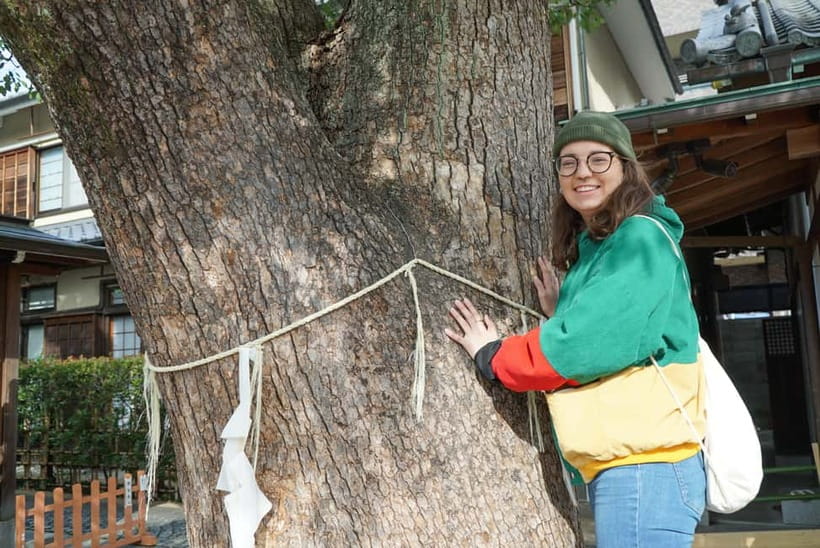
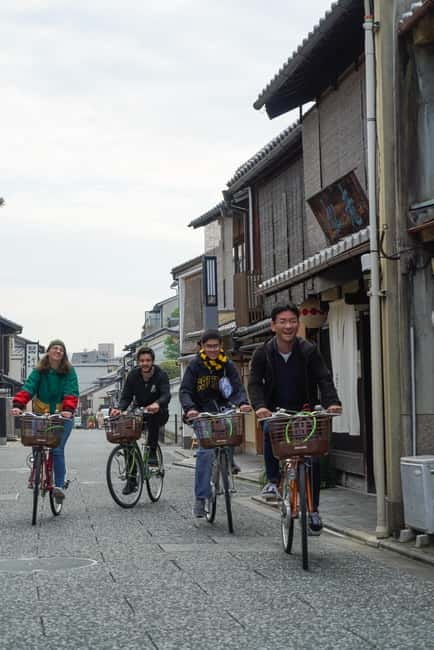
Kyoto can feel wonderfully calm even when you’re in a big city. This small-group bike tour threads together Kamo River peace, Gion atmosphere, and Zen temple time without turning your day into a sprint. You’ll ride through the part of Kyoto people come back to again and again, including UNESCO-linked historic areas, all while a live English guide explains what you’re actually seeing.
I really like two things here. First, the bike setup is handled for you—helmet, bike lock, and bike insurance are included—so you don’t waste half the morning solving rentals. Second, the lunch stop is a real sit-down experience at a traditional Japanese house, not a quick snack and a shuffle. One drawback to consider: the meal is not guaranteed allergy-free, and even the vegetarian/vegan option can still use fish stock.
In This Review
- Key things I’d circle before you go
- A 4.5-hour Kyoto ride that feels human-sized
- Meeting in front of the Kyoto 7-Eleven (and getting rolling fast)
- Kamo River morning energy: calm streets, easy rhythm
- Gion to Kennin-ji: Zen temple time with Karesansui rock garden focus
- Nanzen-ji and Heian Shrine: more Zen perspectives, more photo time
- Lunch in a traditional Japanese house: soba, matcha, and mochi
- The ride back: Kamogawa river relaxation and a distinctly Kyoto route
- What the bike shop stop adds (and why it’s not just fluff)
- Price and value: where $96 really goes
- Riding rules and safety: the part you should respect
- Who this tour is best for (and who should skip it)
- A quick note on guides and your experience style
- Should you book this Kyoto Historical Highlights bike tour?
- FAQ
- How long is the Kyoto historical highlights bike tour?
- Where do I meet the tour guide?
- Is the rental bike included?
- Is lunch included, and are vegetarian or vegan meals available?
- What about entrance fees?
- Are there any rules during the ride?
Key things I’d circle before you go
- Everything included for cycling: rental bike, helmet, lock, and bike insurance coverage so you can focus on Kyoto, not logistics
- Zen temple time that actually lasts: a long visit window at Kennin-ji with time to appreciate the rock garden
- You get more than main sights: short rides through quieter streets and photogenic temple areas
- Lunch in a traditional house: soba dishes plus matcha and mochi, with a tea-house style meal setup
- Small group pacing: limited to 5 people, which helps the ride feel relaxed and understandable
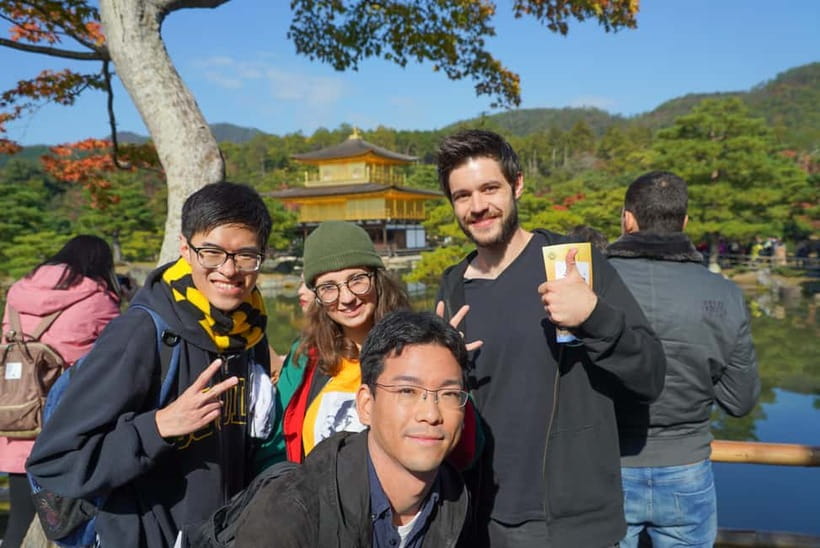
- Photos included: you don’t have to play photographer every ten seconds
A 4.5-hour Kyoto ride that feels human-sized
This is one of those Kyoto tours that doesn’t try to cram every famous photo spot into your day. Instead, you get steady riding time, meaningful temple visits, and a real lunch stop—so your brain has time to register what you’re seeing. At 270 minutes, it’s long enough to feel like you got somewhere, but short enough to stay enjoyable in heat or crowds.
The vibe is also practical. You’re not just dropped at temples with a ticket. You ride with an English-speaking guide who helps you connect streets, traditions, and temple design to the way Kyoto became Kyoto.
And yes, the route includes UNESCO-linked historic areas. You’ll pass through places that anchor Kyoto’s identity—especially the Zen side of the story.
More of Kyoto at handlebar pace
Meeting in front of the Kyoto 7-Eleven (and getting rolling fast)
Meet at the 7-Eleven outside Kyoto Station, at Exit Hachijo-guchi, near Hotel Via Inn Prime. The guide waits with a Magical Trip sign board. If you’re the type who circles a meeting spot twice, give yourself a few extra minutes—station exits can be a little maze-y.
Once you find the meeting point, things move quickly. You’ll get your rental bike, helmet, and bike lock, then you’re ready to pedal. The bike insurance (bodily injury liability coverage) is included, which matters if you’re cautious on city roads.
If you’re thinking about comfort, bring comfortable shoes. You’ll be walking around temple areas and navigating uneven ground.
Kamo River morning energy: calm streets, easy rhythm
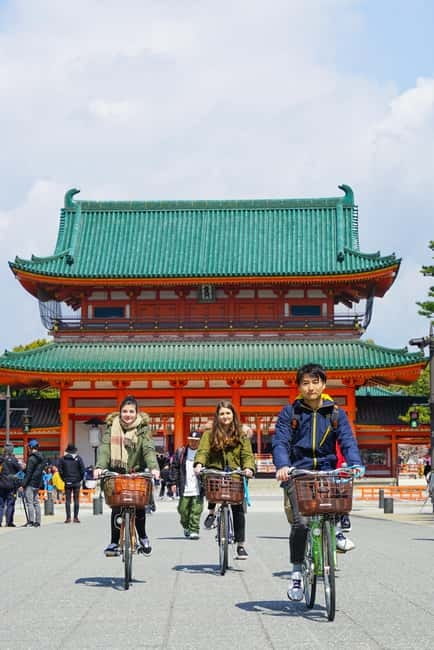
The first big ride is along the Kamo River. It’s only about 15 minutes on the bike, but it sets the tone. Kyoto often looks serene from the saddle—riverbanks give you open sight lines, and the pace feels more like a local commute than a tourist parade.
Then the tour shifts toward Gion. Expect a change in atmosphere: more historic-street feel, more texture in the scenery, and more guide context about Gion and Geisha culture, plus how Zen culture fits into Japanese tradition.
Here’s the practical advantage: you’re not just collecting landmarks. You’re seeing how culture shows up in daily spaces—streets, temples, and neighborhood rhythms.
Gion to Kennin-ji: Zen temple time with Karesansui rock garden focus
Kennin-ji is the core temple stop, and you’ll spend about 75 minutes there. This is the part of the day where the tour slows down on purpose, so you can actually take in the design and symbolism instead of rushing photo-by-photo.
The highlight inside is the Japanese rock garden called Karesansui. Even if you don’t know the terminology, you’ll get context for how this kind of garden functions in Zen practice: placement, simplicity, and what viewers are meant to notice through stillness.
Kennin-ji is also in the Gion area, so you’ll feel the contrast between the neighborhood energy outside and the quiet focus inside. This “before and after” effect is one of the reasons a guided temple stop works better than DIY here.
One helpful detail: the tour includes entrance to Kennin-ji. So you’re not juggling tickets while your group is ready to move.
Nanzen-ji and Heian Shrine: more Zen perspectives, more photo time
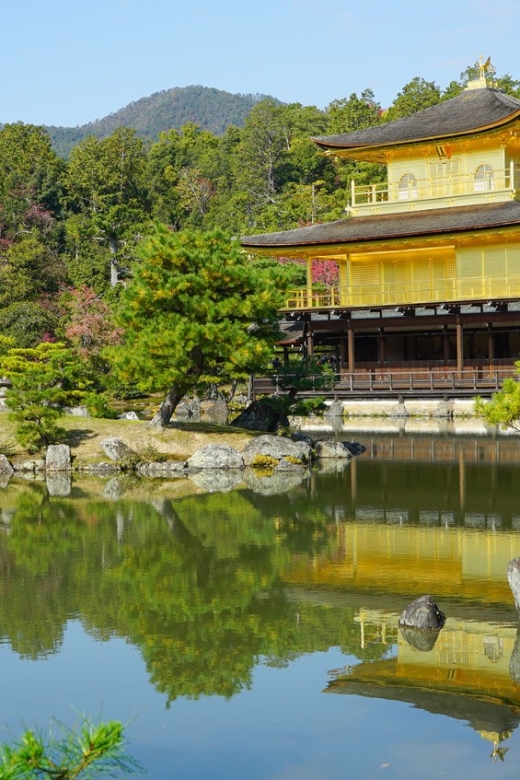
After Kennin-ji, you’ll ride to Nanzen-ji. Plan on about 80 minutes there. This is another substantial stop, which helps because temple grounds take time—walking paths, viewpoints, and the simple act of slowing down.
The guide offers insights about Zen and the old days of Kyoto. Even if you already read a bit before arriving, a guide’s framing makes it easier to understand what you’re looking at. You’ll also get time for photogenic spots around the temple.
Then there’s Heian Shrine for about 20 minutes. This is shorter, but it gives you a change of scenery and an additional anchor point for understanding Kyoto’s layered identity—old capital, later changes, and how traditions survived and adapted.
By the time you leave these temple areas, the tour has given you two different kinds of Zen context: the garden-centered quiet at Kennin-ji and the broader temple-ground experience at Nanzen-ji.
Loop the big Kyoto sights in one run
Lunch in a traditional Japanese house: soba, matcha, and mochi
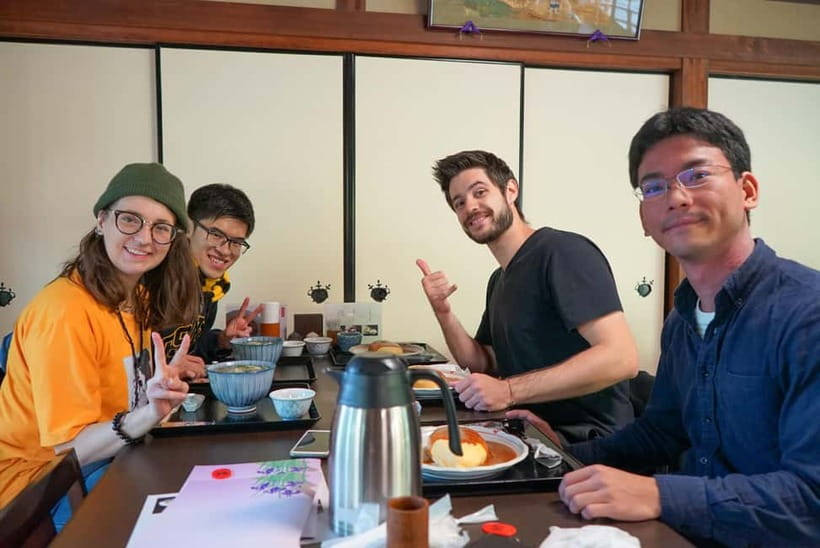
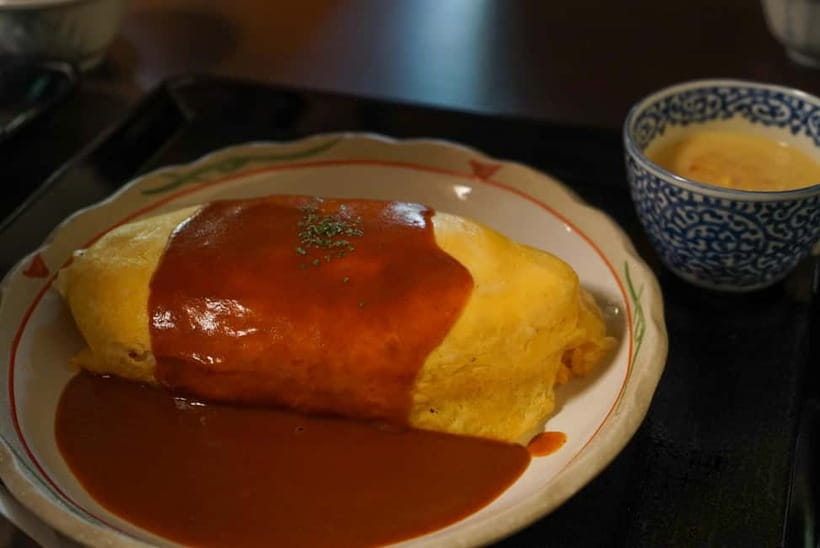
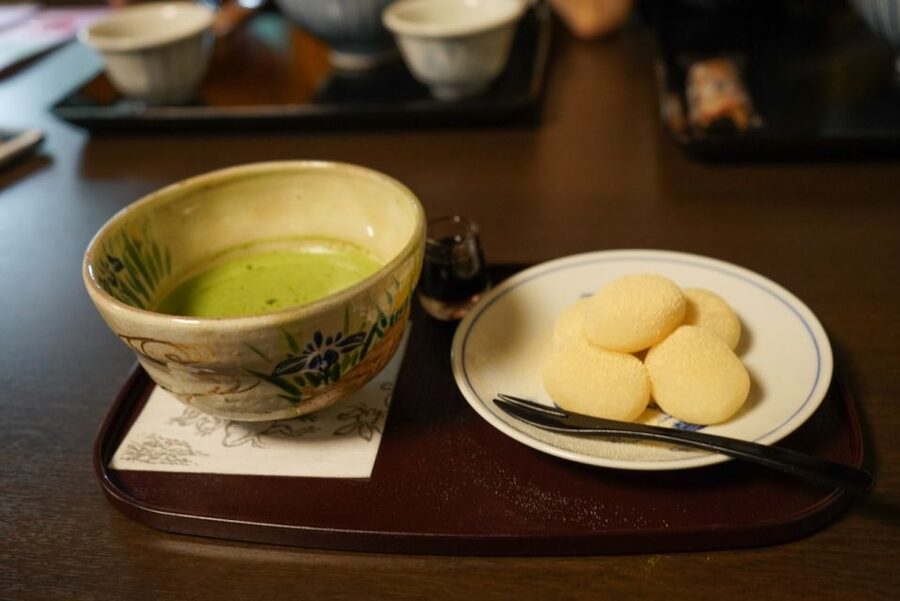
Lunch is about 45 minutes and happens at a traditional Japanese house. You’ll get a local Kyoto-style meal, with soba dishes being a major feature. There’s also dessert with matcha and mochi.
Vegetarian and vegan options are available, but here’s the important caution: fish stock is still used. The tour also notes it can’t guarantee allergy-free meals because the kitchen situation isn’t controlled by the operator. If you have a serious allergy, you should inform the team at least a day in advance—and still expect there may be limits.
Right next door, you can check a beautiful Japanese garden and a souvenir shop. The shop is a good chance to try local sweets like Yatsuhashi if you want something Kyoto-specific to take back or snack on after lunch.
This is a good lunch stop because it’s not just food. The setting reinforces the theme of the day—quiet, curated spaces where meals feel like part of the culture, not a pause between attractions.
The ride back: Kamogawa river relaxation and a distinctly Kyoto route
After lunch, you’ll hop back on your bike and finish with a relaxing cycle along the Kamogawa river. This “cool-down” segment matters. It lets the day’s walking and temple standing catch up with you—without turning the final hour into another intense sightseeing push.
You’ll also ride through a route that feels distinctively Kyoto-esque, with plenty of chances to see locals enjoying sunshine and the river. That alone can help the day feel more lived-in.
When you’re off the saddle, the tour is designed so you’re not constantly sprinting between sites. That pacing is a big part of why the overall experience lands well for people who prefer steady motion over hectic checklists.
What the bike shop stop adds (and why it’s not just fluff)
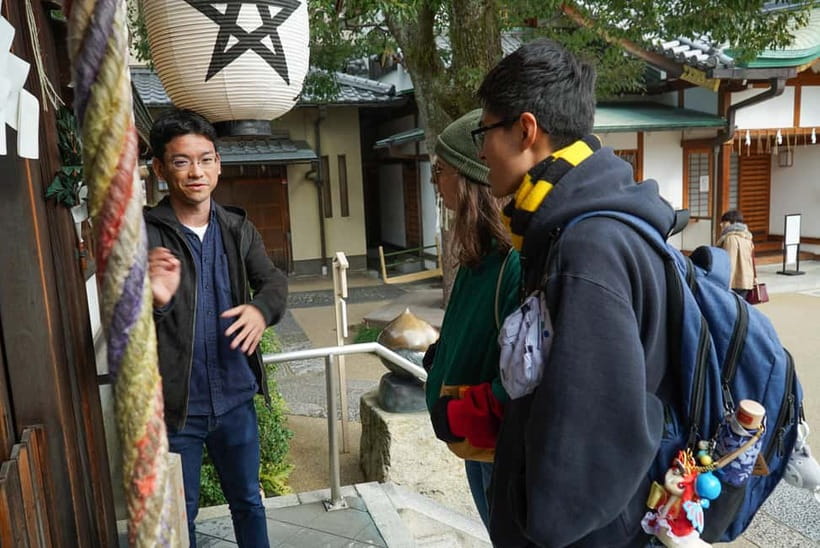
There’s a guided stop at the Rental Bicycle KYOTO ECO TRIP Flagship shop. You’ll spend about 30 minutes there, and it’s a chance to learn a bit about biking in Kyoto and how the shop supports bike touring.
This isn’t a random stop. It’s part of the day’s “you’re safe and supported” approach—especially if you’re not a regular cyclist. If you want to keep exploring after the tour, this is also where you can pick up ideas for your next ride.
Plus, having tour photos included means you don’t have to obsess over capturing every turn. You can relax and enjoy the ride instead of forcing perfect shots while dodging pedestrians.
Price and value: where $96 really goes
At $96 per person for 4.5 hours, you’re paying for more than a bike. Your money covers:
- Bike rental with insurance (bodily injury liability)
- Helmet and bike lock
- English live guide
- Entrance fee to Kennin-ji
- Lunch at a traditional house
- Tour photos
What’s not included is additional drinks and extra food. That’s normal, but it does mean you should plan on buying water or a soft drink if you’re thirsty during the ride.
Overall value is strong if you like guided context and you want a hassle-free cycling morning. If you already have a bike and prefer to explore entirely on your own, the price might feel less compelling. But for most visitors, not arranging rentals and entry fees is part of the “win.”
Riding rules and safety: the part you should respect
This is city cycling, so you’ll want to treat it like real traffic—not a leisurely parade. The tour specifically prohibits cycling under the influence of alcohol. It also bans smartphone use while cycling. Smartphone use is allowed only when the bicycle is stopped.
No headphones are allowed. That’s partly for safety and partly for making sure you can hear your guide and follow instructions.
You also need to follow traffic rules as instructed by your guide. It sounds obvious, but in Japan, enforcement can be strict, and penalties can apply to violators as well as bicycle providers and fellow passengers. In other words: do it right, and everyone has a better day.
Weather can also affect the tour. It might be cancelled in unsuitable weather for safety.
Who this tour is best for (and who should skip it)
This is designed for people who want an easier introduction to Kyoto by bike. The tour isn’t limited to hardcore cyclists, and anyone over 150 cm (4 ft 9 in) can join.
It is not suitable for wheelchair users, and it’s not for anyone under 150 cm.
If you’re traveling as a couple, a small group of friends, or a family with teens, the small group size (up to 5 participants) helps keep things flexible and understandable. If you want the kind of tour where you can ask a question mid-ride and get an answer instead of just getting moved along, this format tends to fit.
Also, it can be a good choice in hot weather because cycling along the river often feels better than constant walking—though you’ll still want to hydrate.
A quick note on guides and your experience style
The guides I’ve seen associated with this tour include people like Woohee, Tobu, and Karin. That’s a good sign because it suggests consistent English-speaking guidance across different dates.
One consideration: if you’re sensitive to audio, you might prefer a day when the guide is easy to hear. One traveler noted the guide was soft spoken while cycling, and a clip-on microphone would help. It’s not a dealbreaker, but if you rely heavily on verbal explanations, be ready to focus when you pause.
Should you book this Kyoto Historical Highlights bike tour?
I’d book it if you want a guided Kyoto day that mixes riding + real temple time + a sit-down lunch. The included bike gear and insurance make it low-stress, and the Kennin-ji and Nanzen-ji visits are long enough to feel meaningful.
Skip it if you have a strict allergy that requires guaranteed no-fish-stock preparation, or if city cycling doesn’t sit well with you. Also skip if you need wheelchair access.
If you’re on the fence, here’s my deciding tip: ask yourself whether you’d rather spend your morning doing rentals and tickets, or spend it riding, listening, and eating in a traditional setting. For most first-timers, the second option wins.
FAQ
How long is the Kyoto historical highlights bike tour?
The tour runs for 270 minutes, which is about 4.5 hours.
Where do I meet the tour guide?
Meet in front of the Seven Eleven convenience store outside Exit Hachijo guchi of Kyoto Station. It is next to Hotel Via Inn Prime, and the guide is waiting with a Magical Trip sign board.
Is the rental bike included?
Yes. The rental bike is included, along with helmet and a bike lock. Bike insurance (bodily injury liability) is also included.
Is lunch included, and are vegetarian or vegan meals available?
Lunch is included. Vegetable and vegan options are available, but fish stock is still used. You should inform the operator at least 1 day in advance about dietary requests or allergies.
What about entrance fees?
Entrance fee to Kennin-ji temple is included.
Are there any rules during the ride?
Yes. Don’t cycle under the influence of alcohol. Smartphone use while cycling is prohibited, and headphones are not allowed. You also need to follow traffic rules as instructed by the guide.
More Tour Reviews in Kyoto
More Kyoto Sightseeing Loops

More of Kyoto by Bike
Just added: more Kyoto tours to browse



Kyoto Bike & E-Bike Tours, compared.
 ★ 5.0Hidden Kyoto E-Biking tourFrom $1161,843 reviews
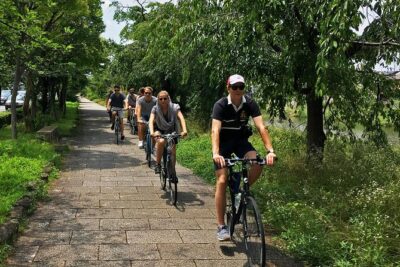 ★ 5.0Bike Tour Exploring North Kyoto plus LunchFrom $1061,087 reviews
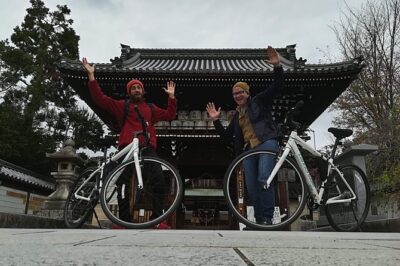 ★ 5.0Arashiyama Bamboo Forest & Hidden Gems Bike Tour (Early Bird)From $106613 reviews
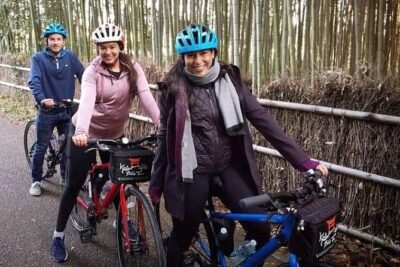 ★ 5.05 Top Highlights of Kyoto Full Day Bike Tour (E-bike option)From $172511 reviews
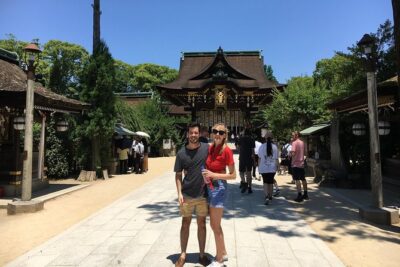 ★ 5.0Full Day Biking Tour Exploring the Best of KyotoFrom $119498 reviews
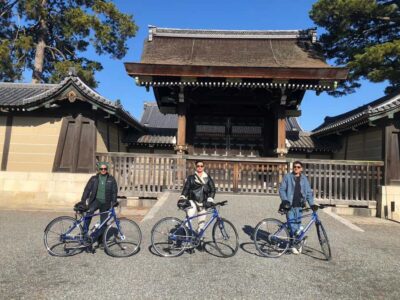 ★ 4.8Memory Kyoto E-Bike TourFrom $91297 reviews
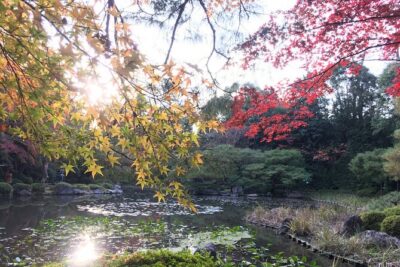 ★ 5.0E-Bike Tours of the highlights of Kyoto!!!From $109291 reviews
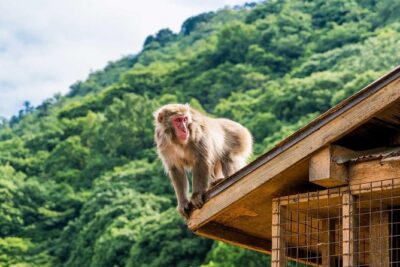 ★ 5.0Afternoon Kyoto Bike Tour: Bamboo Forest, Monkeys & Hidden SpotsFrom $106283 reviews
Browse the lists this tour appears in