
Reviewed · KYOTO TEMPLE & SHRINE TOURS
Whisk Your Own Matcha: A Zen Matcha Experience at Temple
Matcha starts with a pause, not a pour. This hands-on Zen matcha experience in a quiet Kyoto temple gives you the steps behind the tea ceremony, then lets you whisk your own bowl with traditional tools. You’ll also get Kyoto sweet treats to taste alongside your tea, so the whole thing lands on flavor, not just theory.
I like two things most: you learn what the ceremony is trying to do with each gesture, and you actually practice the process yourself instead of watching from across a room. One consideration is simple but real: the meeting spot is a small temple, and it can be hard to spot if you’re arriving fast or distracted.
In This Review
- Key Takeaways Before You Go
- Zen Matcha at Shokoji Temple: A 45-Minute Ritual in Kyoto
- Whisk Your Own Bowl: Tools, Technique, and What to Watch For
- Kyoto Sweets and Matcha Pairing: More Than a Snack
- The Tea Ceremony Story: Zen Practice in Everyday Gestures
- Meeting at Kyoto Station to Shokoji Temple: Find It Without Stress
- Price and Value at $32: What You Get for Your Time
- Who Should Book This Matcha Experience (and Who Should Skip It)
- Should You Book? My Decision Guide
- FAQ
- How long is the matcha experience?
- How much does it cost?
- What language is the instructor?
- What’s included in the price?
- Is it wheelchair accessible?
- Who isn’t it suitable for?
- Where do I meet near Kyoto Station?
- What’s not allowed during the session?
- Frequently Asked Questions That Help You Plan
- Can I cancel and get a full refund?
- Is transportation included?
- Is a tip included?
- Is there a way to reserve without paying right away?
Key Takeaways Before You Go
- Hands-on whisking: you make the matcha, not just sample it
- Tea-ceremony meaning: gestures come with context, not a script
- Kyoto sweets included: you taste the ceremony as a mini meal
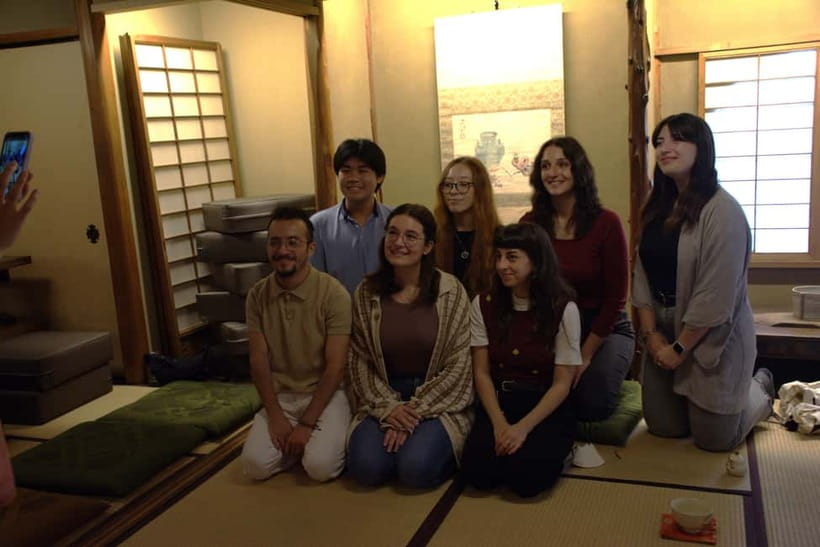
- Photo shoot included: you get keepsakes without extra planning
- Small, calm setting: a temple atmosphere that fits mindfulness
Zen Matcha at Shokoji Temple: A 45-Minute Ritual in Kyoto
If you only have a short window in Kyoto, this 45-minute matcha ceremony is the kind of activity that doesn’t waste time. You’re not trying to cover a whole history lecture or rush between stops. Instead, you step into a calm temple atmosphere and focus on one thing: making matcha the careful way.
The setting matters. This isn’t a loud studio experience. It’s a temple environment in Honshu, so the vibe naturally slows your breathing. That makes the ceremony’s purpose feel easier to understand. You’re learning what each motion means, but you’re also feeling why the pace is part of the practice.
At $32 per person, the value comes from the mix of instruction plus action. You’re paying for a guided lesson, the tea and a traditional Kyoto sweet, and even a photo shoot. If you’ve tried matcha in Kyoto and wondered why everyone treats it like something special, this answers that question fast.
There are also clear rules that keep the experience focused: no alcohol or drugs, and no party groups. Kids under 10 aren’t suitable, and people with back problems should think twice because the ceremony involves sitting and posture.
More temples and shrines to slow down in across Kyoto

Whisk Your Own Bowl: Tools, Technique, and What to Watch For
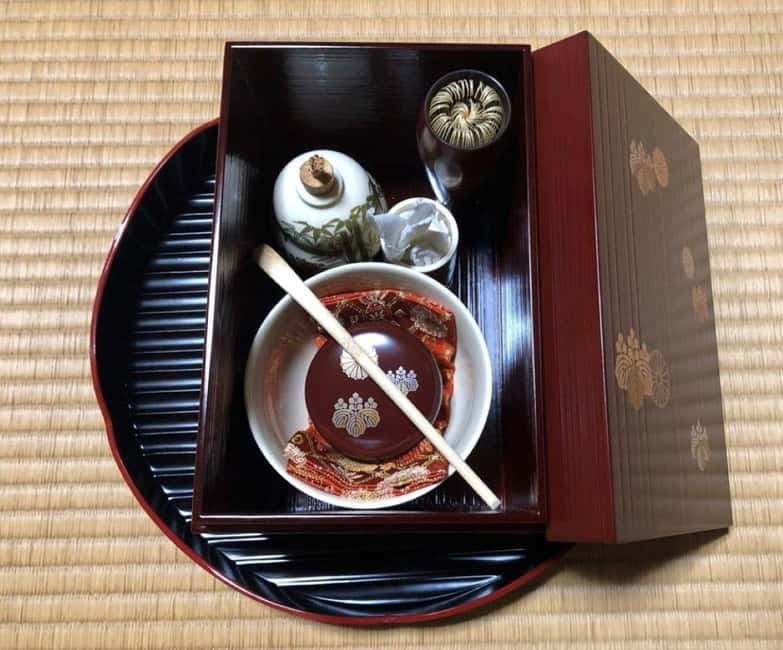
The core of the class is your bowl of matcha. You’ll whisk using traditional tea tools, guided by an English-speaking host. The best part is that the host doesn’t just hand you a tool and say, good luck. You get the reason behind the motion, then you practice it while it still feels doable.
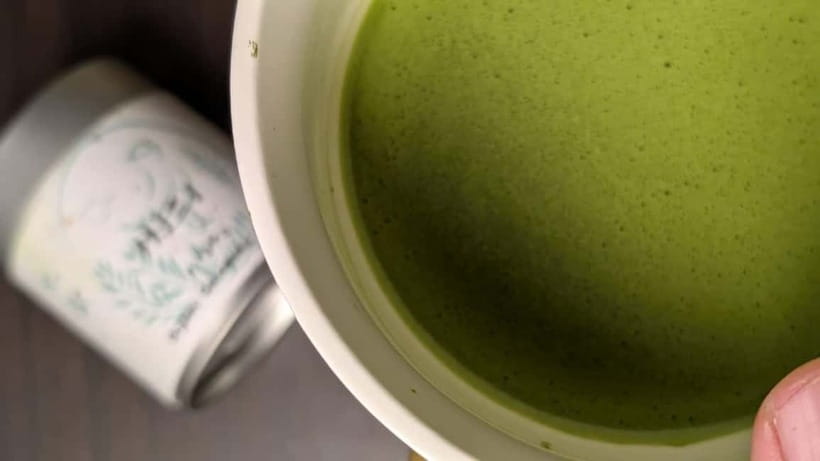
Even if you’ve made matcha at home, the in-temple technique has a different feel. The whisking step is where you start to notice texture: you’re aiming for a froth that looks smooth and stable, not just a green drink. As you practice, you’ll likely understand why matcha isn’t treated like a quick beverage in Japan.
The gestures also teach you restraint. In a good ceremony lesson, every step has a small job: preparing the bowl, handling utensils, and keeping your motions controlled. You start to see the ceremony as a sequence of small decisions, not a single dramatic moment.
What you should watch for most is rhythm. If you rush, the foam and consistency can suffer. If you go too slow, the whisk may not create the right feel. This is one of those experiences where the host’s corrections help, and where doing it yourself makes the lesson stick.
Kyoto Sweets and Matcha Pairing: More Than a Snack
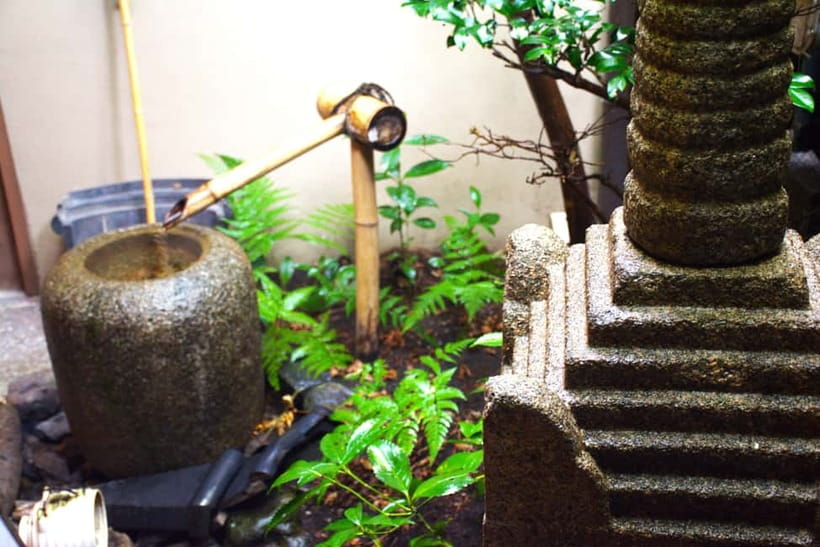
This is not just tea tasting. You’ll also enjoy a traditional Kyoto sweet during the session. The tea and sweet work together like a mini course: one supports the other, and the flavors feel intentional rather than random.
Matcha has a strong personality. It’s earthy, grassy, and often a little bitter if you’re used to sweetened drinks. That’s why sweets matter. In Kyoto, traditional sweets tend to be shaped by season and careful balance. Even when the sweet is simple, it gives your palate a handle: sweetness softens the matcha’s edge, and it can make the tea taste more layered.
One practical benefit: you don’t need to hunt for a dessert stop afterward if you’re short on time. You’re already tasting something Kyoto-specific as part of the ceremony. If you’ve had matcha before but only as a café drink, this pairing can be a real eye-opener.
And yes, you’ll walk away with your own matcha memory, not just a photo of a cup. The class builds around the ritual of drinking, so the taste feels like part of the performance.
The Tea Ceremony Story: Zen Practice in Everyday Gestures
You’ll learn the history of the tea ceremony and the cultural meaning behind each gesture. That matters because matcha isn’t only about ingredients. It’s also about attention—how you show respect, how you slow down, and how you shape a moment for guests.
Zen practice shows up as the calm structure. In the ceremony, mindfulness isn’t theoretical. It’s built into the way you hold tools, move around the bowl, and treat the tea with care. The host explains that cultural meaning as you go, so the lesson doesn’t feel like a separate lecture running in the background.
This is especially useful if you’re new to Japanese tea culture. Many visitors come to Kyoto wanting “authentic” experiences, but they don’t always know what authenticity looks like beyond aesthetics. Here, you’ll learn that authenticity is consistency: the same sequence, the same respect for the process, and the same attention to how tea is made and served.
If you’re a matcha fan, it also helps you move past taste-only appreciation. You can start connecting your experience to the reason people talk about matcha like it’s a discipline. That shift is what turns a drink into a tradition.
Meeting at Kyoto Station to Shokoji Temple: Find It Without Stress
Timing helps here because the whole experience is only 45 minutes. From Kyoto Station, take the north central exit and head straight north. Walk along Karasuma Street for about 10 minutes. Shokoji Temple should be on your right-hand side, just past several intersections. The temple is small and distinctive, but it’s still easy to miss if you’re rushing.
Here’s the key practical move: give yourself extra buffer time and keep an eye out for the sign at the entrance. If you arrive unsure, contact the organizer by email or call 080-5259-3796. That number is worth saving.
One more consideration, based on real-world experiences people have shared: occasionally the location can be difficult to spot from street level, and sometimes schedules can change. So don’t wait until the last second to confirm you’re in the right place.
Sit for another bowl of matcha in a Kyoto tea house

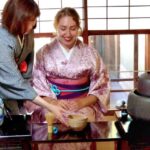
Price and Value at $32: What You Get for Your Time
Let’s talk value in plain terms. At $32 per person, this class is priced like an organized, guided cultural activity in central Kyoto. The question is what you’re getting for that money.
You’re included for:
- Tea
- A traditional Kyoto sweet
- A photo shoot
- Instruction in English
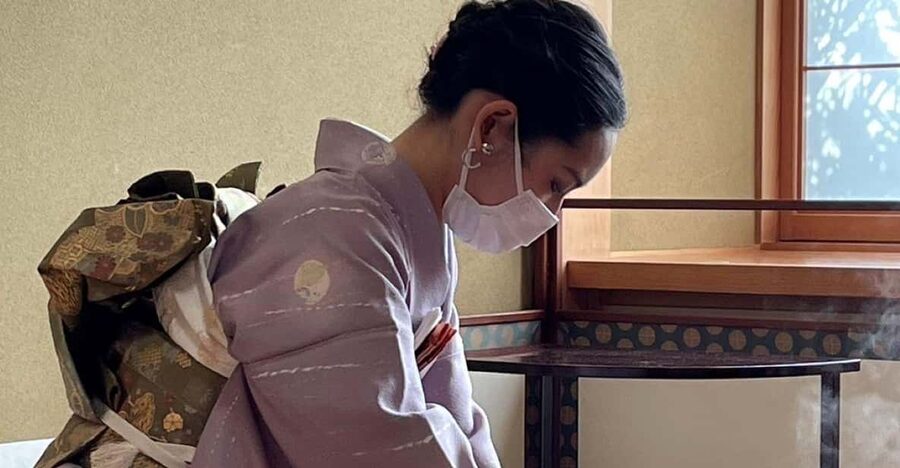
- A guided, hands-on ceremony using traditional tools
You’re also getting something less measurable: you’re practicing the ritual. That’s the part that makes the price feel reasonable compared with a matcha café where you just order and drink.
The duration is also a big part of the value. Forty-five minutes is long enough to feel like you learned something real and made your own bowl. It’s short enough that you can fit it into a busy day without wrecking your schedule.
Now the trade-off: this isn’t for people who want flexibility to roam or chat endlessly. It’s structured. Also, it isn’t suitable for children under 10, and people with back problems should avoid it due to posture requirements.
If you’re traveling as a solo person or as a small group, this setup often works well because the focus stays on your experience. If you want a big party vibe, it’s not the right match—party groups aren’t allowed.
Who Should Book This Matcha Experience (and Who Should Skip It)
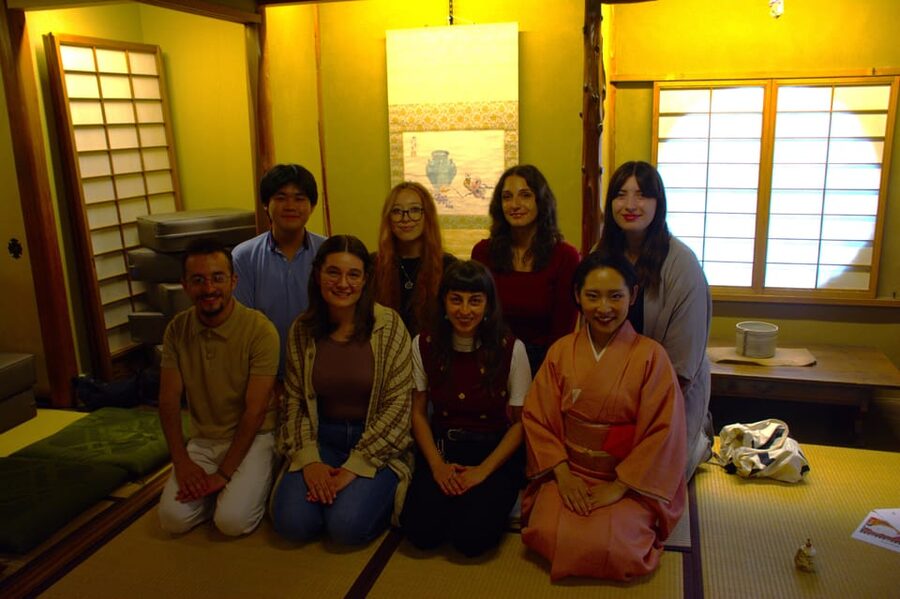
This class is a great fit if you want Kyoto culture in a concentrated dose. I’d especially recommend it to:
- First-timers who want an explanation of what the gestures mean, not just the steps
- Matcha lovers who want better technique and a more respectful approach to tasting
- Travelers who prefer calm, structured experiences over crowded attractions
Skip it if:
- You’re traveling with kids under 10
- You have back problems and can’t comfortably sit for a short, focused ritual
- You’re aiming for an alcohol-forward nightlife style experience (alcohol isn’t allowed)
If you’re the type who likes learning through doing—whisking, practicing, tasting—this format makes sense. The ceremony turns knowledge into muscle memory, and that’s when it stops being a novelty.
Should You Book? My Decision Guide
I’d book this matcha class if you want a meaningful Kyoto moment that takes less than an hour and includes everything you need: the tea, the sweet, the guidance, and even photos. The temple setting near Kyoto Station is also practical, especially if you’re trying to avoid long detours.
Before you commit, consider two things. First, double-check the meeting point details and give yourself buffer time because the temple is small. Second, if you have mobility or back issues, don’t gamble on comfort.
If those checks work for you, this is one of the better ways to experience Japanese tea culture in a short, friendly, hands-on format.
FAQ
How long is the matcha experience?
It runs for 45 minutes.
How much does it cost?
The price is $32 per person.
What language is the instructor?
The instructor provides instruction in English.
What’s included in the price?
Tea, a traditional Kyoto sweet, and a photo shoot are included.
Is it wheelchair accessible?
Yes, the experience is wheelchair accessible.
Who isn’t it suitable for?
Children under 10 aren’t suitable, and people with back problems should not take the class.
Where do I meet near Kyoto Station?
From Kyoto Station, take the north central exit and go straight north. Walk about 10 minutes along Karasuma Street until you see Shokoji Temple on your right-hand side.
What’s not allowed during the session?
Alcohol and drugs aren’t allowed, and party groups aren’t allowed.
Frequently Asked Questions That Help You Plan
Can I cancel and get a full refund?
You can cancel up to 24 hours in advance for a full refund.
Is transportation included?
No. Transportation costs to the location aren’t included.
Is a tip included?
Tip is not included in the price.
Is there a way to reserve without paying right away?
Yes. You can reserve now and pay later.
If you want, tell me what day/time you’re in Kyoto and what else is on your schedule, and I’ll help you place this so it doesn’t fight your itinerary.
More Gardens and Quiet Corners

One More Bowl of Matcha

More Kyoto Temples and Shrines
Just added: more Kyoto tours to browse








Kyoto Temple & Shrine Tours, compared.
 ★ 4.9Tea Ceremony Ju-An at Jotokuji TempleFrom $293,207 reviews
 ★ 4.8Arashiyama Bamboo, Temple, Monkeys, or Secret Sake BreweryFrom $87886 reviews
 ★ 5.0Arashiyama Bamboo Forest, Monkeys, Matcha & Temple TourFrom $53759 reviews
 ★ 4.4Osaka/Kyoto: Arashiyama, Nara & Fushimi Inari Shrine w/LunchFrom $61754 reviews
 ★ 4.7Imperial Palace & Nijo Castle Guided Walking TourFrom $49453 reviews
 ★ 5.0Kyoto Zen Meditation & Garden Tour at a Zen Temple with LunchFrom $110441 reviews
 ★ 5.0Zen Experience in a Hidden TempleFrom $109437 reviews
 ★ 5.0KYOTO Tea Ceremony with kimono near by Imamiya Jinjya ShrineFrom $99343 reviews
Browse the lists this tour appears in