
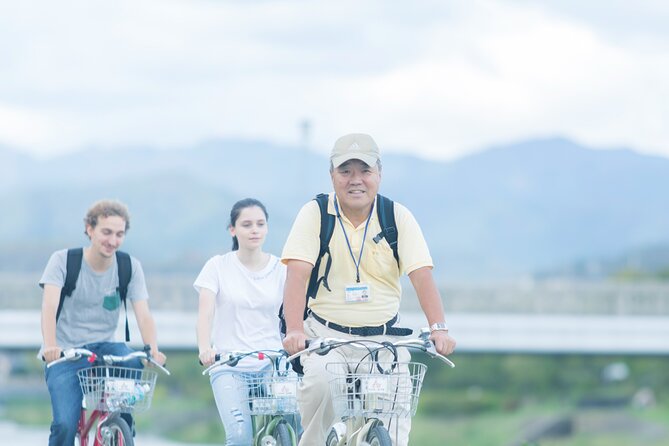
Reviewed · KYOTO BIKE & E-BIKE TOURS
Private eBike Tour Exploring Fushimi with Torii Red Gate Ride
Torii gates and e-bikes: a smart Kyoto combo. This private Fushimi-Inari eBike tour wraps in temple time, guided stories, and a calmer ride through Kyoto’s side streets—so you spend less time figuring things out and more time looking at the red gates. I especially like the mix of a licensed English-speaking guide at two major religious stops and the relaxed pace that e-bikes make possible between them.
One watch-out: the tour runs in rain, and you get a poncho, not a guarantee of dry comfort, so you’ll want to wear shoes that can handle slippery sidewalks. Also, snacks aren’t included, so plan for a small stop on your own if you need food mid-tour.
In This Review
- Key highlights to look for
- Why this Fushimi-Inari eBike plan is such good value
- Start at Kyoto Station, then move into the real Kyoto
- Cycling past a Nintendo Original Building: a quick modern Kyoto pause
- Sanjusangendo Temple: where the guide pacing really pays off
- Tofuku-ji: a calm Zen photo stop without overdoing it
- Fushimi-Inari and the red torii gates: how to get the best walk
- Ride back along the Kamo River: the calm finish you’ll remember
- Guides, humor, and real-life help (including medical emergencies)
- Price: what $111.05 buys you (and what it doesn’t)
- Timing and pacing: 3.5 hours that don’t feel rushed
- Practical tips for a smooth eBike temple day
- Should you book this Fushimi-Inari private eBike tour?
- FAQ
- How long is the private eBike tour?
- Where does the tour start and end?
- What’s included in the tour price?
- Does the tour operate in rain?
- Is this tour really private, and how many people can go?
- Are snacks included?
- Is the tour suitable for children?
Key highlights to look for
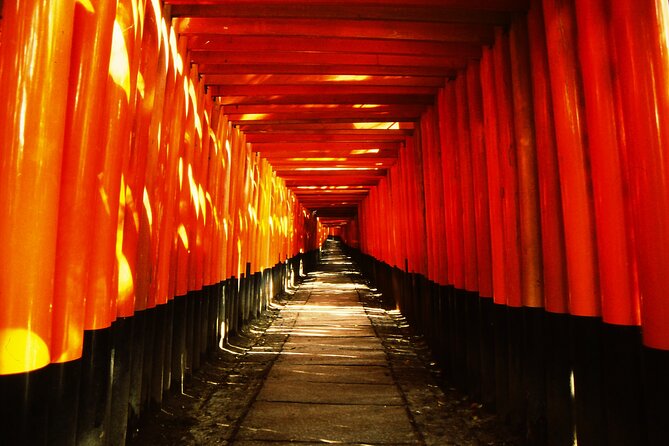
- Fushimi-Inari guided torii walk that helps you stay on track and understand what you’re seeing
- Sanjusangendo Temple inside access time with a guide who explains the meaning of the space
- Smoother Kyoto cycling between sites using an eBike (less sweat, more sightseeing)
- Photo help and calm pacing that makes it easier to enjoy the temples instead of rushing through
- Kamo River return ride along a peaceful embankment with nature and wildlife
Why this Fushimi-Inari eBike plan is such good value
Kyoto can be a maze. That’s part of its charm, but it can also eat your time—especially when you’re trying to fit in famous sites like Fushimi-Inari and still get to a quieter temple stop. This tour solves that problem with an eBike and a route that connects the big highlights with calmer cycling stretches.
You’re not just “getting from A to B.” You’re getting a guided day with structure. The tour includes time at Sanjusangendo and Fushimi-Inari, plus a quick Zen-temple photo stop, then finishes with an easy ride back toward Kyoto Station along the Kamo River. In practical terms, that means you spend your energy on walking where it matters and cruising where it saves time.
And the guide matters. The reviews highlight guides such as Kaz, Yuichi, Tibor, JJ/Jay, Kay, and Kas, with praise for warmth, energy, humor, and even photo help. That’s the difference between seeing a place and understanding how to experience it.
More of Kyoto at handlebar pace
Start at Kyoto Station, then move into the real Kyoto
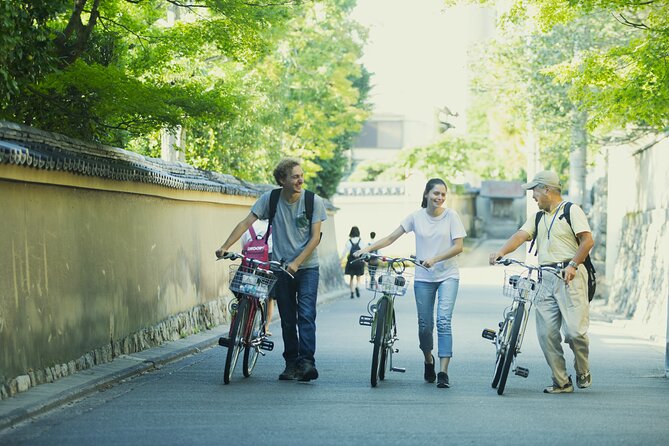
Your tour begins at the Kyoto Cycling Tour Project at the Kyoto Station Cycle Terminal (552-13 Higashiaburanokōjichō, Shimogyo Ward). Meeting at Kyoto Station is smart: it’s a familiar landmark, and it puts you close to the cycling setup instead of starting deep in the city.
From the start, you’ll have the gear that makes a temple day easier:
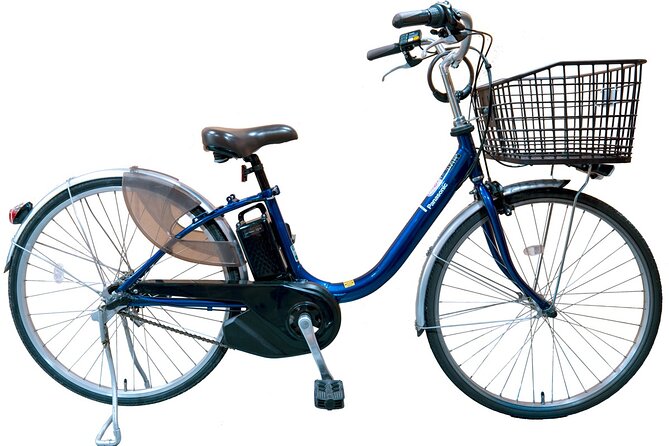
- helmet included
- rain poncho included
- bicycle use included
- accident insurance included
That’s not just “comfort stuff.” In rainy Kyoto, having a poncho and a helmet means you can focus on seeing rather than worrying about basic safety.
This is also a private tour for your group only. The max size per guide is 6 guests, and if you have a group of 7–12, an extra guide can be arranged with no extra fee. That’s a big deal for temple routes where everyone moves at different speeds.
Cycling past a Nintendo Original Building: a quick modern Kyoto pause
One stop is more of a story break than a long visit: you cycle past the former offices of one of Kyoto’s famous companies, the Nintendo Original Building. It’s only about 10 minutes and free to pass by, but it adds a useful contrast.
Kyoto isn’t only shrines and temples. It’s also manufacturing, design, and modern city life. Even a quick look like this helps you feel the city in more than one “time period,” especially when the rest of your route is steeped in centuries-old religious spaces.
Sanjusangendo Temple: where the guide pacing really pays off
Sanjusangendo Temple is included for about 1 hour, and the guide accompanies you inside and explains the history and significance. This is the stop that tends to feel different from the rest of the tour because you’re not just walking a famous exterior. You’re spending time in the temple’s interior space where the experience is about atmosphere.
You’ll likely appreciate this part most if you’re the type who likes meaning behind what you’re looking at. The guide’s explanations help turn the visual impact into something you can remember later.
The tour structure also helps here: you’re not rushed. An hour is enough time to walk through the corridors calmly, take in what’s in front of you, and still have a moment to sit and reset. Even in a short day, that kind of pause is what makes temple visiting feel human, not like a checklist.
Tofuku-ji: a calm Zen photo stop without overdoing it
After Sanjusangendo, you get a shorter stop at Tofuku-ji Temple. It’s about 15 minutes, and admission is free. This is a “hit and hold” kind of stop: enough time for photos and a quick taste of Zen calm, but not so long that it steals time from Fushimi-Inari.
If you’ve ever felt temple time turns into either a sprint or a long, tiring wander, this is a good compromise. You can enjoy the quiet and architecture, take photos, then still feel fresh for the main show.
Other Kyoto tours and experiences to compare
Fushimi-Inari and the red torii gates: how to get the best walk
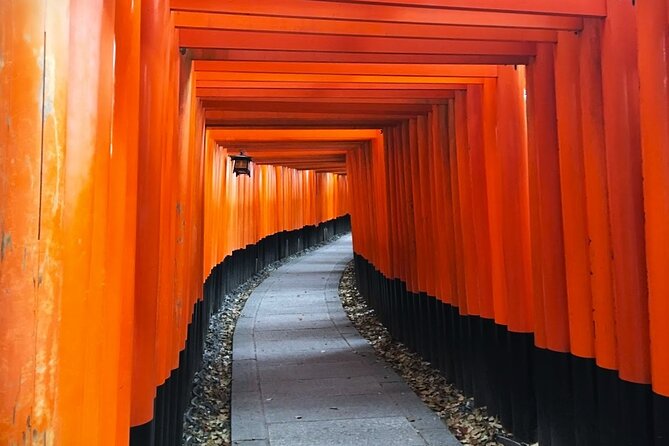
Fushimi-Inari-taisha Shrine is the headline. The plan includes about 1 hour here with the guide leading you along the paths through the famous torii red gates and explaining the shrine.
That “guided along the thousand-gate paths” piece is what I’d focus on if you want to make this experience feel smoother. Without help, it’s easy to:
- get turned around
- spend too long at the wrong spots
- or miss the logic of where to walk for the best flow
With a guide, you can focus on the visual rhythm of the gates and the meaning behind the shrine, while still having room to enjoy photos and walking.
Two practical points from how this tour is built:
- The tour balances time: Sanjusangendo first, then Fushimi-Inari. You don’t burn all your walking energy at the biggest site and arrive at the rest tired.
- The eBike helps you stay in sightseeing mode. You cycle between stops, then walk when you’re at a place where walking is the point.
Also, this is designed to help you avoid the worst of crowd chaos. The tour description emphasizes skipping crowds, and the route is paced to keep you moving without feeling squeezed.
Ride back along the Kamo River: the calm finish you’ll remember
After Fushimi-Inari, you get back on the bikes for the return ride. The tour ends by cycling along the peaceful embankment by the Kamo River, with nature and wildlife along the route.
This is a quietly smart way to end. Kyoto can feel intense—lots of faces, lots of temples, lots of stairs. Ending with a river ride gives you a decompression section. It’s also a good time to review what you saw: torii gates, temple corridors, Zen calm—then shift into “Kyoto as a living city” again.
The tour finishes back at the meeting point near Kyoto Station Cycle Terminal, so you don’t have to plan extra transport to get back to your next move.
Guides, humor, and real-life help (including medical emergencies)
This tour lives or dies on the guide. And the reviews you provided make that clear.
The praised guides—Kaz, Yuichi, Tibor, JJ/Jay, Kay, and Kas—are repeatedly described as warm and welcoming, with energy and humor. Another big theme is practical care: guides help with photos, keep the pacing friendly, and show patience, including with kids.
One review also stands out for how seriously a guide took a small medical emergency, spending personal time to help the group navigate a healthcare situation. That’s not something you plan for, but it speaks to the level of responsibility you can reasonably expect from an operator that trains and supports their guides.
For you, the takeaway is simple: if you want a tour where the guide actually improves the day—not just announces facts—this one looks like a strong fit.
Price: what $111.05 buys you (and what it doesn’t)
At $111.05 per person for about 3 hours 30 minutes, this tour doesn’t just sell access to Fushimi-Inari. You’re paying for:
- a private group experience
- an English-speaking guide (licensed/certified)
- eBike + helmet + rain poncho
- guided temple time at Sanjusangendo and Fushimi-Inari
- accident insurance
- a cycling map
That’s a lot bundled for a Kyoto day, especially because you’re not spending extra time (or money) on figuring out logistics between widely spaced sites.
What’s not included is also clear: snacks. If you’re the type who gets hungry during sightseeing (most people do), plan to bring a light snack or grab something nearby on your own. The tour timing includes cycling time between locations, so you may not have a lot of extra margin.
Also note: the tour operates in rain. You’re covered for ponchos, but you’re still on the street. That’s not a reason to skip—just a reason to dress smart.
Timing and pacing: 3.5 hours that don’t feel rushed
The tour runs about 3 hours 30 minutes, including cycling time between locations. That matters because a lot of Kyoto tours list a duration, but you’re still left with long waits or extra travel time.
Here, the schedule is built around short, defined blocks:
- Nintendo building pass-by: about 10 minutes
- Sanjusangendo Temple: about 1 hour (inside with guide)
- Tofuku-ji: about 15 minutes
- Fushimi Inari: about 1 hour (torii path walk with guide)
- Kamo River cycling return
That means you get enough time at the major sites without it turning into an all-day commitment. If your Kyoto itinerary includes shopping or a second evening plan, this duration fits nicely.
Practical tips for a smooth eBike temple day
A few things you’ll thank yourself for on tour day:
Wear shoes that won’t slip. Rain ponchos help, but your footing still matters. Choose closed-toe shoes with grip.
Bring a small personal snack and water plan. Snacks aren’t included. If you know your appetite, handle it early.
Expect bike comfort over speed. The tour is designed for a leisurely ride with time for walking at sacred sites. Don’t try to “race” between stops.
Bring a phone camera-ready setup. The guides are praised for taking photos, but it still helps if you keep your gear accessible and ready. Even if you don’t plan on taking many photos, having your phone charged saves stress.
Use the guide’s pace. If your group includes kids or slower walkers, the private format and guide attention are part of the value. You can lean into that instead of trying to keep up on your own.
Should you book this Fushimi-Inari private eBike tour?
I’d book it if you want a Kyoto day that feels guided but not rigid: major sights, temple context, and cycling that keeps you from getting stuck in traffic-heavy or confusing routes. It’s a good choice for couples, small families with kids who can handle cycling, and anyone who wants Fushimi-Inari without turning the day into a stressful scramble.
I’d think twice if you’re strongly against riding in rain, or if you prefer totally independent temple wandering with zero structure. Since the tour runs in rain and includes fixed stops, it’s not built for people who want a blank itinerary.
If you book, go in with a simple mindset: walk where the tour makes time to walk, listen when the guide explains, then enjoy the ride. That’s where the experience shines—torii gates, temple quiet, and a smooth return by the Kamo River.
FAQ
How long is the private eBike tour?
The tour lasts about 3 hours 30 minutes, and that duration includes the cycling time between stops.
Where does the tour start and end?
It starts at the Kyoto Cycling Tour Project (Kyoto Station Cycle Terminal) at 552-13 Higashiaburanokōjichō, Shimogyo Ward, Kyoto, and it ends back at the same meeting point.
What’s included in the tour price?
Included items are use of the bicycle, helmet, rain poncho, a licensed or certified English-speaking guide, an original cycling map, and accident insurance. Temple admissions listed on the itinerary are also included where noted.
Does the tour operate in rain?
Yes. The tour will operate in rain. A rain poncho is provided.
Is this tour really private, and how many people can go?
Yes, it’s a private tour where only your group participates. The minimum is 2 and the maximum is 6 guests per guide. If your group is 7–12, an extra guide can be arranged with no extra fee. One-person participation is not accepted.
Are snacks included?
No. Snacks are not included, so you may want to plan your own light food during or before the tour.
Is the tour suitable for children?
Children must be at least 10 years old, at least 145 cm tall, and able to ride a bicycle safely on the road unassisted.
More Tours in Kyoto




More Tour Reviews in Kyoto


More of Kyoto by Bike
Just added: more Kyoto tours to browse








Kyoto Bike & E-Bike Tours, compared.
 ★ 5.0Hidden Kyoto E-Biking tourFrom $1161,843 reviews
 ★ 5.0Bike Tour Exploring North Kyoto plus LunchFrom $1061,087 reviews
 ★ 5.0Arashiyama Bamboo Forest & Hidden Gems Bike Tour (Early Bird)From $106613 reviews
 ★ 5.05 Top Highlights of Kyoto Full Day Bike Tour (E-bike option)From $172511 reviews
 ★ 5.0Full Day Biking Tour Exploring the Best of KyotoFrom $119498 reviews
 ★ 4.8Memory Kyoto E-Bike TourFrom $91297 reviews
 ★ 5.0E-Bike Tours of the highlights of Kyoto!!!From $109291 reviews
 ★ 5.0Afternoon Kyoto Bike Tour: Bamboo Forest, Monkeys & Hidden SpotsFrom $106283 reviews
Browse the lists this tour appears in