
Reviewed · KYOTO BIKE & E-BIKE TOURS
Pedal Adventure Kyoto’s iconic landmarks on an e-bike tour
Torii gates and quiet back streets share the same ride. This Pedal Adventure Kyoto tour strings together Kyoto’s big icons and the calmer lanes between them, using an e-bike that helps you cover ground without feeling like a punishment.
You’re guided along a route that hits Fushimi Inari-taisha and then loops through temple areas and back by the river, with stops built in to learn the story behind what you’re seeing.
I like how this tour keeps the group small, with a maximum of 8 people, which makes it easier to ask questions and follow safety cues. I also love the way the guide turns Shintoism, Buddhism, and even samurai-era context into plain explanations, plus personal Kyoto stories and room for Q&A.
One consideration: lunch isn’t included. You do get water and snacks, but you should plan to eat before or after so you’re not scrambling mid-day.
In This Review
- Key things you’ll notice right away
- Entering Kyoto by e-bike, not by stress
- Price and what you actually get for $86.22
- Meeting point near Shōgoin Higashimachi and what to expect
- Gion first: geisha neighborhood context without the noise
- Higashiyama temple area: a slower feel and a snack stop
- Fushimi Inari-taisha: torii gates paced for photos and breathing room
- Tōfuku-ji and the Kamogawa River loop back
- The guide makes the difference: Maki/Mika’s approach
- What it feels like to ride: streets, side lanes, and bike paths
- Pacing and time: a four-stop day that doesn’t drag
- Weather, heat, and what you should bring
- Who should book this, and who might not
- Should you book Pedal Adventure Kyoto?
- FAQ
- How long is the e-bike tour in Kyoto?
- How much does it cost per person?
- What’s included, and is lunch provided?
- Where does the tour start and end?
- What group size should I expect?
- What if the weather is bad?
- Is this tour suitable for most people?
- FAQ (Cancellation)
- Can I cancel for a full refund?
Key things you’ll notice right away
- E-bike comfort for Kyoto’s stop-and-go sightseeing, with assistance that keeps the ride manageable
- Small group size (max 8) for an easier pace and more direct guide attention
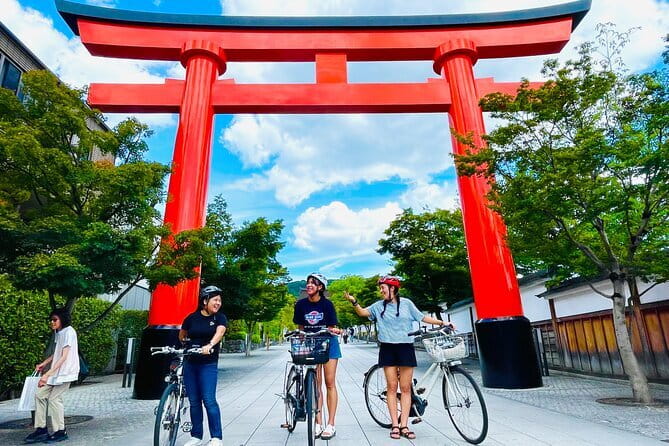
- Major hits in a short window: Gion, Higashiyama temple area, Fushimi Inari-taisha, and Tōfuku-ji
- Bottled water, snacks, and a helmet are included, so you can travel lighter
- Safety-focused riding, including hand signals while moving through different kinds of streets
- Return ride along the Kamogawa River, a scenic decompression after the shrine crowds
Entering Kyoto by e-bike, not by stress
Kyoto can feel like a split personality. One minute you’re in lanes packed with people, the next you’re gliding through quieter neighborhoods where daily life looks totally different. This e-bike format is a practical way to switch between those moods fast.
Instead of trying to bounce between far-apart sights by foot (or losing time to transit connections), you’re on a bike with an electric assist. That matters because Kyoto’s “perfect walking day” often turns into “I can’t move my legs” by mid-afternoon. Here, the route is designed around short cycling stretches plus real time at key places, so you can actually enjoy the sights.
And yes, you still get the Kyoto feeling. You pass local streets, you stop at places that are meaningful, and you end back near where you started. It’s an efficient loop without turning into a checklist where nothing sticks.
More of Kyoto at handlebar pace
Price and what you actually get for $86.22
At $86.22 per person for about 4 hours, this isn’t the cheapest activity in Kyoto. But it’s also not just a bike rental.
You’re paying for:
- Use of the e-bike and a helmet
- Bottled water and snacks
- An English-speaking route coordinator
- A route that connects multiple cultural landmarks without you mapping everything yourself
The big “value” angle is that your time is protected. A guided route means you spend less time navigating, fewer moments wonder where to turn, and more time learning what you’re looking at. And because the group is capped at 8, it’s not a giant bus-style operation where you’re stuck at the back listening to someone else’s headsets.
The one thing you don’t get: lunch. If you’re the type who needs a real meal partway through the day, you’ll want a plan.
Meeting point near Shōgoin Higashimachi and what to expect
The tour starts at 19 Shōgoin Higashimachi, Sakyo Ward, Kyoto and ends back at the meeting point. That back-to-start setup is simple and helpful, especially if you’re fitting this into a day with other plans.
You’ll get kitted out with the e-bike and helmet first. The first cycling segment is short, around 10 minutes, bringing you into Gion. From there, the route builds in short rides between areas, which is a nice rhythm if you’re not used to biking in a busy city.
Also, it’s listed as near public transportation and you receive confirmation at booking time. And because it uses a mobile ticket, you don’t need to hunt for paper documents.
Gion first: geisha neighborhood context without the noise
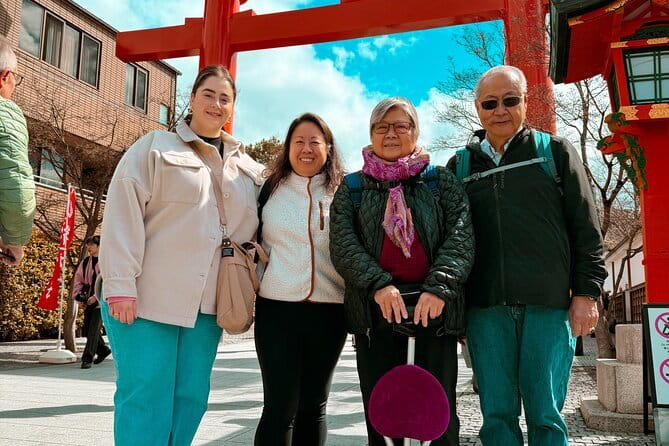
The tour’s first stop is Gion, one of Kyoto’s most famous geisha districts. Starting here is smart because it gives you cultural context early, before you move into the shrine-temple zone.
You’ll spend about 10 minutes at this stop, so think of it as a quick orientation rather than an all-day exploration. Even in that short time, the guide focuses on how Gion culture works, including how you might see maiko and geisha-related details around the streets and what they mean.
A practical note: Gion is not a place you can fully escape crowds. But approaching it as part of a ride-and-learn plan can make it feel less like standing in line and more like understanding what you’re seeing as you pass through.
Higashiyama temple area: a slower feel and a snack stop
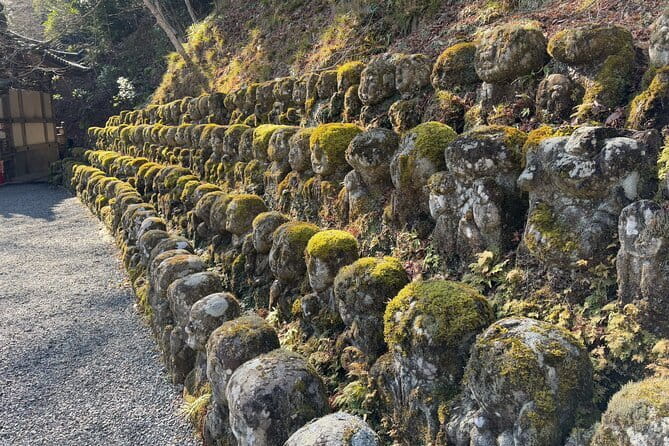
After a roughly 15-minute ride, you reach the Higashiyama Ward area. This is where the tour shifts gears into quieter, more contemplative Kyoto.
You’ll spend about 50 minutes at a temple stop, with admission listed as free and a quick snack included. This stop is where the guide usually brings a lot of meaning to everyday objects and shrine-temple practices you might otherwise ignore.
The tone here is hands-on, asking-and-answering style. You might get explanations tied to Shinto and Buddhist practice, and how people interpret sacred space through small cues you’d normally walk right past.
One thing I appreciate about a mid-tour pause like this: it breaks the mental momentum. You get food, you get a reset, and then you’re ready for one of Kyoto’s most visually intense stops.
Other Kyoto tours and experiences to compare
Fushimi Inari-taisha: torii gates paced for photos and breathing room
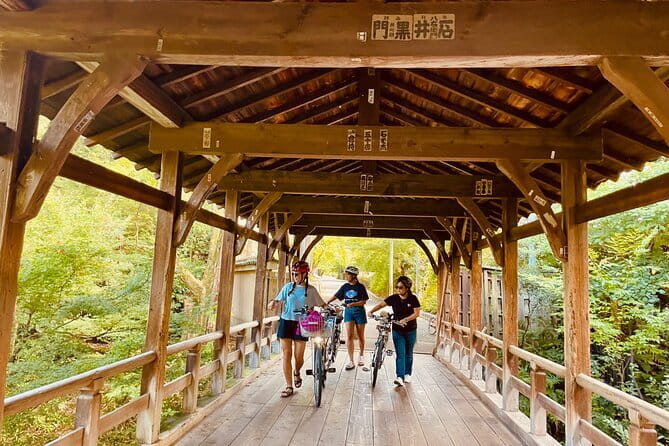
Then comes the big one: Fushimi Inari-taisha Shrine. You’ll have about 40 minutes here, again with admission free.
Fushimi Inari is famous for a reason. The gates create a tunnel effect that makes it feel like the city disappears and you’re walking into a different world. But that effect can turn into frustration if you only arrive expecting perfect quiet.
With a guided format, you get help in pacing—so you’re not wandering in circles trying to figure out the best path. You also learn why the shrine matters and what to notice as you move through it.
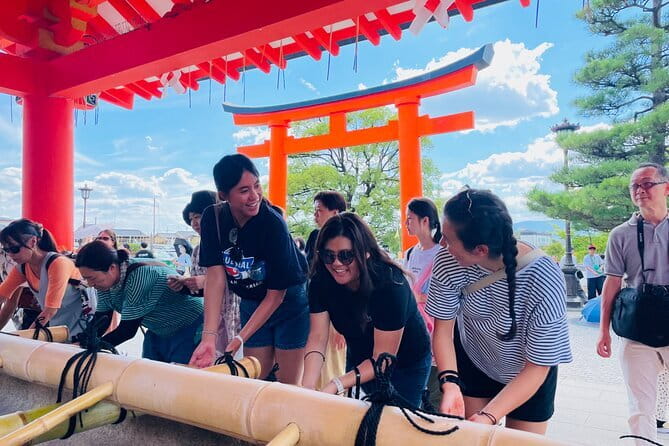
If you’re the kind of person who likes small rituals, you may also get time for something like fortune-related activities at the shrines. The guide has a way of slowing down at the right moments so the stop feels more than “look, snap, move.”
Tōfuku-ji and the Kamogawa River loop back
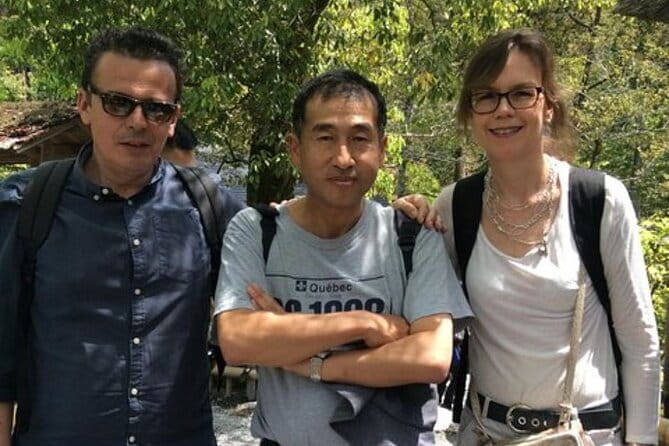
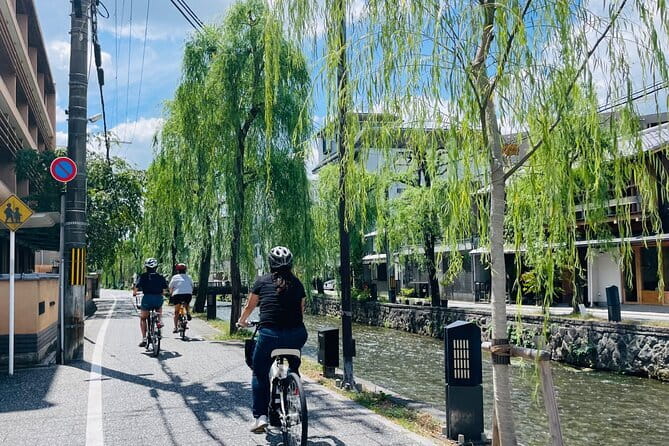
After Fushimi Inari, there’s a short ride—around 10 minutes—to the Tōfuku-ji Temple complex. You’ll then follow the Kamogawa River for part of the return route, ending back where you started.
The tour lists about 20 minutes for this section, which sounds brief until you realize what makes it special: you’re shifting from dense shrine energy to open-air, moving-water scenery. River rides are often the best part of a bike day because they let your brain catch up after seeing so much detail.
At Tōfuku-ji, you’ll get temple context without needing to plan a second afternoon. And even if you don’t know a thing about Buddhist temple layouts going in, the guide’s explanations tend to connect the structures to lived practice, not just facts.
This ending is also a nice cue for your body. You’re not finishing with a hard climb or a long slog; you’re returning by bike in a way that feels lighter.
The guide makes the difference: Maki/Mika’s approach
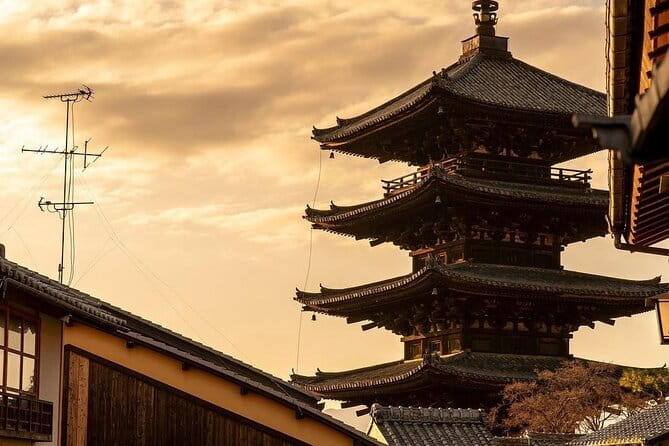
This tour’s reputation is tightly linked to its guide. Names in the tour experiences show up as Maki and Mika, and both spellings point to the same local-style guiding energy.
What stands out in how the guide works:
- Clear English explanations that connect religion, culture, and daily life
- A safety-first riding style, including hand signals while moving
- A friendly rhythm with humor, plus room for questions
- Personal Kyoto perspective, not just textbook answers
In particular, people repeatedly mention that the guide adjusts the pace to keep everyone comfortable, including during heat. Some trips even include extra comfort touches like additional water and cooling items when it gets hot. That’s not guaranteed for every day, but it shows the guide takes comfort seriously.
You’ll also hear story-based context that helps you remember what you saw. For example, you might get explanations about cultural etiquette you’d never think about alone, like why certain chopstick practices matter, or why some unusual cultural items are talked about when they connect to everyday behavior.
What it feels like to ride: streets, side lanes, and bike paths
The route isn’t just “easy bike path the whole time.” You cycle through a mix: bigger streets at points, small side streets at points, and scenic sections like the river.
On an e-bike, that mix feels manageable because the assist helps you keep steady without constantly stopping. Plus, the bikes come with features like baskets, which are handy if you’re traveling with a small bag and want both hands free.
Kyoto is mostly flat compared to many Japanese cities, and the e-assist helps even more. Still, you should be comfortable with normal city biking: starting and stopping, turning at intersections, and following your guide’s hand signals.
Pacing and time: a four-stop day that doesn’t drag
This tour totals around 4 hours and uses a stop structure that keeps your attention on what you’re seeing.
Typical timing looks like:
- Quick start and Gion orientation
- Ride into Higashiyama with a temple visit and snack
- Main event at Fushimi Inari-taisha
- Tōfuku-ji and the Kamogawa River ride back
This is a good length for first-time Kyoto visitors who want structure. It’s also good for people who hate the feeling of losing the whole afternoon to walking.
If you’re the type who wants to spend hours inside one site, this may feel a bit fast at each stop. But if you want a strong overview plus meaningful context, it’s a smart fit.
Weather, heat, and what you should bring
This experience requires good weather. That means if conditions are poor, you may be offered another date or a full refund.
So my advice is simple:
- Bring rain protection if you’re traveling in a season where showers are common.
- In hot months, assume you’ll want plenty of water. Bottled water is included, and the guide also helps people stay comfortable, but bringing your own small refresh plan is never a bad idea.
Comfort-wise, wear clothes you can move in and closed-toe shoes. You’re on a bike for several stretches, and you’ll want stable footing.
Who should book this, and who might not
Book this if:
- You want to hit Gion, Higashiyama, Fushimi Inari-taisha, and Tōfuku-ji without spending your day figuring out logistics
- You prefer a smaller group (max 8)
- You like learning through guided explanation, not just wandering from sign to sign
- You’d rather bike than walk across Kyoto in the heat
You might skip it if:
- You need a long, unhurried stay at one major site
- You’re looking for a food-forward experience. Lunch isn’t included, and the plan focuses on culture stops plus snacks
Should you book Pedal Adventure Kyoto?
I’d book it if you want a practical, guided Kyoto day that blends iconic places with calmer streets and learning that makes the shrines and temples feel understandable.
The value is strongest when you care about context, safety, and efficient sightseeing. If your goal is maximum time alone at each monument, choose something slower. But if you want a ride-based overview that feels local and thoughtful, this is an easy yes.
FAQ
How long is the e-bike tour in Kyoto?
The tour lasts about 4 hours (approx.).
How much does it cost per person?
It costs $86.22 per person.
What’s included, and is lunch provided?
Included are use of the bicycle, helmet, bottled water, snacks, and an English-speaking route coordinator. Lunch is not included.
Where does the tour start and end?
The meeting point is 19 Shōgoin Higashimachi, Sakyo Ward, Kyoto, 606-8325, Japan, and the tour ends back at the meeting point.
What group size should I expect?
The tour has a maximum of 8 travelers.
What if the weather is bad?
The experience requires good weather. If it’s canceled due to poor weather, you’ll be offered a different date or a full refund.
Is this tour suitable for most people?
The information says most travelers can participate.
FAQ (Cancellation)
Can I cancel for a full refund?
Yes. You can cancel up to 24 hours in advance for a full refund. If you cancel less than 24 hours before the start time, the amount paid is not refunded.
More Tours in Kyoto
More Tour Reviews in Kyoto
More of Kyoto by Bike

Just added: more Kyoto tours to browse





Kyoto Bike & E-Bike Tours, compared.
 ★ 5.0Hidden Kyoto E-Biking tourFrom $1161,843 reviews
 ★ 5.0Bike Tour Exploring North Kyoto plus LunchFrom $1061,087 reviews
 ★ 5.0Arashiyama Bamboo Forest & Hidden Gems Bike Tour (Early Bird)From $106613 reviews
 ★ 5.05 Top Highlights of Kyoto Full Day Bike Tour (E-bike option)From $172511 reviews
 ★ 5.0Full Day Biking Tour Exploring the Best of KyotoFrom $119498 reviews
 ★ 4.8Memory Kyoto E-Bike TourFrom $91297 reviews
 ★ 5.0E-Bike Tours of the highlights of Kyoto!!!From $109291 reviews
 ★ 5.0Afternoon Kyoto Bike Tour: Bamboo Forest, Monkeys & Hidden SpotsFrom $106283 reviews
Browse the lists this tour appears in