
Reviewed · KYOTO COOKING CLASSES
Near Fushimiinari: Kyoto Home Cooking Class & Supermarket tour
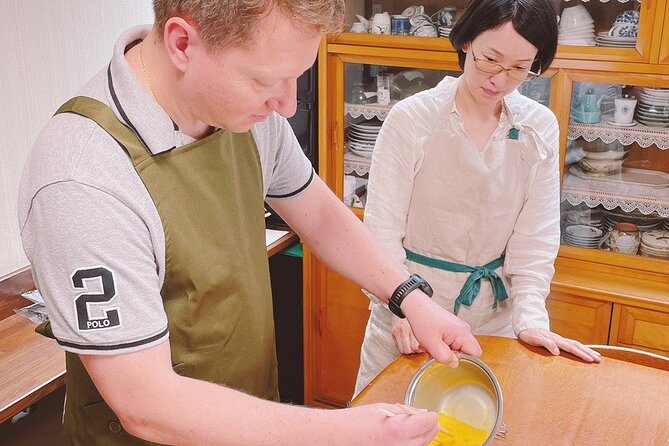
Kyoto is famous for temples, but this experience gets you fed. You’ll cook in a real Japanese home near Fushimi Inari, then visit a local supermarket to track down the ingredients you used. It’s a practical way to learn Japanese home cooking, not just watch it.
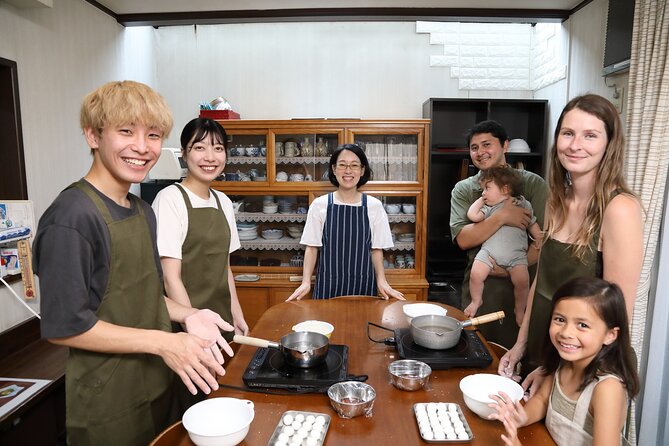
I love the small group size (max 6)—it makes it easier to ask questions and get hands-on time. I also like that you don’t just leave with recipes; you shop with your instructor for the same items used in the class.
One thing to consider: drinks aren’t included, so plan to budget for beverages, especially if you tend to drink with meals.
In This Review
- Key things to know before you go
- A small-group Kyoto lunch in a real home near Fushimi Inari
- What you cook: dashi first, then about five dishes by hand
- Why this dish mix is smart for home cooks
- How the meal works: tatami dining, garden views, and take-home recipes
- The supermarket tour: shop with your instructor for the exact ingredients
- What to watch for in the store
- Price and value: what $118.92 covers (and what you’ll still pay for)
- Practicalities that keep the experience smooth
- Language support
- Weather note
- What to bring
- Who should book this cooking class (and who might skip it)
- Should you book the Near Fushimiinari Kyoto Home Cooking Class & Supermarket tour?
- FAQ
- Where is the meeting point?
- What time does the tour start?
- How long is the cooking class and supermarket tour?
- How many people are in the group?
- Is the class taught in English?
- What’s included in the price?
- Are drinks included?
- Do I get recipes to take home?
- What kinds of dishes will I make?
- Can vegetarians join?
Key things to know before you go
- Near Fushimi Inari: the class is set up for easy access from one of Kyoto’s top sights
- English instruction: the cooking class and explanations are conducted entirely in English
- Hands-on cooking: you’ll prepare about 5 dishes (not just one or two)
- Dashi basics first: you’ll start with dashi, the soup stock behind much of Japanese flavor
- Supermarket tour included: you’ll walk the aisles for about 30 minutes
- Finish with mochi: the meal often ends with mochi made during the session
A small-group Kyoto lunch in a real home near Fushimi Inari
The magic here is scale. With a maximum of six people, the lesson stays conversational and you get time at the stove. That matters in Kyoto, where a lot of food experiences can feel like a show-and-stand event.
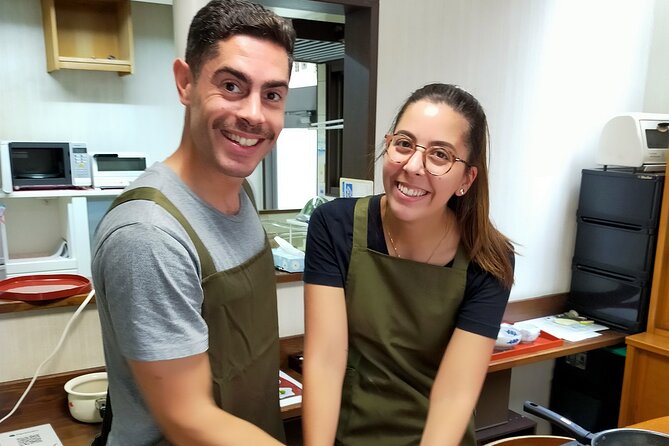
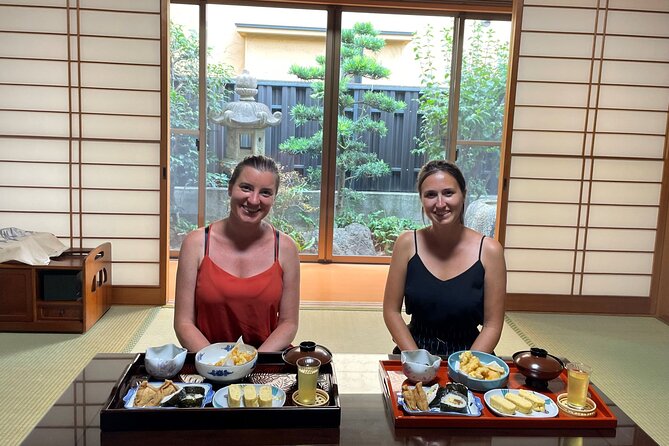
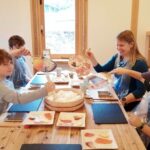
The setting is also part of the point. You’ll cook in a traditional Japanese house with a tatami room and a calm garden view, and the vibe is more “invited in” than “tour bus food stop.” This is exactly the kind of setup that helps you understand not only what to cook, but how Japanese home kitchens work day to day.
And location helps. The meeting point is in Fushimi Ward, near Fushimi Inari, so you can realistically pair this with temple time before or after. That’s a big deal if you’re trying to avoid long transit shuffles.
The day runs about 4 hours starting at 9:30 am, so it’s long enough to learn real technique and still finish before the afternoon crowds grow teeth.
Roll up your sleeves for another Kyoto cooking class

What you cook: dashi first, then about five dishes by hand
This class is built around a core Japanese flavor idea: dashi. Many Japanese dishes start with this soup stock, and the lesson begins by helping you understand what it is and why it matters. Even if you only remember one thing afterward, it’s likely to be this.
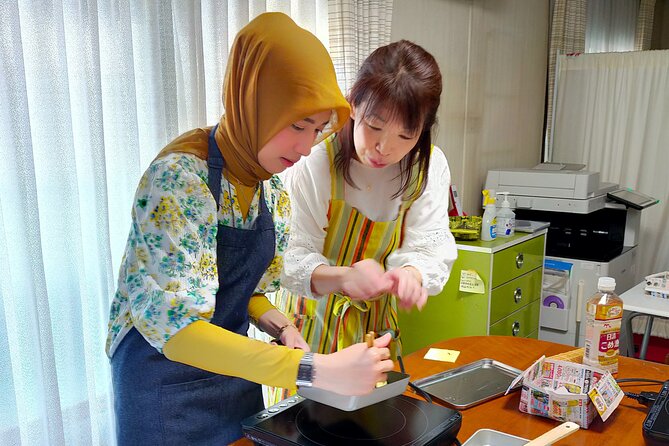
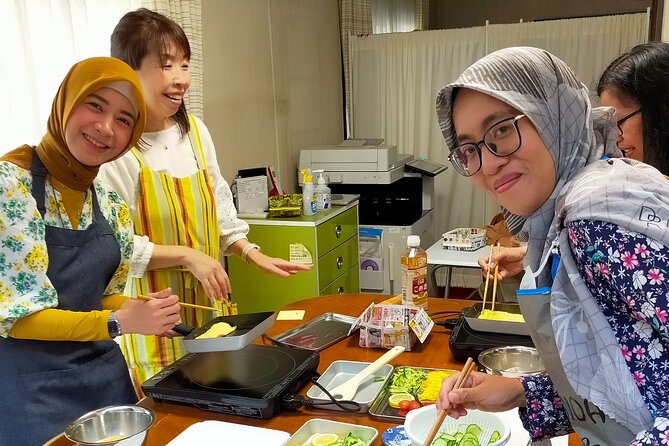
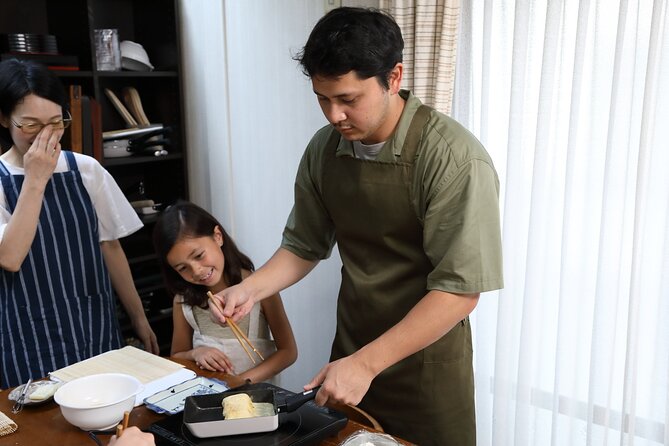
After the dashi setup, you’ll cook about five dishes yourself, either solo or with a partner. In practical terms, that means you’ll get repetition—chopping, mixing, seasoning, and handling hot pans—rather than bouncing between stations.
You can expect a mix along these lines (examples come from the kinds of menus the class runs): miso soup, matcha use, sushi, a spinach salad, and tempura. A common theme across these dishes is that you learn the logic behind the seasonings, not just the steps.
Then comes the sweet finale: mochi. In the class format, you make mochi as part of the experience, which turns the last part from “watch and eat” into “do and taste.”
Why this dish mix is smart for home cooks
If you’re learning Japanese cooking from scratch, variety is the fastest teacher. Soup, rice-based food, a fried component, and a fresh dish all train different techniques. Once you’ve done them in one sitting, you’ll have a framework for thinking about future recipes.
How the meal works: tatami dining, garden views, and take-home recipes
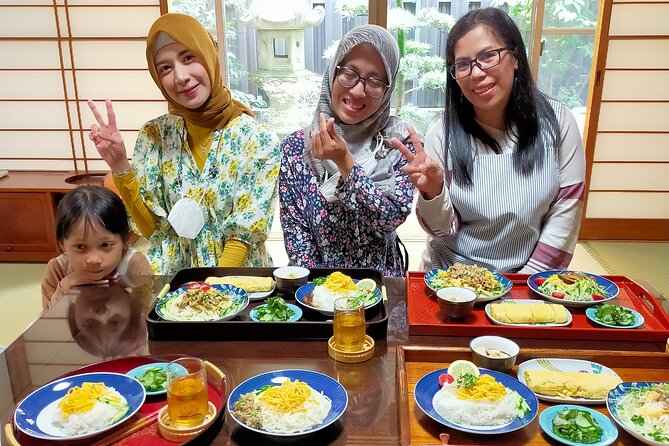
After you cook, you sit together and eat in a traditional room. That part isn’t just atmosphere. When you eat what you made, you immediately notice what tastes right, what needs adjustment, and which techniques mattered most. Food education works better when you can connect flavor to your own actions.
The class also includes take-home recipes. That’s one of the big differences between a cooking class that ends at the table and one that follows you home. I like that the recipes are meant for recreating what you cooked, not generic “similar to” cooking.
You’ll also see how Japanese home cooking is designed around balance. Dashi-based flavors create a backbone, then sauces and seasonings steer the dish toward either savory depth or lighter freshness. Tempura and salad-style dishes show you how Japanese cooking can be both careful and simple at the same time.
And the teaching style tends to be structured. You’ll watch instructors demonstrate some dishes first, then you cook your portions while getting guidance as you go.
The supermarket tour: shop with your instructor for the exact ingredients
This is the part that makes the experience feel unusually useful.
After the cooking and lunch, you’ll head out for a local supermarket stop for about 30 minutes. The goal is direct: you’ll find and understand the ingredients you used in class, then you’ll learn how to locate them in a Japanese store layout.
Why this matters for you: in Japan, the same ingredient can appear under different labels, shapes, packaging styles, or brand types. A quick solo shopping trip can turn confusing fast, especially if you don’t read Japanese well. With an English-speaking instructor at your side, you can connect what you cooked to what you actually need to buy.
You’ll also have the option to buy ingredients so you can cook for family and friends later. That’s where the class becomes more than a one-time memory. It becomes a repeatable skill.
Other Kyoto tours and experiences to compare


What to watch for in the store
Since the lesson uses dashi and standard Japanese cooking staples, you’ll likely encounter ingredients that look similar but behave differently—different brands, different cuts, different seasonings, and sometimes even different product forms. Your instructor can help you make sense of what matters for flavor versus what’s mostly convenience.
Price and value: what $118.92 covers (and what you’ll still pay for)
At $118.92 per person, the value comes from the full package, not just the cooking.
Included is lunch, all fees and taxes, and the seasonings and ingredients for cooking. You also get an English-speaking instructor and the supermarket tour.
For a class that runs about 4 hours, that’s a solid deal—especially because you’re not just doing one dish. You prepare about five dishes, you eat the result, and you get the ingredient shopping translation afterward.
What’s not included is simple: drinks, gratuity, and hotel pick-up/drop-off. You’ll want to budget for beverages (and possibly snacks if you’re the type who keeps nibbling while touring).
Also, because it’s near public transportation, you’re probably saving money on transit compared with experiences that require extra car time.
Practicalities that keep the experience smooth
The meeting point is 38-4 Fukakusa Watamorichō, Fushimi Ward, Kyoto, 612-0022, Japan. The start time is 9:30 am, and the activity ends back at the meeting point.
The class has a mobile ticket, and you’ll receive confirmation when you book. The group stays small (up to six), so you won’t feel like you’re in a crowd.
Language support
This is one of the easiest parts to plan. The class is conducted entirely in English, and the instructors are licensed guide interpreters, so explanations are clear even if you don’t speak Japanese. The experience is listed as open to English and non-English speakers, which is helpful if you’re traveling with someone who prefers a different language than you.
Weather note
The experience requires good weather. If it’s canceled due to poor weather, you’ll be offered a different date or a full refund.
What to bring
Nothing wild is required from the info you have. I’d still suggest wearing comfortable shoes (you’ll be walking in a supermarket), and bringing a jacket if you tend to get cold in indoor spaces.
Who should book this cooking class (and who might skip it)
This is a great fit if you want real technique and a clear path to cooking at home. You’ll learn the dashi foundation, practice multiple dishes, and then shop so you understand what to buy back in your own kitchen.
It’s also a strong option for solo travelers. The small group format makes it easier to meet like-minded people without forcing conversation in a big group setting.
You might consider something else if:
- you only want a quick bite of food sightseeing (this is a full 4-hour learning session)
- you prefer to avoid shopping time (the supermarket stop is a key feature)
- you don’t want to plan your day around a 9:30 am start
Should you book the Near Fushimiinari Kyoto Home Cooking Class & Supermarket tour?
I’d book it if you like cooking that makes sense when you’re back home. The combination of hands-on lessons + take-home recipes + shopping for the exact ingredients is the real value here. A class that teaches dashi and then shows you where to buy the pieces you need is the kind of travel skill you keep using.
I’d pause if you’re chasing a temple-and-street-only itinerary. This experience is culture too, but it’s culture you practice with your hands, not just culture you photograph.
If you’re in Kyoto for a few days and you want one activity that changes how you cook afterward, this one earns a spot. Just plan for no included drinks and expect the day to run close to that 4-hour mark.
FAQ
Where is the meeting point?
The meeting point is at 38-4 Fukakusa Watamorichō, Fushimi Ward, Kyoto, 612-0022, Japan.
What time does the tour start?
The start time is 9:30 am.
How long is the cooking class and supermarket tour?
It lasts about 4 hours.
How many people are in the group?
The class has a maximum of 6 travelers.
Is the class taught in English?
Yes. The class is conducted entirely in English, and the instructor is an English-speaking guide interpreter.
What’s included in the price?
Lunch is included, along with all seasonings and ingredients for cooking, all fees and taxes, an English-speaking instructor, and a local supermarket tour for about 30 minutes.
Are drinks included?
No. Drinks aren’t included.
Do I get recipes to take home?
Yes. You’ll enjoy the meal and take home recipes to recreate what you cooked.
What kinds of dishes will I make?
You’ll prepare about 5 dishes. Examples mentioned include miso soup, matcha, sushi, spinach salad, tempura, and mochi as part of the experience.
Can vegetarians join?
The class can cater to vegetarians, based on a provided review.
More Tours in Kyoto

More Tour Reviews in Kyoto
More Kyoto Cooking Classes
Just added: more Kyoto tours to browse



Kyoto Cooking Classes, compared.
 ★ 5.0Ramen Cooking Class at Ramen Factory in KyotoFrom $1311,937 reviews
 ★ 5.0Sushi Making in Kyoto! Same-day bookings welcome!From $53713 reviews
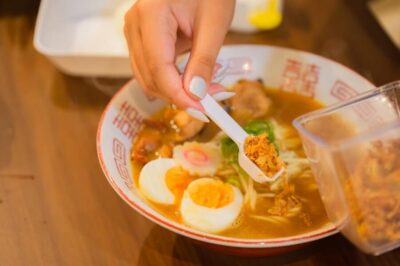 ★ 4.9Ramen Cooking Class at a Ramen Factory with SouvenirFrom $127532 reviews
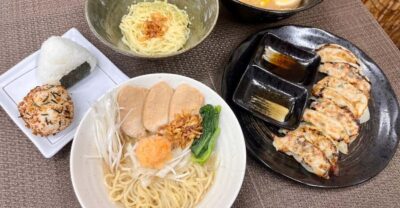 ★ 5.0Ramen, Gyoza, and Onigiri Cooking ClassFrom $90445 reviews
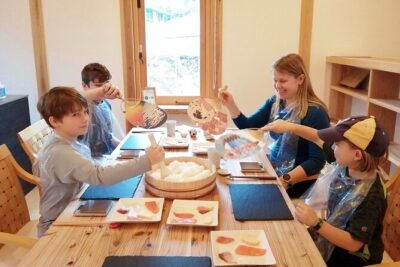 ★ 5.0The Original Small-Group Sushi Making Class in KyotoFrom $69436 reviews
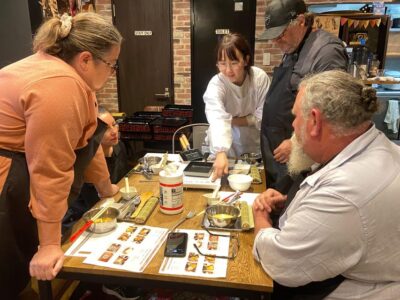 ★ 5.0Japanese Washoku Bento Small Group Cooking ClassFrom $58380 reviews
 ★ 5.0Kyoto Ramen and Gyoza Cooking Class with Professional ChefsFrom $86282 reviews
 ★ 4.9Afternoon Japanese Izakaya Cooking ClassFrom $67241 reviews
Browse the lists this tour appears in