
Reviewed · KYOTO COOKING CLASSES
Izakaya Style Cooking Class
Kyoto tastes like comfort food and craft. This izakaya-style class teaches you the basics behind Japanese pub cooking, from dashi to everyday seasoning, then gets you eating what you make. One of the best parts is the hands-on setup: you cut, cook, and plate while an English-speaking instructor keeps things moving.
I also like the small-group feel. With a maximum of 8 people per booking, you get personal guidance, and leaders such as Keiko and her team are patient about questions. You’ll leave with recipes you can repeat at home, which is rare for cooking classes that are all spectacle and no follow-through.
One thing to watch: drinks may not be fully included. The dinner is included, but food and drinks are listed as not included unless specified, and there’s at least one case where sake was offered with an extra 600 yen per glass—so ask before ordering.
In This Review
- Quick take: what makes this class worth your afternoon
- Why izakaya cooking is a smart Kyoto experience
- Learning dashi and seasoning without the guesswork
- Inside Cooking Sun: what a 3-hour class feels like
- The izakaya menu: what you might make (and why it’s a good mix)
- Dinner at the table: the class becomes a real meal
- Dietary needs: what you should ask before you arrive
- Price and value: is $71.63 a fair deal in Kyoto?
- Who this class is best for (and who might want to skip it)
- Practical tips to get more out of the lesson
- Should you book this izakaya cooking class?
- FAQ
- How long is the izakaya cooking class?
- Where does the class take place?
- What is included in the price?
- What dishes will we make?
- How big is the class group?
- Is the class in English?
- Can dietary requirements be accommodated?
- Are drinks included?
- What is the cancellation policy?
Quick take: what makes this class worth your afternoon
- Dashi and seasoning skills: you learn the building blocks that make many izakaya dishes taste right
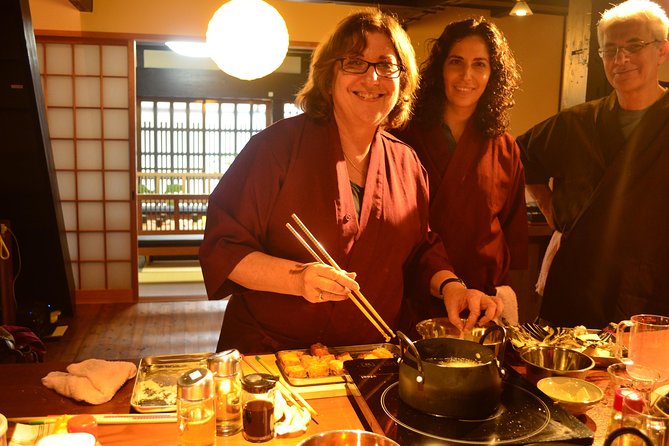
- Small-group coaching: teams work together so you get help without waiting too long
- Eat what you cook: you sit down with the group and make it a real dinner, not just a tasting
- Menu flexes with seasons: you’ll cook izakaya favorites, but dishes can swap based on what’s fresh
- Recipes to take home: you get instructions you can use again for family meals
Why izakaya cooking is a smart Kyoto experience
If your Kyoto food plan is mostly temples, rivers, and a steady diet of ramen and matcha, this class is a nice pivot. Izakaya cooking is basically Japanese comfort food for social nights: practical, satisfying, and meant to be shared. You don’t just get one dish. You learn how multiple dishes stay coherent because they share techniques—especially around seasoning and stock.
The class also gives you context that helps your brain remember what you’re doing. You’ll hear where izakaya culture comes from, including the idea that rice taxation in the 18th century pushed some people toward sake-making, and how Edo-era sake bottle shops started offering food alongside drinks. That story matters because it explains the vibe: not fancy, not fussy, just good food that fits a casual night.
One more round in Kyoto's izakaya and back lanes



Learning dashi and seasoning without the guesswork
The core skill here is dashi, Japanese soup stock. Dashi is the shortcut to deep flavor in everything from soups to sauces. If you’ve ever tried to imitate Japanese dishes at home and felt like it tasted fine but not quite right, dashi is often the missing link.
In this class, you learn how to make it and then use it as part of a broader set of seasoning techniques. The practical benefit is that you’re not memorizing a single recipe. You’re collecting flavor tools: how salt, sweetness, umami, and acidity balance; how ingredients behave when heated; and how different sauces and condiments change the final bite.
This is also where the experience stays fair for beginners. You don’t need to be a serious cook. You follow steps, you get guidance, and you build confidence as you go. One of the joys in the feedback is that people with different cooking experience levels all felt they could keep up—so the pace is structured, not chaotic.
Inside Cooking Sun: what a 3-hour class feels like
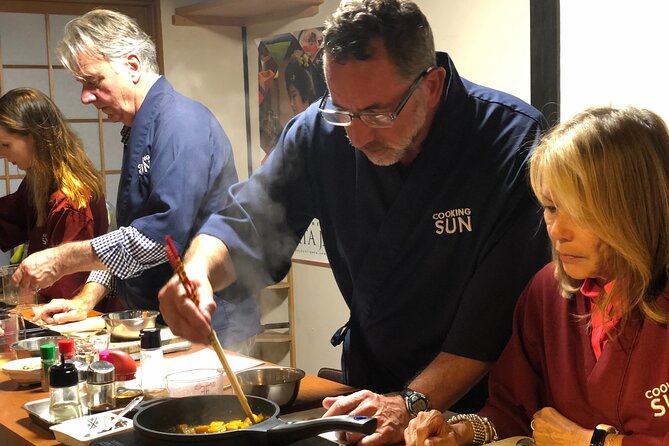
The lesson starts at 2:00 pm at Cooking Sun (the meeting point is Cooking Sun, 679 Funayachō, Shimogyo Ward, Kyoto, 600-8466, Japan). You’ll head there in the afternoon and end back at the same place. The studio is described as a traditional wood house, which is a small but real part of the fun. It makes the food feel connected to place, not like you dropped into a classroom.
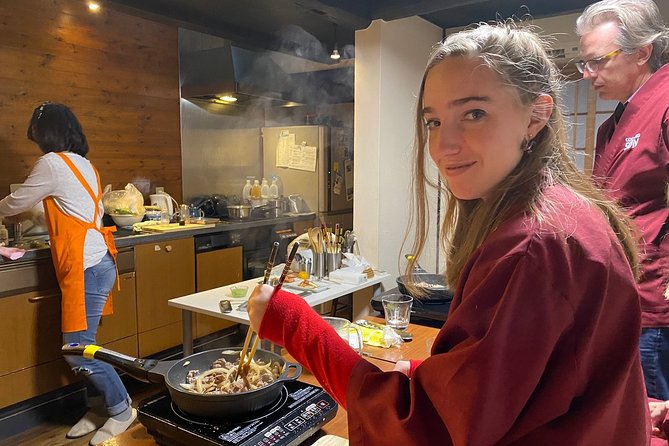
The group size is capped at 8, and that matters more than it sounds. A class with 20 people often turns into a demo where you watch and stir. Here, you actually work at your station, and the instructors and helpers manage the flow so you can keep moving dish to dish.
You can also expect a smooth rhythm:
- Intro to the history and basics of izakaya food
- Ingredient and technique walkthrough
- Hands-on cooking in stages (dashi first, then dishes)
- Eating the results together
The class leader and team support also show up in the way stations get kept clear quickly, so you’re not stuck waiting for your pan or your cutting board.
The izakaya menu: what you might make (and why it’s a good mix)
Your exact dish list can change based on seasonal ingredients. Still, the class shares a clear theme: casual, shareable Japanese food you can reasonably recreate at home.
Common options include:
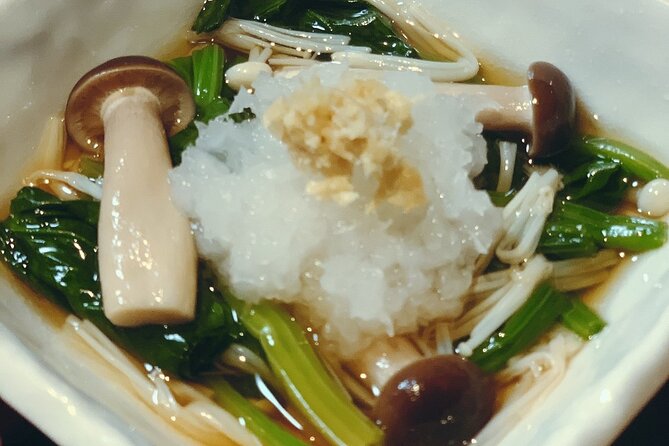
- Spinach with sesame sauce
- Teriyaki yellowtail
- Vegetable chowder
- Mushroom tempura
- Rice with vegetables
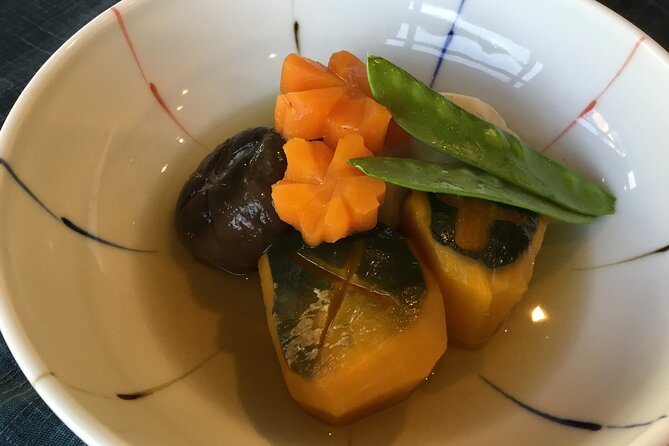
And based on real class lineups people experienced, you may also see things like cucumber salad, pumpkin soup, a mochi dessert, and even a pasta-style dish. One useful expectation-setting note: if you’re hoping for a very specific item (like Japanese noodles), remember the menu can shift, so confirm before you book if that’s a must.
Why I think the menu choice is smart: it covers techniques rather than just flavors. You practice at least a few of these categories:
- making a base stock (dashi)
- building a sauce (like sesame-based flavors or teriyaki-style sweetness)
- frying or crisping elements (tempura)
- rounding out the meal with a soup and a rice or dessert
That mix is ideal for home cooks because it gives you several ways to repeat the trip’s taste without buying a single-use ingredient and never using it again.
Dinner at the table: the class becomes a real meal
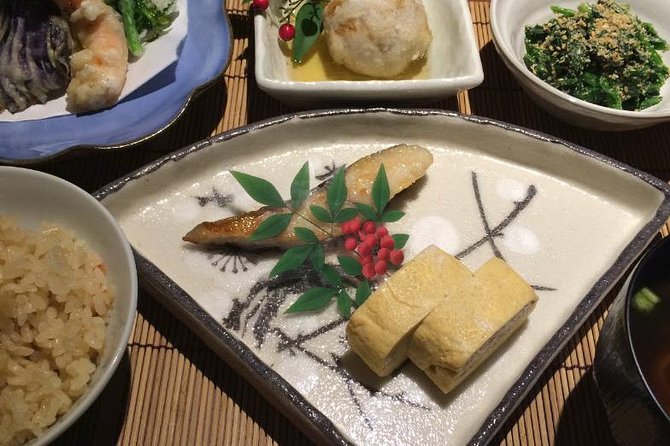
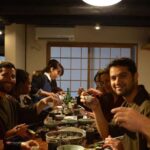
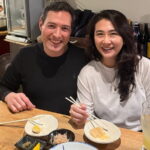
After the cooking, you sit down with the other participants to enjoy what you made. Dinner is included, and the energy changes at that point. While you cook, you’re focused on tasks. When you eat, you get to notice texture, seasoning, and how sauces act when paired with rice and sides.
Another practical detail: the class structure tends to feel like you’re eating your way through the same theme that you cooked. That’s what helps the lesson stick. You don’t just learn dashi in theory. You taste it in the context of a full meal.
Also, portion pace matters here. The format is designed to keep timing tight, so you don’t end up eating hours later or waiting while someone else catches up.
Roll up your sleeves for another Kyoto cooking class


Dietary needs: what you should ask before you arrive
The class asks you to advise any dietary requirements at booking. That’s not just a formality. Real experiences include accommodations for allergy needs such as celiac, and the staff also catered to vegetarians without turning it into a big drama.
Still, my advice is simple: if you have dietary limits, message the provider during booking with clear details. When you arrive, be ready to remind them. You’ll get the best result when they can plan ingredient swaps and cooking paths ahead of time.
Price and value: is $71.63 a fair deal in Kyoto?
At $71.63 per person, you’re paying for more than a recipe sheet. Here’s the value math that matters:
- dinner is included
- all ingredients are included
- you get an English-speaking instructor
- an apron is included
- group size stays small (max 8)
For many food experiences in Kyoto, you either pay for a meal you could get elsewhere, or you pay for a class where you leave hungry. This one aims to do both: you cook and then eat a full dinner you helped make.
Also, you get recipes to take home. That turns the cost from a one-night expense into something you can use for future meals. If you cook even a few times after the trip, the class pays for itself in satisfaction and skill—not just food.
Who this class is best for (and who might want to skip it)
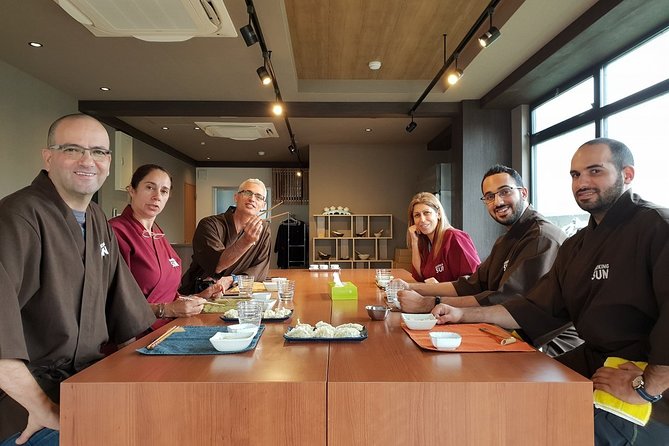
This is a great fit if you:
- want a hands-on activity that’s still relaxing
- like learning techniques, not only eating
- want a break from sightseeing-heavy days
- travel as a family (some experiences included kids around ages 10–12 who could participate well)
It may be less ideal if you:
- want a guaranteed exact menu item (seasonal swaps happen)
- expect all drinks, including sake, to be included
- prefer a longer, more advanced cooking focus (this is structured for an approachable group pace)
For most people, though, this hits the sweet spot: doable cooking, real cultural context, and enough structure that you don’t feel lost in the kitchen.
Practical tips to get more out of the lesson
A few things I’d do before and during the class if I were planning your Kyoto day:
- Come hungry. You’ll be eating what you cook, and the class can end with a real dinner pile.
- Wear comfy clothes. You’ll be chopping and cooking; you don’t want stiff shoes or sleeves that get in your way.
- Ask about sauces and condiments early. The best results at home come from understanding how sauce flavors change with heat and portions.
- Request dietary adjustments when booking. If you’re gluten-free or vegetarian, specify clearly so they can plan swaps.
- Take the recipe home seriously. After the class, cook again soon. The memory fades, but ingredients and steps are fresh right after you leave.
Should you book this izakaya cooking class?
If your goal is to bring a Kyoto food skill home, I’d book it. The combination of dashi training, a small-group format, and a dinner you actually eat makes it a strong use of a half day. Add in recipes to repeat later, plus the fact that the team supports different cooking levels and dietary needs, and the value starts to feel obvious.
Book it especially if you want something more local than the usual checklist meals. Kyoto is great for sightseeing, but the kitchen is where you turn that trip into a habit.
FAQ
How long is the izakaya cooking class?
It lasts about 3 hours.
Where does the class take place?
The class meets at Cooking Sun, 679 Funayachō, Shimogyo Ward, Kyoto, 600-8466, Japan, and it ends back at the same meeting point. The studio location is provided at booking.
What is included in the price?
Dinner is included, along with all ingredients for cooking, an English-speaking cooking instructor, and an apron.
What dishes will we make?
The menu can vary based on seasonal ingredients. Example dishes include spinach with sesame sauce, teriyaki yellowtail, vegetable chowder, mushroom tempura, and rice with vegetables.
How big is the class group?
The maximum is 8 people per booking.
Is the class in English?
Yes, it includes an English-speaking cooking instructor.
Can dietary requirements be accommodated?
Yes. You should advise specific dietary requirements at booking. The class notes that dietary needs should be communicated in advance.
Are drinks included?
Food and drinks are not included unless specified. Dinner is included.
What is the cancellation policy?
You can cancel for a full refund up to 24 hours in advance of the experience start time. If you cancel less than 24 hours before, the amount paid is not refunded.
More Tour Reviews in Kyoto

More Kyoto Cooking Classes
More Kyoto Nights Out

Just added: more Kyoto tours to browse


Kyoto Cooking Classes, compared.
 ★ 5.0Ramen Cooking Class at Ramen Factory in KyotoFrom $1311,937 reviews
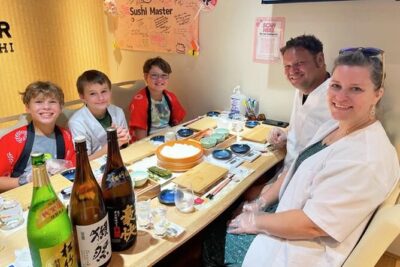 ★ 5.0Sushi Making in Kyoto! Same-day bookings welcome!From $53713 reviews
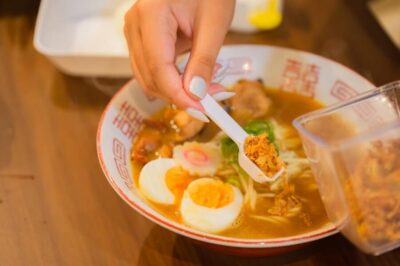 ★ 4.9Ramen Cooking Class at a Ramen Factory with SouvenirFrom $127532 reviews
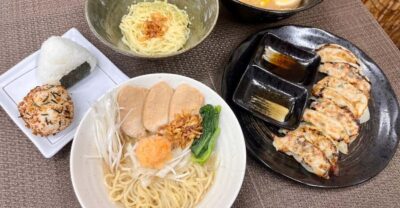 ★ 5.0Ramen, Gyoza, and Onigiri Cooking ClassFrom $90445 reviews
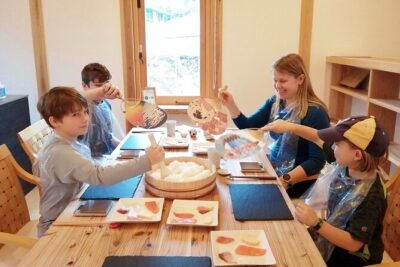 ★ 5.0The Original Small-Group Sushi Making Class in KyotoFrom $69436 reviews
 ★ 5.0Japanese Washoku Bento Small Group Cooking ClassFrom $58380 reviews
 ★ 5.0Kyoto Ramen and Gyoza Cooking Class with Professional ChefsFrom $86282 reviews
 ★ 4.9Afternoon Japanese Izakaya Cooking ClassFrom $67241 reviews
Browse the lists this tour appears in