
Reviewed · KYOTO BUS & SIGHTSEEING TOURS
Kyoto’s Top City Highlights: 2-Day Private Tour Experience
Two Kyoto days, planned to breathe.
This private 16-hour highlights run strings together Kyoto’s biggest name sites with enough downtime to actually enjoy them, not just take photos. You’ll have a private group (up to 8) and a mobile ticket, and the route can be adjusted with your guide if your priorities shift.
I especially like how the plan focuses on the right pairings: Nijo Castle + Kinkaku-ji in the morning, then a calmer rhythm before the torii maze at Fushimi Inari later. I also like that you’re not stuck in a single neighborhood, so you get both temple Kyoto and the evening streets of Gion.
One drawback: the big “tour price” is mostly for your guide and management. You’ll still budget for entry fees (listed as ¥6,950 per person), plus transportation and meals, and the experience depends on good weather.
In This Review
- Key things that make this Kyoto 2-day plan work
- Two days of Kyoto hits without the usual chaos
- Day 1: Nijo Castle, Golden Pavilion, Zen rocks, and Nishiki-to-Fushimi
- Nijo Castle: Edo-period drama and real palace design
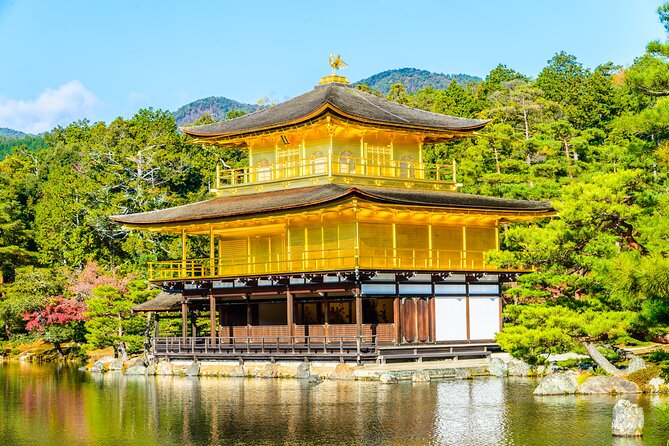
- Kinkaku-ji: the Golden Pavilion with pond reflection energy
- Ryoan-ji: Zen rock garden quiet (and how to enjoy it)
- Nishiki Market: the quick food reset you’ll actually use
- Kyoto Station lunch break: convenient, not glamorous
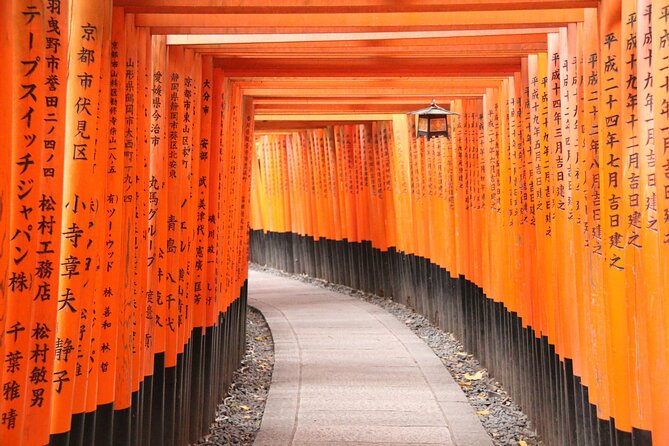
- Fushimi Inari: torii gates with late-day magic
- Day 2: Arashiyama bamboo, river views, monkey park, then Kiyomizu-dera and Gion
- Arashiyama bamboo forest street: iconic, so plan your pace
- Tenryu-ji garden: why it’s worth your attention
- Hozu-gawa river and Togetsu Bridge: the scenery break
- Monkey Park: fun energy, with weather common sense
- Lunch again at Kyoto Station: avoid the time trap
- Kiyomizu-dera: the hillside temple moment
- Gion: end with traditional streets and evening atmosphere
- What the private guide adds (beyond reading signs)
- They adjust timing to crowd flow
- They handle the “what should we do next?” moments
- They help you order your day around your comfort
- Price and logistics: what you’re actually paying for
- One practical consideration: transportation is on you
- Who this tour is best for
- You’ll like it if…
- You might want to rethink it if…
- Tips to make the most of your two days
- Should you book this Kyoto Top City Highlights 2-day private tour?
- FAQ
- How long is the Kyoto Top City Highlights 2-day private tour?
- What is the group size for this private tour?
- What’s included in the tour price?
- Are entry fees included?
- Is transportation included?
- What stops are included across the two days?
- How do you receive tickets?
- Where do you meet the guide?
- Can I cancel and get a full refund?
Key things that make this Kyoto 2-day plan work
- Morning-first temple timing helps you see UNESCO sights before the day gets crowded
- A strong UNESCO hit list: Nijo Castle, Kinkaku-ji, and Ryoan-ji are all on the clock
- Fushimi Inari in late afternoon means you can enjoy the torii walk without rushing
- Arashiyama by neighborhood: bamboo, Tenryu-ji garden time, river views, then monkey park
- Gion at the end of day pairs beautifully with Kiyomizu-dera’s hillside drama
- Real guide flexibility shows up in feedback by name (Yuji, Noriko, Keiko, Marianna, Asano, Moto, Takaichi)
Two days of Kyoto hits without the usual chaos
Kyoto can feel like a greatest-hits album: every turn is a postcard, and every day is a timed challenge. This tour’s value is that it gives you a full two-day plan that matches how people actually move through Kyoto—packed sights in the morning, scenic time mid-day, and the best neighborhood atmospheres when foot traffic is more manageable.
You’re not on a huge bus with strangers. It’s private for your group, and that matters because the itinerary can be adjusted around your preferences. Several named guides in past feedback were described as flexible with pacing, and that’s exactly what you want when you only have 48 hours.
The total time is about 16 hours across two days, which is enough to cover major landmarks but still leave breathing room. You’ll start each day with a hotel meet-up, then follow a set route with scheduled stops rather than hoping you can “figure it out” citywide on your own.
Have a local lead the way on more Kyoto tours
Day 1: Nijo Castle, Golden Pavilion, Zen rocks, and Nishiki-to-Fushimi
Day 1 is built like a steady morning climb: palace power, golden spectacle, then Zen restraint. That mix is a good way to understand Kyoto’s contrasts in a single day.
Nijo Castle: Edo-period drama and real palace design
You’ll begin at Nijo Castle, a UNESCO site known for its Edo-era architecture and gardens. The big payoff here is that it isn’t just an exterior “check it off.” You get a chance to see palace spaces like the Ninomaru Palace, where design and layout were meant to impress and control. Even if you only glance at details, you’ll feel the difference between samurai-era authority and later temple aesthetics.
The timing is also smart: starting in the morning helps you get in before the day’s peak streams. The stop is listed as about 1 hour, which is short enough to keep momentum, but you’ll want to prioritize what you care about—interiors, gardens, or both.
Kinkaku-ji: the Golden Pavilion with pond reflection energy
Next comes Kinkaku-ji, Kyoto’s iconic Golden Pavilion. The temple’s layout is designed for reflections—there’s a reason the pond view is part of the experience. If you like photography, this is the “don’t overthink it” stop: move slowly, look for viewing angles from the garden paths, and let the calm surroundings do the work.
Again, you’re given about 1 hour. That’s just enough time to enjoy the pacing without feeling like you’re rushing through a museum. Admission is not included in the base package price, so treat this as a planned splurge stop.
Ryoan-ji: Zen rock garden quiet (and how to enjoy it)
Then you’ll head to Ryoan-ji, famous for Japan’s most recognized Zen rock garden. This is not a place where you gain much by speed-walking. Plan to pause, sit where you can, and let your eyes adjust to the rock pattern and the framed view lines.
The stop is also about 1 hour, which is perfect for this kind of sight because the garden rewards attention, not checklist energy. If you tend to get restless in quiet spaces, bring a small focus question for yourself—like noticing how many different rock compositions you can interpret from different sightlines.
Loop the big Kyoto sights in one run


Nishiki Market: the quick food reset you’ll actually use
You then get a stop at Nishiki Market, often called Kyoto’s kitchen. This is a great breather because it breaks the temple rhythm with everyday city life. The market stop is listed as free and about 1 hour.
Practical tip: treat it like sampling time, not a meal replacement unless you’re sure you’ll find what you want. With only two days, it’s easy to lose time here if you get stuck debating every snack. Aim for one or two bites and keep moving.
Kyoto Station lunch break: convenient, not glamorous
Lunch is listed as a break at Kyoto Station around 14:00 on Day 1. Food isn’t included, but Kyoto Station is handy because it’s an easy hub to refuel without losing your route.
This is a good time to reset your energy, refill water, and regroup. If you’re sensitive to crowds, the station area can feel like a controlled chaos upgrade from street-level congestion.
Fushimi Inari: torii gates with late-day magic
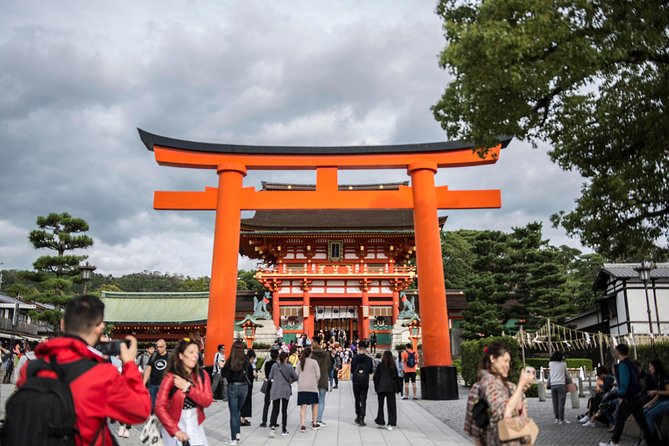
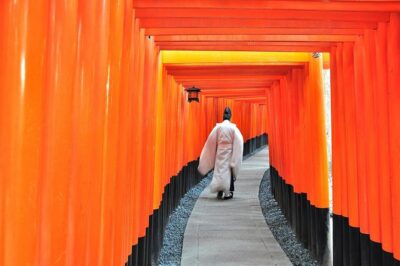
Late afternoon brings you to Fushimi Inari Shrine, famous for its thousands of red torii gates. This is the part of the tour people remember because the torii route creates a sense of motion—each step changes the scene.
The stop time is listed around 1 hour. That’s enough for the iconic gateway experience and a meaningful walk, but it won’t turn into a long hiking day. If you want the full climb higher up, you’d need extra time beyond what’s scheduled.
The timing matters here. In late day light, you often get better atmosphere for both photos and walking comfort. Plus, after the temple morning, this feels like a different kind of Kyoto.
Day 2: Arashiyama bamboo, river views, monkey park, then Kiyomizu-dera and Gion
Day 2 is about scenery and neighborhoods—Arashiyama’s bamboo and river areas, then the dramatic Kiyomizu-dera hillside and the classic streets of Gion.
Arashiyama bamboo forest street: iconic, so plan your pace
You start with the Bamboo Forest of Arashiyama plus nearby stops. The schedule notes time for bamboo forest street, Nonomiya Shrine, and Tenryu-ji temple garden. Bamboo can get crowded, fast, so this is a good place to keep expectations realistic: you’ll probably see a lot of people because the place is famous.
The tour’s advantage is that you get more than a quick bamboo photo. You also get time to move into calmer nearby sites. That makes the day feel balanced instead of like you only came for one Instagram corner.
Tenryu-ji garden: why it’s worth your attention
Tenryu-ji is where the mood softens. Gardens in Japan aren’t just decoration—they’re part of the architectural thinking behind the space. If you enjoy slow observation, this is a great spot to slow down and let the visual layers land.
The listing doesn’t say the stop is long, but it’s grouped with bamboo and shrine time, so you’ll likely get enough to feel the switch from crowd energy to garden calm.
Hozu-gawa river and Togetsu Bridge: the scenery break
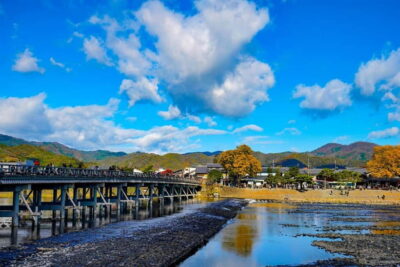
The Day 2 outline also includes Hozu-gawa river and Togetsu Bridge. This is your “look up and breathe” stretch. Even if you don’t take a boat, the river setting gives your eyes a reset from temple textures and bamboo. And because it’s right in Arashiyama’s main area, it fits naturally without adding complicated transit.
Monkey Park: fun energy, with weather common sense
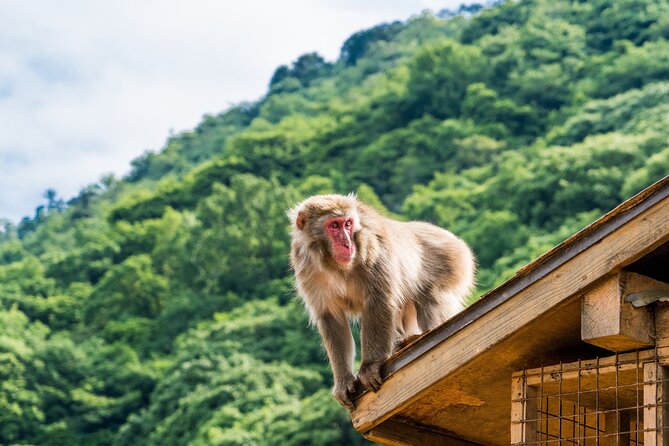
Then there’s Monkey’s Park on the schedule. This is one of those stops that can feel thrilling and slightly silly—in a good way. Just use practical sense: weather and foot traffic matter, and some park areas involve walking on paths that may be uneven.
If you’re traveling with someone who hates steep climbs, you’ll want to coordinate with your guide in advance so the day matches your comfort level.
Lunch again at Kyoto Station: avoid the time trap
Lunch is again listed as 14:00 at Kyoto station. Two station lunches might sound repetitive, but it’s also smart for time management. Station meals tend to be easy to find, quick to order, and simple to fit into a tight schedule.
Use this break to check the weather and decide what pace you want for the afternoon. You’ll have another set of major sights next.
Kiyomizu-dera: the hillside temple moment
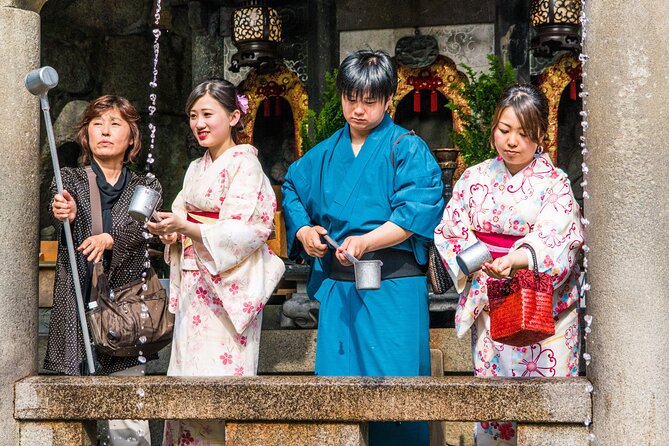
Next is Kiyomizu-dera Temple, one of Kyoto’s most iconic landmarks and a UNESCO site. This temple is famous for its hillside setting, so the experience isn’t just what’s inside—it’s the view and the sense of place.
The schedule gives about 1 hour. If you’re someone who enjoys the experience of walking up to a viewpoint, you’ll appreciate this. If you hate stairs and crowds, tell your guide so you can adjust where you linger.
Gion: end with traditional streets and evening atmosphere
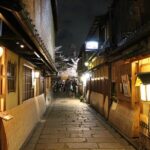
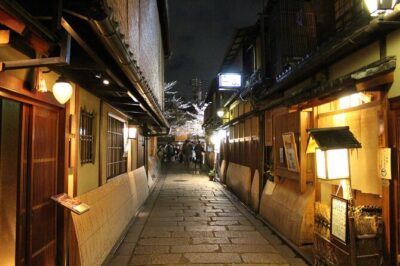
Finally, the tour includes Gion area after Kiyomizu-dera. This is the part of Kyoto that feels like a movie set, but the best way to enjoy it is to walk slowly through side streets and take in small details rather than trying to “see everything.”
The Gion stop is listed around 1 hour. That’s enough for a taste of the area without turning into an endurance march.
What the private guide adds (beyond reading signs)
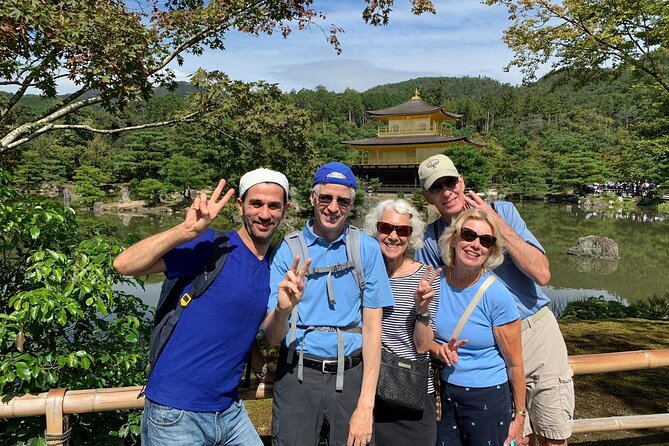
The highlights here are impressive on paper, but the guide makes it feel smooth. Your itinerary is already strong, yet the experience becomes better when your guide can fine-tune the day.
They adjust timing to crowd flow
Some named guides in feedback were praised for suggesting the best times and spots to avoid crowds. That isn’t magic. It’s basic timing strategy—arriving earlier for certain areas, taking alternate walking routes when needed, and pacing the stops so you’re not trapped in the thickest rush.
When you only have two days, that kind of practical timing is worth money because it saves you from losing half a day to queues.
They handle the “what should we do next?” moments
A private setup helps with decisions you don’t want to make while tired: how long to spend at each stop, whether to take detours, and where to pause. Several guide names show up in feedback with notes about being flexible and adjusting to preferences.
They help you order your day around your comfort
You’ll be on your feet for temple strolls, shrine areas, and Arashiyama walking routes. That’s normal for Kyoto, but the guide can help manage pace—especially if your group has different stamina levels.
Price and logistics: what you’re actually paying for
The price is $980 per group (up to 8). That’s roughly $123 per person if you max out the group size. That base cost covers guiding and management, but it does not include transportation or admission fees.
On top of that, you should budget:
- Entry fees: ¥6,950 per person (listed)
- Public transportation: ¥2,300 per person (listed as a budget item)
- Food (not included)
So the real value question becomes this: is it worth paying for a private guide and a planned route, instead of self-guiding? For most people, the answer is yes if you hate logistics on day one and want to use your limited Kyoto time on sights rather than transit stress.
You’re also getting a mobile ticket, which usually means fewer paper headaches once you’re in Japan. And since the meeting point is set with hotel pick-ups (meet your guide at your hotel each morning), you avoid the “Where do we meet?” panic that can derail a tight itinerary.
One practical consideration: transportation is on you
Transportation cost is explicitly not included in the package price. The itinerary is structured like a city-day program, so you’ll likely rely on trains and buses. If you’re planning to use taxis a lot to reduce walking, tell your guide what you want; the schedule might be adjusted for real-world travel times.
Who this tour is best for
This Kyoto plan fits best if you want top sights in a short window and you’d rather pay than gamble with routing.
You’ll like it if…
- You have 2 days and want the most important Kyoto highlights without decision fatigue
- You prefer a private plan for your group rather than competing with crowds on multiple days
- Your group includes people with different interests, because the itinerary mixes castles, Zen gardens, food markets, and traditional neighborhoods
You might want to rethink it if…
- You want totally free-form Kyoto with no schedule. This is structured, with stops timed across both days.
- Your group has very strict mobility needs. Most travelers can participate, but you should still expect walking and temple stairs.
- You’re hoping for everything to be included. Entry fees and transit are extra.
Tips to make the most of your two days
These are small things that can make the difference between a “good day” and an “I’d do this again” day.
- Wear shoes you trust for long walks. Kyoto’s sidewalks and temple routes add up.
- Bring a water bottle and light layers. Plans assume you’ll keep moving between areas.
- At bamboo and shrine spots, keep your expectations simple: enjoy the atmosphere first, then take photos.
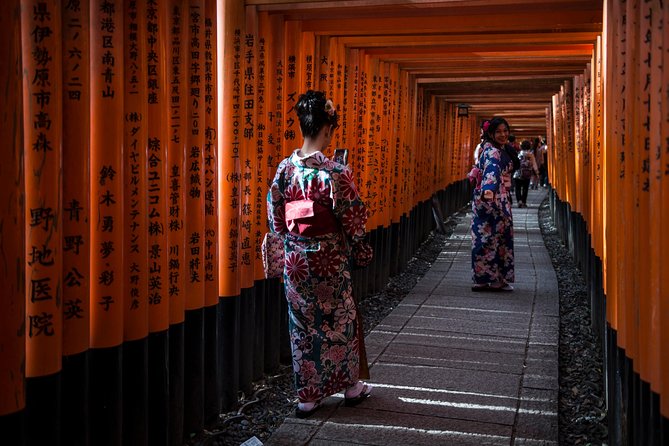
- For the torii walk at Fushimi Inari, decide early whether your goal is a short iconic loop or a longer climb. Your schedule is built for an about 1-hour experience.
Should you book this Kyoto Top City Highlights 2-day private tour?
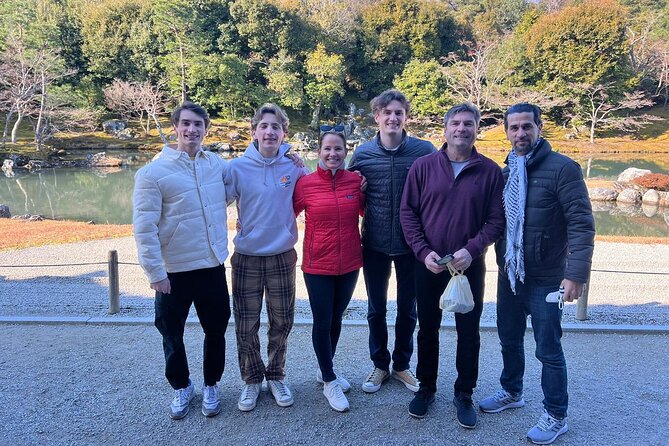
If you’re spending only two days in Kyoto and you want the big hits with a guide who can adjust the pace, this is a strong choice. The itinerary covers major landmarks across different parts of the city, and the private format means you can shape the day instead of just surviving it.
I’d book it if you value time, hate transit logistics, and want a plan that balances temple power, scenic Arashiyama time, and the evening streets of Gion. I’d hesitate only if your budget is tight after adding entry fees and transportation, or if you want a totally unstructured Kyoto wandering experience.
If you do book, tell your guide what you care about most. With a flexible guide team (names like Yuji, Noriko, Keiko, Marianna, Asano, Moto, Takaichi show up in past feedback), your two days can feel less like a checklist and more like a Kyoto story you actually remember.
FAQ
How long is the Kyoto Top City Highlights 2-day private tour?
It runs for about 16 hours total across two days.
What is the group size for this private tour?
It’s a private tour for up to 8 people per group.
What’s included in the tour price?
The price includes tour guiding and management.
Are entry fees included?
No. Entrance fees are ¥6,950 per person and are not included.
Is transportation included?
No. Transportation costs are not included, and public transportation is listed as ¥2,300 per person.
What stops are included across the two days?
The tour includes stops such as Nijo Castle, Kinkaku-ji, Ryoan-ji, Nishiki Market area, Fushimi Inari Shrine, Bamboo Forest (Arashiyama), Nonomiya Shrine, Tenryu-ji garden, Monkey’s Park, Kiyomizu-dera, and Gion.
How do you receive tickets?
You’ll get a mobile ticket.
Where do you meet the guide?
You meet at your hotel in Kyoto each day, and the experience starts and ends in Kyoto.
Can I cancel and get a full refund?
Yes. Free cancellation is available up to 24 hours before the experience start time for a full refund.
More Tour Reviews in Kyoto




More Kyoto Sightseeing Loops

More Private Tours of Kyoto
Just added: more Kyoto tours to browse








Kyoto Bus & Sightseeing Tours, compared.
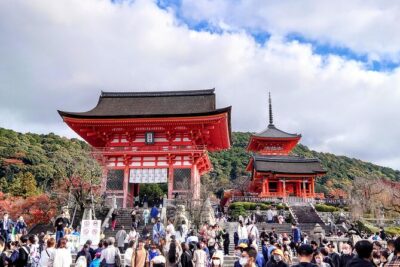 ★ 5.0PERFECT KYOTO 1-Day Bus TourFrom $12913,518 reviews
 ★ 4.8Fushimi Inari, Kinkakuji, Bamboo Grove 1 Day Bus TourFrom $1224,316 reviews
 ★ 4.9Best of Kyoto: Gion, Geisha, Pagodas & CobblestonesFrom $242,058 reviews
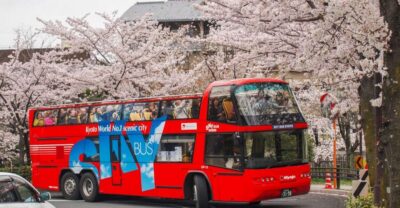 ★ 3.9Hop-on Hop-off Sightseeing Bus TicketFrom $272,034 reviews
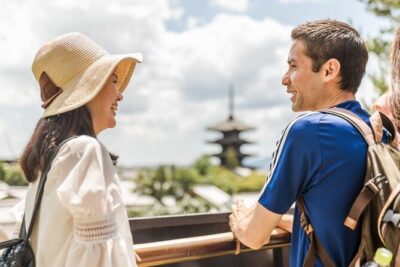 ★ 5.0Private Kyoto Tour with a Local, Highlights & Hidden Gems, PersonalisedFrom $1021,543 reviews
 ★ 4.7Kyoto/Osaka: Nara, Fushimi Inari Taisha, Arashiyama Bus TourFrom $521,275 reviews
 ★ 5.010 Must-see Spots in Kyoto One Day Private Tour (up to 7 people)From $1791,108 reviews
 ★ 4.5One-Day Tour of Kyoto’s Highlights from Osaka/KyotoFrom $661,092 reviews
Browse the lists this tour appears in