
Reviewed · KYOTO TEMPLE & SHRINE TOURS
Kyoto: Zen Meditation at a Private Temple with a Monk
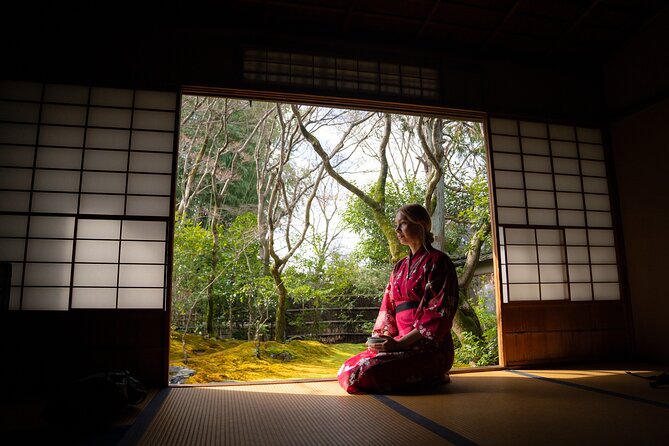
Want quieter Kyoto than you expect? This small-group Zen meditation with a monk takes you into a private temple setting that’s normally closed, then turns theory into actual sitting practice. I especially like how the monk explains what to do with your body, not just your mind, and how the session ends with matcha tea and traditional snacks in a calm, respectful mood. One thing to consider: at about 1.5 hours, it’s a taste, not a long training program.
The tour starts at Kodaiji Park and finishes on Nene-no-michi, so it also works as a friendly way to orient yourself in Higashiyama. You’ll go as a group of up to 9 people, and you’ll get a mobile ticket, which keeps things simple.
In This Review
- Key Points to Know Before You Go
- Zen Meditation at a Private Temple: What This Experience Is Really Like
- One caution on expectations
- Kodaiji Park Meeting Point to Nene-no-michi Finish: How the Flow Works
- The Monk Intro: Core Zen Ideas, Explained So You Can Use Them
- What to listen for during the intro
- Meditation Practice in a Serene Temple Setting (Not a Stage)
- Small-group attention helps more than you think
- Matcha Tea and Traditional Snacks: The Calm Finish
- Price and Value: Is $98.83 Worth It?
- The best way to judge value for you
- Who This Kyoto Zen Meditation Tour Suits Best
- Practical Tips for Getting the Most Out of Your Session
- Cancellation and Timing (Quick, No-Nonsense)
- Should You Book This Private Temple Monk Meditation in Kyoto?
- FAQ
- How long is the Kyoto Zen meditation experience?
- Where does the tour start?
- Where does the tour end?
- How many people are in the group?
- What is included in the tour besides meditation?
- Is the temple typically open to the public?
- Do I need a paper ticket?
- What is the price per person?
- Is confirmation available after booking?
- What is the cancellation policy?
Key Points to Know Before You Go
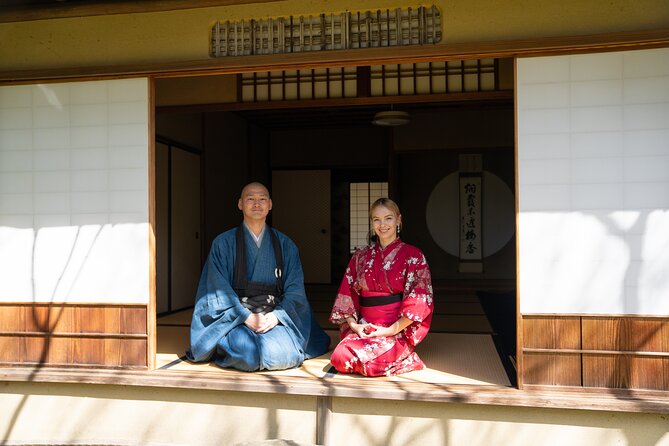
- Private temple access: You’re visiting a place that’s typically not open to the public.
- Monk-led instruction: You’ll get Zen meditation tips and cultural context during the session.
- Short, practical practice time: You try meditation after the intro, not just watch.
- Small group size (max 9): More attention, less crowd energy.
- Matcha tea and traditional snacks: A respectful finish that feels part of the ceremony.
- Beginner-friendly by design: Even first-timers are described as able to participate.
Zen Meditation at a Private Temple: What This Experience Is Really Like
Kyoto is full of places to see. This is one of the better chances to also experience something—quiet, focused, and a little different from temple sightseeing.
The big difference here is that you’re not just “in a temple.” You’re in a private temple atmosphere, led by a monk, with a small group. That changes the vibe fast. When there are fewer people and the schedule is guided, you get less of the clock-watching feel and more of the chance to actually settle.
I also like that the session is built around the essentials. Zen can sound mysterious, but what you’re doing here is simple: you learn the core principles, you get practical guidance, and then you try meditation in the actual setting. It’s the kind of lesson that helps you leave with at least one usable tool—how to sit properly, how to focus, and how to translate practice into daily life.
More temples and shrines to slow down in across Kyoto
One caution on expectations
This is about 1 hour 30 minutes. That’s long enough to feel the effect, but not long enough to become “good” at meditation. Think of it as a strong introduction that gives you momentum—then you can practice on your own afterward.
Kodaiji Park Meeting Point to Nene-no-michi Finish: How the Flow Works
Your tour begins at Kodaiji Park, specifically 463-28 Shimokawarachō, Higashiyama Ward, Kyoto. After that, you’ll be guided to a nearby temple, described as close to Kodaiji Park. The tour ends on Nene-no-michi in Shimokawarachō.
That matters more than it sounds. Kyoto day-plans can get messy fast. Starting at a major landmark like Kodaiji Park makes it easier to get there, and finishing on Nene-no-michi helps you keep moving in Higashiyama without backtracking.
Also, because this is a small-group format (max 9), the logistics tend to stay tidy. You’re less likely to get lost in a crowd. Still, Kyoto can be confusing for newcomers, so I recommend building a little buffer time before your start.
The Monk Intro: Core Zen Ideas, Explained So You Can Use Them
The session begins with a monk leading you through the foundations of Zen meditation. The goal isn’t vague philosophy. It’s understanding the core principles enough to guide your attention once you begin sitting.
From the feedback pattern, what stands out most is that the monk doesn’t just talk. He gives tips that connect directly to the body and the mind. People mention learning how to sit upright correctly—exactly the kind of detail that makes meditation more doable.
You also get cultural context about Japanese Zen. That’s valuable because it reduces the “this feels random” factor. Instead of treating meditation like a performance, you start understanding it as disciplined attention—practice with purpose, not just calm vibes.
What to listen for during the intro
When you’re in the teaching portion, pay attention to any guidance about:
- posture and alignment (how you hold yourself)
- focus and attention (what you do with wandering thoughts)
- how the monk frames practice (the meaning behind simple instructions)
A few comments highlight the use of metaphors and clear translation. If you’re the type who learns best by understanding why something matters, this part is where it clicks.
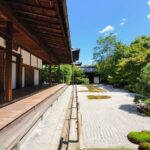
Find another quiet garden to sit with in Kyoto
Meditation Practice in a Serene Temple Setting (Not a Stage)
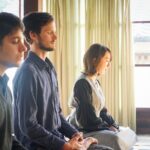
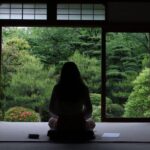
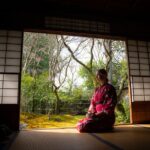
After the introduction, the tour shifts into actual meditation. This is where the private temple setting matters. In a typical tourist-heavy environment, you can feel distracted by people moving, phones buzzing, and constant visual noise. Here, the structure of a ceremony-like session helps you settle.
The temple atmosphere is described as beautiful and very atmospheric. That usually means two things for you:
- You’ll feel less “on display.”
- You can tune in more easily to breathing, posture, and attention.
This is also where the value of monk-led instruction really shows. If you get a single correct adjustment—how to sit, how to hold your posture, how to position yourself—your whole practice gets easier. People specifically appreciated learning that kind of physical detail, even if they didn’t expect to need it.
Small-group attention helps more than you think
With up to 9 people, the monk (and guide) can keep the session feeling personal. In larger groups, it can become a one-way talk. Here, the experience feels more like guided practice than a lecture.
Matcha Tea and Traditional Snacks: The Calm Finish
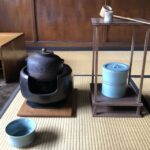
One of the highlights is the included matcha tea and traditional snacks. This isn’t just a snack stop. In a session like this, it acts like a gentle landing after you’ve been sitting and focusing.
I like that it stays connected to the experience. It reinforces the idea that ceremony and mindfulness aren’t only during meditation. They also show up in the way people slow down—offering tea, sharing food, and taking a moment to close the session properly.
For you, this is also practical. Meditation can make the morning or afternoon feel a little light or “different.” Having a thoughtful break afterward helps you return to Kyoto with energy instead of confusion.
Price and Value: Is $98.83 Worth It?
At $98.83 per person for about 1 hour 30 minutes, you’re paying for a few key things at once:
- private temple access (often closed to the public)
- monk-led instruction (not a generic meditation class)
- small-group format (max 9)
- included matcha and snacks
If you’ve seen Kyoto temple tours before, you know many are built around walking and photos. This experience is built around guided practice. You’re not just collecting sights—you’re getting an instruction-led activity you can take home with you.
So the value comes down to this: if you want a guided, authentic taste of Zen that includes the setting and the cultural explanation, this price can feel fair. If you’re simply looking for something quick and casual, you might decide you want a self-guided temple visit instead.
The best way to judge value for you
Ask yourself:
- Do I want instruction I can use, like posture and focus tips?
- Am I okay paying extra for access to a space that’s normally not open?
- Do I value a small group more than a cheaper, larger tour?
If you answered yes, this is strong value.
Who This Kyoto Zen Meditation Tour Suits Best
This experience fits best if you fall into one (or more) of these categories:
- You want a beginner-friendly introduction to meditation that still feels authentic and respectful.
- You like small-group activities where you can actually hear and understand what’s happening.
- You’re curious about how Zen translates into everyday discipline—people even mention reminders and metaphors that make the session easier to internalize.
- You prefer experiences that feel quieter and slower than the typical Kyoto rush.
It may be less perfect if you want a long, deep training program. At 1.5 hours, it’s a focused sampler that should leave you with enough clarity to continue practicing elsewhere.
Practical Tips for Getting the Most Out of Your Session
Because the session centers on sitting meditation, a few basics help you get comfortable quickly:
- Arrive a little early at Kodaiji Park so you’re not rushing.
- Wear comfortable clothing for sitting and staying still.
- Bring a curious, low-pressure mindset. The tour is structured, but your job is mostly to follow guidance and relax into attention.
- Don’t treat it like a performance. The most useful part is what you do during the sitting time.
Also, the session uses a mobile ticket and ends in Nene-no-michi, so keep an eye on where you’ll finish. That last part matters if you plan to connect to another stop in Higashiyama right afterward.
Cancellation and Timing (Quick, No-Nonsense)
This tour allows free cancellation up to 24 hours in advance for a full refund. That’s a nice safety net in Kyoto, where weather and schedule changes can happen.
Should You Book This Private Temple Monk Meditation in Kyoto?
Yes—if you want an authentic, guided Zen experience that’s more than “sit quietly for a bit.”
Book it when:
- you like small-group instruction
- you’re interested in posture and practical meditation tips
- you want access to a private temple setting
- you’ll enjoy a calm, ceremony-style finish with matcha and traditional snacks
Skip it (or consider another option) when:
- you expect a multi-hour training program
- you’re looking for a purely sightseeing-focused tour
If you’re trying to balance Kyoto’s temples with something you actually do—not just see—this is the kind of experience that gives you a clear takeaway.
FAQ
How long is the Kyoto Zen meditation experience?
It lasts about 1 hour 30 minutes.
Where does the tour start?
The meeting point is Kodaiji Park, at 463-28 Shimokawarachō, Higashiyama Ward, Kyoto, 605-0825, Japan.
Where does the tour end?
The tour ends at Nene-no-michi, Shimokawarachō, Higashiyama Ward, Kyoto, Japan.
How many people are in the group?
The experience has a maximum group size of 9 travelers.
What is included in the tour besides meditation?
You’ll receive matcha tea and traditional snacks.
Is the temple typically open to the public?
No. You’ll visit a private temple that’s typically closed to the public.
Do I need a paper ticket?
No. The tour uses a mobile ticket.
What is the price per person?
The price is $98.83 per person.
Is confirmation available after booking?
Yes. Confirmation is received at the time of booking.
What is the cancellation policy?
You can cancel for a full refund up to 24 hours before the experience start time.
If you want, tell me your travel dates and whether you’re staying around Higashiyama or farther away—I can help you place this into a realistic Kyoto day plan.
More Tour Reviews in Kyoto



More Gardens and Quiet Corners
More Kyoto Temples and Shrines
Just added: more Kyoto tours to browse








Kyoto Temple & Shrine Tours, compared.
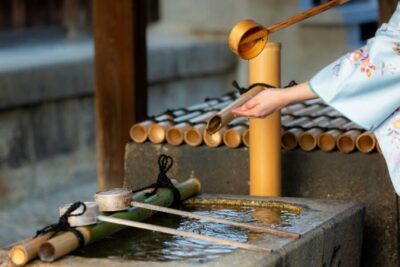 ★ 4.9Tea Ceremony Ju-An at Jotokuji TempleFrom $293,207 reviews
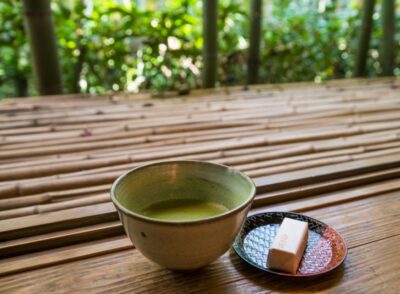 ★ 4.8Arashiyama Bamboo, Temple, Monkeys, or Secret Sake BreweryFrom $87886 reviews
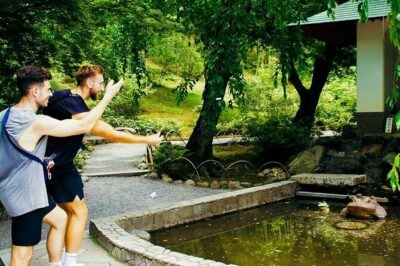 ★ 5.0Arashiyama Bamboo Forest, Monkeys, Matcha & Temple TourFrom $53759 reviews
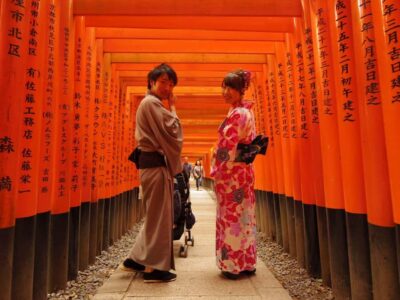 ★ 4.4Osaka/Kyoto: Arashiyama, Nara & Fushimi Inari Shrine w/LunchFrom $61754 reviews
 ★ 4.7Imperial Palace & Nijo Castle Guided Walking TourFrom $49453 reviews
 ★ 5.0Kyoto Zen Meditation & Garden Tour at a Zen Temple with LunchFrom $110441 reviews
 ★ 5.0Zen Experience in a Hidden TempleFrom $109437 reviews
 ★ 5.0KYOTO Tea Ceremony with kimono near by Imamiya Jinjya ShrineFrom $99343 reviews
Browse the lists this tour appears in