
Reviewed · KYOTO TEMPLE & SHRINE TOURS
Kyoto: Zen and Yoga Experience at Myoshinji Temple
Kyoto can feel loud. Then you step into Myoshinji Temple and the pace changes fast. This small, English-led experience pairs a guided Zen session with a gentle yoga practice in a calm garden setting.
I especially liked the teacher’s clear, beginner-friendly approach, and how the day stays quiet and respectful the whole time. A small discussion and meditation component also makes it more than just a class you leave behind.
One thing to consider: if you already practice Zen or yoga regularly, you may find the actual teaching portion a bit light, and the value will depend more on the atmosphere than on instruction depth.
In This Review
- Key moments you’ll remember
- Entering Myoshinji Temple from the South Entrance
- Zen Session: Learning the Five Key Elements in Practice
- Temple Garden Yoga: Moving Gently with Zen Principles
- Japanese Tea Session: Questions, Cultural Insights, and Closure
- Price and Value: Why $96 for 2 Hours Can Make Sense
- What I’d Tell a Friend About the Teaching Style
- Who This Experience Fits Best (And Who Should Skip It)
- What to Bring and How to Prepare
- Should You Book This Myoshinji Zen and Yoga Session?
- FAQ
- Where do I meet for the tour?
- How long is the experience?
- Is the instructor English-speaking?
- What’s included in the price?
- Is this a private group?
- Will I visit part of the temple that’s usually closed to the public?
- What should I bring?
- Who is this experience not suitable for?
- What’s the cancellation policy?
Key moments you’ll remember
- South Entrance meeting point at a big gate helps you find the right start without stress
- Zen in a normally non-public area of Myoshinji adds a real sense of access
- Five key elements of Zen taught in an approachable way, ideal for beginners
- Yoga with garden views while keeping a Zen mindset throughout
- Japanese tea with Q&A that turns the experience into a conversation, not a lecture
Entering Myoshinji Temple from the South Entrance
Plan on arriving a few minutes early. You’ll meet at the South Entrance (NOT North Entrance), where there’s a big gate and your guide is waiting. That single detail matters in Kyoto, because temple grounds can be confusing when you’re tired and hungry.
Once you’re gathered, the tone is immediately calm. This isn’t a high-energy studio session. The focus is on behaving quietly and respectfully, especially since you’ll be practicing meditation and having discussions during the visit.
Myoshinji is a historic Rinzai Zen temple in Kyoto, and part of the appeal here is that you’re taken to a section that’s normally not open to the public. That’s a big reason the experience feels special even if the schedule is short.
More temples and shrines to slow down in across Kyoto
Zen Session: Learning the Five Key Elements in Practice
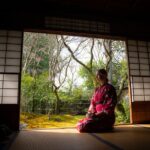
Your first stretch of time is a guided Zen session. The big theme is learning about Zen and its five key elements, then connecting those ideas to the way Japanese gardens are designed and used as a visual and mental guide.
You’ll be listening, then thinking a little. You should expect conversation and reflection as part of the session, not just silent observation. Even if you don’t know any Zen terminology, the structure is set up to be approachable—especially if you’re brand new. I like that the teaching doesn’t assume you already have a framework.
This is also where you’ll feel the atmosphere do some of the teaching. When the group slows down, you start noticing the small sensory cues that make Zen feel real: birdsong, leaves moving, and a gentle breeze. Those details aren’t just nice. They help you understand why people come to temple gardens to settle the mind.
One practical note: because this part includes meditation and discussion, you’ll get more out of it if you show up mentally ready to be quiet. If you’re chatty or constantly checking your phone, you’ll feel out of sync with the room.
Temple Garden Yoga: Moving Gently with Zen Principles
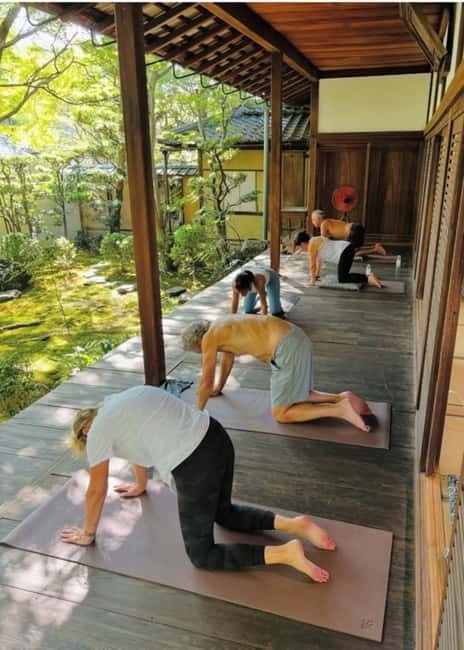
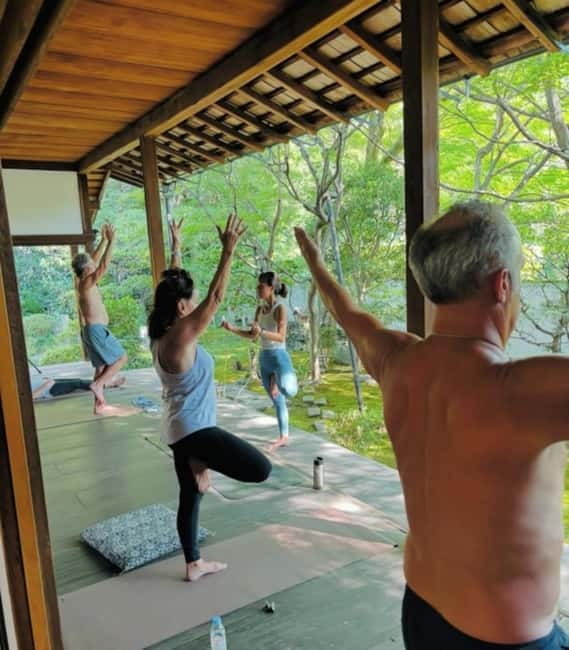
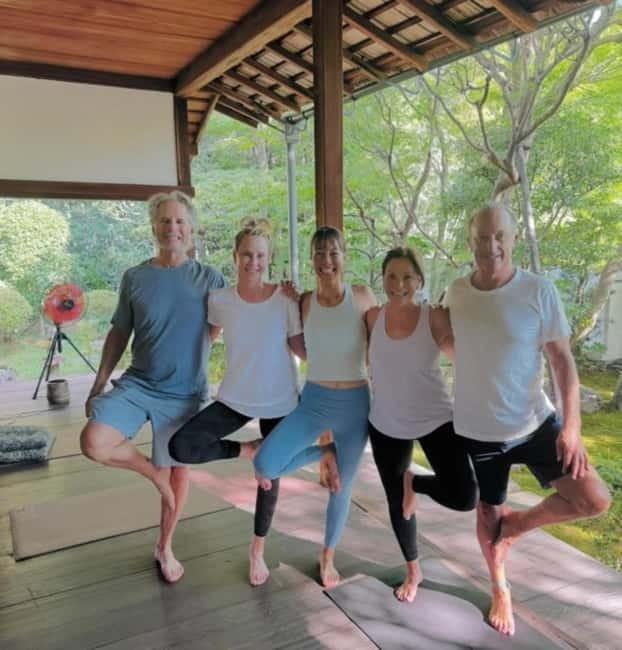
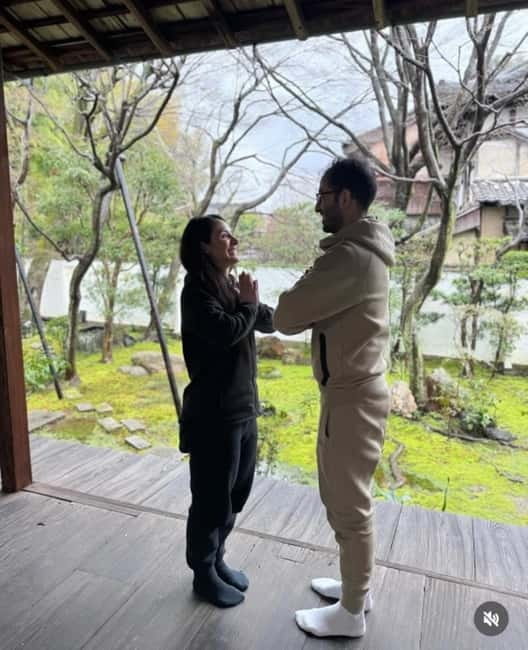
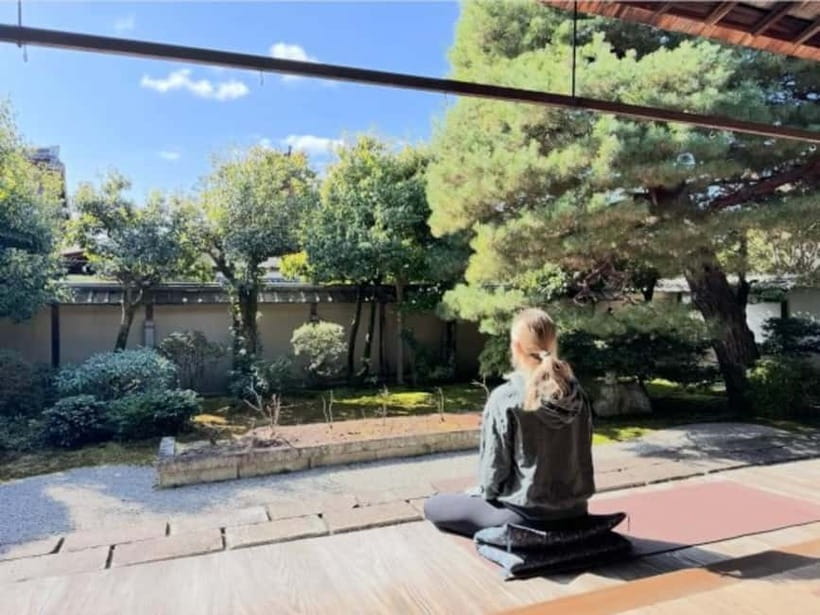
After the Zen session comes the yoga. This is a unique blend: yoga practice guided with Zen principles in mind, and done with a view of the temple’s peaceful garden.
I like that the yoga here isn’t presented as a performance. The goal is to move in a way that matches the calm pace of the space. That tends to make the session feel more like a mind-body reset than an intense workout.
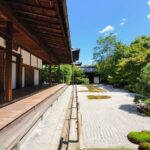
The garden setting changes your focus. When you’re practicing outdoors in a temple environment, you can’t help but pay attention to sound and stillness. You may hear birds, feel the breeze, and notice how your own breathing changes when the surroundings are quiet and steady.
What to bring helps here. Wear comfortable clothes, and bring a change of clothes plus a towel if you want to be practical afterward. Water is smart too—because even a gentle session can make you notice thirst when you’re breathing more slowly than usual.
Also, this yoga session is not described as advanced. If you’re a beginner or someone returning after time away, you’ll likely appreciate how it’s paced. If you’re very experienced, you might find the physical instruction is not the main highlight—the setting and the Zen framing are.
Japanese Tea Session: Questions, Cultural Insights, and Closure
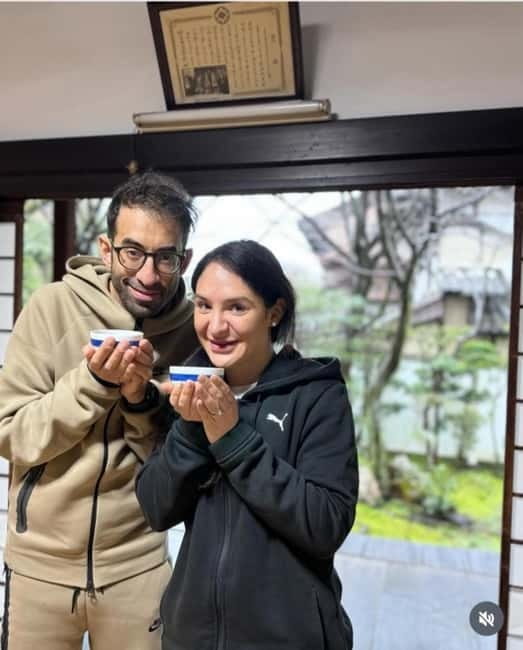
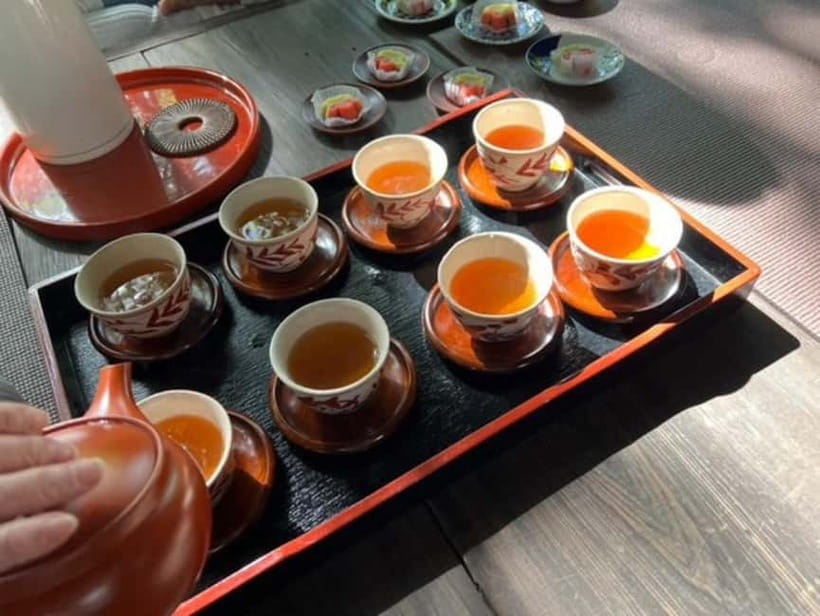
You finish with a Japanese tea session. This is your calmer landing spot after movement and meditation, and it’s where the experience turns from practice into understanding.
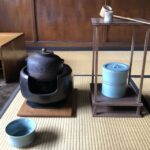
You’ll be able to ask questions and share cultural insights with others. That combination is important. Tea time can feel like a formality in some tours, but here the format is described as interactive—so you can clarify what you learned, ask about meanings you’re unsure about, and connect what you experienced with how Zen and Japanese garden aesthetics show up in everyday life.
Even if you don’t consider yourself a “tea person,” this part is valuable because it gives the session context. You’re not only doing Zen and yoga. You’re also learning how people talk about these ideas in Japan, in a setting that actually supports the conversation.
If you’re trying to understand Kyoto beyond shrines and photos, tea time is one of the most effective moments to do it. You’ll likely leave with a few new perspectives you can use to see other temples and gardens with less of a checklist mindset.
Price and Value: Why $96 for 2 Hours Can Make Sense
At $96 per person for about 2 hours, the price is not “cheap,” but it also isn’t excessive for what you’re getting. You’re paying for several things that are hard to replicate on your own:
- Access to a normally non-public part of Myoshinji
- A structured English teaching experience (Zen + yoga + tea)
- A mini guide book that supports what you learn
- A quiet, private-group atmosphere that encourages real participation
In Kyoto, many experiences are either a temple tour with basic narration or a yoga class with a pretty backdrop. This blends both, and it does it in a way that seems designed for beginners—at least in terms of how the material is explained.
Also, the private-group setup matters. Smaller groups generally mean you can actually ask questions and listen without the whole experience feeling like a crowd-control exercise.
Yes, the instruction portion may feel light if you already know your way around meditation and yoga. But if your goal is exposure, calm, and a guided introduction in a special temple corner, the value is there.
Find another quiet garden to sit with in Kyoto
What I’d Tell a Friend About the Teaching Style
One review highlighted how great the experience is for true beginners, even “level 0.” That matches what the format suggests: Zen concepts explained clearly, yoga movement kept manageable, and time built for questions and reflection.
The other strong takeaway is the instructor’s presence. One guide named Agasa is described as kind, thoughtful, gracious, and informative. That kind of demeanor matters a lot in a setting like this, because Zen isn’t only what you learn—it’s how you’re guided to feel.
So here’s the honest fit test: if you want a relaxed introduction to Zen and a gentle yoga practice in a meaningful temple space, you’ll probably be very happy. If you’re looking for a deep, technical teaching session, you may want something longer or more specialized.
Who This Experience Fits Best (And Who Should Skip It)
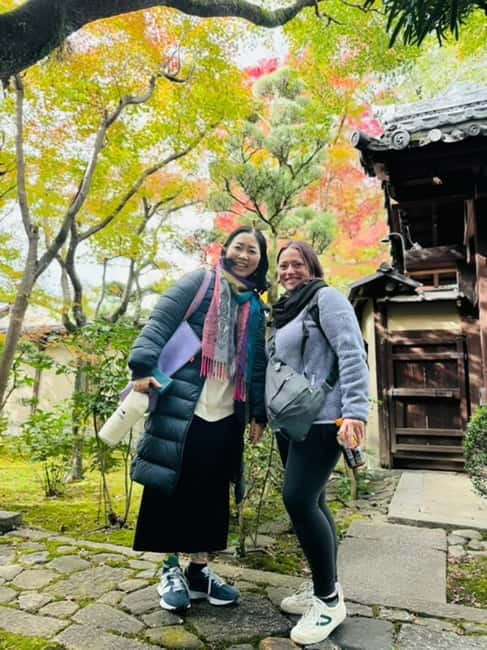
This experience is best for people who want calm and structure. You’ll likely enjoy it if you’re curious about Zen, want to try yoga in a respectful temple setting, and appreciate garden atmosphere as part of the learning process.
It also suits visitors who like small-group teaching and discussions. You’re not just watching—you’re participating, thinking, and asking questions.
The activity does have clear limits. It’s not suitable for:
- Pregnant women
- People with heart problems
- People with a cold
- People over 70
If any of those apply, you should choose a different Kyoto activity. The session includes meditation and yoga movement, so it’s better to play it safe.
What to Bring and How to Prepare
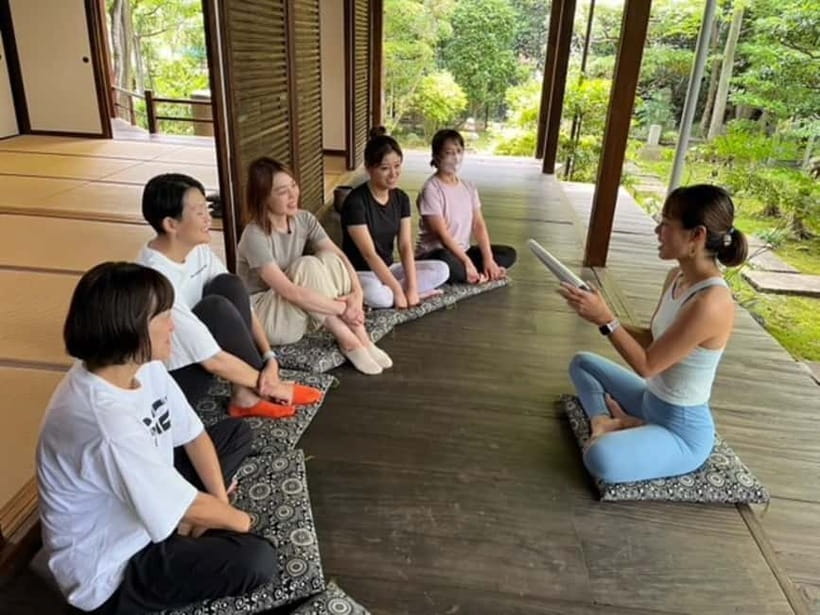
You’ll get the best experience if you show up ready to be comfortable and respectful. Bring:
- Change of clothes
- Towel
- Water
- Comfortable clothes
Shoes usually aren’t the point here—temple settings often involve removing or adjusting footwear—but the only sure detail you have is comfort. Plan for a slow, mindful pace, and dress for that.
If you’re sensitive to being outdoors, bring layers as needed for the season. The session notes include birdsong and wind, so you might feel the outdoor air more than in a standard studio.
Should You Book This Myoshinji Zen and Yoga Session?
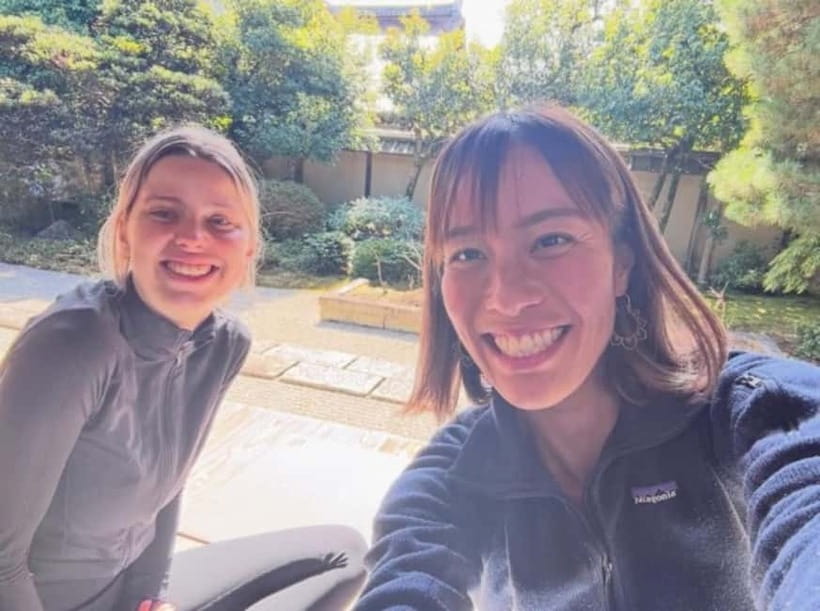
Book it if you want a gentle introduction to Zen, a calming yoga practice tied to Zen ideas, and a tea-ending conversation in a real Kyoto temple setting. I think the standout value is the combination of normally non-public access, the quiet garden atmosphere, and the guided flow that makes it easy to participate even as a beginner.
Skip it if you’re expecting a heavy-duty, advanced training session. If you already practice meditation and yoga regularly, the teaching may feel brief compared to what you’re used to.
If your goal is inner quiet, good guidance, and a meaningful Kyoto experience that doesn’t require you to already know the vocabulary of Zen, this is a strong choice.
FAQ
Where do I meet for the tour?
Meet at the South Entrance (not North Entrance) of Myoshinji Temple. There will be a big gate and the guide will be waiting there.
How long is the experience?
The duration is 2 hours.
Is the instructor English-speaking?
Yes. The instructor is English.
What’s included in the price?
Admission to the temple, a mini Zen guide book, a Zen session, a yoga session, and a Japanese tea session.
Is this a private group?
Yes. It’s a private group.
Will I visit part of the temple that’s usually closed to the public?
Yes. The tour includes a visit to a normally non-public part of Myoshinji Temple.
What should I bring?
Bring a change of clothes, a towel, water, and comfortable clothes.
Who is this experience not suitable for?
It’s not suitable for pregnant women, people with heart problems, people with a cold, and people over 70.
What’s the cancellation policy?
You can cancel up to 24 hours in advance for a full refund.
More Tour Reviews in Kyoto

More Gardens and Quiet Corners
More Kyoto Temples and Shrines
Just added: more Kyoto tours to browse



Kyoto Temple & Shrine Tours, compared.
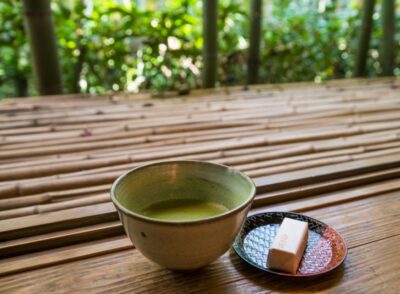
 ★ 4.9Tea Ceremony Ju-An at Jotokuji TempleFrom $293,207 reviews
 ★ 4.8Arashiyama Bamboo, Temple, Monkeys, or Secret Sake BreweryFrom $87886 reviews
 ★ 5.0Arashiyama Bamboo Forest, Monkeys, Matcha & Temple TourFrom $53759 reviews
 ★ 4.4Osaka/Kyoto: Arashiyama, Nara & Fushimi Inari Shrine w/LunchFrom $61754 reviews
 ★ 4.7Imperial Palace & Nijo Castle Guided Walking TourFrom $49453 reviews
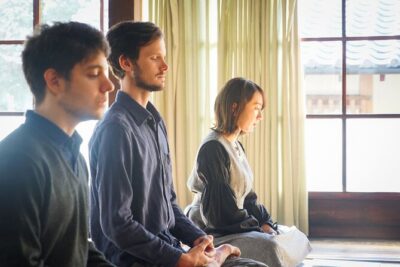 ★ 5.0Kyoto Zen Meditation & Garden Tour at a Zen Temple with LunchFrom $110441 reviews
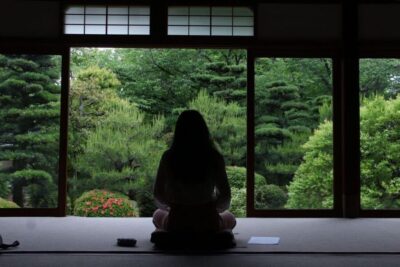 ★ 5.0Zen Experience in a Hidden TempleFrom $109437 reviews
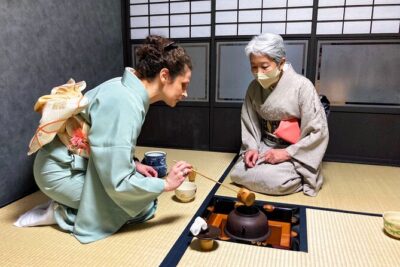 ★ 5.0KYOTO Tea Ceremony with kimono near by Imamiya Jinjya ShrineFrom $99343 reviews
Browse the lists this tour appears in