
Toji Temple has a way of making noise feel far away. In just an hour, this walking tour pairs Toji Temple history with an easy-to-follow meditation guide, so the calm isn’t only a nice idea.
I especially like the way Roy, the English-speaking guide, connects Toji to how Buddhism shaped Japan in real cultural and spiritual terms. I also like the focus on Buddhist schools and how the esoteric branch differs from other practices, not just a quick overview. A small consideration: this is a walking tour and it isn’t suitable for mobility impairments.
In This Review
- Key highlights at a glance
- Where this starts: Toji’s South Gate (なんだいもん)
- The 1-hour walking tour format that actually works
- Toji Temple history: what the founder changed in Japan
- Buddhist factions and practices: the “why” behind the differences
- The esoteric branch of Buddhism: what makes it distinctive
- Meditation guidance for beginners and experienced meditators
- Practical etiquette: photography, shoes, and staying respectful
- Value check: is $35 for an hour actually worth it?
- Who this Kyoto Toji tour suits best
- What you’ll leave with: a calmer mindset and clearer context
- Should you book this Toji Temple walking meditation tour?
- FAQ
- Where is the meeting point for the Toji Temple tour?
- How long is the tour?
- How much does the tour cost?
- What languages are the guides available in?
- Is the entry fee included?
- Is transportation to the temple included?
- Is photography allowed?
- Is meditation guidance included for beginners?
- Are pets allowed?
- Is the tour suitable for people with mobility impairments?
Key highlights at a glance
- South Gate start (なんだいもん): you begin at a clear meeting point inside Toji Temple grounds.
- Roy’s Buddhism + Toji context: the tour explains founder impact and how Buddhist schools fit together.
- Esoteric Buddhism, explained simply: you learn what makes the esoteric branch different and why it matters spiritually.
- Meditation that fits your level: long-time meditators and brand-new beginners are both accommodated.
- A quieter meditation setting: the guide’s session includes a tranquil hall, away from the most common tourist flow.
Where this starts: Toji’s South Gate (なんだいもん)
Getting the start right makes the whole hour feel smoother. You meet at Toji Temple’s SOUTH Gate (なんだいもん) on the south side of the temple. Show up about 10 minutes early so you’re not rushing in front of a strict schedule.
This matters because the tour is short. With only 1 hour, you want to spend that time learning and settling in, not hunting for the group.
More temples and shrines to slow down in across Kyoto

The 1-hour walking tour format that actually works
This isn’t a long sightseeing marathon. It’s a tight guided walking tour built around history, practice, and conversation, then it ends with meditation guidance.
Because the group is very small (limited to 1 participant), the guide can slow down when you need it. That personal pacing can be a big deal if you’re new to Buddhist ideas or meditation terms.
You’ll get historical and cultural insights while moving through the temple area. The goal isn’t to memorize dates. It’s to understand why Toji has meaning beyond postcards.
Toji Temple history: what the founder changed in Japan
A good temple guide doesn’t recite facts. It explains why the place mattered.
In this tour, you learn about Toji Temple’s history and the impact its founder had on Japan’s culture, society, and spirituality. That theme is useful because Japan’s Buddhist landscape can feel like a lot of names and branches. The tour’s approach links those branches back to how beliefs traveled, changed, and took root.
Even if you know very little about Buddhism, this part gives you a map. You’ll be able to place what you’re seeing into a bigger story instead of treating the grounds like a static museum.
Buddhist factions and practices: the “why” behind the differences
Japan isn’t one single Buddhism. You’ll learn about different Buddhist factions (schools) and how their practices can differ.
This is the part I think you’ll appreciate most if you’ve ever felt confused by the variety of temples. A lot of visitors see buildings and ornaments and stop there. This tour trains you to notice practices as part of a system of belief and training.
You also get an introduction to the practices connected to the esoteric branch. Think of it as understanding the logic behind the methods, not just hearing the labels.
The esoteric branch of Buddhism: what makes it distinctive
The tour gives special attention to the esoteric branch and why it’s spiritually significant. Esoteric Buddhism is often misunderstood because it can sound mysterious from the outside. Here, the guide frames it in a grounded way: why certain practices are used and how they connect to inner experience.
You’ll learn how this branch differs from others. That contrast matters. Once you understand the difference, you start recognizing that temples and rituals exist to support specific kinds of spiritual work.
If meditation is your main interest, this section helps you see meditation as more than relaxation. It becomes a practice with meaning inside a religious tradition.
Find another quiet garden to sit with in Kyoto

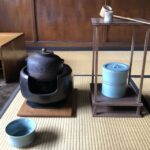
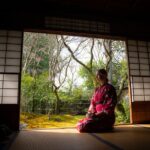
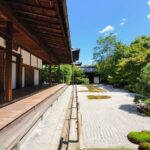
Meditation guidance for beginners and experienced meditators
This tour is designed for all levels of meditation experience. That includes people who have meditated for years and people who know nothing about Buddhism or meditation.
The practical win: you won’t be thrown into complex instructions without context. The guide aims to match what you need, then bring you into a calmer mental state.
One review highlights that Roy leads a meditation session in a hall that feels tranquil and less known to the most common tourist paths. Even without assuming you’ll have the exact same setting, you can expect a quieter, more focused moment that feels separate from casual temple wandering.
Practical etiquette: photography, shoes, and staying respectful
Temple etiquette is small stuff, but it shapes your experience. Photography follows a simple rule set here: photography is not allowed inside temple buildings, while outdoor photography is allowed. Still, be respectful and don’t block other visitors.
Wear comfortable clothing suitable for walking. The tour is short, but you’ll still be moving through temple paths, and you don’t want to feel uncomfortable just as the guide begins settling everyone into the session.
Also note what’s not allowed: pets and smoking are not permitted. If you like to travel light, you’re already set for a smooth visit.
Value check: is $35 for an hour actually worth it?
At $35 per person for a 1-hour experience, the value comes down to one thing: personalization plus context.
You’re paying for three layers that are hard to get alone:
- a guided explanation of Toji’s history and its founder’s impact,
- a clear breakdown of Buddhist schools and esoteric practice,
- live meditation guidance matched to your level.
Most temple visits in Kyoto are self-guided. You can certainly do that, but you’d have to do your homework to make the ideas click. With Roy guiding, you spend the hour building understanding and calm at the same time.
The small group format (limited to 1 participant) is also part of the value. When a guide can tailor the pace, the tour feels less like a lecture and more like a practice session with context.
If you love temples but hate feeling lost, this price starts to feel fair fast.
Who this Kyoto Toji tour suits best
This is a strong fit if you want:
- a short, focused way to understand Toji Temple,
- meditation guidance without pressure,
- a guide who can connect Buddhism ideas to what you’re actually seeing.
It may not be the best choice if you need step-free access or have mobility limitations, since it’s not suitable for mobility impairments. It’s also not built as a casual photo walk. You’ll get the most from it if you’re willing to listen, ask questions (when allowed), and follow simple temple rules.
What you’ll leave with: a calmer mindset and clearer context
By the end, you should walk away with more than a temple stamp. You’ll have a framework for how different Buddhist schools operate and how the esoteric branch fits in.
More importantly, you’ll have had a guided meditation moment in a quiet setting. That combination can stick with you after you leave the grounds, because the tour ties spiritual practice to lived temple space, not just theory.
Should you book this Toji Temple walking meditation tour?
Yes, if you want a Kyoto temple visit that balances context with practice. The short 1-hour format is ideal when you’re busy but still want depth, and the small group setup helps if you learn better at a calmer pace.
Skip it if meditation doesn’t interest you at all, or if walking won’t work for your mobility needs. Otherwise, this is a thoughtful way to experience Toji with guidance that actually explains the religion, not just the buildings.
FAQ
Where is the meeting point for the Toji Temple tour?
You meet at Toji Temple’s SOUTH Gate (なんだいもん) on the south side of the temple.
How long is the tour?
The tour lasts 1 hour.
How much does the tour cost?
The price is $35 per person.
What languages are the guides available in?
The live guide is available in English and Chinese.
Is the entry fee included?
No. Entry fee is not included.
Is transportation to the temple included?
No. Transportation to the temple is not included.
Is photography allowed?
Photography is not allowed inside temple buildings. Outdoor photography is allowed, but you should be respectful.
Is meditation guidance included for beginners?
Yes. The tour is designed to accommodate all levels, including people who know nothing about meditation or Buddhism.
Are pets allowed?
No. Pets are not allowed.
Is the tour suitable for people with mobility impairments?
No. It is not suitable for people with mobility impairments.
More Tour Reviews in Kyoto

More Gardens and Quiet Corners
More Kyoto Temples and Shrines
Just added: more Kyoto tours to browse





Kyoto Temple & Shrine Tours, compared.
 ★ 4.9Tea Ceremony Ju-An at Jotokuji TempleFrom $293,207 reviews
 ★ 4.8Arashiyama Bamboo, Temple, Monkeys, or Secret Sake BreweryFrom $87886 reviews
 ★ 5.0Arashiyama Bamboo Forest, Monkeys, Matcha & Temple TourFrom $53759 reviews
 ★ 4.4Osaka/Kyoto: Arashiyama, Nara & Fushimi Inari Shrine w/LunchFrom $61754 reviews
 ★ 4.7Imperial Palace & Nijo Castle Guided Walking TourFrom $49453 reviews
 ★ 5.0Kyoto Zen Meditation & Garden Tour at a Zen Temple with LunchFrom $110441 reviews
 ★ 5.0Zen Experience in a Hidden TempleFrom $109437 reviews
 ★ 5.0KYOTO Tea Ceremony with kimono near by Imamiya Jinjya ShrineFrom $99343 reviews
Browse the lists this tour appears in