
Reviewed · KYOTO BUS & SIGHTSEEING TOURS
Kyoto Private Tour: One Day Highlights and Cultural Gems
Kyoto in one day sounds like a speed run, but this route makes it feel calm. I like the way it strings together Kyoto’s big hitters—Gion streets and Fushimi Inari’s torii—and still leaves room to breathe between stops. I also like that you’re not just sightseeing; you’re getting context from an English-speaking guide, which helps the shrines and temples land with meaning, not just photos.
One thing to consider: it’s about 7 hours of walking and transit, and you’ll be moving at a steady clip. If you’re hoping for a slow, sit-around-and-watch kind of day, you might want to build in extra time on your own.
In This Review
- Key Points You’ll Care About
- Why This Kyoto Highlights Route Makes Sense
- Meeting at Kyoto Station and Using Pickup the Right Way
- Gion After Lunch: Lantern Streets and Tea-House Time
- Yasaka Shrine: Festival Culture Without Needing a Parade
- Kennin-ji Temple: Old Zen Roots You Can Actually Understand
- Nishiki Market: Shopping That Feels Like a Local Habit
- Fushimi Inari-taisha: The Torii Gates Are the Star
- Food, Timing, and What You Should Budget For
- Guide Aki and the Real Advantage of a Private Tour
- Price and Value for a 7-Hour Kyoto Day
- Who This Tour Suits Best (and Who Might Prefer Something Else)
- Should You Book This Kyoto Private Highlights Tour?
- FAQ
- How long is the Kyoto private tour?
- What is the price per person?
- Is hotel pickup included?
- What does the tour include?
- Is food included?
- Are entrance tickets included?
- Where does the tour start and end?
- Is this tour private?
- Can the itinerary be changed?
- Are service animals allowed?
Key Points You’ll Care About
- Private, one-day Kyoto plan that keeps major sights in a sensible order
- English-speaking guide who can adjust on the fly, including food needs like halal/vegetarian
- Gion + Yasaka Shrine for classic atmosphere linked to Kyoto’s festival culture
- Kennin-ji Temple with included admission to Kyoto’s oldest Zen temple
- Nishiki Market time for shopping-style wandering with local stalls
- Fushimi Inari-taisha torii-gate experience with a guided pacing strategy
Why This Kyoto Highlights Route Makes Sense
This tour works because it respects Kyoto’s geography and rhythm. You start around Kyoto Station, then move through neighborhoods that feel different from each other, without jumping back and forth across the city. The day is built around spiritual sites and cultural streets, then finishes with the most recognizable Kyoto icon: Fushimi Inari-taisha.
I also appreciate the balance of “big” and “useful.” Fushimi Inari is the obvious must-see, but you also get Yasaka Shrine and Kennin-ji—two places where the stories are easier to understand with a guide. Even the market stop gives you something practical: a sense of what locals buy and snack on, plus a chance to pick up Kyoto-style food souvenirs and crafts.
The private setup is a real advantage. It means you can ask questions, shift your pace, and make small changes when you want (the tour notes that some itinerary changes can be made based on your wishes). That matters in Kyoto, where one hour in the wrong place at the wrong time can feel like chaos.
Have a local lead the way on more Kyoto tours

Meeting at Kyoto Station and Using Pickup the Right Way
The tour starts at Kyoto Station, near Higashishiokoji Kamadonocho in Shimogyo Ward, and it ends back at the meeting point. That’s convenient because it’s simple: you’re not trying to coordinate multiple train transfers or chase a van across town.
Hotel pickup and drop-off is offered, but only within Kyoto City. If your hotel sits just outside that area, you’ll want to confirm how pickup works for your exact address. I’d also plan to be ready a bit earlier than you think you need, since the route uses public transportation as part of the plan and you’ll want to start smoothly.
You’ll get a mobile ticket, and that’s helpful for avoiding paper tickets and last-minute scrambling. Small win, big stress reduction.
Gion After Lunch: Lantern Streets and Tea-House Time
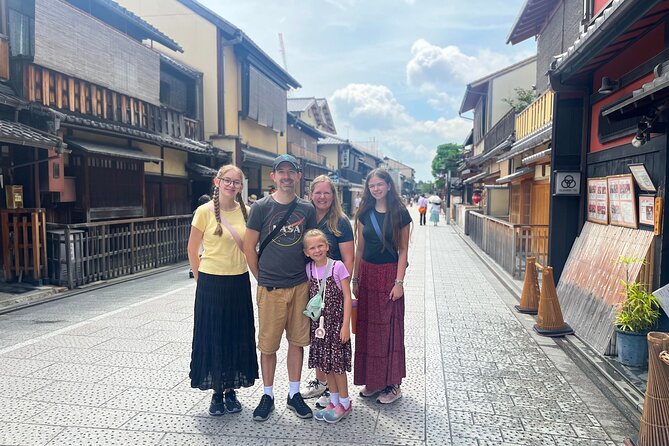
Gion is Kyoto at its most recognizable: traditional lanes, tea houses, and the kind of atmosphere where you feel like you should lower your voice. This stop covers the historic district extending west of Yasaka Shrine and through the neighborhood to the north and south.
What I like here is the texture of it. The route mentions a cherry-blossom lined path and streets lined with cafes and tea houses. Even if it’s not cherry-blossom season, Gion still has that “old Kyoto street” feeling, and the guide’s job is to help you understand what you’re seeing and why it matters.
Practical tip: Gion works best when you treat it like a neighborhood, not a checklist. That means slow walking, looking up, and noticing details like the street layout and the way lanes bend and narrow.
Possible drawback: this is the kind of area where you can burn time just wandering. The good news is the tour keeps you moving, so you don’t lose the rest of your day.
Yasaka Shrine: Festival Culture Without Needing a Parade
Next up is Yasaka Shrine. It’s famous for the Gion Festival, one of Japan’s three biggest festivals, which locals call Gion San. Even if you’re not visiting during festival season, the shrine gives you a key to Kyoto’s community side—how traditions live year-round, not only when there’s a float in the street.
What’s valuable here isn’t just the shrine buildings. It’s the cultural link. When you connect a place to a major festival, you start to notice how the shrine setting supports that role: the flow of visitors, the sense of ceremony, and why this site has stayed important.
Since admission is free, this is also a low-cost moment in a day that otherwise includes paid temple entry. That’s a nice balance.
Possible drawback: if you’re sensitive to crowds, you may want to keep your pace steady and follow your guide’s direction. Shrine areas can get busy, and you’ll spend less energy if you let the tour manage your timing.
Kennin-ji Temple: Old Zen Roots You Can Actually Understand
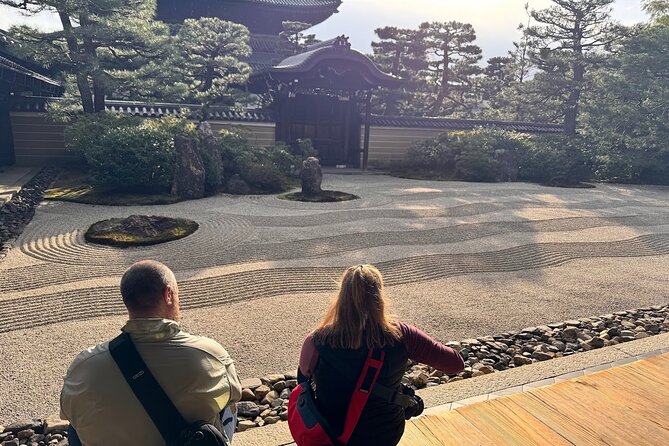
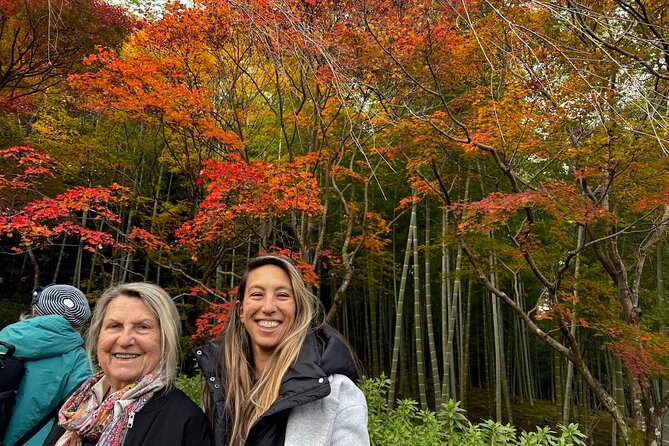
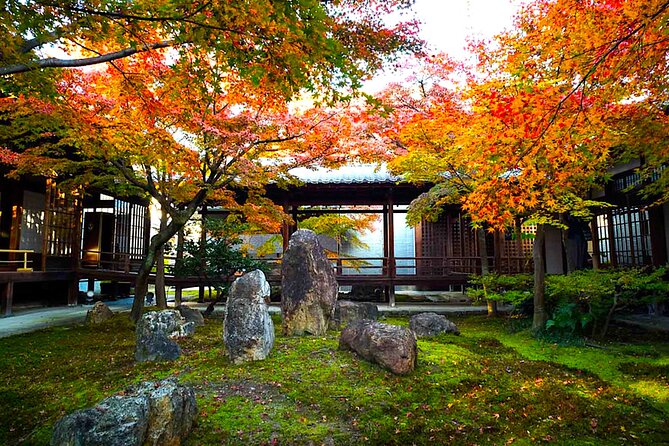
Kennin-ji is where the day gets more spiritual and less scenic. This temple is known as Kyoto’s oldest Zen temple, and it was opened by Eisai, the founder of the Rinzai sect. That single fact turns the visit from pretty to meaningful fast.
I like Kennin-ji for a specific reason: the story is concrete. Eisai isn’t a vague “historical figure,” he’s tied to the temple’s identity. When someone explains how the sect and the temple’s founding connect, you get more out of the architecture and grounds.
Admission is included for this stop, which is great value—someone else handles the ticket piece so you stay focused on the visit.
Possible drawback: it’s a temple, not a shopping street, so you may want to wear shoes that handle uneven ground and a decent amount of walking. Plan for cool-down breaks if you tend to get tired during site visits.
Loop the big Kyoto sights in one run


Nishiki Market: Shopping That Feels Like a Local Habit
Nishiki Market is a strong mid-day option because it shifts you from sacred spaces to everyday Kyoto life. The tour calls it a shopping district popular with Kyoto locals, with shops featuring seasonal fish and fruits, plus traditional craft items unique to Kyoto.
This stop is useful even if you’re not a big shopper. It’s a fast way to learn what food culture looks like on the ground: how stalls group items, how seasonal goods show up, and what kinds of products people actually buy. You can also pick up edible souvenirs that travel better than fragile crafts.
Admission is free here, so your only real cost is what you choose to buy. And since food and drinks aren’t included in the tour, this is one of the best places to decide what you want to eat.
Possible drawback: markets can be crowded. If you prefer wide-open spaces and silence, you might find this part more energetic than the shrines. The upside is the chaos is short and practical, not endless.
Fushimi Inari-taisha: The Torii Gates Are the Star
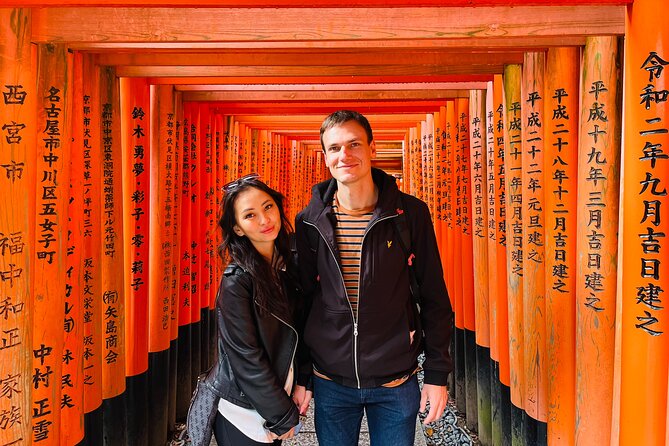
Fushimi Inari-taisha is one of Kyoto’s most popular and visually unforgettable spots, with thousands of torii gates. The tour describes it as both beautiful and peaceful, which is worth noting: the place can feel dramatic and crowded at certain moments, but there are also quieter stretches where the experience settles into something calmer.
What makes this stop work on a guided day is pacing. You don’t just charge straight through. You’re guided through a route that makes it easier to enjoy the main effect—those gate lines receding into the distance—without turning it into a marathon.
Photo help matters here. The torii gates are all about angle and depth, and a guide can steer you to viewpoints that feel more intentional than random snapshots.
Admission is free, so the gate experience costs you time, not ticket money.
Possible drawback: expect lots of steps and a lot of walking. If you have limited mobility or get tired easily, plan on taking slow breaks and follow your guide’s pace.
Food, Timing, and What You Should Budget For
Food and drinks are not included. That means you’ll want a clear plan for meals rather than hoping the tour magically feeds you. The schedule indicates time after lunch for exploring Gion, so the tour is structured around a lunch break, but what you eat is up to you.
If you need special food—halal or vegetarian—this tour shows a real advantage. In one of the guide notes, Aki is described as accommodating and helpful when asked for halal/vegetarian options, including making an effort to search for a restaurant in advance. That’s exactly the kind of practical support that makes a private tour worth it when you have dietary limits.
My practical advice: decide your lunch style (sit-down vs. quick bite) before the day starts, and then ask your guide for options that match. Kyoto has plenty, but you’ll save time with someone who knows what’s nearby.
Also remember: the tour includes public transportation as part of the experience. That’s good for value and logistics, but it does mean you shouldn’t plan a super late dinner right after, unless you’re used to moving fast.
Guide Aki and the Real Advantage of a Private Tour
The tour’s “private” label isn’t just marketing. It means you can ask questions as you go instead of waiting for a larger group to catch up. It also means your guide can respond to needs mid-route.
A nice example from the tour’s feedback: Aki handled a halal/vegetarian request with effort ahead of time. That’s not something you get from a generic audio guide. It’s also not something you can always count on when you’re doing everything solo, because last-minute restaurant hunting in a foreign language can be stressful.
An English-speaking guide is included, which matters because Kyoto is full of details you might miss if you’re reading on your own at street level. Even simple explanations—what a shrine represents, what a temple founding connects to, why a market is laid out the way it is—make your time feel less like wandering and more like understanding.
Price and Value for a 7-Hour Kyoto Day
At $145.35 per person for a roughly 7-hour private highlights tour, you’re paying for several things bundled together:
- An English-speaking guide
- Hotel pickup and drop-off within Kyoto City
- Public transportation during the day
- Admission included for Kennin-ji
- Photos of tour participants
- Local taxes
If you break it down by time, it’s not a crazy hourly rate for a private guided day—especially in a city like Kyoto where transportation costs and time losses add up fast. The value gets even better if you’re traveling as a small group, since group discounts are mentioned, and the tour remains private to your party.
The main cost you’ll still carry is meals and drinks. That’s normal for tours like this, but it’s worth planning because it affects your total spend more than you might expect.
For me, the value equation is simple: if you want the big Kyoto highlights with someone helping you make sense of them, this price is easier to justify.
Who This Tour Suits Best (and Who Might Prefer Something Else)
This tour is a strong match if you want:
- Major Kyoto highlights in one day, without logistics stress
- A guide who can explain what you’re seeing, not just point things out
- A private format where you can move at your pace
- Built-in structure from Gion to Yasaka Shrine to Kennin-ji to Nishiki Market to Fushimi Inari
It’s also a good pick for people with dietary needs who want help finding appropriate meal options. The Aki example shows the guide is willing to put in work rather than brushing you off.
Who might skip it:
- If you hate walking and prefer slow, minimal transit, the full-route plan could feel like too much movement in one day.
- If you only want Fushimi Inari and nothing else, a smaller, more focused option might be more your style.
For most travelers, this hits the sweet spot between sightseeing and practical guidance.
Should You Book This Kyoto Private Highlights Tour?
Book it if you want a well-structured one-day plan that hits Kyoto’s signature cultural stops and keeps you from guessing. The guide component is the real strength, especially if you care about context and you might need help with halal or vegetarian food.
I’d book with confidence if you’re comfortable walking a lot and you want to spend your time wisely rather than wrestling with transit and directions.
Skip or reconsider if you want a slow day, you’re limited on mobility, or you’d rather choose your own exact meal stops with no guidance. But if you’re ready for a full day that feels coherent and guided, this tour is a solid way to experience Kyoto’s most famous layers in a single swing.
FAQ
How long is the Kyoto private tour?
It runs for about 7 hours.
What is the price per person?
The price is $145.35 per person.
Is hotel pickup included?
Hotel pickup and drop-off are included only if you’re staying in Kyoto City.
What does the tour include?
It includes an English-speaking guide, hotel pickup and drop-off (Kyoto City), public transportation, local taxes, and photos of tour participants.
Is food included?
No. Food and drinks are not included.
Are entrance tickets included?
Admission is free for some stops, and Kennin-ji Temple admission is included.
Where does the tour start and end?
It starts at Kyoto Station (Higashishiokoji Kamadonocho, Shimogyo Ward) and ends back at the meeting point.
Is this tour private?
Yes. It’s private, and only your group participates.
Can the itinerary be changed?
Some changes can be made to the itinerary based on your wishes.
Are service animals allowed?
Yes, service animals are allowed.
More Tour Reviews in Kyoto




More Kyoto Sightseeing Loops

More Private Tours of Kyoto

Just added: more Kyoto tours to browse








Kyoto Bus & Sightseeing Tours, compared.
 ★ 5.0PERFECT KYOTO 1-Day Bus TourFrom $12913,518 reviews
 ★ 4.8Fushimi Inari, Kinkakuji, Bamboo Grove 1 Day Bus TourFrom $1224,316 reviews
 ★ 4.9Best of Kyoto: Gion, Geisha, Pagodas & CobblestonesFrom $242,058 reviews
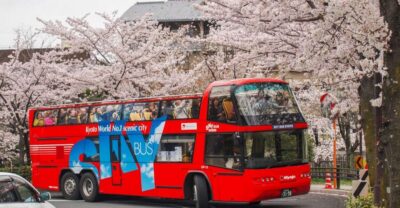 ★ 3.9Hop-on Hop-off Sightseeing Bus TicketFrom $272,034 reviews
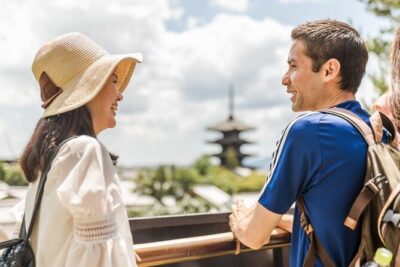 ★ 5.0Private Kyoto Tour with a Local, Highlights & Hidden Gems, PersonalisedFrom $1021,543 reviews
 ★ 4.7Kyoto/Osaka: Nara, Fushimi Inari Taisha, Arashiyama Bus TourFrom $521,275 reviews
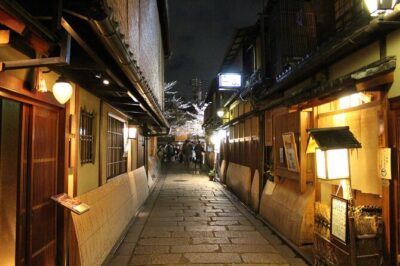 ★ 5.010 Must-see Spots in Kyoto One Day Private Tour (up to 7 people)From $1791,108 reviews
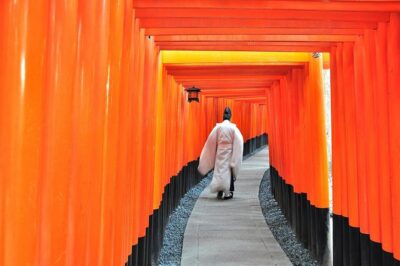 ★ 4.5One-Day Tour of Kyoto’s Highlights from Osaka/KyotoFrom $661,092 reviews
Browse the lists this tour appears in