
Reviewed · KYOTO PRIVATE GUIDED TOURS
Kyoto Private Tour: 1350 Years of History, Hotspots & Hidden Gems
Torii gates at dusk make Kyoto feel personal. This private, custom-guided 6-hour day connects Kyoto’s biggest icons with food lanes and calmer side streets, so you can move with purpose instead of guessing. I like the way the route starts with Fushimi Inari and keeps the pacing flexible through the rest of the day.
What I like most is the balance: one stop for awe, one stop for slow wandering. Sanjusangendo is unforgettable because you’ll see the main statue plus around one thousand life-sized Kannon statues, and it’s a powerful change of pace from shrine crowds. I also love the focus on eating and browsing, with time around Sannenzaka/Ninenzaka (desserts and souvenirs) and later shopping through Nishiki’s food stalls.
One thing to plan for: admission and meals add up. Sanjusangendo has a ¥600 admission fee (not included), and lunch is usually ¥1,000 to ¥2,000 per person, with dinner running higher depending on what you choose. So the headline price works best if you’re happy to budget for food and a couple paid entries.
In This Review
- Key things to know before you go
- Fushimi Inari Taisha at evening: the torii-gate feeling
- A practical caution
- Sanjusangendo: seeing 1,000 Kannon statues up close
- Why this stop is great value
- Sannenzaka and Ninenzaka: lunch lanes, desserts, and souvenirs
- The only drawback: it can be very tour-shaped
- Budget reality check
- Kiyomizu-dera: Kyoto’s landmark, handled without stress
- How your guide helps at Kiyomizu-dera
- What to wear
- Nishiki Market: a food-shopping stop with direction
- How to use this time well
- How the private guide changes the whole day (Kazu and Risa)
- A small reality check
- Price and value: what you pay, what you still need
- So is it worth it?
- Getting oriented: meeting at Kyoto Station and ending near Kawaramachi
- Who this Kyoto private tour suits best
- Should you book this Kyoto private tour?
- FAQ
- How long is the Kyoto private tour?
- What does the tour cost per person?
- What’s included in the price?
- Are temple or entrance fees included?
- Where do we meet and where does the tour end?
- Is this a private experience or shared with others?
Key things to know before you go
- Fushimi Inari at evening mood: walking through thousands of torii gates late day/night feels like a different world
- Sanjusangendo’s 1,000 Kannon statues: a jaw-drop indoor stop that’s easy to pair with outdoor temples
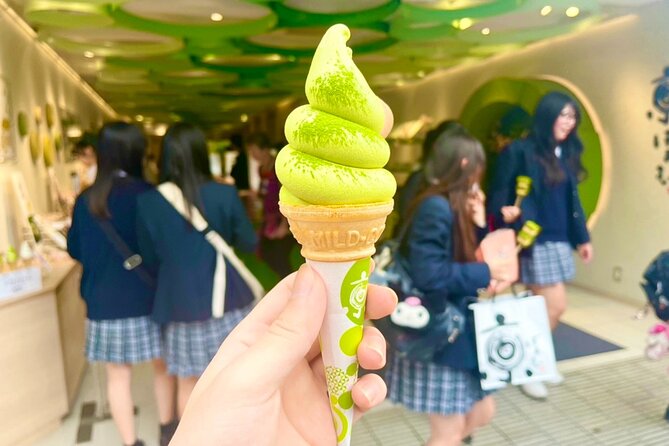
- Sannenzaka/Ninenzaka for lunch + snacks: built-in time for green tea ice cream, yatsuhashi, and souvenir browsing
- Kiyomizu-dera with managed pacing: a major landmark that draws roughly 5 million visitors per year, so timing matters
- Nishiki Market’s long-food tradition: a 400+ year market stop that’s ideal for sampling Kyoto tastes
- Private guide = real personalization: guides such as Kazu and Risa have tailored days for families and dietary needs (including kosher-friendly meal planning)
Fushimi Inari Taisha at evening: the torii-gate feeling
You start at Fushimi Inari Taisha Shrine, and the experience is all about the approach. The magic isn’t just the famous gate—it’s the walk through countless torii gates, especially if your timing lands you there in the late evening. Even if you’ve seen photos, the depth of the tunnel-like path hits differently when you’re standing in it.
This stop is scheduled for about an hour, and admission is free. That’s a good length because Fushimi Inari rewards walking, but you don’t want to burn your entire day on one site and then scramble for everything else. With a private guide, you also get help with flow—what to prioritize, where to pause, and how to keep moving without feeling rushed.
Have a local lead the way on more Kyoto tours
A practical caution
The torii paths can feel long and steep as you head deeper. Comfortable walking shoes matter. Also, if you’re sensitive to crowds, know that Fushimi Inari can get busy—your guide can help you navigate your best route and pace within the time you’ve got.
Sanjusangendo: seeing 1,000 Kannon statues up close
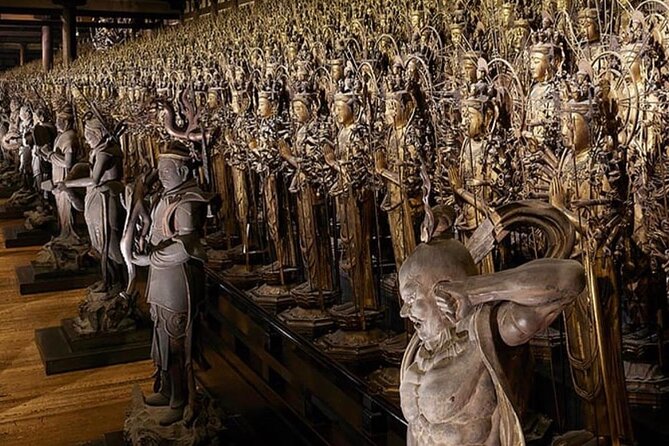
Next comes Sanjusangendo Temple, and this is where the day gets dramatically different. Instead of open-air courtyards and hillside views, you’re stepping into an art-and-spiritual-craft moment. The big draw is the main statue plus about one thousand life-sized Kannon statues, which is why people often react with something like wow.
The time here is about one hour, and the admission fee is ¥600 per person. It’s not included in the tour price, so you’ll want to treat it like a planned add-on rather than an unexpected surprise.
Why this stop is great value
In a normal self-guided day, it’s easy to skip Sanjusangendo because it doesn’t look like the headline temples from afar. But with a tight 6-hour plan, it’s a smart choice: it adds a unique visual experience that doesn’t depend on weather and gives you a mental reset between outdoor icons.
Sannenzaka and Ninenzaka: lunch lanes, desserts, and souvenirs
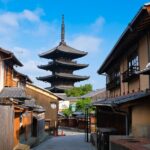
After the temple intensity, you’ll head into the atmospheric lanes of Sannenzaka and Ninenzaka. This is a classic Kyoto strolling zone where shopping and eating feel part of the street experience, not separate from it.
You get about an hour here, and admission is free. This is where lunch fits naturally—think green tea ice cream, yatsuhashi (the chewy Kyoto sweet), and other well-known Kyoto desserts. It’s also a good area to pick up small souvenirs without turning the day into a shopping marathon.
Other Kyoto tours and experiences to compare
The only drawback: it can be very tour-shaped
This part of Kyoto gets popular, and that can affect how relaxed the shopping feels. The fix is simple: use the guide time to move intentionally—choose a plan for what you want to eat, then browse around that. With a private guide, you’re not stuck doing the same “wait in lines, then walk around” loop.
Budget reality check
Lunch is not included. Plan ¥1,000 to ¥2,000 per person, and adjust based on what you actually want to try.
Kiyomizu-dera: Kyoto’s landmark, handled without stress
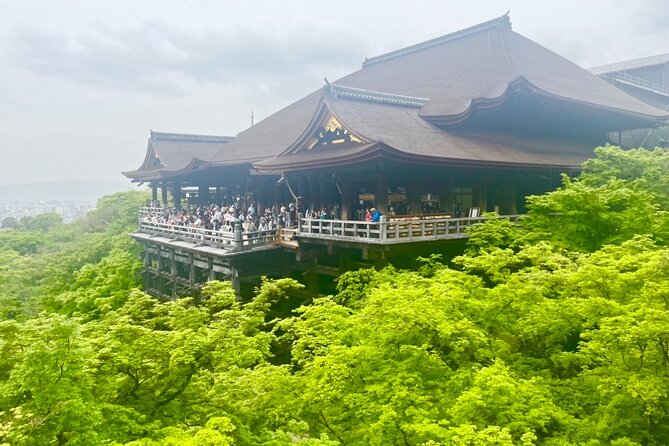
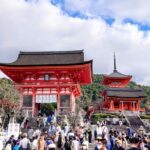
Then it’s Kiyomizu-dera Temple, one of Kyoto’s oldest and best-known temples. The tour gives you about one hour and 40 minutes here, which is important because this is the kind of site where you can either rush or enjoy. With a guide, you can do the sensible version: see what matters, take in the views, and still have time to slow down.
The crowd factor is real. The info you’ll see for this temple includes a figure of about 5 million visitors per year, and that sounds about right once you’re there. Admission isn’t included for this stop, so you’ll want to bring cash or a way to pay your entry fee.
How your guide helps at Kiyomizu-dera
Even when you’ve been to big temples before, Kiyomizu-dera can feel overwhelming—paths branching, photo angles everywhere, and constant movement. A private guide helps you keep your eyes on the key scenes and gives you a pace that won’t leave everyone in your group exhausted.
What to wear
Layers help in Kyoto, and comfortable shoes are non-negotiable. The walkways and steps can wear you out faster than you expect, especially if you’re also doing Fushimi Inari earlier.
Nishiki Market: a food-shopping stop with direction
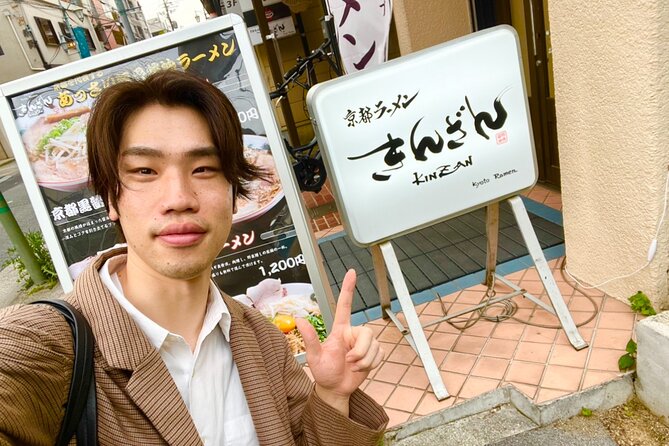
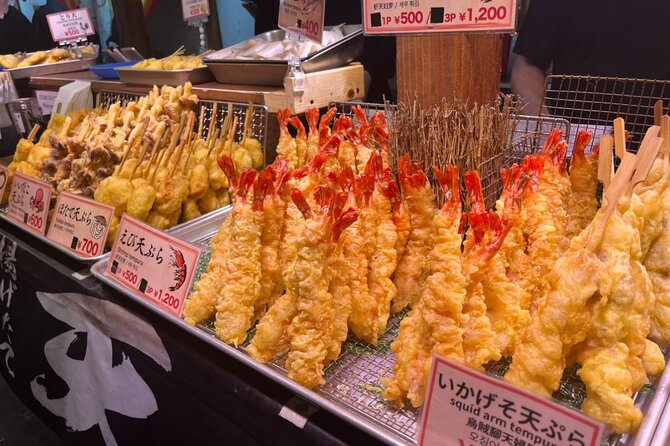
In the final stretch, you’ll visit the Nishiki Market Shopping District, Kyoto’s long-running food market. The key detail here is the tradition: it’s known as having over 400 years of history, and the street is lined with stalls and food-related products.
You’ll spend about one hour and 20 minutes, and admission is free. This is a great stop because it’s not just sightseeing—you get to eat Kyoto in small bites and decide what you want to bring home. It also works well for mixed groups: if someone isn’t in the mood for another temple, this is where they can relax and snack.
How to use this time well
Nishiki is best when you don’t try to sample everything. Instead, pick a few “must-try” items and leave room for one sweet and one savory. If your group has dietary restrictions, this tour format tends to be easier because your private guide can help steer you toward options that fit.
How the private guide changes the whole day (Kazu and Risa)
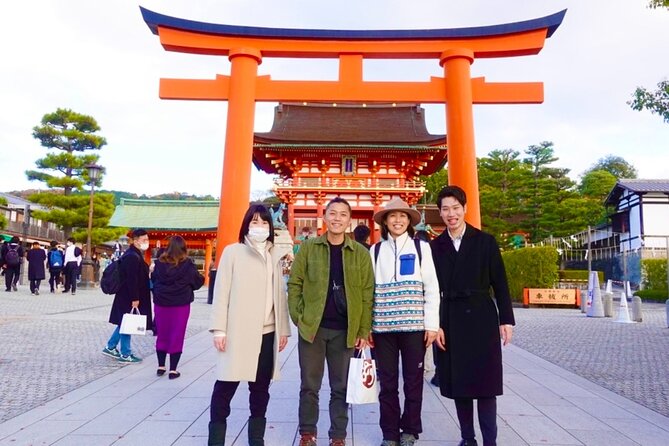
The biggest advantage of this tour style is that it’s not a one-size-fits-all script. It’s private—so only your group participates—and the guide can adjust around what you actually want to see and do.
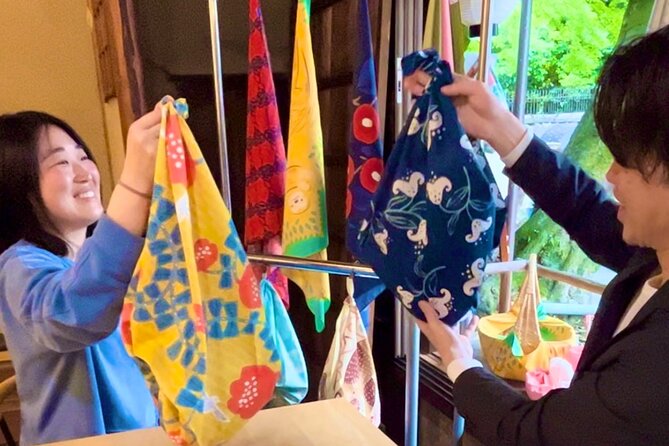
In the feedback associated with this experience, guides such as Kazu and Risa show up repeatedly, and their pattern is consistent: they listen first, then build the route around your interests. Families report that Kazu shaped the itinerary to match different tastes within the group, including kids and teens, and that the day felt organized rather than chaotic. Other families mention help with dietary needs, including kosher-friendly meal planning, which is a big deal when you’re trying to enjoy Japan without constantly second-guessing menus.
That personalization also shows up in how the day feels. A private guide helps you avoid wasted walking and keeps you from getting stuck at dead ends when you’re trying to hit multiple famous areas in a single afternoon.
A small reality check
If you’re the type who loves wandering with no plan at all, a structured private day may feel like training wheels. But if you want to see Kyoto while still keeping your feet comfortable and your schedule realistic, a guide is a huge win.
Price and value: what you pay, what you still need
The tour price is $178.00 per person, for a day that runs about 6 hours. What’s included is straightforward: a private tour guide.
Not included is where the budget conversation matters:
- Lunch (¥1,000 to ¥2,000 per person)
- Dinner (¥1,000 to ¥5,000 per person)
- Private transportation (listed as ¥1,000 per person per day)
- Admission fee for Sanjusangendo Temple: ¥600 per person
Also, Kiyomizu-dera admission isn’t listed as included.
So is it worth it?
It’s often worth it if you want:
- Major sights plus food lanes in one compact day
- Less time figuring things out and more time enjoying the places
- A guide who can tailor the pacing for family members, especially if you have different interests in one group
If you’re traveling light and don’t care about structure, you can piece together these stops on your own. But you’d be trading the guide’s route sense and day-shaping for a DIY approach.
Getting oriented: meeting at Kyoto Station and ending near Kawaramachi
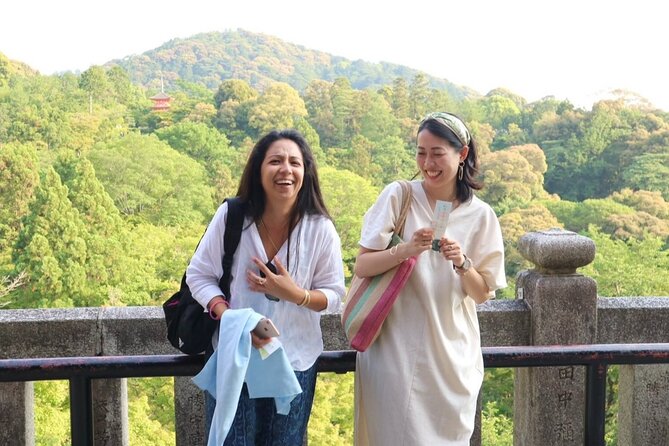
You start at Kyoto Station (Higashishiokoji Kamadonocho, Shimogyo Ward, Kyoto). You end around Kawaramachi-dori Street (near Kawaramachi or close to your hotel).
That end point is handy. Kawaramachi is a convenient base for continuing dinner and evening wandering without needing another long commute.
This tour is also noted as being near public transportation, which matters because the listing includes private transportation as an optional extra. In practice, many people will mix walking and transit, and the guide can help keep the transfers sane.
Who this Kyoto private tour suits best
This is a strong fit if:
- You want famous Kyoto sites without spending the whole day lost or stuck in planning mode
- You’re traveling with a family that has different interests and energy levels
- You care about food stops and dessert/souvenir time, not just temples
- You’d like flexibility during the day while still hitting key landmarks
It may be less ideal if:
- You want a fully self-paced day with zero structure
- Your budget is strict and you prefer not to pay separate admission and meal costs
Should you book this Kyoto private tour?
If you’re aiming for a Kyoto day that feels planned but not rigid, I’d say this is a good booking. You get a smart sequence—Fushimi Inari’s evening atmosphere, Sanjusangendo’s eye-popping Kannon statuary, lunch-time strolling in Sannenzaka/Ninenzaka, Kiyomizu-dera with enough time to actually enjoy it, and then Nishiki Market for food and browsing.
Just go in with one mindset: treat meals and a couple admissions as part of the overall experience, not as add-ons you forgot about. If you’re good with that, a private guide like Kazu or Risa can make the day smoother, easier, and more personal.
FAQ
How long is the Kyoto private tour?
It runs about 6 hours.
What does the tour cost per person?
The price is $178.00 per person.
What’s included in the price?
A private tour guide is included.
Are temple or entrance fees included?
Sanjusangendo Temple has a ¥600 admission fee per person, and it is not included. Other listed admission fees are also noted as not included.
Where do we meet and where does the tour end?
You meet at Kyoto Station (Higashishiokoji Kamadonocho, Shimogyo Ward) and end around Kawaramachi-dori Street (near Kawaramachi or close to your hotel).
Is this a private experience or shared with others?
This is a private tour/activity, so only your group participates.
More Tours in Kyoto
More Tour Reviews in Kyoto
More Private Tours of Kyoto
Just added: more Kyoto tours to browse




Kyoto Private Guided Tours, compared.
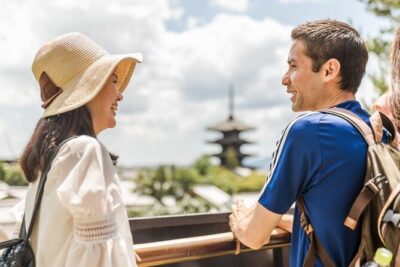 ★ 5.0Private Kyoto Tour with a Local, Highlights & Hidden Gems, PersonalisedFrom $1021,543 reviews
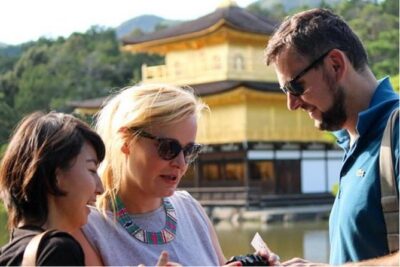 ★ 5.0Kyoto 6hr Private Tour with Government-Licensed GuideFrom $1551,369 reviews
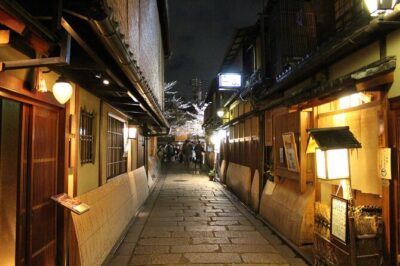 ★ 5.010 Must-see Spots in Kyoto One Day Private Tour (up to 7 people)From $1791,108 reviews
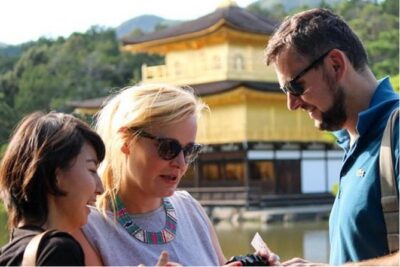 ★ 5.0Kyoto 4hr Private Tour with Government-Licensed GuideFrom $109629 reviews
 ★ 4.8Private Tour with Local Licensed GuideFrom $106463 reviews
 ★ 5.0Private Kyoto Tour with Licensed Guide & Vehicle (Max 15 persons)From $634417 reviews
 ★ 5.0Kyoto Customized Private Tour: See Top Attractions in 1 DayFrom $132342 reviews
 ★ 4.6Kyoto/Osaka: Kyoto and Nara Customized Private Guided TourFrom $477258 reviews
Browse the lists this tour appears in