
Reviewed · PRIVATE
Kyoto Private Customizable Half Day Tour
Kyoto in four hours needs a good plan. This private customizable half-day tour is built around your preferences, with an English guide who helps shape the itinerary and handles reservations and bookings on your behalf. That combination matters in Kyoto, where the “right” visit time can make or break your day.
Because it is a half-day and you choose just 2 to 3 sites, the tradeoff is focus over coverage. If you want to check off every famous landmark, you’ll feel the limits. If you want the best version of a few places, you’re in the right lane.
In This Review
- Key highlights at a glance
- Four Hours in Kyoto: why this tour model works
- How your custom itinerary is shaped (and how to make it great)
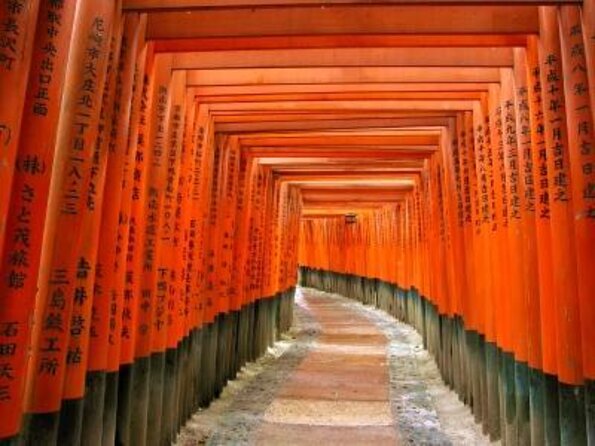
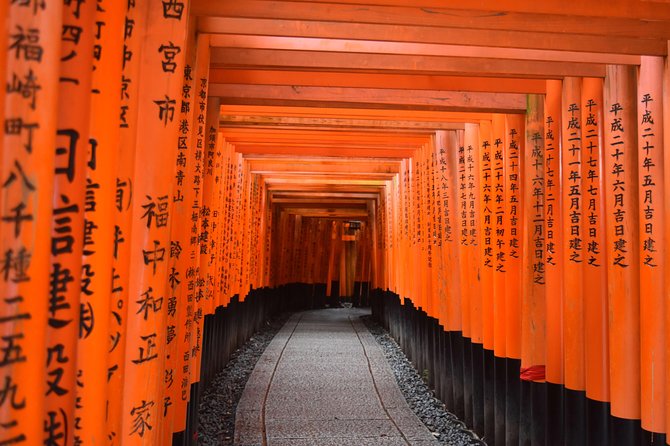
- Fushimi Inari Taisha: the Inari stop you build your day around
- Kiyomizu-dera and Kinkaku-ji: two temple stops, two kinds of famous
- Kiyomizu-dera (Otowa-san Kiyomizu-dera)
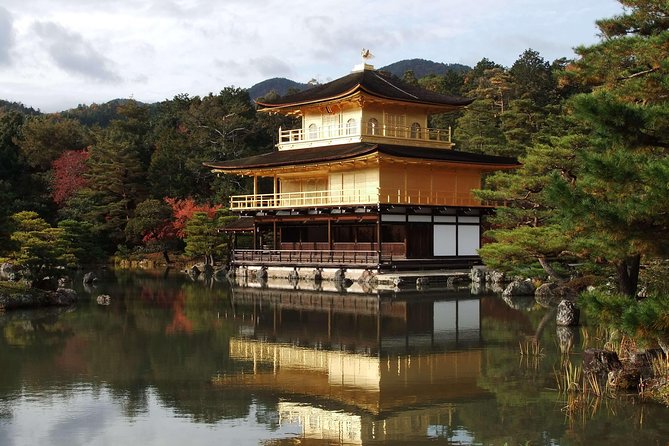
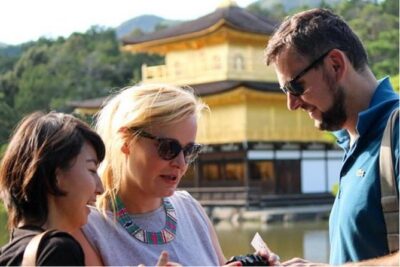
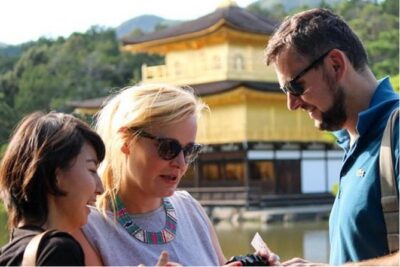
- Kinkaku-ji (Rokuon-ji)
- Nijō Castle: fortifications, palaces, and gardens in one stop
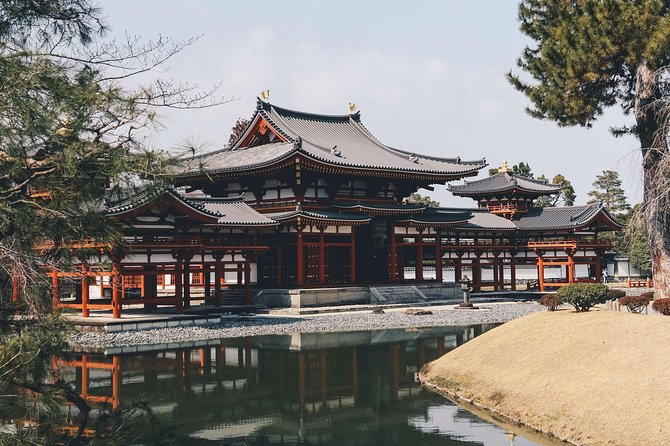
- Byōdō-in in Uji: a Heian-era change of pace
- Kitasuisan Bridge: using a short stop to reset
- Pickup, getting there, and why 8:00 a.m. can be a plus
- Price and value: what $174.95 per person is really buying
- Pacing, crowds, and the “avoid the headache” skill
- Who should book this tour (and who might skip it)
- Should you book this Kyoto private customizable half-day tour?
- FAQ
- What time does the Kyoto private half-day tour start?
- How long is the tour?
- How many sites can I choose?
- What’s included in the price?
- What is not included?
- Is pickup available?
- What if I need to cancel?
Key highlights at a glance
- A guide-made plan, not a rigid schedule: you pick what you want and the itinerary is built around you
- Reservations and bookings handled for you: your time stays for walking, not calling
- Real private attention: only your group, guided start to finish
- Classic Kyoto stops you can mix and match: shrine, temple, castle, and a stop in Uji
- Smooth city navigation: pickup/drop-off when your hotel is in the city center
- Pacing you can adjust: you can slow down or speed up based on what you care about
Four Hours in Kyoto: why this tour model works
A half-day in Kyoto sounds like a sprint, and honestly it is. The smart part here is that the tour is designed for decision-making, not for ticking boxes. Instead of being locked into a strict route, you can shape the day around a short list of priority sites and the vibe you want: shrine calm, temple atmosphere, castle “history on walls,” or a change of pace in Uji.
At $174.95 per person, you’re paying for convenience plus expertise. The big value is not that a guide “knows Kyoto.” It’s that your guide helps build a plan and manages the hard parts like reservations and bookings, so you spend fewer hours figuring things out and more hours actually there.
You also get a private format (only your group), which matters because Kyoto sightseeing rewards flexibility. If you suddenly want extra time at one spot, you can usually adjust without the whole day collapsing.
Other Kyoto tours and experiences to compare

How your custom itinerary is shaped (and how to make it great)
This is a custom itinerary tour where you choose 2 to 3 sites. That’s the key constraint. It’s also your best friend. Two or three stops means you can actually enjoy each place instead of “glancing and moving on.”
Here’s how to get the most from the planning:
- Prioritize one anchor you do not want to miss. For many people, that’s Fushimi Inari Taisha (the head shrine of the kami Inari).
- Pick one “wow” stop and one “different flavor” stop. A common combo is a major temple like Kiyomizu-dera or Kinkaku-ji, plus either Nijō Castle or Byōdō-in.
- Be honest about your pace. The tour asks for moderate physical fitness, so choose sites you can handle comfortably in a single morning.
After you book, you’ll get a link to a Kyoto Form. Completing that form accurately at least 7 days before your tour helps the team start arranging the details. If you leave too much vague, your itinerary may end up more generic than you hoped. If you’re specific, the guide can steer the plan.
Fushimi Inari Taisha: the Inari stop you build your day around
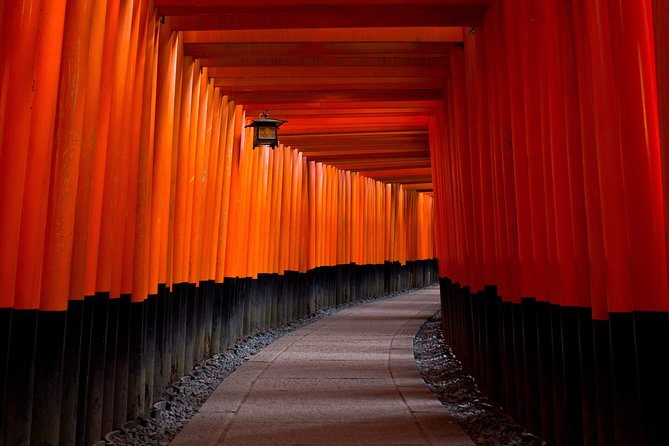
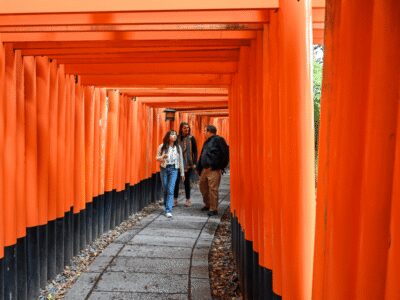
Fushimi Inari Taisha is the head shrine of the kami Inari. That alone makes it a logical anchor stop, because it is not just another photo stop. It’s a shrine with a clear identity, and it’s the kind of place where a little extra time can change your experience from “seen it” to “I get it.”
As a morning anchor, it also helps because you can structure the rest of the half-day around what you want next. If you’ve got shrine energy, you can follow with a major temple stop. If you prefer architecture and fortifications later, you can route toward Nijō Castle. Either way, the value of this tour is that your guide helps align the sequence with your interests rather than forcing you into the same order as everyone else.
What to consider: if Fushimi Inari is your top priority, treat it as the centerpiece. When you only have a few hours, giving your main stop short shrift is the easiest way to feel like the day was “rushed.”
Kiyomizu-dera and Kinkaku-ji: two temple stops, two kinds of famous
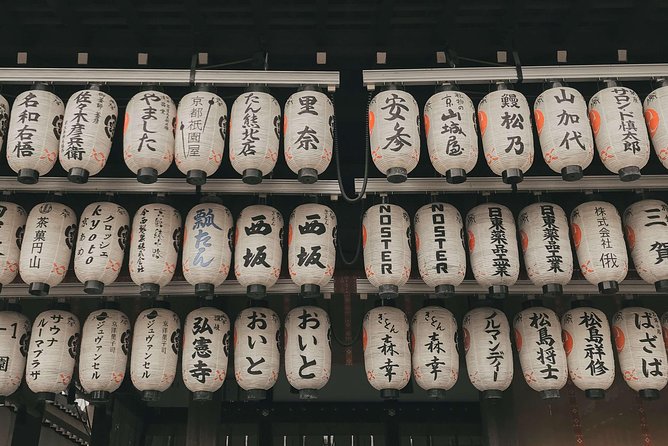
If you want a Kyoto temple day that still feels manageable, you can pair a UNESCO-listed temple with Kyoto’s most famous “look at this” building.
Kiyomizu-dera (Otowa-san Kiyomizu-dera)
Kiyomizu-dera is an independent Buddhist temple in eastern Kyoto, and it’s part of the Historic Monuments of Ancient Kyoto UNESCO World Heritage site. That UNESCO connection is more than a label. It tells you the site is important enough to be protected and recognized, which usually means there’s a lot to pay attention to beyond the postcard view.
In a half-day format, I like how this stop gives you a strong sense of place. Even if you spend less time than you would on a full-day trip, the “this is why it matters” feeling tends to land.






Kinkaku-ji (Rokuon-ji)
Kinkaku-ji, officially Rokuon-ji, is a Zen Buddhist temple and one of the most popular buildings in Japan, attracting a large number of visitors annually. Popularity is useful information. It means timing matters.
Because the tour includes reservations and bookings handled for you, you’re better set up to manage the pressure that comes with a site that draws crowds every year. The bigger win for a half-day is that you can spend more energy actually looking and less energy dealing with the chaos of fitting into the flow.
What to consider: both Kiyomizu-dera and Kinkaku-ji are big name stops. If you choose both, you might feel “major landmark overload.” If your style is more relaxed, consider pairing one of them with Nijō Castle or Byōdō-in instead.
Nijō Castle: fortifications, palaces, and gardens in one stop
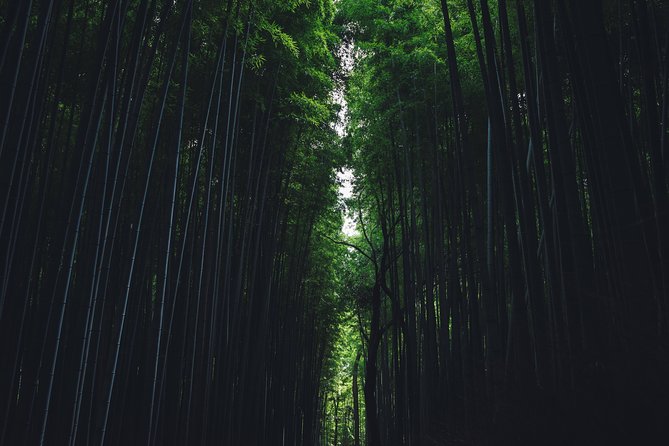
Nijō Castle is described as a flatland castle in Kyoto. What makes it especially interesting for a short visit is its structure: it consists of two concentric rings of fortifications, plus the Ninomaru Palace, ruins of the Honmaru Palace, and gardens.
That “rings” detail is practical. It’s the kind of design that helps your brain follow what you’re looking at. Even without turning it into a history lecture, you can read the site as layers: outer defenses, then the inner palace world, then the garden spaces. It’s a strong choice if you want something that feels more “designed” than purely spiritual.
In a half-day itinerary, Nijō Castle also gives you a different lens. Shrine and temples are one mode. A castle adds the idea of power, protection, and lived space.
Byōdō-in in Uji: a Heian-era change of pace
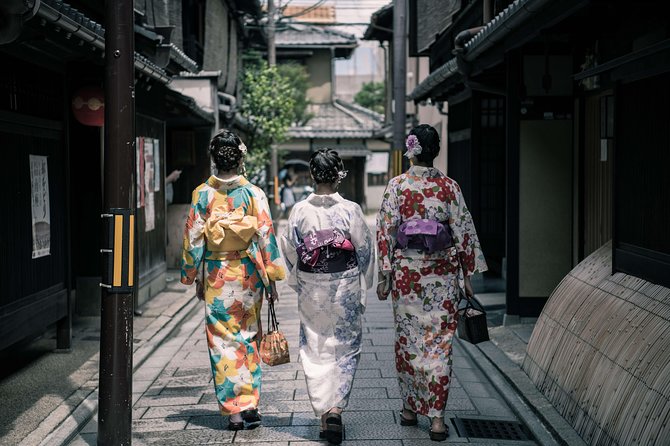
Byōdō-in is in Uji, which expands your half-day beyond central Kyoto. The temple was built in the late Heian period, and it’s jointly a temple of the Jōdo-shū and Tendai-shū sects.
Even if you don’t go deep on doctrine, the late Heian period detail is useful. It signals you’re aiming at a different era than the “classic Kyoto highlights” people often rush through. And adding Uji to a half-day is a good way to avoid the feeling that you only saw the same kind of sights.
What to consider: Uji is listed as part of the available stops, which means your guide will factor it into transportation. If your energy level is low that morning, ask for an itinerary that doesn’t zigzag too much. The goal is to keep your walking time enjoyable, not exhausting.
Kitasuisan Bridge: using a short stop to reset
Kitasuisan Bridge is listed as a stop, but without extra description here. So I treat it as what it likely is in practice: a change of pace point. When you have just a few hours, a brief visual stop can break up the heavy hitters and make the morning feel more varied.
If you’re planning your own mix, think of Kitasuisan Bridge like a breath between major sites. Choose it if you like variety or if you want a moment that isn’t another entry ticket “event.”
Pickup, getting there, and why 8:00 a.m. can be a plus
The tour meets at Kyoto Station (Higashishiokoji Kamadonocho, Shimogyo Ward) starting at 8:00 am. It ends back at the meeting point. If your hotel is within the city center, hotel pickup and drop-off are included; if not, you’ll use the meeting point.
Why the early start can be helpful: it gives you momentum. For a half-day, starting early also lowers the chance your day becomes a chain of late arrivals and rushed photos. And since the guide can handle bookings and arrange your route, you’re not left improvising in the morning.
Transport is within the city only, using either public transportation or a private vehicle depending on your booking. That matters because the tour is short enough that transport time can steal minutes from sightseeing. In my view, the private format is most valuable when it reduces friction, not when it adds complexity.
Price and value: what $174.95 per person is really buying
Let’s talk value honestly. At $174.95 per person, you are paying for:
- A 4-hour private custom itinerary
- An English-speaking professional tour guide
- Reservations and bookings made on your behalf
- Transportation within the city
- Hotel pickup/drop-off when eligible
- A choice of 2 to 3 sites tailored to you
- A mobile ticket
If you were trying to DIY this, the cost isn’t just tickets. It’s time: messaging for reservations, figuring routes, and building a sequence that minimizes wasted steps. Here, your guide takes on the planning and booking burden.
The price is also easier to justify if you’re not going solo. Group discounts are mentioned, and private tours become a lot more reasonable per person when more people share the guide and coordination.
One possible downside to price: if your must-see list changes often or you want to swap most stops day-of, custom tours can be less flexible. You’ll want to lock in priorities early when you fill out that Kyoto Form.
Pacing, crowds, and the “avoid the headache” skill
The biggest practical perk of a good guide isn’t charisma. It’s problem-solving. In the tour experience, you’ll see how the planning can help you dodge crowd stress by choosing routes and timing with intention. One example from guide-led experience: a driver arranged the plan to avoid crowds where possible, while keeping the day efficient.
You also get evidence of a calm, supportive guide approach from earlier Kyoto trips. One guide named Yoshi was described as patient and kind, and another guide named Kaz Yoshida was praised for being thoughtful about leaving people near their hotel area.
That kind of attention matters in Kyoto. It’s the difference between feeling like you’re being processed and feeling like you’re being looked after.
Who should book this tour (and who might skip it)
This Kyoto private customizable half-day tour is a great fit if:
- You want personalized attention in a short time window
- You have 2–3 must-see sites and want help building the route
- You prefer not to manage reservations and logistics yourself
- You like the idea of having a guide available to adjust pacing
You might skip or look elsewhere if:
- You want a full-day “see everything” itinerary (this one is only about 4 hours)
- Your priority is deep, unhurried exploration at many sites
- You don’t care about reservations or guided logistics (then DIY may be cheaper)
Should you book this Kyoto private customizable half-day tour?
If you’re the type who plans with intention and wants your Kyoto morning to feel smooth, I think it’s a smart booking. The tour’s value is in the combination of custom itinerary choices and a guide handling the booking work. With only 2–3 sites on deck, you’re set up to get more “meaning” per hour.
My best advice: before you book, decide your anchor stop and rank your remaining picks. Then fill out the Kyoto Form with clear priorities. If you do that, your 8:00 a.m. start won’t feel like a squeeze. It’ll feel like a focused win.
FAQ
What time does the Kyoto private half-day tour start?
It starts at 8:00 am and meets at Kyoto Station (Higashishiokoji Kamadonocho, Shimogyo Ward).
How long is the tour?
The tour runs about 4 hours.
How many sites can I choose?
You choose 2 to 3 sites for a personalized tour of Kyoto.
What’s included in the price?
Included are the 4-hour fully customized tour, reservations/bookings made on your behalf, transportation within the city, an English-speaking professional guide, and hotel pickup/drop-off if your hotel is within the city center. You also receive a mobile ticket.
What is not included?
Meals, food and drinks (unless specified), fees for optional tours/activities, and gratuities are not included.
Is pickup available?
Yes, hotel pickup and drop-off are offered if your hotel is within the city center.
What if I need to cancel?
The information provided includes a cancellation fee schedule based on how many days before the tour you cancel, and it also states that the experience is non-refundable and cannot be changed. Your refund outcome will depend on the policy rules shown for your cancellation timing.
More Private in Kyoto

More Tours in Kyoto
More Tour Reviews in Kyoto
Just added: more Kyoto tours to browse








Private, compared.
 ★ 5.0Fushimi Inari Hidden Hiking Tour (Private Option Available)From $631,750 reviews
 ★ 5.0Private Kyoto Tour with a Local, Highlights & Hidden Gems, PersonalisedFrom $1021,543 reviews
 ★ 5.0Kyoto 6hr Private Tour with Government-Licensed GuideFrom $1551,369 reviews
 ★ 5.010 Must-see Spots in Kyoto One Day Private Tour (up to 7 people)From $1791,108 reviews
 ★ 5.0Kyoto 4hr Private Tour with Government-Licensed GuideFrom $109629 reviews
 ★ 4.8Private Tour with Local Licensed GuideFrom $106463 reviews
 ★ 5.0Private Kyoto Tour with Licensed Guide & Vehicle (Max 15 persons)From $634417 reviews
 ★ 4.8Private Customized Walking Tour with a Local InsiderFrom $64383 reviews