
Reviewed · NARA DAY TRIPS FROM KYOTO
Kyoto, Osaka, Nara Full Day tour by Car English speaking Driver
Kyoto is busy, so a private car day helps. This full-day experience links major sights with an air-conditioned ride and an English-speaking driver, plus easy pickup and a meet-and-greet so your day starts with less stress. You’ll get built-in time at iconic places like Arashiyama Bamboo Grove and Kiyomizudera without wrestling transit changes.
I like the private-group setup for up to 6. It’s a smoother fit for families and friend groups who want to photograph, snack, and pause when a side street looks good. I also like the practical flexibility: you can add or skip stops during the day, so the route can match your energy level instead of forcing a one-size schedule.
One consideration: this is not a ticket-all-in-one package. Entrance fees aren’t included, and the day is packed with famous stops—so you may want to decide in advance which sights matter most, especially if you’d rather spend longer inside than on the road.
In This Review
- Key things to know before you go
- Why a private Kyoto car day makes sense
- Arashiyama Bamboo Grove first: where the day gets cinematic
- Kiyomizudera: big views and a real budget line
- Kinkaku-ji and Fushimi Inari: two icons, two different moods
- Gion and Sanjusangendo: geisha streets meet Buddhist art
- Ginkaku-ji and Nishiki Market: calm temple energy then snack time
- Kyoto’s imperial and castle stops: history with room to breathe
- Eikando Zenrinji and Yasaka Shrine to close the day
- Price and logistics: what you’re really paying for
- How to get the most out of a busy 10-hour route
- So, who should book this Kyoto car day?
- FAQ
- How long is the Kyoto car tour?
- How many people are in a group?
- Do you get pickup and drop-off?
- Where can pickup happen?
- Is the driver English speaking?
- Are entrance fees included?
- What are the listed admission fees for some key temples?
- What if the tour goes past 10 hours?
- Is cancellation free?
Key things to know before you go
- Private car for up to 6: your group stays together from pickup to drop-off
- English-speaking driver/guide: good for explanations and navigating Kyoto fast
- Door-to-door options: pickup from Kyoto or Osaka areas, plus major terminals like Osaka airport or cruise terminals
- Major sights, fixed time windows: expect a packed day with short-to-medium visits
- Entrance fees and overtime add-ons: plan for temple admission and note the extra-hour charge after 10 hours
Why a private Kyoto car day makes sense
Kyoto’s charm is also its friction. The temples are spread out, roads get crowded, and train stations don’t care about your schedule. A private car fixes the big headache: you can move between areas without timing buses or switching lines.
I also think this format is especially good if you hate the stress of planning. You still choose what to see, but you’re not building the whole day from scratch. With pickup and drop-off included, you avoid the common problem of starting your sightseeing while everyone else is already waiting for a train.
The route here leans classic Kyoto: bamboo, big-name temples, shrine gates, and geisha-area streets. That’s ideal if it’s your first trip or if you want a greatest-hits day with enough variety to keep things interesting.
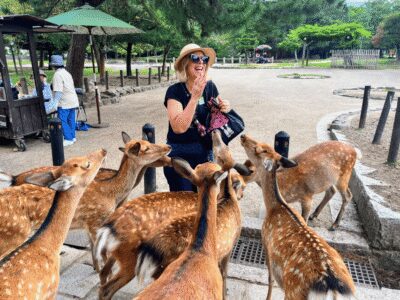
More day trips out to Nara and its bowing deer
Arashiyama Bamboo Grove first: where the day gets cinematic
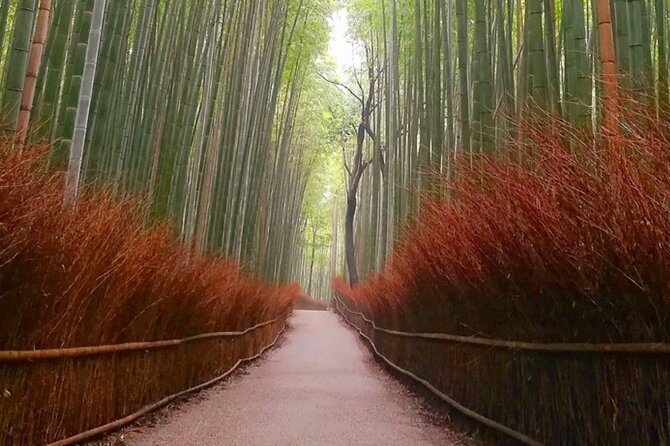
Arashiyama is one of Kyoto’s top sightseeing districts, and the Bamboo Grove is the star. You’ll get around 30 minutes here, with no entrance ticket noted for this stop, so it’s mostly about soaking in the photo moments and atmosphere.
Here’s how to make the most of a short stop like this:
- Wear comfortable shoes. Gravel paths and photo stops can add up fast.
- Keep your group together. Crowds can funnel everyone into the same angles.
- Take a few slower moments for the light. Even small shifts in time can change how the bamboo looks on camera.
A 30-minute window is tight, so don’t count on a long wandering loop. If you’re the type who likes to explore every side path, this is one place where you might want to spend your chosen extra time later or ask to adjust the pacing.
Kiyomizudera: big views and a real budget line
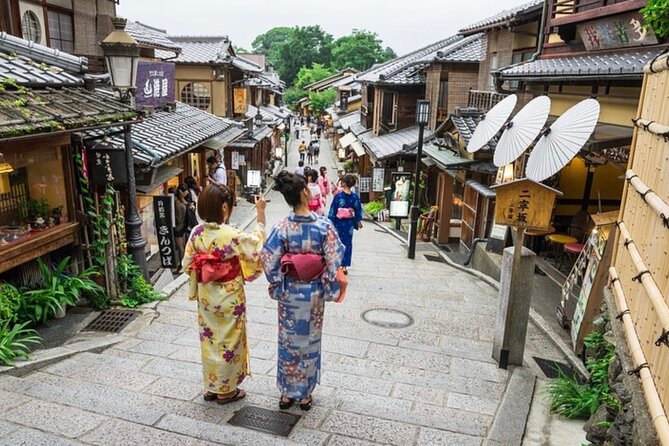
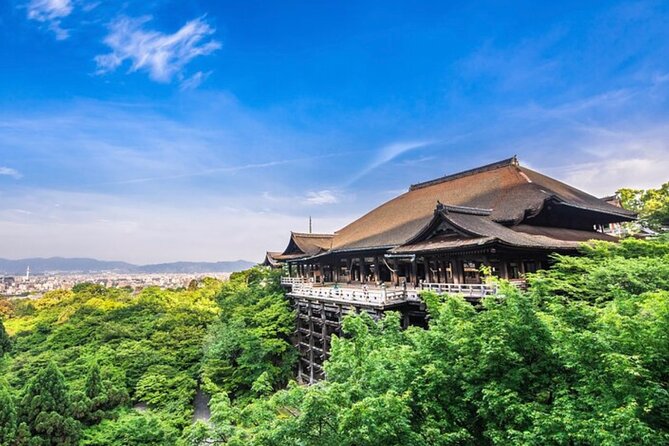
Next up is Kiyomizudera, one of the most famous temples in Kyoto. You’ll have about an hour here, which is enough to see the main viewpoints, walk around the temple area, and take photos from the key perspective that everyone comes for.
Important detail: entrance fees are not included. Kiyomizudera is listed as about ¥400 for adults and ¥200 for students (grades 1–9). Plan for that, plus any small purchases around the area if you’re hungry or want a souvenir.
The smart move is to balance sight time with crowd time. Kiyomizudera can feel packed, especially around peak hours. If your group likes photos, go for the main view first, then use the remaining time for calmer corners. If your group likes walking more than photography, spend a bit longer around the edges rather than circling the densest spots.
Kinkaku-ji and Fushimi Inari: two icons, two different moods
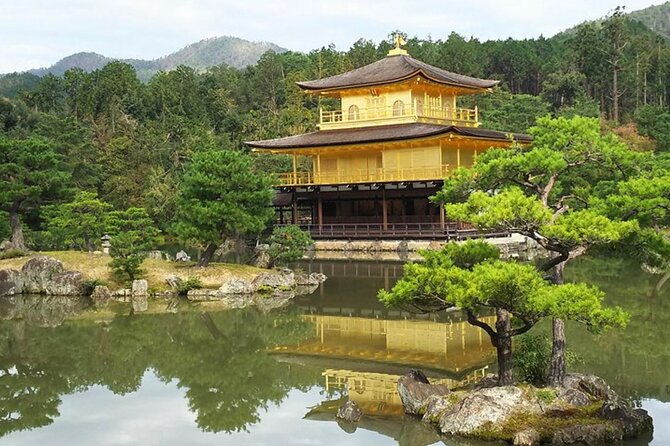
Kinkaku-ji, also known as the Golden Pavilion, is next with about 40 minutes on the grounds. This one is famous for a reason. The visuals are instantly recognizable, and the setting makes it feel almost staged—even though it’s very real and very Kyoto.
Admission is not included here either. The listed entry fee is about ¥500 for adults and ¥300 for students (grades 1–9). If you’re doing multiple paid sites in one day, it helps to keep these amounts in mind so you’re not surprised mid-route.
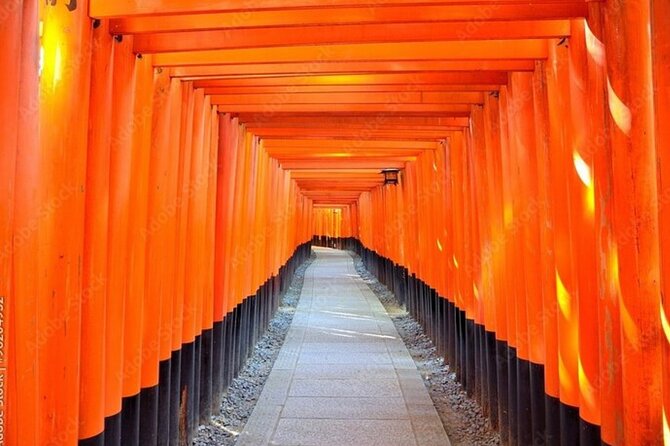
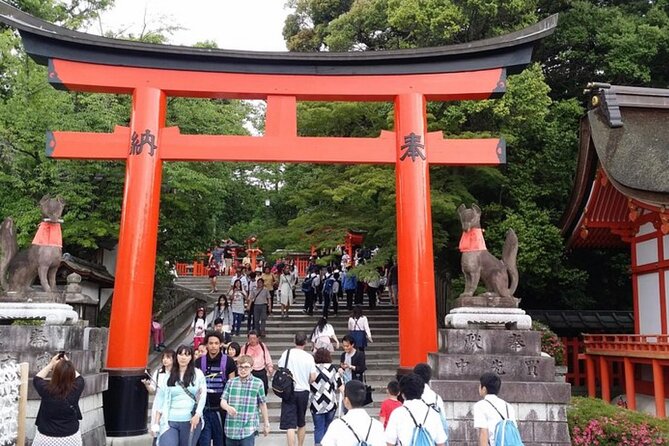
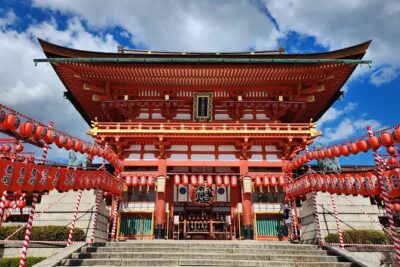
After that comes Fushimi Inari-taisha, the shrine known for its thousands of red torii gates. You’ll have around 40 minutes here, and this stop is more about walking through layers of gates than standing still.
A quick way to enjoy Inari more:
- Decide your goal fast. Walk partway for the iconic gate tunnels, or commit to going higher for fewer crowds.
- Keep an eye on time. The 10-hour day is busy, and going too far up can steal time from the later neighborhoods.
If you’re traveling with kids or anyone who doesn’t want a long climb, you can still get the full wow factor without pushing to the top.
Gion and Sanjusangendo: geisha streets meet Buddhist art
Gion is your breather moment after the gate walking. With roughly 30 minutes, you’ll get a feel for the geisha district area around Shijo Avenue and the Kamo River zone. It’s a good place to slow down, browse storefronts, and look for traditional details in the streets.
Don’t expect everyone to treat this like a theme park. This area is a working neighborhood, so the best vibe is quiet curiosity—take photos where it feels respectful, and give people space when they’re just going about their day.
Then you head to Sanjusangendo, which is known for its 1001 statues of Kannon. You’ll have about 40 minutes. This stop feels different from the big exterior sights because it’s a “stand and look” kind of experience—perfect when your group wants a more contemplative break.
Other Kyoto tours and experiences to compare

Ginkaku-ji and Nishiki Market: calm temple energy then snack time
Ginkaku-ji, the Silver Pavilion, is a Zen temple on the eastern side of Kyoto’s mountain slopes. You’ll get about an hour, which works well for this style of visit because it isn’t just a quick photo checkpoint. You’ll have time to notice the garden feel and take in the overall atmosphere.
After that comes Nishiki Market Shopping District for about an hour. This is a classic Kyoto food-and-stalls stop, and it’s where you can turn the day into something you can actually taste. Since it’s shopping and snack-focused, you’ll want to keep your pace light and flexible—buy small, sample if it’s available, and decide what you want before your legs get tired.
A practical note: markets are often crowded and busy. If your group includes anyone who gets overwhelmed by noise, set a meeting point and keep a clear plan for where you’ll regroup.
Kyoto’s imperial and castle stops: history with room to breathe
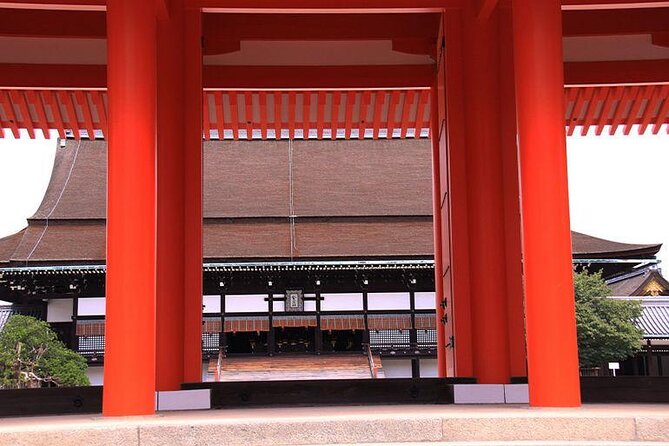
The route then includes Kyoto Imperial Palace (about an hour) and Nijo Castle (about an hour). These give you a different angle on Kyoto beyond the shrine and temple circuit. They’re also helpful for balancing the day: after walking and photo stops, you get built-in time where you can slow down and absorb the grounds.
These are also useful if you want context. Even with an English-speaking driver providing explanations, you’ll get more out of the day if you treat these as “place stories.” Look for layout cues, ask questions in the moment, and don’t rush through everything just to check boxes.
Eikando Zenrinji and Yasaka Shrine to close the day
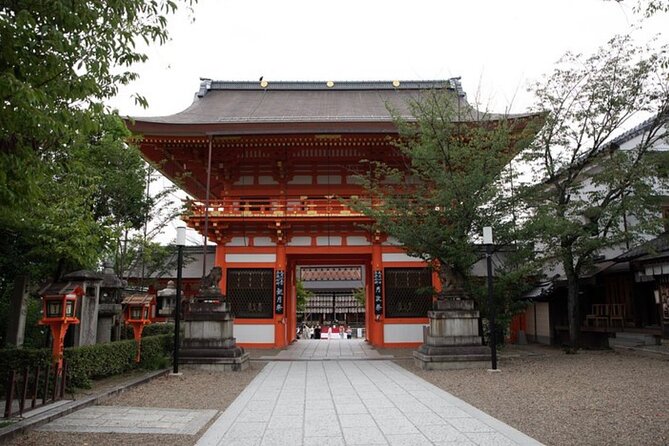
To finish, you’ll visit Eikando Zenrinji Temple (about an hour) and then Yasaka Shrine (about 30 minutes). Ending with Yasaka Shrine is a nice choice because it’s a recognizable Kyoto spiritual landmark, and it pairs well with what you’ve already seen in the day’s shrine-temple flow.
Eikando can feel more spacious than some of the most famous stops, so it’s a good final chapter if you still have energy. Yasaka Shrine is also a strong “walkaway” moment—something your group can use to recharge before the return ride.
Price and logistics: what you’re really paying for
The price is listed as $650.30 per group, up to 6 people, with about 10 hours of time. That sounds high until you price out what you’d spend on private transportation alone, plus the time savings of avoiding route planning and transit juggling.
What you get in the package:
- Private transportation in an air-conditioned vehicle
- Highway tolls and gas included
- Driver in person, with English-speaking support
- Pickup and drop-off included, plus meet-and-greet
- Mobile ticket
What you pay separately:
- Entrance fees (not included)
- Meals
- Any optional stops you choose to add beyond the plan
If you’re traveling as 2–6 people, private car cost per person drops fast compared with solo taxis or train-by-train days. If you’re a solo traveler, it might not feel as cost-friendly, since the price is per group rather than per seat.
Also note the time rule: overtime is charged at ¥5000 per extra hour after 10 hours, using hotel-to-hotel time. That matters because this itinerary is packed with major sites. If you want a lot of extra wandering, plan ahead and be realistic about how quickly the hours go.
How to get the most out of a busy 10-hour route
This day is not slow travel. It’s a smart sprint between top Kyoto stops. That’s a good thing if your goal is seeing a lot, but you’ll enjoy it more if you prep your body.
A few practical moves:
- Keep water on hand. Temple-shopping days are walk-heavy.
- Wear shoes you can move in for 60–90 minutes at a time.
- Decide your group’s photo style: quick iconic shots or more time exploring details.
- If someone wants extra time at one site, consider swapping time from another stop rather than trying to do everything equally.
One more practical mindset shift: treat the driver as your on-the-ground coordinator. The vehicle and route planning are the real value drivers here. If you want a full lecture-style guide experience at every stop, you may need to ask for more explanation during the ride.
So, who should book this Kyoto car day?
I’d book this if:
- You want a high-contrast Kyoto day that covers major landmarks without transit stress
- Your group includes kids, older relatives, or anyone who needs fewer walking transfers
- You value flexibility—choosing what to see and what to skip
I’d think twice if:
- Your group hates crowded sites and prefers long, calm museum-style pacing
- You don’t want to pay separate entrance fees on top of the tour price
- You want a dedicated storyteller at each stop rather than driver-led guidance
FAQ
How long is the Kyoto car tour?
It runs for about 10 hours.
How many people are in a group?
The tour price is for a group up to 6 people.
Do you get pickup and drop-off?
Yes. Pickup and drop-off are included, with meet-and-greet support.
Where can pickup happen?
Pickup is offered from Osaka, Kyoto, Kobe, Nara, or Osaka Kansai Airport, and also from the Osaka cruise terminal (as listed).
Is the driver English speaking?
Yes. An English-speaking driver/guide is included.
Are entrance fees included?
No. Entrance fees are not included, and you can skip any place if you want.
What are the listed admission fees for some key temples?
Kinkaku-ji is listed as ¥500 for adults (and ¥300 for students grades 1–9). Kiyomizudera is listed as ¥400 for adults (and ¥200 for students grades 1–9).
What if the tour goes past 10 hours?
There is an overtime charge of ¥5000 per extra hour after 10 hours, based on hotel-to-hotel time.
Is cancellation free?
Yes. You can cancel up to 24 hours in advance for a full refund. The experience requires good weather, and if it’s canceled due to poor weather, you’ll be offered another date or a full refund.
More Tours in Kyoto
More Tour Reviews in Kyoto
More Nara Day Trips

Just added: more Kyoto tours to browse





Nara Day Trips from Kyoto, compared.
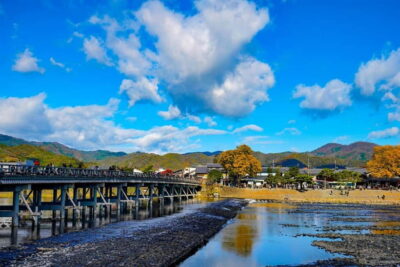 ★ 4.7Kyoto/Osaka: Nara, Fushimi Inari Taisha, Arashiyama Bus TourFrom $521,275 reviews
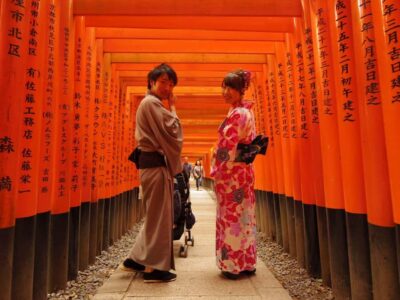 ★ 4.4Osaka/Kyoto: Arashiyama, Nara & Fushimi Inari Shrine w/LunchFrom $61754 reviews
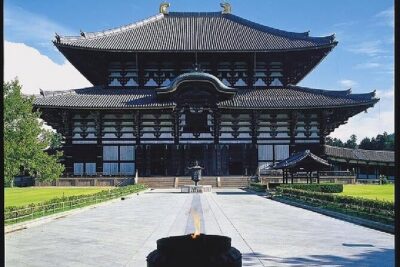 ★ 4.5Kyoto and Nara Day Trip from KyotoFrom $194445 reviews
 ★ 5.0Full Day Guided Tour to Kyoto and Nara from Osaka by VanFrom $106420 reviews
 ★ 4.5Nara Afternoon Tour from Kyoto or OsakaFrom $102390 reviews
 ★ 4.6From Kyoto: Nara Guided Morning TourFrom $77335 reviews
 ★ 4.6Kyoto/Osaka: Kyoto and Nara Customized Private Guided TourFrom $477258 reviews
 ★ 5.0Nara Park, Osaka & Kobe from Kyoto Full Day tourFrom $90207 reviews
Browse the lists this tour appears in