
Reviewed · HIROSHIMA & MIYAJIMA DAY TRIPS
Full Day Hiroshima and Miyajima Tour by Bullet Train from Kyoto
Morning starts with a long train day, then turns unforgettable. This full-day trip from Kyoto gives you Shinkansen speed plus guided context for Hiroshima’s history—without you needing to stitch together transport, tickets, and timing.
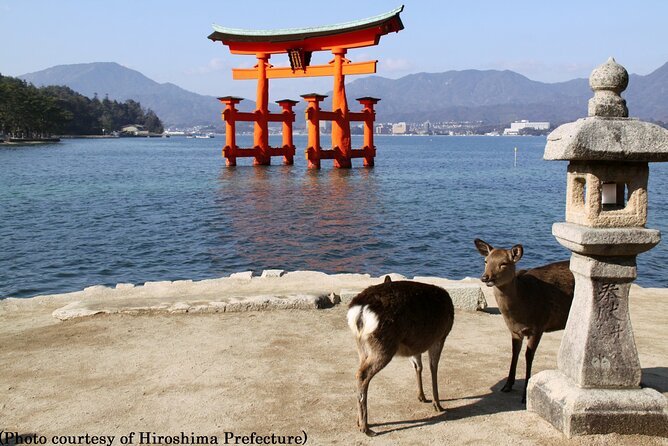
I especially like the way the schedule balances a beautiful place and a heavy one. You start on Miyajima, with Itsukushima Shrine and that famous torii-at-the-water feeling, then you shift to the Hiroshima Peace Memorial Museum with a guide like Azusa-san, Takeshi, Sato-san, or Akiko to make sense of what you’re seeing.
One drawback to plan around: it’s a long day (about 13 hours), and the stops are paced tightly—some people want more time at the museum or more time wandering Miyajima.
In This Review
- Key things I’d watch for on this tour
- Kyoto to Hiroshima by Shinkansen: the easiest way to do a long day
- Miyajima and Itsukushima Shrine: the “Sacred Island” break you need
- How much time you really get on Miyajima (and what that means for lunch)
- Hiroshima Peace Memorial Park and Museum: where the guide’s role matters
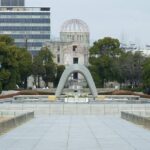
- Genbaku Dome (Atomic Bomb Dome): short stop, heavy impact
- The full-day schedule reality check: pacing, crowds, and energy
- Price and value: $399.71 isn’t cheap, but what you’re getting is
- Who should book (and who might want a different plan)
- Should you book this Hiroshima and Miyajima bullet train tour?
Key things I’d watch for on this tour
- Shinkansen round-trip from Kyoto saves you from day-planning stress and keeps the day moving.
- Itsukushima Shrine with a guided explanation helps you notice details you might otherwise miss.
- Miyajima time is short and lunch is on your own, so go in with a simple plan for eating.
- Peace Memorial Museum includes emotionally intense exhibits, so it may be rough for young kids.
- Genbaku Dome is quick but powerful, and it pairs well with the nearby memorial points.
- English guidance covers the Hiroshima segment, so you’ll get context where it matters most.
Kyoto to Hiroshima by Shinkansen: the easiest way to do a long day
This tour is built around one big advantage: you go from Kyoto to Hiroshima by high-speed Shinkansen with the heavy logistics handled for you. You meet at the JTB Sunrise Tours Desk inside Avanti (B1F), across from Kyoto Station Hachijo Exit, with a start time of 7:30am. From there, staff walk you to the station and help you get on the train.
Expect a fast ride to Hiroshima Station. The point isn’t just speed; it’s sanity. If you try to DIY Hiroshima and Miyajima in one day, you’ll burn time coordinating trains, ferries, and ticket lines. Here, you’re already sorted, so the day stays focused on the actual sights.
Group size is capped at 40 travelers, which is big enough for comfort, but small enough that you’re not stuck feeling lost in a crowd. One more practical detail: the operator uses a mobile ticket, which cuts down on fiddling with paper, but you’ll still want to keep your phone charged.
Also note a small reality check: the tour runs until around 9:00pm back at Kyoto Station, and there’s no hotel drop-off. So if you’re staying outside central Kyoto, plan your evening transport before you leave.
Go further: Hiroshima and the floating Miyajima torii
Miyajima and Itsukushima Shrine: the “Sacred Island” break you need
After arriving in Hiroshima, you transfer onward to Miyajimaguchi, then take the boat over to Miyajima. The ferry approach matters because the island changes the mood fast. You go from city travel to the feel of a coastal shrine setting, with the famous water view shaping the experience.
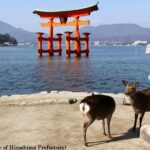
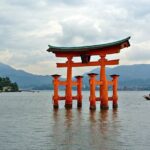
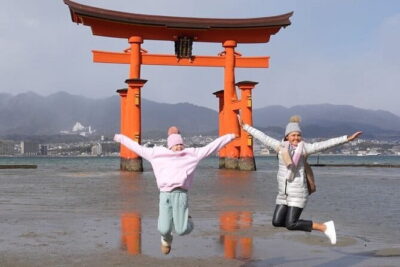
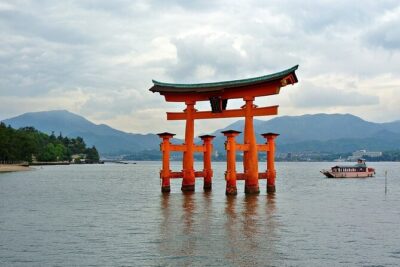
Miyajima is known for the Itsukushima Shrine, a UNESCO World Heritage site with architecture from the Heian period style. The big draw is the visual: the torii gate’s relationship with the tides can make it look like it’s floating on water at high tide. Even if you don’t catch the exact tide moment, the shrine and the setting still read as special.
What I like here is that this isn’t just sightseeing. Your guide sets context so you’re not only taking photos. You get a sense of why the shrine’s placement and design matter, not just that it’s famous. One common thread from guide names shared by previous participants—like Hiro, Angela, and Masoko/Masako—is that they tend to bring energy and clear explanations, which helps a site like this land better.
You’ll also likely notice the island’s unofficial cast: tame deer roaming around freely. They’re part of the vibe. Just keep your space and follow whatever local guidance you’re given around feeding or close-up selfies.
How much time you really get on Miyajima (and what that means for lunch)
The tour gives you about 45 minutes to around an hour on Miyajima, depending on how the day flows. That’s enough to see the shrine area and get photos, but it’s not enough for a long “wander until you find something” day.
Then lunch happens on your own. The area is known for foods like oysters, Hiroshima-style okonomiyaki, and conger eel rice bowl, and you’ll find shops along the sightseeing streets. This is where the tour can feel slightly restrictive: if you want to slow down and eat at a sit-down place, you may feel rushed.
Two tips to make this work:
- Go in hungry and keep your meal order simple. If you pause too long looking at every menu, you lose time fast.
- If you eat vegetarian, you might find the options narrower than you’d like since the local specialties lean seafood and meat. It’s still possible to find something, but you should plan to be flexible.
You’ll then return by boat to Hiroshima, which gives you a short decompression before the heavier afternoon.
Hiroshima Peace Memorial Park and Museum: where the guide’s role matters
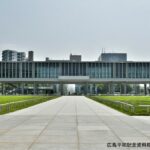
In the afternoon, you move to the Hiroshima Peace Memorial Park and the Hiroshima Peace Memorial Museum. This part of the day is where a guided explanation changes everything.
The museum is not light entertainment. It’s designed to communicate the scale of destruction from August 6, 1945, and to document Hiroshima’s aftermath and recovery. You’ll see exhibits that confront what happened, including materials presented in a way that can be intense—especially because some displays include photographs of injuries and the dead.
So here’s my practical advice: if you’re traveling with kids, read the room. Younger children can be surprised by the graphic nature of certain exhibits. Older kids usually handle it better when they have clear explanations and a chance to ask questions.
Your guide leads you through the museum, which is a big deal because without context, it’s easy to feel overwhelmed and just drift through rooms. With guidance, you’re more likely to connect themes and understand why specific exhibits were preserved.
You’re given about an hour at the museum area, and that pace is real. Some people wish for more time inside, and that makes sense. If you’re the type who reads every placard carefully, consider whether you want to stay longer. One practical option mentioned in guidance from participants: you may be able to sign out and spend more time, but you’d need to change your return Shinkansen ticket to match the new timing.
Genbaku Dome (Atomic Bomb Dome): short stop, heavy impact
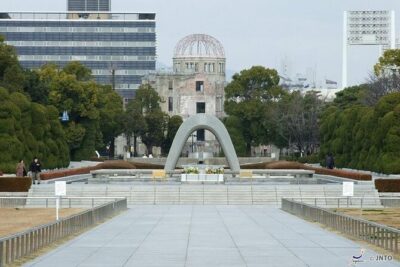
After the museum, the tour heads to the Genbaku Dome, also known as the Atomic Bomb Dome. It’s one of the few buildings left standing after the bombing, and it’s preserved as a symbol.
This stop is shorter—around 40 minutes—and that can be a benefit. You don’t have time to turn it into background scenery. You take it in, you absorb what it means, and then you move on while the emotional impact is still fresh.
Nearby, you’ll also come across the Children’s Peace Monument, draped with thousands of origami cranes made by children. There’s also the Atomic Bomb Memorial Mound, which contains the ashes of 70,000 bomb victims, many of whom were unidentified or had no surviving relatives to claim them.
If you only have one Hiroshima site to feel deeply connected, it’s often the dome area plus the park/museum together. The museum gives you story and detail; the dome gives you a single visual anchor.
Other Kyoto tours and experiences to compare

The full-day schedule reality check: pacing, crowds, and energy
This is not a “stroll and snack” day. It’s a packed itinerary built around one full transit corridor: Kyoto → Hiroshima by Shinkansen, then Hiroshima → Miyajima by ferry, then back to Hiroshima for the memorial sites, and finally Hiroshima → Kyoto again.
That means you should plan around:
- Fatigue. You’ll spend a lot of the day seated on transit, then stand and walk during stops.
- Time pressure. Miyajima and the museum are both paced. If either one is your top priority, you may end up wanting more minutes at that specific place.
- Heat and crowding. The Peace Park and museum can be busy, and the museum can feel warm depending on the day. When you’re pressed for time, that changes how comfortable reading exhibits feels.
The good news: the organization helps you avoid the worst version of a packed day—lost time. Staff help you move between transport points and keep you from hunting down directions while carrying your emotions.
And yes, it’s long. But for many people, that’s exactly why the tour is worth it: you get two UNESCO-level experiences plus the dome in one day, without you needing to become a part-time transit planner.
Price and value: $399.71 isn’t cheap, but what you’re getting is
At $399.71 per person, this tour costs real money. The question is whether it’s value for your style of travel.
Here’s what you’re paying for, based on what’s included:
- Round-trip Shinkansen between Kyoto and Hiroshima
- Entrance fees for key sites, including Itsukushima Shrine and the Hiroshima Peace Memorial Museum
- Transportation costs tied to the day
- Miyajima visitor tax
- A licensed English guide interpreter during the Hiroshima segment
Lunch is not included, so you’ll still spend money on food. But the big cost drivers—train travel and major admissions—are covered.
If you were to DIY this route, you’d likely spend time buying tickets, matching train times, and coordinating the Hiroshima-to-Miyajima ferry transfer while trying to keep your day from unraveling. Even if your DIY transport costs weren’t much less, the mental effort is bigger.
So I see this as a good-value option if you want:
- a one-day hit of Hiroshima and Miyajima
- guided context for the museum and memorial sites
- less stress than independent planning would require
If you love slow travel and want hours at each site, the price won’t feel “worth it.” It’ll feel like you paid for time pressure.
Who should book (and who might want a different plan)
This tour fits best if you:
- have limited time in Kansai and want Hiroshima and Miyajima without splitting it over multiple days
- want a guide to translate not just words, but meaning—especially for the Peace Memorial Museum
- prefer having transport and ticket pieces handled so you can focus on the experience
It may feel less ideal if you:
- want lots of shopping time on Miyajima (the time is short)
- need extra flexibility at the museum to read every exhibit slowly
- have strong dietary needs. Lunch is on your own, and Miyajima’s specialty food choices can skew toward seafood and meat options
Should you book this Hiroshima and Miyajima bullet train tour?
If your priority is doing both Miyajima and Hiroshima in one day with the guide support that matters most in the afternoon, I think this is a smart booking. The Shinkansen round trip plus included admissions removes the hardest parts of the planning.
Just go in with two expectations set: the day is long, and the stops are paced. If you can accept that trade-off, you’ll come away with the kind of Hiroshima understanding that’s hard to get from signage alone.
More Tours in Kyoto




More Tour Reviews in Kyoto


More Hiroshima and Miyajima Trips
Just added: more Kyoto tours to browse








Hiroshima & Miyajima Day Trips, compared.
 ★ 5.0FromOsaka/Kyoto:Hiroshima & Miyajima Private Tour with LunchFrom $78432 reviews
 ★ 5.0Full Day Hiroshima and Miyajima Bus TourFrom $11112 reviews
 ★ 5.0Hiroshima, Miyajima 1 Day Bus with Indian Lunch from Osaka, KyotoFrom $2807 reviews
 ★ 5.0Private Day Trip To Hiroshima from Kyoto or Osaka by Bullet TrainFrom $1,2915 reviews
 ★ 5.0Hiroshima and Miyajima 1 Day Tour for who own the JR Pass onlyFrom $3433 reviews
 ★ 5.0Hiroshima and Miyajima Full-Day Tour from Kyoto by Bullet TrainFrom $1193 reviews
Browse the lists this tour appears in